By: Michael Fox
Tuesday Bushcare gave us more evidence of the value of Mt Gravatt Outlook Reserve as a key resource of species available to strengthen our urban habitat as our Pollinator Link project brings wildlife back to backyards.

We found three new insect species to add to our research: Flora and Fauna of Mt Gravatt Reserve.
The large Yellow Hairy Flower Wasp Radumeris tasmaniensis was a special find. Note that most Australian wasps do not sting humans rather the females use their ovipositor to lay eggs in beetles and caterpillars. Most of our wasps work 24/7 as natural pest controllers in our gardens.
.
.
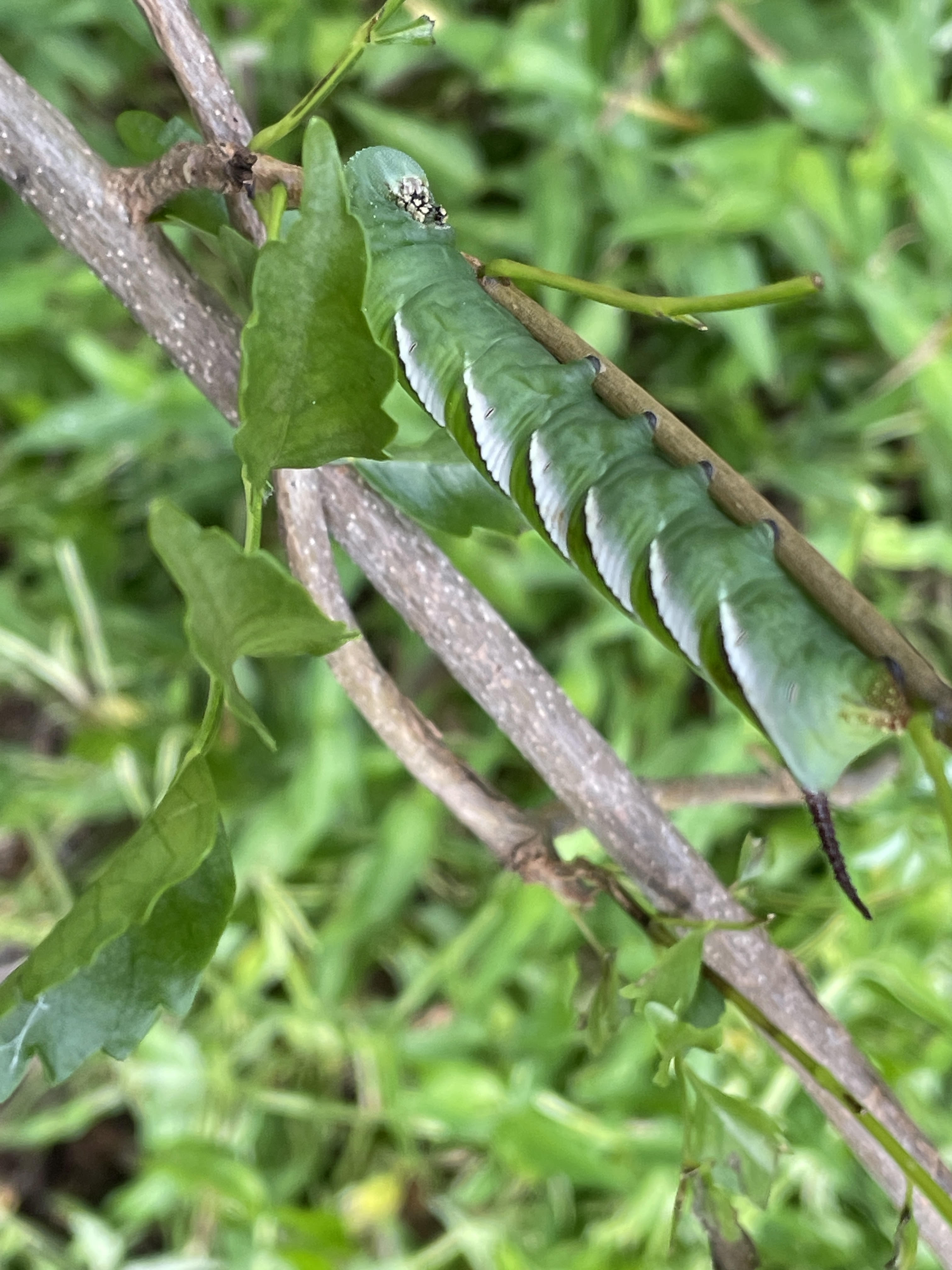
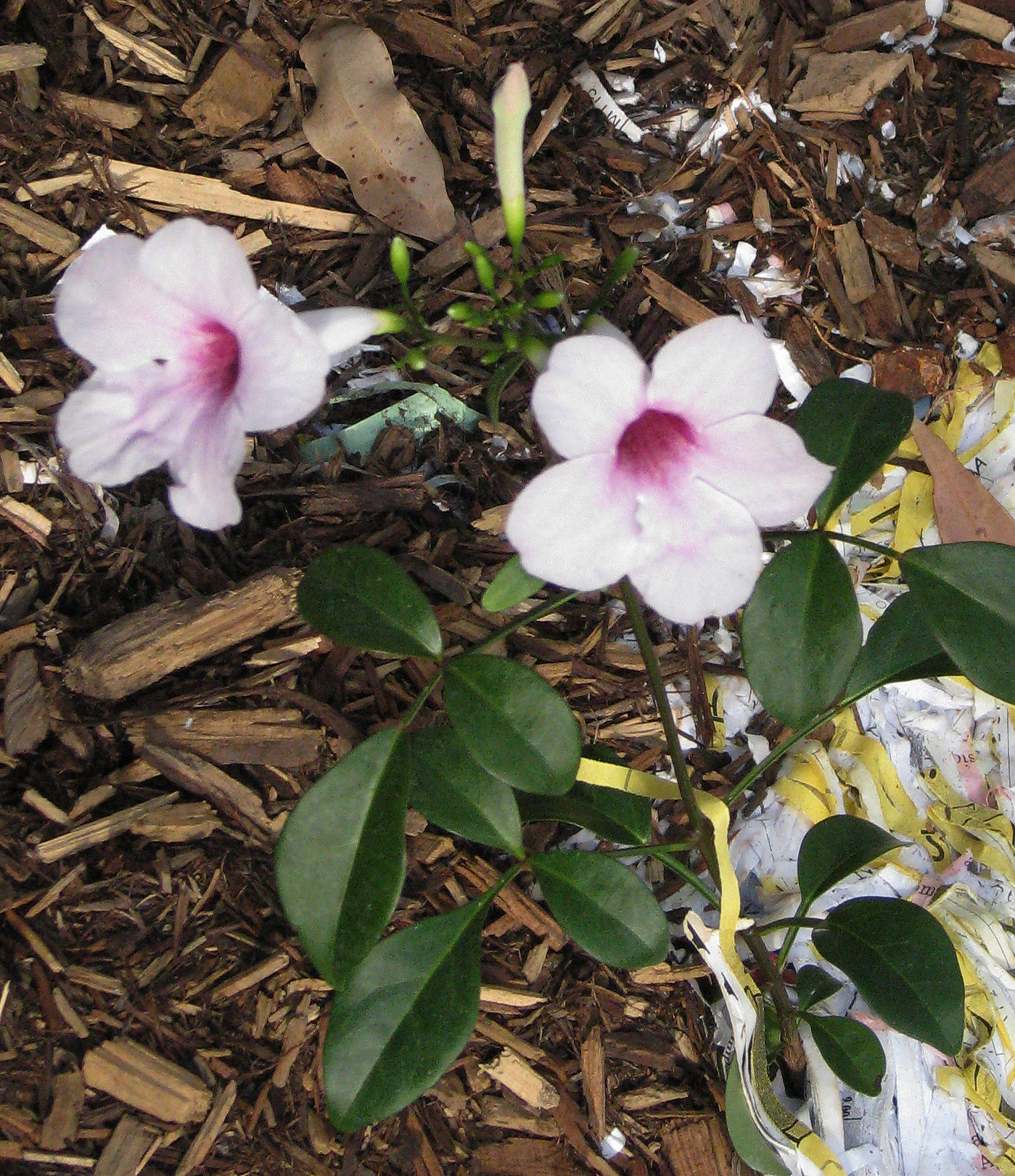
We found the Privit Hawkmoth Psilogramma casuarinae caterpillar feeding on the Bower Vine Pandorea jasminoides.
Hawkmoth caterpillars can be identified by their characteristic spike tail.

.
.
.
.
.
.
.
.
.
.
.
Leaf-footed Bug Pternistria bispina
.
.
.
.
.
.
.
.
.
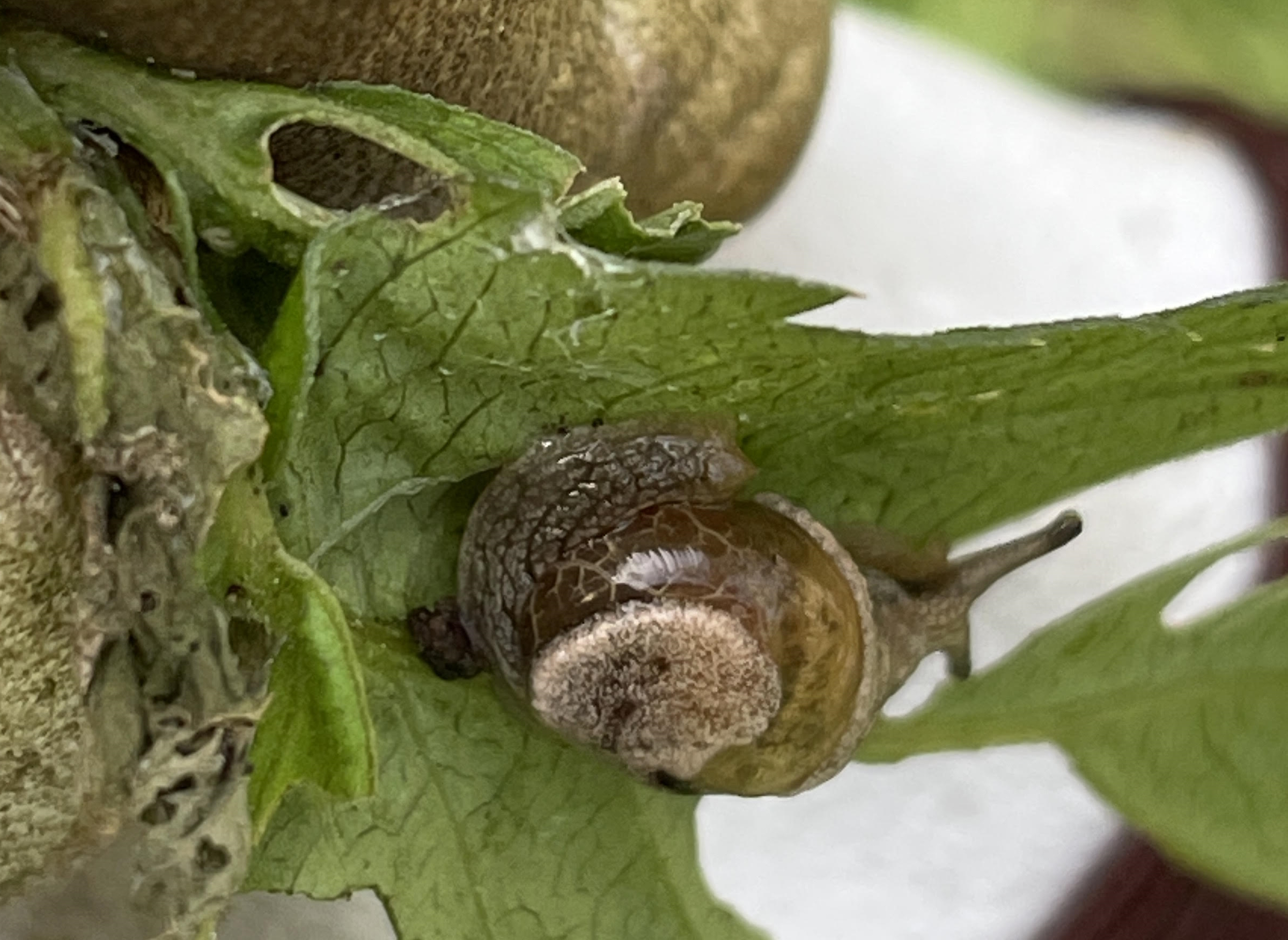
Iridescent Semi-slug Peloparion iridis native snail.
.
.
.
.
.

.
.
.
.
A Blue Oides Leaf Beetle Oides laetabilis was photographed feeding on Creeping Beard Grass Oplismenus aemulus. An native grass that is very effective as Living Mulch suppressing weeds, keeping the soil cool and reducing erosion.
.
.
.
.
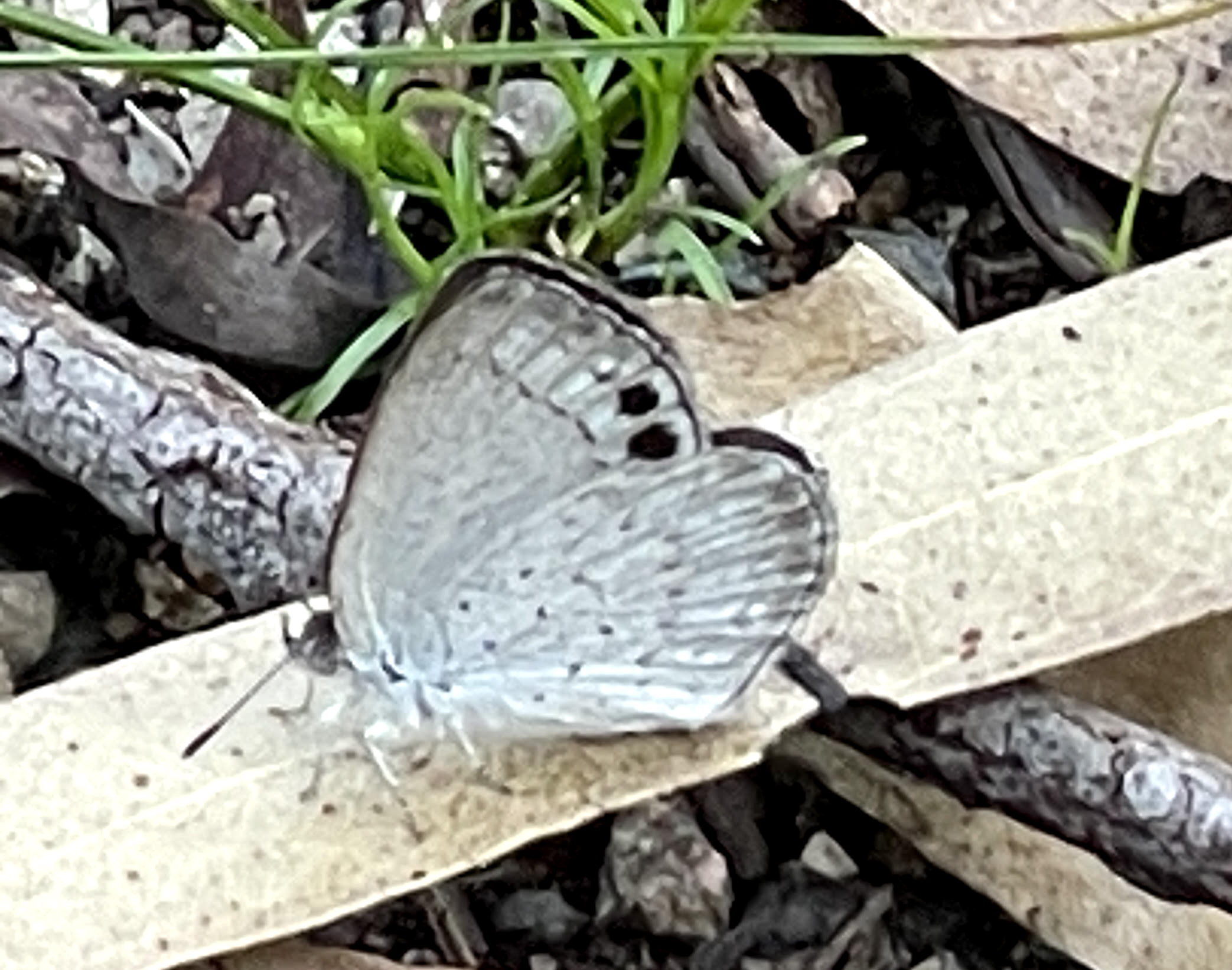
A Small Dusky Blue Candalides erinus butterfly visited the site.
.
.
.
The potential to bring wildlife to our backyards is powerfully demonstrated in the ABC article: How three housemates in COVID lockdown discovered their Brisbane home was a biodiversity hotspot
“The number grew to more than 1,150 unique species of plants, animals and fungi counted over 12 months.”
Sign the petition to expand this highly diverse habitat SIGN PETITION TO COUNCIL
 Mount Gravatt Environment Group
February 11, 2024 at 8:33 pm
Incredible what life is out there, when one just stops to take a look and not rush on by. Awesome photos!