Bushcare


By Susan Jones

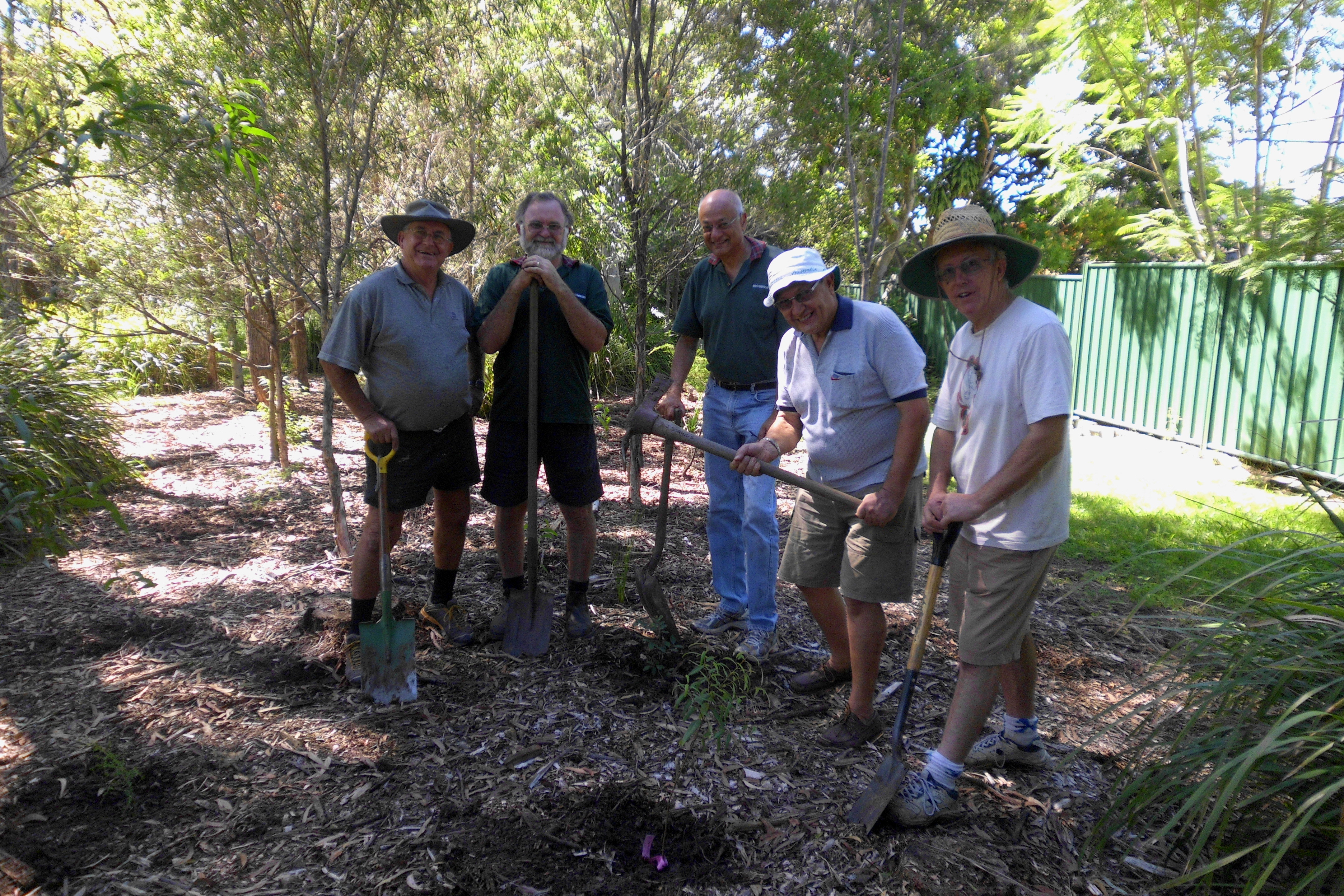
Last Saturday MacGregor Lions Club members returned for another great morning in Roly Chapman Bushland Reserve.

The team’s work restoring the native gardens has inspired the neighbours. Neighbour Sam came out to help and has offered to weed and water for us between working bees.  Another close neighbour has offered water from his tank for the plants.

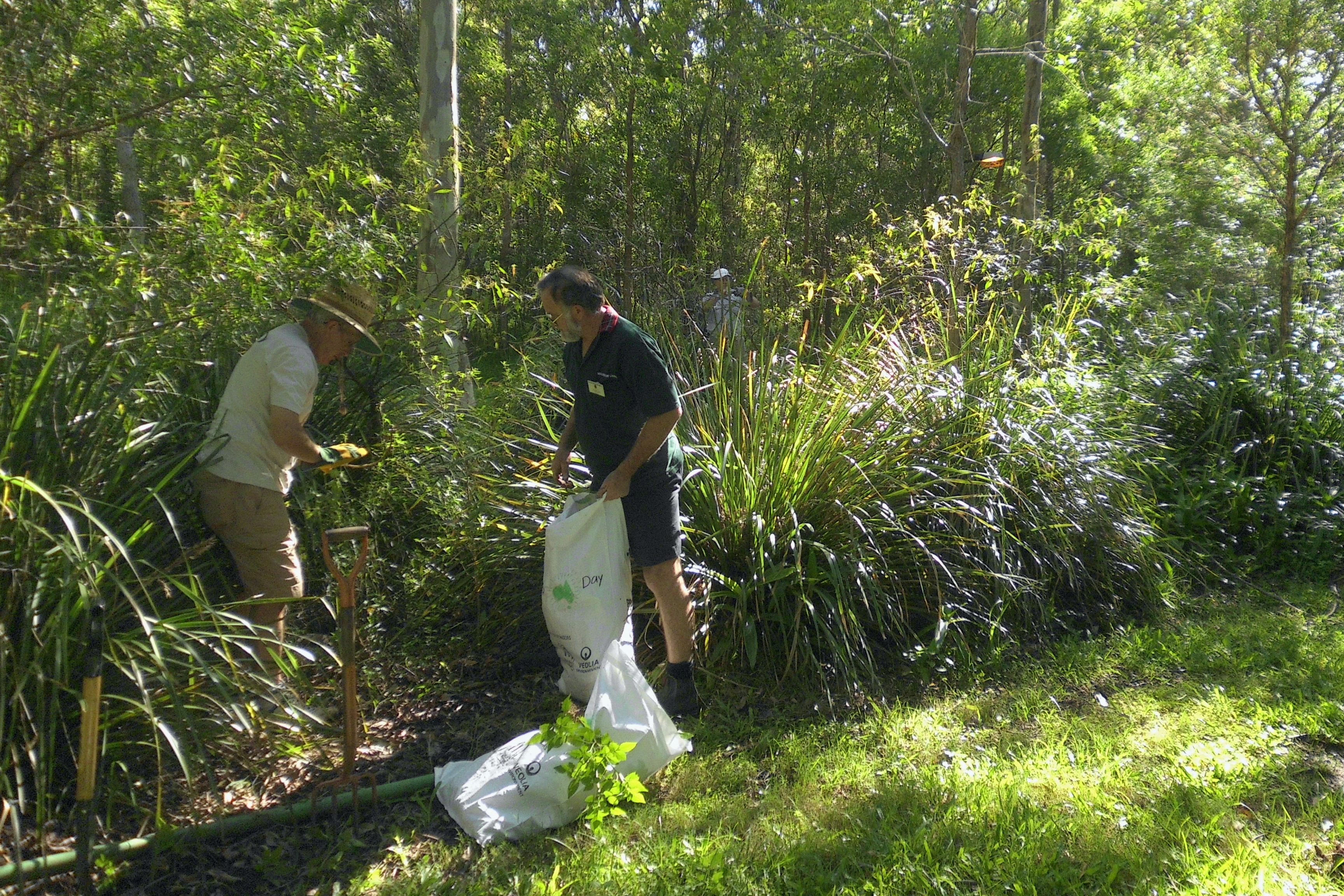
Liz from Hoad Street came out to work with us.  As a result, the last bamboo in garden #1 was removed and 21 native tubestock that will support birds, butterflies, bees and frogs were planted out.

g

Garden #2 was cleared of choking weeds.  A carpet python hiding amongst weeds in garden #2 was disturbed and quietly disappeared into the Lomandras.  Unfortunately he wouldn’t stay for photographs!v

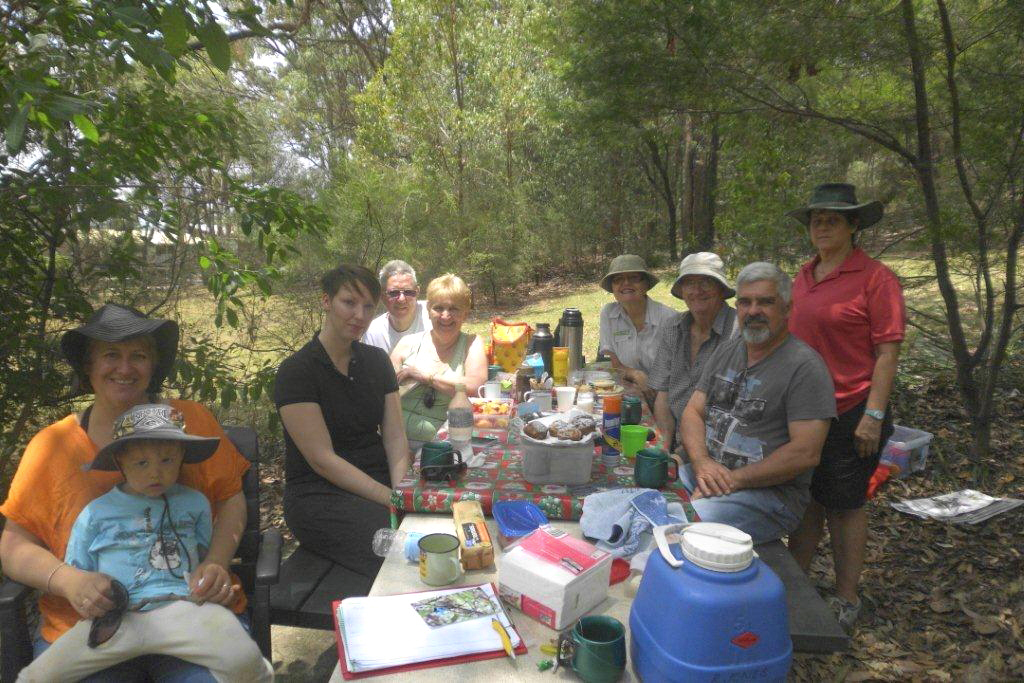
At the end of the morning the proud team did pose for a photo as they reflected on what they achieved.

Join the Lions team restoring birds, butterflies, bees and frogs to this special environment:

Thursday 22nd March from 3 – 5 pm

Meet at garden #2 (from Hoad Street end of pathway).

For details email – Macgregor.Lions.Secretary@gmail.com

or contact John Spriggs on 3849 6479.

(l-r) Michael Fox, Susan Jones, Hon Vicky Darling MP, Hon Phil Reeves MP

Wednesday 15th, Sue Jones and I joined Hon Vicky Darling MP, Minister for Environment and local member Hon Phil Reeves MP, Minister for Child Safety and Sport at Mt Gravatt Lookout to officially present the independent environmental report: Mimosa Creek Precinct – Flora, Fauna and Fauna Corridor AssessmentBiodiversity Assessment & Management Pty Ltd – Nov 2011.

Like many visitors Minister Darling was pleasantly surprised by Mt Gravatt Lookout,  the view over the CBD with the ranges beyond, Echidna Magic Cafe and picnic area all within a unique habitat which is home to Koalas, Echidnas and forty five butterfly species. With two hundred and sixty-three native plant species this unique 66 hectares has 10% of the species diversity of the whole 22.6 million hectares of Great Britain.

Koala Phascolarctos cinereus - Photographer Alan Moore

Delivering this report is another step in a process that started in July 1893 when, in response to community action, Mt Gravatt was declared an environmental reserve. Prior to that Mt Gravatt and surrounds were designated as a railway timber reserve.

In 2012 the problems are different but whole of community action is more vital than ever as we work to build long term security for this extraordinarily diverse habitat by engaging private property owners, community groups, university and school as well as local and state government departments in a collaborative effort to restore vital wildlife corridors. Therefore Mt Gravatt Environment Group initiated this report as an independent ecological assessment of the areas of Mt Gravatt Reserve and Roly Chapman Reserve covered by our Mimosa Creek Precinct Landscape Plan, including potential wildlife corridors links. The report was half-funded by an $8,000  State Government grant which was matched by in-kind support from researchers  Biodiversity Assessment & Management Pty Ltd.

Key findings

Fauna and Flora Habitat Values

  • Essential habitat for Koalas within Roly Chapman Reserve can be preserved and expanded create wildlife corridors through Vegetation Communities 9 and 6:
    • Endangered habitat -Vvegetation Community 7 (pink); and
    • Of Concern habitat – Vegetation Community 8 (orange).
  • Forty-seven terrestrial vertebrate species recorded during field survey – two are considered species of conservation significance:
    • Koala – Phascolarctos cinereus
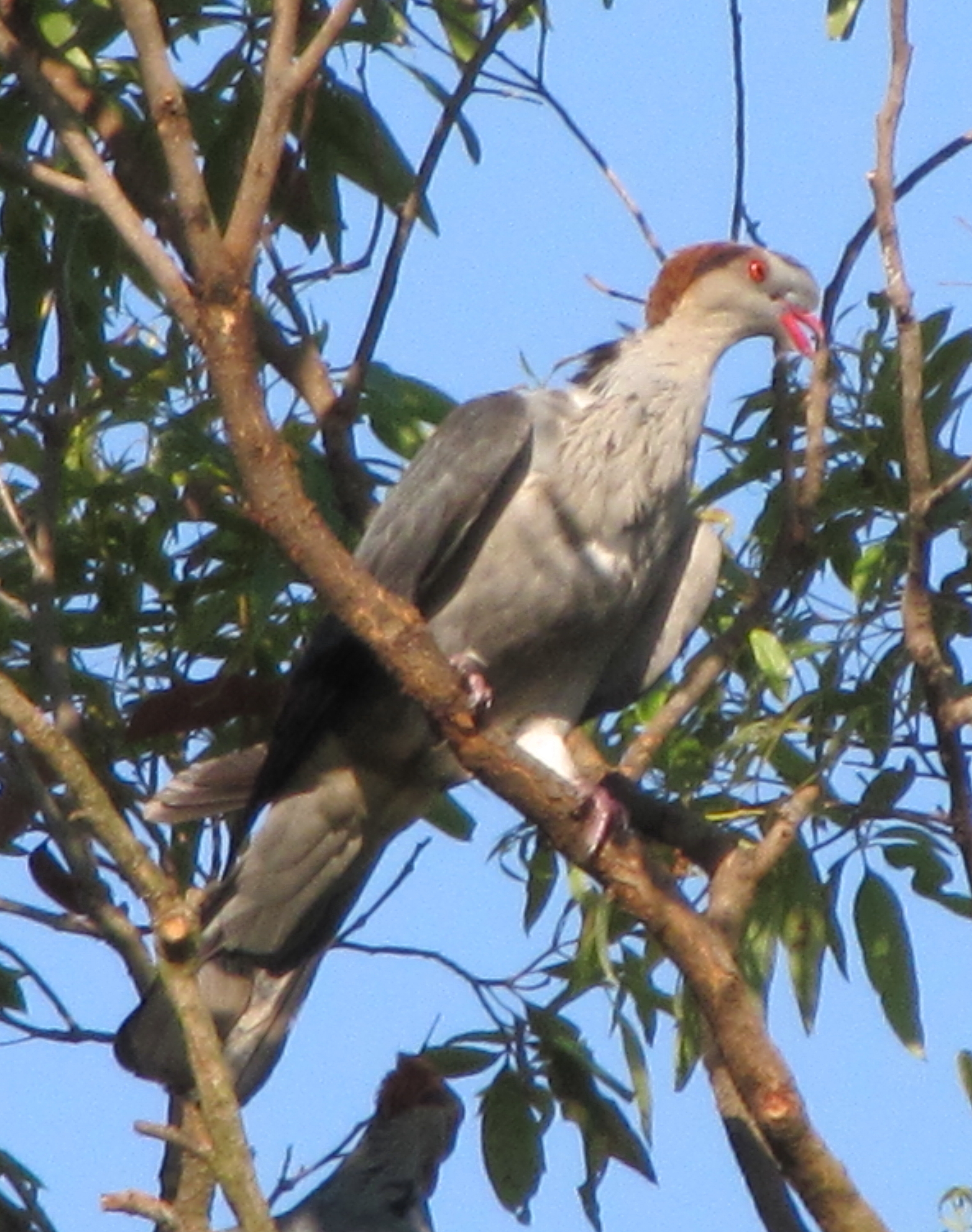
    • Topknot Pigeon Lopholaimus antarcticus
  • Nine species of Endangered or Vulnerable plants

    Topknot Pidgeon Lopholaimus antarcticus

    can potentially be restored by habitat restoration allowing natural regeneration.

  • Essential habitat for Tusked Frog Adelotus brevis – bushland to west of and including Fox Gully
  • Three species of mosquito eating micro-bats identified during field research:
    • o   Gould’s Wattled Bat Chalinolobus gouldii
    • o   White-striped Freetail Bat Tadarida australis
    • Eastern Bentwing Bat Miniopterus oceanensis.

Recommendations – Movement Corridors

  • Ground fauna, particularly mammals, have suffered series declines.
  • Corridor A – greatest potential
    • 25 metre wide corridor connecting old farmland with Mimosa Creek across Klumpp Road
    • Significant increases in useable habitat possible:
      • 9 hectare addition with revegetation of farmland
      • 4 hectare addition with revegetation of grassed and weed-infested area along Mimosa Creek – Vegetation Community 6
  • Extensive revegetation of farmland and restoration of grassed and weed-infested
  • Corridor B – narrow potential corridor connecting Fox Gully with Mimosa Creek
  • Corridor C – revegetation programs to complement existing vegetation

Report in Action

  • Findings used in submission for purchase of old farm as part of BCC Bushland Acquisition program
  • Mimosa Creek Precinct Landscape Planupdated to provide a masterplan for restoration and reconnection of Mt Gravatt and Roly Chapman Reserve
    • 18 property owners committed to restoration of Fox and Firefly Gully wildlife corridors
    • $8,000 contributed to corridor restoration by local residents
Mycena lampadis Luminous Mushroom

I had the pleasure, this week, of introducing our local state member – Phil Reeves MP, to one of the extraordinary and little known features of our unique mountain habitat – Luminous Mushrooms Mycena lampadis.

A lucky photograph, with a torch lighting a snail having a mushroom meal, also caught a group of mushrooms glowing in the dark. I don’t have an identification on snail yet however I will have a look at Semislugs – Family Helicorionidae – thanks to Helen Schwencke, Butterflies & Other Invertebrates Club.

Jon Kloske took some amazing photos like this amazing shot of mushrooms growing in a line on a rotting log over the track.

The mushrooms were first reported in January last year and at the time featured on 612ABC with Kelly Higgins-Devine.

Firefly Gully is one of the wildlife corridors identified in the 2011 Flora, Fauna and Fauna Corridor Assessment, and now being restored by property owners.

MacGregor Lions Club – Roly Chapman

Saturday – 4 Feb – 8am to 10am

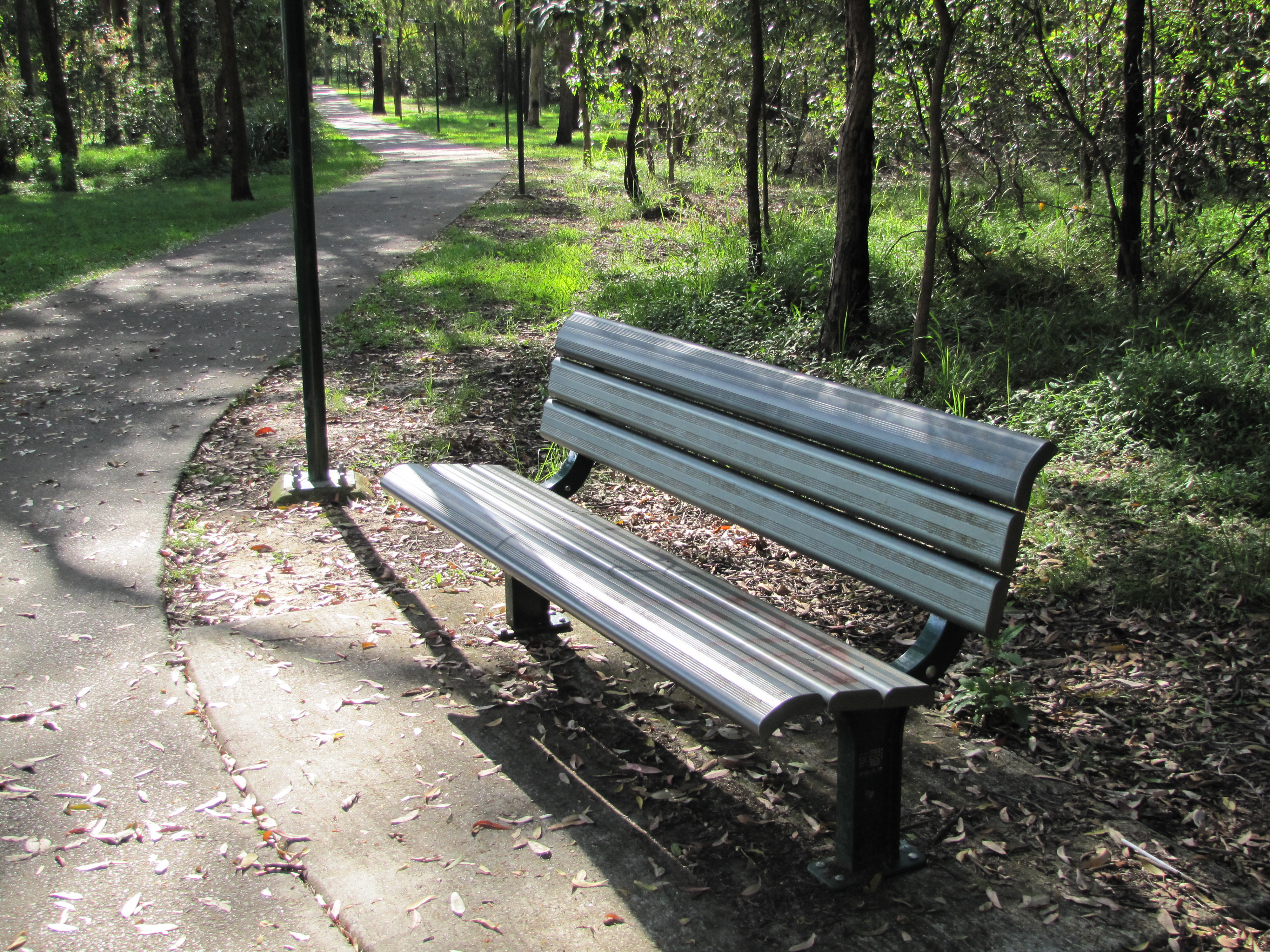
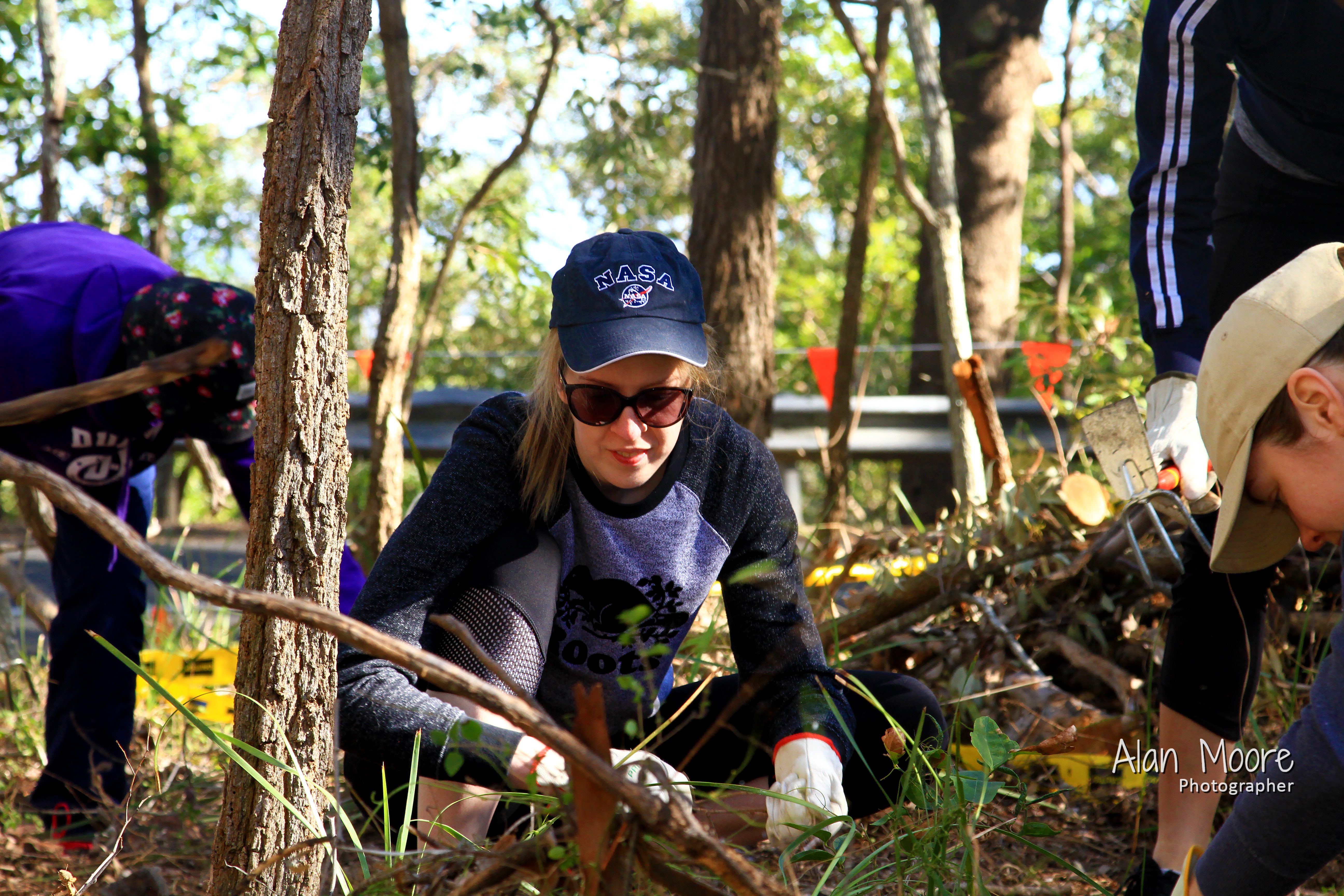
The MacGregor Lions Club team is partnering with Mt Gravatt Environment Group in restoration of the native gardens along this popular walk/cycle path Roly Chapman Reserve.

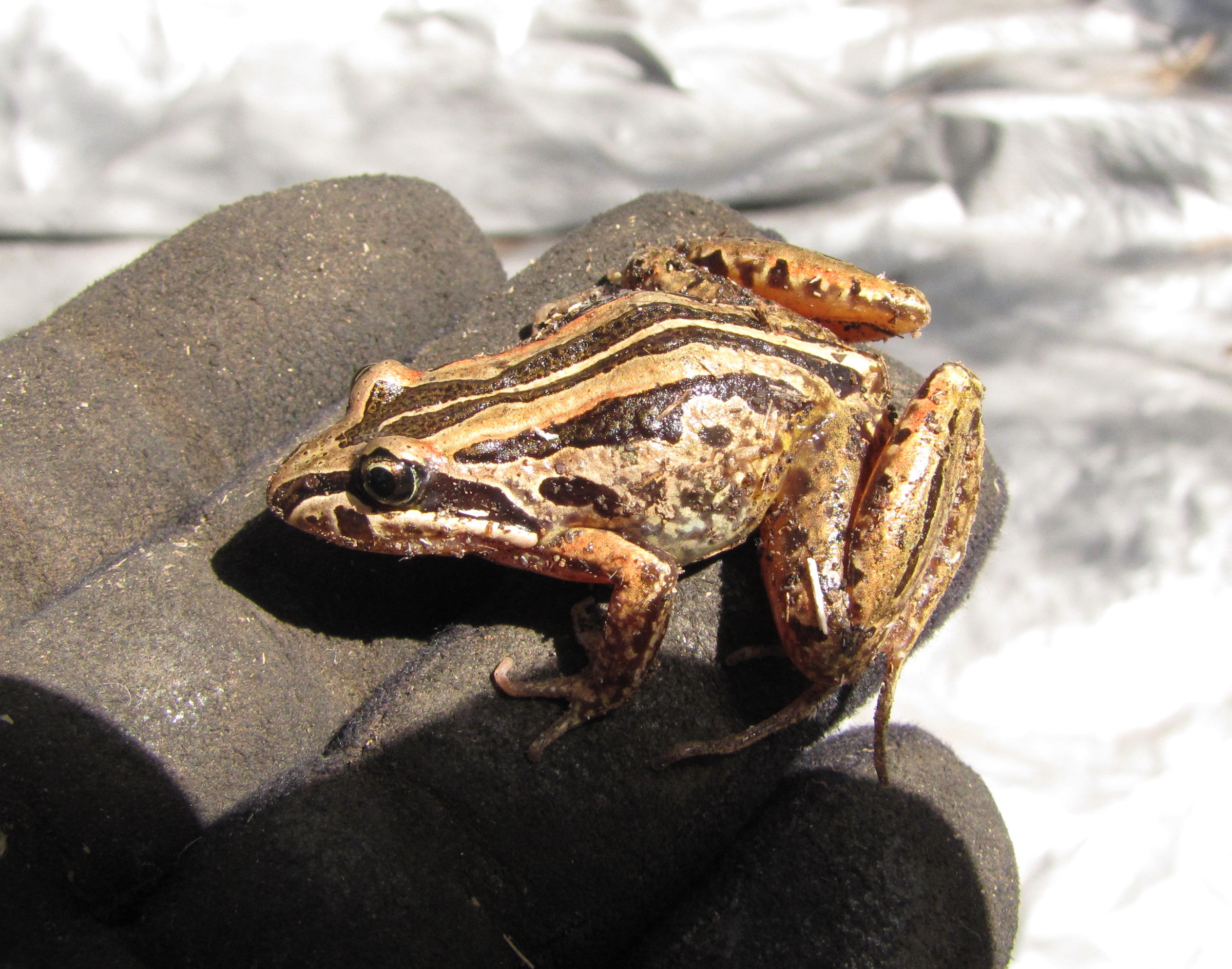
Roly Chapman Reserve is a special part of our local environment supporting a wide variety of native flora and fauna including the Striped Marshfrog Limnodyynastes peronii which we found at the Lions’ working-bee in December.

Frogs are a good indicator of the health of a habitat so finding a new species is very encouraging and a powerful acknowledgment of the value of the restoration work of the Lions team.

Roly Chapman with pretty Mimosa Creek meandering through bushland is also a key part in the wildlife corridor connecting Mt Gravatt Reserve and Bulimba Creek.

Join the team restoring this special place. For details email – Macgregor.Lions.Secretary@gmail.com or contact John Spriggs on 3849 6479.

(l-r) Michael, Lord Mayor Quirk, Sheamus

I was honoured on Friday night to join Sheamus O’Connor at the Cliff’s Cafe for the 2012 Lord Mayor’s Australia Day Awards.

Sheamus and I joined an inspiring group of Award winners honoured for their volunteer work after the January flood, protecting the Gateway Bridge from 150 metre section of the Riverwalk during the flood or helping disadvantaged people reconnect through a street soccer program.

Sheamus O'Conner, Young Citizen of the Year

The Lord Mayor honoured Sheamus, Mt Gravatt State High School Year 11 student, as Young Citizen of the Year for his passionate advocacy for the envirionment including his personal contribution to the restoration of Mt Gravatt Reserve. 2011 National Tree Day Sheamus led a team of fellow students and teachers in rehabilitating the degraded area at the entry to the Summit Track. Within an hour the area had been transformed from a barren wasteland into the makings of a great piece of wildlife habitat.

As a communty we can be proud to be represented by Sheamus who demonstrated his leadership style in his response to the Lord Mayor’s presentation.

(l-r) Michael, Cr Krista Adams, Sheamus

I was honoured to by presentation the Lord Mayor’s Green Heart Award in recognition of restoration work in the Fox Gully Bushcare area, flora and fauna research, ongoing community education with wildlife articles in Southside Community News and presentations at Mt Gravatt Men’s Shed and Griffith University Eco-Centre. The presentation of beautifully wrapped green watering can and tools added a nice bit of fun.

We particularly want to accknowledge the ongoing support Cr Krista Adams.

2011 has been a big year for Mt Gravatt Environment Group so to receive two top awards from Bulimba Creek Catchment Coordinating Committee (B4C) is a very satisfying way to round off and prepare for 2012.

I was personally awarded Environmentalist of The Year which is a great honour coming from some of the most committed and experienced environmentalists I have ever met.

Mt Gravatt Environment Group was awarded Bushcare Group of 2011 which truly reflects the extraordinary work of a large number of community members but particularly our Bushcare coordinators:

Our achievements also build on the strong support of Kate Flink, our BCC Habitat Brisbane Officer, the B4C team, Ann Moran and Alan Moore who presented our Environmental & Photography Workshop, community groups like Mt Gravatt Men’s Shed, McGregor Lions Club, Southside Sport and Recreation Club and Mt Gravatt Historical Society, Griffith University, BCC Mt Gravatt Library and local politicians Phil Reeves MP and Cr Krista Adams and their excellent staff.

Now it is time to take a holiday and get ready for an even more extraordinary 2012.

Saturday 26 December – Morning tea after a morning pulling weeds and planting at Gertrude Petty Place Bushcare. A simple happy and appropriate way to celebrate another successful year.

Our Gertrude Petty Place team have been steadily cleaning up the gullies and doing restoration planting. To October the team has put in 211 volunteer hours and planted 249 native plants most of which were propagated by the team members themselves.

Female - Spotted Pardalote - Photo A Kittila

Missing from the photo are Sheamus O’Connor who organised the Mt Gravatt SHS planting at the start of the Summit Track and Brett Dugdale – Rover Street Bushcare … and Kate Flink our wonderful BCC Habitat Brisbane Officer who was taking the photo.

m

m

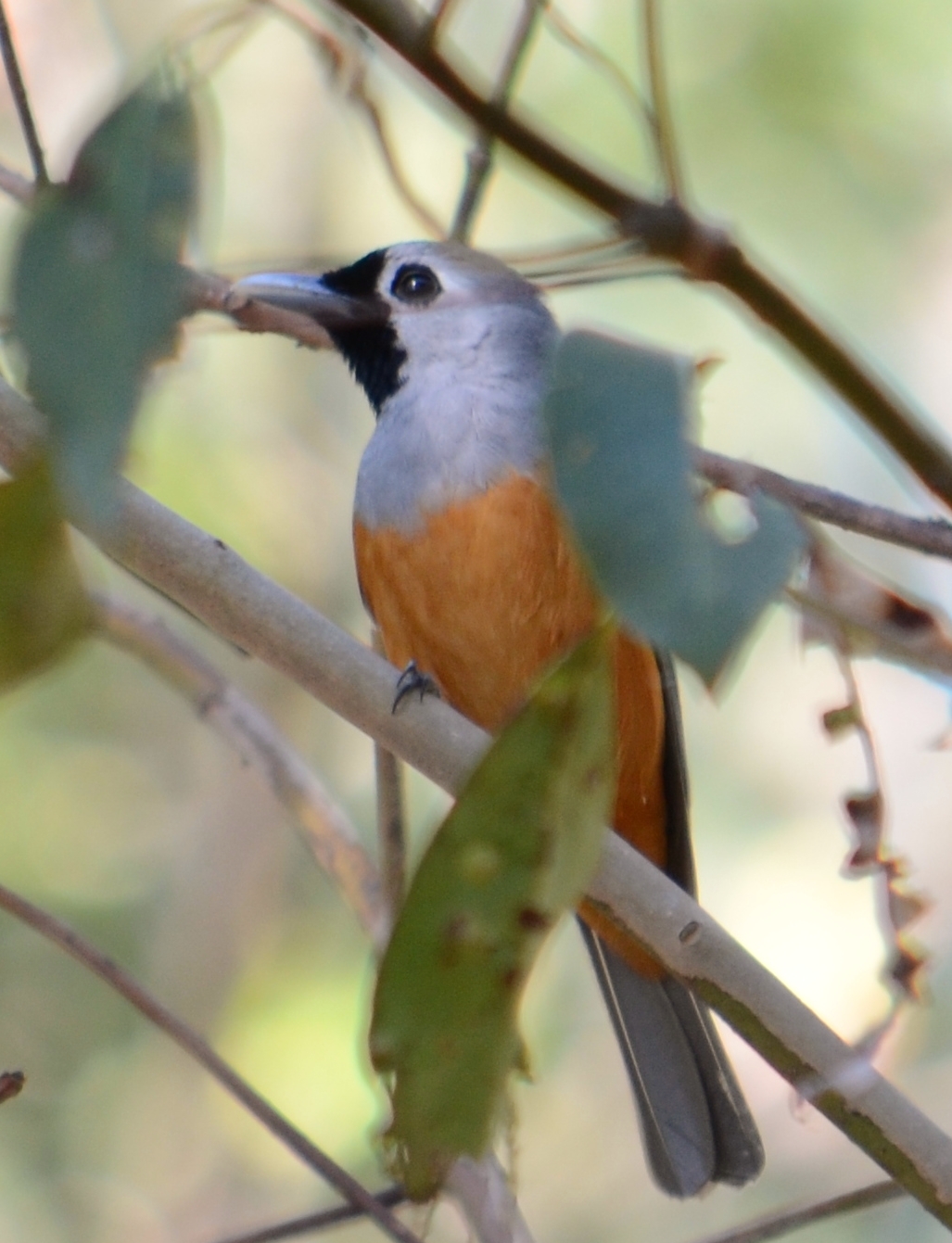
Black-faced Monarch - Photo A Kittila

It is important to note that 211 volunteer hours is only the time spent on-site. As well as that time our volunteers spend time on propagation, talking to school and community groups, applying for grant funding, preparing track guides and coordinating corporate groups like Conservation Volunteers Australia and McGregor Lions.

Others generously contribute information and photos of wildlife like the Spotted Pardalote Pardalotus punctatus and Black-faced Monarch Monarcha melanopsis. Andrea has added three bird species to our Flora & Fauna of Mt Gravatt Reserve bringing our count to fifty one bird species in the Reserve.

Removing weeds with Tree Popper

By Susan Jones

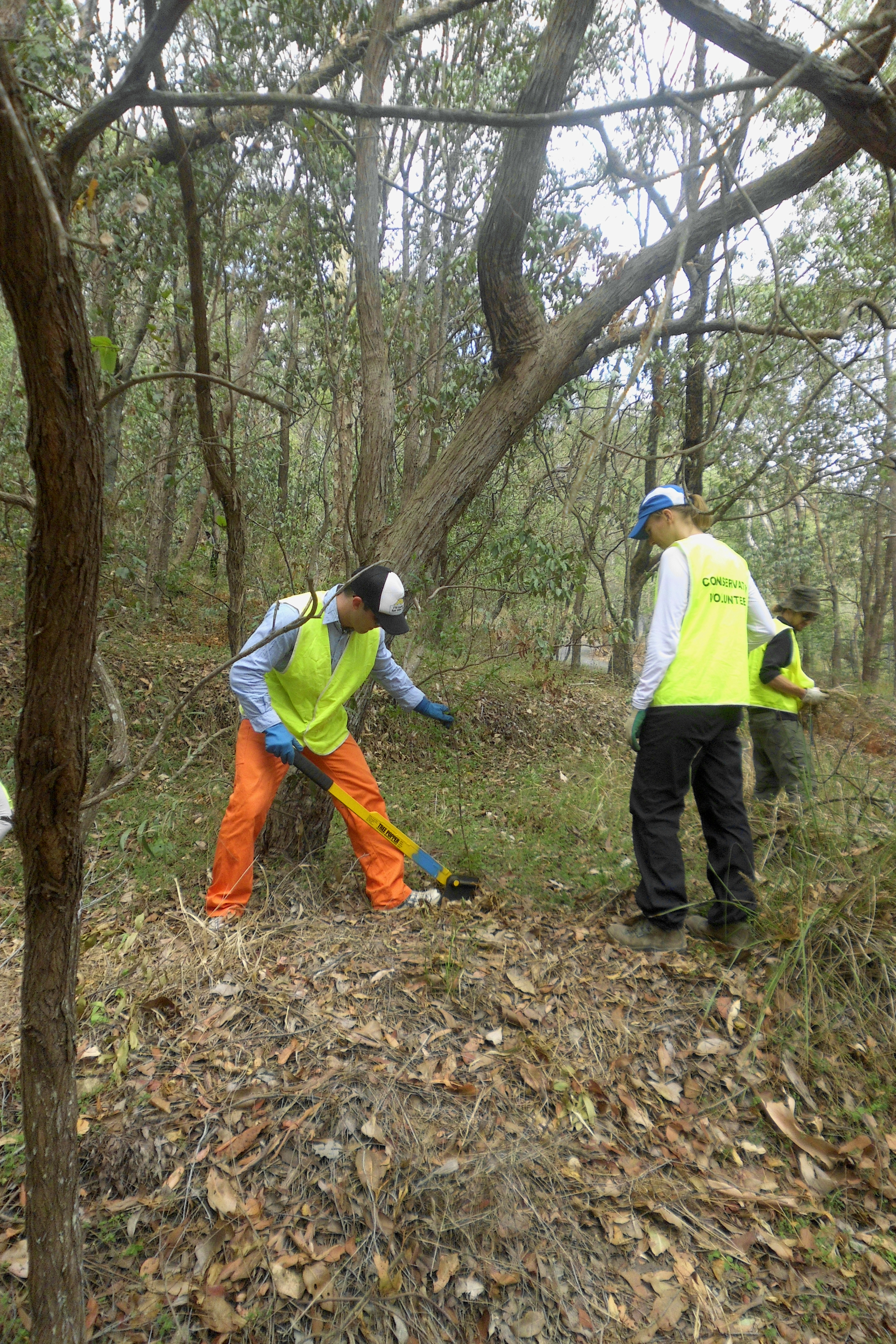
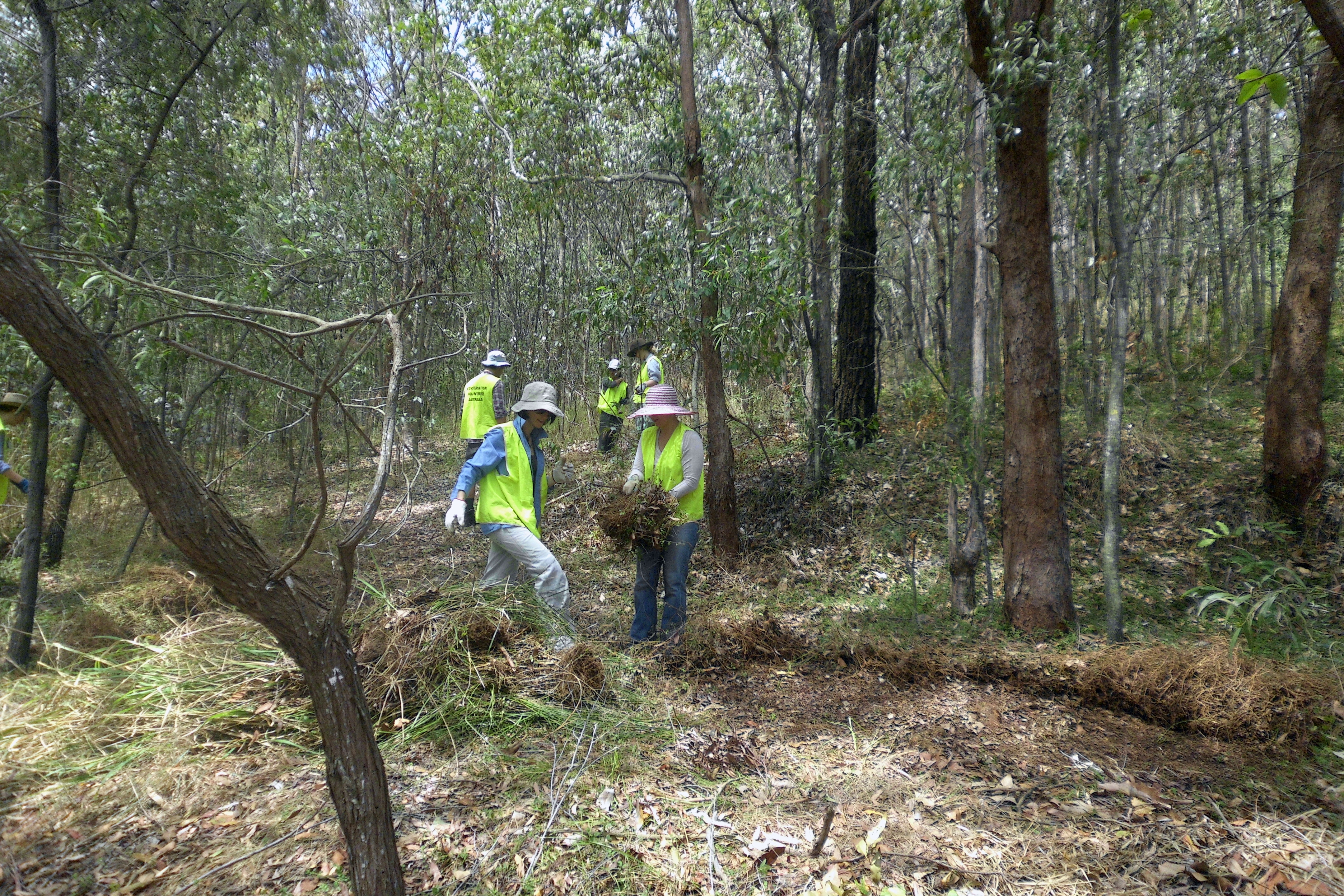
Last Saturday, Conservation Volunteers Australia (CVA) brought a corporate group of twelve young volunteers to assist Mt Gravatt Environment Group with weed removal at the entrance to the Summit Track.   Their main targets for the day were Creeping Lantana Lantana montevidensis and Mickey Mouse Plant Ochna serrulata.

Group leader, Fabian was interested in trying out our Tree Popper on the Mickey Mouse Plants, as he had not seen one of these used before.  The tool is placed around the main stem of the ground at ground level, the pincers are closed firmly and the tool levered towards the user.  With very little effort the weed emerges from the ground with its deep tap-root intact.

Whilst the blokes were grappling with Mickey Mouse Plants, the girls were rolling up Creeping Lantana like a carpet.  After shaking off the dirt, the ‘carpet’ was laid out to dry.  Once the materials has dried out, it will be returned  to the earth as mulch.

Rolling up Creeping Lantana

Thanks to Conservation Volunteers Australia  and the volunteers for a great day’s work!

Conservation Volunteers organise groups of local volunteers, often corporate groups, as well as volunteers from around Australia, New Zealand and the rest of the world.

The researchers have finshed and the report is now available to help us plan restoration of our wildlife corridors and provide scientific evidence to support funding applications to support implementation of our Mimosa Creek Precinct Landscape Plan.

The report was prepared by Biodiversity Assessment and Management Pty Ltd with funding provided by the Department of Environment. Click on link to download a copy Mimosa Creek Precinct Flora & Fauna Assessment Nov 2011

Koala sightings Fox Gully

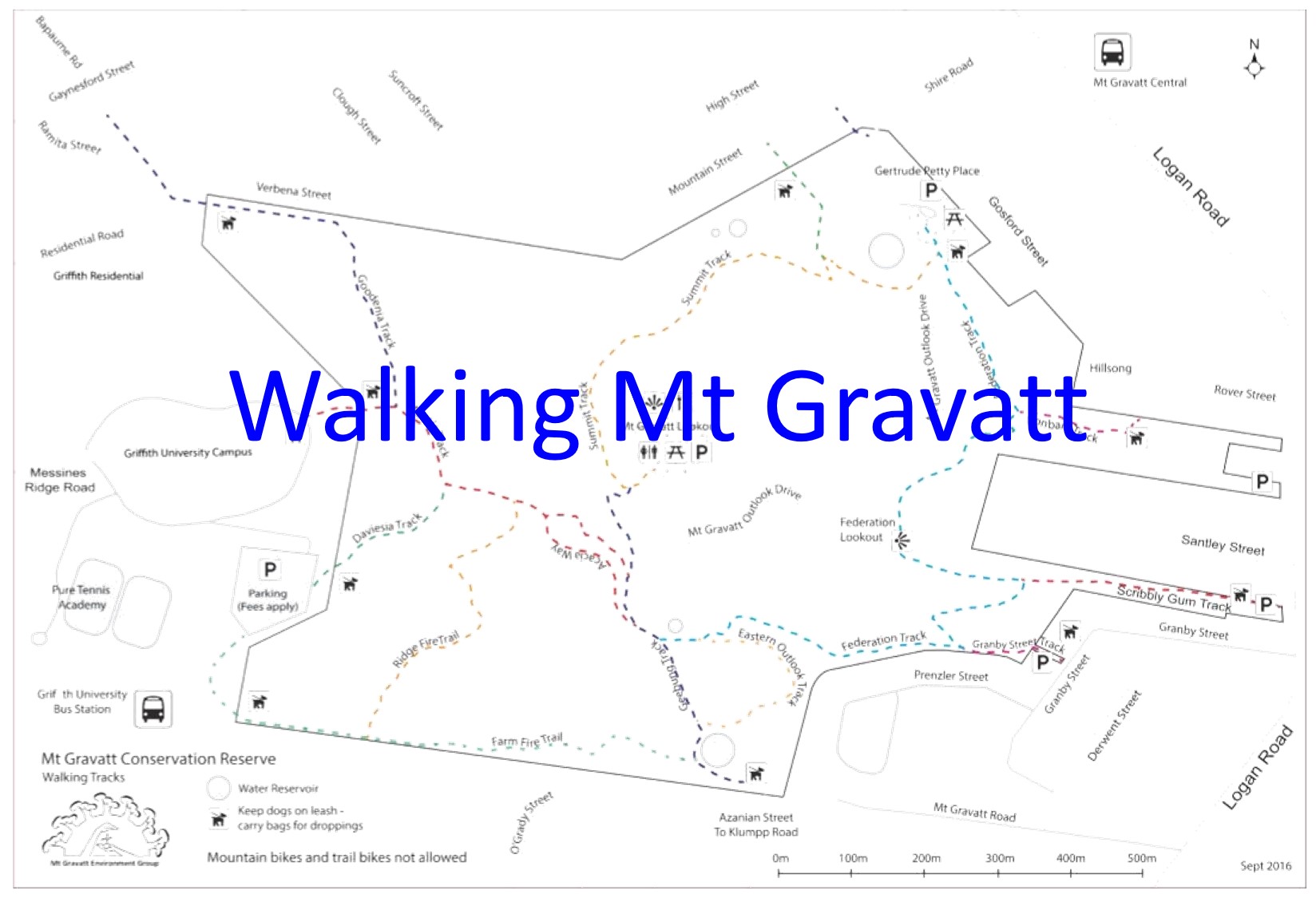
The report assessed the potential for the development of three potential wildlife corridors linking Mt Gravatt Reserve with Mimosa Creek. Koalas are breeding on Mt Gravatt and already starting to move into the Fox Gully corridor, see map, so our initiatives like our Community Gully Day are increasing important.

This research and report was made available through the strong support provided by Bulimba Creek Catchment Coordinating Committee (B4C), Griffith University School of Environment and EcoCentre, Butterflies and Other Invertebrates Club (BOIC), and Cr Krista Adams.

Particular thanks to our local state MP Phil Reeves and past Environment Minister, Hon Kate Jones who supported our application for research funding.

a

A Blue Banded Bee – Amegilla cingulata getting nectar from one of our special Bottle Brush Grass Tree – Xanthorrhoea macronema.

It is particularly pleasing to photograph my first Blue Banded Bee today because I am currently writing an article on Pollinator Links for the Southside Community News. Pollinator Links are a form of wildlife corridor that has potential to work in our fragmented urban landscape and they are a key strategy in our Mt Gravatt Showgrounds Precinct Landscape Plan.

Blue Banded Bees are an Australian native bee and an important pollinator of our food crops like tomatoes. Some plants will only release pollen when the flower is vibrated rapidly – buzz pollination.

The importance of these and other native buzz pollinators is highlighted by the fact that the commercial honey bee – Apis mellifera, cannot perform buzz pollination. The Blue Banded Bees website cites significant benefits for crops such as tomatoes, kiwi fruit, eggplants and chillies. Blue Banded Bees are thought to improve yields in Australia by at least 30% overall.

I also managed to photograph one of our beautiful Variegated Fairy Wrens Malurus lamberti. A male in full breeding colour. There was a least one female around but she would not sit still for a photo. These delicate little birds like scrubby areas where they are safe from predators, often Lantana. So part of our bush restoration work is ensuring there is that there is replacement habitat established before we remove large areas of Lantana. As we establish Pollinator Links we aim to bring special birds like these back into our community backyards.

« Previous PageNext Page »