Fox Gully Bushcare


By: Michael Fox

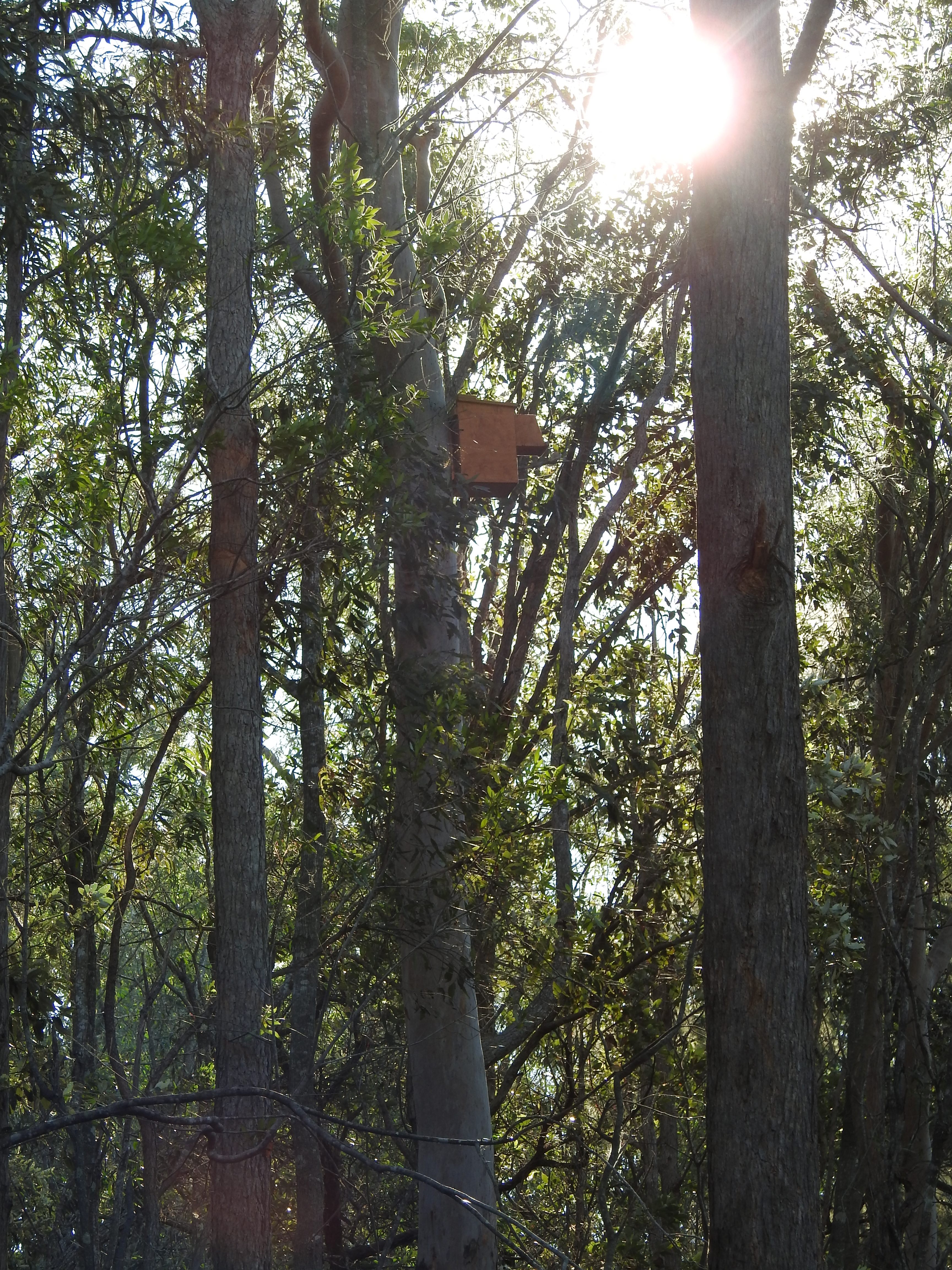
Kookaburra box - Fox Gully Bushcare Phase 2 - 7 July 2016

Boobook Owl box

The success of the first ten nest-boxes installed at the Fox Gully Bushcare has confirmed our research which showed the lack of suitable breeding hollows in trees.

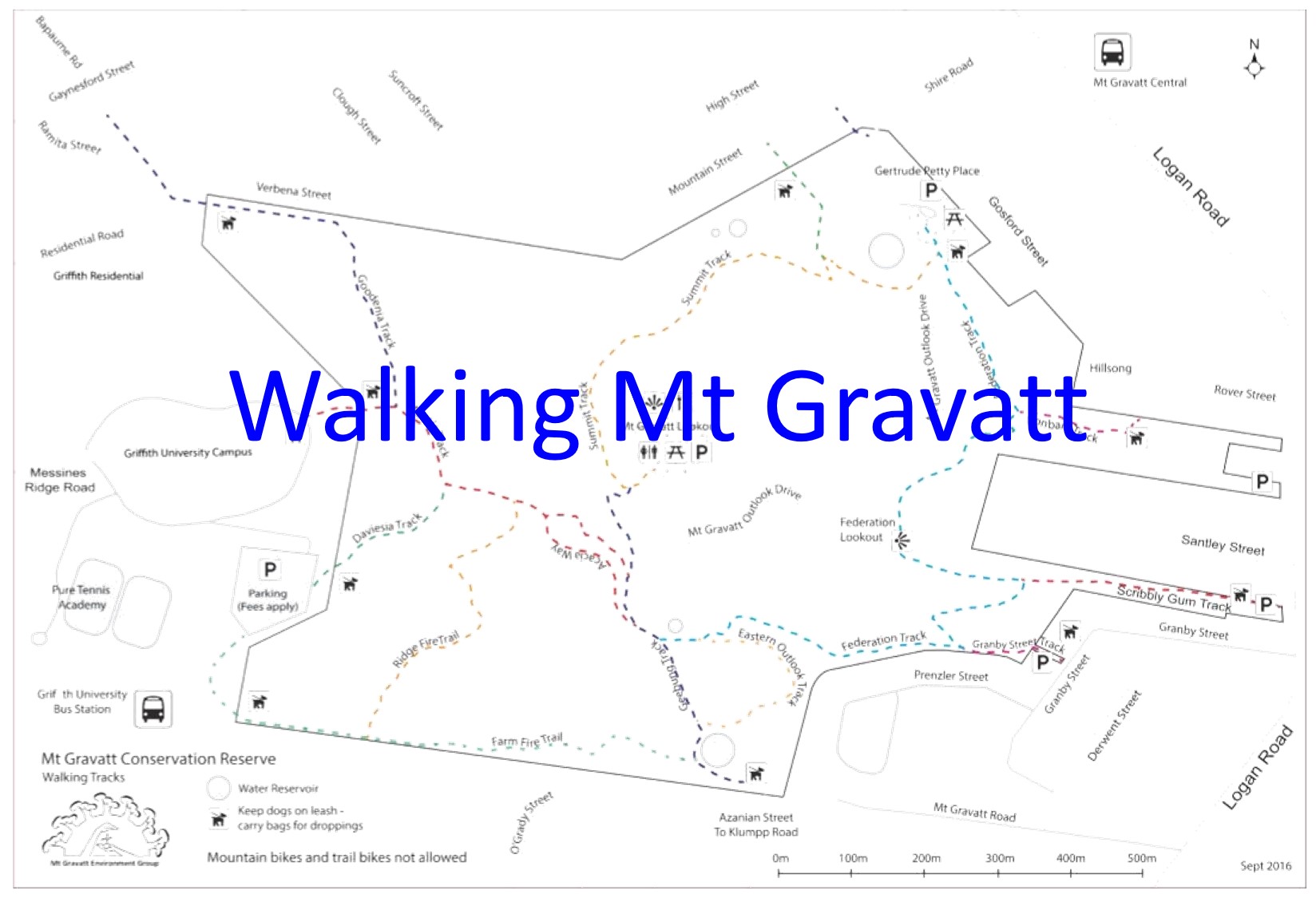
The nest-boxes were installed in October 2012 and since then Squirrel Gliders Petaurus norfolcensis have been breeding and now two Glider families occupy five boxes. The first tenant in the boxes was a Brushtail Possum Trichosurus vulpecula in the Kookaburra box at the junction of the Geebung Track and the Farm Fire Trail. She has since raised two joeys and if you look into the box from the Geebung Track you will see her curled up asleep.
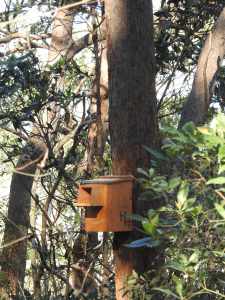
 

Kookaburras took over the Bookbook Owl Ninox novaeseelandiae box and have raised two clutches of chicks. Rainbow Lorikeets Trichoglossus haematodus have raised chicks in the Lorikeet/Rosella boxes.


Play spot the nest-box when you walk the Geebung Track with your kids.

What species uses what box? 

Glider box - Geebung Track - 7 July 2016 lowres

Squirrel Glider or Scaly-breasted Lorikeet box

Mammals:

Micro-bats (three species identified in Reserve)

  • White-striped Freetail Bat Tadarida australis 
  • Gould’s Wattled Bat Chalinolobus gouldii
  • Common bent-wing bat Miniopterus schreibersii oceanensis

Squirrel Glider Petaurus norfolcensis

Birds


Also keep an eye out for birds creating nest hollows in the trees.

Sulphur-creasted Cockatoo - clearing hollow - 30 June 2016

Just last week I photographed a pair of Sulphur-creasted Cockatoo Cacatua galerita clearing out a hollow where a branch has broken from a Spotted Gum Corymbia citriodora v variegata.


By: Michael Fox

IMG_1233.jpeg

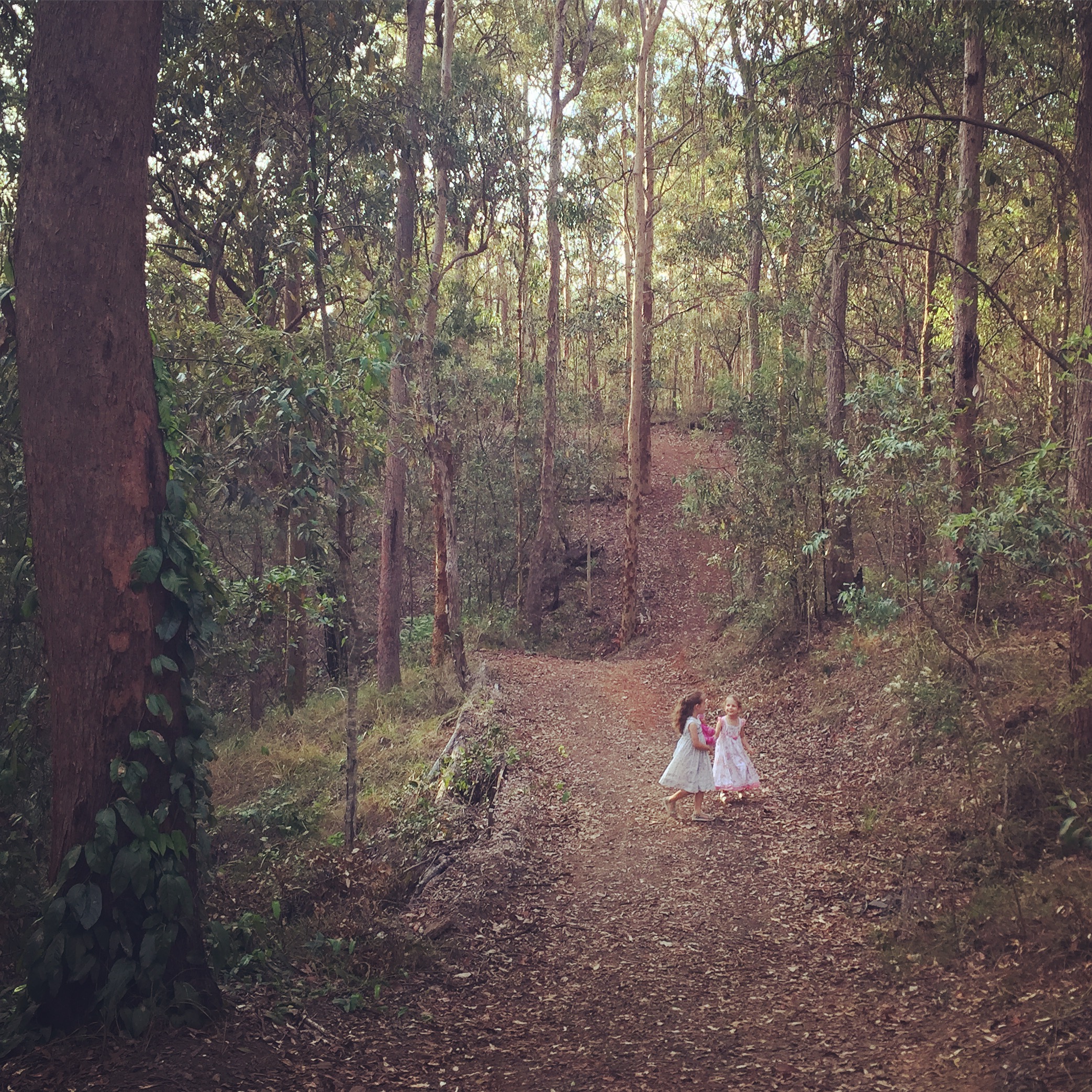
“After a community barbecue on Australia Day afternoon, a group of us wandered into the enchanting Toohey Forest to admire the work of Mount Gravatt Environment Group. While we checked out the breeding boxes that had been built for squirrel gliders, my wife captured this photo of our daughters playing and laughing together, enjoying the Australian bush. As much as these two precious souls belong to us, they also belong to a community and a place where they feel free and safe, exploring the beauty of nature. Watching their delight brings us such joy.” Scott

Miranda with mural - 8 July 2016

.

Proud Miranda with her photo chosen to be part of the State Library’s Belonging in Queensland mural 

.

.

.

.

.Frederick_McCubbin_-_The_pioneer_-_Google_Art_Project lowres

.

.

Miranda’s amazing photo is like a modern day Frederick McCubbin, capturing the spirit of the Australian bush in the same special way.


By: Michael Fox

Creeping Lantana - Lantana montevidenses - 23 Apr 2016

Creeping Lantana Lantana montevidenses

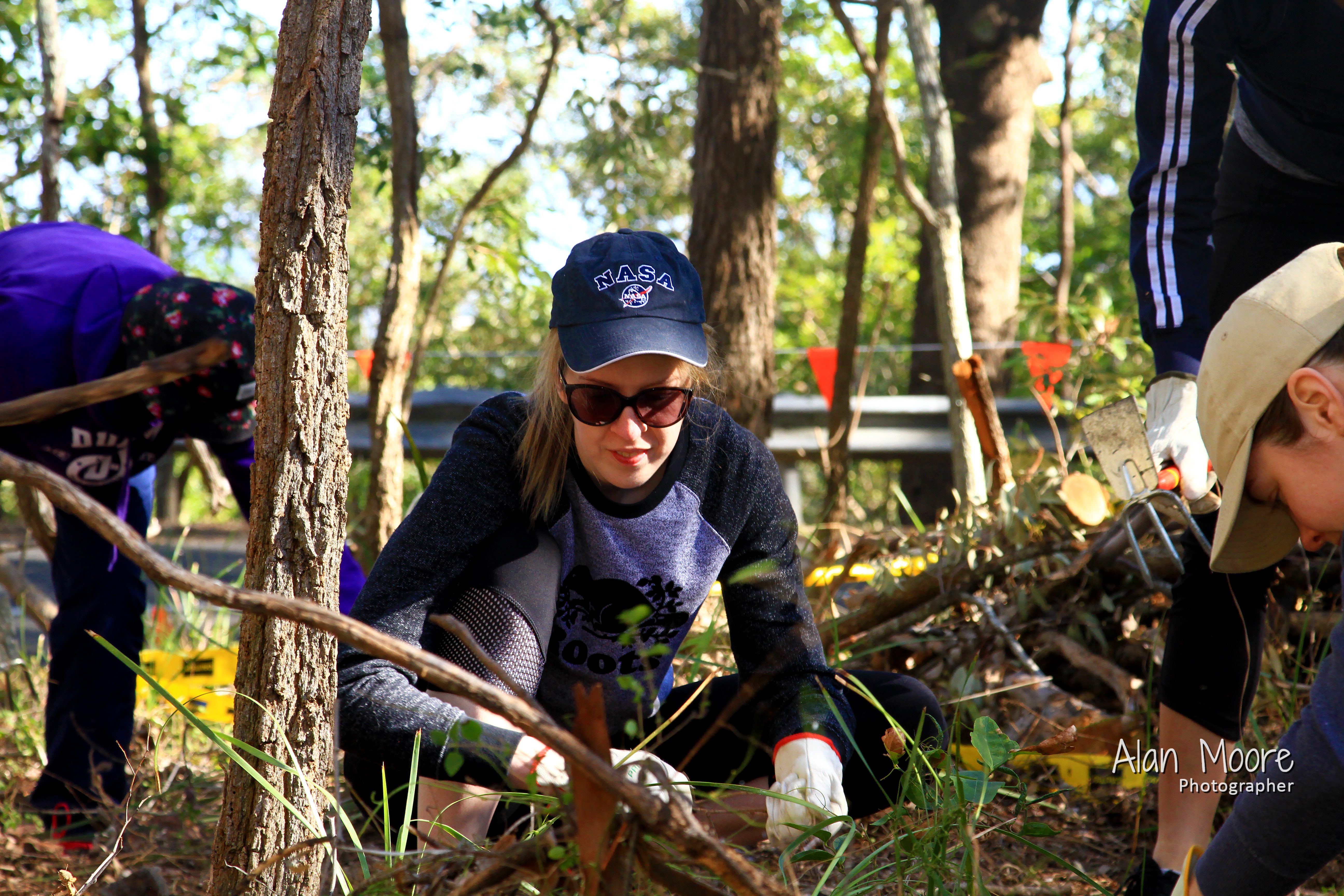
Griffith Mates joined me at Fox Gully Bushcare on a beautiful fine Saturday morning to work as Lantana Busters. Creeping Lantana Lantana montevidenses is one of our major weed threats in Mt Gravatt Conservation Reserve. Lantana competes for native plants for scarce water reserves and the chemicals in Lantana have a significant negative effects on native plant species.

.

Griffith Mates - Lantana Busters - 23 Apr 2013

(l-r) Sophie, Lifen, Noe – proud of their work

Removing Creeping Lantana is detailed work requiring team members to get down and pull the roots of individual plants. Fortunately the Griffith Mates team were patient and through leaving the area spotless.

As always, it was fascinating to talk to the students about home towns in Japan and China, catching up with one of my old Management Concepts students or hearing about intern experience with KPMG in Korea.

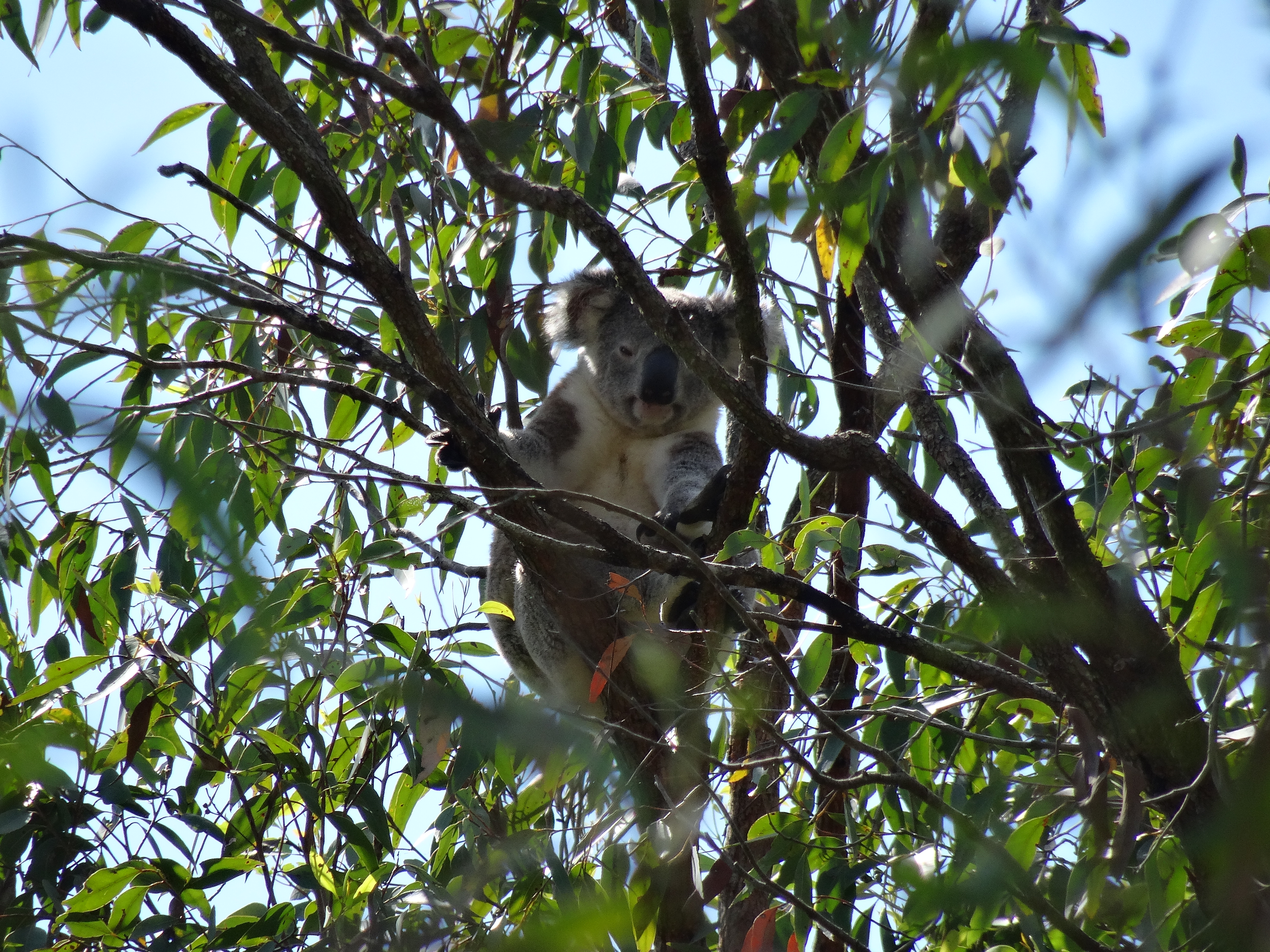
Koala - Phascolarctos cinereus - 23 Apr 2016

Koala high in tree on Federation Track

.

Outstanding effort deserves a reward, so we headed off down the Federation Track to find a Koala Phascolarctos cinereus in the wild. The track down towards Granby Street is a reliable place to spot Koalas. Sophie was first to spot a Koala high in a Tallowwood Eucalyptus microcorys.

SONY DSC

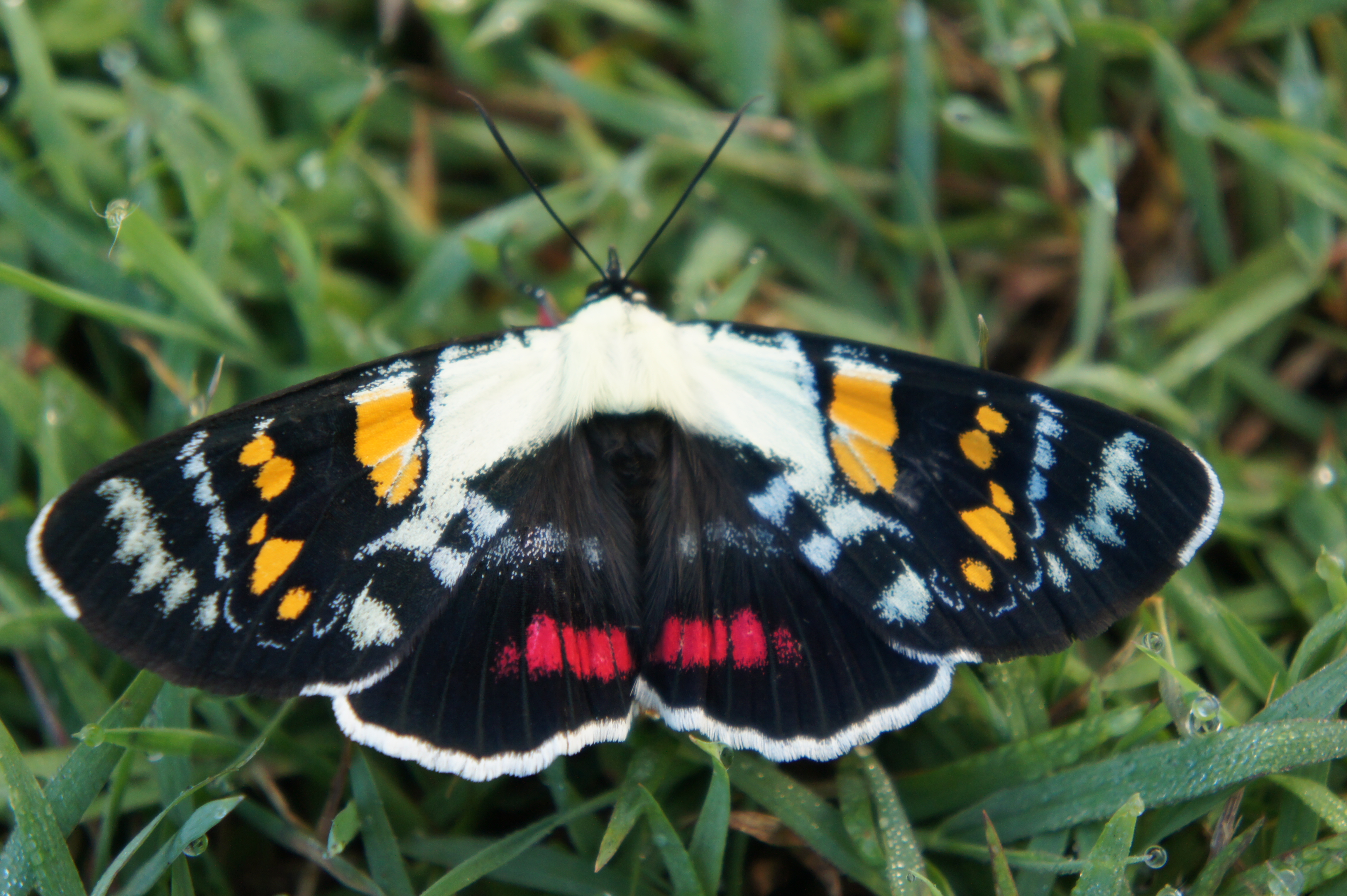
Joseph’s Coat Moth Agarista agricola – Photo: K. Sinigaglia

.


.

We also spotted a brightly coloured Joseph’ Coat Moth Agarista agricola flying around a large clump of Forest Grape Cissus opaca an important caterpillar food plant for this amazing moth.

.

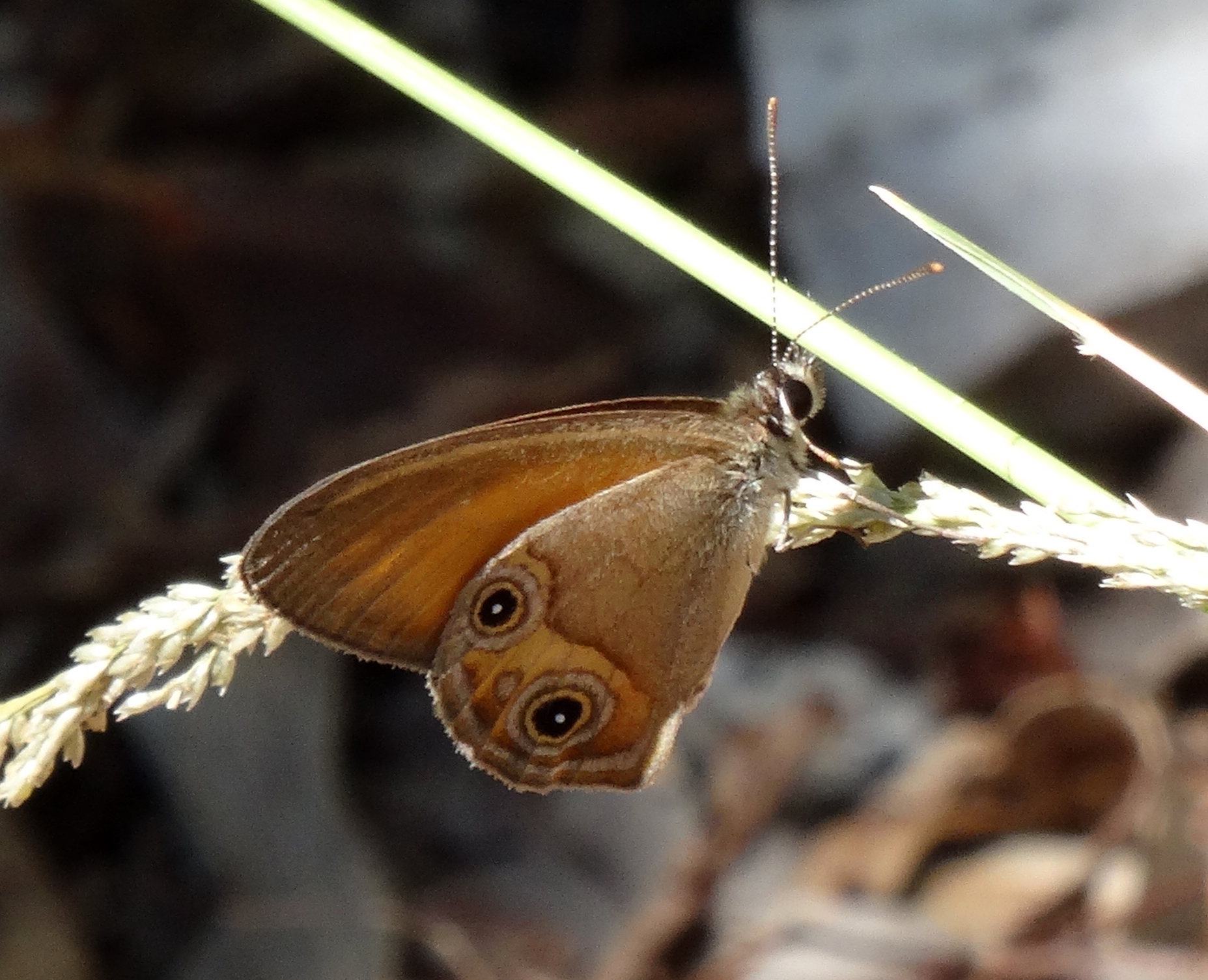
Brown Ringlet - Hypocysta metirius - 23 Apr 2016

Ringlet butterfly

.

.

We also found a Ringlet butterfly Hypocysta sp. which depend on Poaceae (grass) species for caterpillar food.

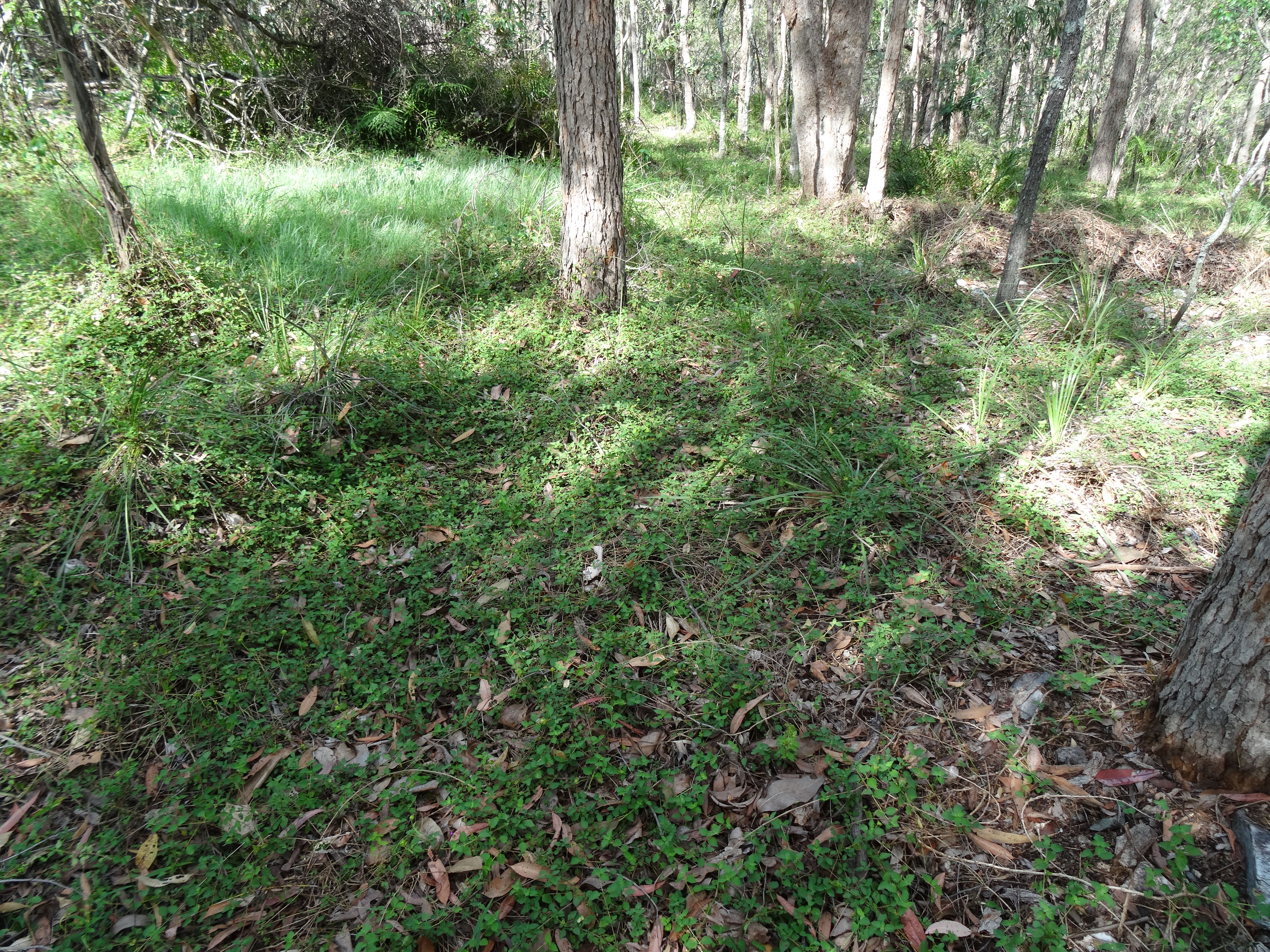
The work of the Lantana Busters clearing the weeds will allow regeneration of important butterfly caterpillar food like Forest Grape and native grasses.

Every visit of our Griffith Mates partners strengthens the habitat for all our native species.


Light Work

Sunday 15 May – Book Early

A photographic journey led by Alan Moore

0Y7A3594_01-med

High intensity side lighting to emphasise line and texture.

The Golden Rule is:

“Do not shoot into the light, have the sun over your shoulder.”

Time to break the Golden Rule at 2016 Photography Workshop

At the 2016 Photography Workshop Alan will challenge you to break that rule. Explore the wonders of contre jour style to intensify line and form, shapes and silhouettes.

After a review of basic and advanced photographic techniques we will take to the bush to explore the wonders of photographic Light Work.

Book Here


By: Michael FoxIMG_6793

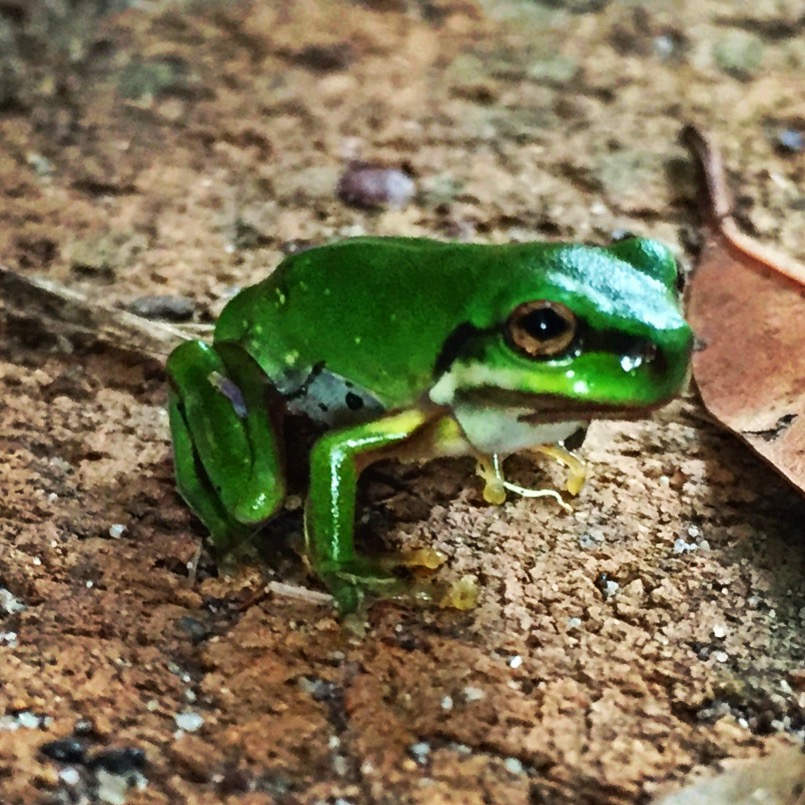
Mt Gravatt Environment Group member Morag always has hundreds of Green Tree Frog Litoria caerulea tadpoles which she shares with local children.

I remember as a child watching the amazing transformation as tadpoles metamorphose into frogs: growing legs and losing their tails before hopping out into the world.


IMG_7064

Feeding on lettuce

Freya (7) and Clementine (4) took delivery of these tadpoles just before Christmas. About seventeen in all.teen in all.

Caring for tadpoles means boiling a lot lettuce to feed them.

.

.

.

IMG_7040

19 January and legs forming

.

.

..

.

.


..

Four weeks and transformation is underway with legs growing.

.

.

Fish tank cleaned and with rainwater from the family tank.

.

Legs growing.jpg

Legs growing stronger


Grown up

Time to leave home

Transformation complete, time to leave and find a new home in the gully. To date ten successful graduates, three tadpoles and two frogs in the tank.

.

..

.

.


.

.

Frog and mower

Unexpected dangers in urban habitat

Of course the journey to the gully habitat has its own urban dangers. Scott has to be careful when mowing. He had to encourage three baby frogs to gully safety last time he mowed.

Now that the semi-permanent spring has been restored to Fox Gully repopulating with our local frog species is an important step.

.

.

IMG_7260.JPG


By: Michael Fox

Brush-turkey mound - 27 Dec 2015

Enter a caption

A special Christmas with a Brush-turkey Alectura lathami chick hatched from mound built in the Fox Gully wildlife corridor. The male turkey has been scratching together mulch, and some plants to build a mound to impress his two girlfriends. He obviously did a good job as we now have at least one new chick in the gully.

Brush-turkeys are a challenge for gardeners however they are part of our bush habitat.

Amanda McArthur 2 - 26 Sept 2016

Amanda launched her attack on Ochna

By: Michael Fox

Our Griffith Mates friends returned for Fox Gully Bushcare last Saturday.

The job for the day was attacking our three most invasive weeds.

Amanda launched her attack on the Mickey Mouse Plant Ochna serrulata. Ochna is a garden escapee that spreads when birds eat the bright coloured berries then fly into the bush, then spreads quickly as the shrubs get established.

Ochna is a particularly difficult weed to remove because of the deep tap-root.  The Treepopper is the ideal weapon attack these woody weeds and you get a great sense of satisfaction as you pull these weeds out roots and all, and no poison needed.

.

Emmanuel - 26 Sept 2015

Emmanuel attacks Asparagus Fern

Emmanuel launched his attack on another garden escapee – Asparagus Fern Asparagus aethiopicus – again spread by birds eating the red fruit.

Emmanuel used a Cyclone 2 Prong Hoe to remove the Asparagus Fern before trimming off the leaves and roots and collecting the crown for removal off-site. The crown is the brain of the Asparagus Fern, so removal means the plant will not regrow.

.

.

,

,

,

Tomorrow - 26 Sept 2015

Tomorrow identifies Basket Fern from her visit to Cairns

,

It is a real pleasure to share the forest with our international visitors. I was particularly impressed when Tomorrow identified Basket Fern Drynaria rigidula.

,

,

,

.

.

Emmanuel and Tomorrow - team - 26 Sept 2015

Emmanuel and Tomorrow team up against Ochna

.

Emmanuel and Tomorrow teamed up to tackle the Ochna.

.

.

.

.

.

.

Emmanuel and Tomorrow - 26 Sept 2015

WOW! That is a big Ochna root

.

With Tomorrow digging using the 2 Prong Hoe and Emmanuel on the Treepopper the team managed to pull out the largest Ochna trunk I have seen.

.

,

.

.

.

Lantana team - 26 Sept 2015

Lantana team (l-r) Sienna, Amanda, Ho Yi and Sau To

.

Sienna, Amanda, Ho Yi and Sau To attacked the Creeping Lantana Lantana montevidenses again a garden escapee spread by birds eating the purple fruit.

The Lantana team cleared a large area of weed, raking it into swales to compost, control water runoff and reduce spread of weed seed.

.

.

.

.

Stick Case Moth - 26 Sept 2015

Stick Case Moth Clania lewinii

.

A successful morning for all. Amanda filled her five specimen containers with a bush cockroach, butterfly and other insects for her university collection.

We also added Stick Case Moth Clania lewinii to our species list for the Reserve.

The shape and construction materials of a case moth’s portable home allow identification of the moth species. Stick Case Moths build their case moth bags using sticks of similar length. Similar bags are built the Faggot Case Moth Clania ignobilis with one or two longer sticks.

.

Ants - 26 Sept 2015

Meeting the locals – Golden-tailed Spiny Ant nest

.

How better to finish the day?

I showed how turning over a couple of rocks could expose a whole new world.

.

.

.

.

.

Golden-tailed Spiny Ant - 22 July 2014 - Alan Moore - close

Golden-tailed Spiny Ant up close

.

The Golden-tailed Spiny Ant Polyrhachis ammon really are spiny. Click on photo to enlarge.

.

.


Koala & Joey - Fox Gully 3 - 4 Jan 2014 close

Please slow down at night … Koala Mum and Joey – Fox Gully Bushcare

By: Michael Fox

15 September 2015 Breaking news:

Koala Superman to the rescue.

Local resident David Kloske is now being called the Koala Superman by family and friends after his dramatic rescue of a young Koala trying to cross busy Klumpp Road on last night.

“Poor little guy was wandering across the road and seemed very lost and confused and kept stopping and turning back etc. So I blocked the traffic for a bit with hazard while I scared it off the road onto the pool side [footpath]. Then I parked my car and ushered the little fellow down the bike path and back into the trees.” David Kloske

Koala breeding season runs from spring to mid-summer. So please be careful on our local roads at night.

Found a sick or injured Koala?

Call RSPCA Rescue Hotline Phone: 1300 ANIMAL (1300 264 625)

By: Michael Fox

Thanks to our local Southern Star team for the great coverage of our 2015 National Tree Day.

Are you in the news?

Southern Star

Small bird planting - sign - 13 July 2015

Planning a habitat haven

By: Michael Fox

Brisbane winters are just stunning … as long as you are in the sun and out of the westerly wind.

I spent time this morning laying out the site for our National Tree Day planting. Two sets of concentric circles will create both the protection for nesting and the food – insects, nectar and seeds, required by our small forest birds.

Our two habitat havens will each be 8 metres in diameter and based on the Habitat Network model – Creating a small bird habitat haven.

The Inner Sanctum planted with Coastal Banksia Banksia integrifolia, Prickly Pine Bursaria spinosa and Wonga Wonga Vine Pandorea pandorana to provide height and tangled habit that larger birds cannot get into making it safe for building nests.

How to plant tubestock

Planting guide for participants

The Protective Circle will be a thick planting of spiky plants like Creek Mat-rush Lomandra hystrix  and Saw Sedge Gahnia aspera. This habit will be attractive for lizards and butterflies while restricting access from feral cats and foxes.

The Shrub Circle will include a range of native herbs and vines with different flowering times and different colours to attract a range of insects. Love Flower Pseuderanthemum variable is a small herb with delicate flowers that Eastern Bearded Dragons Physignathus lesueurii like to eat and provides caterpillar food for a number of different butterflies.

The Eating Out planting of native grasses will provide year round food for seed eating birds like the Red-browed Finch Neochmia temporalis which will duck out of the safety of the Protective Circle to feed.

Thirty-three participants are registered for the National Tree Day planting so we may have a many as fifty at the event. To help us manage the work I have sourced an excellent “How to plant tubestock” guide from SOWN.

« Previous PageNext Page »