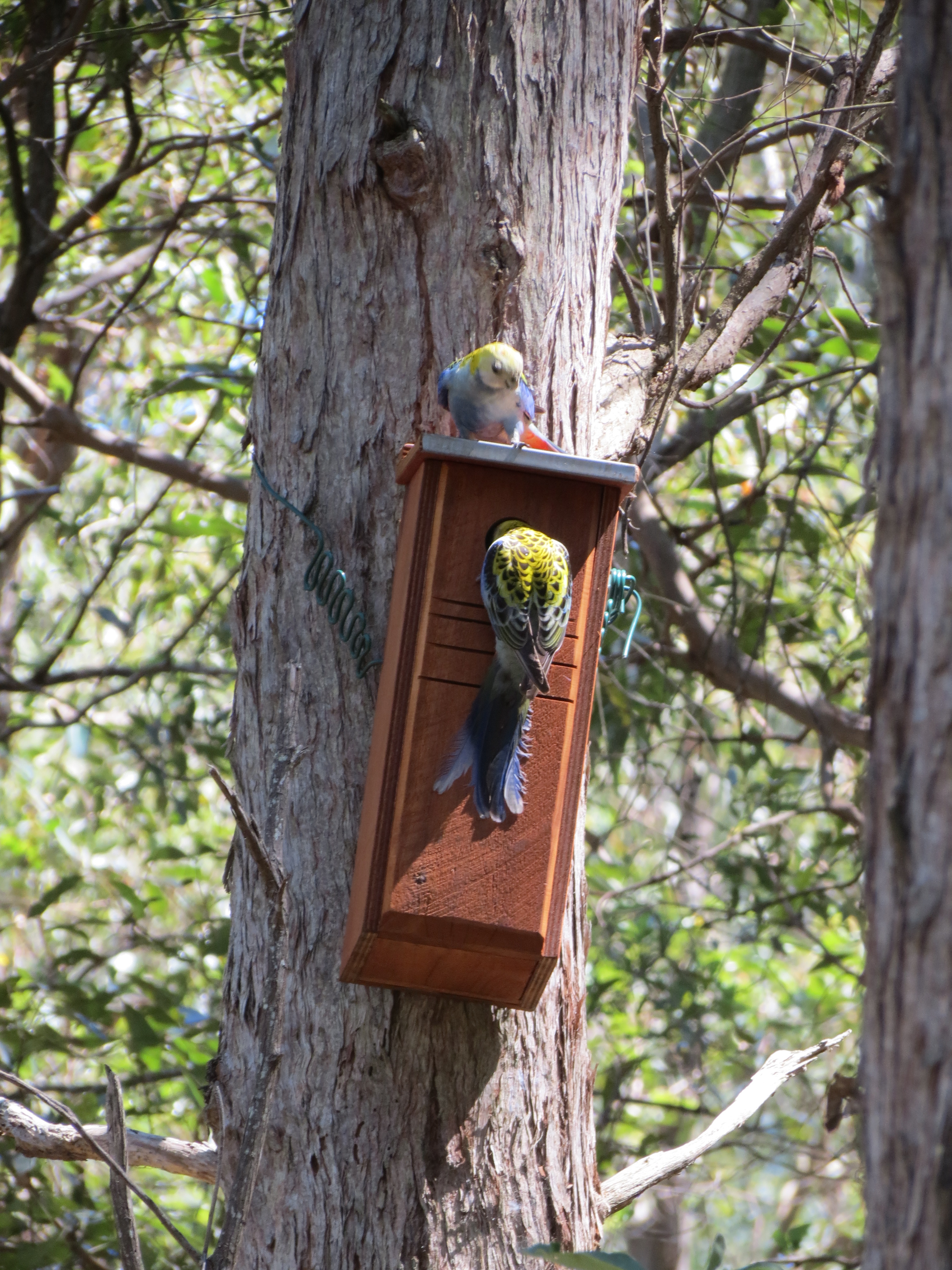
A pair of Rainbow Lorikeets Trichoglossus haematodus are the first to successfully hatch a family in our Fox Gully nest-boxes. Two chicks have been hatched out and seem to be doing ok although the parents are rarely home.
At least we think they are Rainbow chicks. This particular nest box was originally occupied by a pair of Pale Headed Rosellas Platycercus eximius who laid three eggs before they were kicked out by the Rainbow couple.
Rainbow Lorikeets chicks or Pale-headed Rosella?
a
Given the increasingly blue colour of the chicks we are wondering if our Rainbows are raising a pair of Pale-headed Rosellas.
I also checked the new Hollow Log Home nest-boxes but no eggs or chicks in any yet. However, as I was walking back I saw this Kookaburra sitting in the entry to the owl box. Unfortunately I was carrying the monitoring equipment and was not quick enough to get a photo of him actually sitting in the owl box.
a
a
a
a
a
a
New tenants – Photo: Alan Moore
a
a
Alan Moore also reported some hopeful news on the Pale-headed Rosellas. A pair seem to be very interested in one of the new Hollow Log nest-boxes.
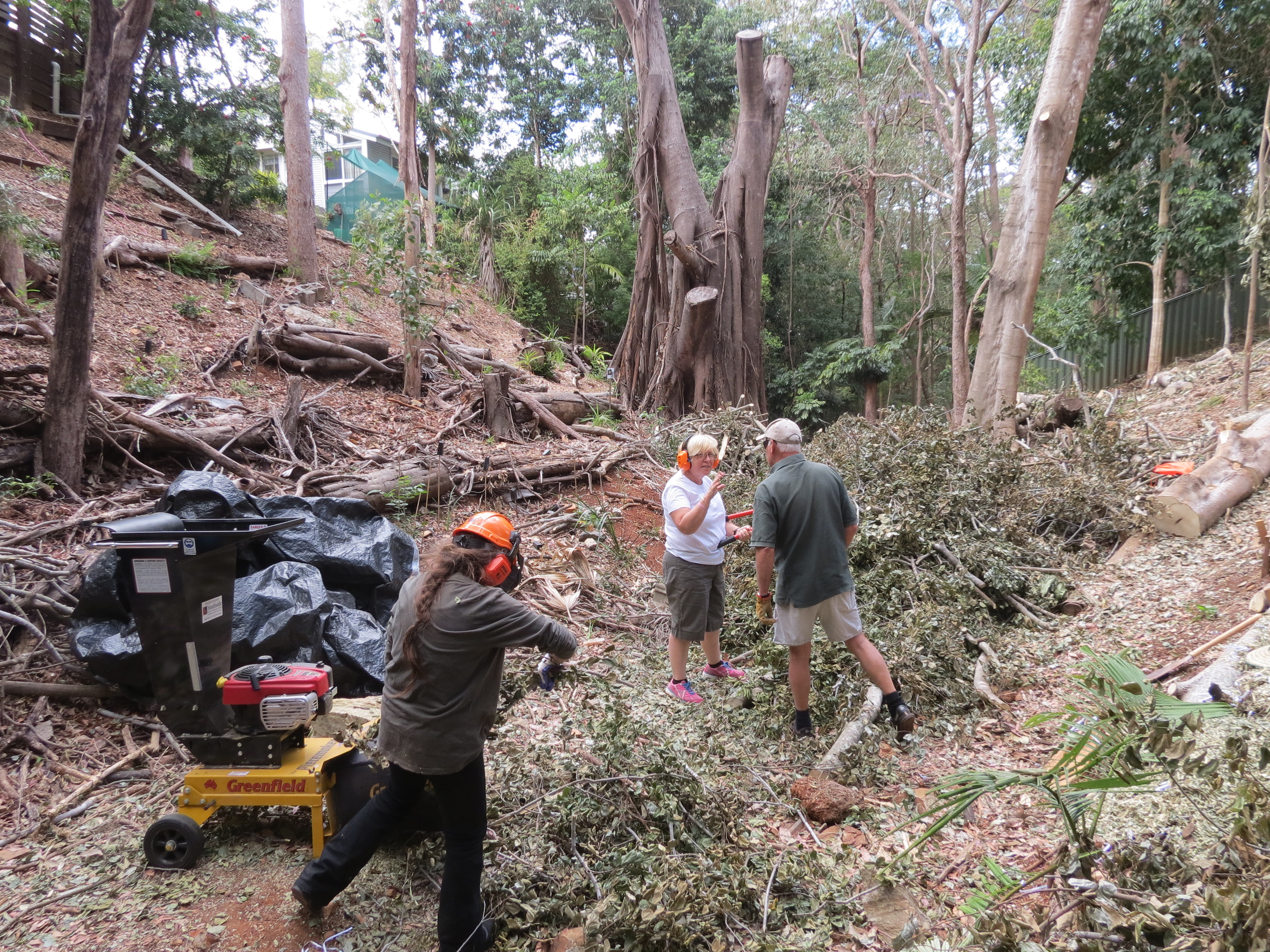
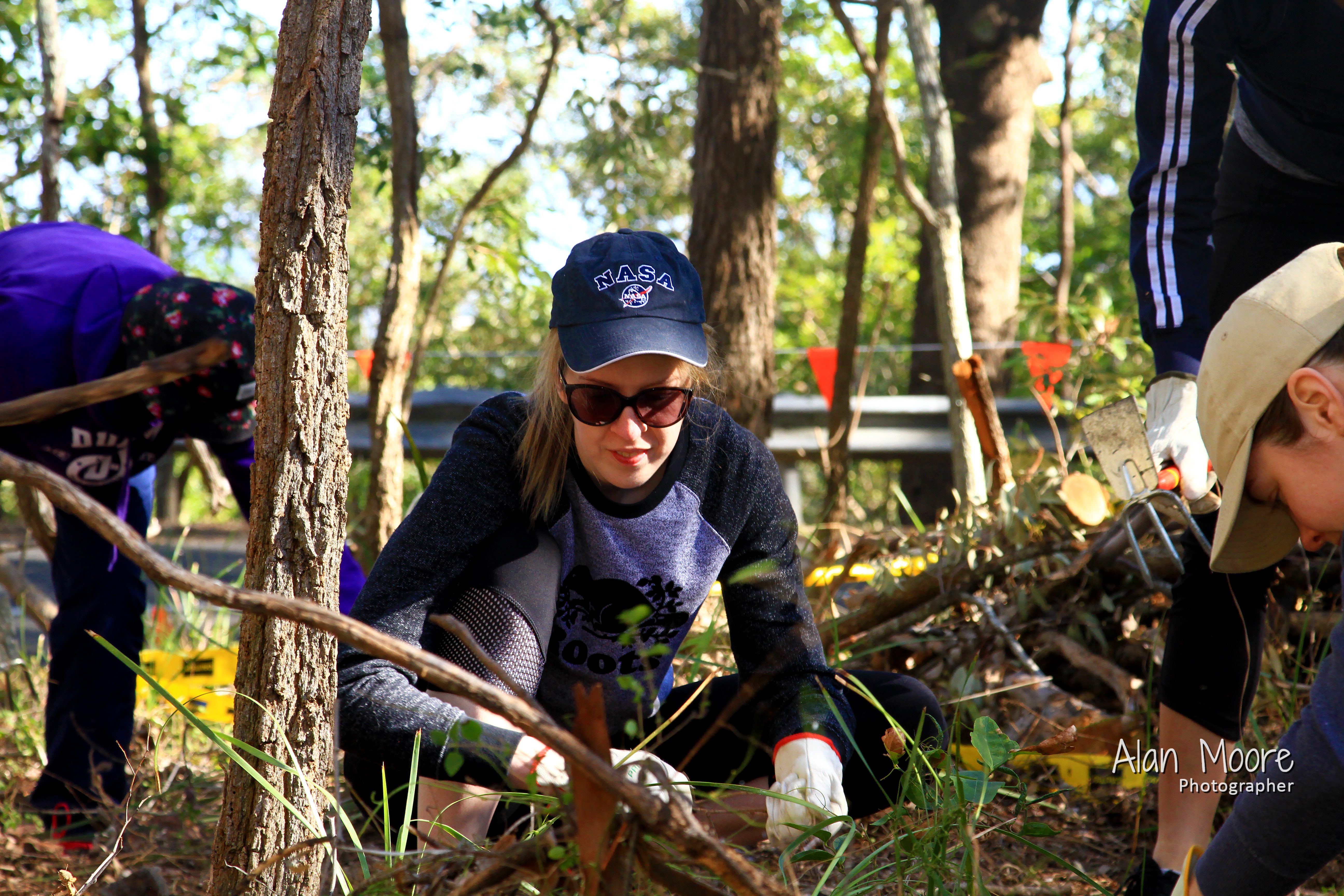
A big clean-up needs a big chipper. Miranda loved using our Greenfield’s 8.5hp Piecemaker that virtually sucks the branches into the blades for chipping. Thanks to Southside Sport & Recreation Club who provided the grant for purchasing the chipper.
The Piecemaker is proving its value saving over $2,000 on the cost of removing the Chinese Elm, a benefit for our whole community, in particular restoration of Mt Gravatt Environmental Reserve.
ss
Miranda, Annette and Marshal hard at work
s
s
s
The clean up is well on the way with Marshal and Annette (property owner) in background preparing branches for chipping and Miranda operating the machine. dd d dds
s
Laughing Kookaburra Dacelo novaeguineae
d
d
d
Even the local wildlife is joining in the clean up. This Laughing Kookaburra Dacelo novaeguineae is hunting for worms and spiders among the leaf litter. The Kookaburras are really enjoying the restoration work as more worms, insects and spiders are thriving among the planting, mulching and logs.
sd
d
Northern Jumping Spider Mopsus mormon
It is inspiring to find the variety of wildlife returning to the gully. This beautiful Northern (Green) Jumping SpiderMopsus mormonwas hunting for flies, moths or grasshoppers for lunch. Creating habitat for wildlife means we have natural pest control and over time we will hopefully tempt some of the beautiful insectivorous birds out the forest. Birds like the Striated Pardalots Pardalotus striatus and the beautiful Black-faced Monarch Monarcha melanopsiss not only add sound and beauty to our backyards, they also hunt insects like mosquitos on our behalf.
Striped Marsh Frog eggs
Another amazing find was these eggs of the Striped Marshfrog Limnodyynastes peroni in one of semi-permanent rock pools created by the return of the permanent spring.
Striped Marsh Frogs are a native ground dwelling frog with a distinctive “toc …. toc …. toc” call. To listen scroll to Calling on the Frogs of Australia web page and click “Hear it now.”
s
s
Red Cedar
s
With the Chinese Elm down and the chipping finished we can now plant nine advanced Red Cedars donated by Dave and Liz, Roly Chapman Bushcare. Red Cedars (common name for a number of Toona species) are an attractive fast growing native that will help restore the gully habitat and privacy for the neighbours.
s
s
d
d
d
s
Arrowleaf Violet
d
The planting done on the Community Gully Day in August is now starting to create a presence in the gully.
d
d
d
d
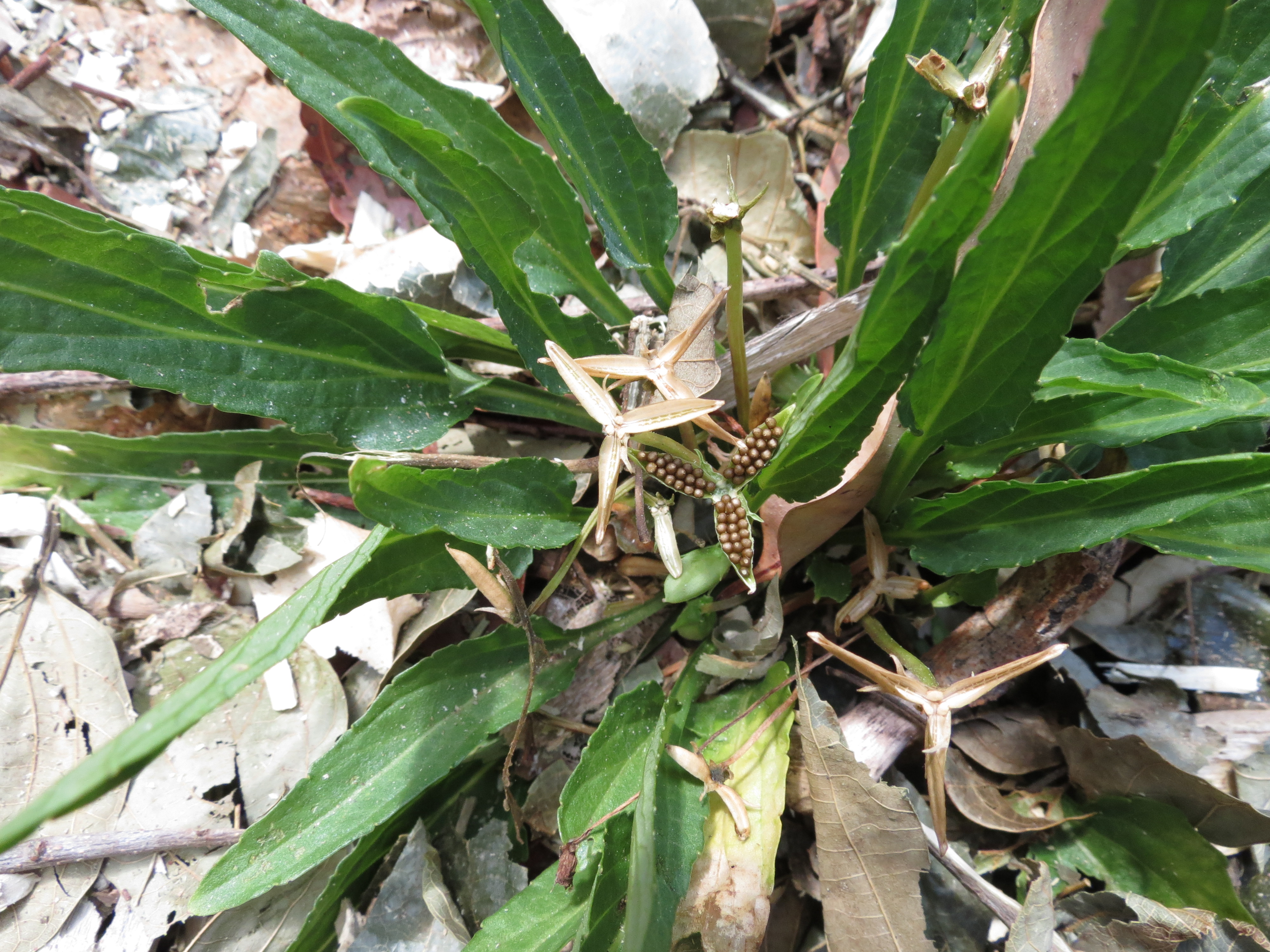
Arrowleaf Violet in seed
d
Particularly pleasing was finding that the Arrowleaf Violet Viola betonicifolia has set seed. This pretty violet is the only caterpillar food plant for the endangered Laced Fritillary butterfly Argyreus hyperbius inconstans. Now that this Violet has set seed it will spread quickly in the gully.
s
s
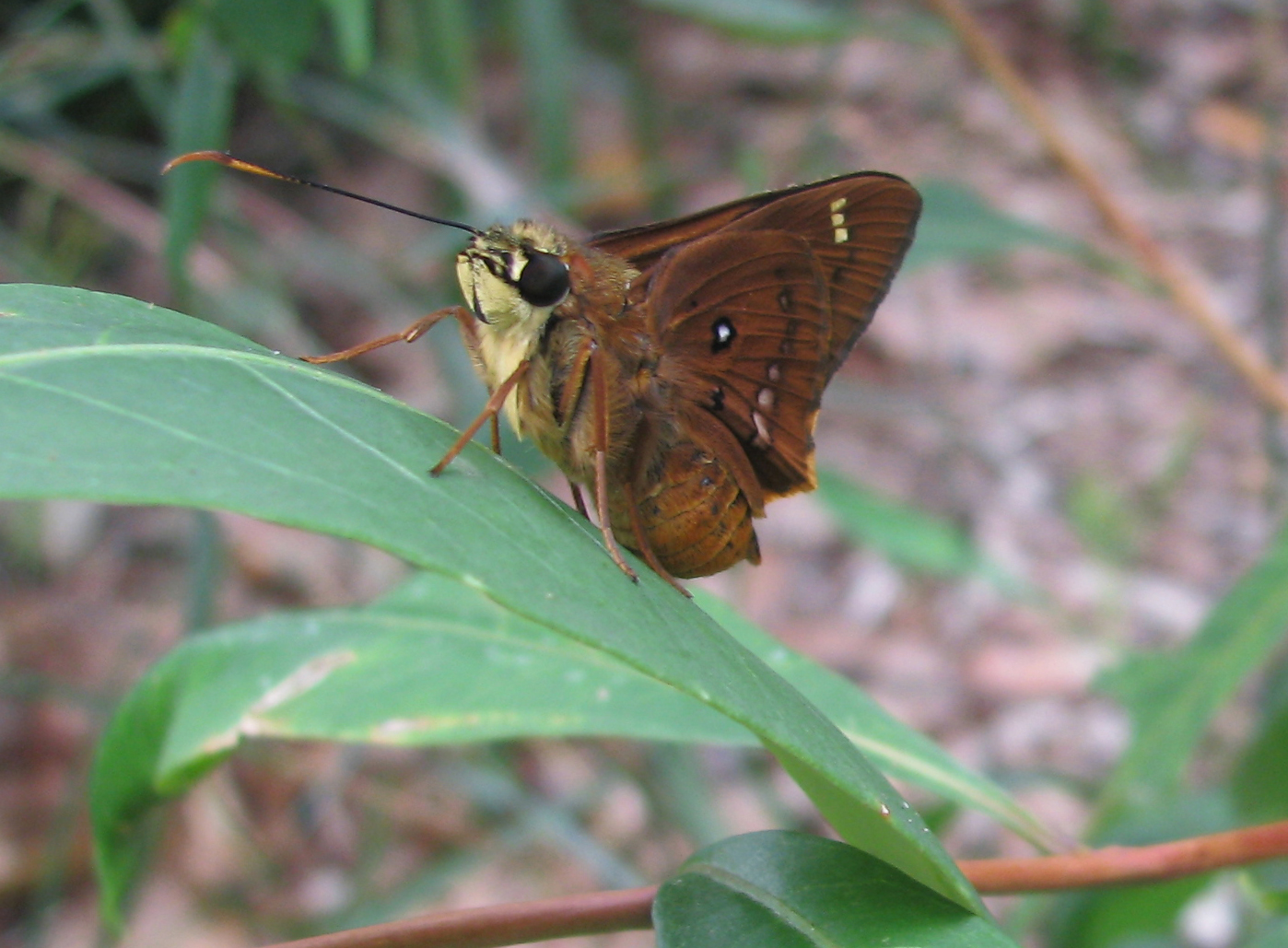
Splendid Ochre Trapezites simmomus
The Love Flower Pseuderanthemum variabile, caterpillar food for Australian Leafwing butterfly Doleschallia bisaltide, Waxflower Vine Hoya australis and Coinspot Treeferns Cyathea cooperi are all growing. The Creek Mat-rush Lomandra hystrix are thriving even with the dry weather. These Lomandara are caterpillar food for the Splendid Ochre Trapezites simmomus and Brown Ochre Trapezitesiacchus butterflies as well as providing valuable erosion control in the gully.
Clean up complete in time for storms
d
c
Finally finished clearing the branches, raking the loose leaves and putting logs in place ready for the storms expected over the weekend.
d
d
d
d
d
s
d
Hollow log habitat for lizards and frogs
s
s
s
Final touches … hollow logs will create safe habitat for lizards and frogs.
November 2007 we held our first Community Planting Day.
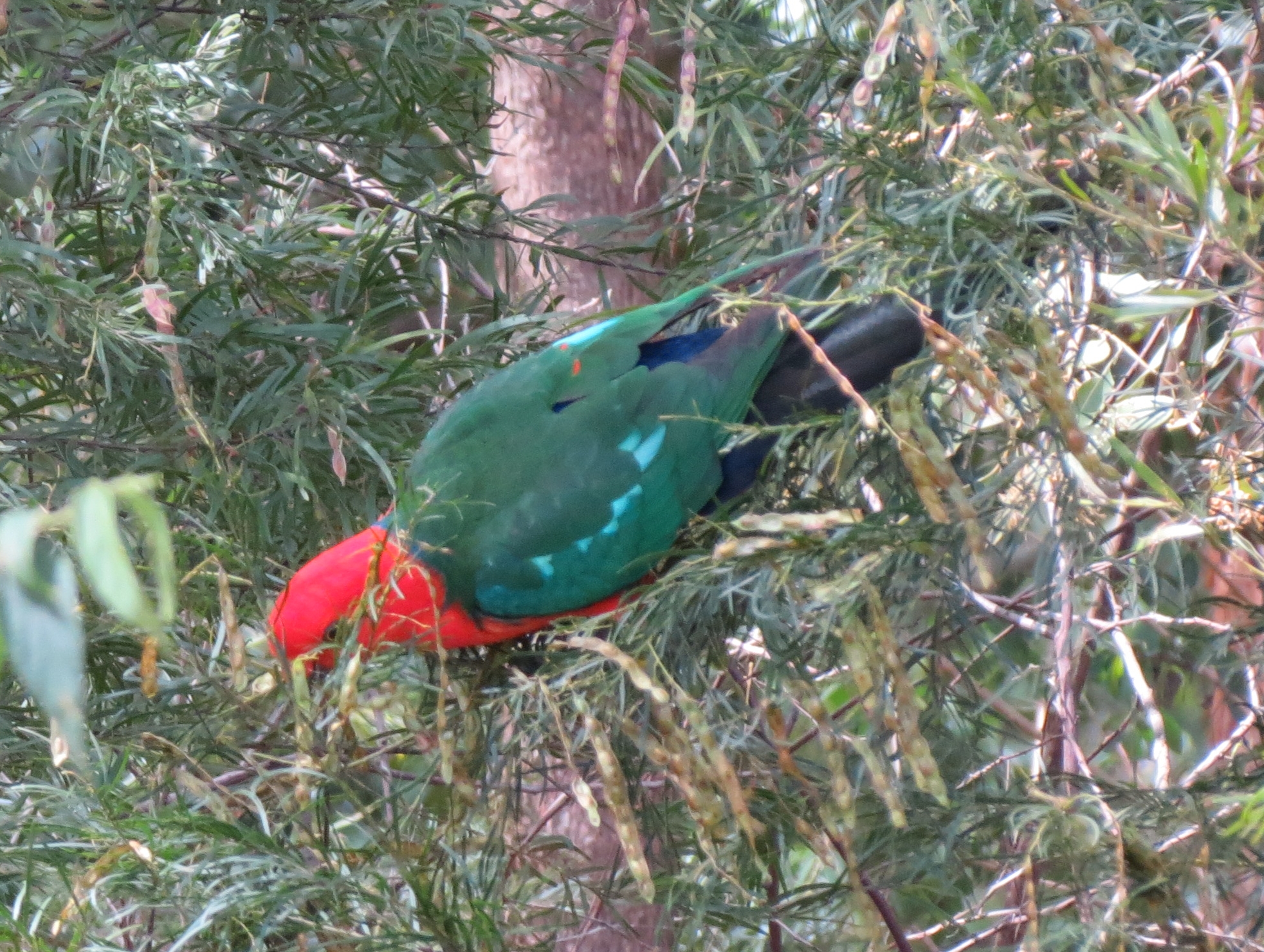
King Parrot feeding on Brisbane Fringed Wattle
Four hundred and ten native plants represented the first big step in restoring the Fox Gully habitat.
Aside from native herbs and grasses we also planted a number of Acacia falcata and Acacia fimbrata. Acacia fimbrata, also called Brisbane Fringed Wattle, is one of the most beautiful of our local wattles and a favourite with at least one of our neighbours – read the story.
Brisbane Fringed Wattle is also a favourite of our beautiful King Parrots Alisterus scapularis who visit each year to feast on the seed pods. Watch the video to see the amazing skill in getting each seed then moving the pod along to get the next seed … and no hands needed.
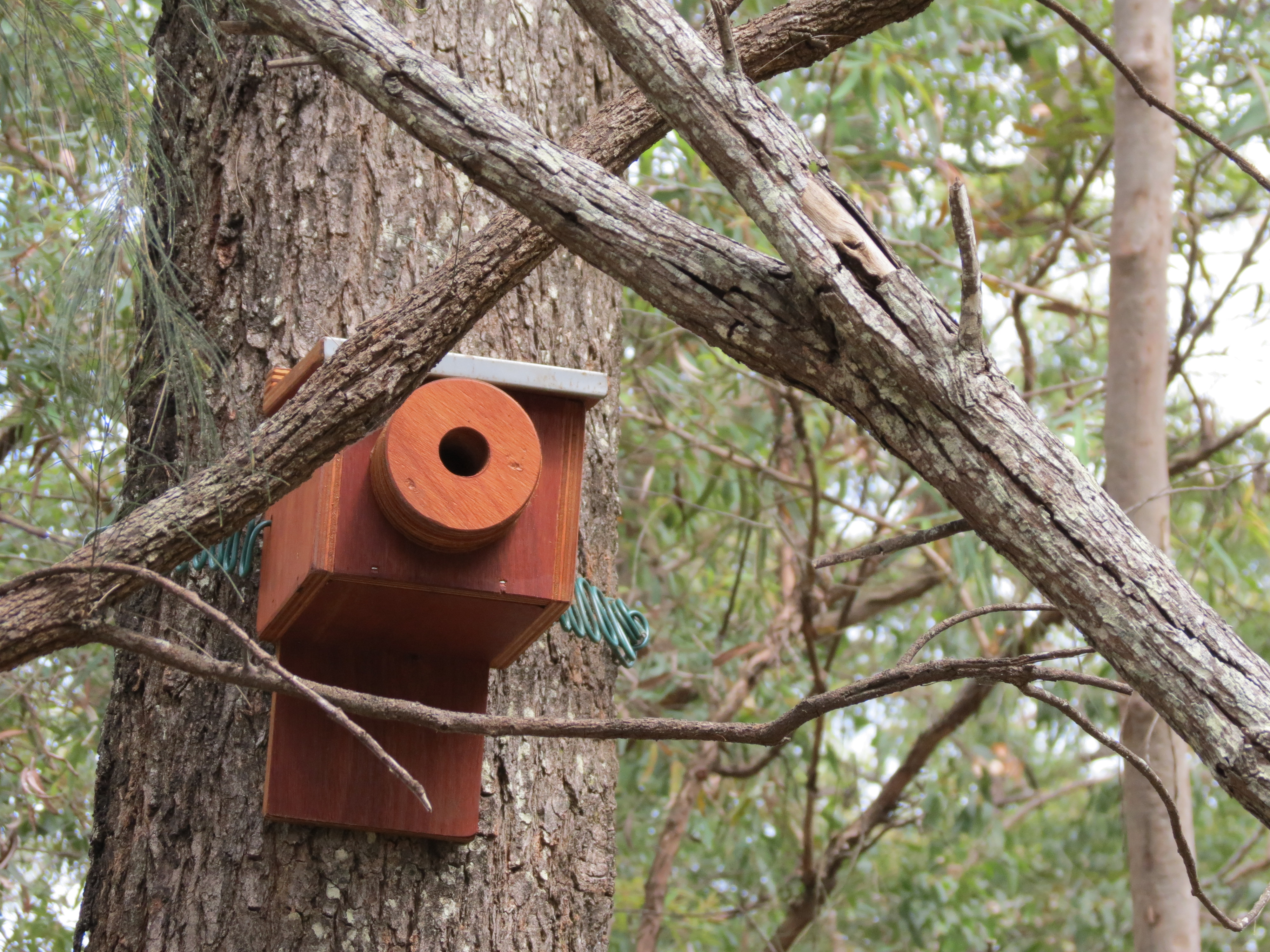
We had a day of inspections today with a pair of Pale-headed Rosellas checking out prospective new homes. Unfortunately they started with two boxes designed for Scaly-breasted Lorikeets. The smaller entrance diameter means the boxes are kept available for these smaller birds that are losing out on breeding sites with resulting drop in numbers.
Fortunately the Pale-headed ended up down behind Alan’s house where there is a box with a larger diameter entry.
d
d
d
d
d
d
They made it too small … let’s chew our way in.
This box looks like someone has had a go at expanding the entry size but still not large enough.
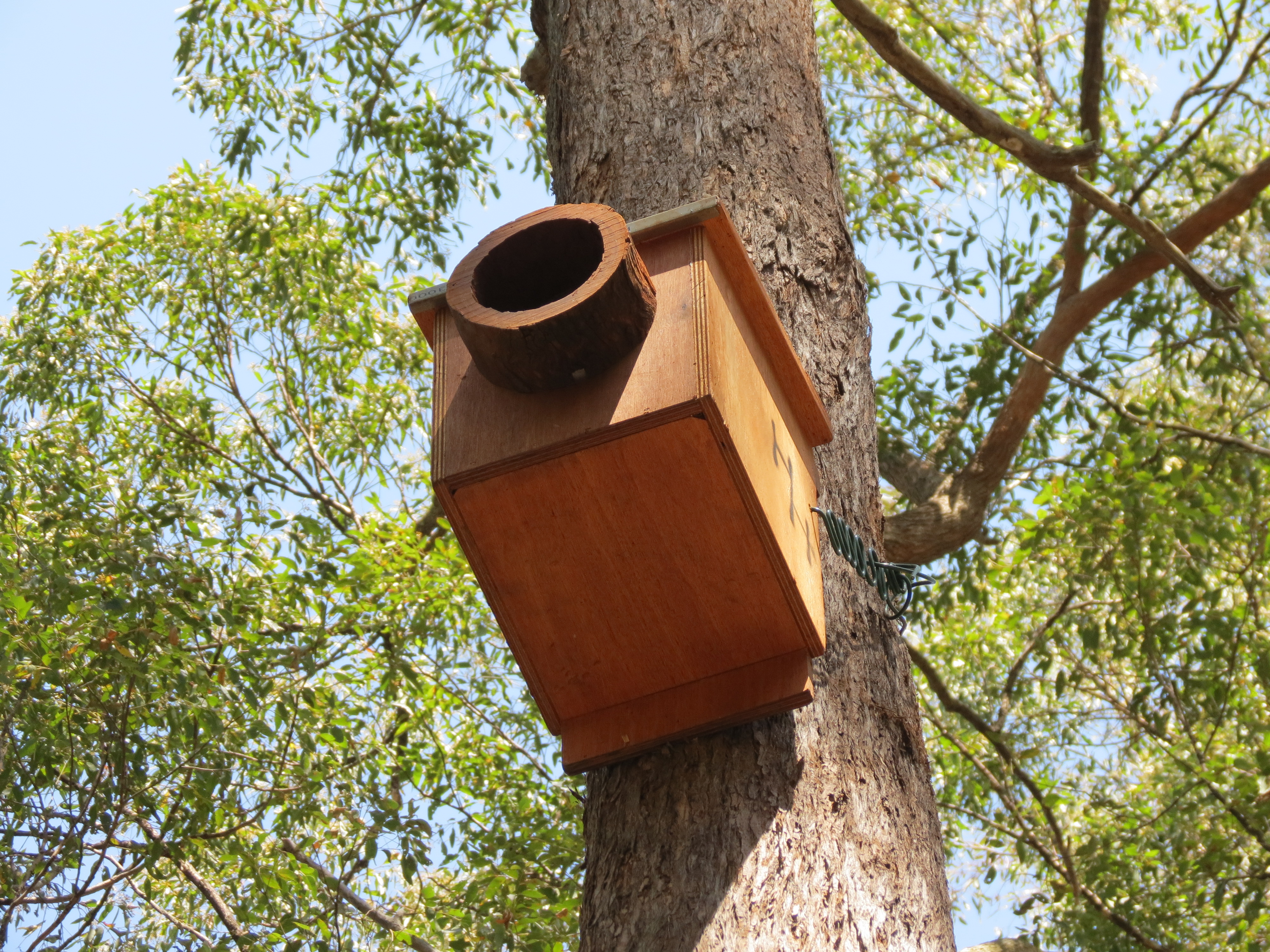
While we were walking we also noticed a pair of Rainbow Lorikeets inspecting the Owl box – designed for Boobook or Barn Owls not Lorikeets.
d
d
d
d
Too small for Kookaburra … need to find a larger termite nest.
Up the track near the big water reservoir we found two Kookaburras sitting on a branch between the new Kookaburra box and the termite nest they had been trying to hollow out. The Kookaburra box was installed because clearly the termite nest was too small the make an effective nest hollow. Hopefully today’s sighting means they are considering the new box.
d
d
d
d
d
d
d
d
Tawny Frogmouth being a dead branch
d
Of course there is always someone who relaxes and wonders what the fuss is about. We almost didn’t see this Tawny Frogmouth pretending to be a dead tree branch. He deigned to half open an eye to check us out then dismissed us and went back to being a dead branch.
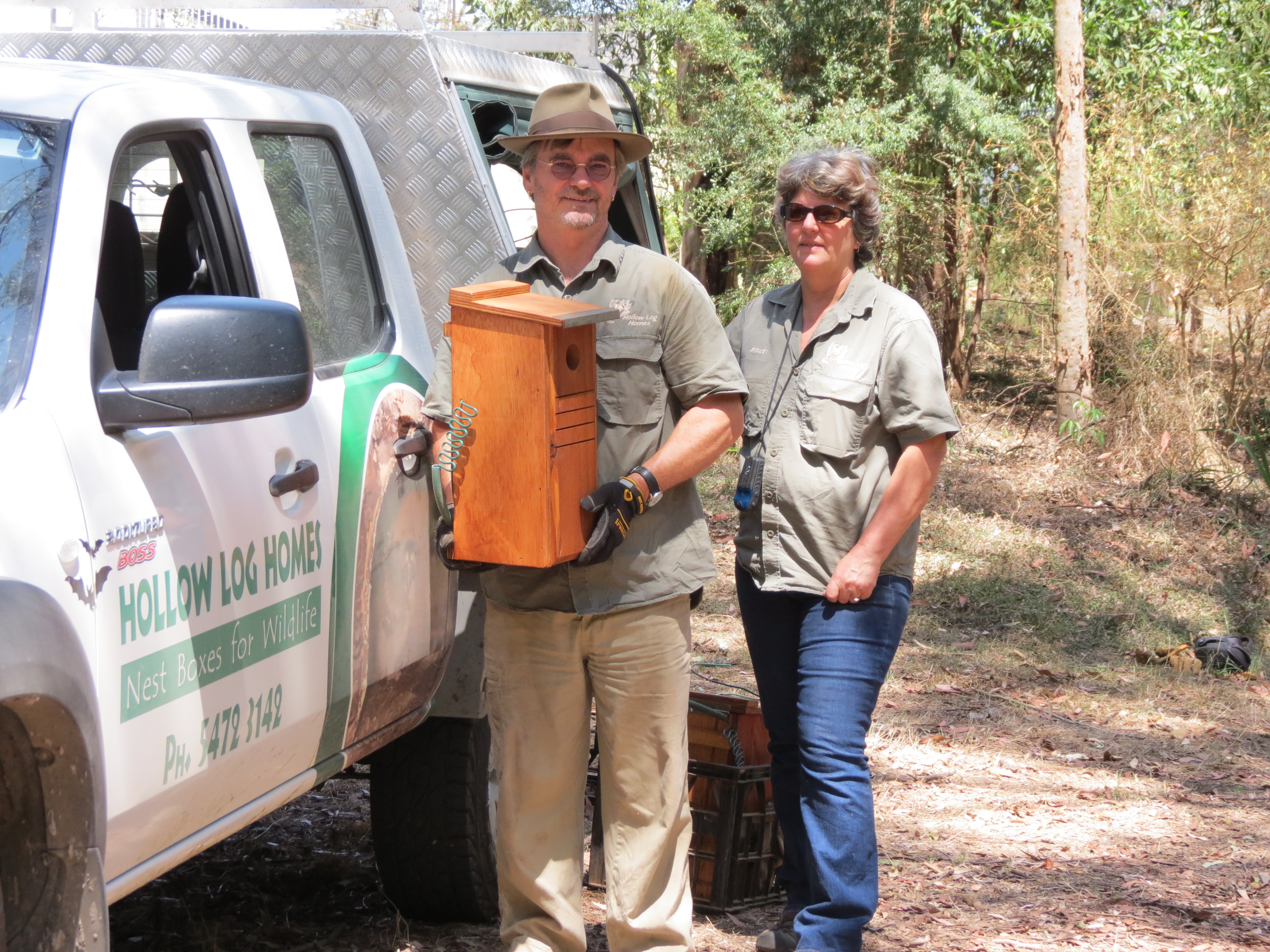
Alan & Stacy Franks of Hollow Log Homes visited Fox Gully Bushcare today to install ten new nest boxes to provide breeding habitat.
Up to July 1893 Mt Gravatt and surrounds were designated as a railway timber reserve. Kate Flink, BCC Habitat Brisbane, worked with us to research availability of nest hollows within the Fox Gully site reflects this history with only a
Pardalote
limited number of trees older than 100 years and only a very small number of tree hollows suited for nest sites.
Smaller bird species like Scaly-breasted Lorikeets and Pardalotes are particularly impacted as they are out-competed for the limited nest sites. Nest boxes can be used to help restore the balance in the habitat.
Nest box for Boobook and Barn Owls
BCC Habitat Brisbane have contracted Hollow Log Homes to install nest boxes for Boobook and Barn Owls, Kookaburras, Pardalotes, Scaly-breasted Lorikeets, Rainbow Lorikeets/Pale-headed Rosellas as well as boxes for Sugar & Squirrel Gliders.
Mt gravatt run – Uploaded by swaggydave on 17 Aug 2011
2011 Mt Gravatt SHS – National Tree Day Planting
“We felt gutted seeing the damage they had done. The irony is, that if we, CVA volunteers and Griffith Uni student volunteers hadn’t cleared out the area, they wouldn’t have been able to get through there!”
Susan Jones was talking about finding that mountain bikers have established a brand new trail right through the middle of the area restored by Mt Gravatt SHS students in 2011
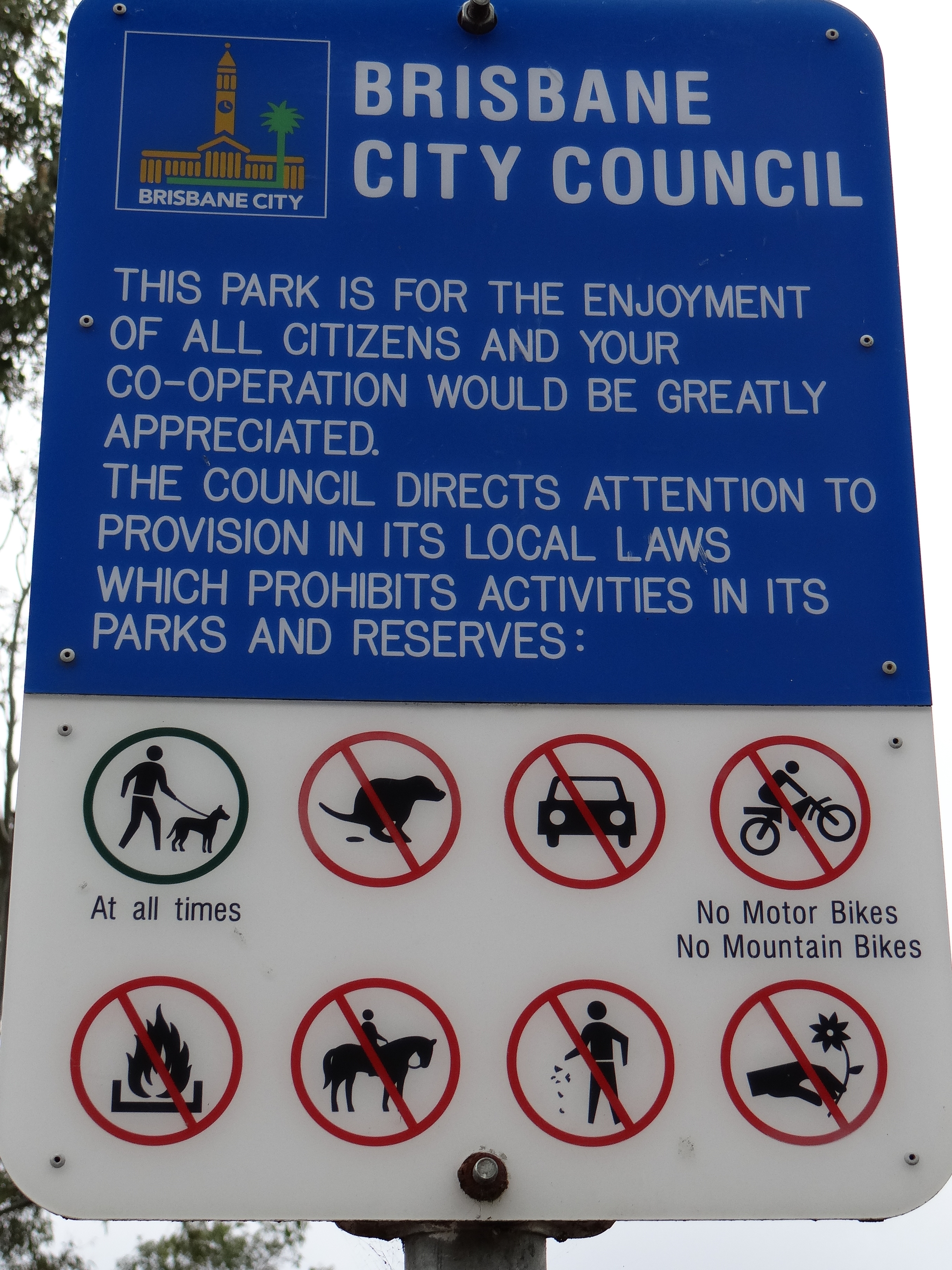
No Motor Bikes No Mountain Bikes
and being prepared for our July 25 National Tree Day planting. The action was quite deliberate and systematic as the sign was thrown away and sapling Brush Box, Soapy Ash and Wattles were sawn off as well as broken down.
x
Mountain
Biking is illegal in Mt Gravatt Conservation Reserve
x
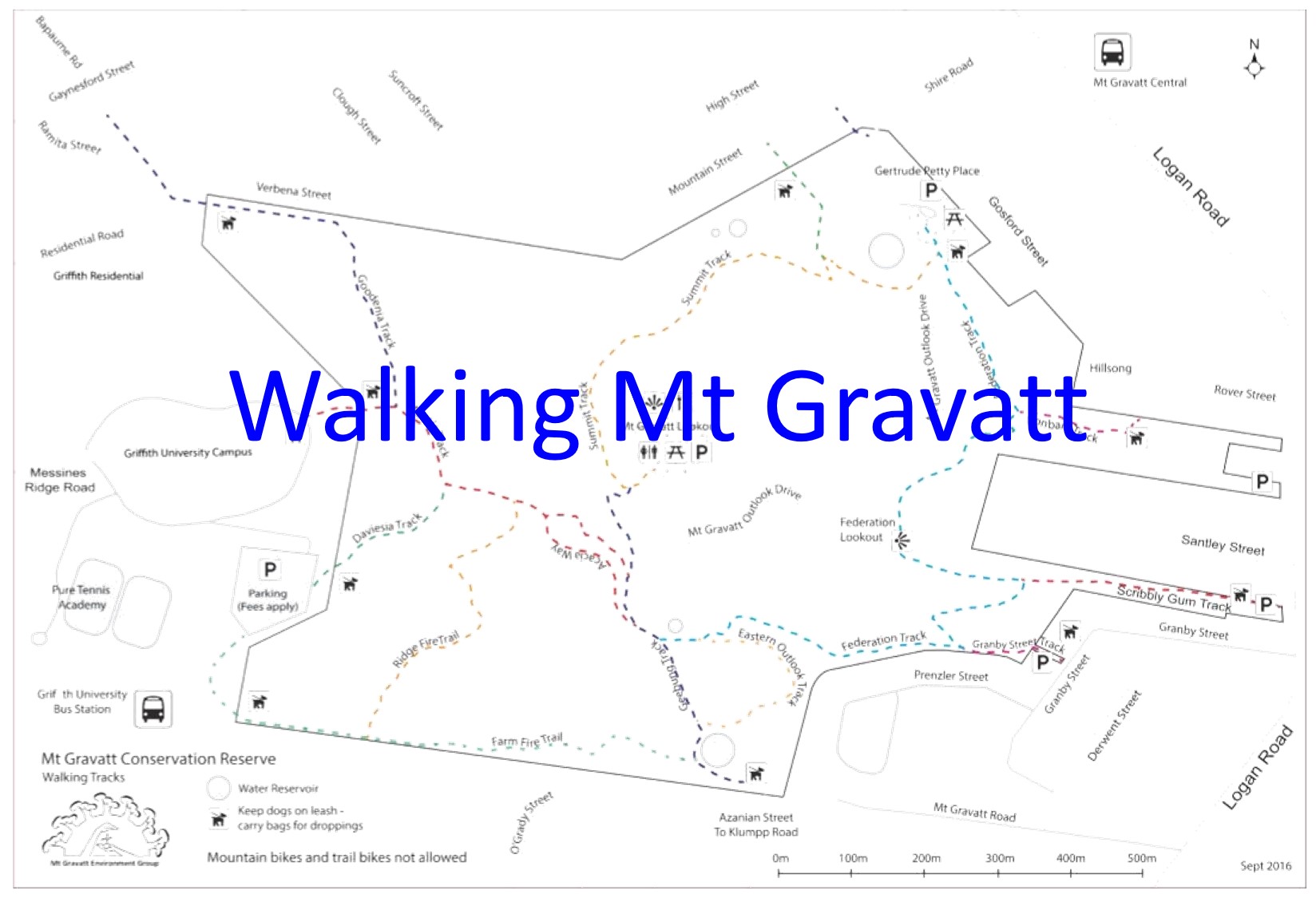
Mountain biking is not allowed in the Reserve. Signs at the Summit and at Gertrude Petty Place clearly state “No Motor Bikes No Mountain Bikes”.
Rider ignores No Bike sign
The bike in the video above actually leaves the road and takes a track straight past a No Bikes sign. Click on photo to enlarge. v
The mountain biking is not only illegal it is also damaging a unique environment that our community has fought to protect for over one hundred years: Mt Gravatt Historical Society, tells us that up till July 1893 the mountain and surrounds were designated as a railway timber reserve. In response to community pressure the Queensland Government of the time protected this special habitat by declaring the Reserve.
Mountain bike riders are actively destroying mountain habitat
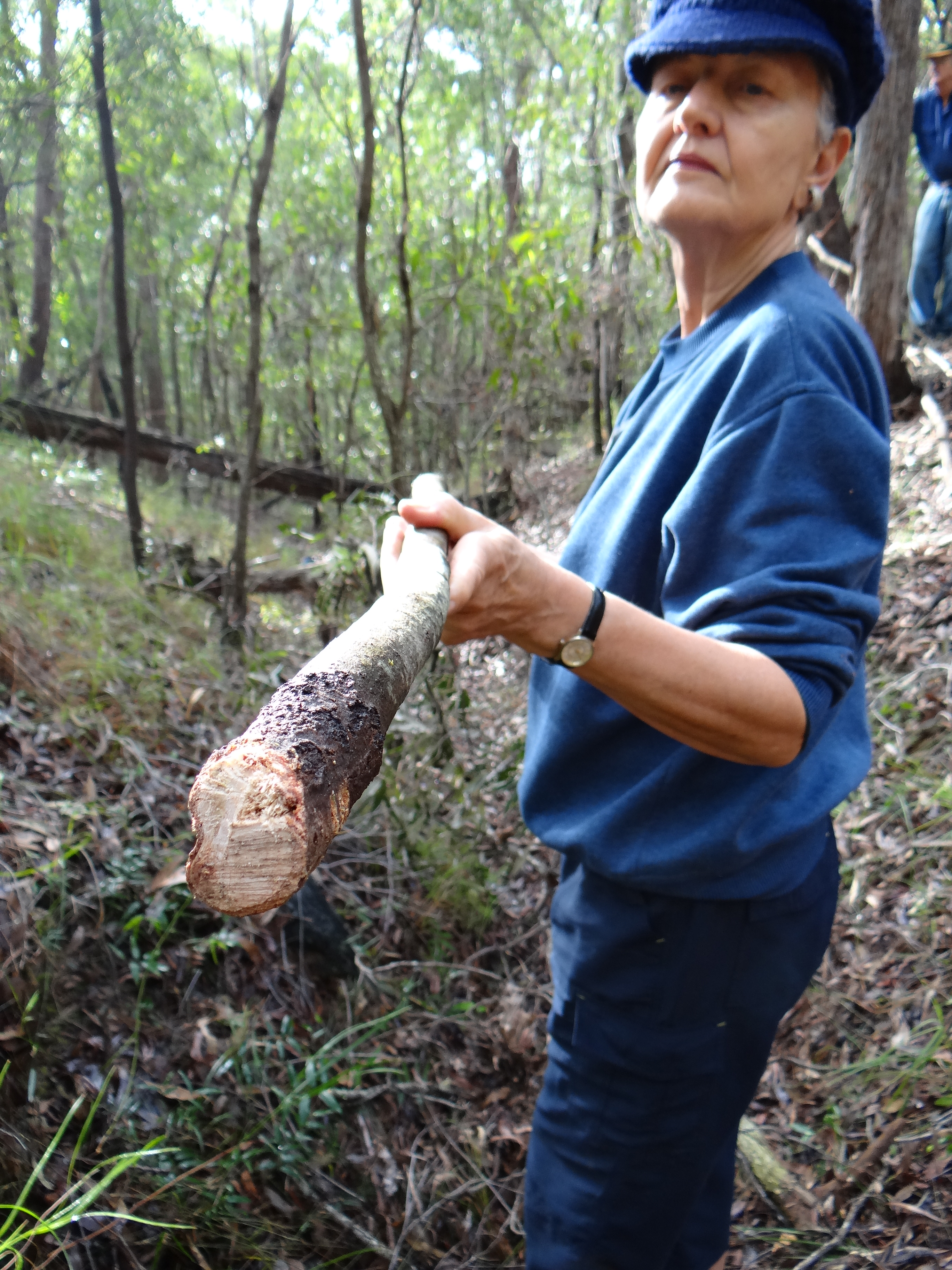
Susan showing cut sapling
a
I inspected the latest damage this week with Susan Jones. What really stunned us was the systematic habitat destruction with saplings sawed or broken off and used to make jumps for riders. Cut and broken trees included a four metre Early Black Wattle Acacia leiocalyx just about to flower. Early Black Wattle is the caterpillar food plant for Imperial Hairstreak Jalmenus evagoras, a beautiful butterfly which is returning to the mountain with the restoration of our bushcare sites. Other trees destroyed included Soapy Ash Alphitonia excelsa, caterpillar food plant for Small Green-banded Blue butterflies Psychonotiscaelius, Brush Box Lophostemon confertus, caterpillar food plant for the
Butterfly trees chopped up for bike jump
fascinating Four-Spotted Cup Moth Doratifera quadriguttata.
Many Lomandras have been destroyed by the action of bikes, including a flowering (male) Many Flowered Mat-rush Lomandra multiflora, caterpillar food plant for Brown Ochre Trapezites iacchus and Black-ringed Ochre Trapezites petalia butterflies: two of forty-five butterfly species found in the Reserve.
Young trees destroyed to make a bike track
It is hard to show the enormity of the damage. None of the trees were very large but the collage of cut stumps gives some idea of the number of trees destroyed to create track for entrainment of a small number of people.
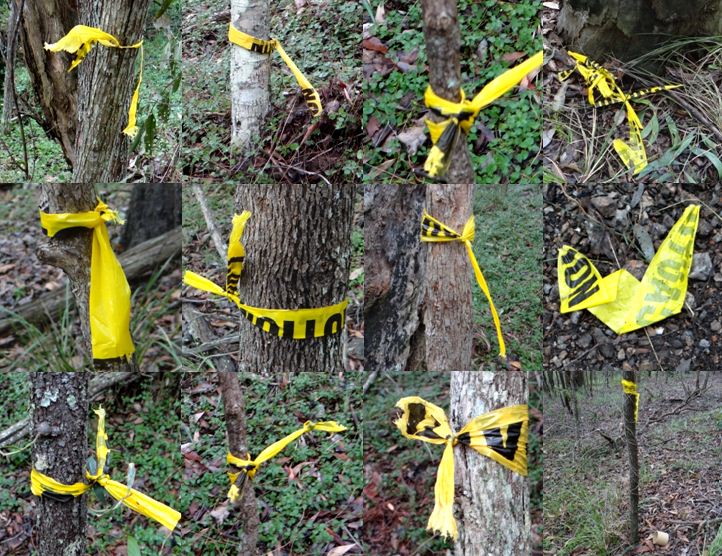
And by the looks of it this is only the start. Following the track down from the Summit we found yellow markers tied to trees, not only along the track but also what appears to be planned as a new track taking off to the south. Trees had been cut or broken and yellow tape tied to others. It seems that this new track planning was only stopped when the tape ran out … evidenced by the empty spool discarded in the bush.
Further evidence of expansion plans is the cache of tools we found locked to a tree just near the path.
Yellow tape marking out track expansion plans
Track clearing tools locked to a tree
Our community investment
c
Seeing the wanton destruction of our special habitat made me very angry, not just because of the personal impact on me, but also because this action ignores the huge ongoing contribution our community is making.
Conservatively calculated, Mt Gravatt Environment Group is responsible for over $30,000 in volunteer contribution during the 2011/12 financial year.
Over the same period our community has invested $19,905 in grants from Queensland Government, Brisbane City Council and Southside Sport & Community Club.
Donations and direct investments by community members exceeded $8,000.
Ongoing support and investment by BCC Habitat Brisbane program: plants for revegetation, equipment, training and public liability insurance.
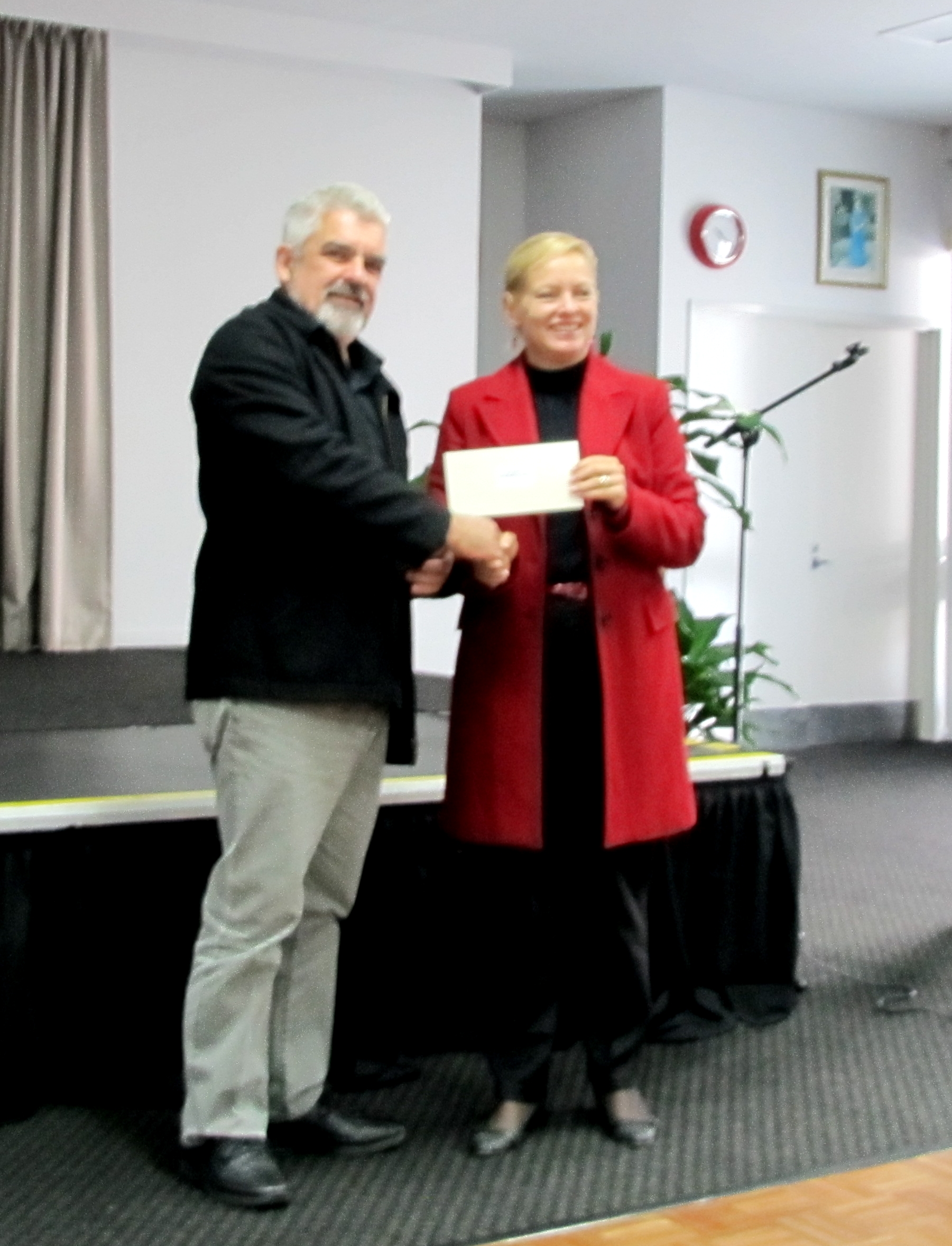
An outstanding morning tea served in the Carson Room, Mt Gravatt Bowls Club, and politicians handing out grant cheques, no wonder everyone had a smile on their face. I can definitely recommend the morning tea if you are looking for a venue.
Pale-headed Rosella inspecting new Men’s Shed nest box
The nest boxes are made to our specifications by Mt Gravatt Men’s Shed and installed 6 to 8 metres in trees so checking to see who is occupying a box is a challenge. Monitoring is important to ensure they have not been occupied by feral species such as Indian Myna Acridotheres tristis and also provide research data on species restoration and movement through wildlife corridors.
This week we were honoured with a visit to Fox Gully Bushcare by Kristen Collie, Ranger at Daisy Hill Koala Centre.
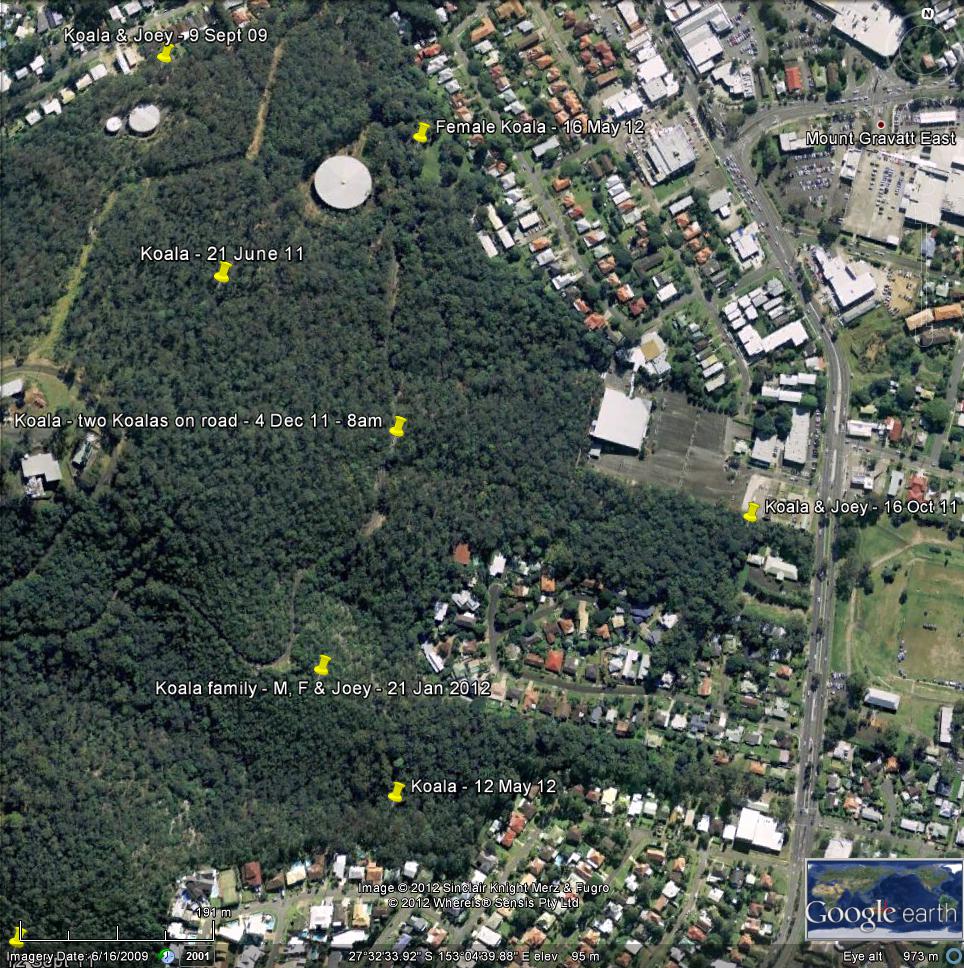
Mt Gravatt Environment Group is now sharing data on Koala sightings with the Koala Centre with intitial data suggesting that our furry friends a quite active in surrounding streets.
One fact that really stands out is the number of Koalas injured by dog attacks in backyards or hit by cars on the roads.
Kristen was also impress by our community’s commitment to habitat restoration and restoring wildlife corridors. We visited Zone 13 where our Tuesday Bushcare group have removed a huge area of Fishbone/Sword Fern Nephrolepis cordifolia.
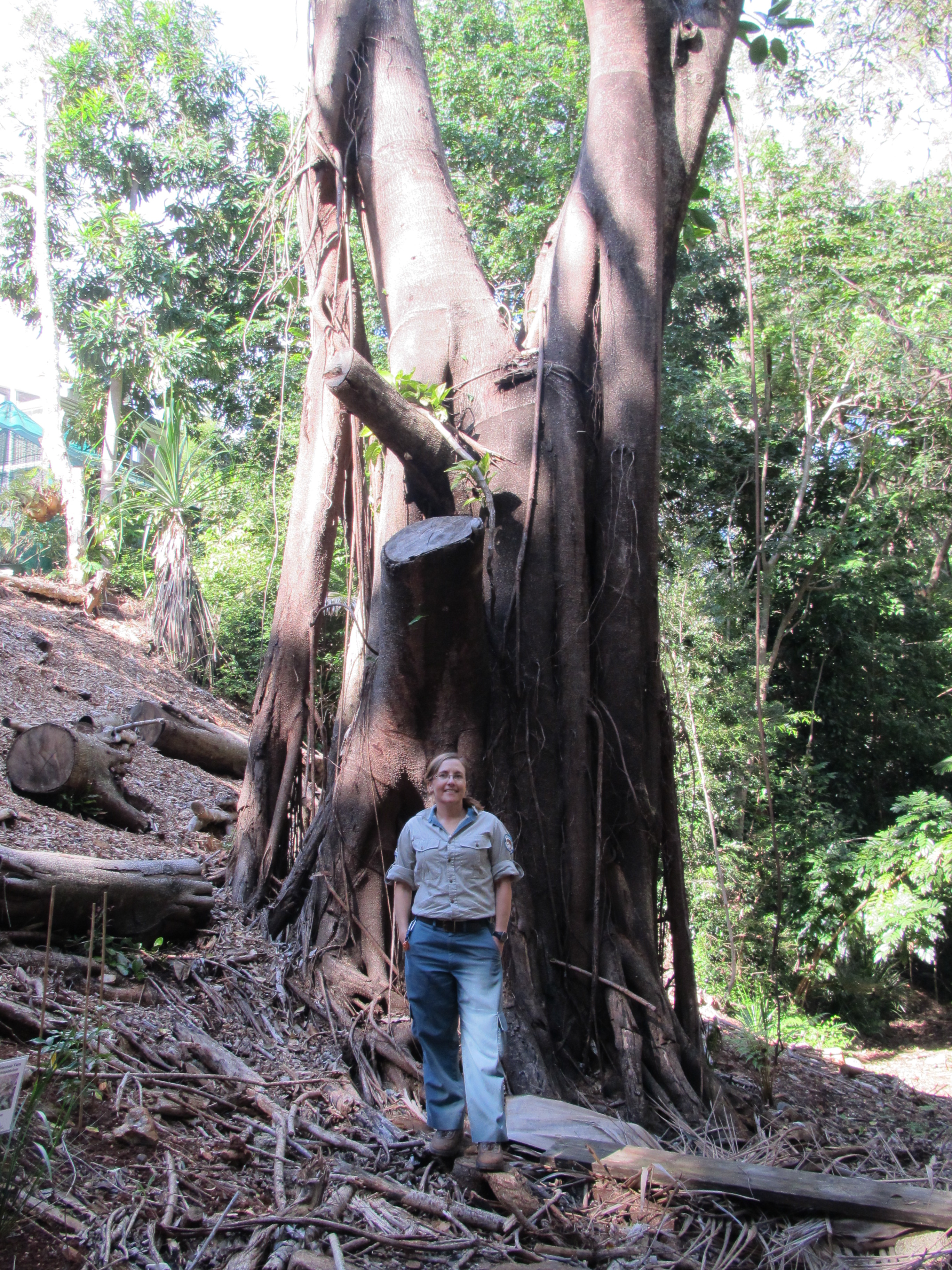
We then moved onto inspect the restoration where the wildlife corridor cuts through private properties to Klumpp Road. Standing beside the stump of the huge Indian Rubber Tree and seeing water trickling down the gully from the restored spring, really demonstrated the community commitment to our wildlife.
Our 2012 Community Gully Day is planned for Sunday August 5th and will concentrate on replanting the area cleaned up in 2011.
Female Koala at Gertrude Petty Place Photo by Susan Jones
This afternoon about 4pm we stopped clearing weeds and sat down at Gertrude Petty Place for a cool drink and something to eat.
To my amazement, a female koala jumped to the ground from a sapling gum a few metres away and headed out onto the grass. I squatted with the camera to take a shot, not realising that the Tallowwood gum I was hiding behind was the koala’s next destination! It shot up the Tallowwood, only stopping once to look back disdainfully at me.
People sometimes forget that Mt Gravatt Conservation Reserve is an enviromental park where visitors share the habitat with koalas, echidnas and many other species.
It is wonderful to see people enjoying the Summit and Federation Outlook tracks, particularly with the increasing sightings of koalas. However, many people parking at Gertrude Petty Place then go walking dogs off-leash in our conservation reserve.
The presence of this koala at Gertrude Petty Place today, is a very good reason why we should be encouraging dog owners to keep their animals on-leash in the Reserve.
Mt Gravatt Kindergarten is collecting specially marked Pauls Collecta Caps from milk bottle containers (2 litre and above) for a fund raising project to provide new homes for gliders.
As the land next door to the kindergarten was cleared for the new unit development on Shire Rd (going up to the Mt Gravatt Lookout); Brushtail Possums Trichosurus vulpecula, birds and possibly gliders lost their trees and therefore hollows for nesting in, and we found dead possum joeys in the playground most likely as a result of territorial disputes as their habitat suddenly shrank.
We have been collecting the milk caps since last year, to purchase and install nesting Boxes from Hollow Log Homes. Kindergarten families are donating their caps, but if anyone else from the local community would like to donate theirs to our association, we would be very grateful.
The entrance to the kindergarten is next to 23 Gosford St, Mt Gravatt.
With thanks from Melindi Robertson & Sue Lewin (CoDirectors)
Mt Gravatt Kindergarten is a valued Mountain neighbour sharing a boundary with our Gertrude Petty Place Bushcare site.
Mt Gravatt Environment Group is proud to promote this fundraising initiative which aims to restore vital nest hollows for wildlife. Most trees of Mt Gravatt Reserve are relatively young having suffered from farming and tree felling. Nest hollows typically start forming once trees are 100 years old so there is s critical shortage of hollows within the habitat.
Thanks to cartoonist and naturalist Edd Cross for the glider drawing.



























 Mount Gravatt Environment Group

