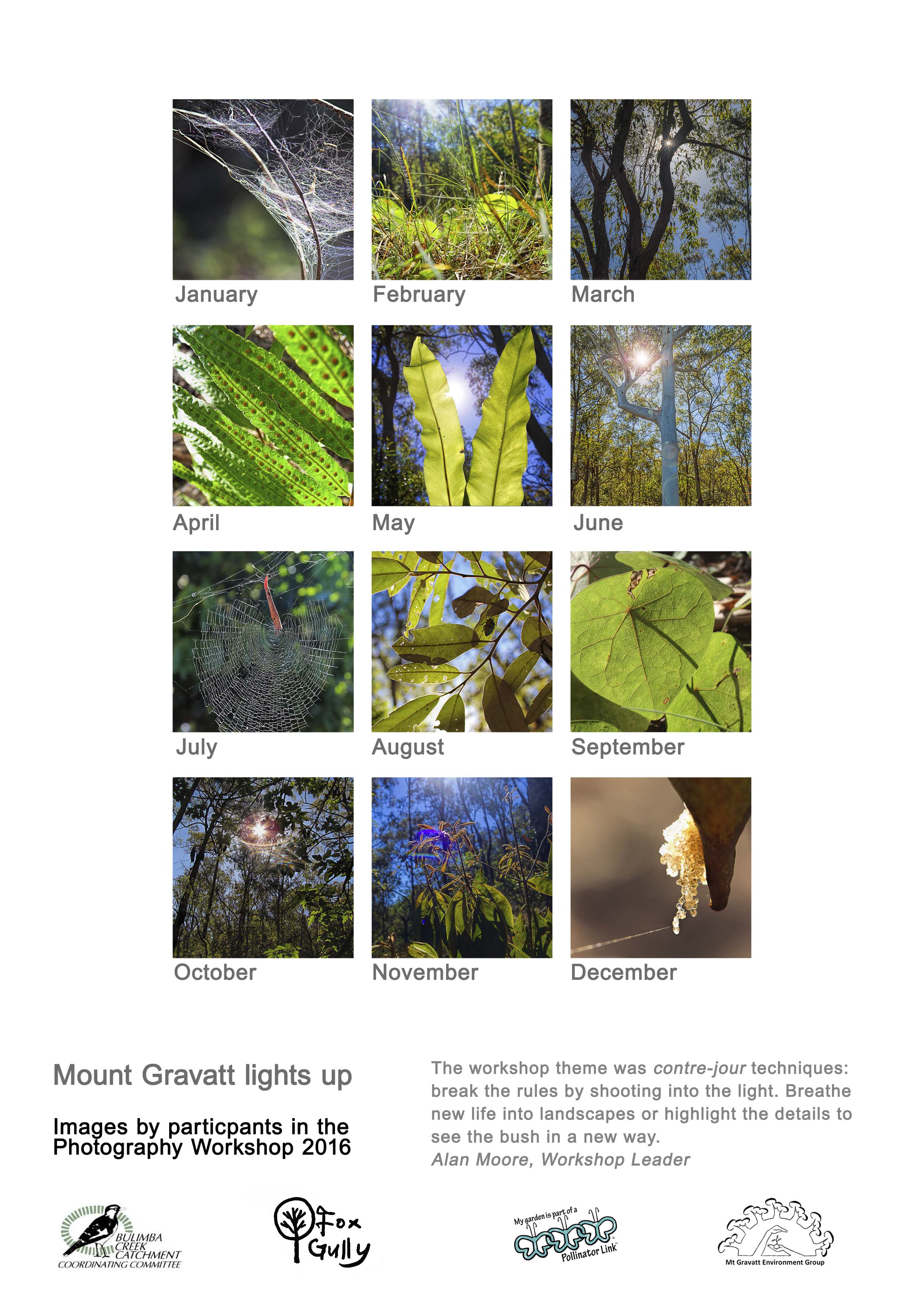
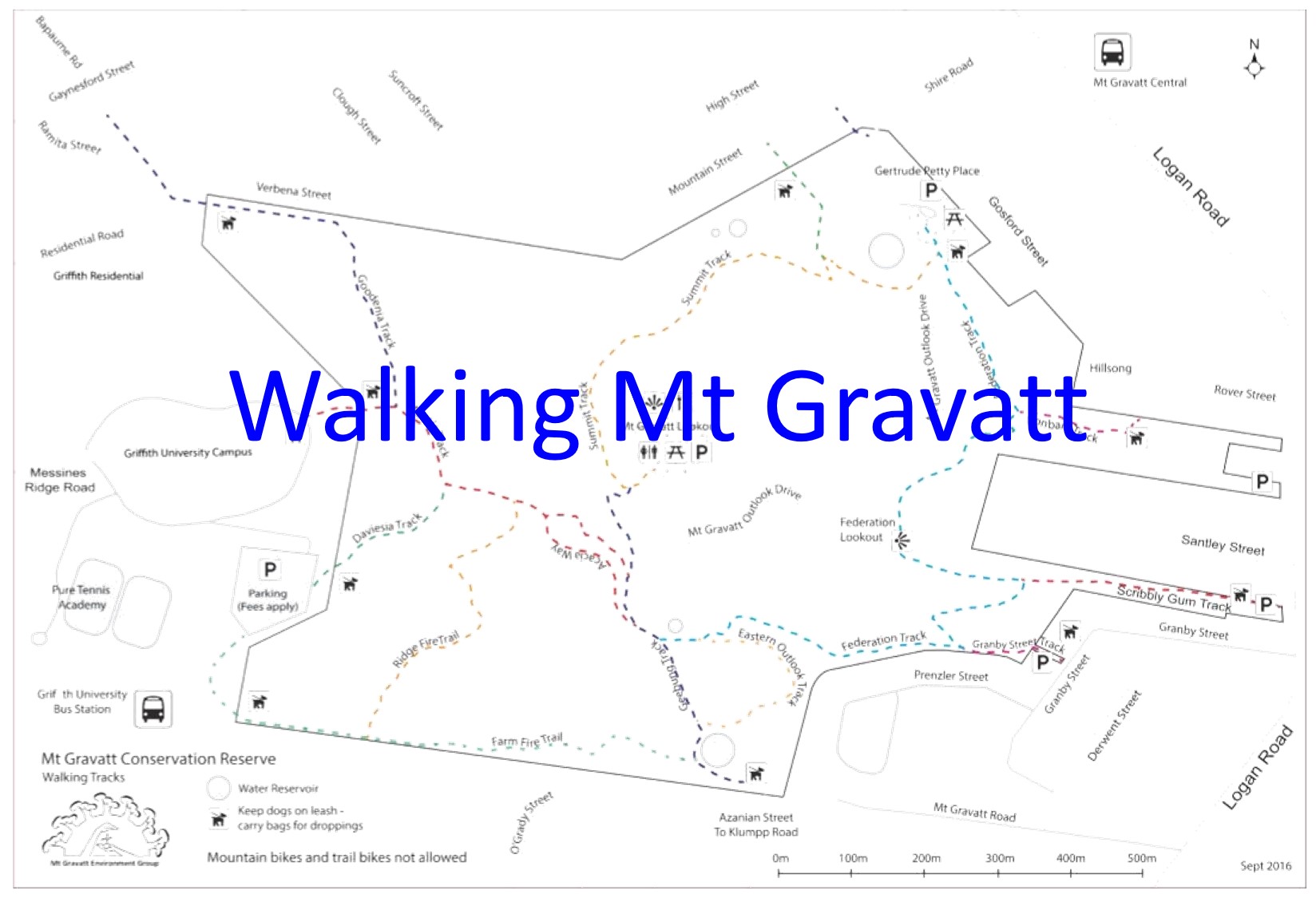
Share a unique view of Mt Gravatt Conservation Reserve with family and friends and support our ongoing restoration work and wildlife research.
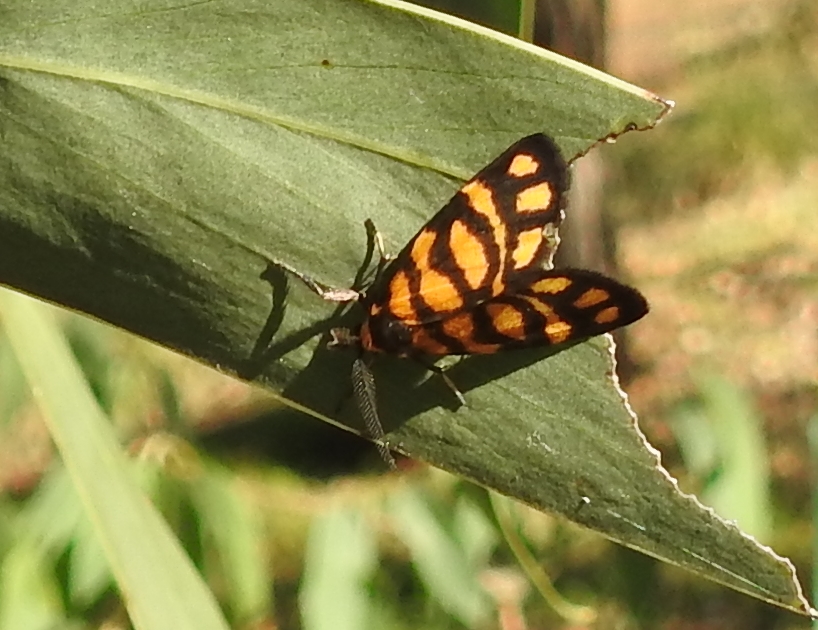
The 2016 Photography Workshop was called Mount Gravatt lights up, so workshop leader, Alan Moore, has selected participants photos that show contre-jour techniques. Contre-jour techniques break the rules by shooting into the light. The photos chosen breathe new life into how we see the world around us in a new way.
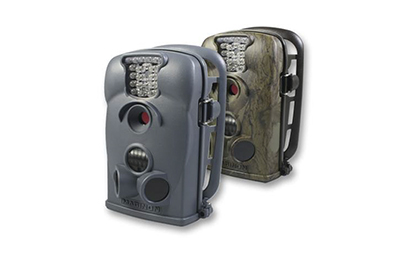
Funds raised in past years have allowed for purchase of research equipment like the infrared wildlife camera used to monitor the Squirrel Glider Petaurus norfolcensis families living the nest boxes at Fox Gully Bushcare.
August to January is Koala breeding season with most young (called a joey) born over the summer months.
That means I am receiving an increasing number of reports of Koala sightings like Sue’s report:
“I was awoken at 4 am by a dreadful noise in our yard – blood curdling screaming. Couldn’t get back to sleep. At 5 am the local birds let me know some ‘foreign’ creature was still around.
I took this photo of a Koala which had just leapt off our back terrace into one of our gums. He was roaring loudly as he ascended the tree. He then spent the day sleeping in an adjacent Tallowwood. He looked well fed and healthy.
Upon later investigation I found Koala fur and droppings all over the terrace. I wonder whether two Koalas may have been involved.” Sue Jones
The Mt Gravatt Conservation Reserve now has a healthy and growing Koala population. This is a great opportunity for our community and a great responsibility: we have been given a second chance. You can help by:
reporting Koala sightings – email photo/s (phone camera is fine – evidence is important not photo quality), approximate location, date and time – email megoutlook@gmail.com
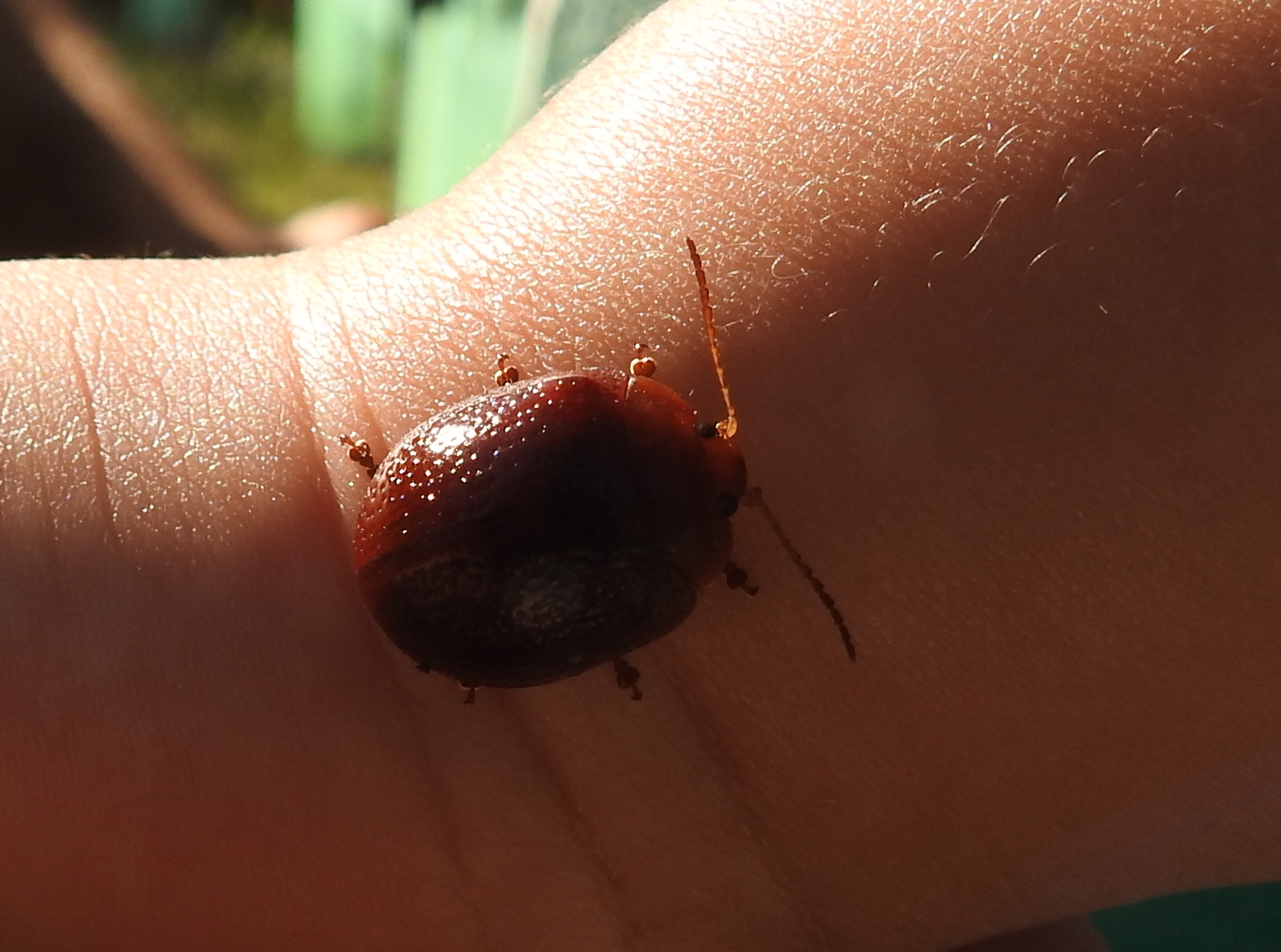
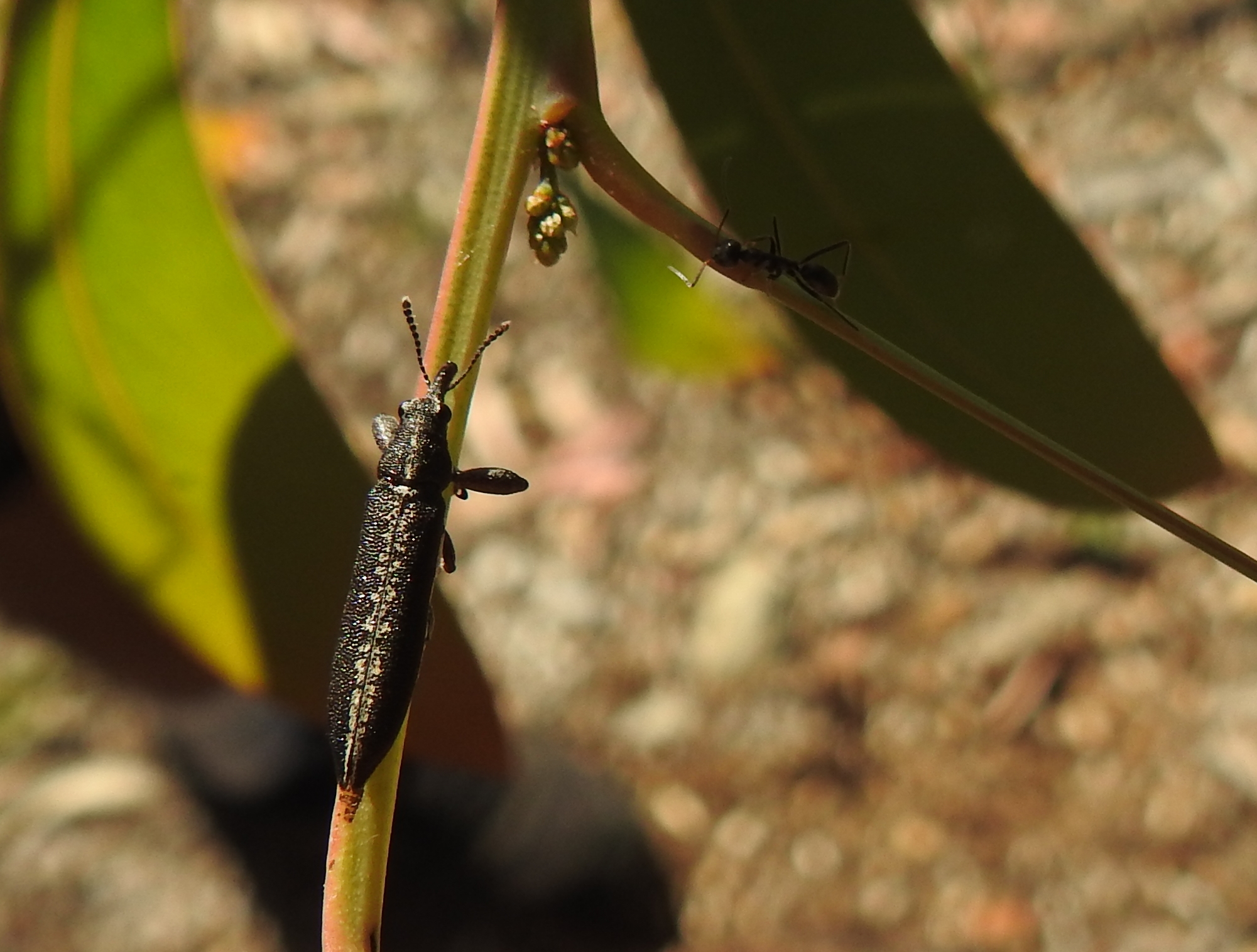
I met a future naturalist at the Small Bird Habitat this morning. He was walking the mountain on his father’s shoulders but when I found an Acacia Leaf Beetle Dicranosterna piceaon a Sickle Leaved Wattle Acacia falcata this future naturalist had to get down to get a close look. Of course a true naturalist loves to let beetles walk up their arm.
Brown Belid Weevil
This was an inspiring meeting as this future scientist not only let the beetle walk on him, he then proceeded to find another two bugs for me on other plants.
Join a dedicated team restoring valuable remnant forest along Mimosa Creek.
Roly Chapman Bushland Reserve, named after respected local teacher, is home to Koalas and Turtles. Some sections of the Reserve are categorised as Endangered and Of Concern. Restoration of this valuable bushland is a key step in linking Mt Gravatt Conservation Reserve with Bulimba Creek.
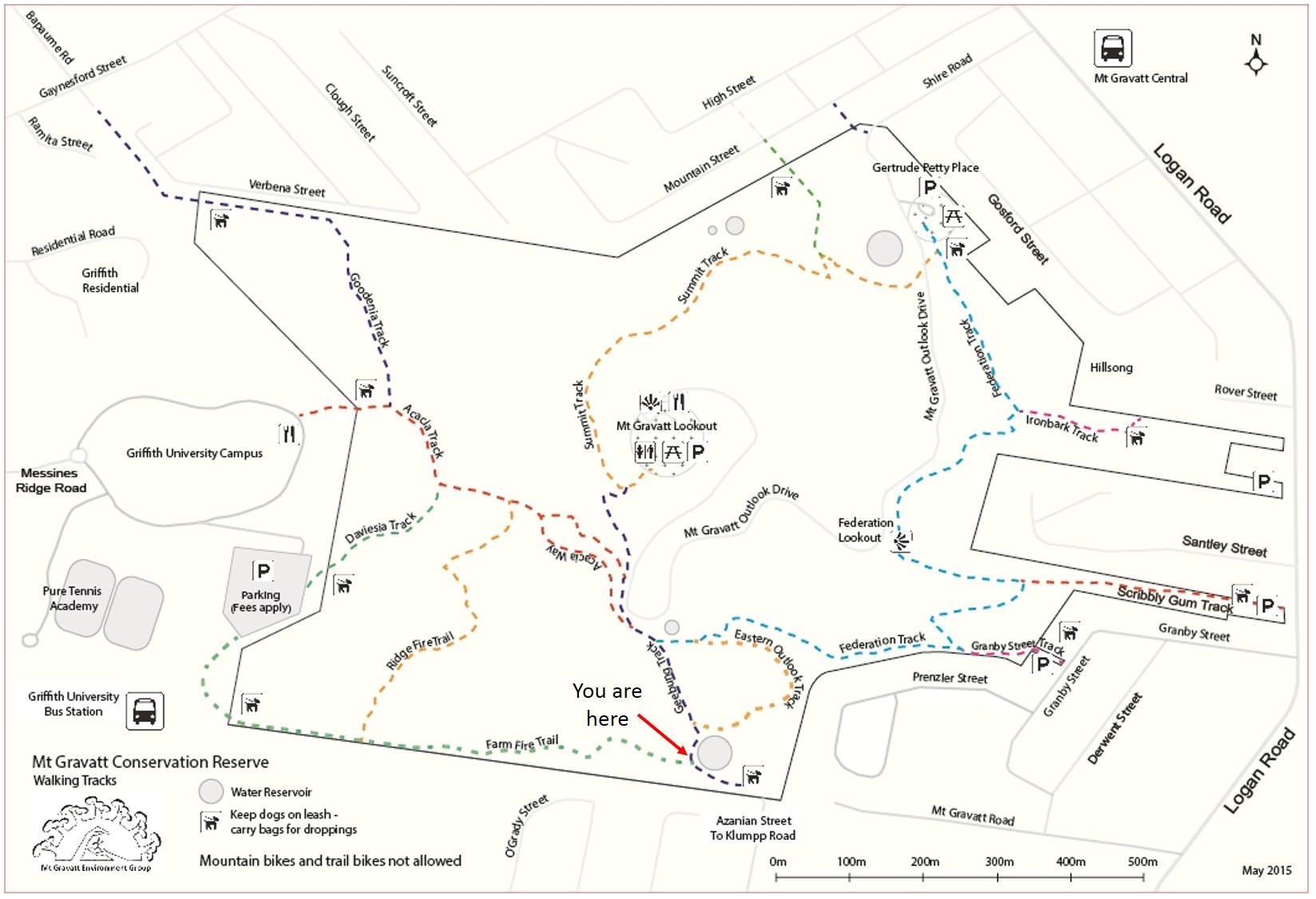
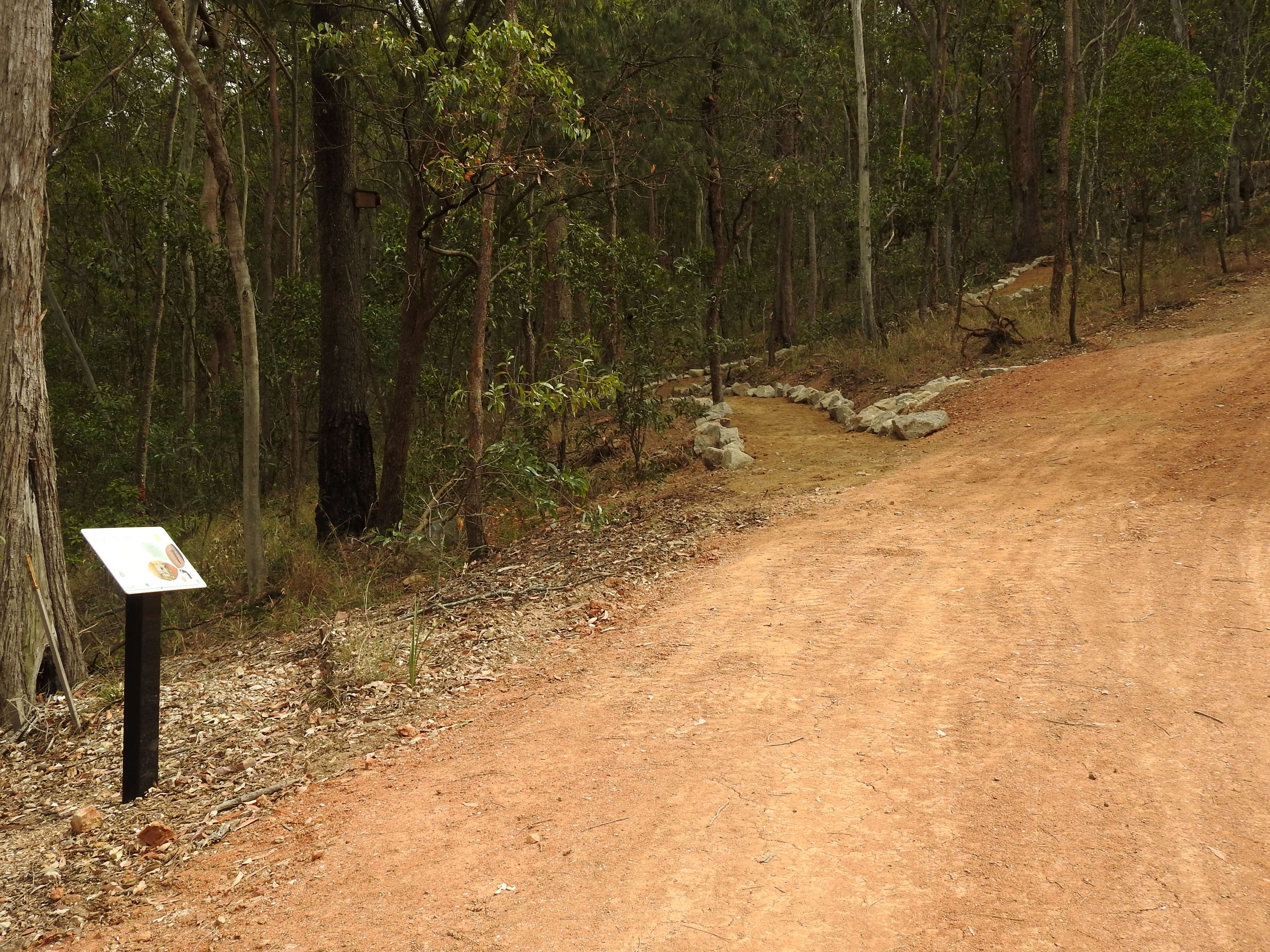
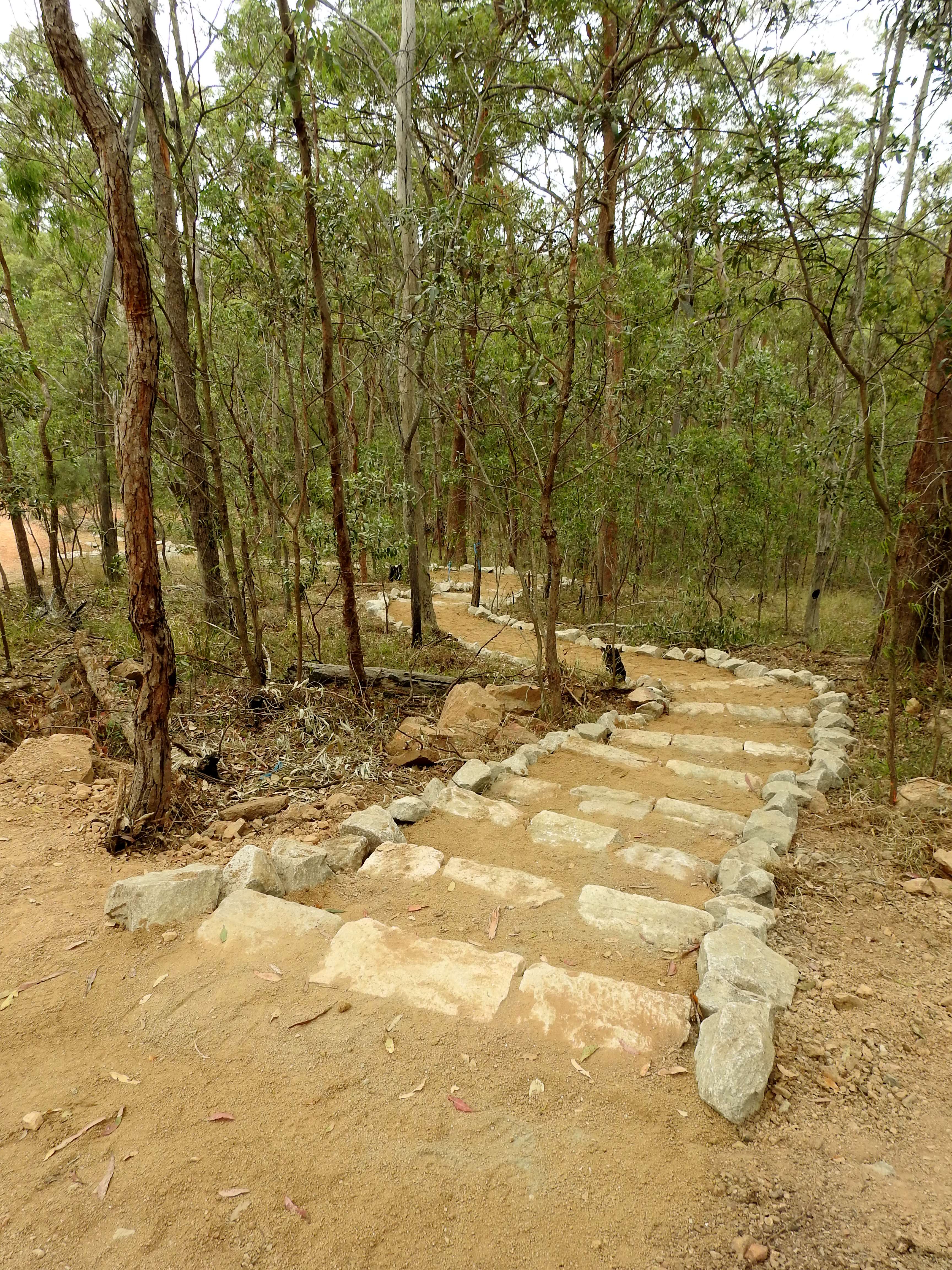
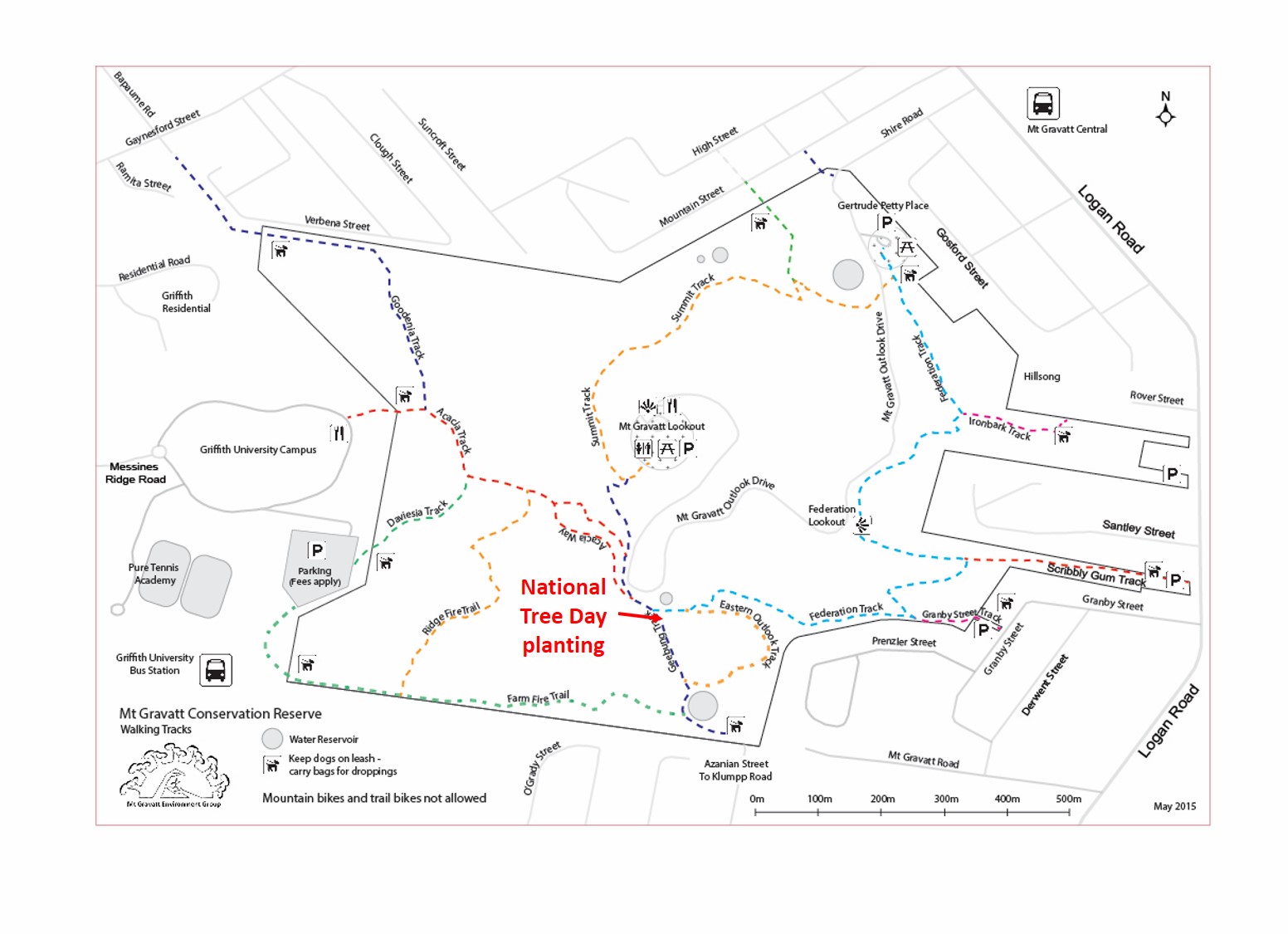
The new track starts near the Glider interpretative sign and loops into the bush, missing large trees and uses steps to create a safer easier walk.
.
Reconstructed Geebung Track
.
.
.
.
.
.
Professionally made steps rejoin Greebung Track at top of steep section.
.
.
.
.
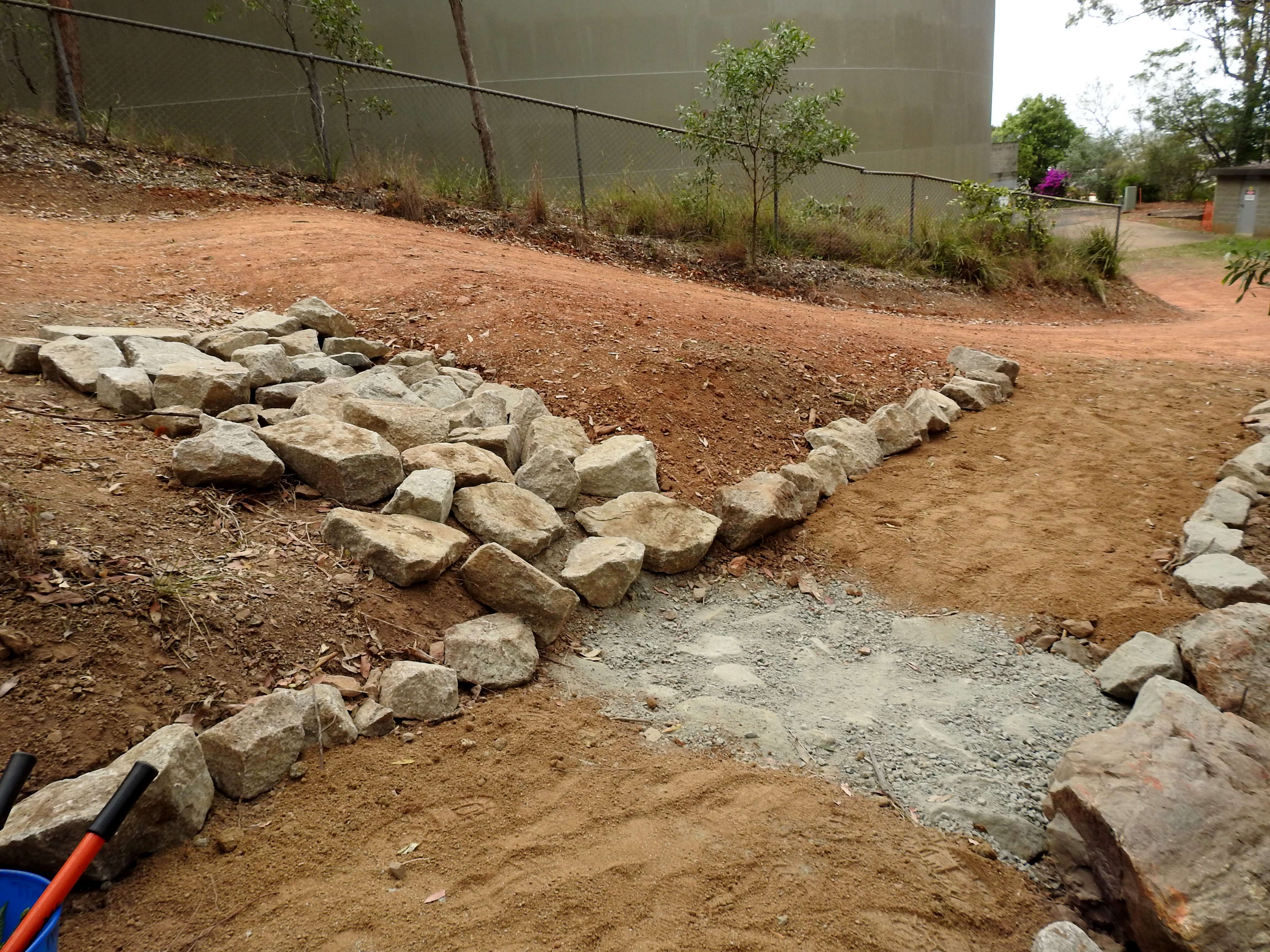
Managing track erosion
.
.
.
.
The Natural Environment team have specialist contractors to do track restoration work. The existing track had already been restored right up to the small green water reservoir. That restoration work included large swales to direct water off the track reducing erosion. The contractors have set up the new section of track with rocks to handle the huge volume of rain water coming off the swales.
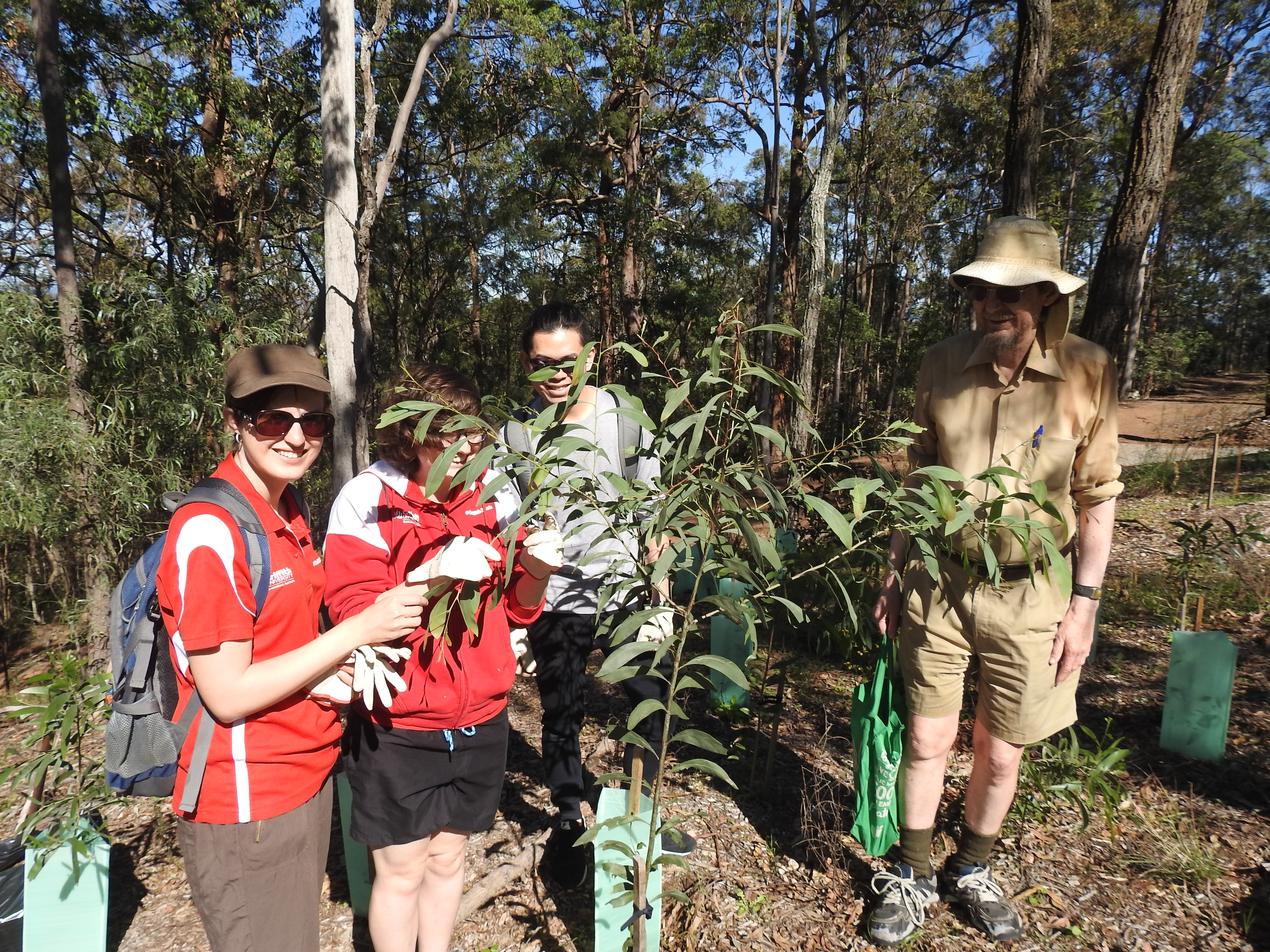
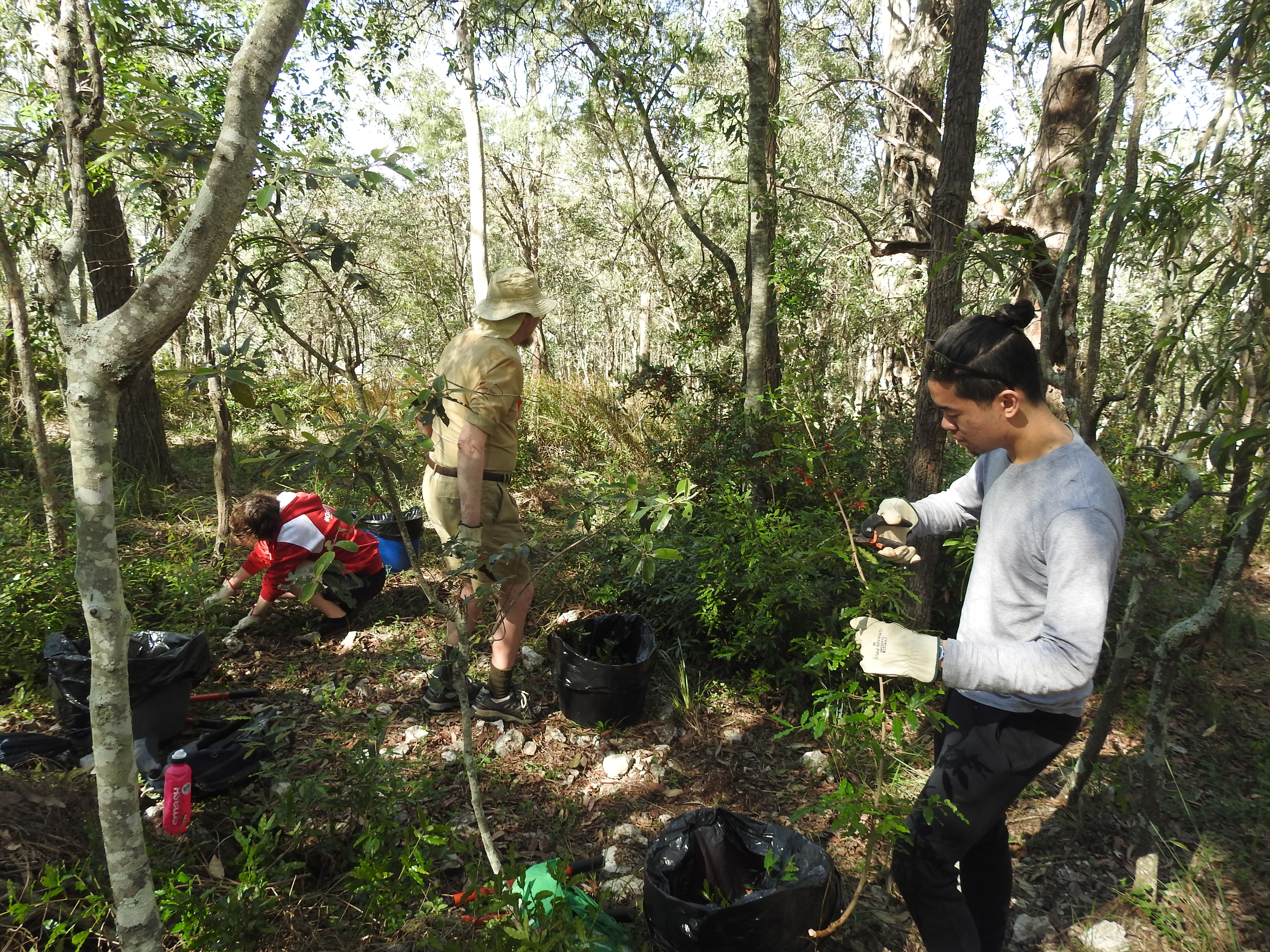
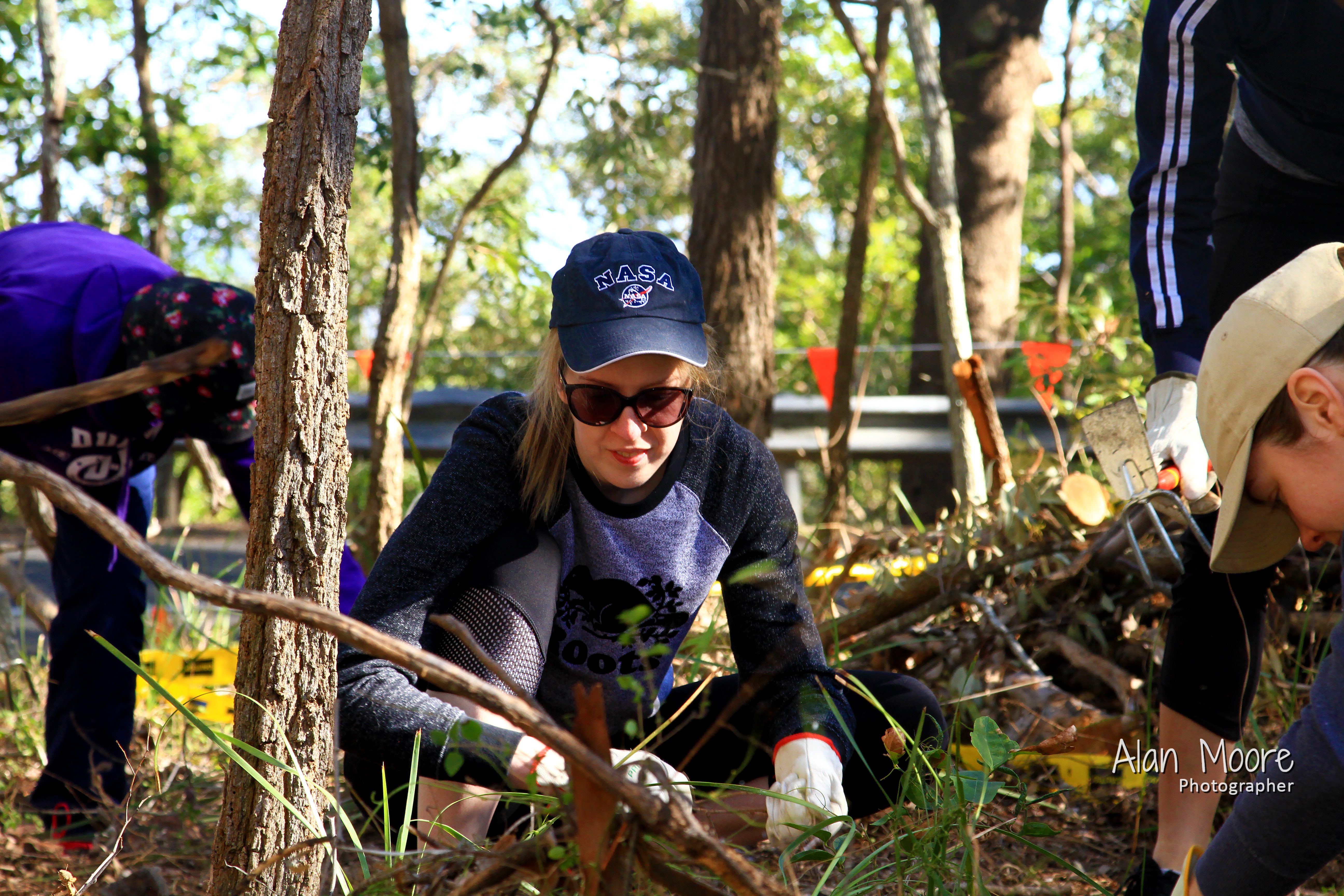
Our Griffith Mates partners have again provided valuable for restoration of our Fox Gully Bushcare site. At the last event for 2016 we first checked what species can now be found in the Small Bird Habitat.
The Small Bird Habitat is an initiative to create the specialised habitat our small forest birds like Variegated Fair Wrens Malurus lamberti. These small insect eating birds are valuable partners in controlling pests in our backyards. Building an effective habitat requires attracting a diverse range of insect species to provide food.
After inspecting the Small Bird Habitat progress we moved onto our Ochna Blitz. Mickey Mouse Plant Ochna serrulata is a deep rooted invasive garden plant with attractive red and green berries that are eaten by birds then spread into our bush habitat. The objective is to start breaking the weed cycle by collecting, bagging and dumping the seeds then poisoning the plant. Eradicating or at least reducing Ochna in the Reserve will take years but systematic clearing of smaller areas will progressively reduce the spread.
We look forward to partnering with Griffith Mates again in 2017.
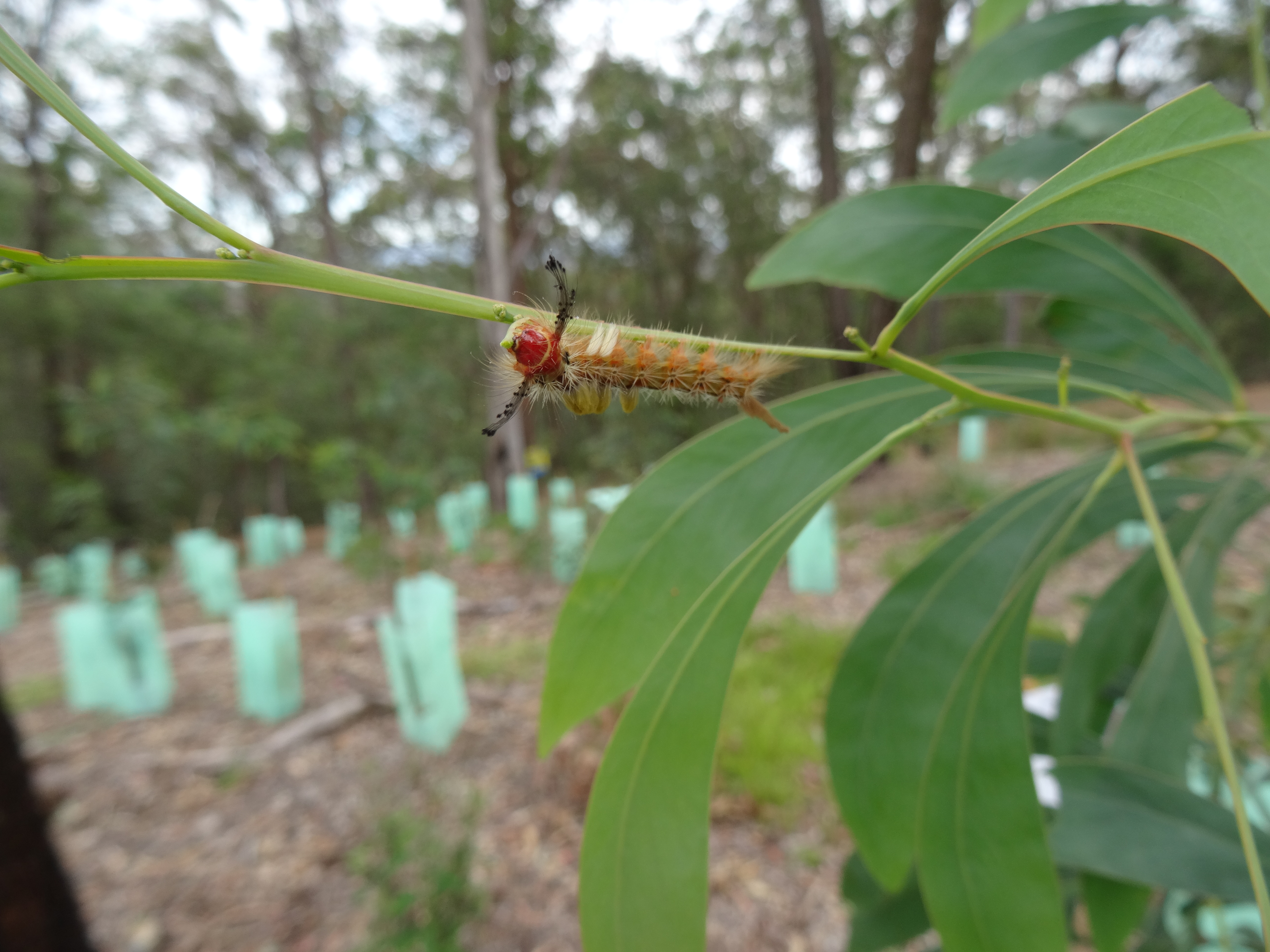
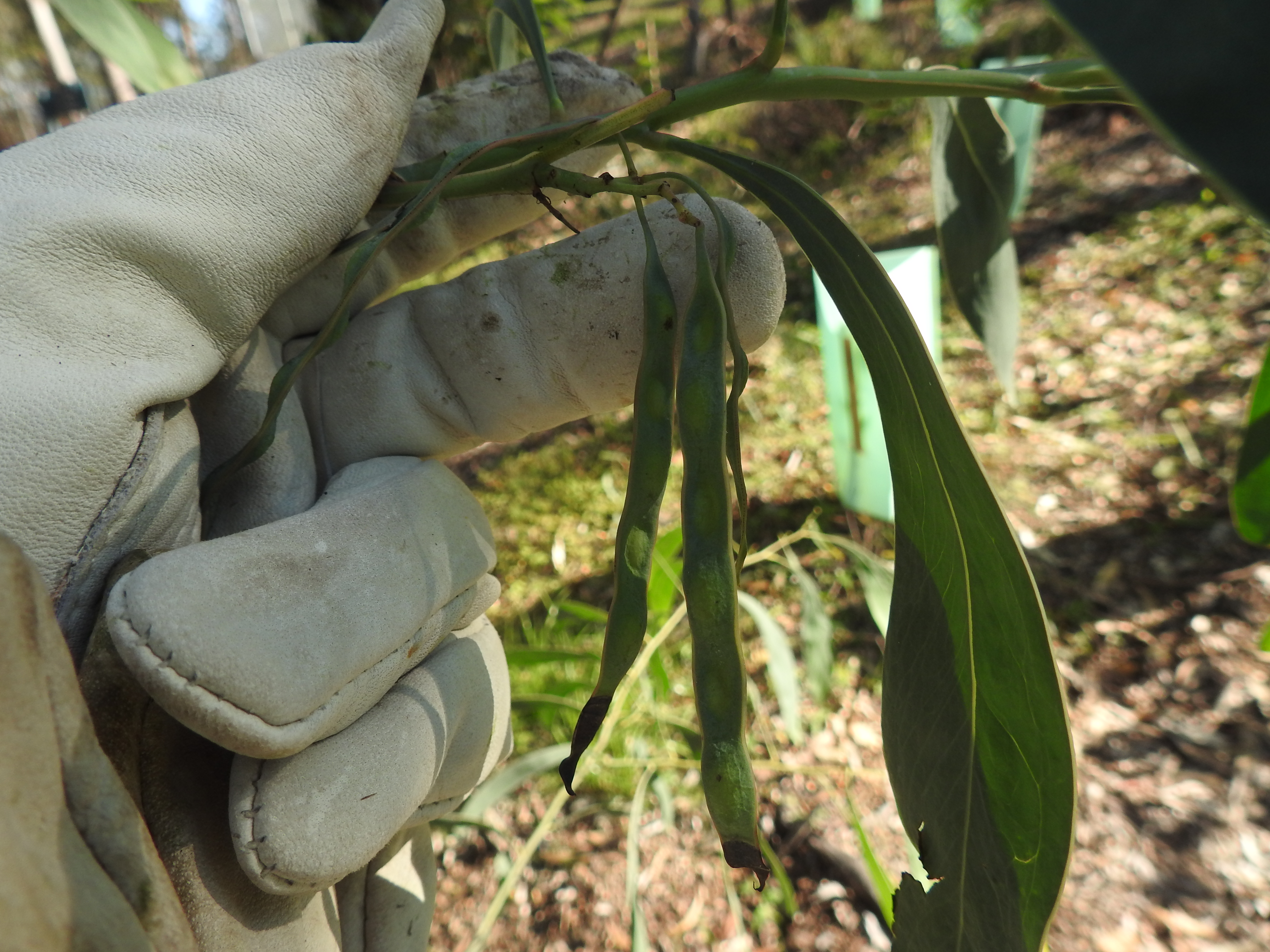
The planting site is looking great with trees and vines planted in 2015 now flowering and producing seed. A Sickle Leaved Wattle Acacia falcata is already hosting caterpillars of the Imperial Hairstreak Jalmenus evagoras butterfly.
.
The caterpillar is protected by “Kropotkin” ants – Small Meat Ant Iridomyrmex sp. The ants provide protection in return for sugary fluids secreted by caterpillar. Imperial Hairstreaks will only return to breed where both caterpillar food plants and the ants are present.
Kropotkin is a reference to Russian biologist Peter Kropotkin who proposed a concept of evolution based on “mutual aid” between species helping species from ants to higher mammals survive.
The combination of rain and clearing Creeping Lantana Lantana montevidensismeans the Ochna is thriving and it is covered in flowers and seeds. However, the rain also means must easier to pull our either by hand or Treepopper.
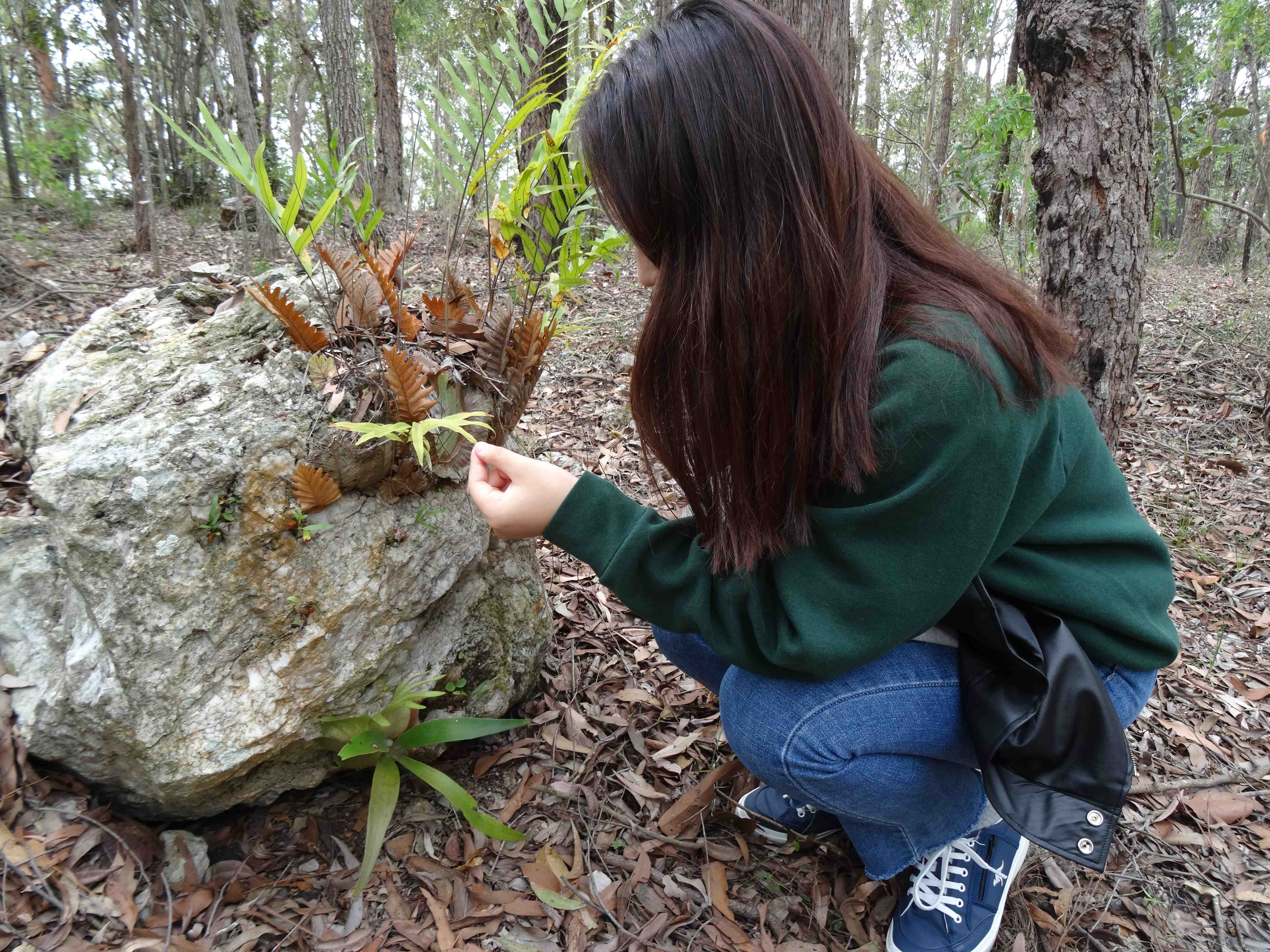
Jisu fascinated by Elkhorn and Basket Ferns growing on a rock
By: Michael Fox
I introduced Korean student Jisu to our wildlife and native plants in Mt Gravatt Conservation Reserve while walking to Mt Gravatt Campus.
.
.
.
.
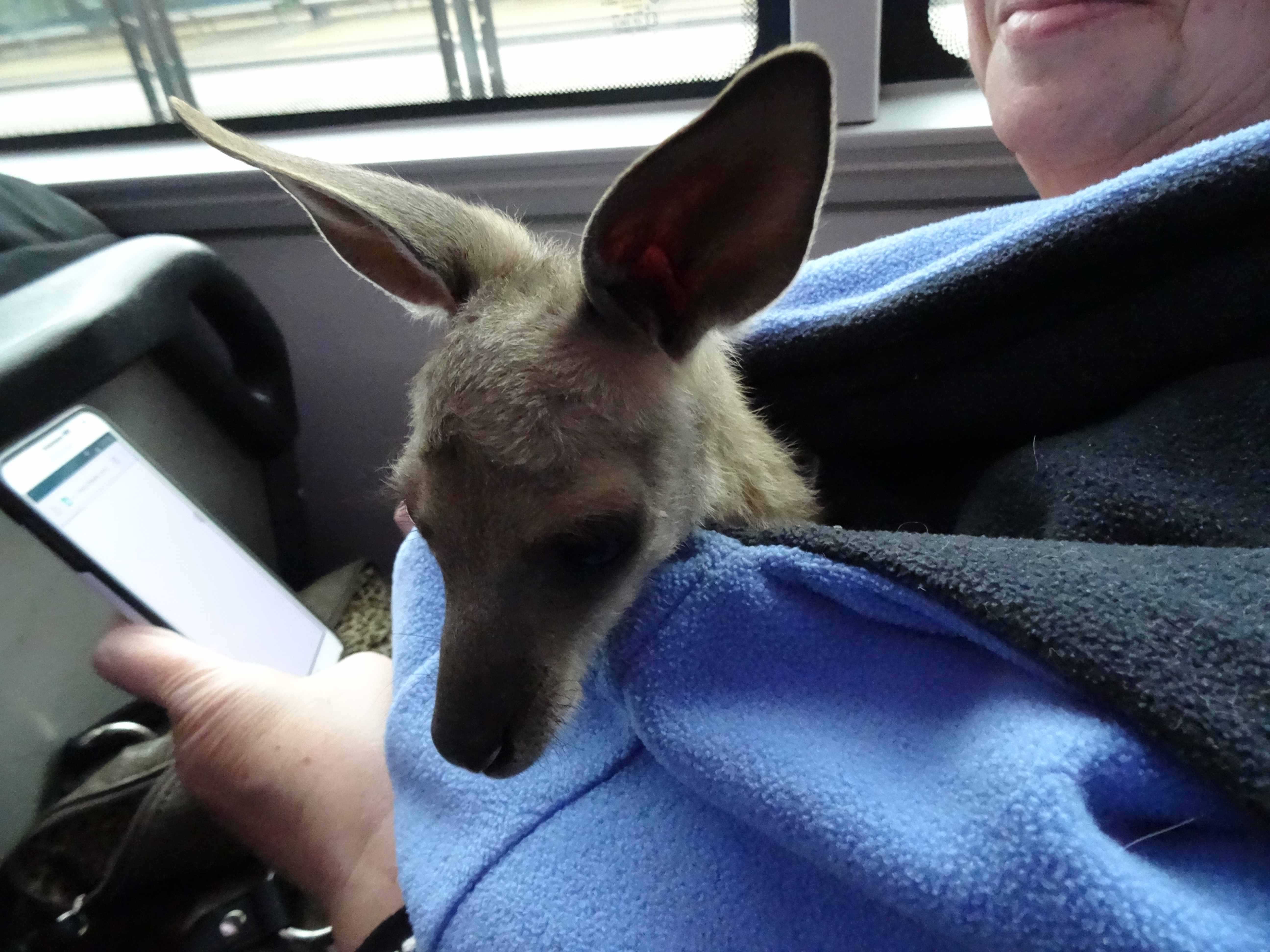
I like my new mum
.
Jisu is keen to meet a Koala but neither of us expected to meet a Kangaroo on the Griffith Inter-campus. This youngster was happily nestled into his substitute pouch on the wildlife carer’s lap.
I led the team on an off track adventure to reach the nest boxes. While Carl operated the GoPro camera on the extendable pole the ground crew monitored on iPads using WiFi connection.
Carl became a real professional keeping the tall wobbly pole under control while he lifted the lid on each box and inserted the camera.
Lantana Busters at work
Not surprisingly none of the boxes had been occupied in the short time since installation. However, it is valuable to get a information on how long it takes before boxes are adopted.
.
.
.
Then is was back through the bush to the Lantana Busting site.
Scolopendrid centipede – tail to left
1,600 square metres of Creeping Lantana Lantana montevidensis were cleared and raked into swales on National Tree Day. Now we are doing the detail work of clearing the remaining roots to eradicate this invasive garden escapee.
There is an amazing about of wildlife among the leaf litter as well as in the trees. We disturbed a Scolopendrid centipede which I think Baoyi wanted to keep as a pet. Be careful handling centipedes as they may bite if disturbed or handled. The bite may cause severe pain and associated swelling.
Home made cakes a reward for hard work. (l-r) Sophie, Jocelyn, Harry, Baoyi, Carl, Amanda and Dana in front
Centipedes are predatory and will kill and consume a variety of other invertebrates such as spiders, molluscs, many insects, slaters and other centipedes. Prey is usually immobilised by venom injected through the fangs and then torn into pieces by the mandibles and the soft parts are eaten.
All that hard work deserves a reward. Thanks to Mt Gravatt Environment Group member Dana for the home made cakes.
Neighbours, Roger and Margaret called a short while ago. A Koala had just come down one tree and jumped across to another tree in the gully.
.
.
.
.
Looks young and definitely male.
It’s a boy
Breeding season has started so the males will be on the move.
Koalas are particularly to dog attack when they are on the ground moving between trees. So it is important that dogs are kept on a leash when visiting Mt Gravatt Conservation Reserve.