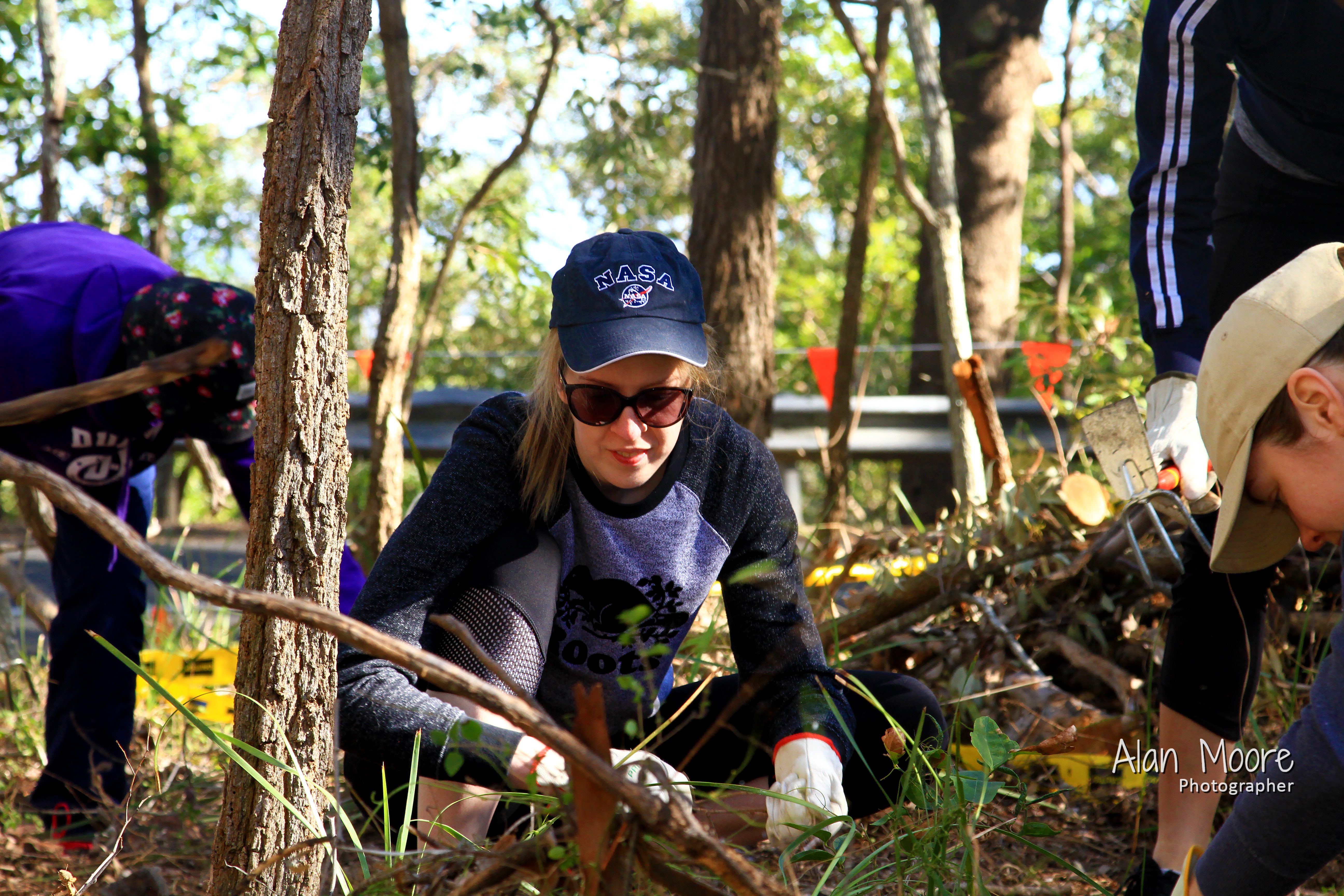
A team of 27 Griffith Mates students and community members! “Ok team, this is the plan. We have thirty plants to go in, logs and mulch to stabilise the banks reducing erosion.”
Sheamus shows how it is done.
.
.
First Sheamus shows how to plant the Lomandras, Wombat Berry and Scrambling Lilly generously donated by SOWN (Save Our Waterways Now).
.
Then the team gets down to action.
Our photographer Larissa also interviewed participants as part of her university project about activism.
Phoebe: What made you come along today? “I’m part of the Griffith Honours College and we were looking at some way we could get involved with the local community and one of the girls from Griffith said Griffith University had a partnership with the bushcare people and we could come along and help out so…
Marshal’s brother Dennis joined us at bushcare today.
We were also joined by a family of three Pied Butcherbirds Cracticus nigrogularis, a parent and two juveniles, as well as two Laughing Kookaburras Dacelo novaeguineae.
We were clearing Fishbone Fern Nephrolepis cordifolia and disturbed a number of Centipedes Cryptops spinipes. This made us very popular with our bird visitors.
Kookaburra with blind snake
It was fascinating to watch the Butcherbirds beat the slower moving Kookaburras. I tossed one Centipede to a juvenile Butcherbird which quickly snatched it up and flew off just before a Kookaburra landed on the same spot.
Marshal and Dennis – productive team
The Kookaburras did have some success. This one caught what looks like a blind snake, possibly a Common Eastern Blind Snake Ramphotyhlops nigrescens which has been found in the area (Catterall & Wallace (1987) An Island in Suburbia). Blind snakes are non-venomous and harmless, living in soft surface soil and debris typically feeding on small ants.
The Mt Gravatt Bush Men had a great afternoon of tall tales and laughter. We even managed to clear a lot of weeds, collecting six bags of Fishbone roots, a bile of compost and Marshal used the Treepopper to remove another sixteen Ochna bushes.
Koala Phascolarctos cinereus breeding season is roughly August to February.
For some weeks we have been listening to the fighting, bellowing, screaming at night and this morning a Koala mum and baby was sitting in an Acacia just beside the Farm Fire Trail.
Koalas are returning to Mt Gravatt Conservation Reserve. An extraordinary example of the resilience of nature if we give it a chance. As recently as August 1927 over 500,000 Queensland Koalas were hunted for their pelts.
“From 1 to 31 August 1927, Queensland held what was to be the last open hunting season on koalas in Australia. David Stead, President of the Wild Life Preservation Society of Australia, warned that 300,000 would be killed. This figure was ridiculed in certain quarters, but as later events would show, even Stead underestimated the carnage. The Annual Report of the Department of Agriculture and Stock for the year1927-28 gives the number of koalas “secured” as being 584,738.”
Hunting is no longer a threat however in our urban environment dogs are a threat to the returning Koalas. A quick bite, even from a small dog, can kill through infection or shock.
My dog would only play with it. Even a quick bite is enough to kill a Koala. A Koala’s skin is very pliable, with little fat for protection, and internal organs are easily punctured. Some Koalas may appear to have survived a dog attack with very few visible signs of external trauma but may be suffering from internal injuries and may die later from shock or infection. Stress alone might also be enough to trigger other problems such as disease.
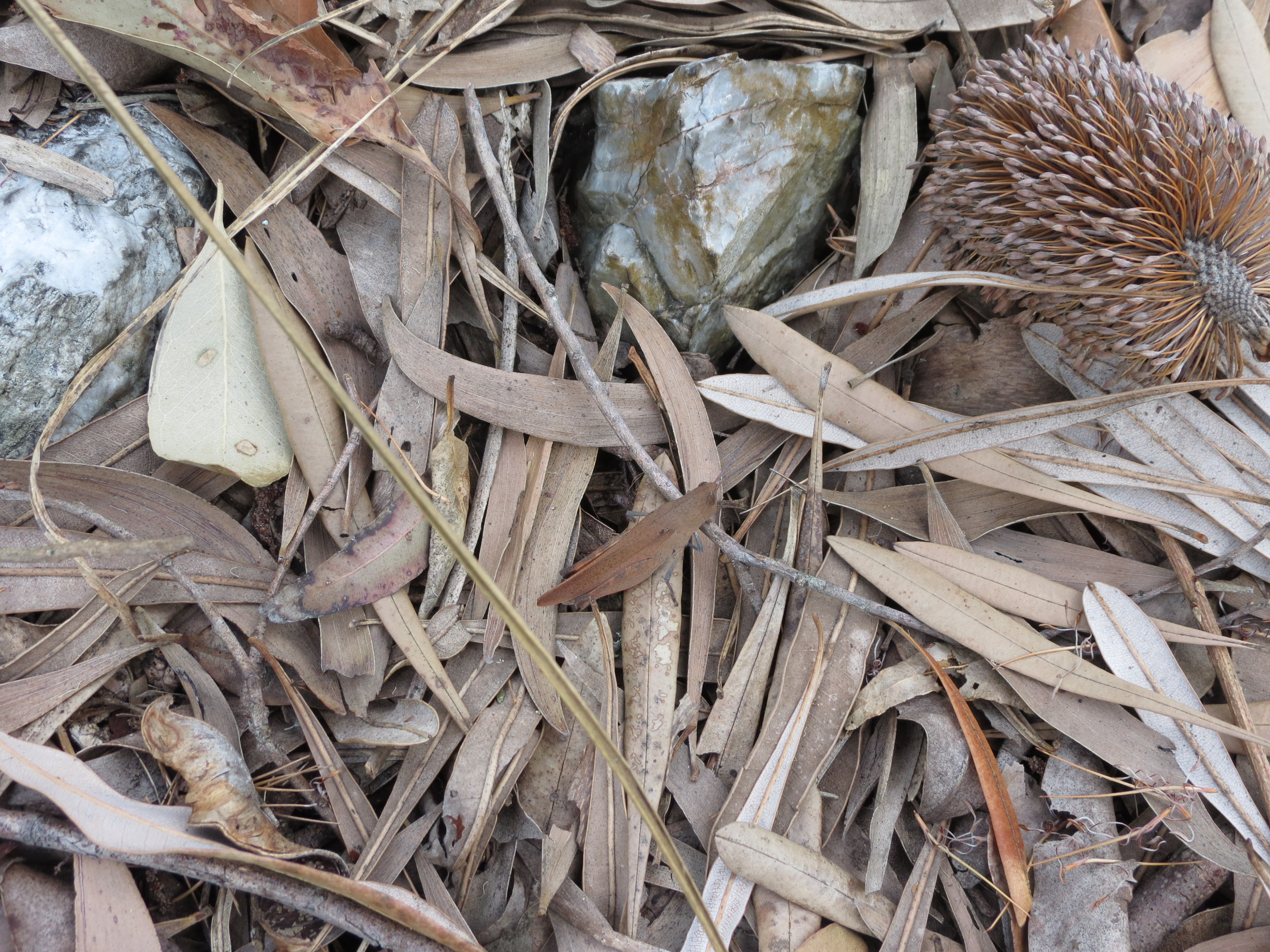
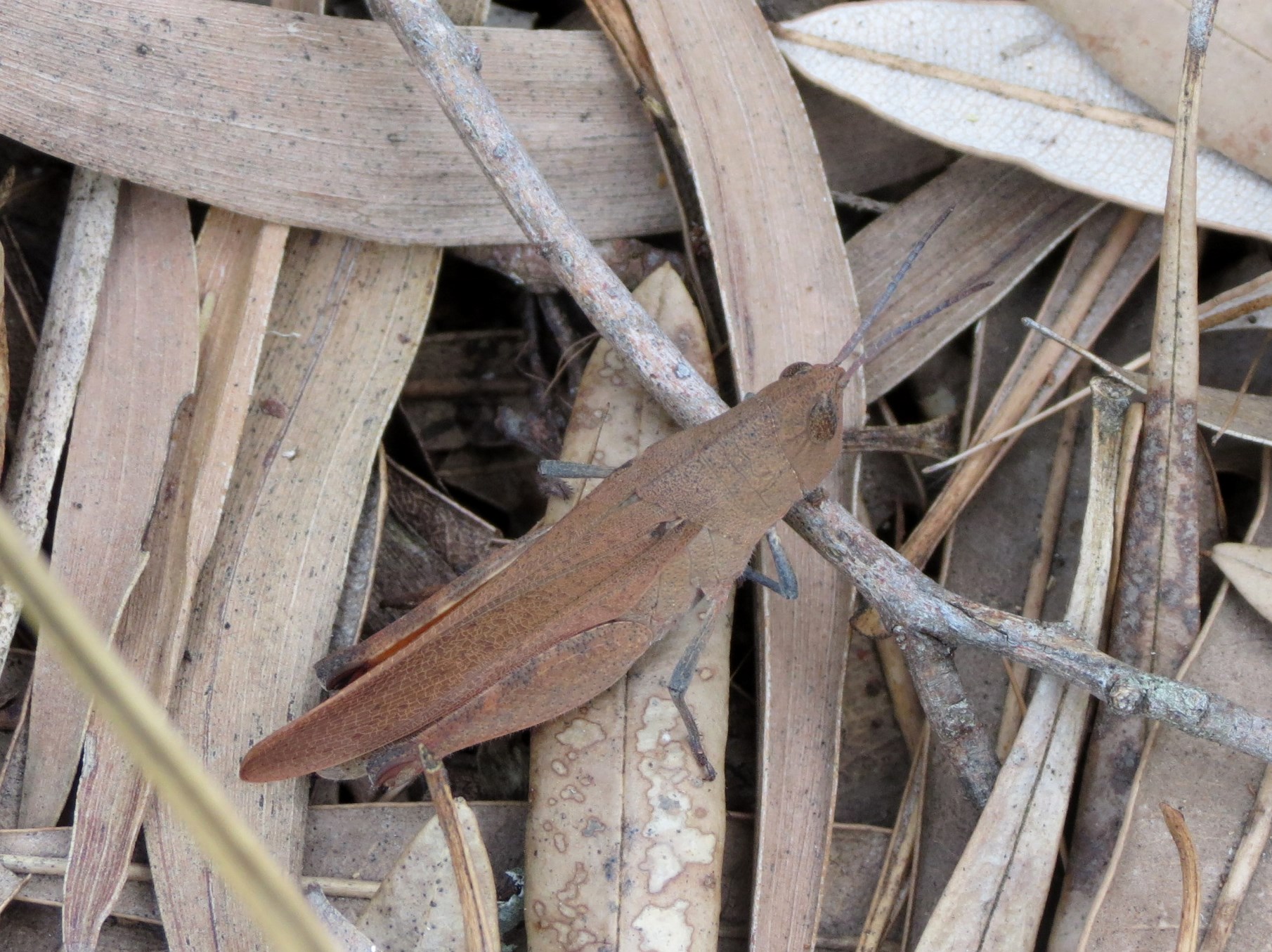
Every time I walk in forest I see something new. Something that has probably been in plain sight all the time.
Camouflage is a key survival strategy in the bush and this Mimetic Gumleaf Grasshopper Goniaea opomaloides is one of the best I have seen. Of course I have not seen all the ones with better camouflage.
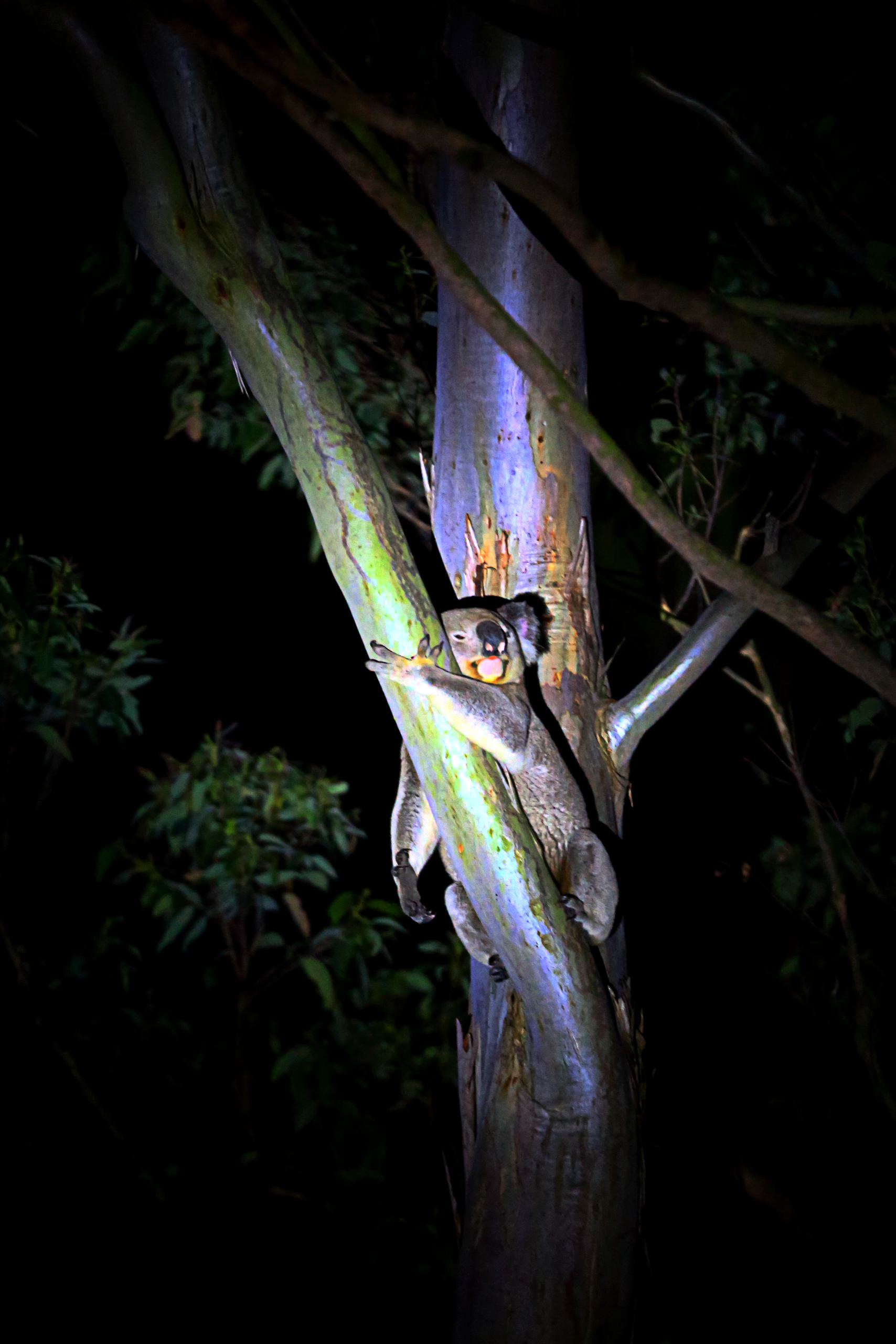
September to March is Koala mating season and Photographer, Alan Moore, reports that on Tuesday night there seemed to be a late night party in the trees behind his house.
Alan identified the sounds of three different Koalas … typically lots grunting, hissing and squealing/screaming.
.
.
.
.
.
.
,
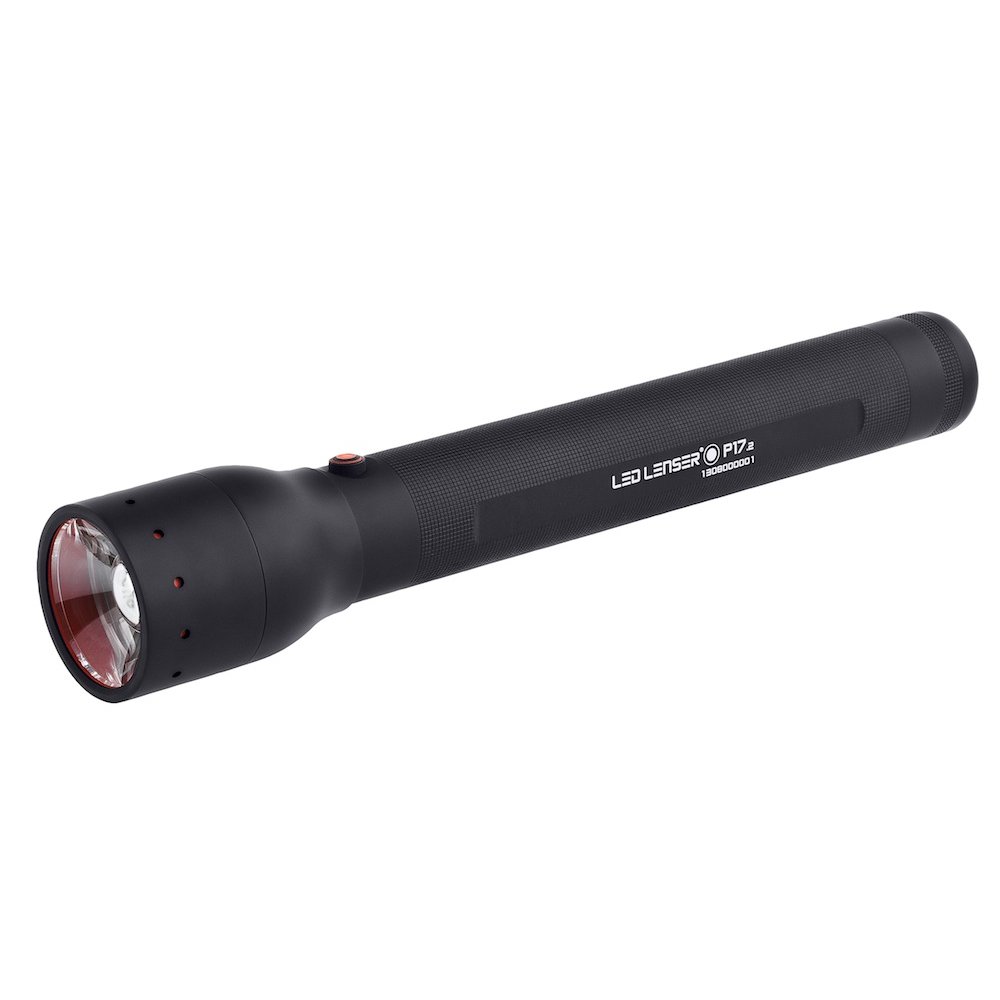
LED LENSER P17
.
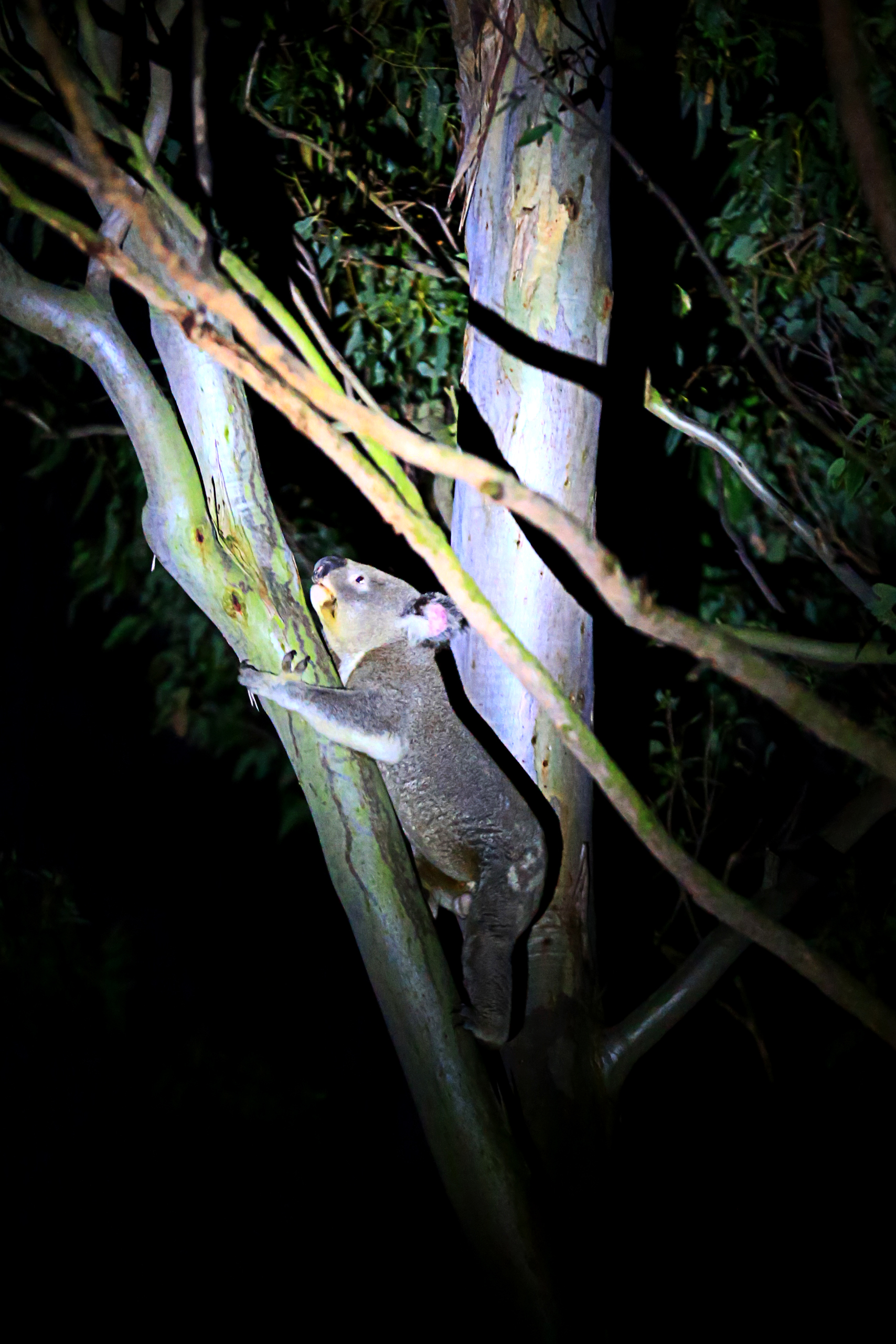
Photographing Koalas high in the trees is difficult at the best of times. At 11:30pm it is a bit of an art.
Alan uses an LED LENSER P17 torch that can be focused into a power spot light beam. The bright white LED light is ideal for photography even for back-lighting in daytime.
.
Definitely a male Koala
.
.
.
.
.
“Ok, back to the party. The girls will be missing me.”
If you see a Koala:
please take a photo – even a phone camera photo is fine as it provides details of date/time
note the location – beside Summit Track or backyard of number/street
Some parents, like our Brush-turkeys Alectura lathami, take a very hands/wings-off approach to raising their young. Male Brush-turkeys put a lot of effort into building a huge mulch pile for the eggs and monitor the mound temperature closely but once their chicks are hatched they are on their own and able to fly within a few hours.
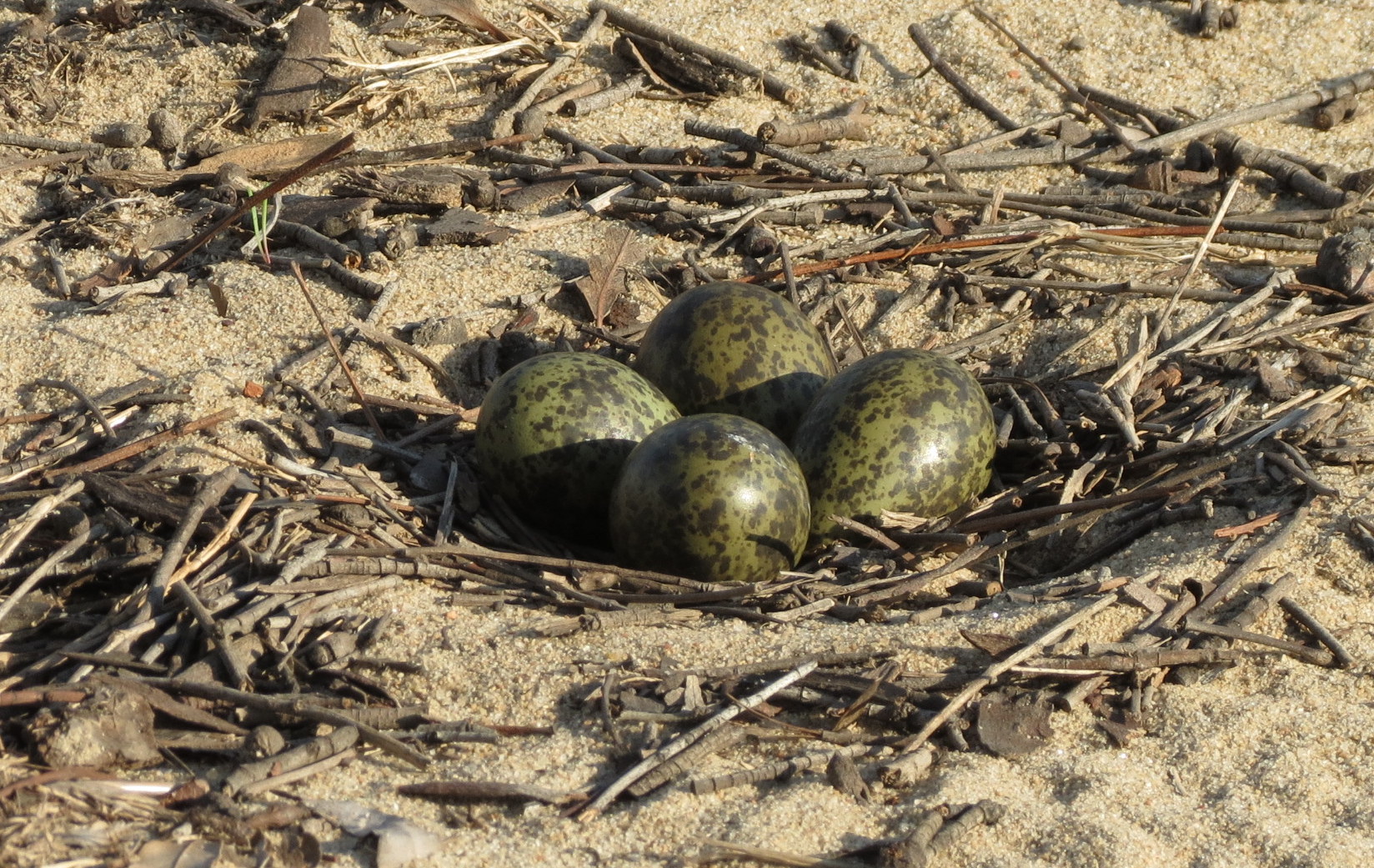
In early September I photographed this nest in the mown area between the Southern Cross Sports Club and Logan/Klumpp Road intersection. Very different from the Brush-turkey mound, this nest was just a shallow depression in the sand with a few twigs. With hundreds of cars passing, pedestrians, mowers and football fans, this is not an ideal place to hatch eggs.
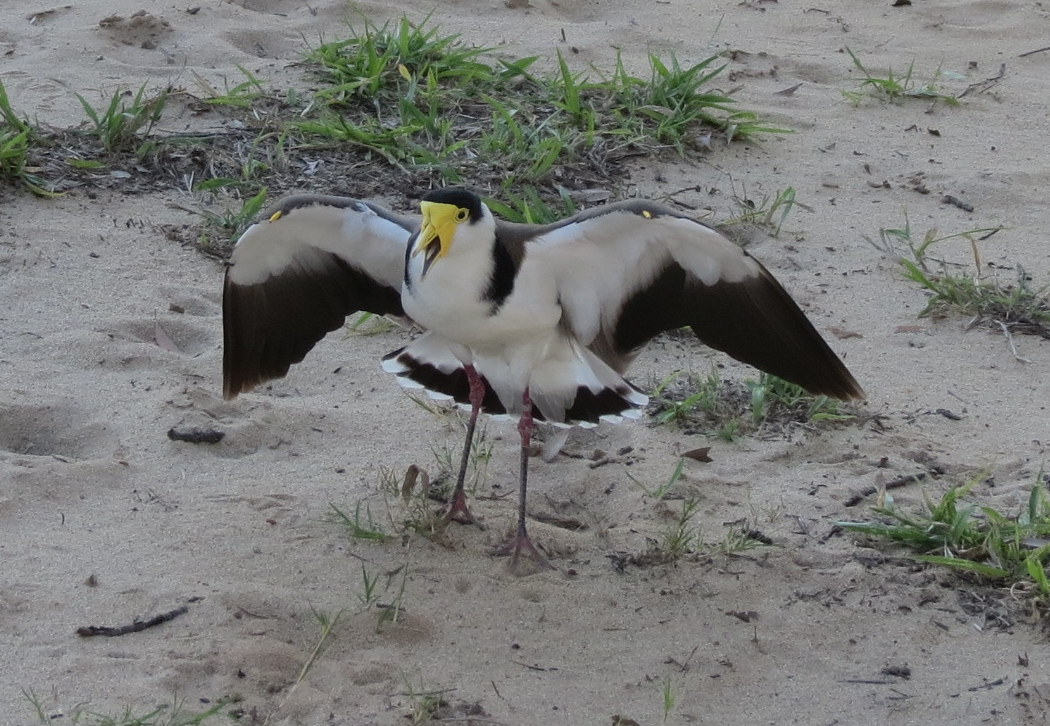
Don’t come any closer!
However, Plovers are very protective parents using tactics ranging from moving away from their eggs, to threatening and sometime swooping. These very protective parents put on a very threatening display with loud squawking, spreading wings and running towards you showing their sharp wing spurs. Simply moving away is usually enough and swooping birds rarely actually make contact … it is mainly bluff.
My photos of the nest were all taken from about 2o metres distance, as I was already upsetting the parent birds and I didn’t want to make things worse.
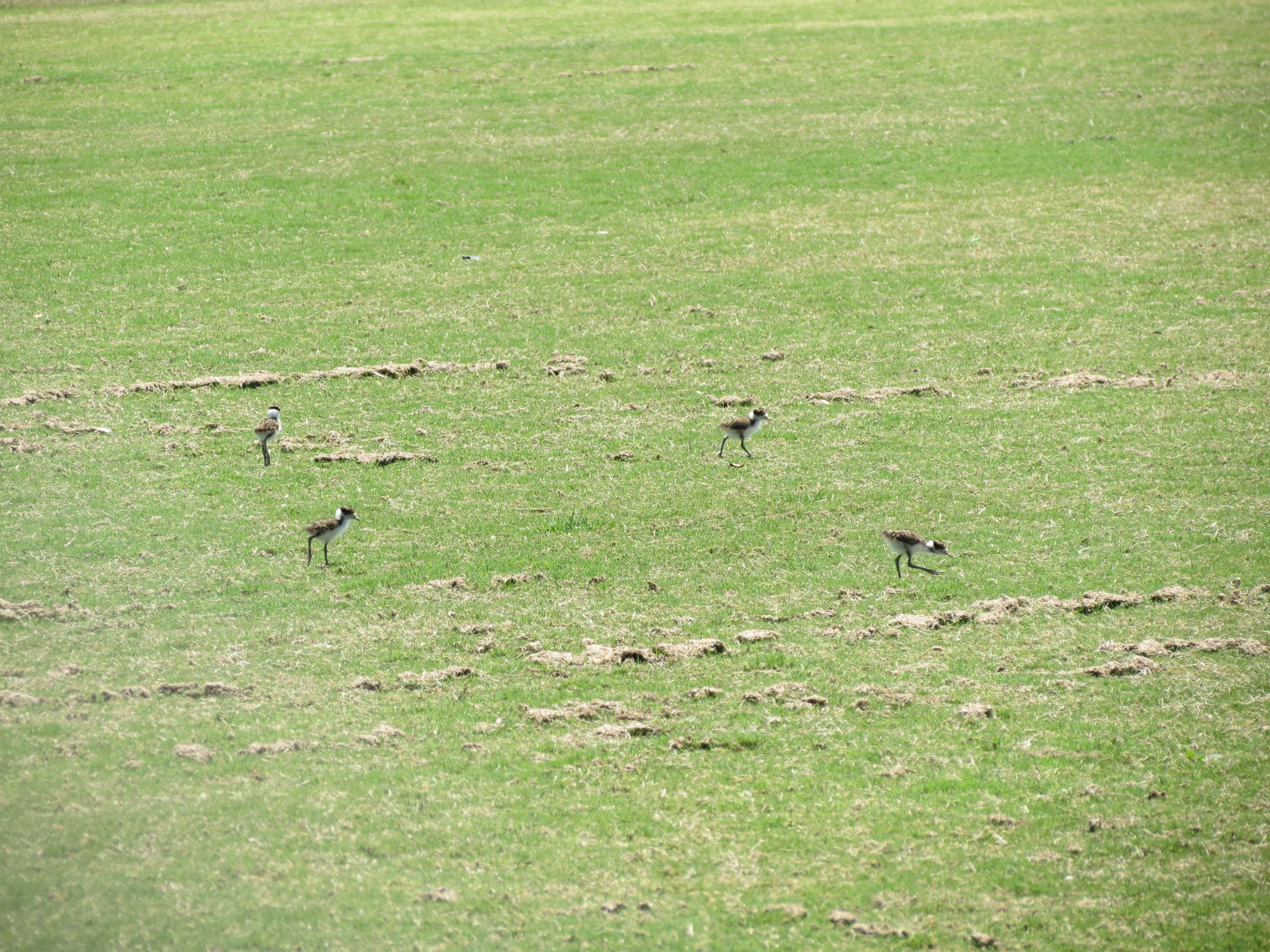
So, that was early September, early October and our proud parents are now protecting four tiny balls of grey/white fluff … with powerful feet and legs that look like they belong to a miniature Emu.
Plover chicks or miniature Emus?
The parents were still very protective as the chicks hunted for insects and grubs on the Vulture’s football field. Environmentally friendly solution to lawn grub problems?
Particularly interesting was the change in behaviour of the parents. Their calls now seemed to serve two purposes. As I approached well outside the fence the parent’s calls seemed to trigger the four chicks to immediately move away from the fence and further into the field. At the same time the parents made it very clear to me that I was not welcome. I wonder how they get on with the football players?
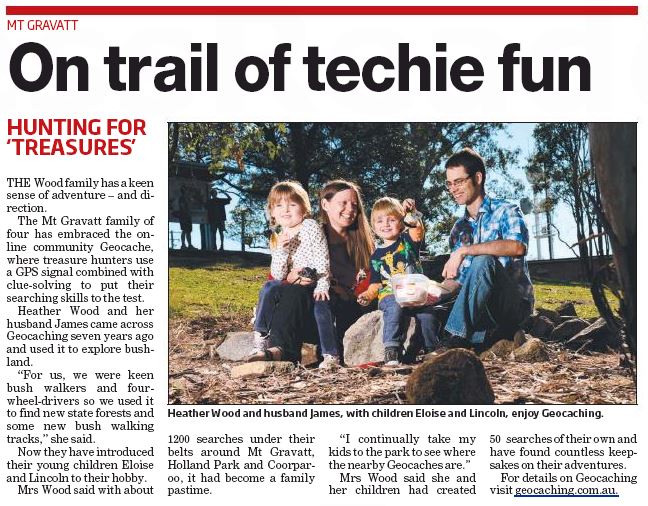
Marshal Kloske and I met the Wood family at Mt Gravatt Summit the morning they were there to meet the Southern Star photographer and we were there to photograph butterfly mating displays as part of our research for the new interpretative track signs.
Noisy Miner chicks calling for food
Marshal showed the family the large new sign with maps and information about local history and environment. Like most people the family were surprised to learn about the local “glow-in-the-dark” mushrooms and they were very interesting our research and restoration work.
Nest watching team in action
Heather, Eloise and Lincoln then joined Liz, Marshal and I on Wednesday afternoon for our regular Fox Gully Bushcare. Knowing we would be joined by young children, I planned a special afternoon of activities including checking the nest-boxes and making a portable plant nursery to propagate native seedlings for re-vegetation work. When the family arrived we found out that Marshal and I are now officially called “the Bush Men” … definitely an honour.
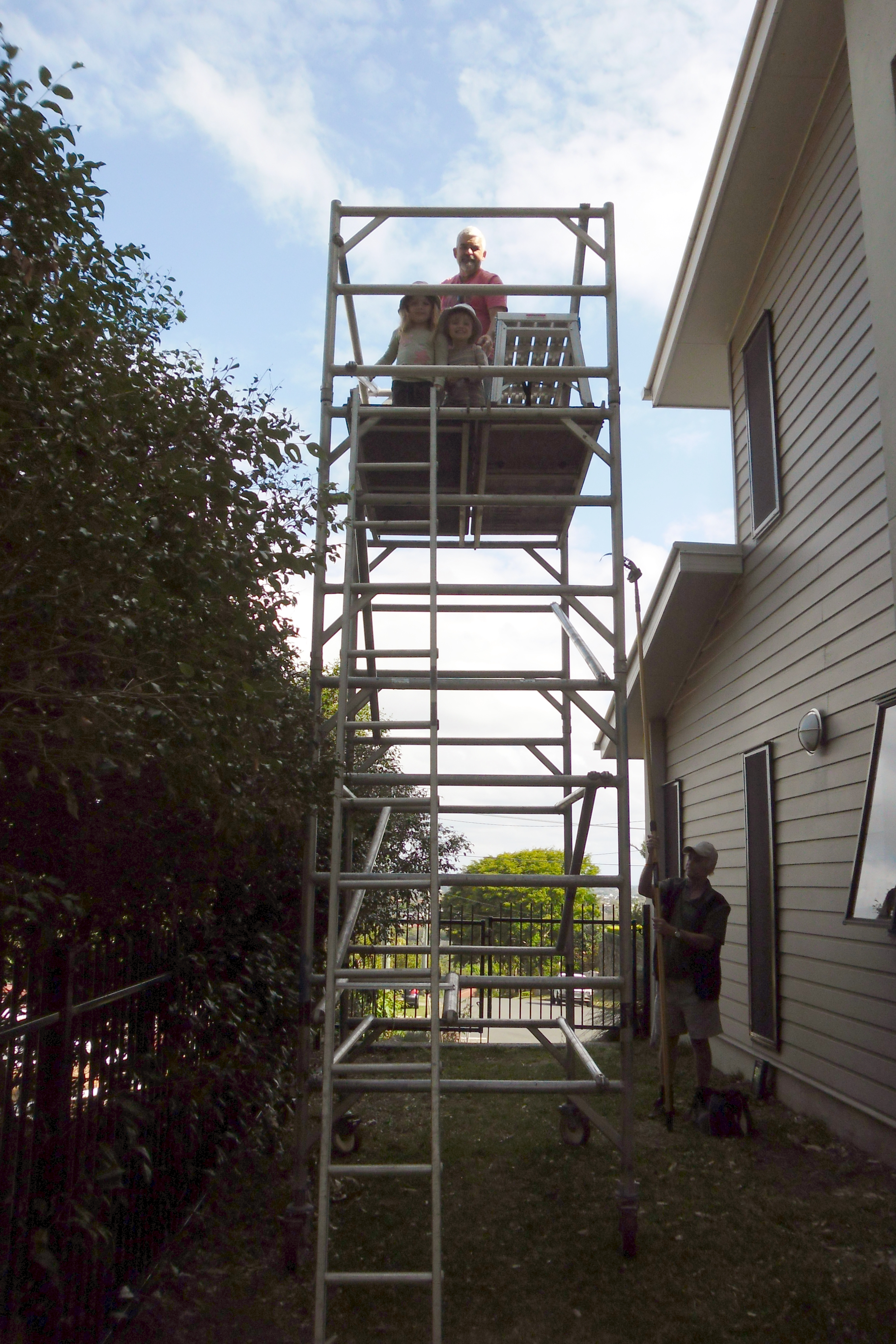
First stop was to check on the Noisy Miner family nesting in the Lillypilly hedge. A mobile scaffold makes an ideal place to look down into the nest. Checking the nest boxes we found two Squirrel Gliders at home in one nest box and three possibly four Gliders in another box.
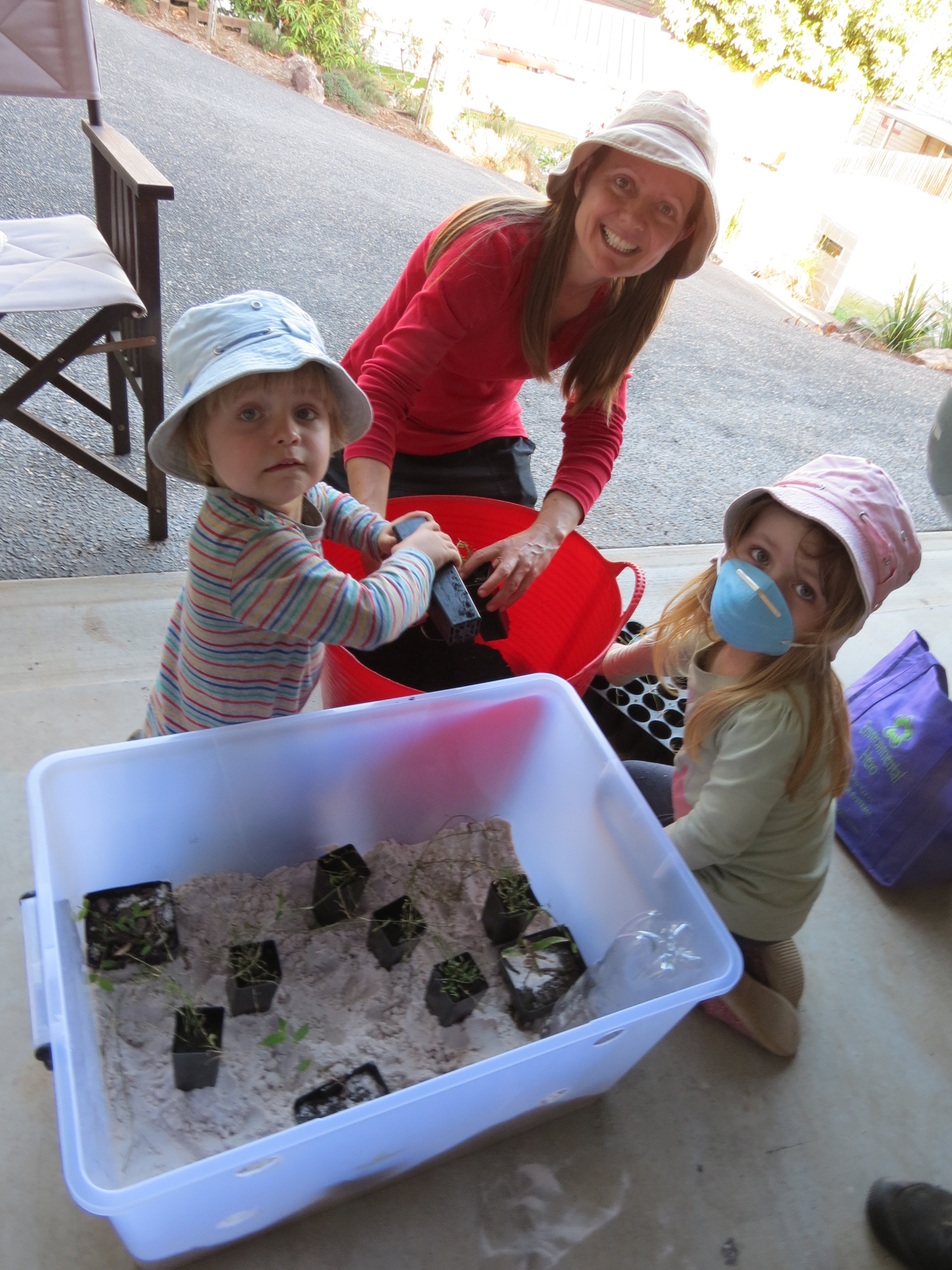
Kids and sand – always a success
Watering in with Seasol
The next job is potting up Creeping Beard or Rainforest Grass Oplismenus aemulus and Love Flower Pseuderanthemum variable. Rainforest Grass is ideal for creating Living Mulch that keeps the weeds down, controls erosion, feeds butterflies and creates a natural fire break with its low fuel load. Love Flower spreads rapidly in the garden and is considered of nuisance by some gardeners. However, this pretty little native herb is host plant for the caterpillars of a number of butterflies including Australian Leafwing Doleschallia bisaltide and Varied Eggfly Hypolimnas bolina. Also Bearded Dragons Pogona barbata like to eat the flowers.
First Eloise and Lincoln helped build a self-watering seedling nursery … sand and water … a recipe forfun.
The idea for this neat seedling nursery came from a Gardening Australia segment on building a simple hothouse. It was a productive and fun afternoon. I will provide an update on the success of the seedling nursery which may become a valuable project for Pollinator Link gardeners.
Every now and then I come across something really special when doing my bush restoration work. This morning it was coming across this Wonga Wonga Vine Pandorea pandorana covered in hundreds of flowers.
I have been working in the area around this vine for months creating a barrier to stop the spread of Guinea Grass Panicum maximum and remove carpet of huge Asparagus Fern Asparagus aethiopicus. I was in the area only a few days ago and didn’t see any flowers then when I arrived this morning the vine was covered in flowers.
Wonga Wonga Vine covering an old stag
I have seen Wonga Wonga Vine in Toohey Forest around the Nathan Campus but never in Mt Gravatt Conservation Reserve. This exciting find means we have not identified two hundred and seventy-two different native plant species found in this special island of bushland surrounded by the suburban matrix of houses and roads. That means in 66 hectares we have 11% of the total native plant diversity in the whole of the 22 million hectares of Great Britain.
Wonga Wonga Vine is a vigorous twining plant with this patch almost covering a huge old stag (dead tree) creating great habitat for the small forest birds to hide and nest.
Being right in the middle of the area I have been clearing of weeds, this vine will have a great opportunity to spread as part of the natural regeneration that is all ready occurring with Love Flower Pseuderanthemum variable, Pink Tongues Rostellularia adscendens and Scrambling Lilly Geitonoplesium cymosum returning.
Aldi have bought back their excellent, and at $129 excellent value, Maginon wildlife cameras. If you want one be quick because they will sell out fast.
We have been using two of an older version of these cameras for a couple of years now with excellent results. This new one is of course better with higher resolution video and sound recording. Sound recording would be great at the moment when we are capturing video of the very shy Noisy Pitta living in Firefly Gully. Marshal can hear its call but our camera does not handle sound.
The only issue we have found with these cameras is the intensity of the infrared leds used for video. I have fixed this with masking tape covering two thirds of the leds to reduce the intensity and make the camera less noticeable to our Squirrel Gliders.
It was a real pleasure to watch Gardening Australia over the weekend as Costa interviewed The Hon. Bob Hawke AC about his support to establish Landcare Australia in 1989, then followed up later in the program interviewing an amazing 84 year old ball of energy, Don Wilson of Clive Park Bushcare in Sydney and founder of Bushcare’s Major Day Out.
I met Don Wilson last year and visited Clive Park Bushcare. Don really is an inspiration. Not only is he out there pulling weeds … I hate Asparagus Fern too Don … he has also pulled together an amazing group of professionals who are behind the annual Bushcare’s Major Day Out. In 2014 BMDO has spread to every Australian state except NT with a record 58 events in Queensland.

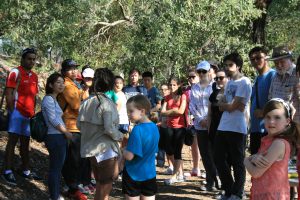 “Ok team, this is the plan.”
 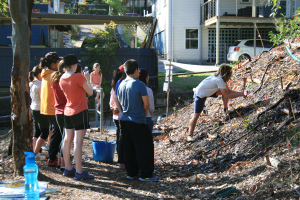 Sheamus shows how it is done.
 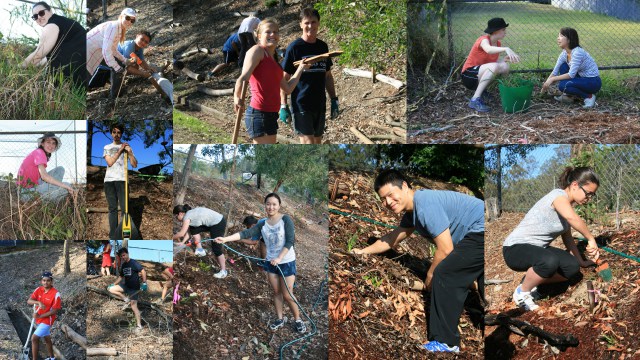 Our photographer Larissa also interviewed participants as part of her university project about activism.
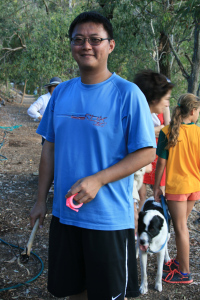 Phoebe: What made you come along today? “I’m part of the Griffith Honours College and we were looking at some way we could get involved with the local community and one of the girls from Griffith said Griffith University had a partnership with the bushcare people and we could come along and help out so…
















 Mount Gravatt Environment Group