By: Mike Fox

Neighbours pitch in to clear up

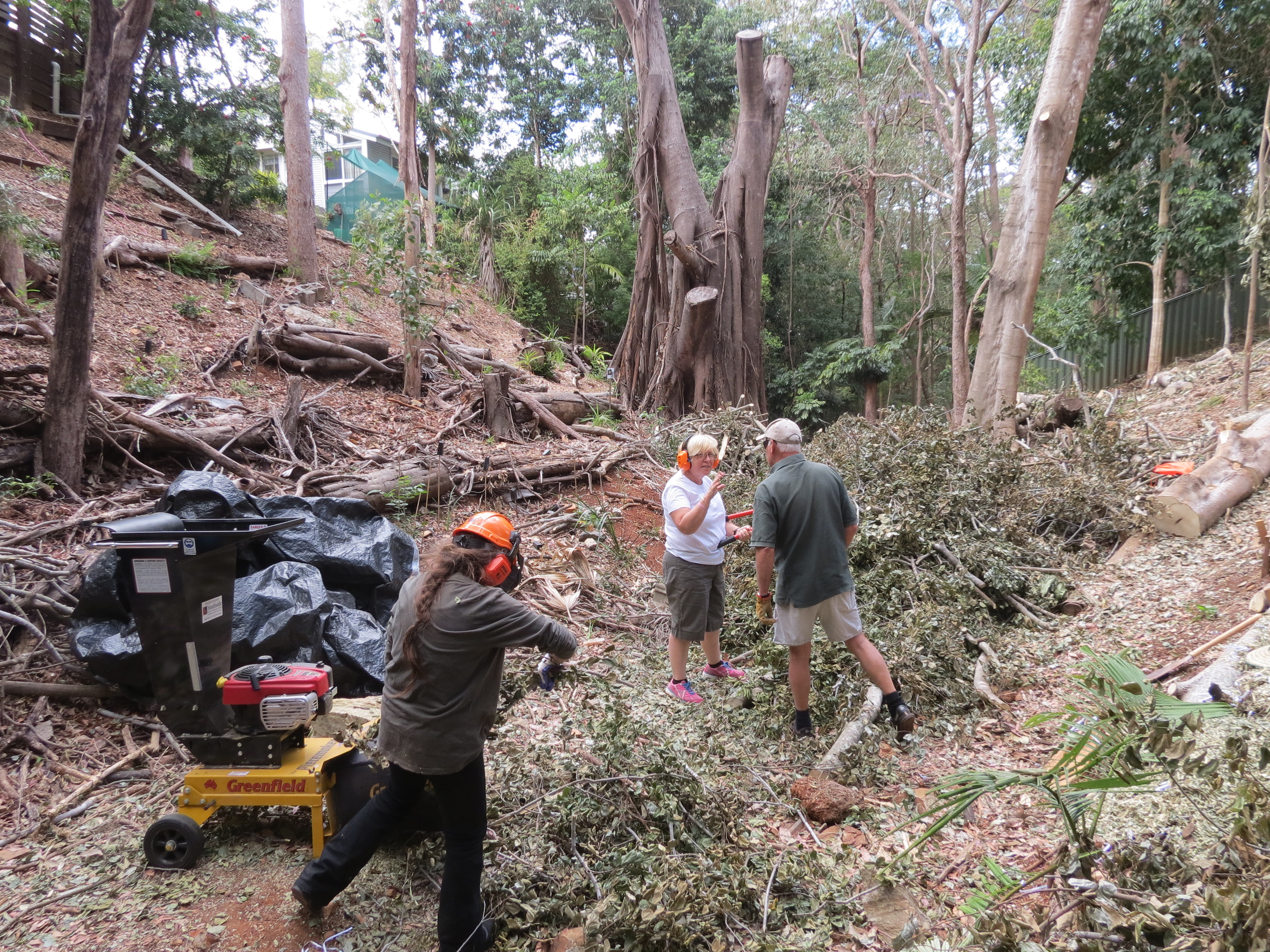
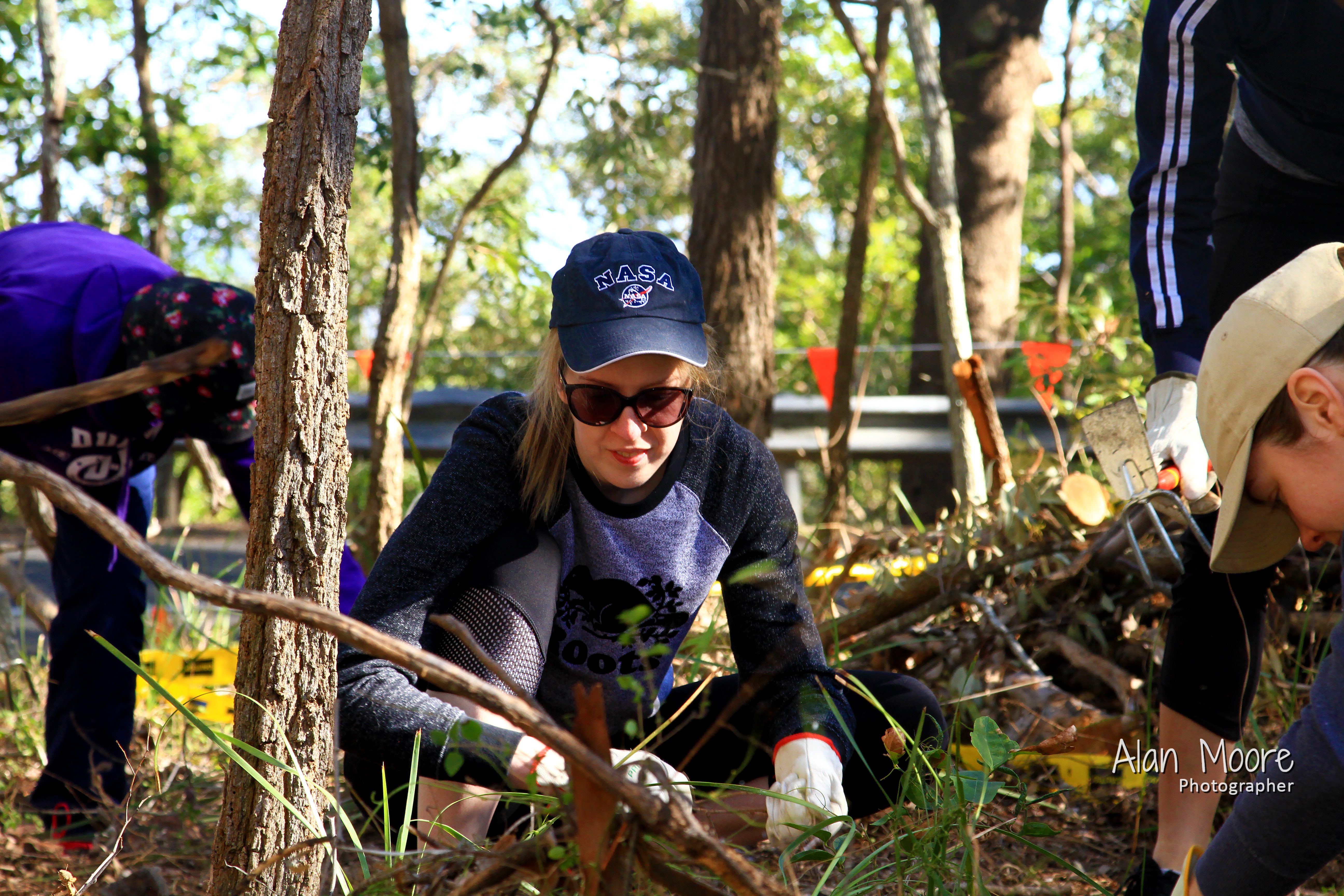
A 20 metre Chinese Elm Celtis sinensis creates a lot of green waste to be chipped and cleared from the gully. Neighbours Rebecca, Didier, Don and Clair pitched in to clear up the huge pile of branches.

a

Miranda, Griffith Uni Environment Law student

d
d

s

s

A big clean-up needs a big chipper. Miranda loved using our Greenfield’s 8.5hp Piecemaker that virtually sucks the branches into the blades for chipping. Thanks to Southside Sport & Recreation Club who provided the grant for purchasing the chipper.

The Piecemaker is proving its value saving over $2,000 on the cost of removing the Chinese Elm, a benefit for our whole community, in particular restoration of Mt Gravatt Environmental Reserve.

ss

Miranda, Annette and Marshal hard at work

s

s

s

The clean up is well on the way with Marshal and Annette (property owner) in background preparing branches for chipping and Miranda operating the machine.
dd
d
dds

s

Laughing Kookaburra Dacelo novaeguineae

d

d

d

Even the local wildlife is joining in the clean up. This Laughing Kookaburra Dacelo novaeguineae is hunting for worms and spiders among the leaf litter. The Kookaburras are really enjoying the restoration work as more worms, insects and spiders are thriving among the planting, mulching and logs.

sd

d
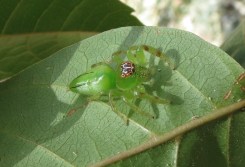
Northern Jumping Spider Mopsus mormon

It is inspiring to find the variety of wildlife returning to the gully. This beautiful Northern (Green) Jumping Spider Mopsus mormonwas hunting for flies, moths or grasshoppers for lunch. Creating habitat for wildlife means we have natural pest control and over time we will hopefully tempt some of the beautiful insectivorous birds out the forest. Birds like the Striated Pardalots Pardalotus striatus and the beautiful Black-faced Monarch Monarcha melanopsiss not only add sound and beauty to our backyards, they also hunt insects like mosquitos on our behalf.

Striped Marsh Frog eggs

Another amazing find was these eggs of the Striped Marshfrog Limnodyynastes peroni in one of semi-permanent rock pools created by the return of the permanent spring.

Striped Marsh Frogs are a native ground dwelling frog with a distinctive “toc …. toc …. toc” call. To listen scroll to Calling on the Frogs of Australia web page and click “Hear it now.”

s

s
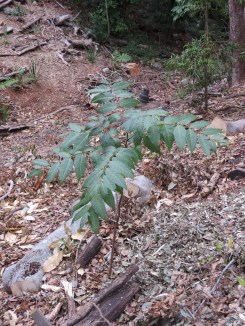
Red Cedar

s

With the Chinese Elm down and the chipping finished we can now plant nine advanced Red Cedars donated by Dave and Liz, Roly Chapman Bushcare. Red Cedars (common name for a number of Toona species) are an attractive fast growing native that will help restore the gully habitat and privacy for the neighbours.

s

s

d

d

d

s

Arrowleaf Violet

d

The planting done on the Community Gully Day in August is now starting to create a presence in the gully.

d

d

d

d

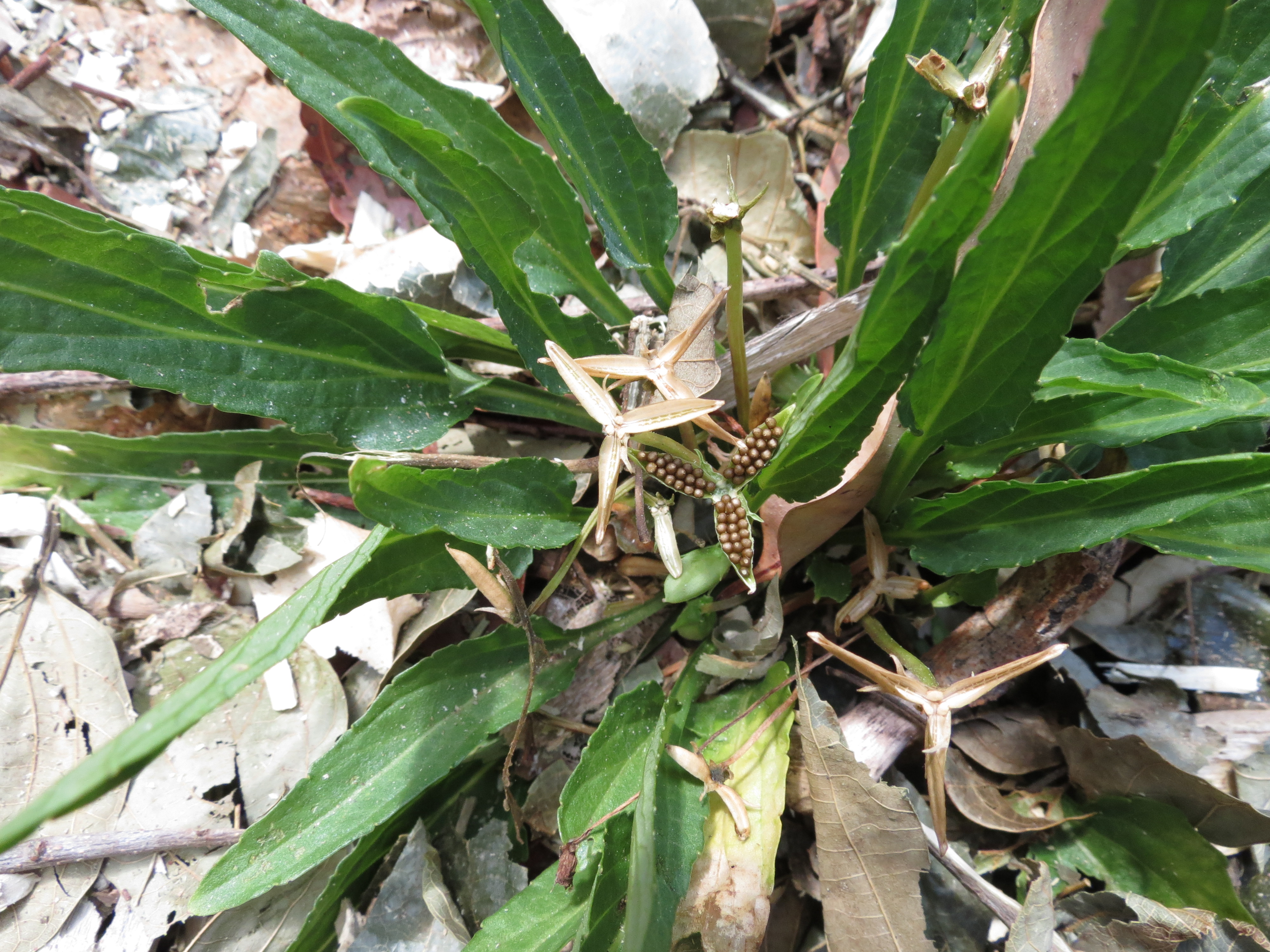
Arrowleaf Violet in seed

d

Particularly pleasing was finding that the Arrowleaf Violet Viola betonicifolia has set seed. This pretty violet is the only caterpillar food plant for the endangered Laced Fritillary butterfly Argyreus hyperbius inconstans. Now that this Violet has set seed it will spread quickly in the gully.

s

s

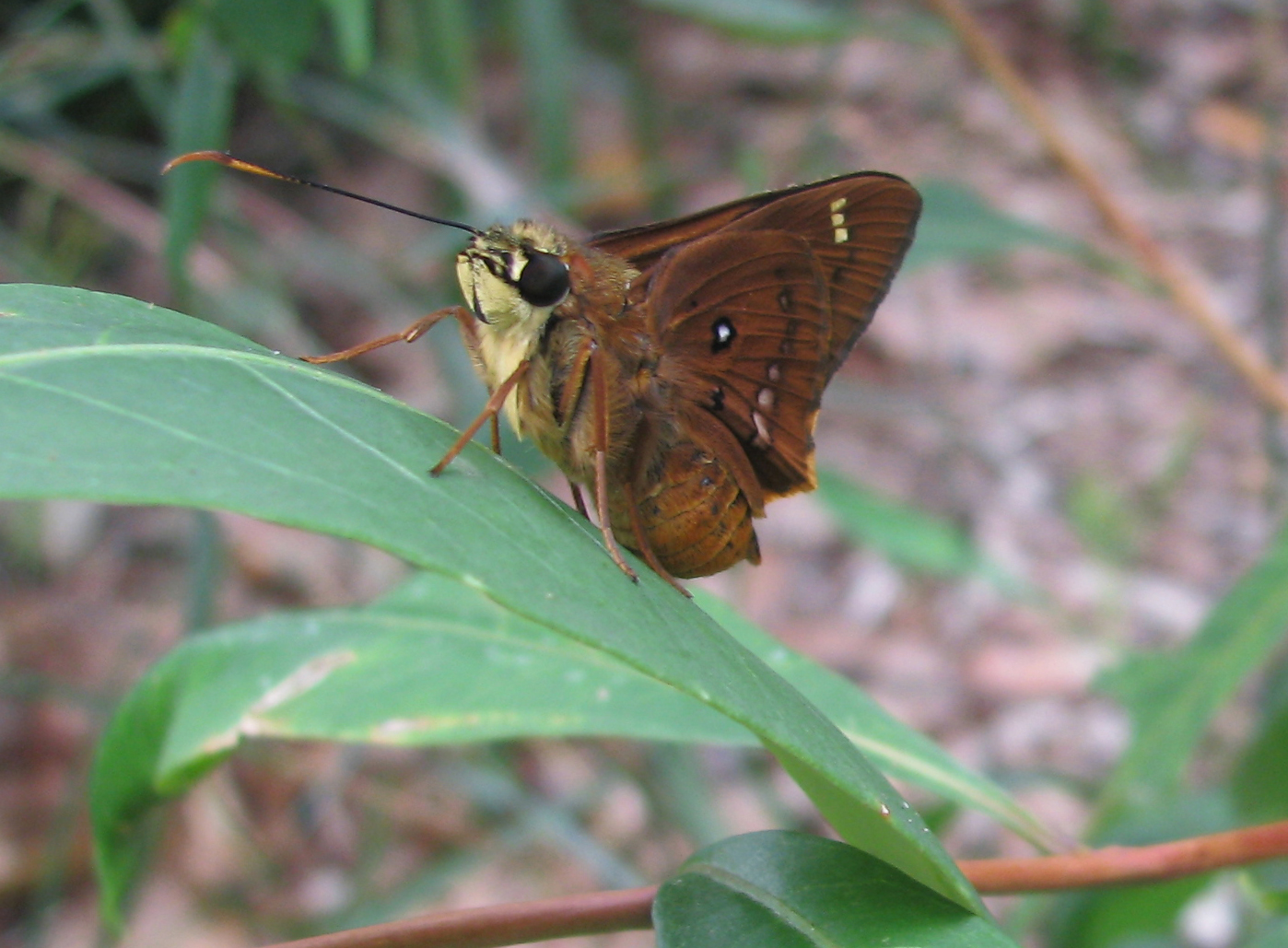
Splendid Ochre Trapezites simmomus

The Love Flower Pseuderanthemum variabile, caterpillar food for Australian Leafwing butterfly Doleschallia bisaltide, Waxflower Vine Hoya australis and Coinspot Treeferns Cyathea cooperi are all growing. The Creek Mat-rush Lomandra hystrix are thriving even with the dry weather. These Lomandara are caterpillar food for the Splendid Ochre Trapezites simmomus and Brown Ochre Trapezites iacchus butterflies as well as providing valuable erosion control in the gully.

Clean up complete in time for storms

d

c

Finally finished clearing the branches, raking the loose leaves and putting logs in place ready for the storms expected over the weekend.

d

d

d

d

d

s

d

Hollow log habitat for lizards and frogs

s

s

s

Final touches … hollow logs will create safe habitat for lizards and frogs.
By: Michael Fox

Alan Moore, workshop leader 2012 Photography Workshop, has generously provided comment on results achieved by workshop participants 2012 Photography Workshop – Comments

Alan has also demonstrated the enhanced results that can be achieved with tools like Photoshop. The original and adjusted photos are presented side by side with Alan’s comments.

A selection of participants’ images of the forest is now available as our 2013 Photo Calendar. Upper Mt Gravatt Worldwide Online Printing has done an amazing job putting to together a high quality product.

Purchase of calendars will contribute to restoration of the unique Mt Gravatt Conservation Reserve.

Order your 2013 Photo Calendar today.

Participants’ work will also be on display at Mt Gravatt Library during December – January.

By: Michael Fox

Injured Koala with joey in pouch

“The car in front hit her and just kept going!” Sam Oberhardt was describing the events witnessed by a motorist who had pulled over to help the female Koala hit by a car on Creek Road Wednesday morning last week.

The second driver, Sam and another driver all pulled over the help the injured Koala and waited for the Animal Ambulance sent by Daisy Hill Koala Centre.

This beautiful animal touched the hearts of these generous individuals who stopped to help. She sat passively allowing herself to be removed from the road and placed in the car boot and covered to keep warm.

Safe and warm while waiting for ambos

Unfortunately the story has a sad end. Transferred to Australia Zoo Wildlife Hospital the Koala was found to have a joey in her pouch but with a broken arm and shattered jaw, she and her joey had to be euthanized.

What can we learn from this?

Gillian Brownhill, Winner Pride of Australia Environmental Medal and founder of Wildlife Rehabilitation Centre Eumandi, l makes an important point:

“The first car that hits an animal usually doesn’t kill, it just leaves them stunned. The second car that comes expects the animal to move off the road, then by the time they realise it is not moving it is too late and they have hit it again.”

We are all busy and the morning commute is not a time we want to be taking an animal to the vet. Gillian asks that, if we do not have time to wait, at least stop, move the injured animal off the road and call the Animal Ambulance. If you cannot wait, please note the address or some feature that will help the Ambulance find the injured animal. You can call the RSPCA Wildlife Ambulance 24/7 on 1300 ANIMAL

August to February is Koala breeding season so they will be on the move and sometimes try to cross busy roads. Swerving or stopping suddenly to avoid an animal is not recommend as that may cause a much worse accident. However, if our car does hit an animal we can all take the time to at least stop and remove the injured animal to safety. Sometimes that is enough as a stunned animal may recover by itself if is safe from being hit by another car.

Seeing Koalas on your walk to work or crossing our suburban roads is a something special. These iconic animals are returning to our suburbs. Visit Koala Tracker to report any sightings.
Daisy Hill Koala Centre Information Sheets:

Living with wildlife- Koala sick and injured

Living with wildlife- Koala planting trees

Living with wildlife- Koala misconceptions

Living with wildlife- Koala info sheet

Living with wildlife- Koala backyard

By: Michael Fox

Ready to climb

Some weeds don’t come out easily so extreme measures are required.

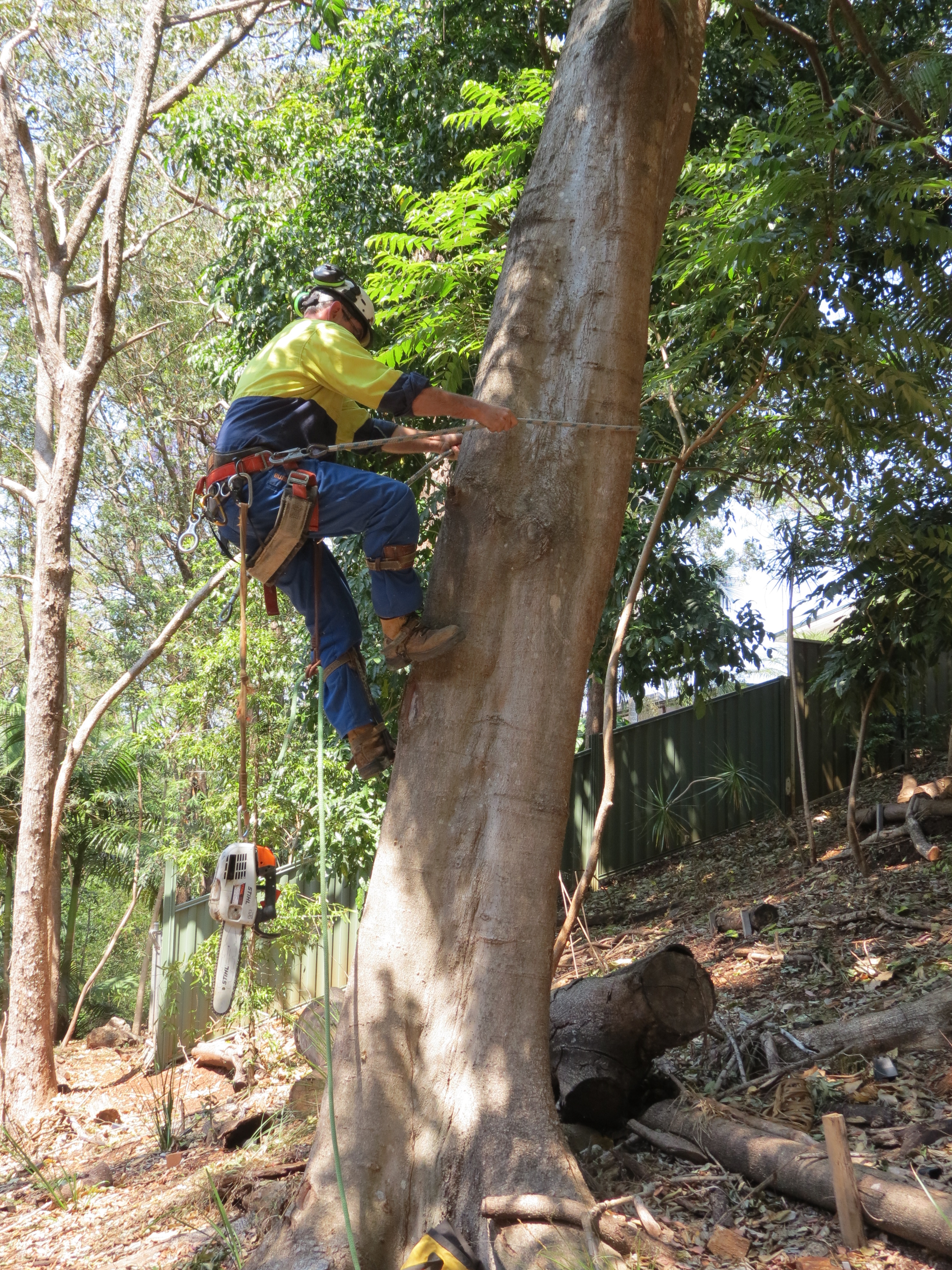
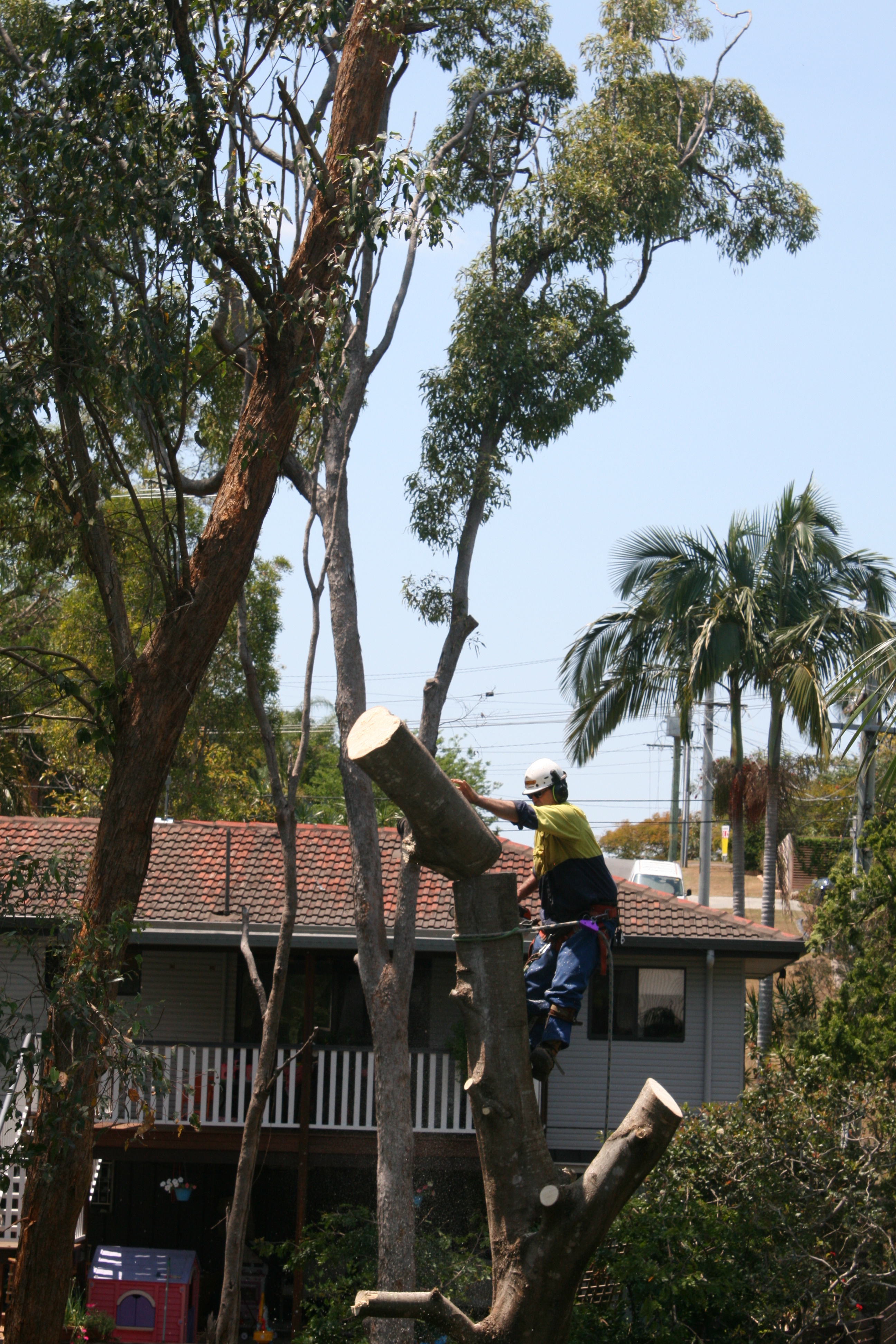
Dale, owner of Climb n Grind, straps on his spikes to scale this 20 metre high weed, an invasive Chinese Elm Celtis sinensis.

Chinese Elm or Chinese Celtis is a Class 3 Environmental Weed:

Starting the climb

“Thousands of small, orange berries are produced and are dispersed when eaten by birds. Celtis often grows in clay soils associated
with alluvial creek flats and gullies. It is an invader of riparian habitats …”

Sales of Chinese Elms have been prohibited for some years however this fast growing invasive weed is still growing in many backyards and spreading to neighbouring backyards as well as bushland areas like Mt Gravatt Conservation Reserve.

In 2012 Mt Gravatt Environment Group has been working closely with BCC Habitat Brisbane Officers to remove large Chinese Elms within the Conservation Reserve.

Time to relax?

Invasive weeds are one of the three key threats to the long term health of this unique Koala habitat. So it is inspiring to work with community members committed to restoration of the Fox Gully wildlife corridor and paying for removal of these weeds on their own properties.

In this case Annette has contracted professional tree climber Dale to scale the tree and to deconstruct it without damage to surrounding building or fences and with minimal damage to the restoration planting.

Walking up a vertical surface

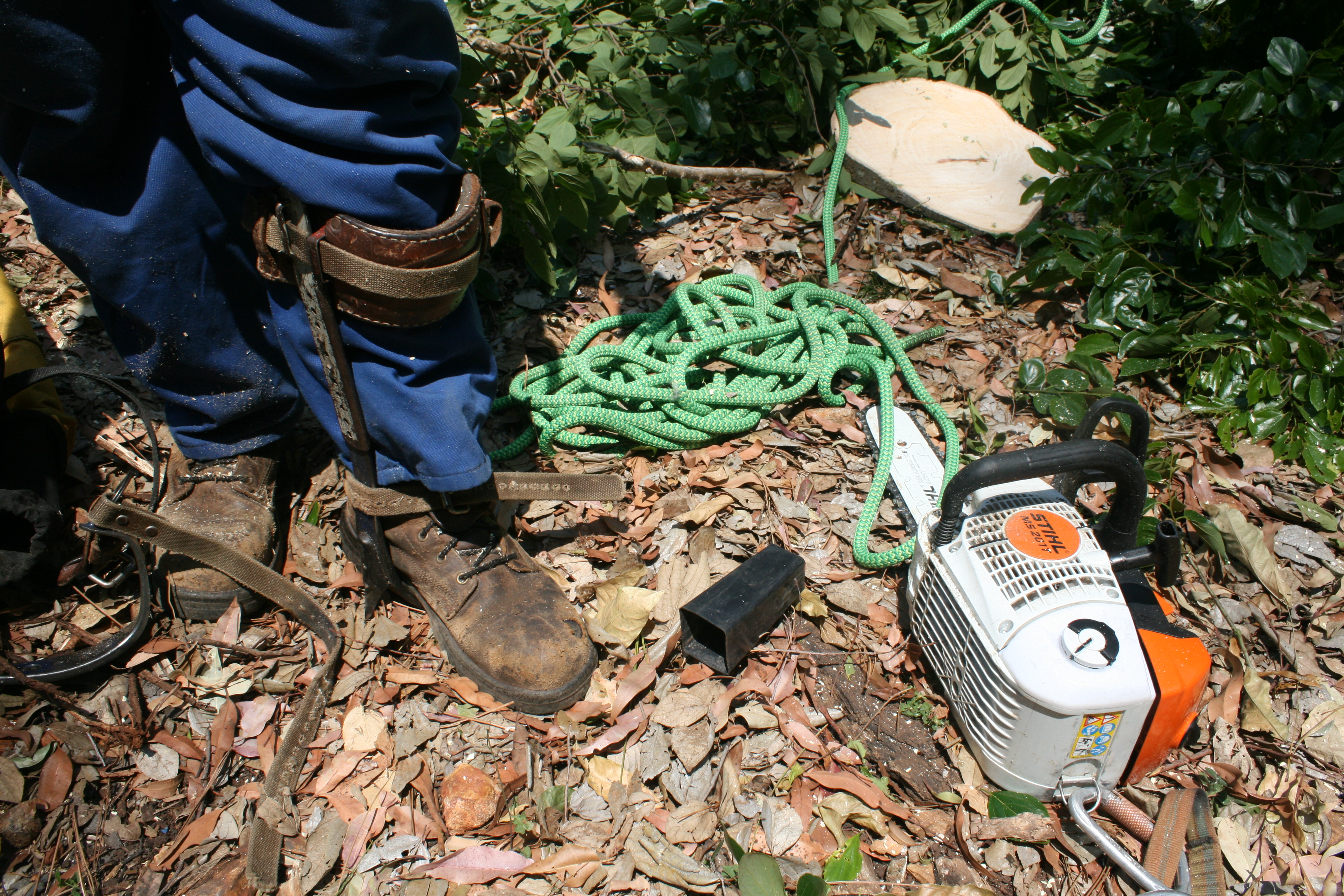
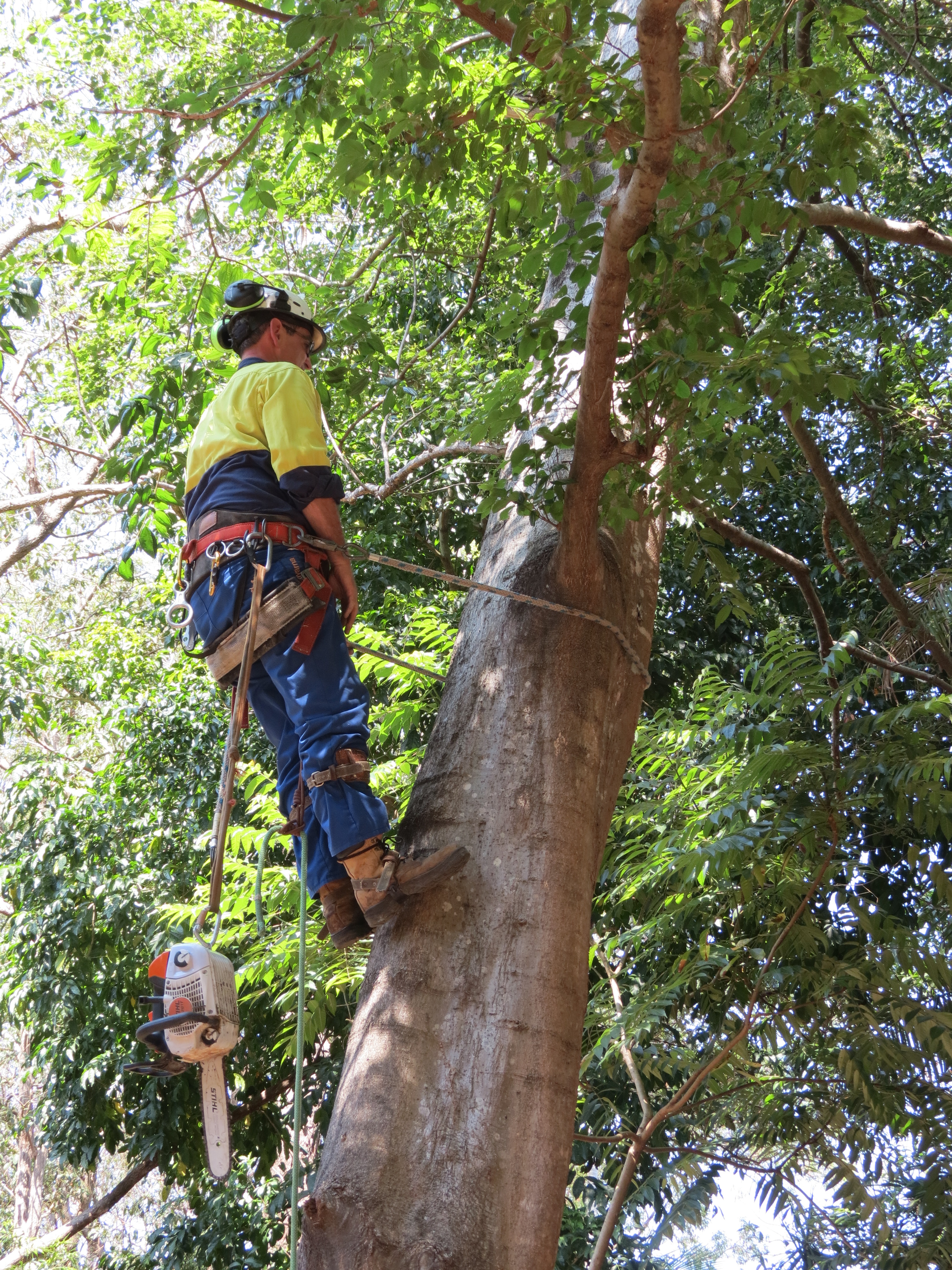
Watching Dale operate was amazing. Having strapped on spikes and hanging an extraordinary collection of ropes, tools, even a chainsaw, from his belt Dale simply started “walking” up the side of this tree, making it look as easy as stroll in the bush.

d

d

d

High above stump of Indian Rubber Tree

T

d

Climbing with full kit dangling

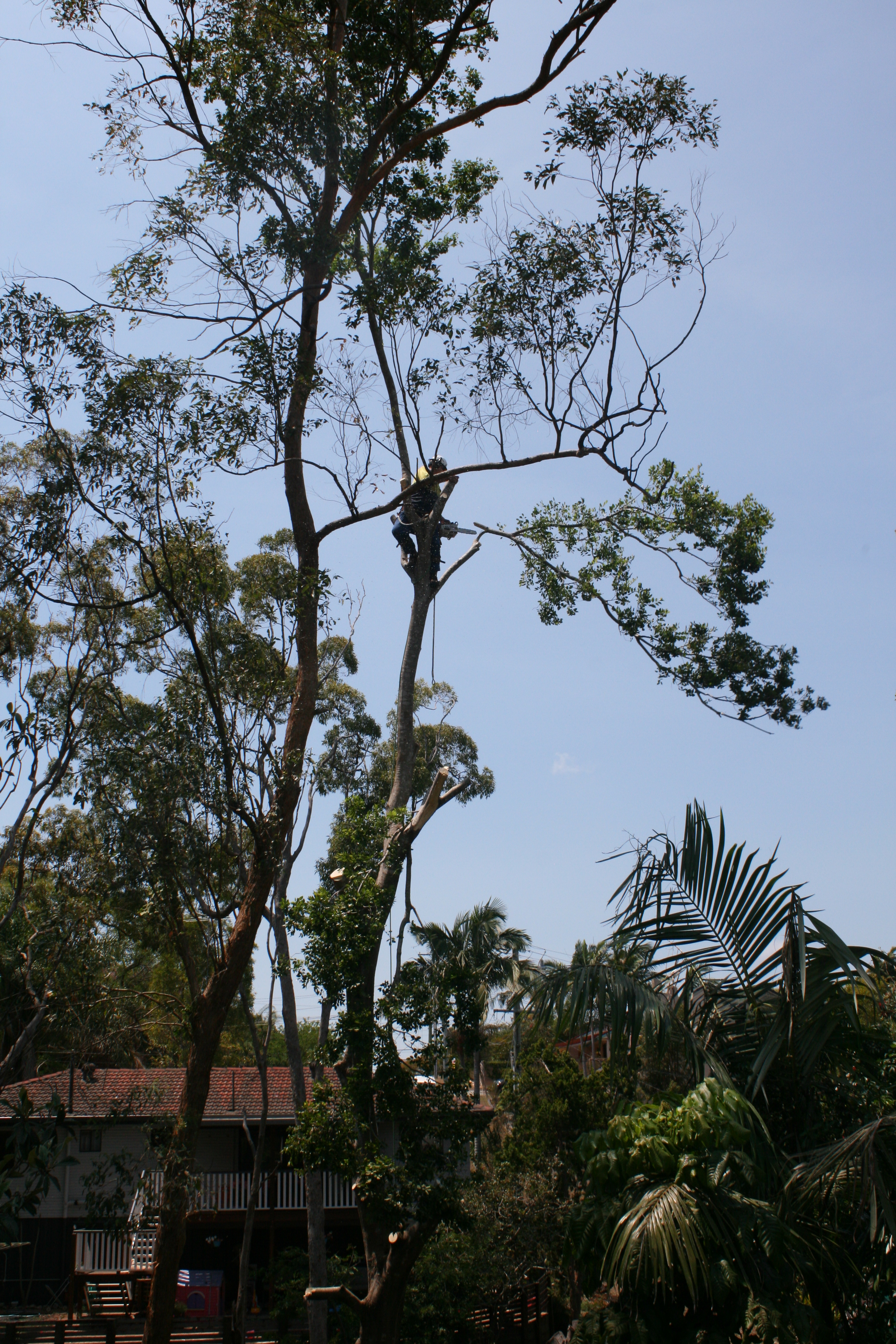
Towering above surrounding houses this Chinese Elm was significantly more than the 12 metre height mentioned in the DPI document.

d

d

d

d

d

d

d

d

d

d

The stump of the huge Indian Rubber Tree removed in 2011 can be seen in the background and way below the branch where Dale is so casually standing.

d

d

d

d

d

d

d

d

d

Ok we’ve cleared the low branches so it’s time to climb again. Note the fork that was above and to the left of Dale in the last picture is now below him!

Extreme pruning

d

d

d

d

d

d

d

d

d

d

d

d

Almost finished

That fork is now far below as Dale climbs higher to do a little light pruning.

d

d

d

d

d

d

d

d

d

s

ss

Hundreds or even thousands of berries

Working his way back down cutting logs almost as big as himself.s

s

s

s

s

s

c

c

c

c

c

d

d

The tree was covered in hundreds or perhaps thousands of immature berries that would have been spread by birds or washed down the gully to infect other properties or Roly Chapman Reserve and Mimosa Creek. Prior to targeting Chinese Elms for removal we would remove two or three hundred seedlings each year in each of our bushcare sites so removal of this tree is a significant boost to our restoration efforts.

By: Michael Fox

c

November 2007 we held our first Community Planting Day.

King Parrot feeding on Brisbane Fringed Wattle

Four hundred and ten native plants represented the first big step in restoring the Fox Gully habitat.

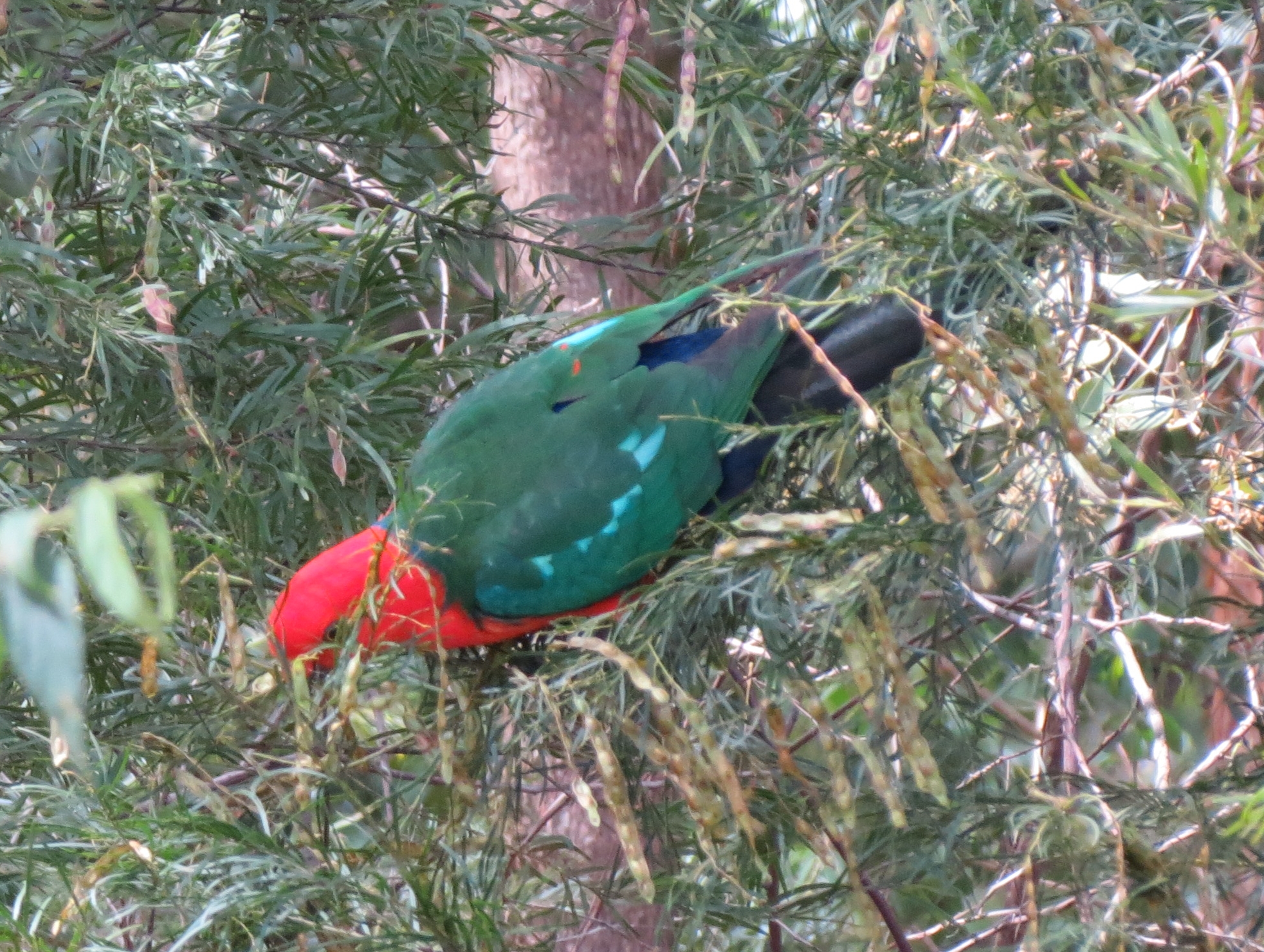
Aside from native herbs and grasses we also planted a number of Acacia falcata and Acacia fimbrata. Acacia fimbrata, also called Brisbane Fringed Wattle, is one of the most beautiful of our local wattles and a favourite with at least one of our neighbours – read the story.

Brisbane Fringed Wattle is also a favourite of our beautiful King Parrots Alisterus scapularis who visit each year to feast on the seed pods. Watch the video to see the amazing skill in getting each seed then moving the pod along to get the next seed … and no hands needed.

By: Michael Fox

Pale-headed Rosellas inspecting nest box

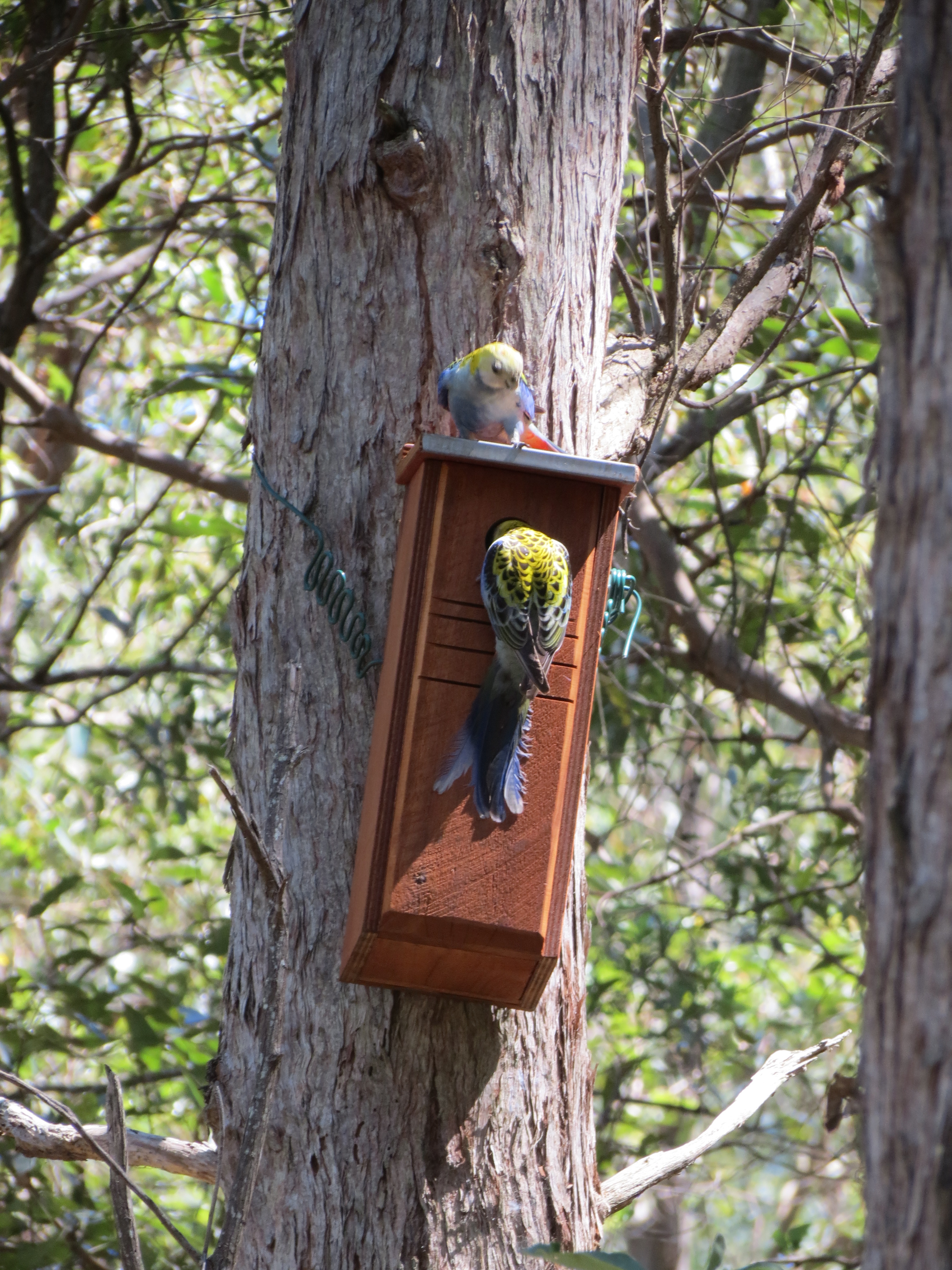
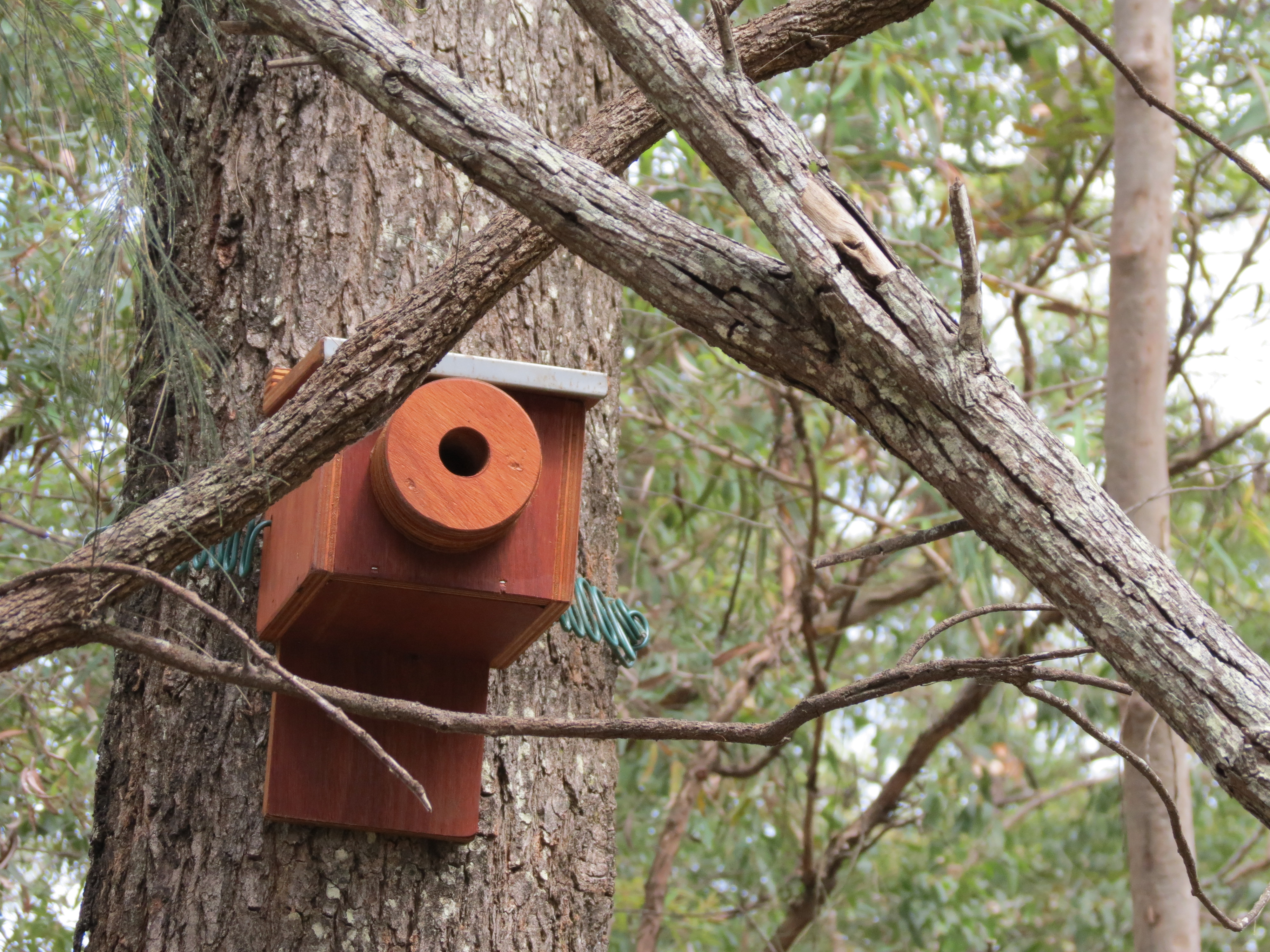
We had a day of inspections today with a pair of Pale-headed Rosellas checking out prospective new homes. Unfortunately they started with two boxes designed for Scaly-breasted Lorikeets. The smaller entrance diameter means the boxes are kept available for these smaller birds that are losing out on breeding sites with resulting drop in numbers.

Fortunately the Pale-headed ended up down behind Alan’s house where there is a box with a larger diameter entry.

d

d

d

d

d

d

They made it too small … let’s chew our way in.

This box looks like someone has had a go at expanding the entry size but still not large enough.

While we were walking we also noticed a pair of Rainbow Lorikeets inspecting the Owl box – designed for Boobook or Barn Owls not Lorikeets.

d

d

d

d

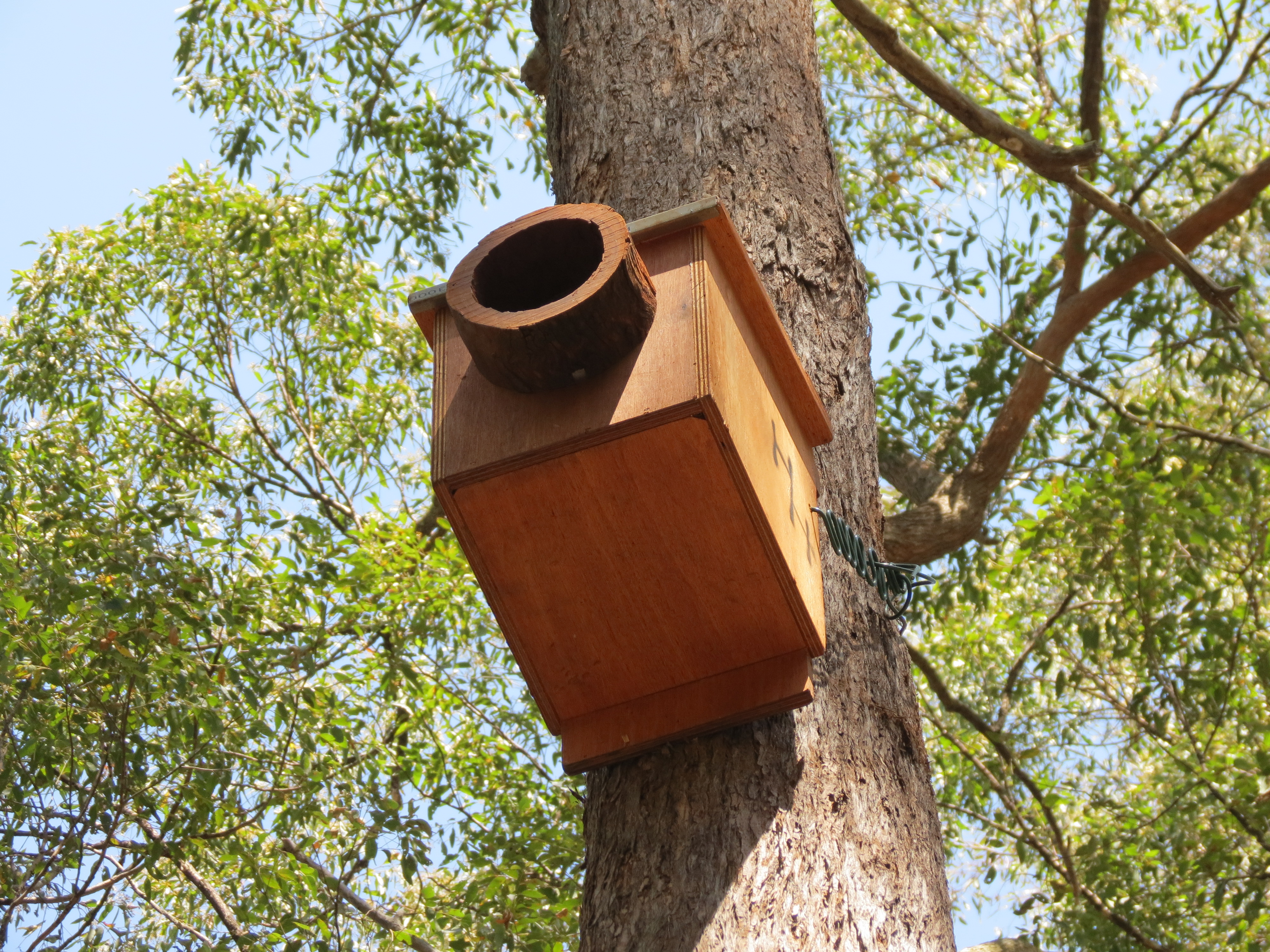
Too small for Kookaburra … need to find a larger termite nest.

Up the track near the big water reservoir we found two Kookaburras sitting on a branch between the new Kookaburra box and the termite nest they had been trying to hollow out. The Kookaburra box was installed because clearly the termite nest was too small the make an effective nest hollow. Hopefully today’s sighting means they are considering the new box.

d

d

d

d

d

d

d

d

Tawny Frogmouth being a dead branch

d

Of course there is always someone who relaxes and wonders what the fuss is about. We almost didn’t see this Tawny Frogmouth pretending to be a dead tree branch. He deigned to half open an eye to check us out then dismissed us and went back to being a dead branch.

By: Michael Fox

Alan & Stacy with glider box

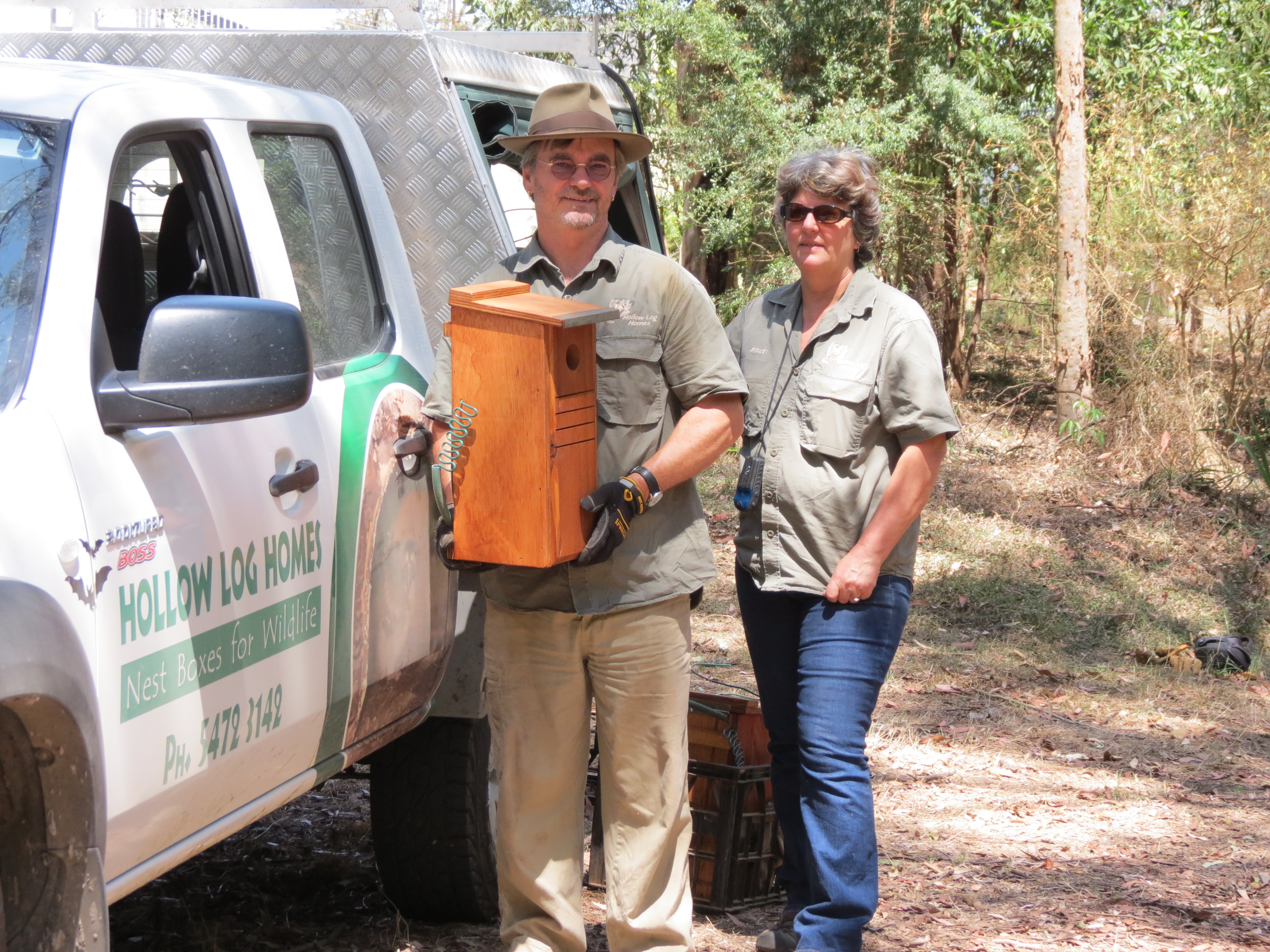
Alan & Stacy Franks of Hollow Log Homes visited Fox Gully Bushcare today to install ten new nest boxes to provide breeding habitat.

Up to July 1893 Mt Gravatt and surrounds were designated as a railway timber reserve. Kate Flink, BCC Habitat Brisbane, worked with us to research availability of nest hollows within the Fox Gully site reflects this history with only a

Pardalote

limited number of trees older than 100 years and only a very small number of tree hollows suited for nest sites.

Smaller bird species like Scaly-breasted Lorikeets and Pardalotes are particularly impacted as they are out-competed for the limited nest sites. Nest boxes can be used to help restore the balance in the habitat.

Nest box for Boobook and Barn Owls

BCC Habitat Brisbane have contracted Hollow Log Homes to install nest boxes for Boobook and Barn Owls, Kookaburras, Pardalotes, Scaly-breasted Lorikeets, Rainbow Lorikeets/Pale-headed Rosellas as well as boxes for Sugar & Squirrel Gliders.

See one year update – Christmas in Fox Gully

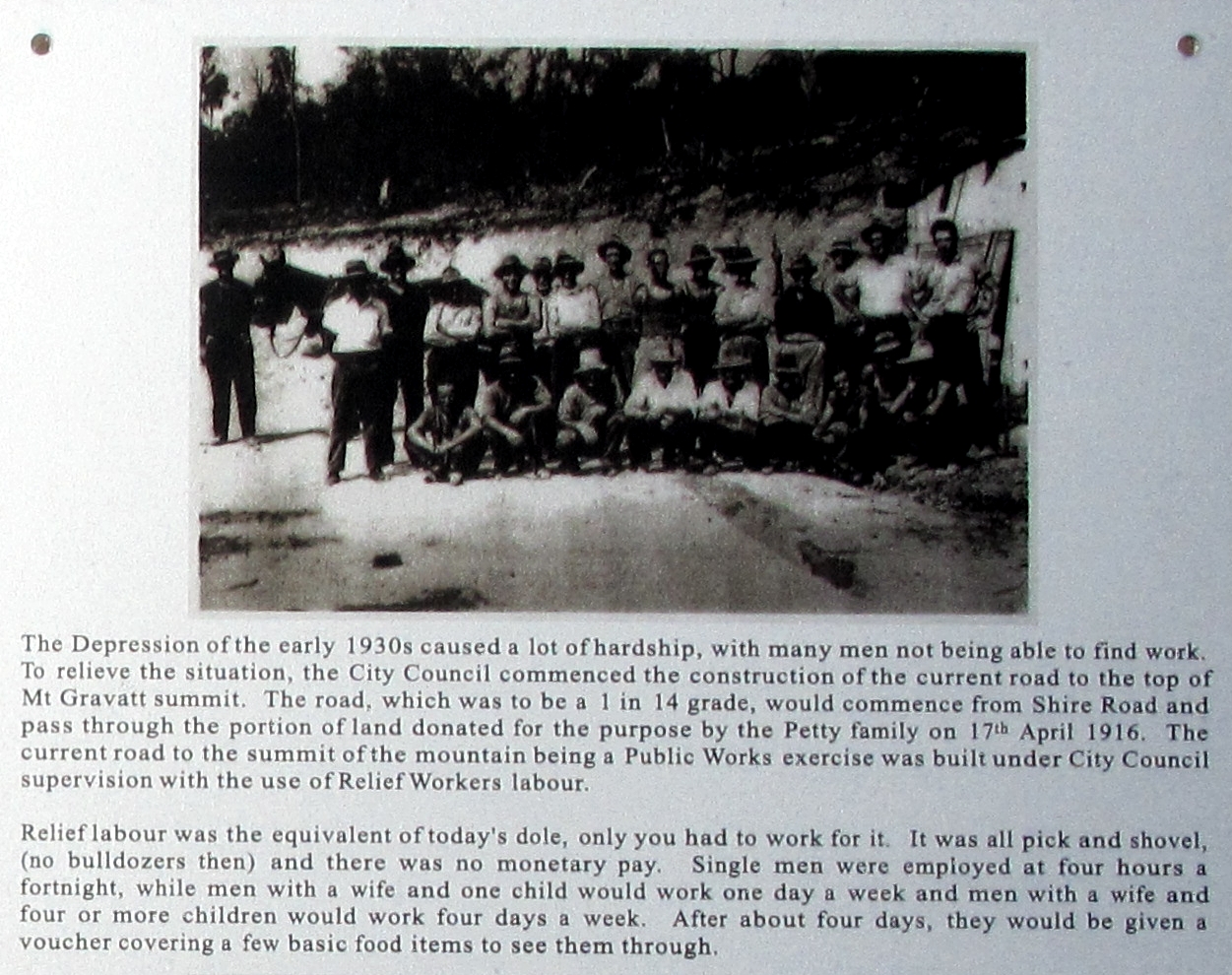
Relief Worker road builders honoured

By: Michael Fox

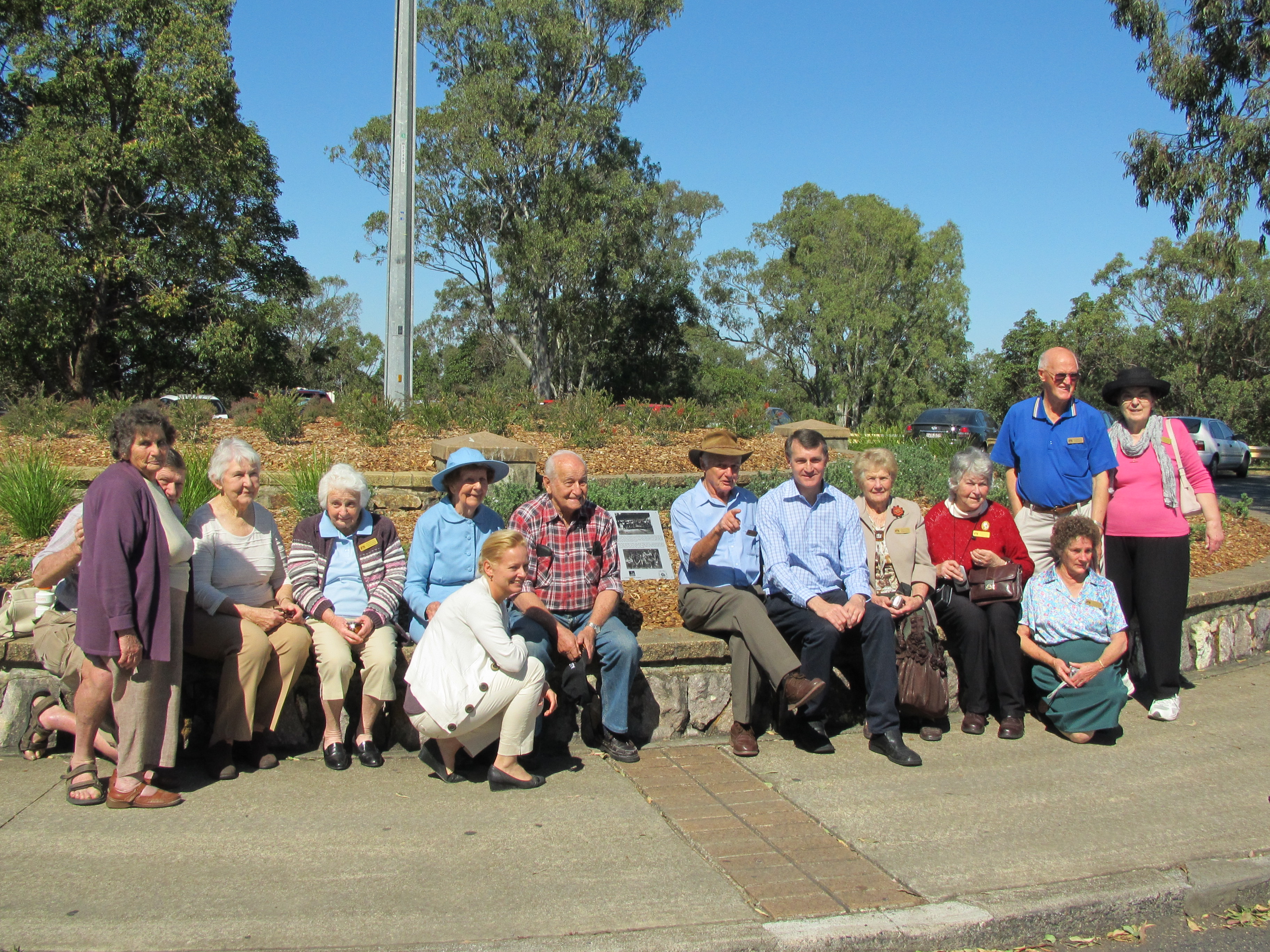
Clare Boulter, President Mt Gravatt Historical Society, and Lord Mayor Graham Quirk have unveiled a plaque honouring the Relief Workers who first built what is now Mt Gravatt Outlook Drive. The plaque in the garden at Mt Gravatt Lookout was unveiled at a community event on 26 August.

The information for the plaque was researched by members of the Historical Society. The society publishes Mt Gravatt “Then and Now”, now including Volume 3 which covers stories and memories of long-term residents, who, by example and effort contributed to the establishment of modern-day Mt Gravatt.

g

Cr Krista Adams introduced Lord Mayor Graham Quirk and Clare Boulter. Edited version of video taken by Mt Gravatt Historical Society.

Members of Mt Gravatt Historical Society with Lord Mayor Quirk & Cr Krista Adams

Quite spoken Clare has an amazing knowledge of our local European history. That knowledge is very valuable for understanding the changes that have occurred in the Reserve over the last hundred years. Knowledge of past land use helps in planning long-term restoration. For example, knowing that the forest was a timber reserve for railway building confirms our on-ground research that indicates average  tree age of around 100 years which explains the low incidence of nest hollows.

Second plaque with extracts from “Mt Gravatt Then & Now”

The second plaque with extracts from “Mt Then and Now” will be on display as well. Visit the Lookout look at the view over the city and port, read some history, go for a walk – keep an eye out for Koalas, then finish with a picnic or coffee at Echidna Magic.

By: Michael Fox

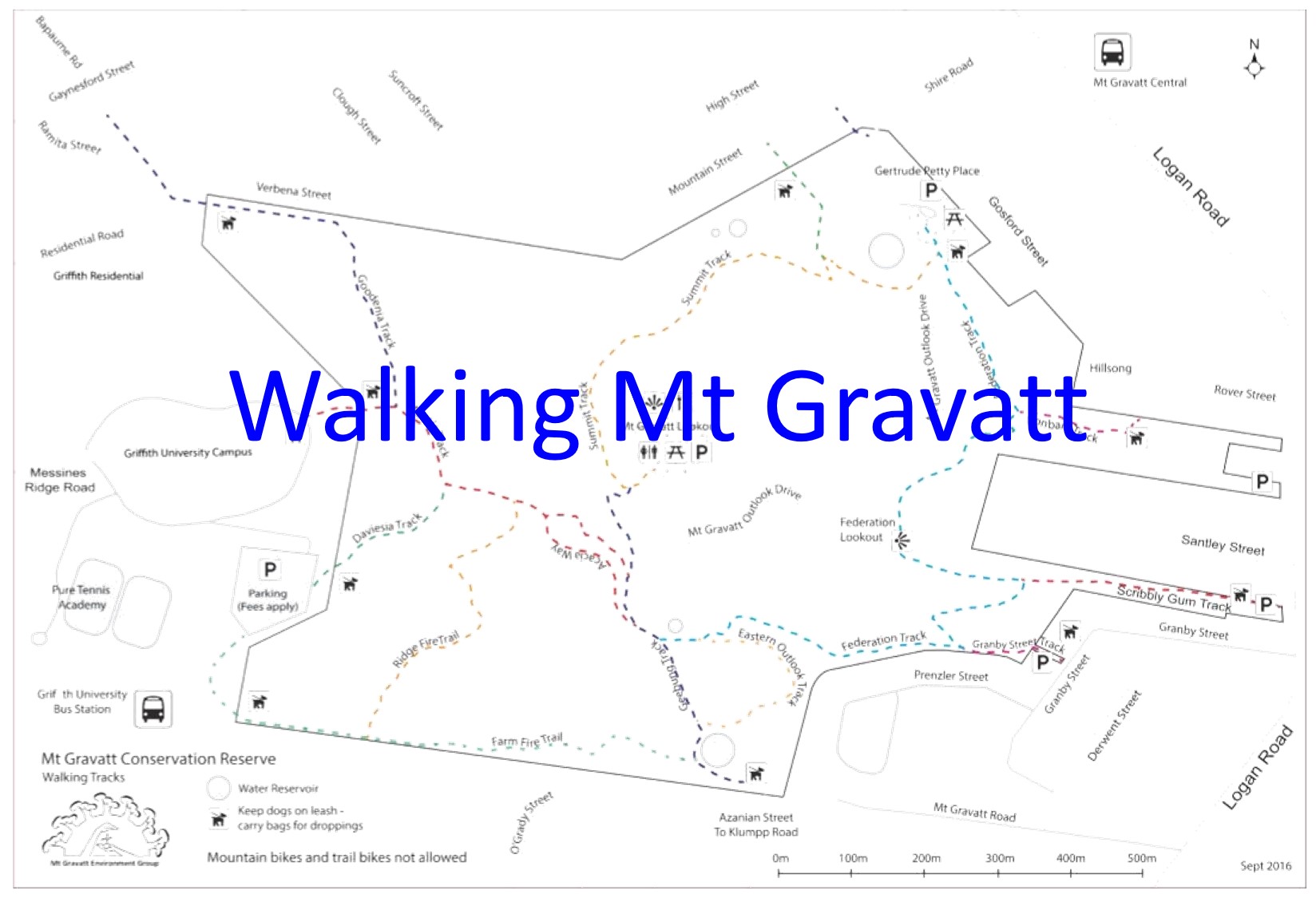
From Granby Street take Federation Track to Gertrude Petty Place

I joined Sandra, David and Marshall this morning to explore the headwaters of Jo’s Creek: above the timber bridge on the Federation Track. Our aim was to clear a large infestation of Ochna serrulata Mickey Mouse Plant which is currently flowering and getting ready to set seed.

This upper section of Jo’s Creek where the Federation Track crosses is quite special with Coin-spot Treeferns Cyathea cooperi thriving

Marshall clearing Ochna removed with Treepopper

along the sides of the gully even in the very dry weather. When we have good rain the many rock pools fill up and the gully is alive with birds you don’t find in more open forest areas.

Working together we cleared a large area of Ochna, Umbrella Trees Schefflera actinophylla, Lantana Lantana camara and Asparagus Fern Asparagus aethiopicus. Some larger Umbrella Trees had to be cut and poisoned however most Ochna

Sandra (left) and David

was pulled out roots and all with the Treepopper. The Asparagus Fern was lifted out whole with two-pronged hoes.

Still plenty of weeds to be cleared but a good morning’s work so we head home. On the way I show David how to wash his hands with “bush soap” made from leaves of the Soapy Ash Alphitonia excelsa.

“I’m out in the bush and still have to wash my hands!”

By: Michael Fox

Jonny and James (top) clearing weeds and installing habitat

Restoration of Zone 13 is now expanding to include Zone 8 with the Fishbone Fern being cleared from the slope and our Griffith University team install old railway sleepers to stabilise the slope, improve access and provide habitat.

The pile in the foreground is composting weeds. Our best-practice approach means that we recycle 80% of the weeds on-site, reducing workload and fuel used in removing weeds from site while retaining valuable nutrients.

Zo

FWR Group starts restoration – Sept 2010

f

Zone 13 restoration started in September 2010 with the FWR Group corporate team.

We considered using poison to clear the massive Fishbone infestation. However an on-ground survey found four local fern species surviving among the weeds. Rather than risk losing the surviving specimens we started the

Restoration progress – Sept 2012

slower but, long term, more effective manual removal of the weeds.

Two years and we are past half way. There is still a lot of weed removal to be done but nature is working with us with natural regeneration restoring the native grasses, lomandras, Scrambling Lily and Soapy Ash.

We have achieved a dramatic

No CCA poison – just lots of holes for hiding

reduction in resources required with no new plants or mulch required to achieve this result.

I am particularly proud of our latest initiative, reusing old hardwood railway sleepers – remains of steel spikes can still be seen. Roger, one of our gully neighbours recently replaced a retaining wall built about thirty years ago with second hand railway sleepers. Our fit young Griffith students pitched in loading the sleepers into Roger’s ute and then carrying them down to our work site. Rather than going to landfill we are reusing these sleepers to stabilise slopes and improve access for restoration work.

The sleepers are a particularly valuable resource because they have NOT been treated with copper-arsenate which would kill the wildlife we are working to restore. The solid hardwood has survived insect attack well with softer timber eaten away leaving hollows and cracks providing invaluable habitat for the many species of insects and lizards vital to the health of our bushland. A key finding of last-year’s BAAM report was the lack of fallen timber so these sleepers are addressing that issue.