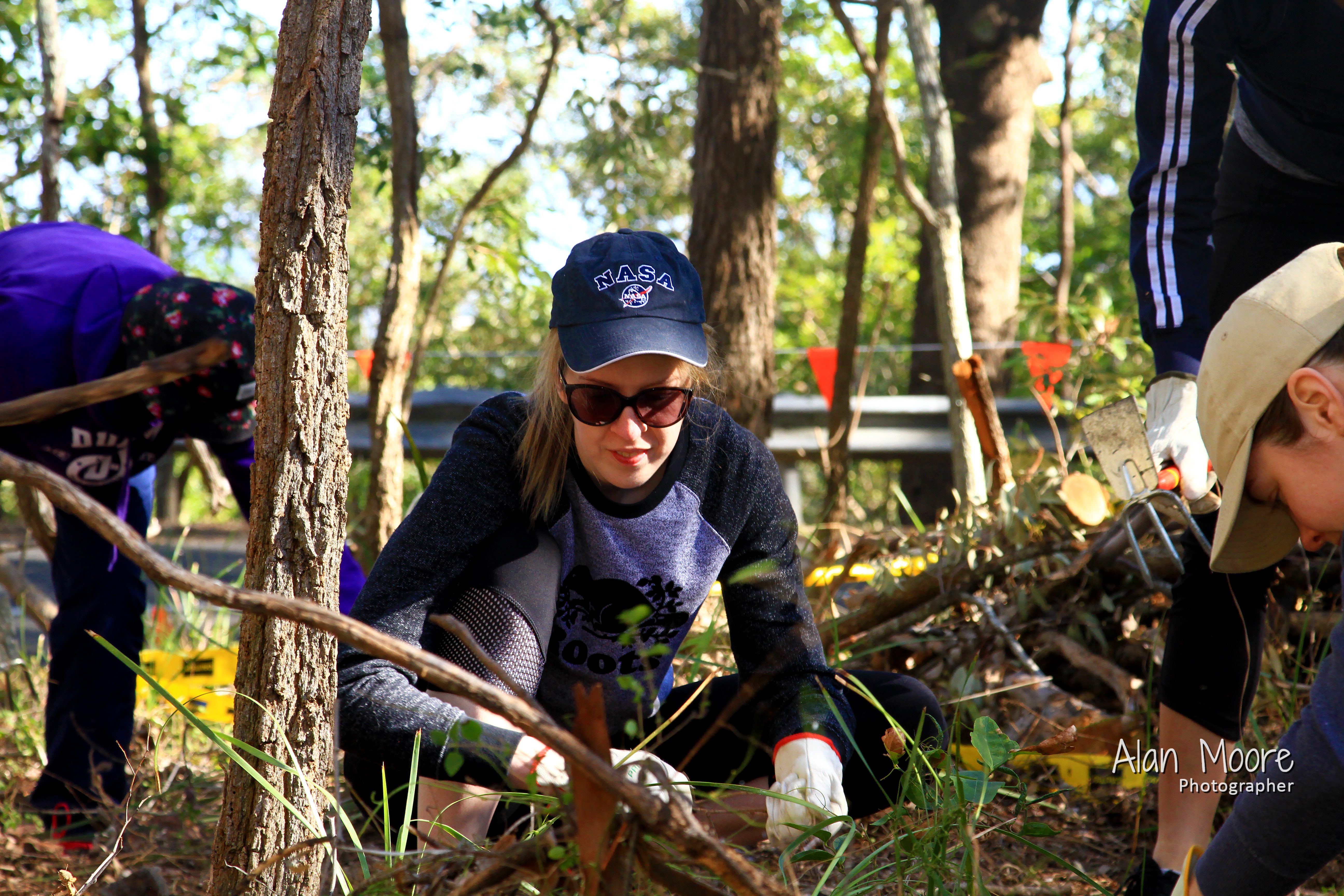
Benno, Phil and I returned our 2017 planting site to clear Creeping Lantana Lantana montevidenses, slow work but very effective in promoting natural regeneration. The weed smothers native grasses and the chemicals in Creeping Lantana suppress regrowth. Chase the creeper along to find the main root, pull the root and discard on the ground: the weed will not reshoot.
Building Habitat Tripod July 2017
We have been focused on maintaining the 2021 National Tree Day site so I took the opportunity check how the 2017 planting is going.
Preparing the planting site required clearing the weeds to leave the ground bare for planting and included building Habitat Tripods to create safe habitat for small forest birds.
The artificial nest boxes are intended to support wildlife while natural nest hollows develop in the forest. Our Kookaburras have been using an owl nest box for breeding, so it is exciting to see the termite nest is now large enough for our Kookas to create make their own home.
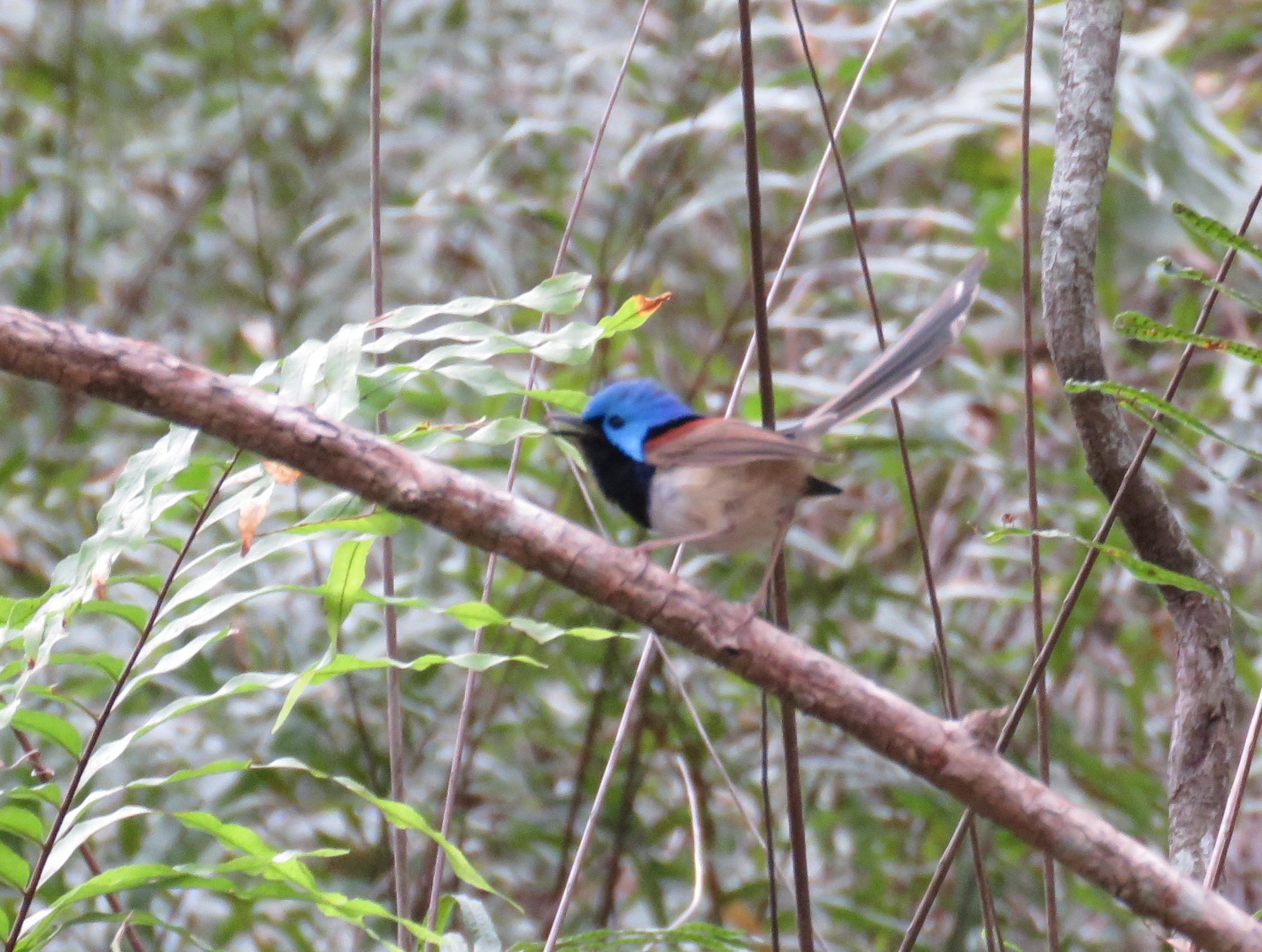
Male Variegated Fairy Wren
.
.
.
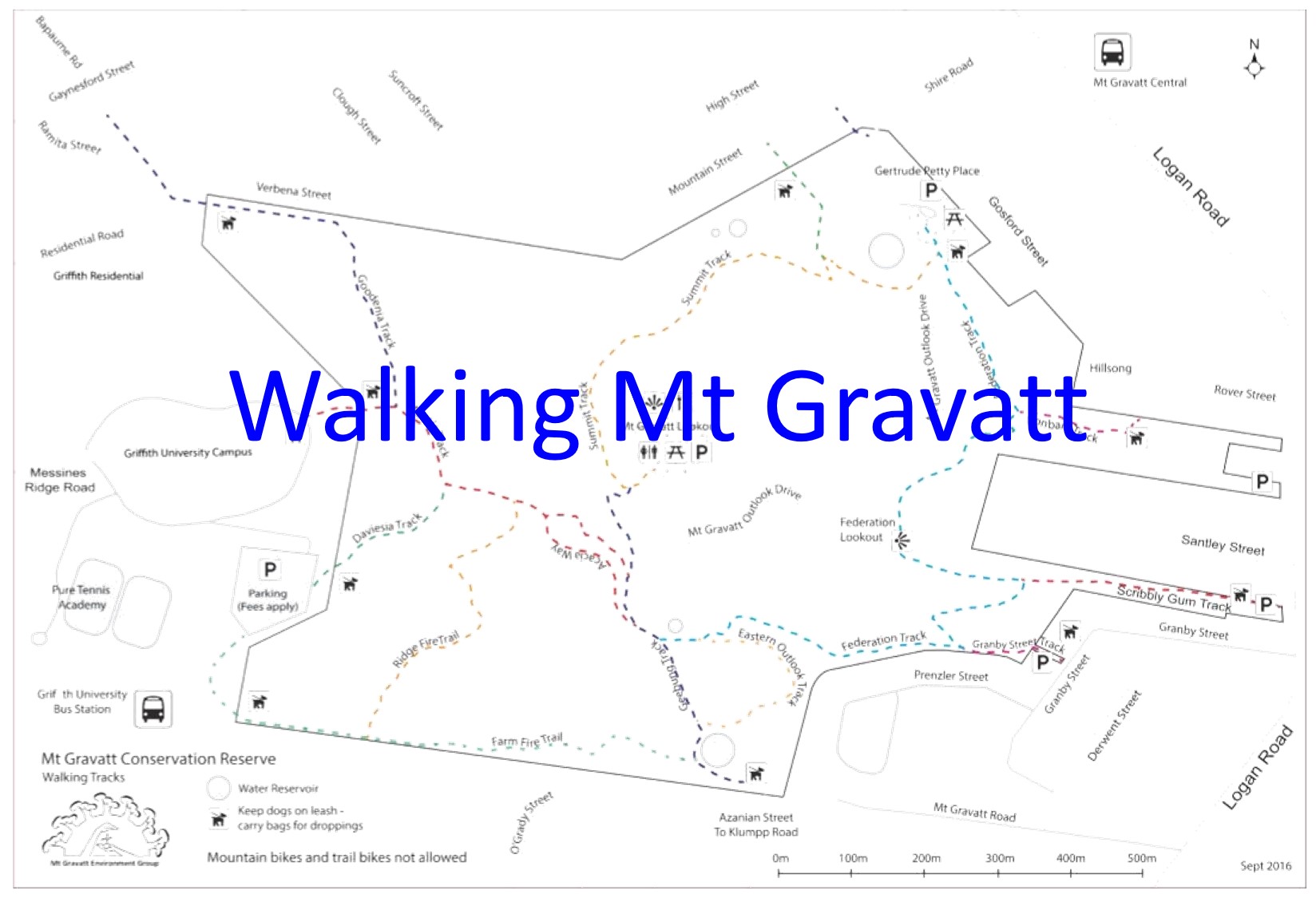
Look for a family of Variegated Fairy Wrens Malurus lamberti playing in the scrubby habitat alongside Acacia Way. Small forest birds like the safety of tangled habitat like this where they can nest and escape from Kookaburras and other large predator birds like Pied Currawongs Strepera graculina and Kookaburras.
You can provide habitat for these special birds in your backyard by building a Habitat Tripod.
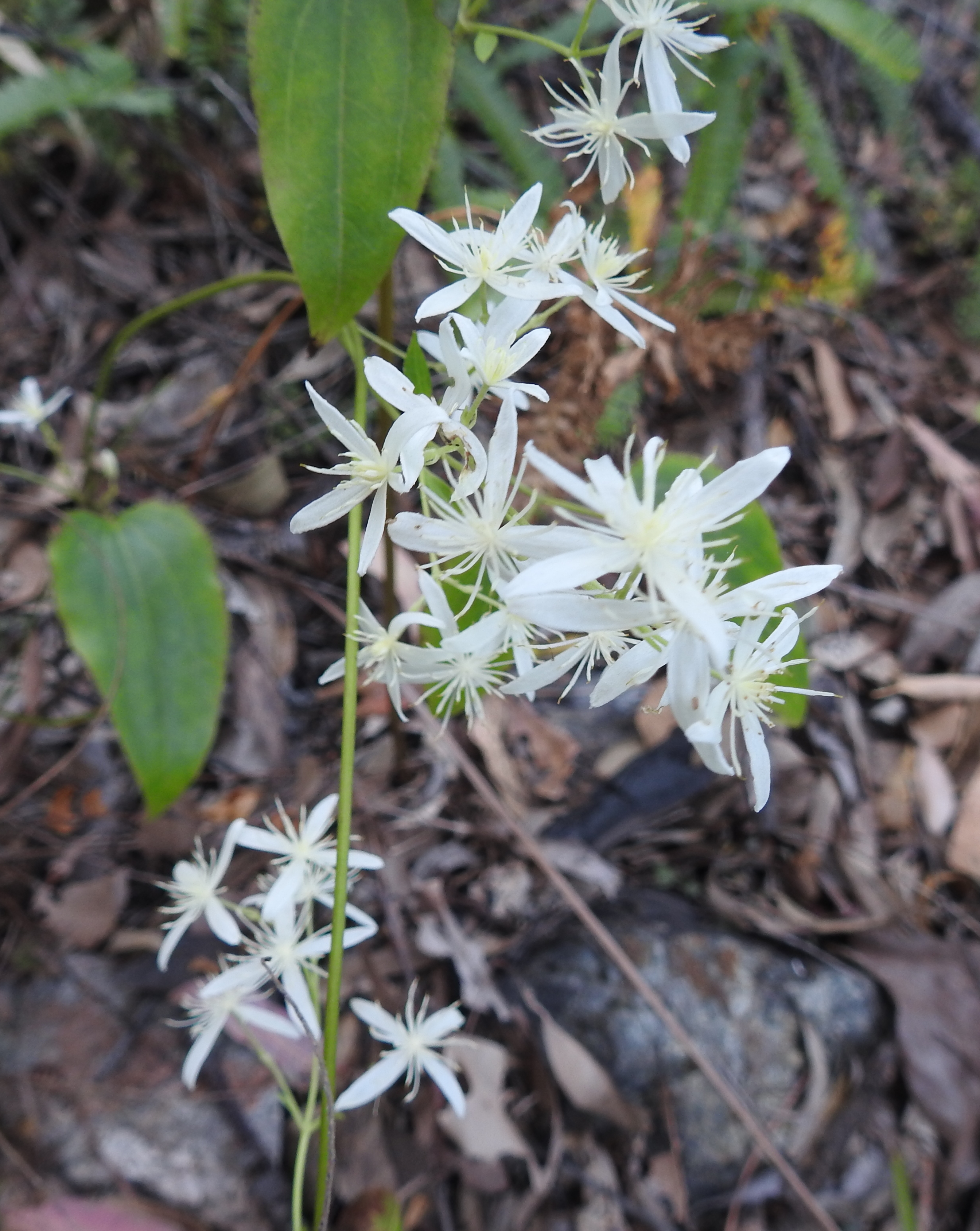
“It is a useful climber that could be used to cover the framework of a fernery. The growth is very dense and provides safe nesting sites for small native birds.” Australian Plants Society NSW
A useful vine, as it is happy growing in shaded areas and the crushed leaves help manage headaches.
Lipotriches sp. – Solitary Bee on Dianella flower
.
.
.
.
We also found a different solitary native bee species visiting flowers of Blueberry Lily Dianella longifolia. Lipotriches sp. do not form colonies, the individual females make nests in the ground. Native plant species like Dianella require Buzz Polination (sonicating) which shakes the pollen out of the flowers.













 Mount Gravatt Environment Group