Two hundred and seventy eight native species in our 66 hectare Reserve is equal to 20% of all native plant species in Great Britain which has 22.6 million hectares. The extra ordinary species diversity in the Reserve is something worth protecting and valuing.
.
.
Koala Mum & Joey
.
.
As well as plant diversity the Reserve has a healthy population of breeding Koalas.
Andrew Wallace our BCC Habitat Brisbane Officer spotted this mother and joey (baby Koala) at Gertrude Petty Place a couple of weeks ago. This is one of at least two joeys born in the Reserve during 2016. There have been twenty-three Koala sightings reported in 2016
Please keep reporting the sightings: photo (phone camera photos are fine), approximate location, date time. Your reports are important evidence that helps us get ongoing funding and support for our restoration work.
This morning was the final Bushcare event for 2016 and the 80 metre Mulch Filter along the Upper Mt Gravatt State School fence is ready to capture water run-off during the summer storm season.
The current dry weather highlights the importance of keeping as much rain water as possible on site to support the bushland restoration. The school oval represents over 10,000 sq metres (one hectare) of rain catchment available for the Buchcare site.
Composting weeds on site
Natural regeneration of Monkey Rope Vine Parsonsia straminea and Slender Grape Cayratia clematidea is already enhancing the on-site composting of weeds. Slowing the water run-off reduces erosion and allows the water soak in to support the natural regeneration.
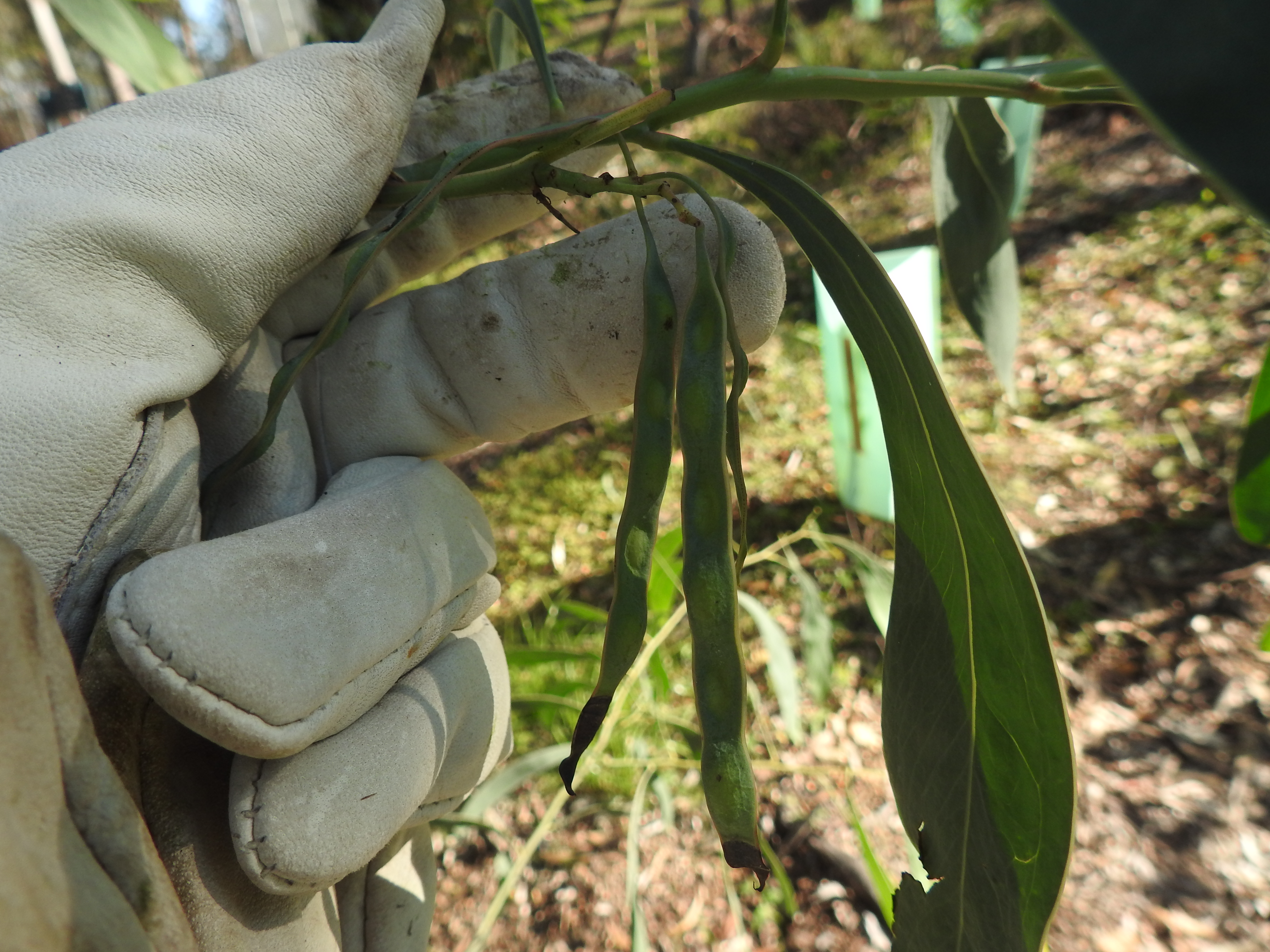
It is encouraging to see the native vines setting seed ready for the summer growing season.
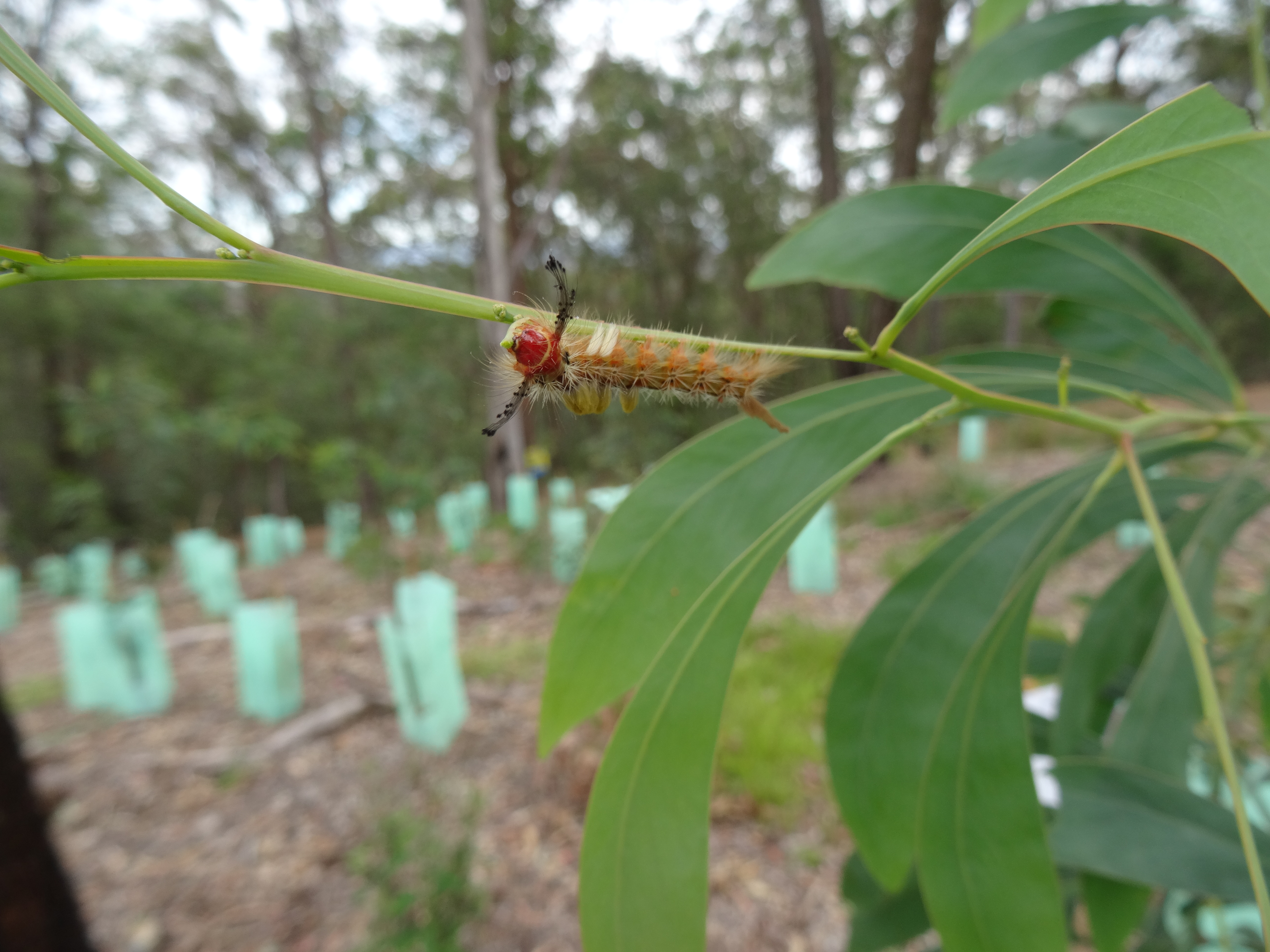
I learnt a lot studying Liam’s caterpillar particularly about defense mechanisms. The Anthela canescens has non-envenomating (no venom) hairs that produce a mechanical irritation on contact. The hairs are fragile and easily dislodged from the caterpillar, they adhere to the surface of skin when the caterpillar is contacted.
Other moth caterpillars like the curious Mottled Cup Moth caterpillar Doratifera vulnerans have more active defenses with venomous spines they deploy along their sides like a galleon running out its canons. The venom is not dangerous but does pack a sting if you brush against the caterpillar.
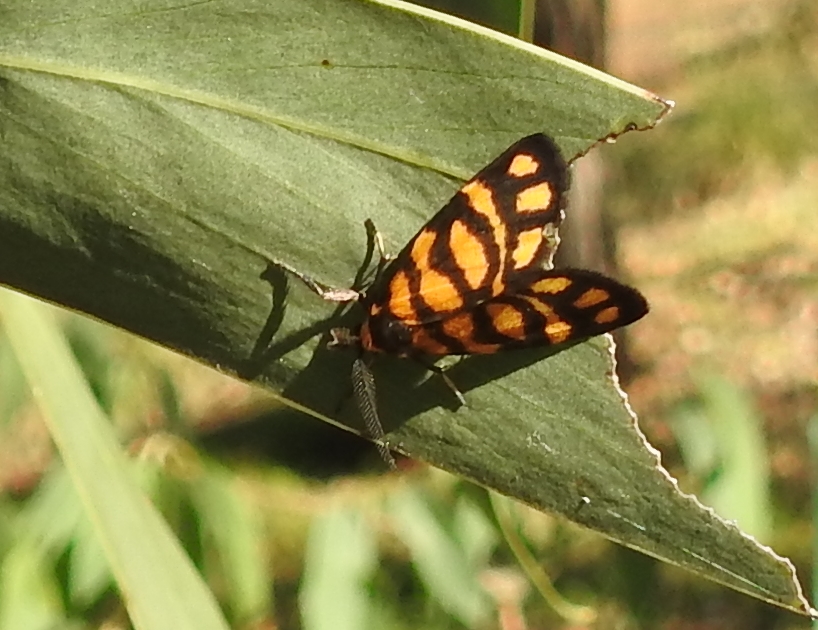
So I was pleased to find a Large Anthelid Moth yesterday. So I now know what Liam’s caterpillar would grow into.
Large Anthelid Moth plumose antennae
.
.
I was fascinated by the moth’s “furry” plumose antennae.
.
.
Close-up showing antennae hairs
.
.
“There are many variations in both the shape and the amount of bristles in plumose antennae. In moths, the plumose antennae of the males act as chemoreceptors and enable them to detect pheremones given off by the female. The hairs on each antenna significantly increases the receptive surface area so that even the most minute chemical changes in the environment can be detected.”
Share a unique view of Mt Gravatt Conservation Reserve with family and friends and support our ongoing restoration work and wildlife research.
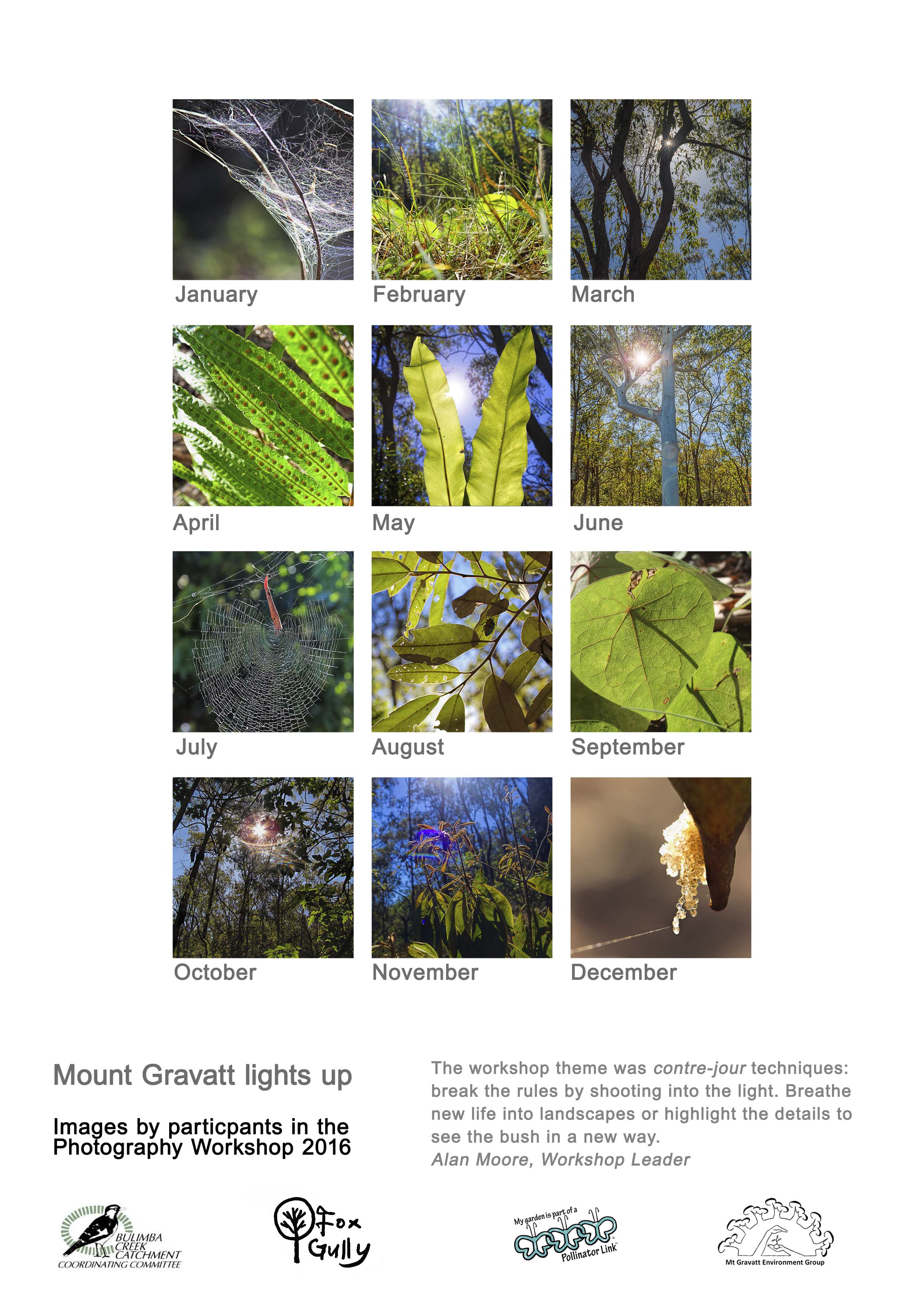
The 2016 Photography Workshop was called Mount Gravatt lights up, so workshop leader, Alan Moore, has selected participants photos that show contre-jour techniques. Contre-jour techniques break the rules by shooting into the light. The photos chosen breathe new life into how we see the world around us in a new way.
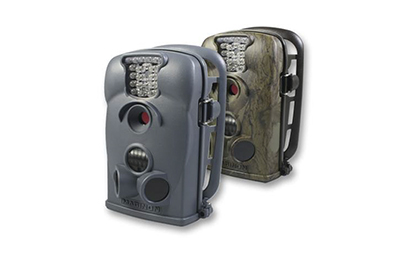
Funds raised in past years have allowed for purchase of research equipment like the infrared wildlife camera used to monitor the Squirrel Glider Petaurus norfolcensis families living the nest boxes at Fox Gully Bushcare.
August to January is Koala breeding season with most young (called a joey) born over the summer months.
That means I am receiving an increasing number of reports of Koala sightings like Sue’s report:
“I was awoken at 4 am by a dreadful noise in our yard – blood curdling screaming. Couldn’t get back to sleep. At 5 am the local birds let me know some ‘foreign’ creature was still around.
I took this photo of a Koala which had just leapt off our back terrace into one of our gums. He was roaring loudly as he ascended the tree. He then spent the day sleeping in an adjacent Tallowwood. He looked well fed and healthy.
Upon later investigation I found Koala fur and droppings all over the terrace. I wonder whether two Koalas may have been involved.” Sue Jones
The Mt Gravatt Conservation Reserve now has a healthy and growing Koala population. This is a great opportunity for our community and a great responsibility: we have been given a second chance. You can help by:
reporting Koala sightings – email photo/s (phone camera is fine – evidence is important not photo quality), approximate location, date and time – email megoutlook@gmail.com
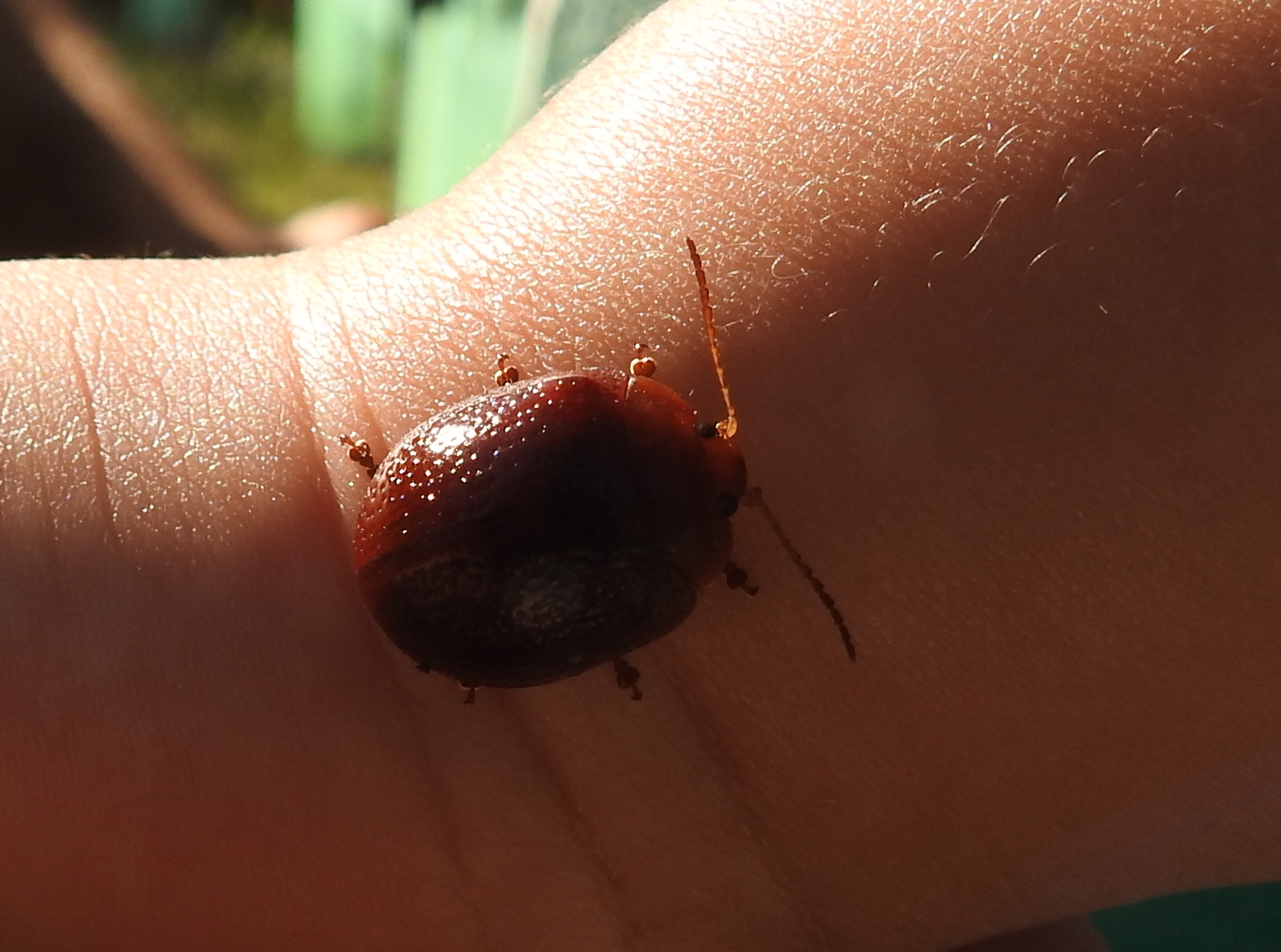
I met a future naturalist at the Small Bird Habitat this morning. He was walking the mountain on his father’s shoulders but when I found an Acacia Leaf Beetle Dicranosterna piceaon a Sickle Leaved Wattle Acacia falcata this future naturalist had to get down to get a close look. Of course a true naturalist loves to let beetles walk up their arm.
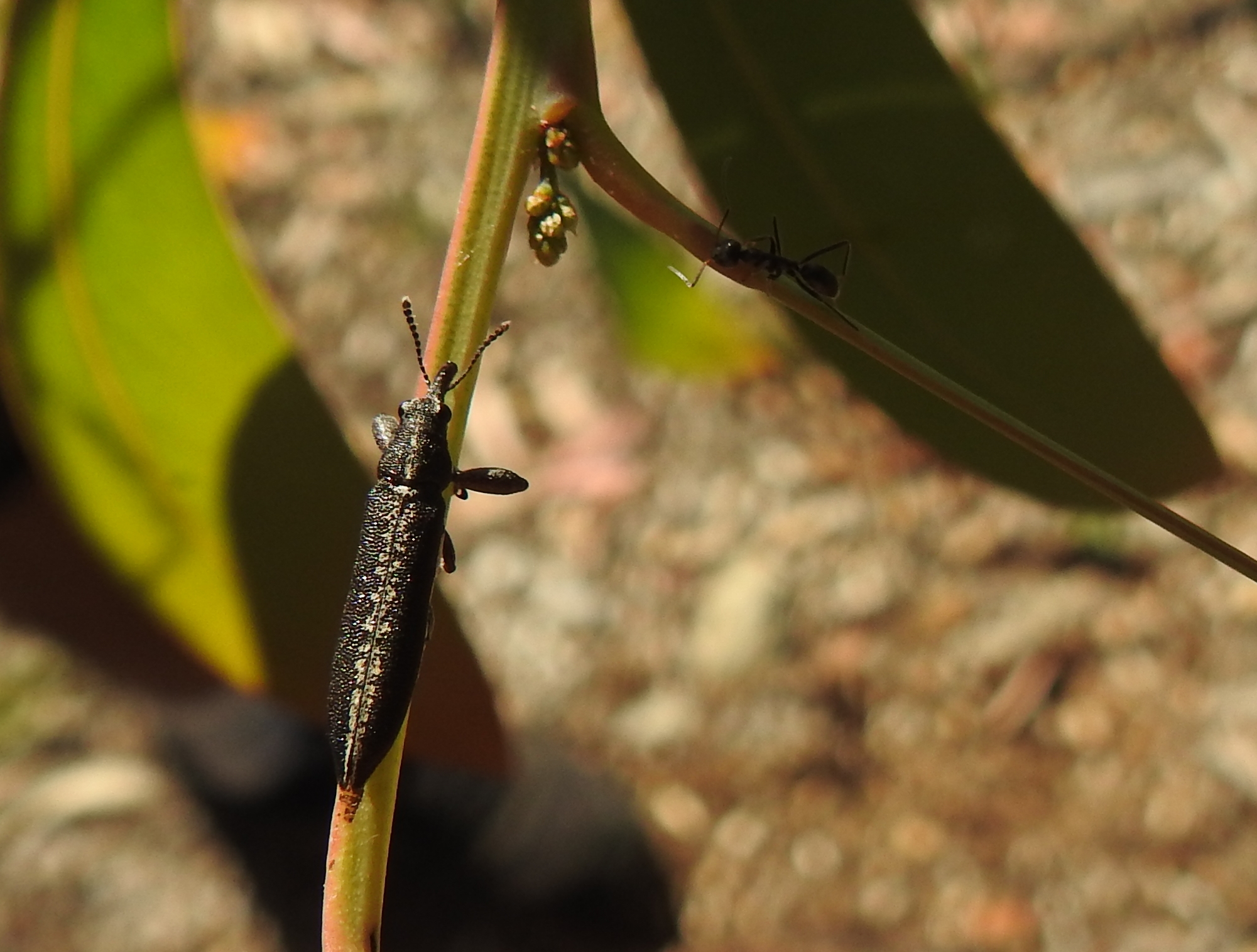
Brown Belid Weevil
This was an inspiring meeting as this future scientist not only let the beetle walk on him, he then proceeded to find another two bugs for me on other plants.
Join a dedicated team restoring valuable remnant forest along Mimosa Creek.
Roly Chapman Bushland Reserve, named after respected local teacher, is home to Koalas and Turtles. Some sections of the Reserve are categorised as Endangered and Of Concern. Restoration of this valuable bushland is a key step in linking Mt Gravatt Conservation Reserve with Bulimba Creek.
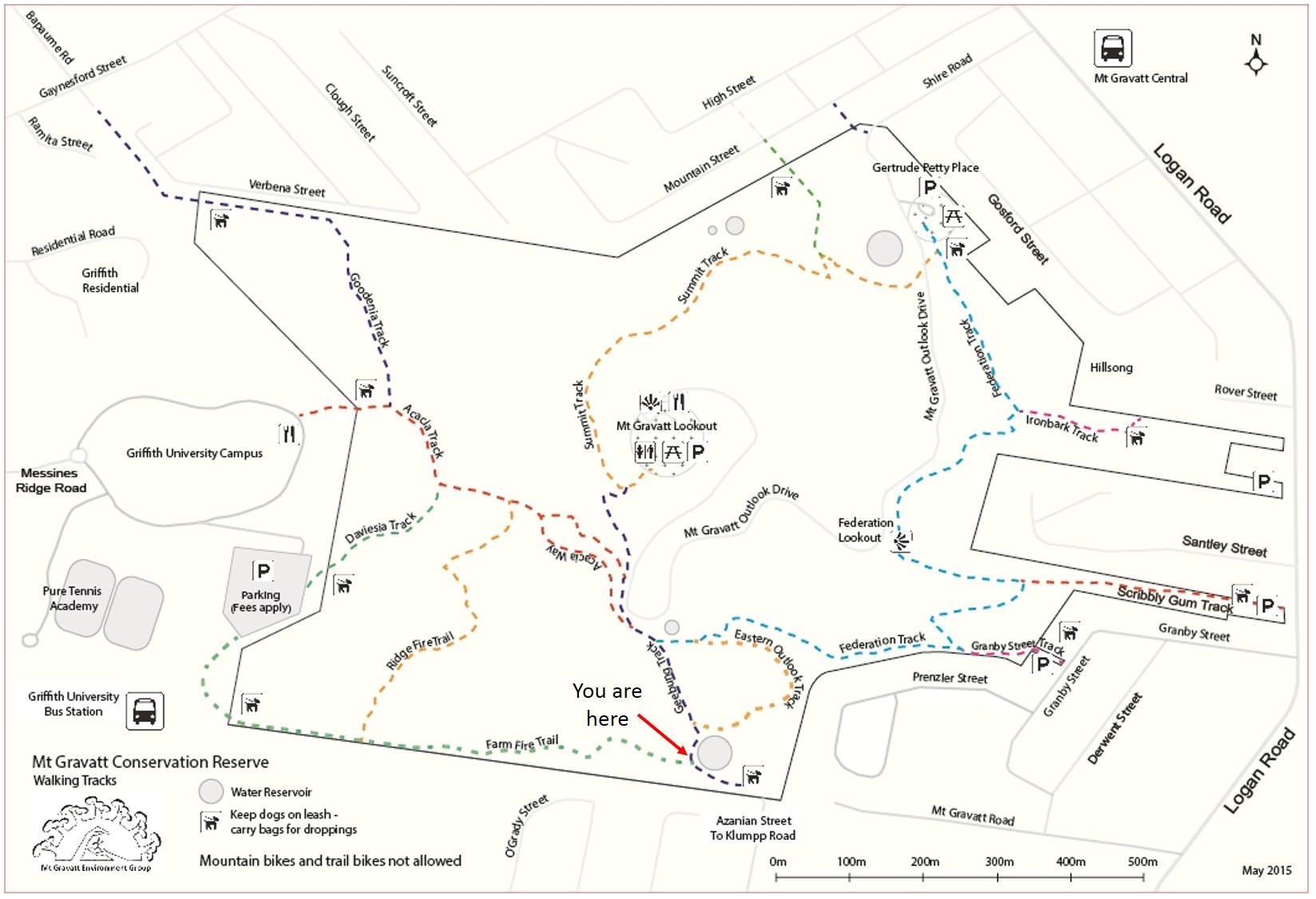
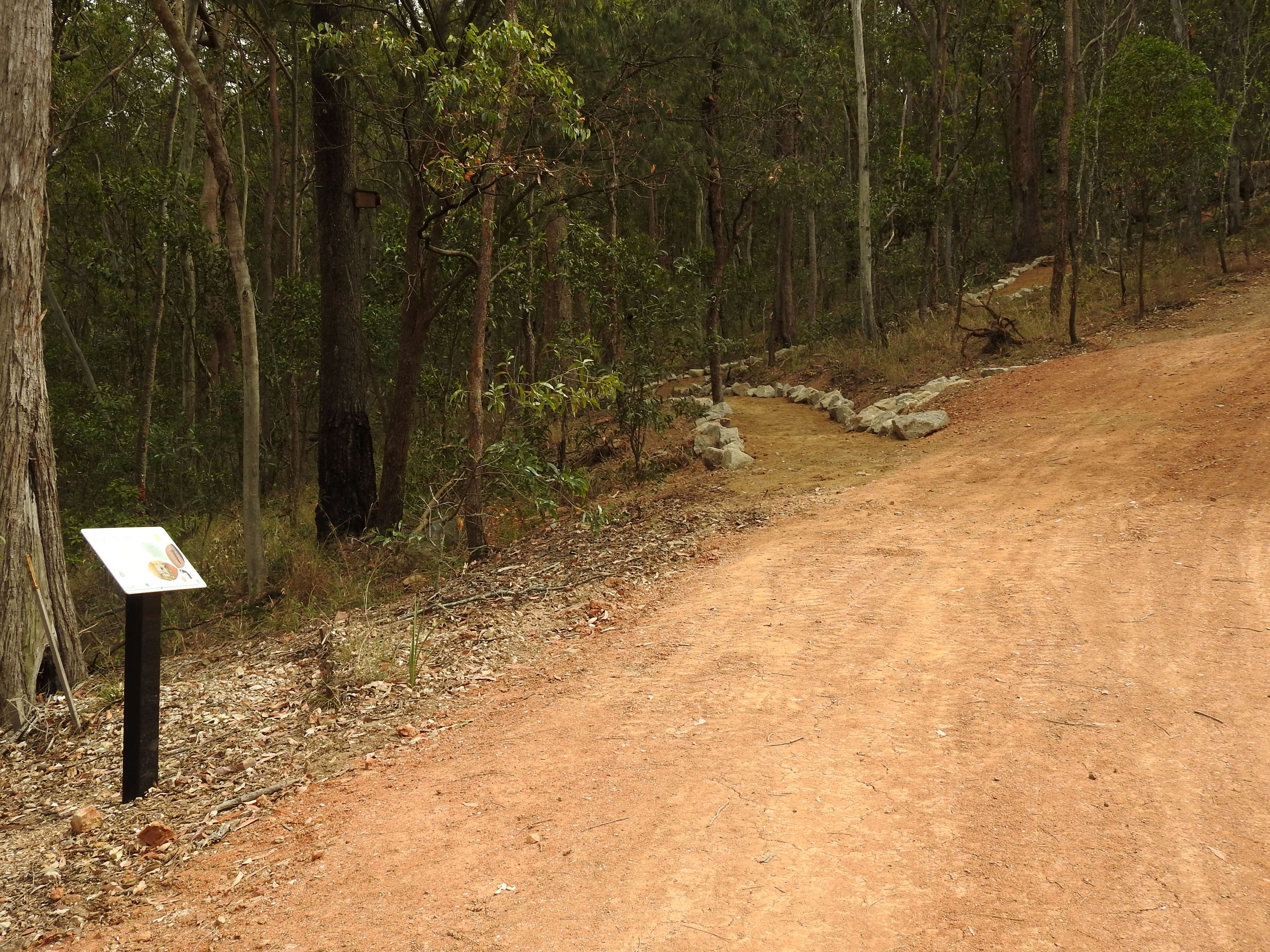
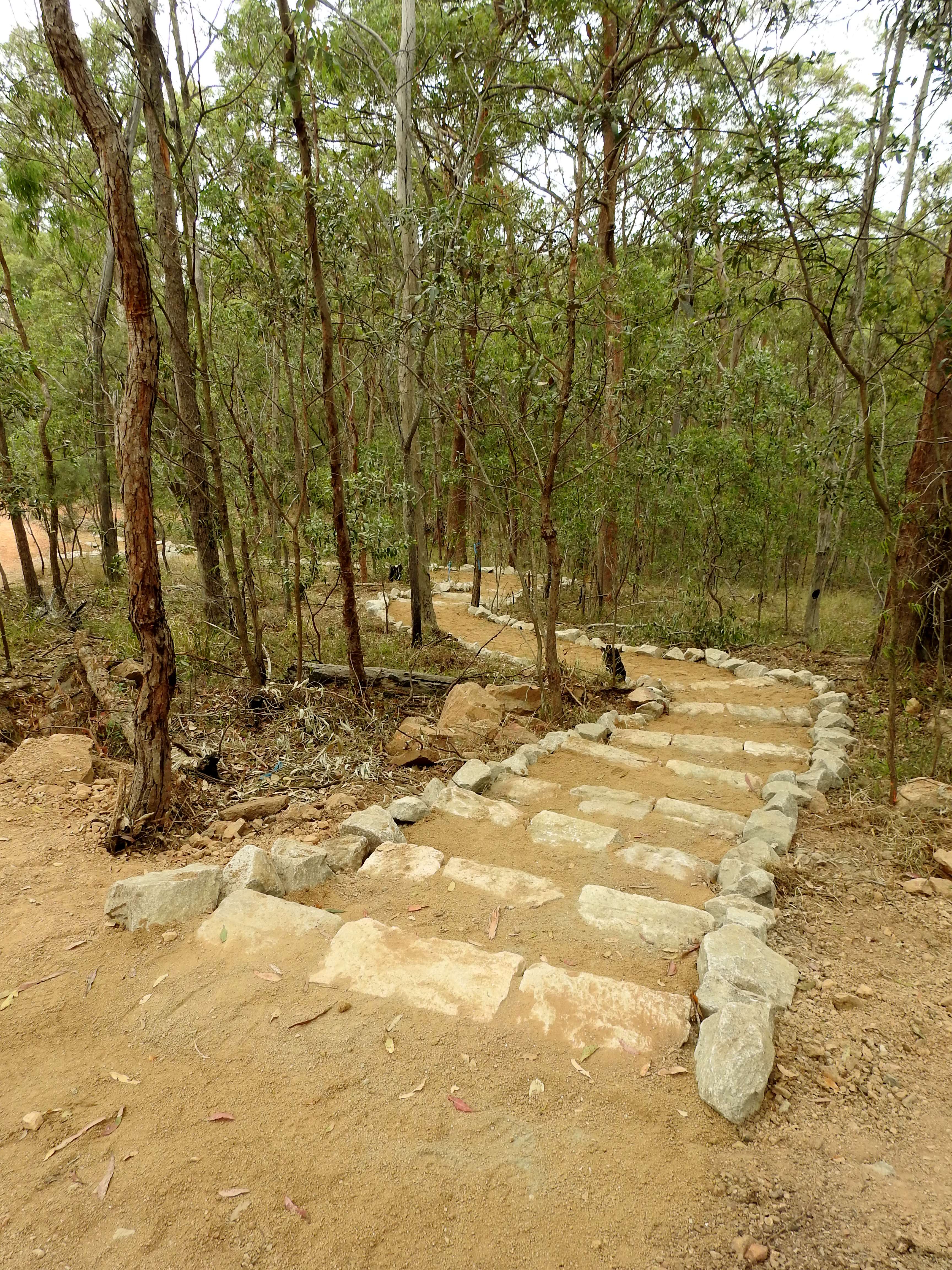
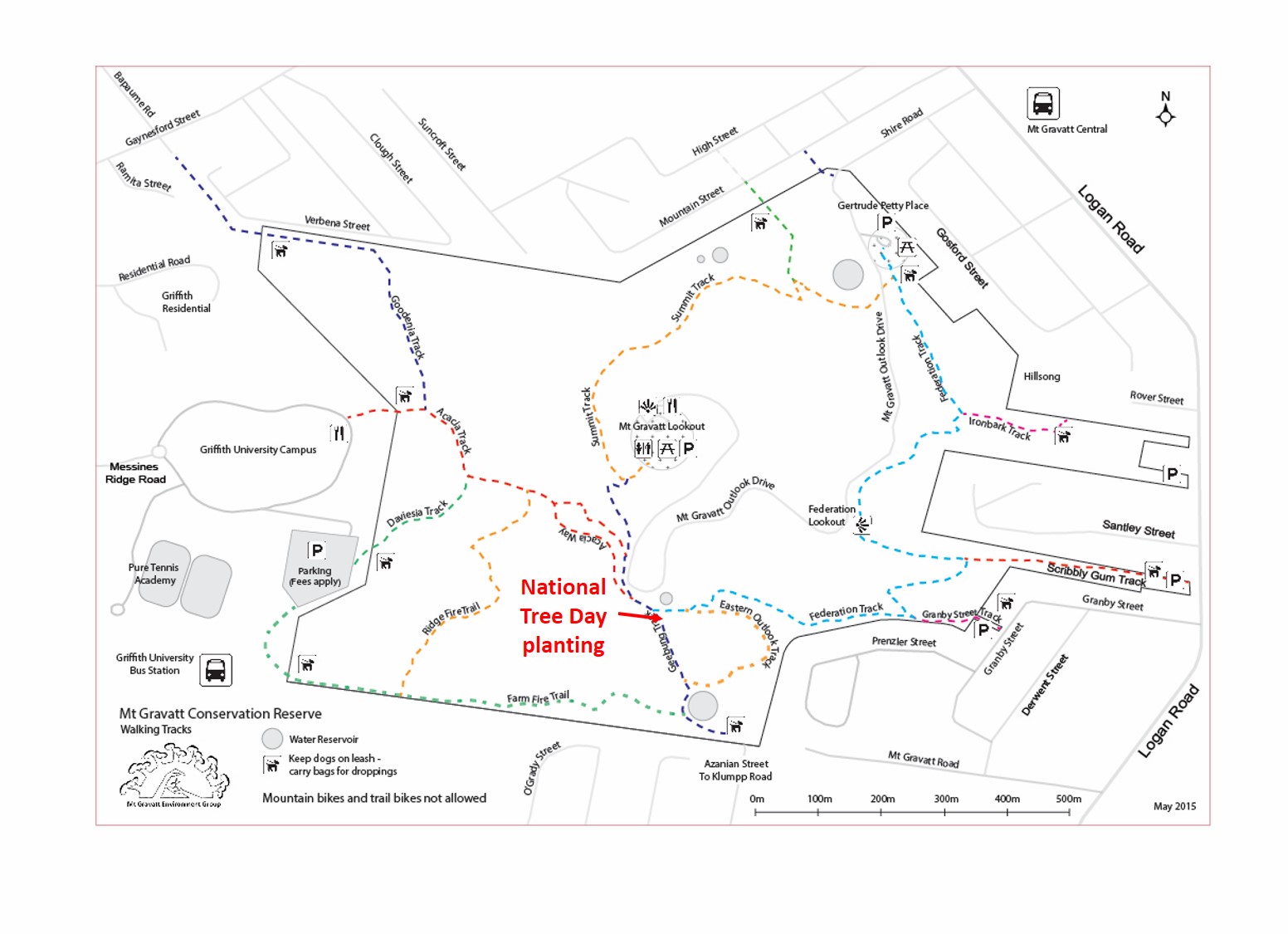
The new track starts near the Glider interpretative sign and loops into the bush, missing large trees and uses steps to create a safer easier walk.
.
Reconstructed Geebung Track
.
.
.
.
.
.
Professionally made steps rejoin Greebung Track at top of steep section.
.
.
.
.
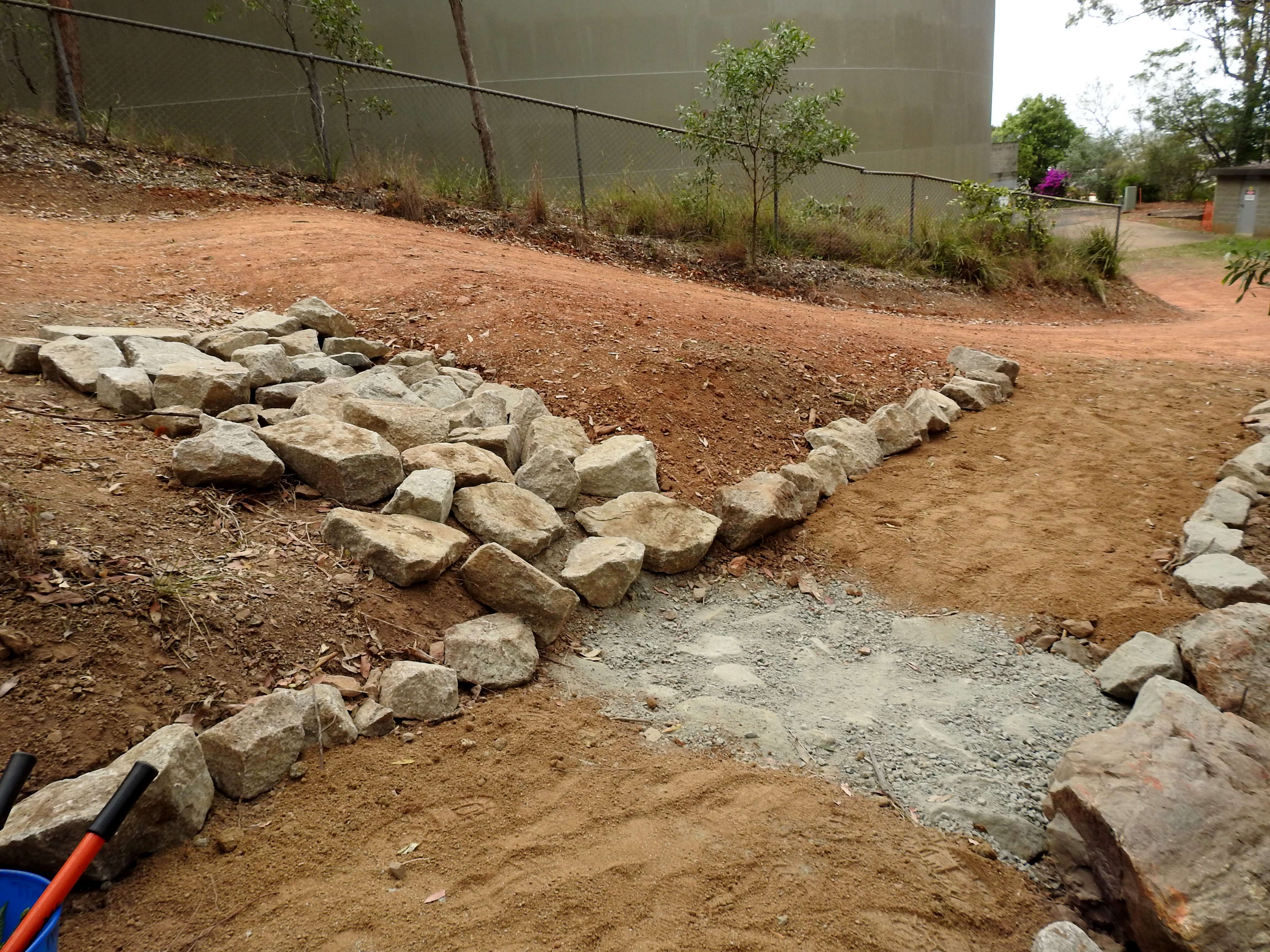
Managing track erosion
.
.
.
.
The Natural Environment team have specialist contractors to do track restoration work. The existing track had already been restored right up to the small green water reservoir. That restoration work included large swales to direct water off the track reducing erosion. The contractors have set up the new section of track with rocks to handle the huge volume of rain water coming off the swales.
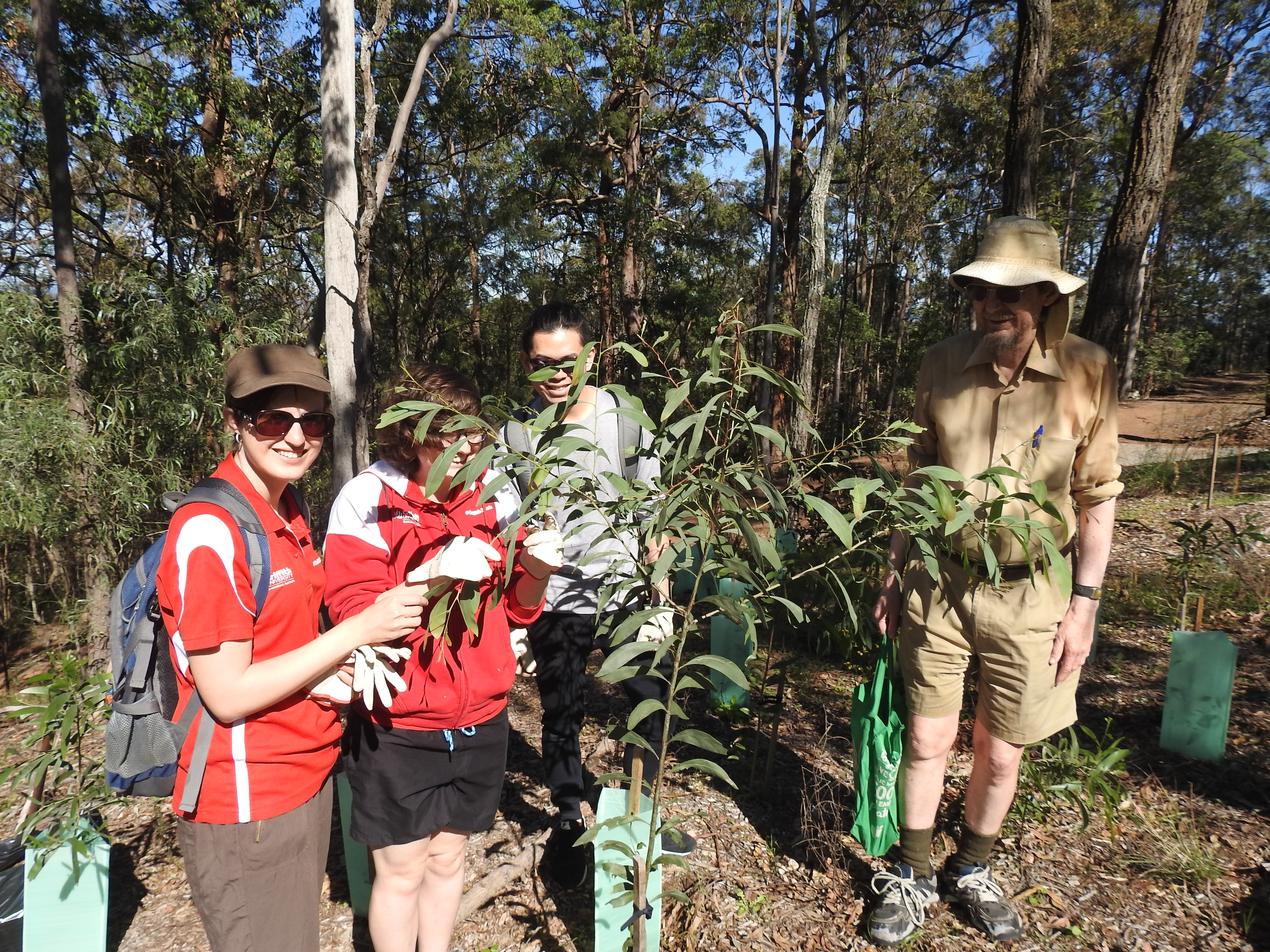
Our Griffith Mates partners have again provided valuable for restoration of our Fox Gully Bushcare site. At the last event for 2016 we first checked what species can now be found in the Small Bird Habitat.
The Small Bird Habitat is an initiative to create the specialised habitat our small forest birds like Variegated Fair Wrens Malurus lamberti. These small insect eating birds are valuable partners in controlling pests in our backyards. Building an effective habitat requires attracting a diverse range of insect species to provide food.
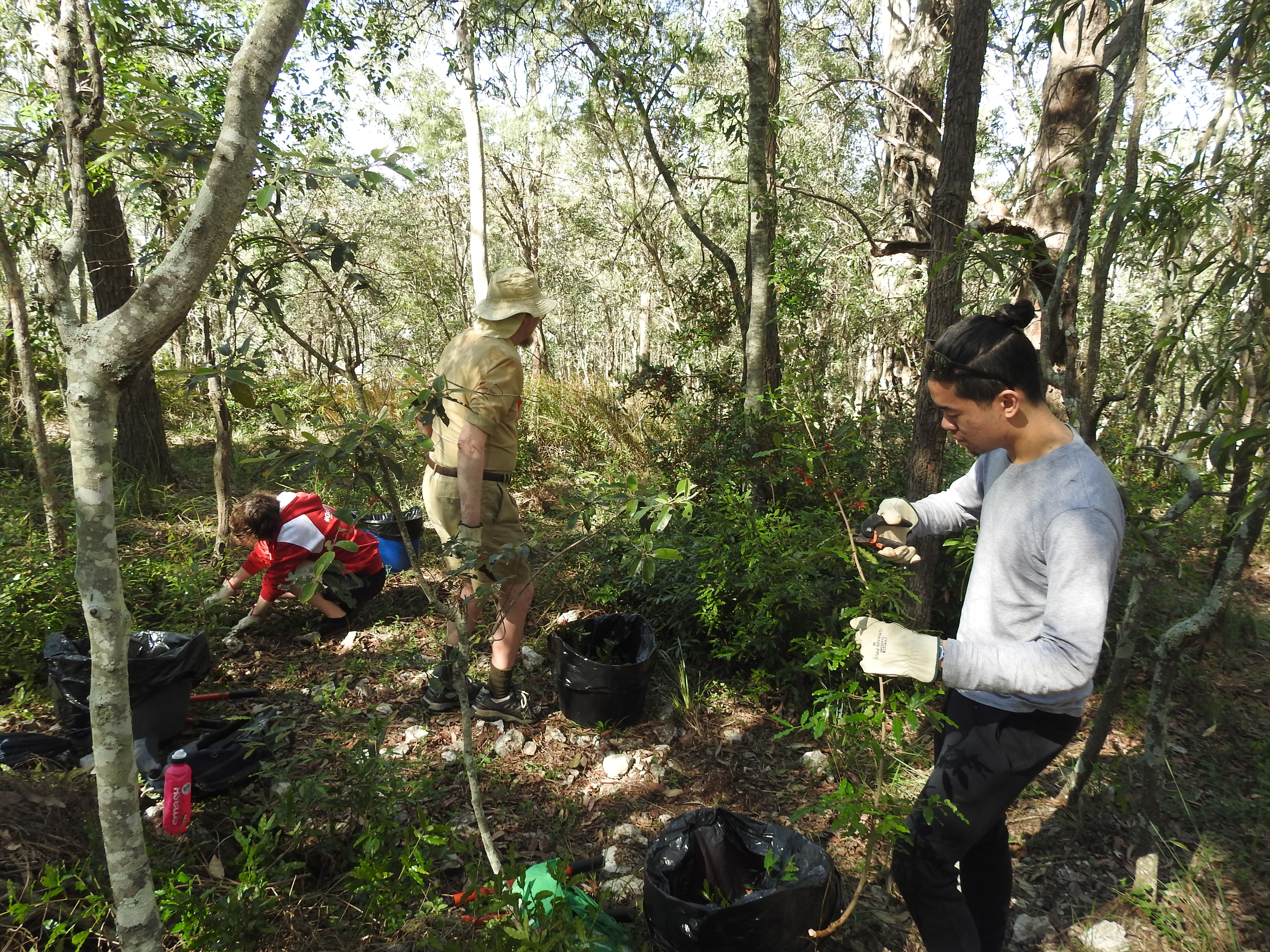
After inspecting the Small Bird Habitat progress we moved onto our Ochna Blitz. Mickey Mouse Plant Ochna serrulata is a deep rooted invasive garden plant with attractive red and green berries that are eaten by birds then spread into our bush habitat. The objective is to start breaking the weed cycle by collecting, bagging and dumping the seeds then poisoning the plant. Eradicating or at least reducing Ochna in the Reserve will take years but systematic clearing of smaller areas will progressively reduce the spread.
We look forward to partnering with Griffith Mates again in 2017.
The planting site is looking great with trees and vines planted in 2015 now flowering and producing seed. A Sickle Leaved Wattle Acacia falcata is already hosting caterpillars of the Imperial Hairstreak Jalmenus evagoras butterfly.
.
The caterpillar is protected by “Kropotkin” ants – Small Meat Ant Iridomyrmex sp. The ants provide protection in return for sugary fluids secreted by caterpillar. Imperial Hairstreaks will only return to breed where both caterpillar food plants and the ants are present.
Kropotkin is a reference to Russian biologist Peter Kropotkin who proposed a concept of evolution based on “mutual aid” between species helping species from ants to higher mammals survive.
The combination of rain and clearing Creeping Lantana Lantana montevidensismeans the Ochna is thriving and it is covered in flowers and seeds. However, the rain also means must easier to pull our either by hand or Treepopper.
















 Mount Gravatt Environment Group