Uncategorized


By: Laurie Deacon

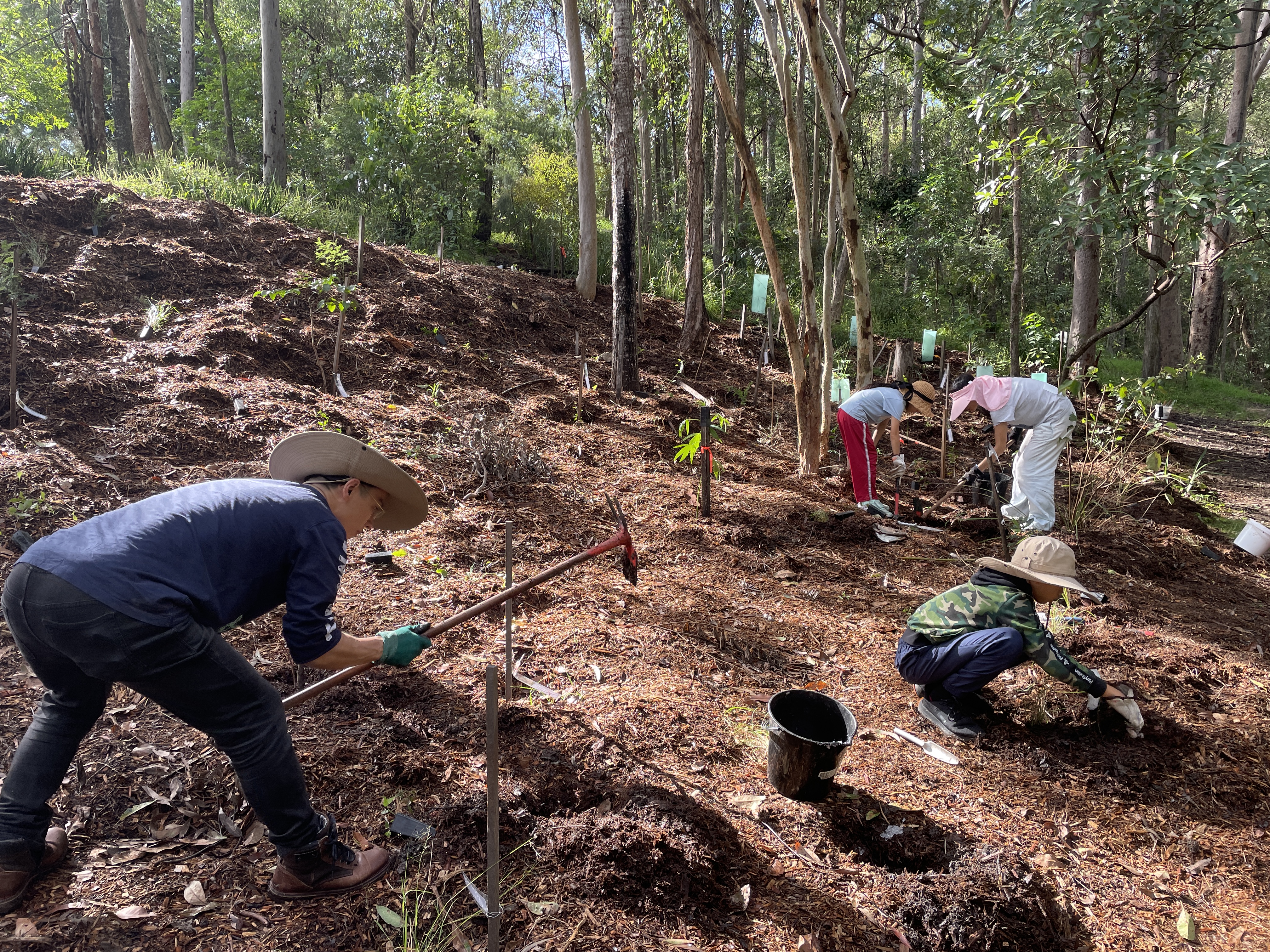
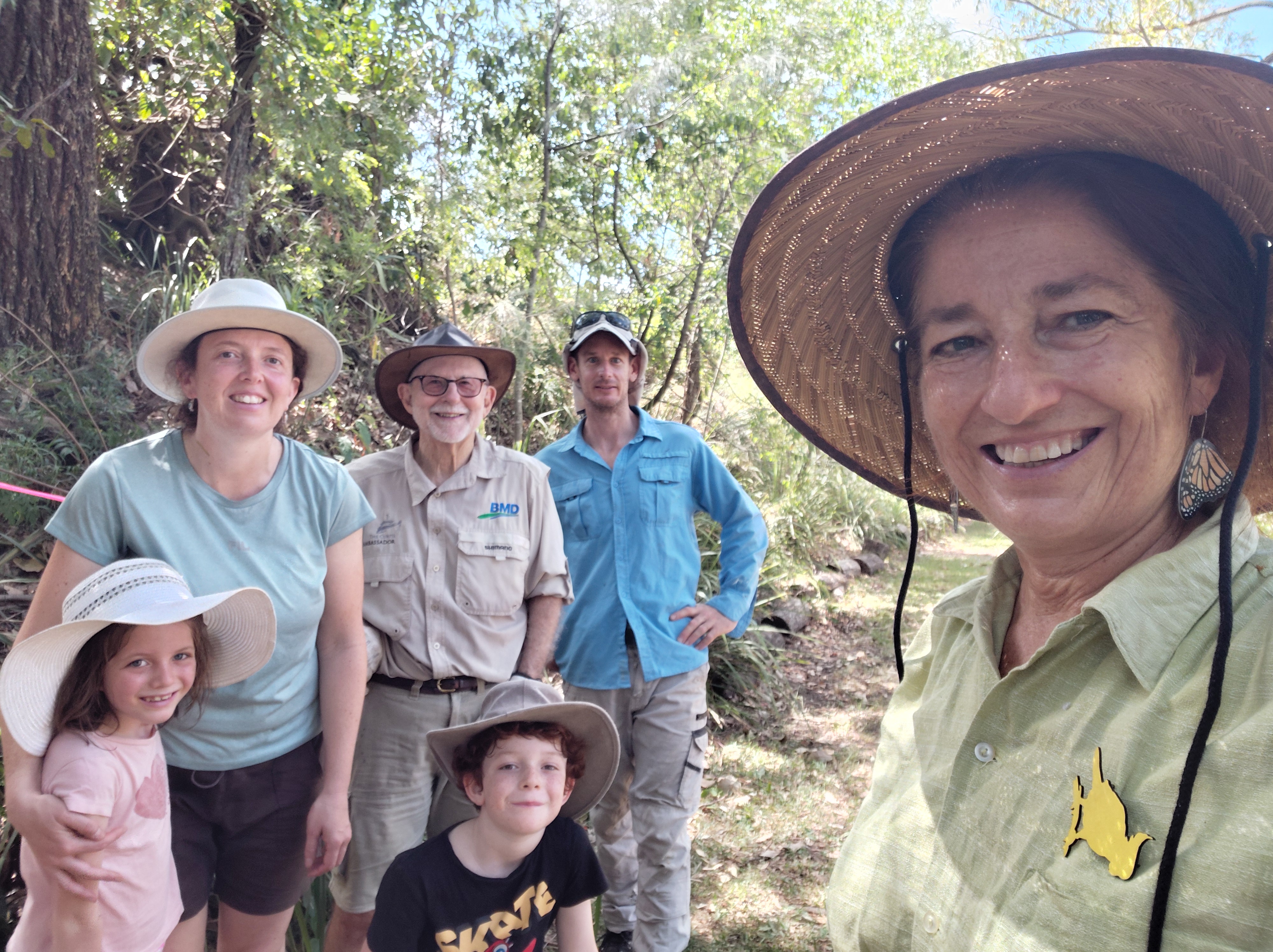
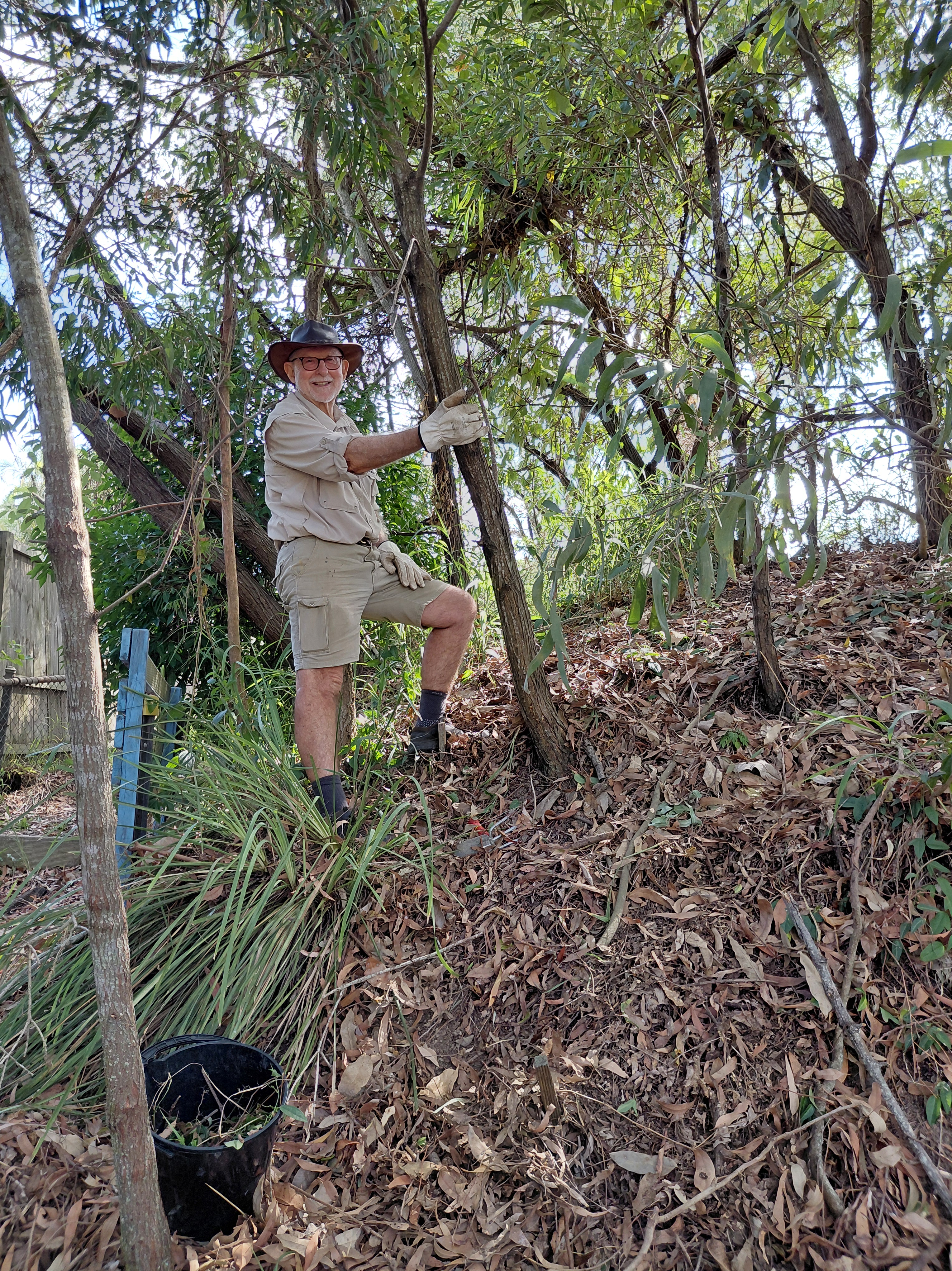
Laurie and her multi-gen team

“I’d like to just say a huge thank you for all your wonderful efforts and care for our natural environment. I can only imagine what a bare and dusty patch of earth that space would be without your love and care.

It’s wonderful how you also bring together a community (young and old) that strives toward a positive common goal and comes together, in action, to be part of something bigger than themselves. 

We’re super lucky to have you, and I hope to help cultivate bigger and better things for 2026!

Marni Spicer P&C President”
Activities.

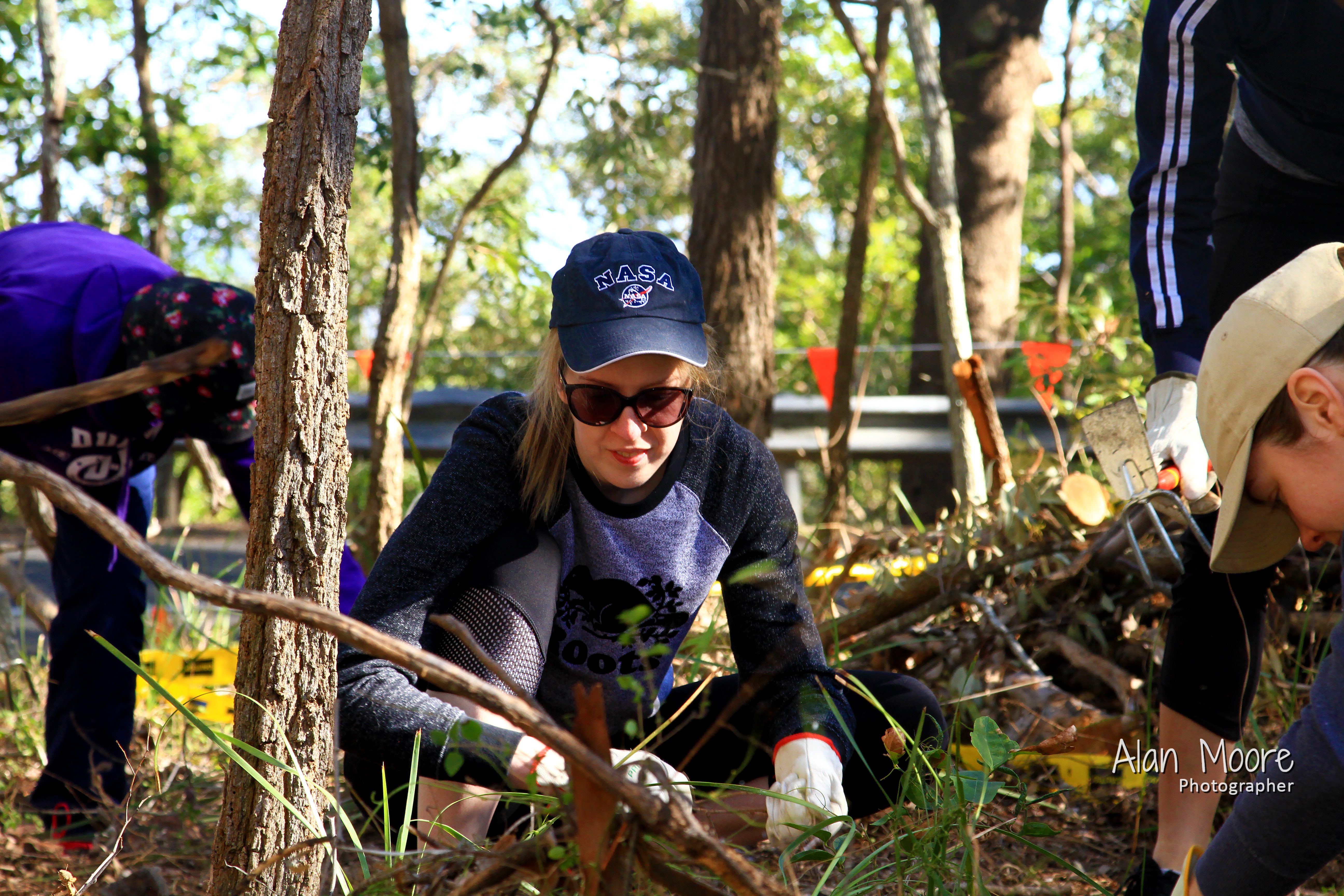
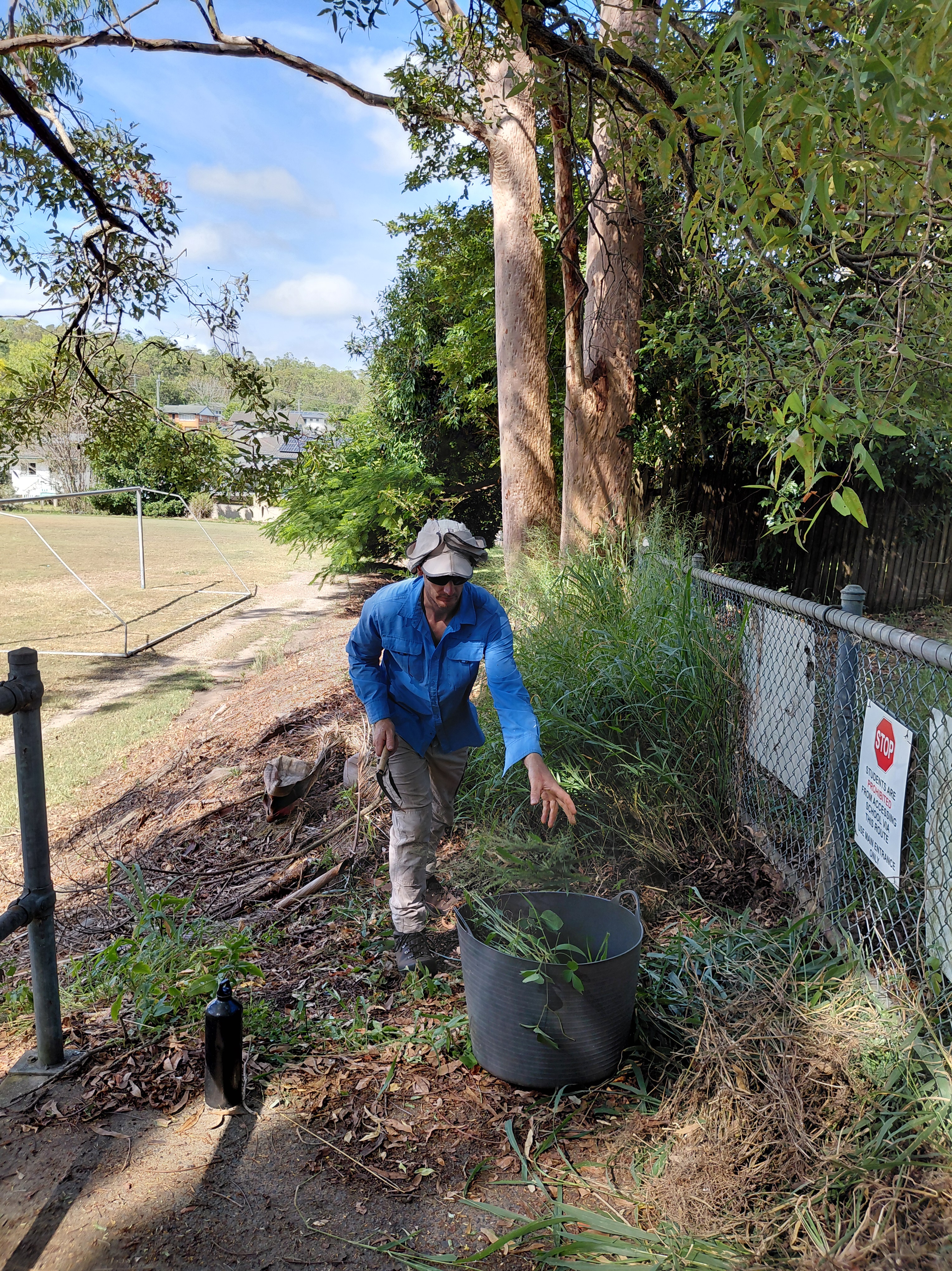
So we did two and a half hours of weeding Corky Passion Vine Passiflora suberosa and other nasty vines so the children did packing of weeds into bags and raking leaves for compost.

And we cut the seeds off the guinea grass and gave all the seeds and the grassy weeds to the neighbors chickens which they eat up beautifully for rich yellow eggs.

Then we shared cold watermelon and iced water and peppermint tea for morning tea. We shared stories of holidays and keeping each other safe and happy in the neighborhood we taught the children how to become good gardeners and to make some money when they get older with the skills they are learning here on the bush site
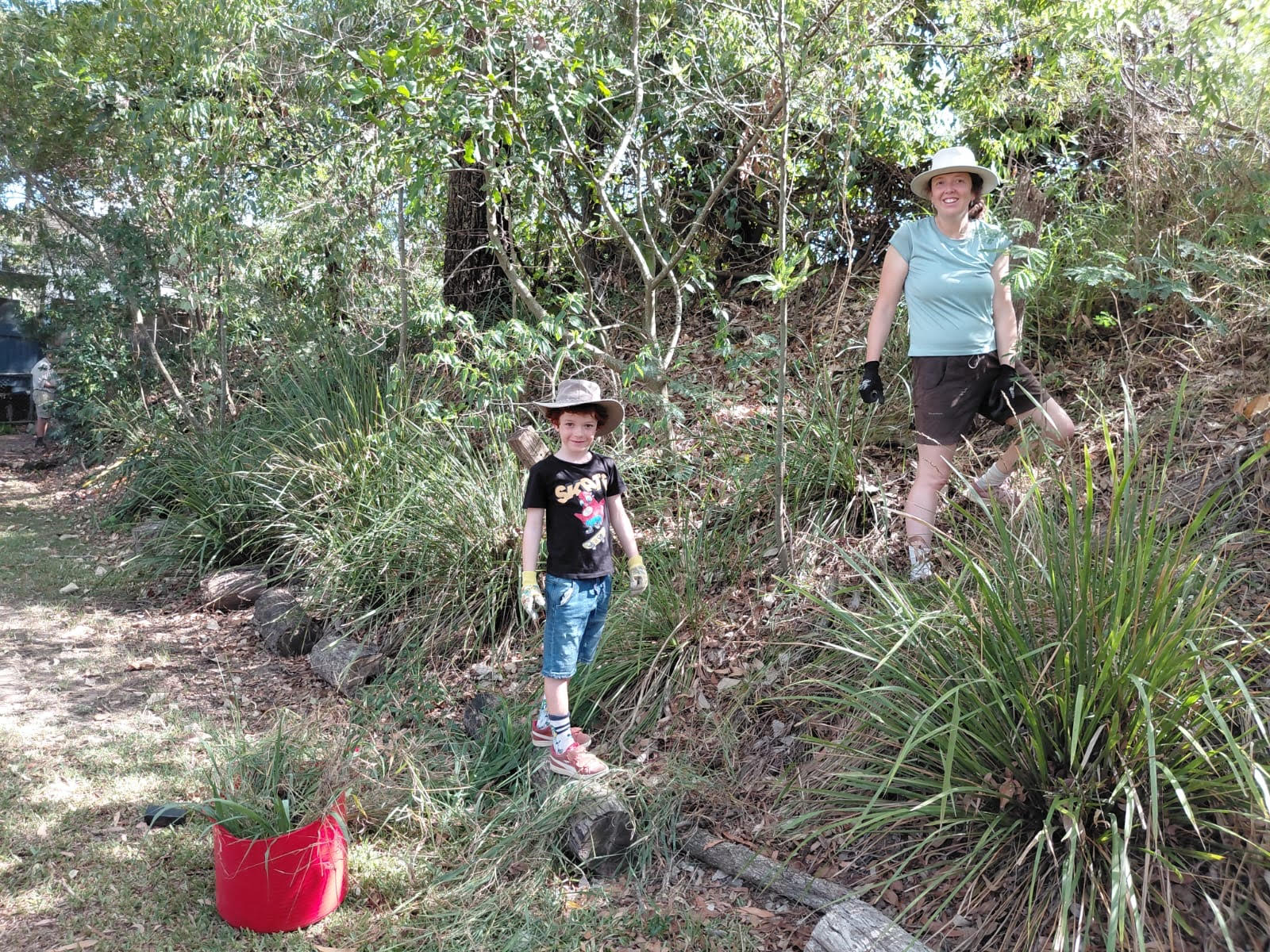
Yang family our hard working new volunteers.

By: Michael Fox

One hundred and fifty trees, shrubs, vines and grasses planted to restore a special bird habitat.

We were joined by the wonderful Yang family: Roger, Maggie, Zoe and Ziv whose hard work was key what we achieved for future of our forest birds. The family all enjoyed the morning especially learning about our local native plants.

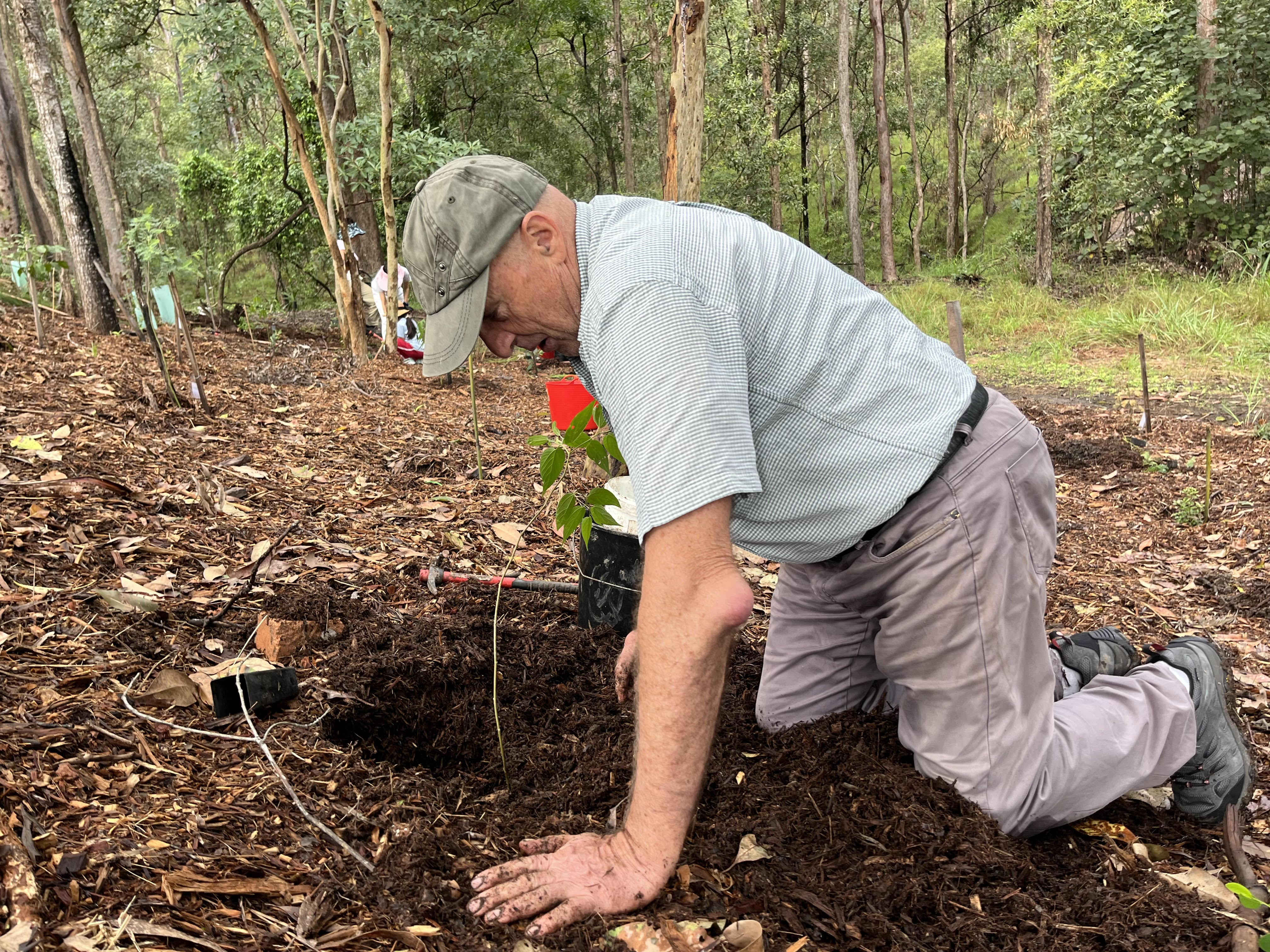
Benno is another hard working volunteer that loves our forest.

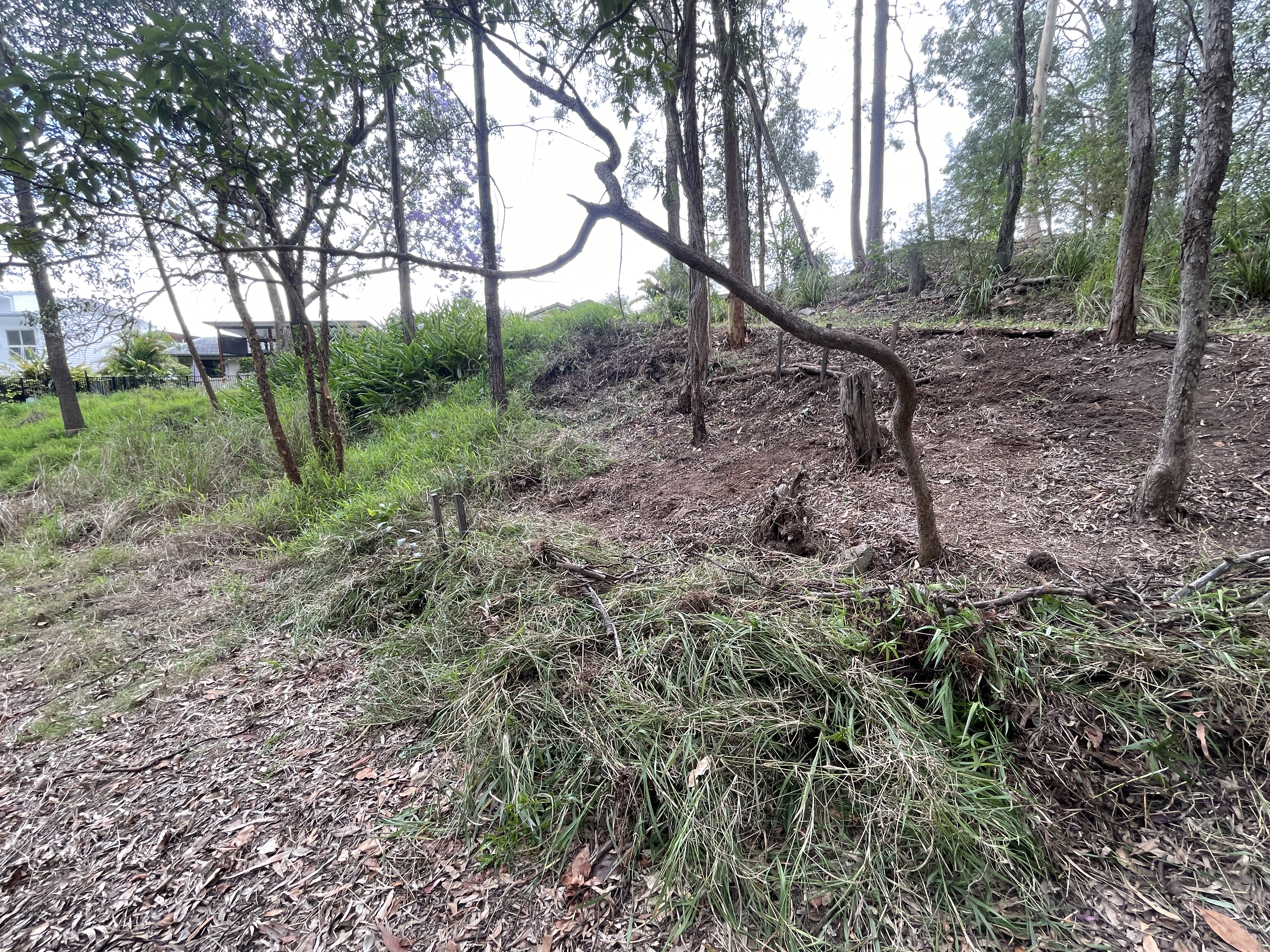
Stage one restoration – weed removal – 22 Oct 2024
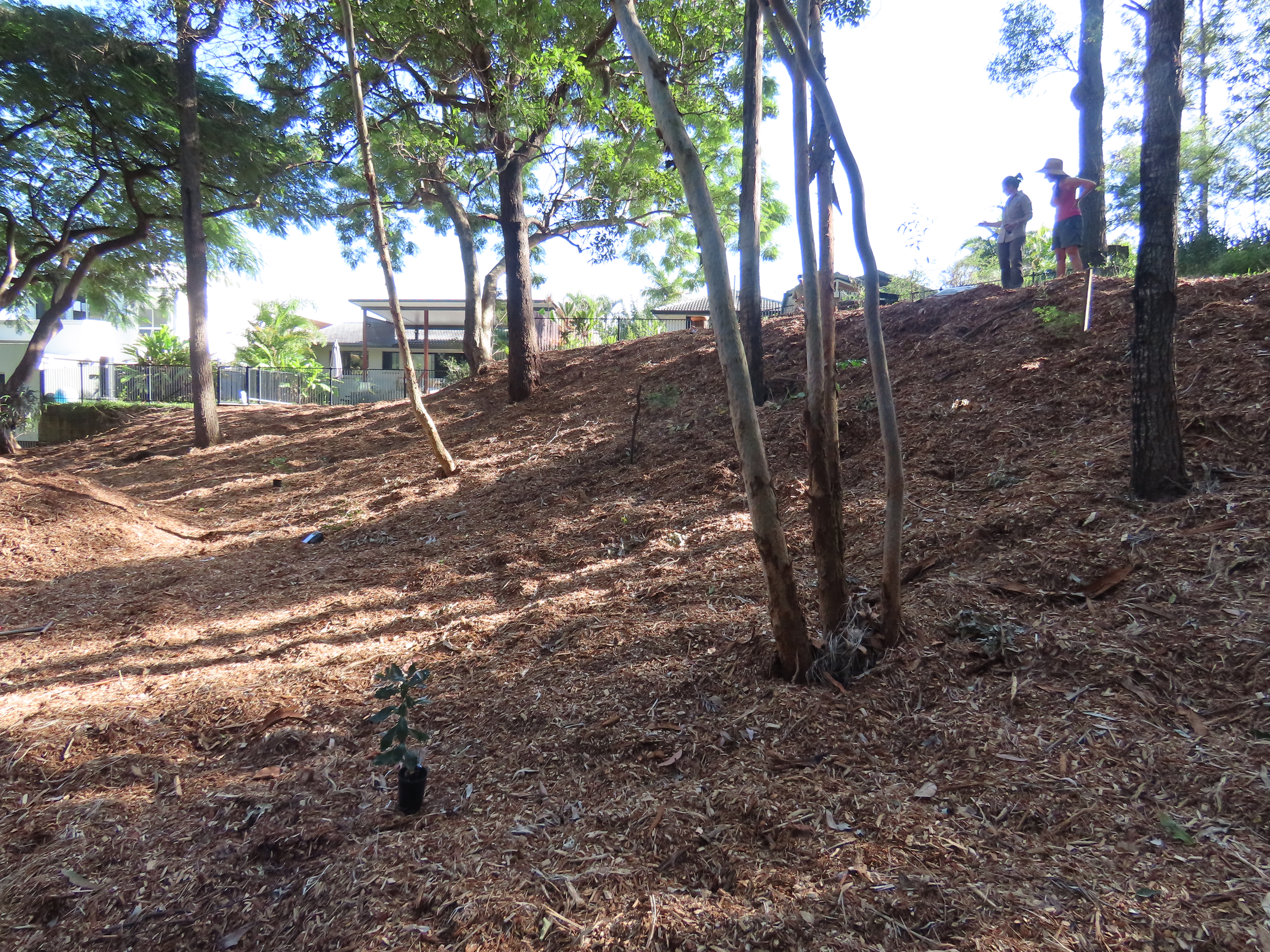
Council Natural Areas delivered mulch ready for planting
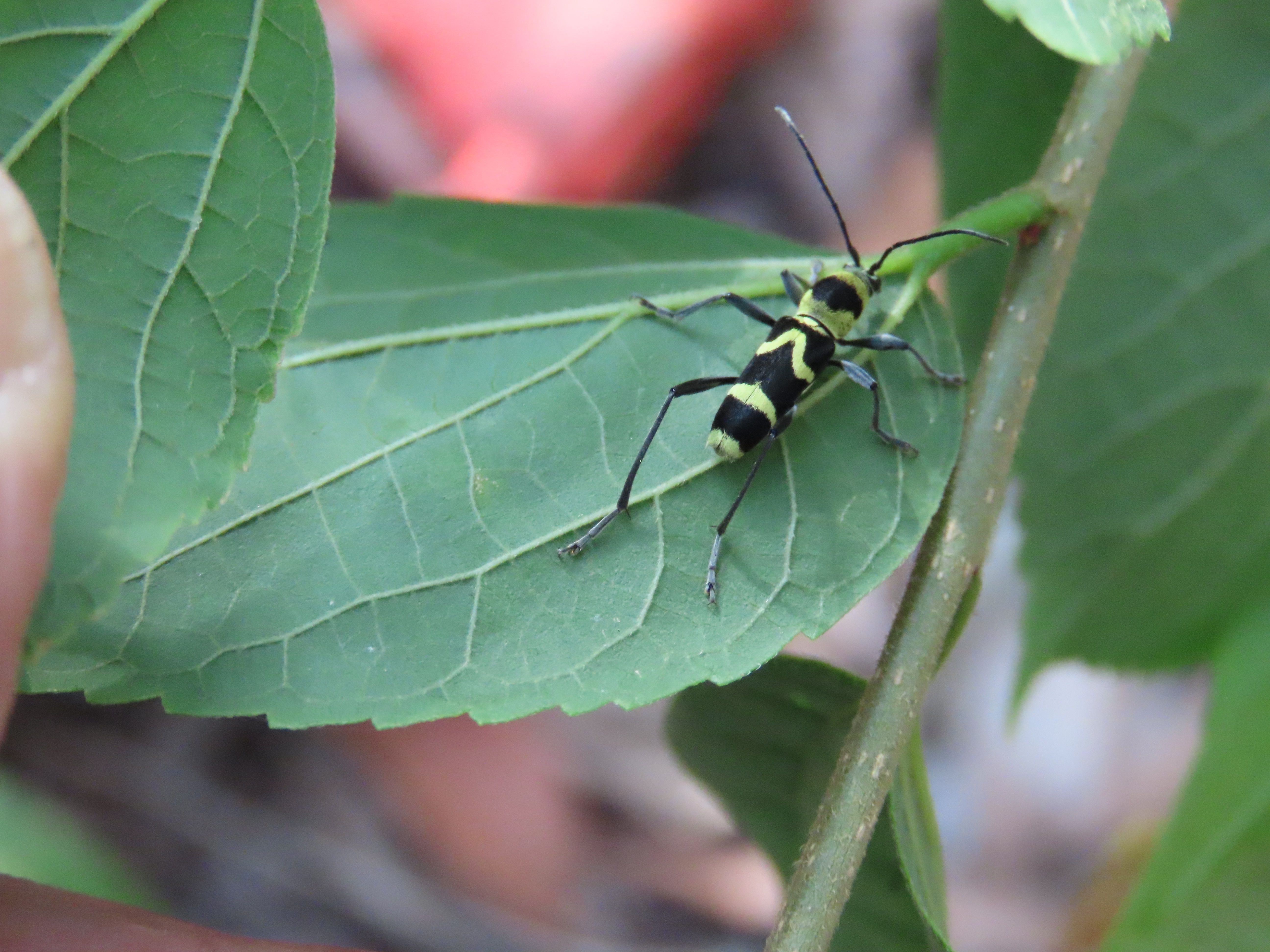
Bugs returning Chlorophorus curtisi – Round-necked Longhorn Beetle
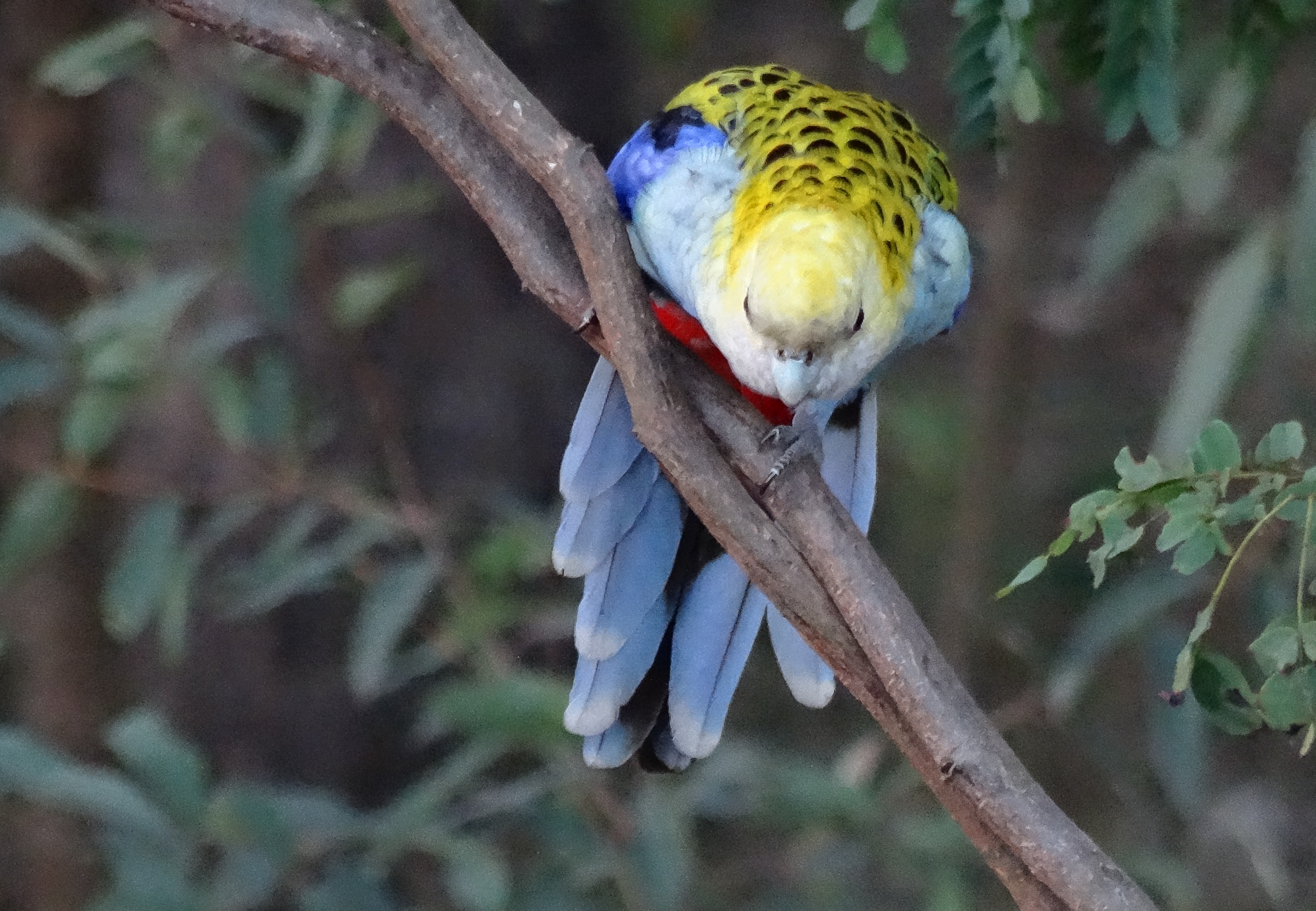
Target birds Platycercus adscitus Pale Headed Rosella
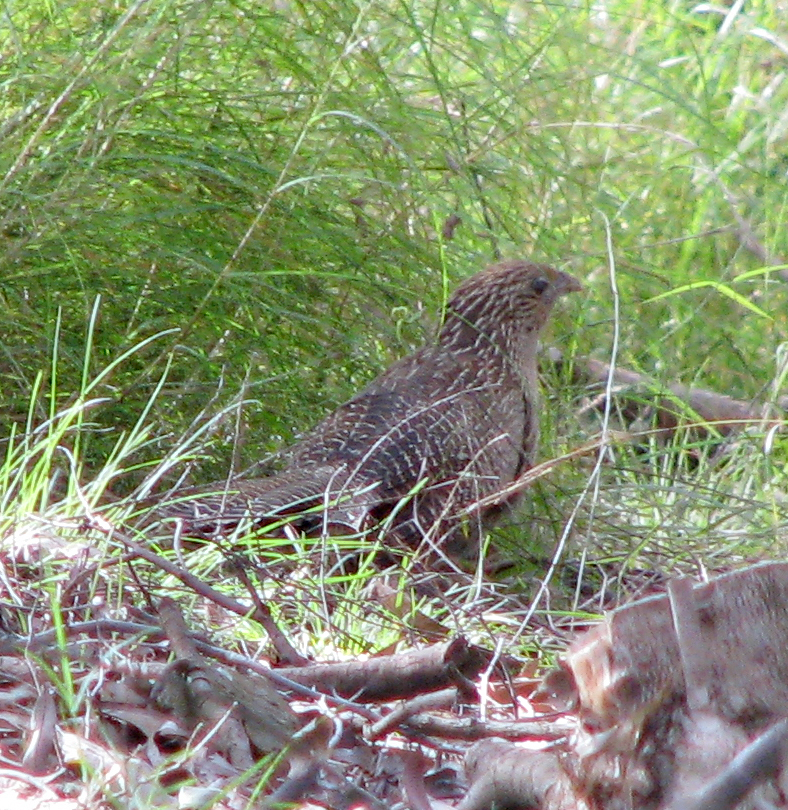
Return of Pheasant Coucal Centropus phasianinus

By: Michael Fox

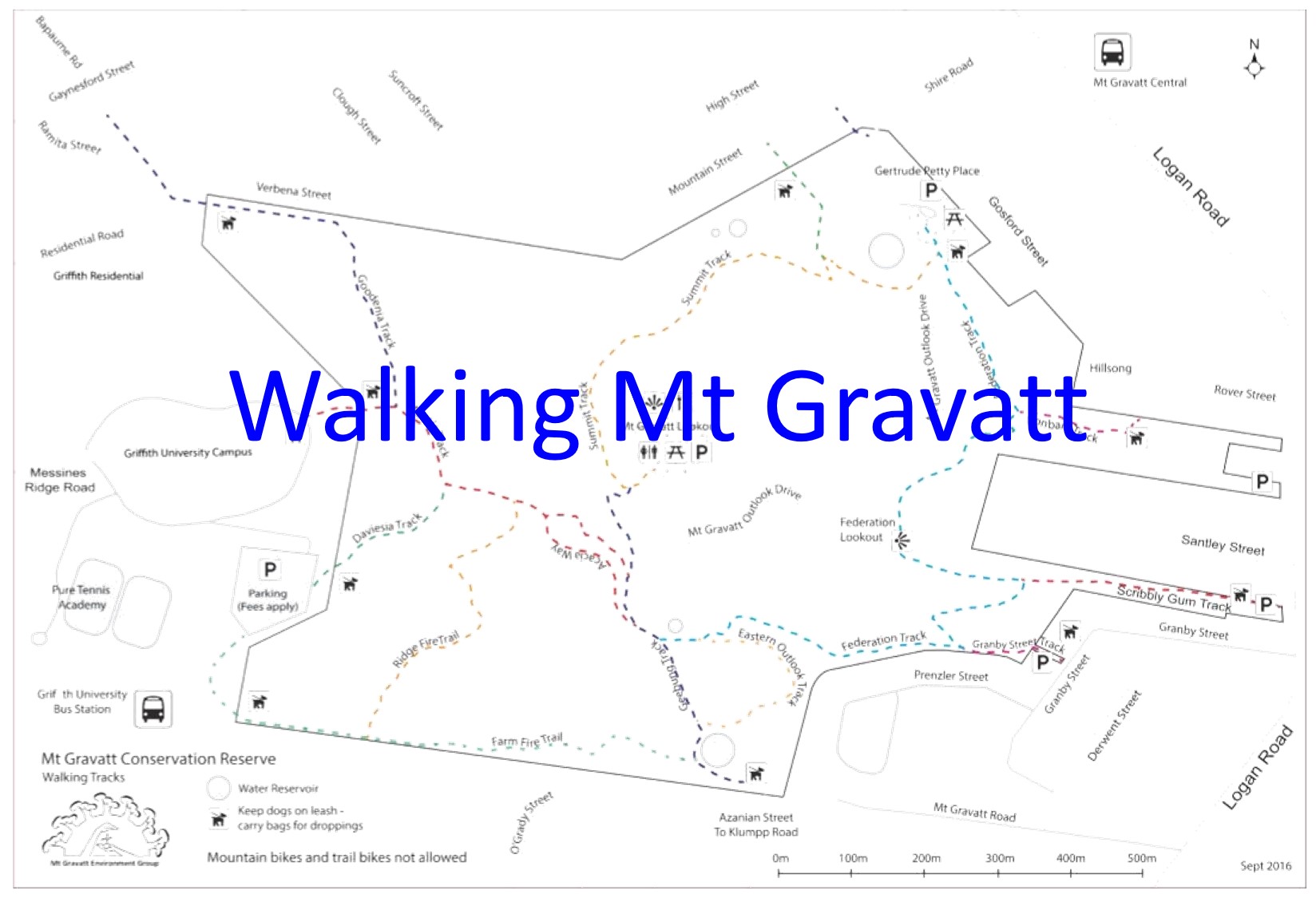
Coucal Corner is a special part of Mt Gravatt Conservation Reserve on the north face and beside the new walking connecting the Goodenia and Summit Tracks. (No yet marked on walking map.)

Native grass habitat: weeds removed.

Named for the Pheasant Coucals Centropus phasianinus that lived in scrubby habitat cleared as the first stage in restoration. Our Fox Gully team is working with BCC Habitat Brisbane to restore native grasses and scrub to recreate the habitat required by the Coucals and other native birds like Superb Fairy Wrens Malurus cyaneus.

.

Fox Gully planting team

Council contractors also cleared weeds and placed a thick layer of mulch on the slope ready for replanting with local native species that provide food for butterflies and shelter for small birds..

.

As part of our regular Tuesday Bushcare the team planted thirty nine plants including trees, shrubs, vines and grasses.

By: Michael Fox

We welcomed five new volunteers today: Asitha, Andrew, Michelle, Kate and Tatiana, It was a perfect day to introduce volunteers to Bushcare … cool in the shade and so peaceful with the birds calling.

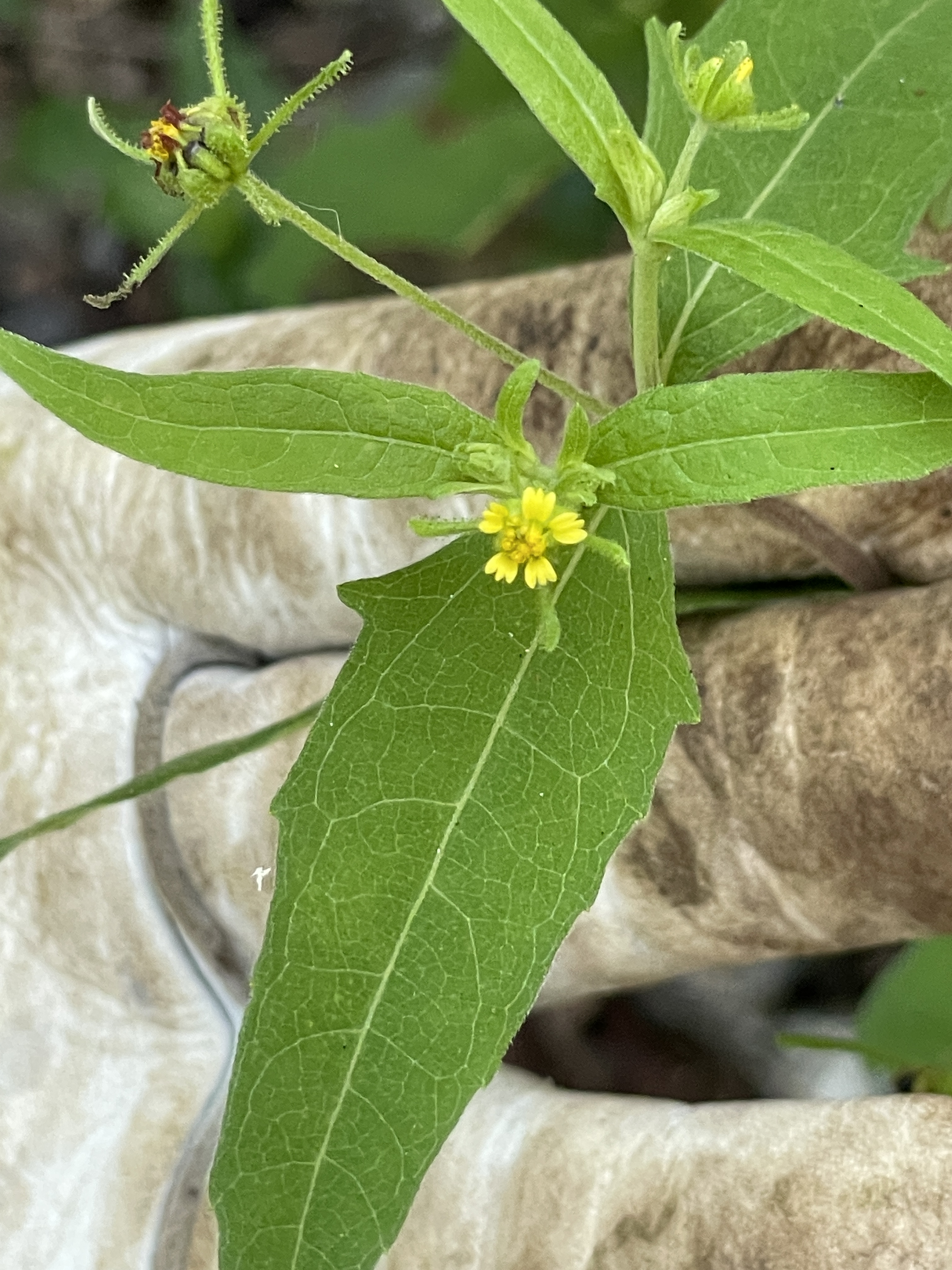
We added a new plant to our species list Sigesbeckia orientalis St Paul’s St Paul’s Wort/Indian Weed. I had this down as a weed but Kate was sure it is a native, so I checked with our Botanist Ann Moran who confirmed. I noticed that many of the leaves were chewed which is usually a good sign of a local native.

.

.

.

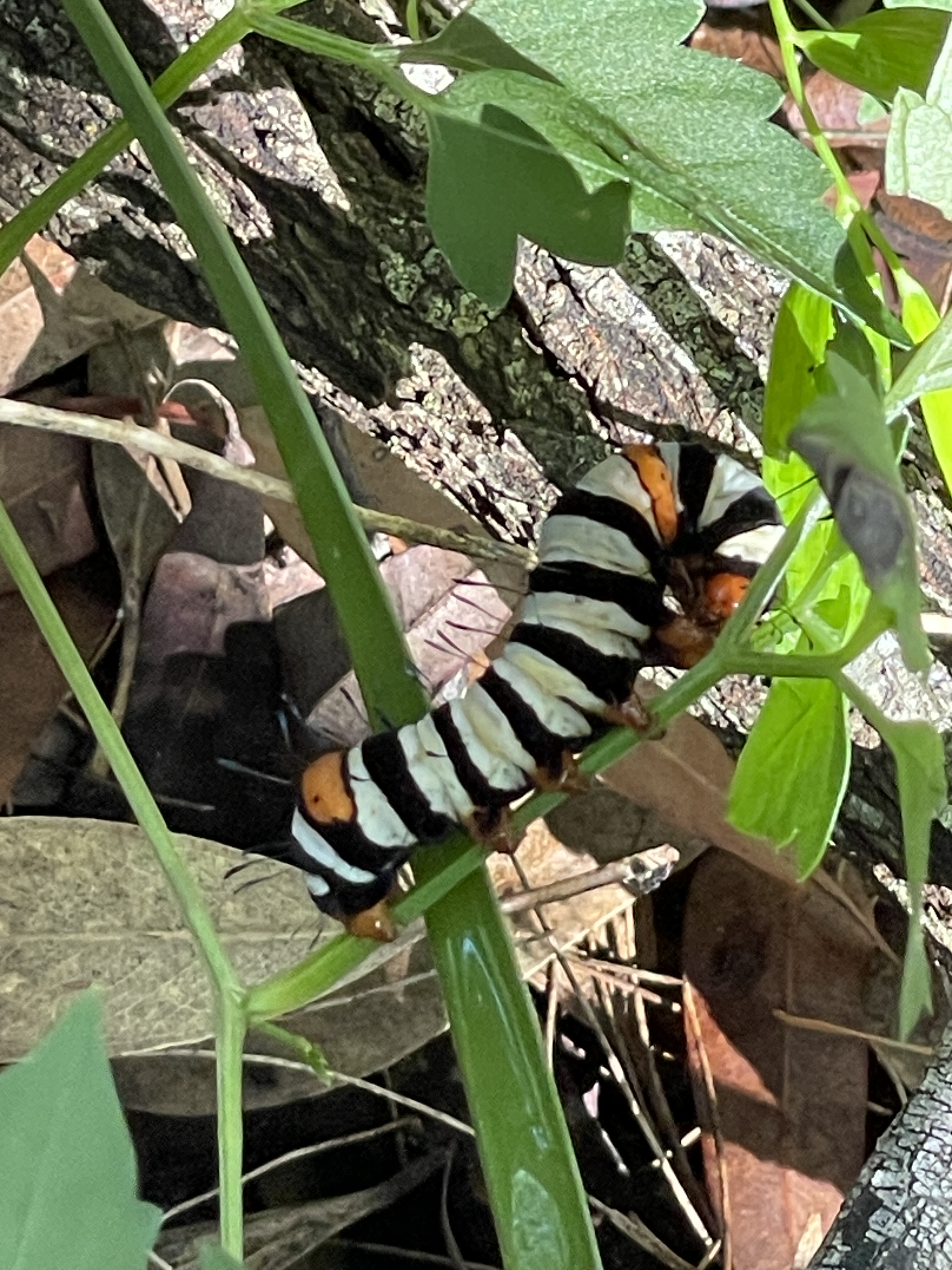
We also found a Joseph’s Coat Moth Agarista agricolamoth feeding on Slender Grape Cayratia clematidea.

.

.

.

.

.

.

.

.

.

.

.

.

.
A beautiful Silver Orb Spider Leucauge granulata was found in it’s web.

.

.

.

.

.

.

.

.

.

I introduced the team to a Brown Eucalypt Sawfly Pergagrapta sp. explaining that this is not actually a fly. Sawfly is a common name for some species of wasp.

.

.

.

.

.

.

.

.

.

.

.

.

A Eucalypt Leaf Beetle Paropsis maculata impressed with its interesting pallet of colours.

By: Michael Fox

Tuesday Bushcare gave us more evidence of the value of Mt Gravatt Outlook Reserve as a key resource of species available to strengthen our urban habitat as our Pollinator Link project brings wildlife back to backyards.

Yellow Hairy Flower Wasp

We found three new insect species to add to our research: Flora and Fauna of Mt Gravatt Reserve.

The large Yellow Hairy Flower Wasp Radumeris tasmaniensis was a special find. Note that most Australian wasps do not sting humans rather the females use their ovipositor to lay eggs in beetles and caterpillars. Most of our wasps work 24/7 as natural pest controllers in our gardens.

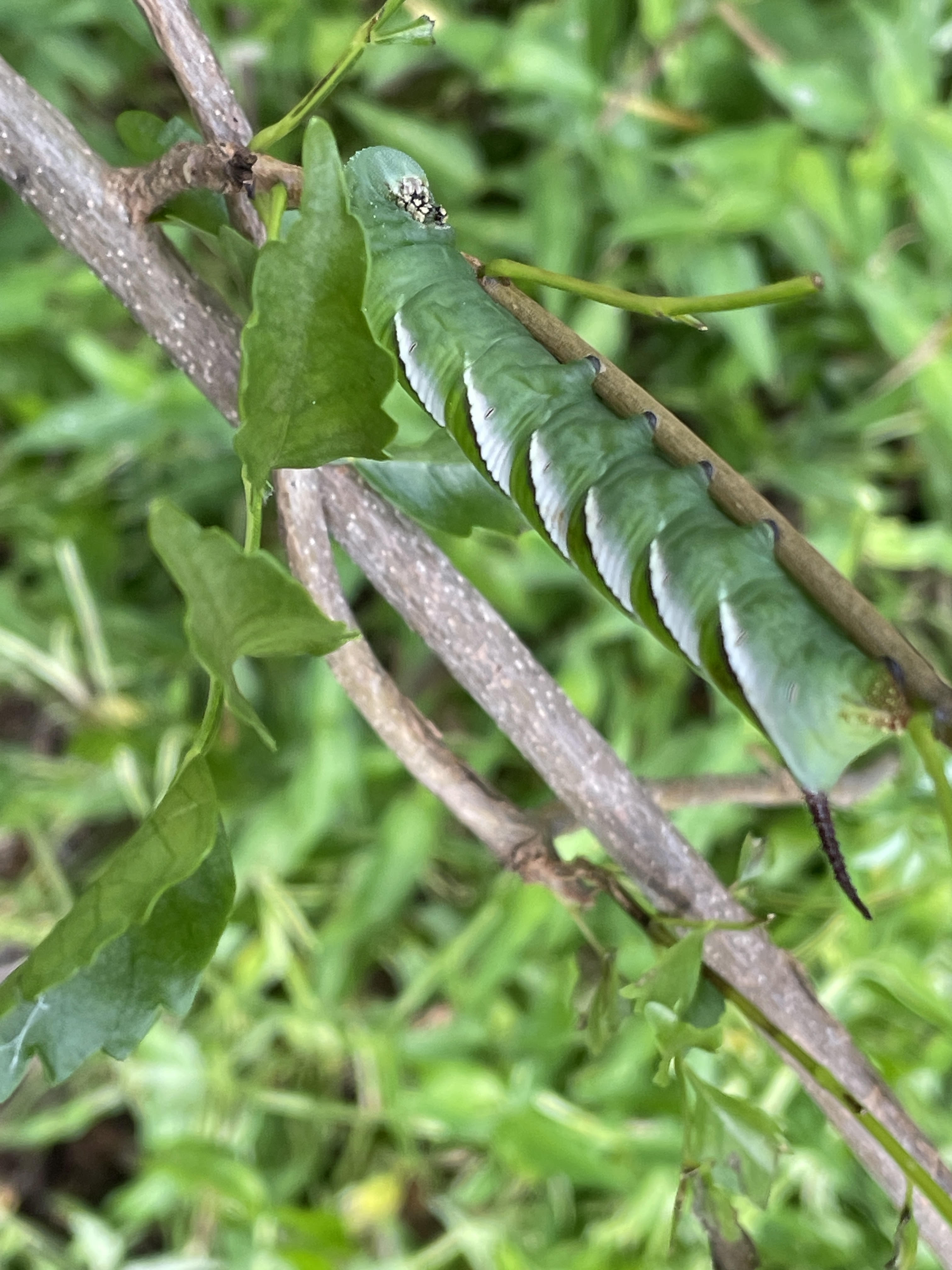
Privit Hawkmoth Psilogramma casuarinae

.

.

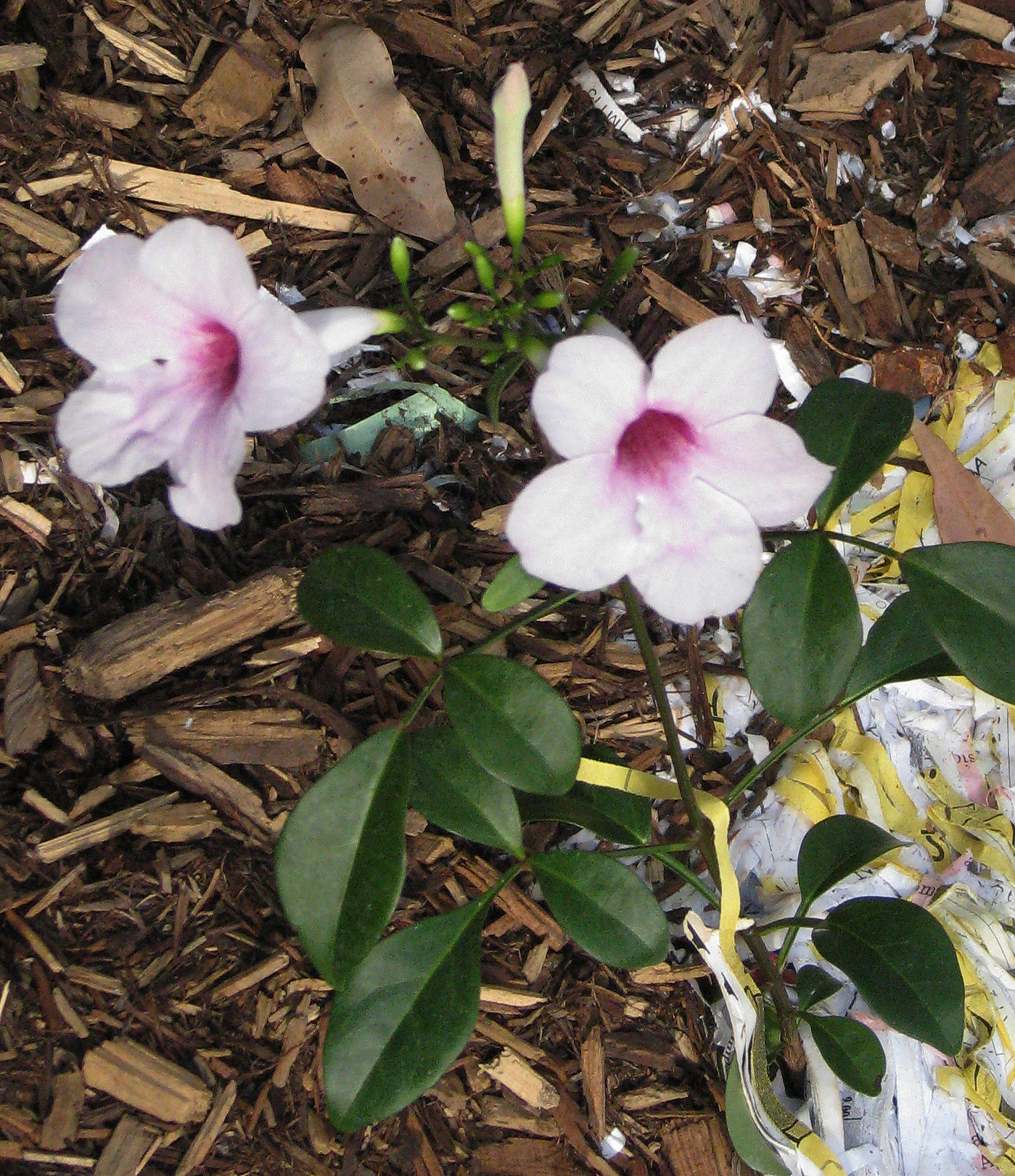
We found the Privit Hawkmoth Psilogramma casuarinae caterpillar feeding on the Bower Vine Pandorea jasminoides.

Hawkmoth caterpillars can be identified by their characteristic spike tail.

.

.

.

.

.

.

.

.

.

.

.

Leaf-footed Bug Pternistria bispina

.

.

.

.

.

.

.

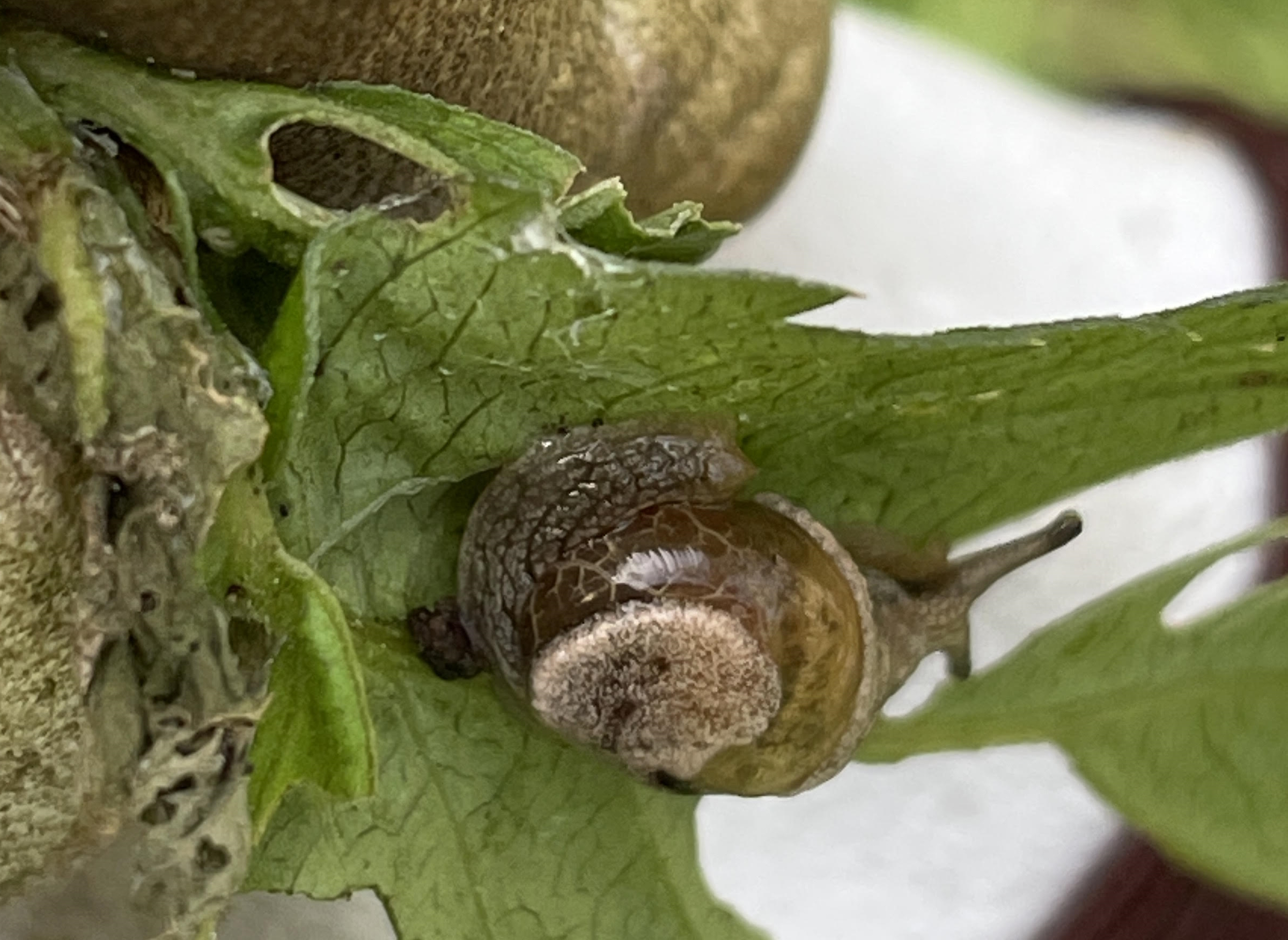
Iridescent Semi-slug (Peloparion iridis)

.

.

Iridescent Semi-slug Peloparion iridis native snail.

.

.

.

.

.

Blue Oides Leaf Beetle (Oides laetabilis)

.

.

.

.

A Blue Oides Leaf Beetle Oides laetabilis was photographed feeding on Creeping Beard Grass Oplismenus aemulus. An native grass that is very effective as Living Mulch suppressing weeds, keeping the soil cool and reducing erosion.

.

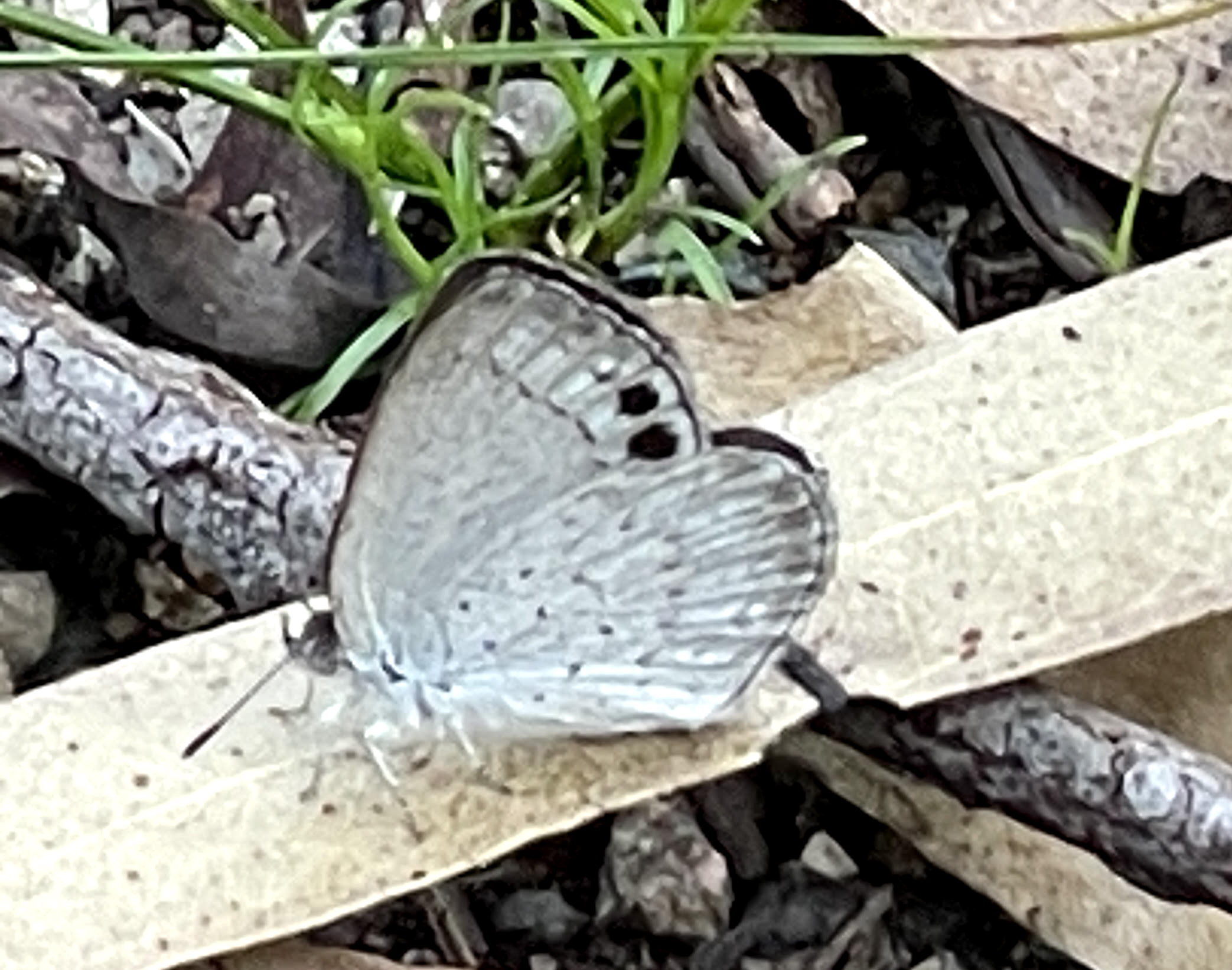
Small Dusky Blue (Candalides erinus)

.

.

.

A Small Dusky Blue Candalides erinus butterfly visited the site.

.

.

.

The potential to bring wildlife to our backyards is powerfully demonstrated in the ABC article: How three housemates in COVID lockdown discovered their Brisbane home was a biodiversity hotspot

“The number grew to more than 1,150 unique species of plants, animals and fungi counted over 12 months.”

Sign the petition to expand this highly diverse habitat SIGN PETITION TO COUNCIL

By: Michael Fox

Griffith Mates are back with five Japanese students visiting to help our Bushcare restoration work.

It is always a pleasure to show our international guests the unique Australian flora and fauna.

.

.

It doesn’t need to be spectacular flowers or Koalas to interest our guests.

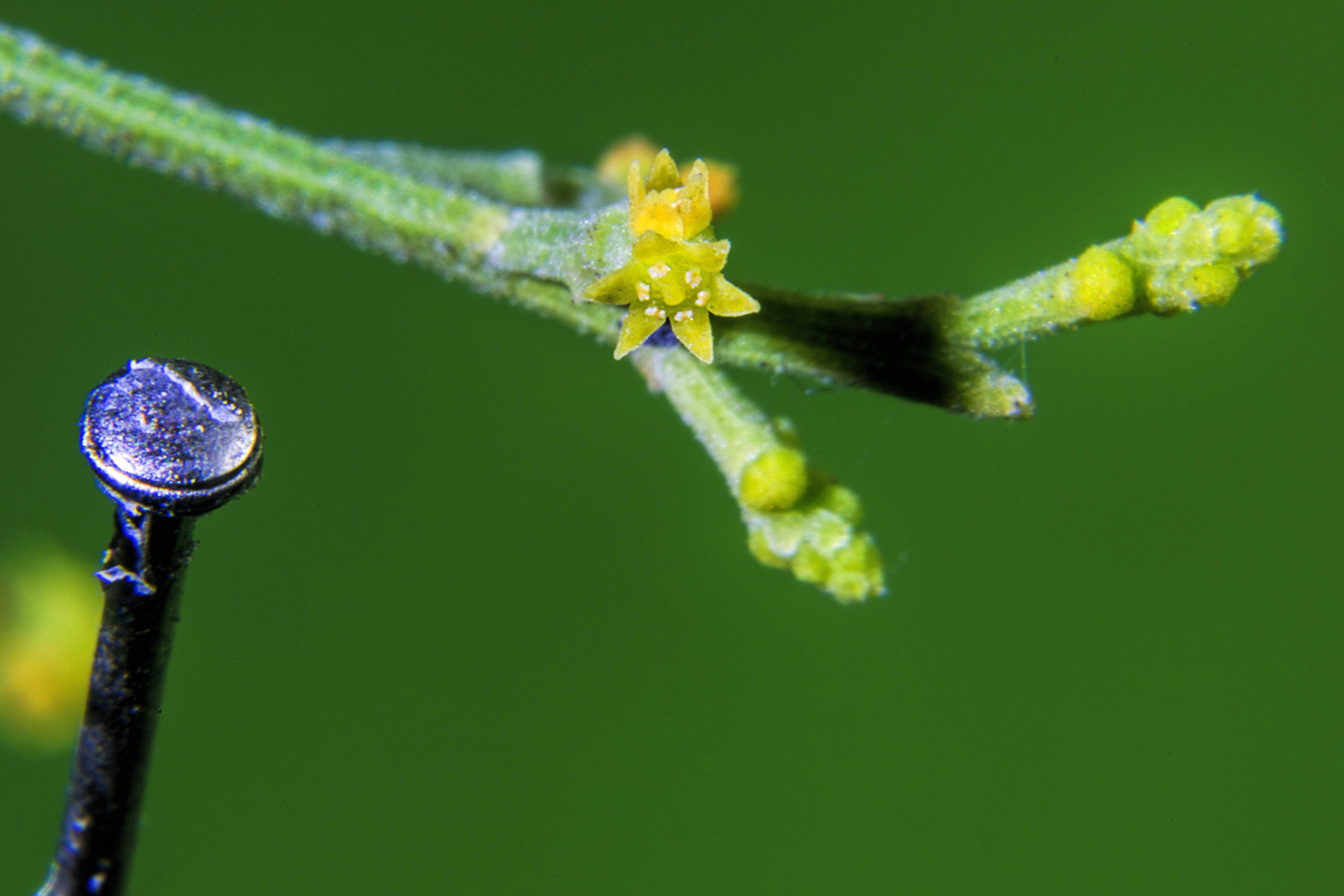
Using magnifying glasses they were able to see our very smallest flowers: smaller than the head of a pin. Exocarpus cupressiformis Native Cherry

This interesting bush food typically occurs among Allocasuarina littoralis Black She-oak on which it is a root parasite.

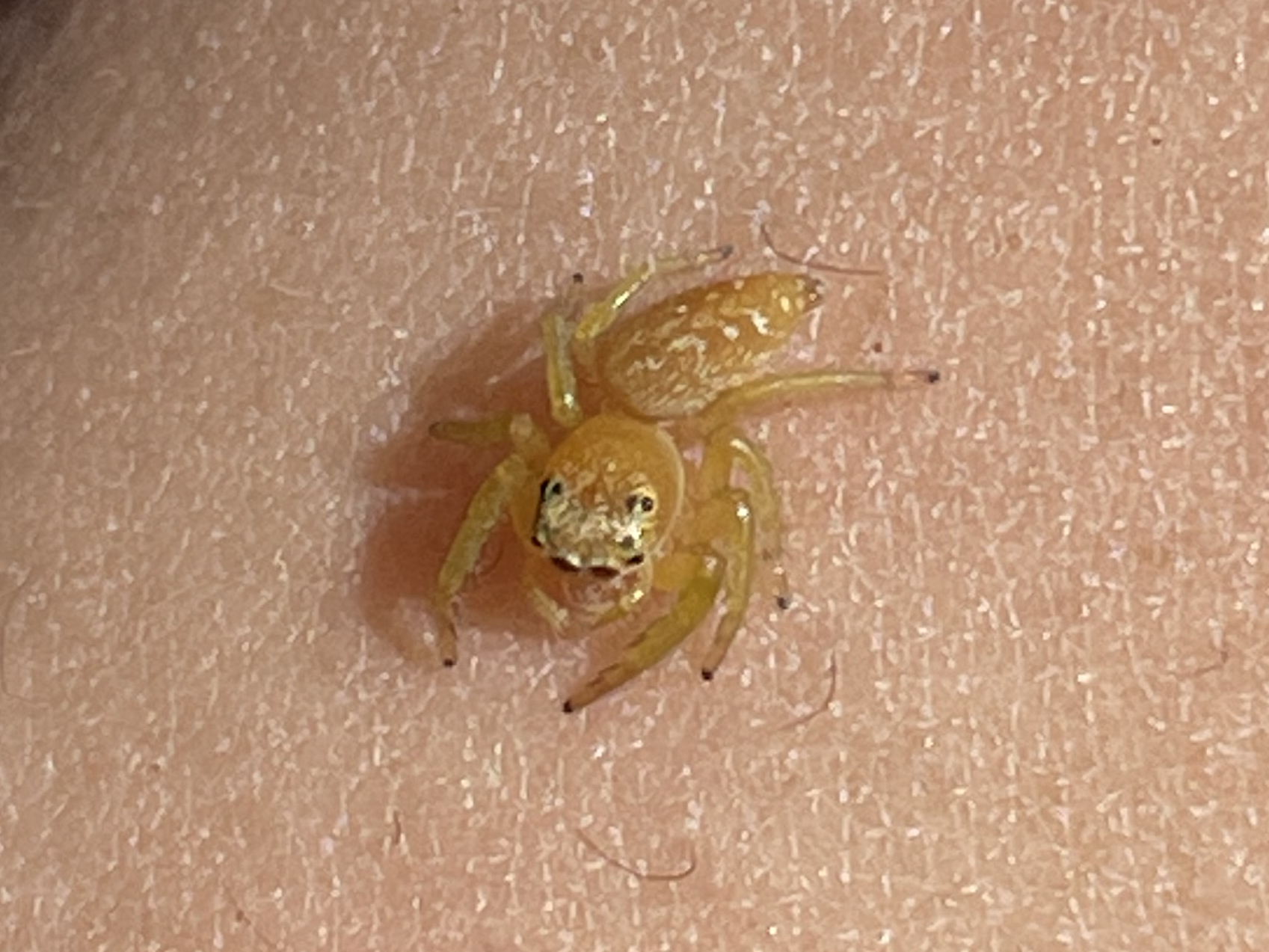
Garden Jumping Spider

.

This Garden Jumping Spider Opisthoncus parcedentatus fascinated the students who were impressed with the distance this tiny spider can jump to catch mosquitoes for lunch.

.

Of course it helped that we found two Koalas in the trees beside the track to the Summit.

By: Michael Fox

How many Koalas are there in Mt Gravatt Conservation Reserve? I am often asked that question.

As part of our 2021 Koala Drinker Research Project and work by Peter Demmers we know there are at least thirteen individual Koalas in the Reserve. We now have a couple with excellent Koala spotting skills they share with other visitors by marking sightings with an arrow on the track.

If you see an arrow on the track, pause look around and say hi to our special locals.

By: Michael Fox

Let’s take advantage of the amazing rainy season and restore more Koala and wildlife habitat in Mt Gravatt Conservation Reserve. We have added at least twenty new flora and fauna species this year.

Join us to plant another 600 wildflowers, grasses, vines and shrubs.

Date: Sunday 31 July

Time: 8:00AM – 12:00PM

Location: Eastern Outlook Track

The 2022 planting site is small so please Register early to ensure a place for this year’s National Tree Day.

Next Page »