Wildlife of Mt Gravatt Reserve


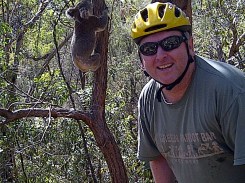
“I remember seeing Koalas in the trees near the creek when I attended St Bernard’s primary school in the ’80s.” I talking with a volunteer at today’s BCC Community Tree Planting at Sunnybank. My informant was pleased to see the new signs on Klumpp Road and hear that Koalas are breeding on the mountain.

Cr Krista Adams organised installation of the signs after the death of a Koala hit by a car on Klumpp Road in December.

Our submission to Cr Adams was supported by our ongoing monitoring of Koalas on the mountain. We are now receiving regular reports from neighbours and people using the walking tracks. Edd and Hazel provided our latest report of a male, female and joey – read Hazel’s Brisbane Adventures for an amazing photo of mother and joey.

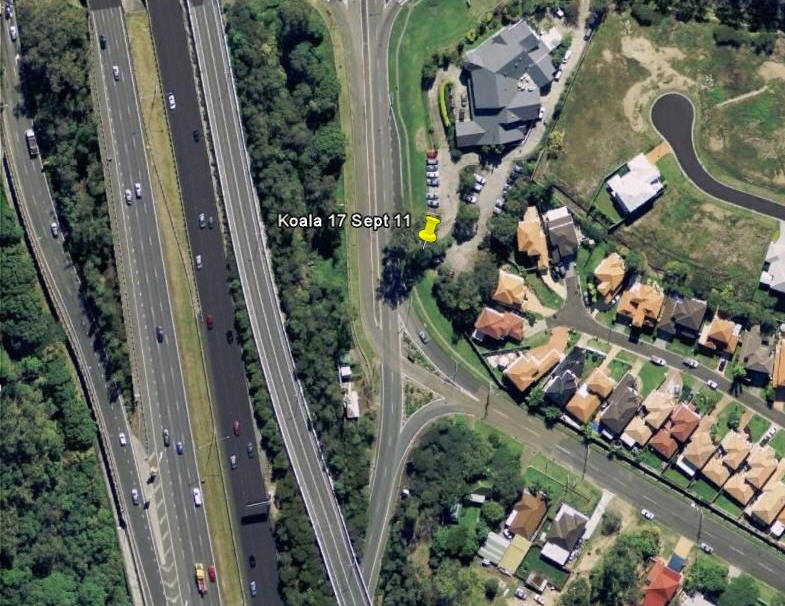
We use Google Maps to record sightings to help us understand their movements and argue for government support for our restoration work. We are also working with Griffith University researchers like Cathryn Dexter – see Koalas returning to Mt Gravatt in Koalas on Mt Gravatt: Who’d have thought it?

Koala Sightings Mimosa Creek Precinct - March 2012

Sunday morning 4th December and John McCrystal and a friend were riding Shire Road to the summit of Mt Gravatt. John, a member of Team Fatboyz, was practicing for the Rio Tinto Ride to Conquer Cancer – August 18-19, 2012, he certainly didn’t expect to encounter two Koalas running down the road towards him!
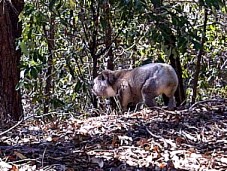
Koalas travel 5 to 10km to find new home territory.

“They came running down the mountain and then starting running toward us on the road. They then froze in front of us started snorting, I think they were scared. We had to shoo them off the road. They then climbed the first tree they found.” John

John grew up on the side of Mt Gravatt and he had never heard of Koalas on the Mountain. I have heard from others that there have “never been” Koalas on Mt Gravatt and any animals found must have been relocated there after recovery from injury. This has always seemed to be an unlikely explanation because injured animals, including Koalas, are returned to locations as close as possible to where they were found.

Koalas on Mt Gravatt – What is the answer?

Southside Community News – Jan 2012

.

Professor Carla Catterall, Griffith School of Environment, advises that from the 1970s to the 1990s koalas were not seen in Toohey Forest, in spite of many naturalists  walking in the forest and doing ecological surveys there.  This has been a puzzle given that Koala food trees are present in reasonable numbers.  Professor Catterall suggests that Koalas may have previously been in the forest then extirpated (local extinction) in the early 20th century.

Koala fur industry

.

Hunting for Koala pelts was a major industry after European settlement. Who would want to wear Koala fur? The Koalas I have handled didn’t exactly feel luxurious and soft. Glenn Fowler’s 1993 report, “BLACK AUGUST” Queensland’s Open Season On Koalas in 1927 available at Australian Koala Foundation site, provides and insight into this unlikely trade.

‘Although (fortunately for the koala) not highly valued, the koala’s thick soft fur soon acquired the reputation as being a particularly effective insulator against the cold – ideal for protecting the human body from “the icy blasts of winter in Northern Canada and Europe”. Koala fur was renowned for its ability to withstand any amount of hard usage.’ Fowler, 1993.

For me, the really sobering thing was realising that as recently as 1927 the Queensland Government approved a six month open season on Koalas. More than 500,000 Koala pelts were delivered to market – a huge impact given the number of pelts that would have been unusable and the joeys left to starve.

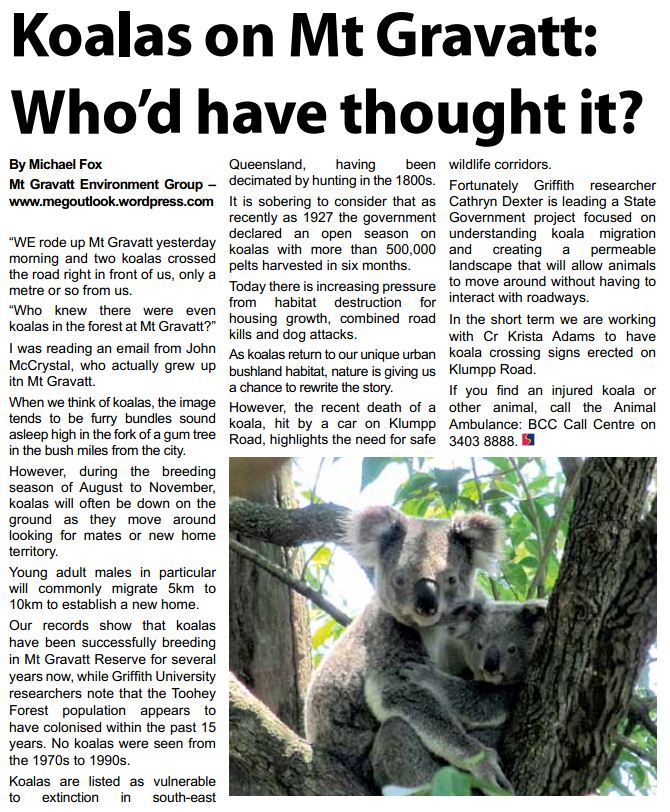
Koalas returning to Mt Gravatt
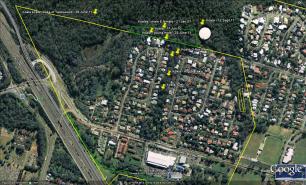
Koala sightings Mimosa Creek Precinct

.

Nature is now giving us a second chance with Koalas now breeding successfully in the Reserve and increasing sightings particularly around our Fox Gully Bushcare site: Mimosa Creek Precinct.

Griffith University researchers believe that there is more functional linkage between Toohey Forest and other forest areas in the western past of Brisbane than might easily be assumed: in spite of the hazards of roads. We have one sighting of a Koala successfully crossing the Motorway onramp however the recent death of a Koala hit by a car on Klump Road highlights the need for safe wildlife corridors connecting Mt Gravatt Reserve with Mimosa Creek, Roly Chapman Reserve and Toohey Forest.

Cathyrn Dexter, Griffith University, is leading a project with Main Roads Department which aims to create permeable landscapes that will allow animals to move around without having to interact with roadways: safer for wildlife and drivers.

We will draw on Cathyrn’s research as we restore the Fox Gully wildlife corridor to improve the chance for Koalas to move safely across Klumpp Road. In the short term we are working with Cr Krista Adams to have Koala crossing signs erected on Klumpp Road. While the active police presence is likely to have much greater impact on speeding, Koala crossing signs will be a valuable community education tools building awareness that nature is returning a special animal to our urban bushland environment.

n

Living on the edge of Mt Gravatt Reserve we often have butterflies visiting our yard. Today I videoed this Cabbage White Pieris rapae feeding on the Thyme flowers in our rose garden.

Michael Braby in Butterflies of Australia describes this erratic flight and feeding behaviour. This butterfly is using his proboscis or haustellum, a hollow straw-like tongue, to feed on nectar. The proposcis in normally kept rolled and extended for feeding.

Southside Community News - December 2011

a

Our Pollinator Link initiative, described in my Southside News article, aims to bring more butterflies to suburban backyards.

If you have citrus trees you may find the leaves being eaten by the caterpillars of Orchard Swallowtail Papilio aegeus butterflies.

kjkjadhfkjh adfjlkadf  lkfdsdk jaldkfj  lkajsdf  lkdf lakd flk df lk lkj df lkaj df alkdjf lakdsf

lasdkf adlkflakdsjf  lkajdf

laskdjf ladf

lasdkflkjlkjafds  adsfkl

In Mt Gravatt Reserve the caterpillars of these spectacular butterflies feed on Crow’s Ash Flindersia australis. 

However if you can be put up with a few chewed leaves on your fruit trees these “bird-dropping” caterpillars

ver if you can be put up with a few chewed leaves on your fruit trees these “bird-dropping”

ver if you can be put up with a few chewed leaves on your b

b

will grow into this larger caterpillar

ver if you can be put up with a few chewed leaves on your fruit trees these “bird-dropping”v

b

b

b

b

which builds this delicate chrysalis suspended from a branch

lkajdflaksjdf la;lskd ;alkdj fa ;laksdj flakjsdf ;lakdj falksdjf

lkaldjf aldskfj adlfkj jl;akds falksdfj asdjf l;akj ;ldkfj aa;sldkf

;alksdjf ;alskdjf a;sldkfja sd;flkasjd f;alksjf asld;kfj  asdlkfj

sdfg

sfg

emerging as this spectacular Orchard Swallowtail butterfly we found in the garden this week.

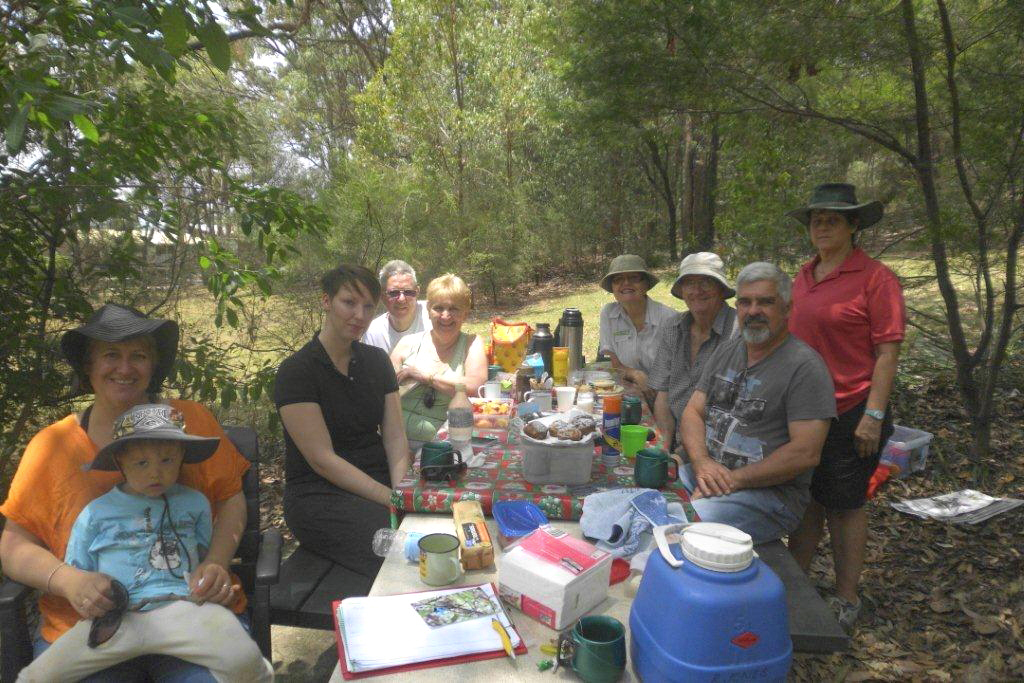
Saturday 26 December – Morning tea after a morning pulling weeds and planting at Gertrude Petty Place Bushcare. A simple happy and appropriate way to celebrate another successful year.

Our Gertrude Petty Place team have been steadily cleaning up the gullies and doing restoration planting. To October the team has put in 211 volunteer hours and planted 249 native plants most of which were propagated by the team members themselves.

Female - Spotted Pardalote - Photo A Kittila

Missing from the photo are Sheamus O’Connor who organised the Mt Gravatt SHS planting at the start of the Summit Track and Brett Dugdale – Rover Street Bushcare … and Kate Flink our wonderful BCC Habitat Brisbane Officer who was taking the photo.

m

m

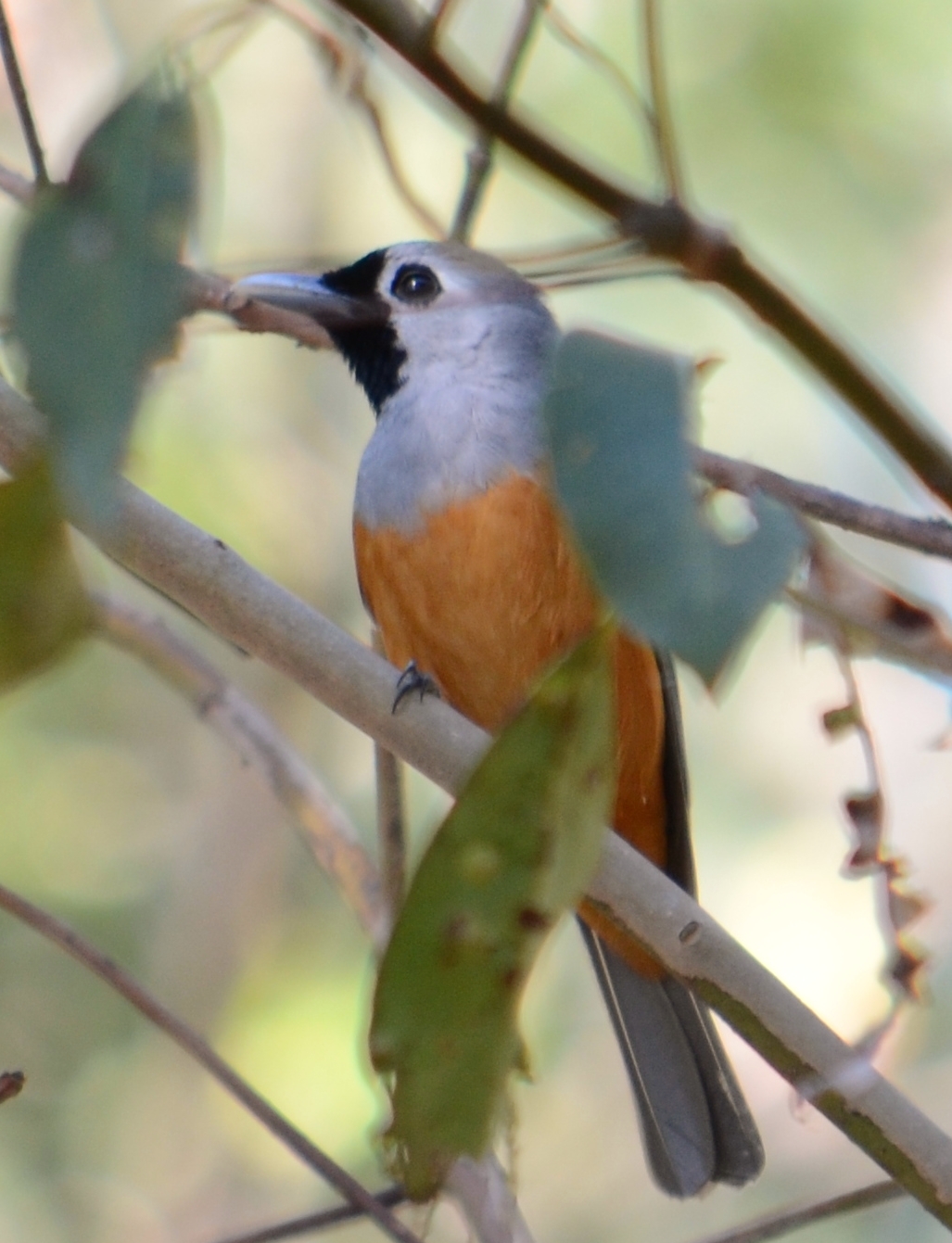
Black-faced Monarch - Photo A Kittila

It is important to note that 211 volunteer hours is only the time spent on-site. As well as that time our volunteers spend time on propagation, talking to school and community groups, applying for grant funding, preparing track guides and coordinating corporate groups like Conservation Volunteers Australia and McGregor Lions.

Others generously contribute information and photos of wildlife like the Spotted Pardalote Pardalotus punctatus and Black-faced Monarch Monarcha melanopsis. Andrea has added three bird species to our Flora & Fauna of Mt Gravatt Reserve bringing our count to fifty one bird species in the Reserve.

a

A Blue Banded Bee – Amegilla cingulata getting nectar from one of our special Bottle Brush Grass Tree – Xanthorrhoea macronema.

It is particularly pleasing to photograph my first Blue Banded Bee today because I am currently writing an article on Pollinator Links for the Southside Community News. Pollinator Links are a form of wildlife corridor that has potential to work in our fragmented urban landscape and they are a key strategy in our Mt Gravatt Showgrounds Precinct Landscape Plan.

Blue Banded Bees are an Australian native bee and an important pollinator of our food crops like tomatoes. Some plants will only release pollen when the flower is vibrated rapidly – buzz pollination.

The importance of these and other native buzz pollinators is highlighted by the fact that the commercial honey bee – Apis mellifera, cannot perform buzz pollination. The Blue Banded Bees website cites significant benefits for crops such as tomatoes, kiwi fruit, eggplants and chillies. Blue Banded Bees are thought to improve yields in Australia by at least 30% overall.

I also managed to photograph one of our beautiful Variegated Fairy Wrens Malurus lamberti. A male in full breeding colour. There was a least one female around but she would not sit still for a photo. These delicate little birds like scrubby areas where they are safe from predators, often Lantana. So part of our bush restoration work is ensuring there is that there is replacement habitat established before we remove large areas of Lantana. As we establish Pollinator Links we aim to bring special birds like these back into our community backyards.

Brett with Koala Mum in background (top right)

q

We know that Koalas are breeding on Mt Gravatt. We are getting regular reports of sightings from all around the mountain and I have even woken to find a young male climbing onto the deck at night. However, today, our Rover Street Bushcare co-ordinator, Brett Dugdale, shared something I have never seen before: a mother and joey together.

In Mt Gravatt we live only ten kilometres from Brisbane CBD and we have Koalas in our “backyard”. As a community we are stewards of a truly unique piece of Australian bush habitat.

I am honoured to know Brett. He is not only passionate about protecting and restoring the mountain habitat; he also brings a wealth of practical restoration experience gained working with Bulimba Creek Catchment Co-ordinating Committee (B4C).

Brett notes that the Brisbane City Council fox eradication program – seven foxes have been removed from Mt Gravatt Reserve in the last twelve months – is having a positive effect on the mountain wildlife. However, as Koala numbers increase,  conflict with domestic pets will become an increasing problem: a young Koalawas attacked by a dog in a local backyard last week. That lucky Koala was OK after being checked out by RSPCA vets and returned to the mountain.

Please keep your dogs on-leash when walking in the Reserve and of course carry bags for dog droppings. Koalas tend to avoid areas where they can smell dog droppings so if we want to encourage Koalas we need to clean up after our dogs.

If you find any injured wildlife in the Brisbane area you can call the BCC Wildlife Ambulance – BCC Call Centre 3403 8888.

Andrea, from Griffith University, has reported that two Spectacled Monarchs Monarcha trivigatus were sighted  on the mountain over a couple of days last week. They’re normally found in wet forest and rainforest, so this is an unexpected sighting.

Andrea is keen to know if there have been any other sightings of this special bird. Please email any sightings of Monarchs to megoutlook@gmail.com  – photos are great however even date, time and approximate location are valuable.

Other wildlife sightings are also welcome: like the Koala Amanda spotted crossing the Motorway onramp last week. He made it safely across the road and quickly climbed the nearest tree.

I represented Mt Gravatt Environment Group at the recent Threatened Species Week event at Griffith University EcoCentre.

Click to read Southside Community News report

My presentation Blurring the Boundaries addressed our community effort to restore wildlife corridors on the southern face of Mt Gravatt. Two key corridors, Fox Gully and Firefly Gully, are almost totally made up of household blocks. To date we have owners of nineteen properties committed to restoration of these corridors.

Blurring the Boundaries refers to the fact that wildlife does not recognize human created boundaries, effective habitat consolidation and linking requires cooperation of a diverse range of property owners. Our Mimosa Creek Precinct Landscape Plan is a community initiative to blur the property boundaries by creating a vision for sustainable restoration based on initiatives that create community and business benefits, as well as, environmental benefits. Download my presentation: Blurring the Boundaries

Cathryn Dexter’s earlier presentation focused on creating a permeable landscape that will allow animals to move around without having to interact with roadways. A member of Griffith’s Environmental Futures Centre, Cathryn is the Project Manager for a major koala road kill mitigation project funded by the Qld Government.  The first study of its kind in Australia, the project’s ultimate goal is to have wildlife mitigation become standard government policy for all linear infrastructure (roads) design.

In a powerful presentation Cathryn shared horrifying road kill statistics balanced with a hopeful view of a future where roads are not barriers to connected habitat and risks to wildlife are dramatically reduced. particularly interesting were the creative solutions being used in Europe and the US where wildlife movement solutions have been actively pursued for decades.

Echidna - Photo Bill Semple


Phil Reeves
, State Member for Mansfield, has now confirmed funding for our key research project: Flora and Fauna Assessment – Management Issue Identification and Fauna Movement Solutions.

This research,  to be conducted by respected professionals at Biodiversity Assessment and Management Pty Ltd, is a key part of our Mimosa Creek Precinct Landscape Plan. The southern face of Mt Gravatt, adjoining Klumpp Road, includes three strategic wildlife corridors which have the potential to link Mt Gravatt Reserve with Mimosa/Bulimba Creek and Toohey Forest habitats.

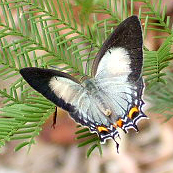
Imperial Hairstreak - Photo Sue Jones

Environmental restoration and long-term protection of our mountain habitat will strengthen existing populations of Koalas, Echidnas, Gliders and a wide diversity of birds and butterflies. A unique bushland experience right in our suburbs and only ten minutes from Brisbane CBD.

Mt Gravatt Environment Group is developing long term strategic plans for restoration and protection of Mt Gravatt Reserve through consolidation of existing habitat parcels and creation of wildlife links between habitat parcels. Queensland Government funding for this research will complement the strong community commitment represented by over 4,000 hours of volunteer labour and commitment of sixteen private property owners to restoration of their land in the Fox Gully and Firefly Gully wildlife corridors.

(l-r) Hon Kate Jones, Helen Schwencke, Michael Fox, Hon Phil Reeves

On behalf of our Mountain community, I thank Phil Reeves and his electoral office team for their ongoing support and encouragement. I also thank the Hon Kate Jones, Member for Ashgrove, who in her role as Minister for Environment and Resource Management visited Mt Gravatt Outlook then approved our research funding. In her letter, Kate acknowledged “The strong commitment and efforts of the community group for restoring, strengthening and linking Mimosa Creek, Roly Chapman Reserve and Mt Gravatt Reserve.”

We can all be proud of the strong community we are building with the support of our government representatives.  Reading Mt Gravatt Then and Now, Mt Gravatt Historical Society, tells us that this strong community spirit has a long history with the Queensland Premier acknowledging the community commitment in July 1893 when announcing the establishment of Mt Gravatt as an environmental reserve.

Walking the Summit Track on Saturday I saw this extraordinary looking growth on the underside a branch high up in a Spotted Gum Corymbia citriodra.

Spotted Gums grow to 45m so this photo was taken at about x60 digital zoom on my Canon SX20. So viewing the photo later it looked like some sort of sculpture made of concrete and hung on a tree 30 or 40 metres in the air.

My excellent network of experts came to my rescue suggesting a wasp nest. Some more research on Google gave me the answer: Yellow Paper Wasp Ropalidia romandi . Links:  Queensland Museum Fact Sheet and Queensland Naturalists Club article.

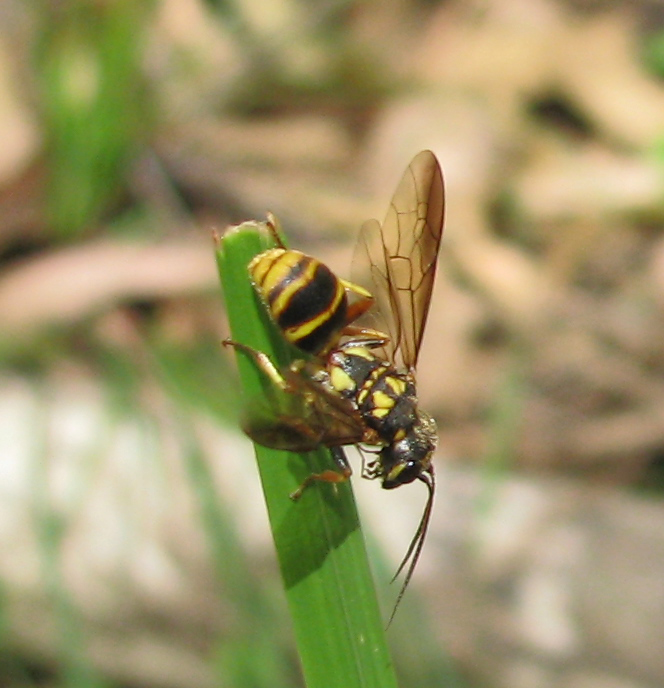
I have photographed Yellow Paper Wasp for Flora & Fauna of Mt Gravatt Reserve however I did not realise that this tiny wasp: at 6-8mm it is the smallest of our local paper wasps, builds these huge paper nests. Up to 1 metre long these amazing sculptures are made up of multiple paper combs all wrapped in a paper skin.

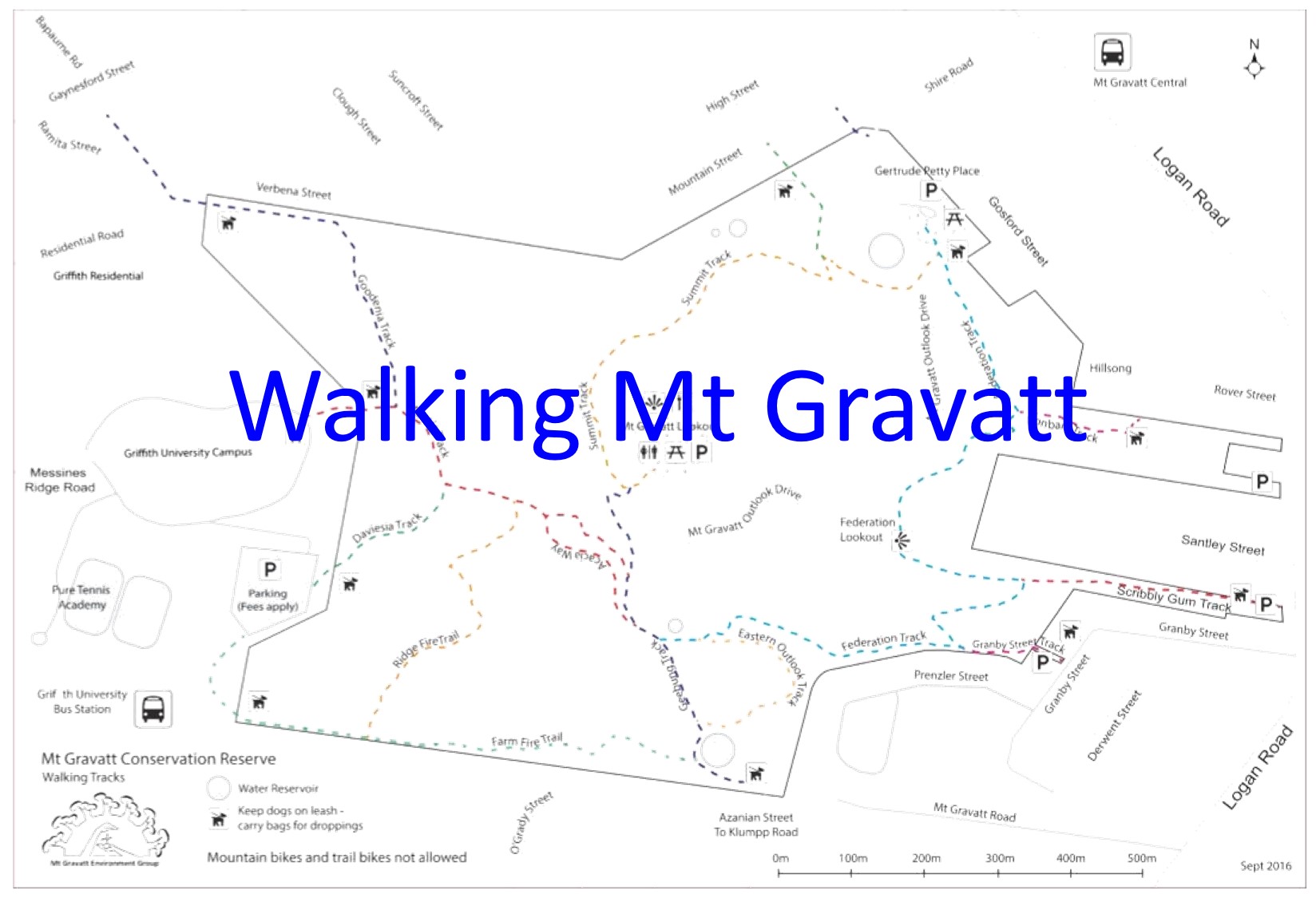
I found this nest while researching our new self-guided Summit Track tail brochure. If you are walking the Summit track stop at Station 6 and look west-north-west for a large Spotted Gum then follow the trunk up to the branch growing out to the right. The nest looks like a concrete sculpture hanging under the branch.

You can see the Mt Gravatt Summit Track on MapMyWalk

Our new trail guide will be available early August ready for the Environmental & Photography Workshops. The guide will also be available online and copies available at a local BCC Library.

« Previous PageNext Page »