It is mosquito season so we regularly check the drinkers for mossie larva. Something we were not expecting was finding mossie larvae that feed on other mossies and not people. Adult Toxorhynchites speciosus feed on plant juices not blood.
Check before you flush the mossie larvae in your birdbath. If you have some Toxorhynchites speciosus larvae perhaps scoop them out ready to return once your birdbath is refilled. Remember to also catch some of the small larvae to feed the mossie eating Toxorhynchites speciosus.
Brisbane’s natural areas are a precious resource for both nature and people.
Please provide Council with feedback on the draft Brisbane Off-Road Cycling Strategy. The current strategy is putting large areas of our limited urban bushland at risk.
The Council’s Brisbane Off-Road Cycling Strategy which focuses on opening up bushland for mountain biking, may be a threat to special places like Mt Gravatt Conservation Reserve.
In the past a small number of illegal mountain bikers ignoring Council signs have caused huge damage to the sensitive bushland our community members have spent thousands of hours restoring: 176 volunteers contributed 606 hours in the 2019/20 financial year.
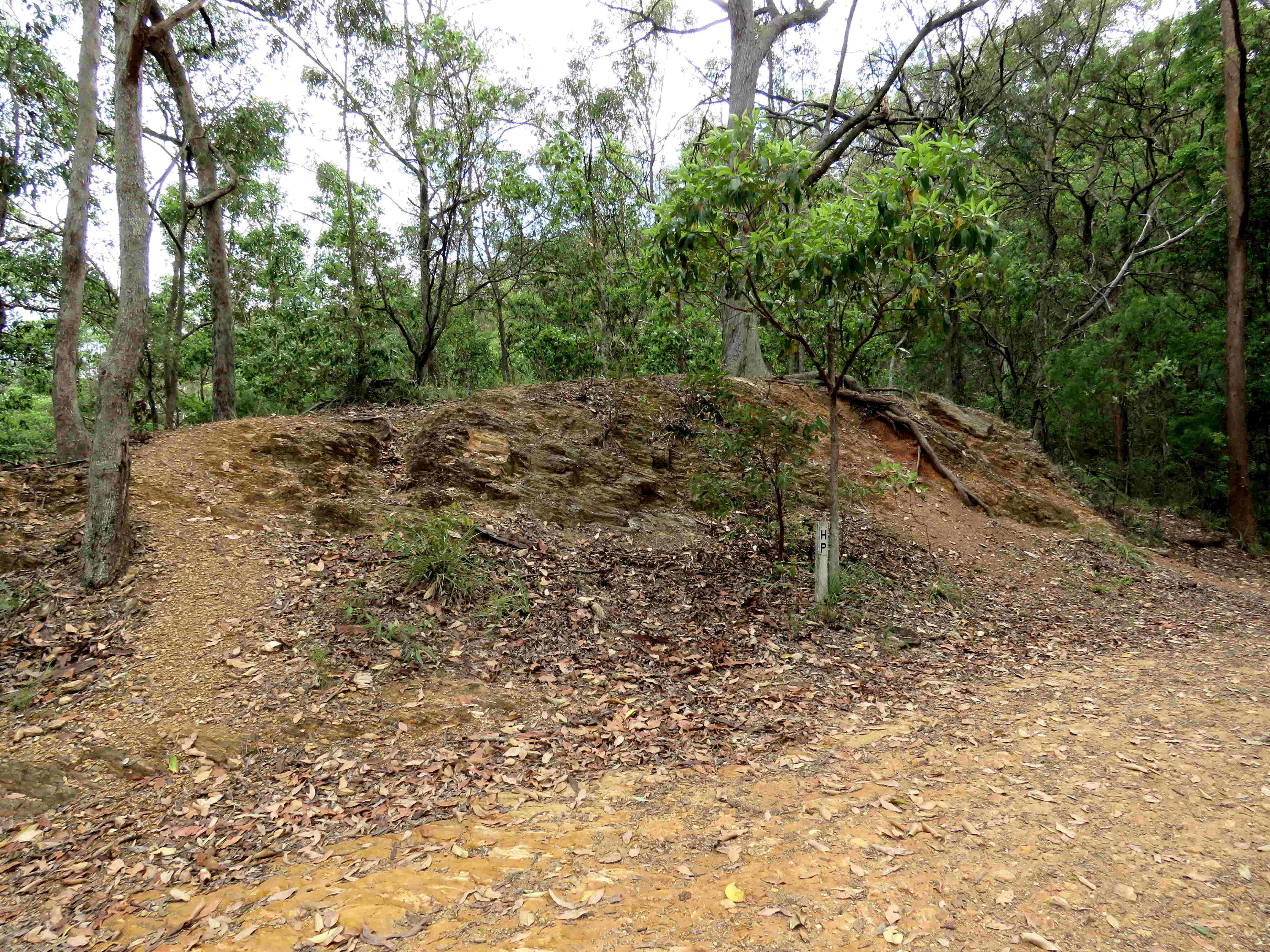
Erosion caused by illegal mountain biking – Jan 2021
.
While less of problem in 2021, illegal mountain bikers are still making new tracks destroying plants and causing erosion. Even riders on the fire roads can’t resist the temptation to go “off-road”. Riders using the Acacia Way maintenance track have caused erosion that is undermining a mature eucalypt tree.
.
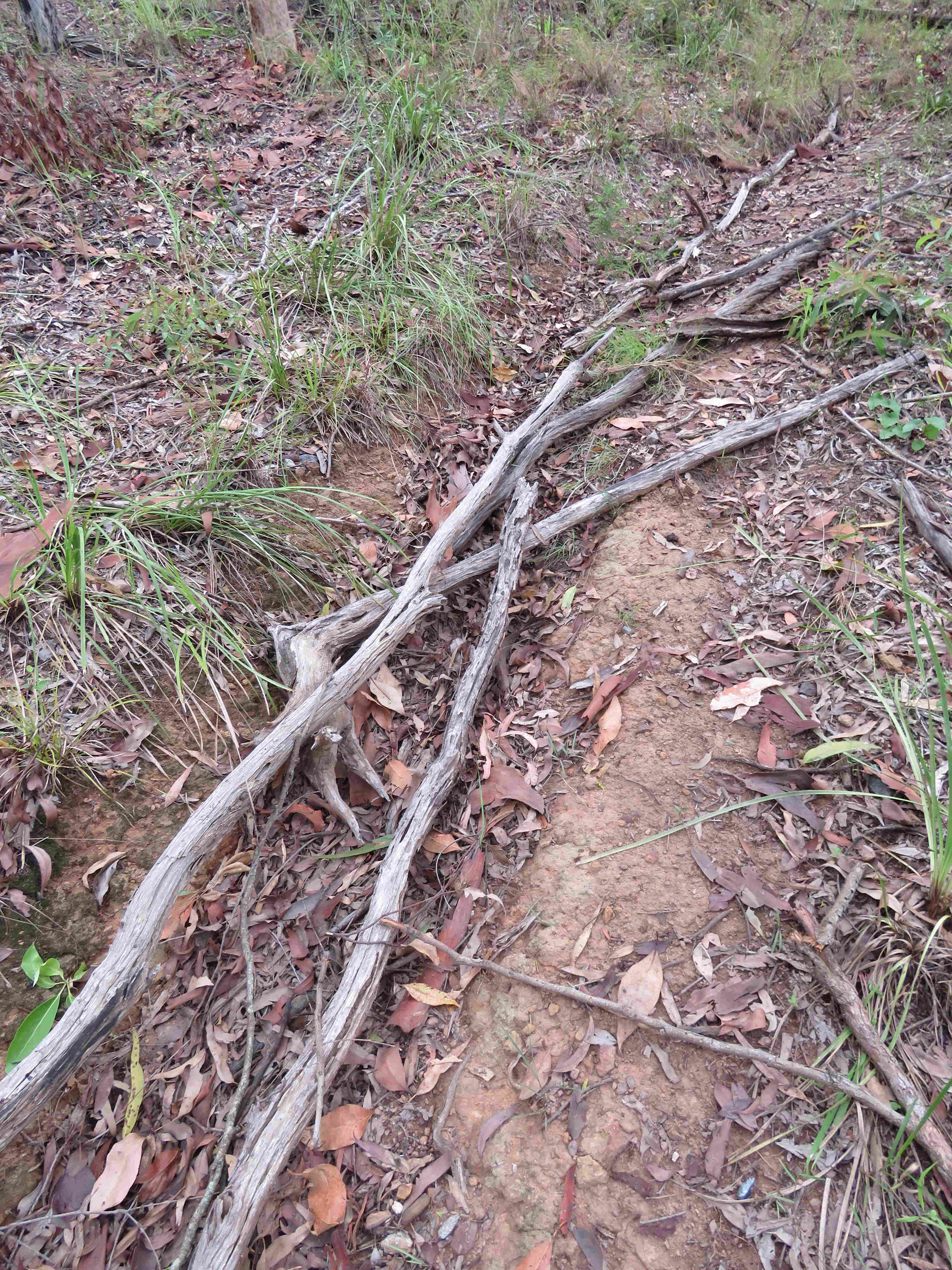
Branches and mulch used to close tracks
.
Illegal tracks dramatically increase erosion on steep slopes as water is channelled down hill. Closing down and repairing illegal tracks is a labour intensive and costly exercise: closing one track has required several metres of mulch, hundreds of branches recovered from the bush and laid on the track to stop bikes and start restoring the ground by collecting silt before it is washed downhill.
Even with these efforts by Council staff are not enough. I received a report this morning of orange barrier fences being removed and a father and son riding though the bush from the Summit to Gertrude Petty Place. Repair work like this uses scarce Council funds that could be used for improving facilities for all visitors.
National Tree Day 2018
As a BCC ratepayer and volunteer Habitat Brisbane Bushcare leader I am very concerned that a small percentage of our community are lobbying for a “free-ride” with access our bushland reserves without accepting the cost of that access. (A free-rider problem is a type of market failure that occurs when those who benefit from resources, public goods (such as public roads or hospitals), or services of a communal nature do not pay for them.)
.
National Tree Day 2015
Habitat Brisbane Bushcare volunteer contribution is typically $4 for every $1 invested by Council: provision of plants, tools and training. Bushcare is a very low risk activity which contributes to the health of our urban bushland while reducing maintenance costs for Council. On the other hand, off-road cycling is a relatively high risk recreational activity that damages bushland, increases maintenance costs and dramatically increases the potential for legal action against Council.
This article focuses on Mt Gravatt Conservation Reserve because I have deep knowledge of this area with fourteen years actively restoring the Reserve, researching the flora and fauna and engaging an increasing number of community members in restoration or observing the dramatic increase community members walking in the bush. While I do not have the same knowledge of other Brisbane bushland reserves they will have same sensitive habitat and I can make general observations about the potential impact of off-road cycling on other reserves.
Signage: The current track no bikes signage is very small, very limited and ineffective for the target audience: typically young males riding fast and totally focused on riding not signs. Tourists are one group that definitely better signage: one rider I stopped going down the walking track from the Summit was a visitor from South America. Others simply claim they have not seen signs. Signs need to be larger and spread along the tracks so everyone is well aware of the rules: no excuses.
Vandalised no-bike sign
Fines with no Enforcement = no behaviour change: While off-ride cycling is illegal in the Reserve and subject to $500 fines enforcement appears to be non-existent. As I understand the situation the very Council Officers, Rangers / Habitat Brisbane Officers, who spend time on the ground in the Reserves are not allowed to even issue fines, let alone that stronger action.
The draft Brisbane Off-Road Cycling Strategy (BORCS) “seeks to reduce unauthorised [illegal] track construction” (page 6). It is hard to understand the logic of a strategy that manages illegal behaviour by rewarding the bad behaviour.
Most visitors to the Reserve are responsible however there are a small number that ignore the rules putting walkers at risk, damaging sensitive wildlife habitat, increasing maintenance costs, even vandalising the limited signage that exists.
The Off-Road Cycling Strategy suggests that “Increasing the authorised recreational use of natural areas will also increase casual surveillance which helps to deter illegal activity.” (BORCS page 11) While Cialdini’s Social proof is a valuable tool for influencing and changing behaviour, our experience using this to manage behaviour Mt Gravatt Conservation Reserve has had mixed success. The very demographic we are dealing with: young males, means that our Bushcarers: typically retired and female, have to be very careful because violent verbal abuse is common. If this is an ongoing problem in a popular and busy Reserve like Mt Gravatt what control will there be in other reserves that do not have active Bushcare groups.
User Pays: Any football club or other community group that wants to uses Council land like parks and reserves are responsible for their own costs: lease fees, public liability insurance and property maintenance. While many and possibly most off-road cyclists are not part of a formal group that could provide public liability insurance and pay lease fees, they are still increasing costs and litigation risk. If the Council accepts this as a cost of providing valuable recreational activities this must not come out of limited environment budgets that are critical to habitat protection and restoration: “Council is continuing to invest in the protection and restoration of our city’s biodiversity, and we are on track to achieve the target of having 40% of Brisbane as natural habitat by 2031.” (BORCS page 8)
As a ratepayer I have contributed to Bushland Acquisition Program. I am concerned that land purchased to protect our urban bushland may now be “given” to a very small percentage of community members for their personal use. “More than 4300 hectares of land have been purchased and protected through Council’s Bushland Acquisition Program since 1990. The preservation and management of biodiversity within Brisbane’s natural areas is of vital importance.” (BORCS page 8)
Mt Gravatt Conservation Reserve has no permanent water and no safe access to water or breeding opportunities in surrounding bushland.
The Koala Drinker research is providing vital baseline information on the potential of providing water for wildlife to maintain and strengthen populations of vulnerable Koala Phascolarctos cinereus and other species in isolated urban bushland habitats. The Koala Drinker Research Project is supported by Communities Environment Program and sponsored by Ross Vasta MP.
We are also working with Cr Steve Huang on his concept for a wildlife bridge across Klumpp Road from the bottom of Fox Gully to the Hibiscus Sports Complex then Mimosa Creek.
2020 has been a difficult year with most of our Bushcare events cancelled. So I decided to check in with our partner “nature” to see what has been happening while we have been distracted by a COVID pandemic.
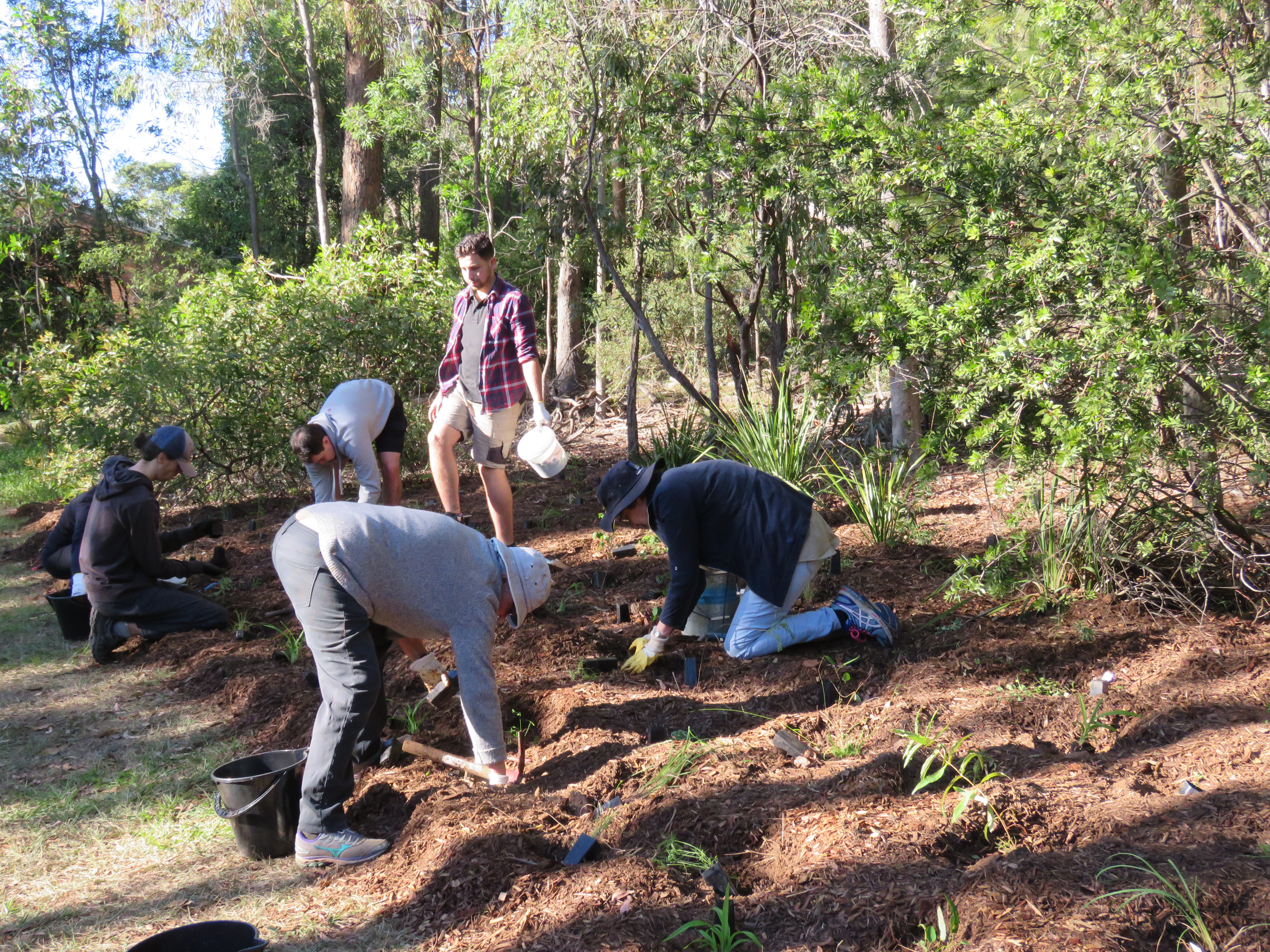
2016 National Tree Day planting expanded the previous year’s planting of small forest bird habitat. A combination of Habitat Tripods and insect attracting plants to feed Fairy Wrens.
Our 2017 National Tree Day site was a closed car park blocked off and overgrown with weeds. Cleared of weeds, mulched and replanted the site is starting to regenerate healthy habitat for Koalas and small forest birds. .
The 2018 National Tree Day site needed special preparation because the large amount of asbestos (fibro) dumped there. The BCC Habitat Brisbane team organised professional asbestos removal contractors to clear the site. We then covered the site in a thick layer of cardboard fridge boxes from Harvey Norman. The cardboard was then covered in mulch and planted so any residual asbestos will be locked in by plant roots.
2019 National Tree Day was restoration of a very degraded area where BCC contractors had cleared a large area of Lantana Lantana camara. Plants were chosen to maintain the view while restoring native habitat. The special site has an amazing view out to the Bay Islands hence the track name: Eastern Outlook Track. A great spot to sit and enjoy the winter morning sun.
National Tree Day 2020 had to be cancelled however the BCC Natural Areas team stepped up and organised contractors to plant a large area at the Summit.
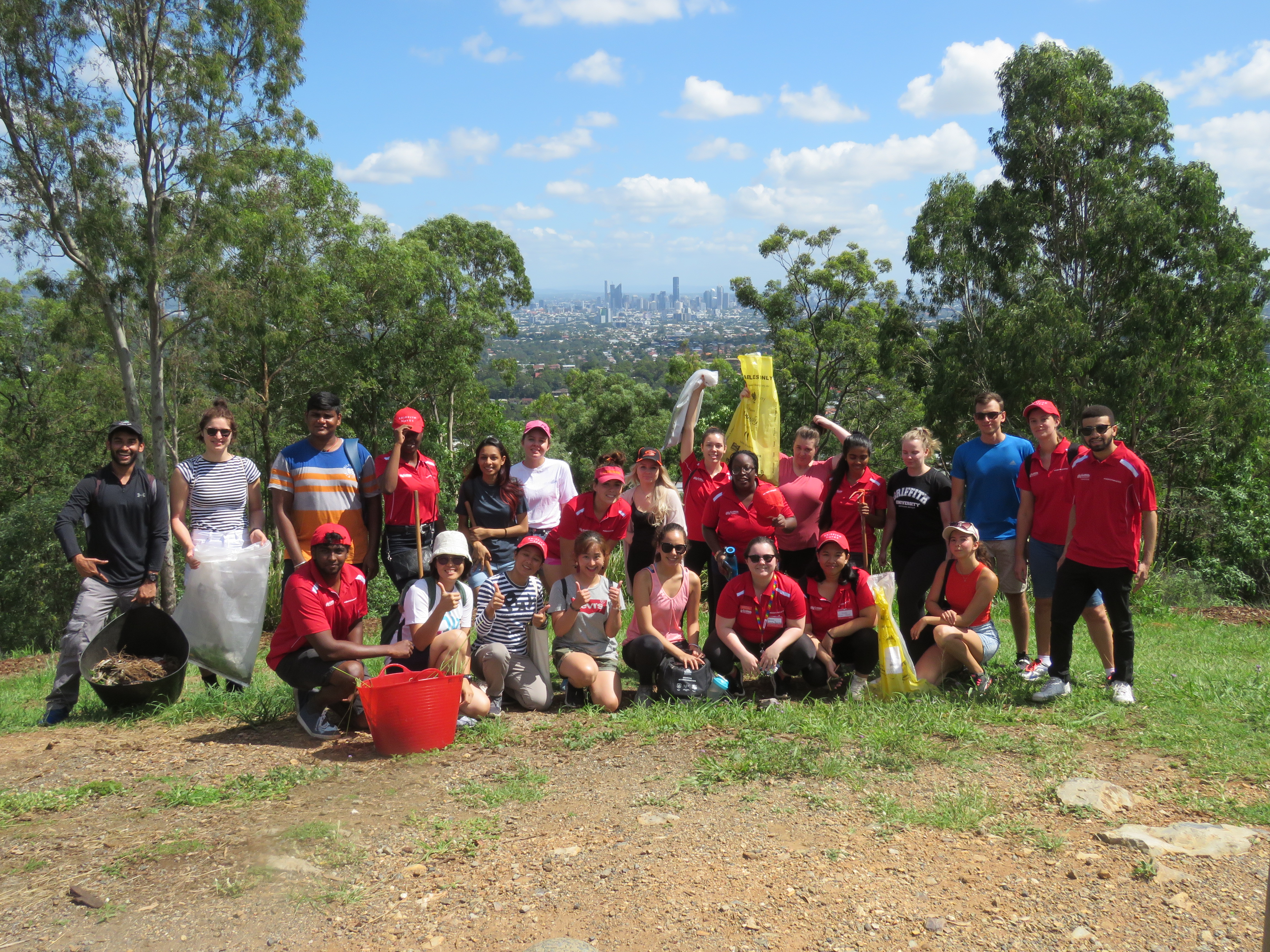
2021 is already looking good with Clean Up Australia on Sunday March 7th.
The Cycad Blue Theclinesthes onycha are back for their annual visit. People often worry about the damage to the leaves on their Cycads. However, even being attacked by caterpillars of these cute butterflies every year my Cycad is still thriving.
More than 50mm of rain this week has created an opportunity to move to Zone 6 and remove Mickey Mouse Plant Ochna serrulatabefore the flowers set seeds. Ochna has a deep tap root which is very hard to remove unless the ground is soft.
.
.
.
Rani with TreePopper and Chinese Elm
.
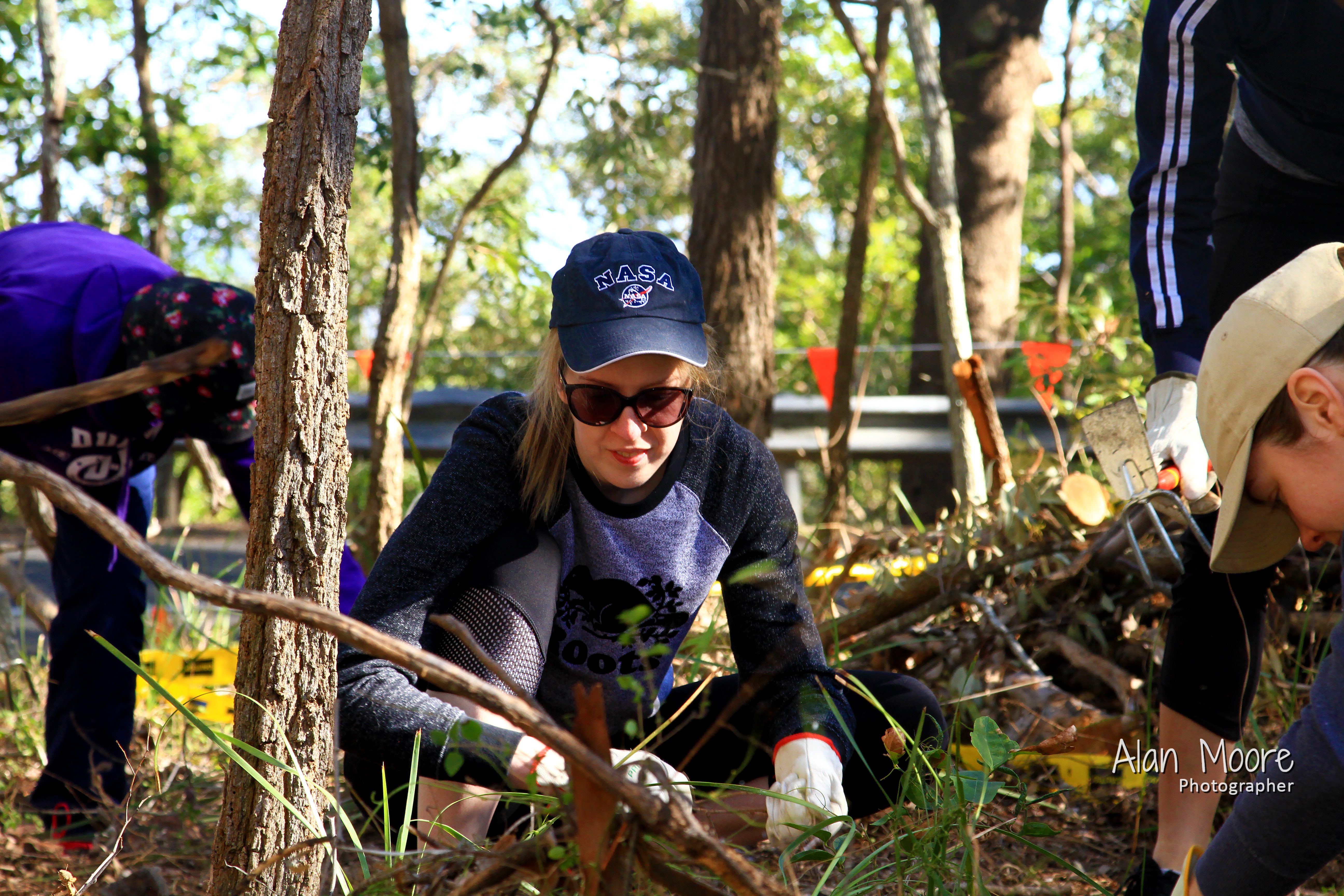
I introduced our newest volunteer Rani Lustosa, of Two Dogs Landscaping, to the TreePopper, an ideal tool for attacking woody weeds like Ochna. The TreePopper design means that the weeds are pulled from the ground vertically minimising the risk of breaking off. At the same time there is minimal disturbance of the soil, the wildlife and fungi living in the soil.
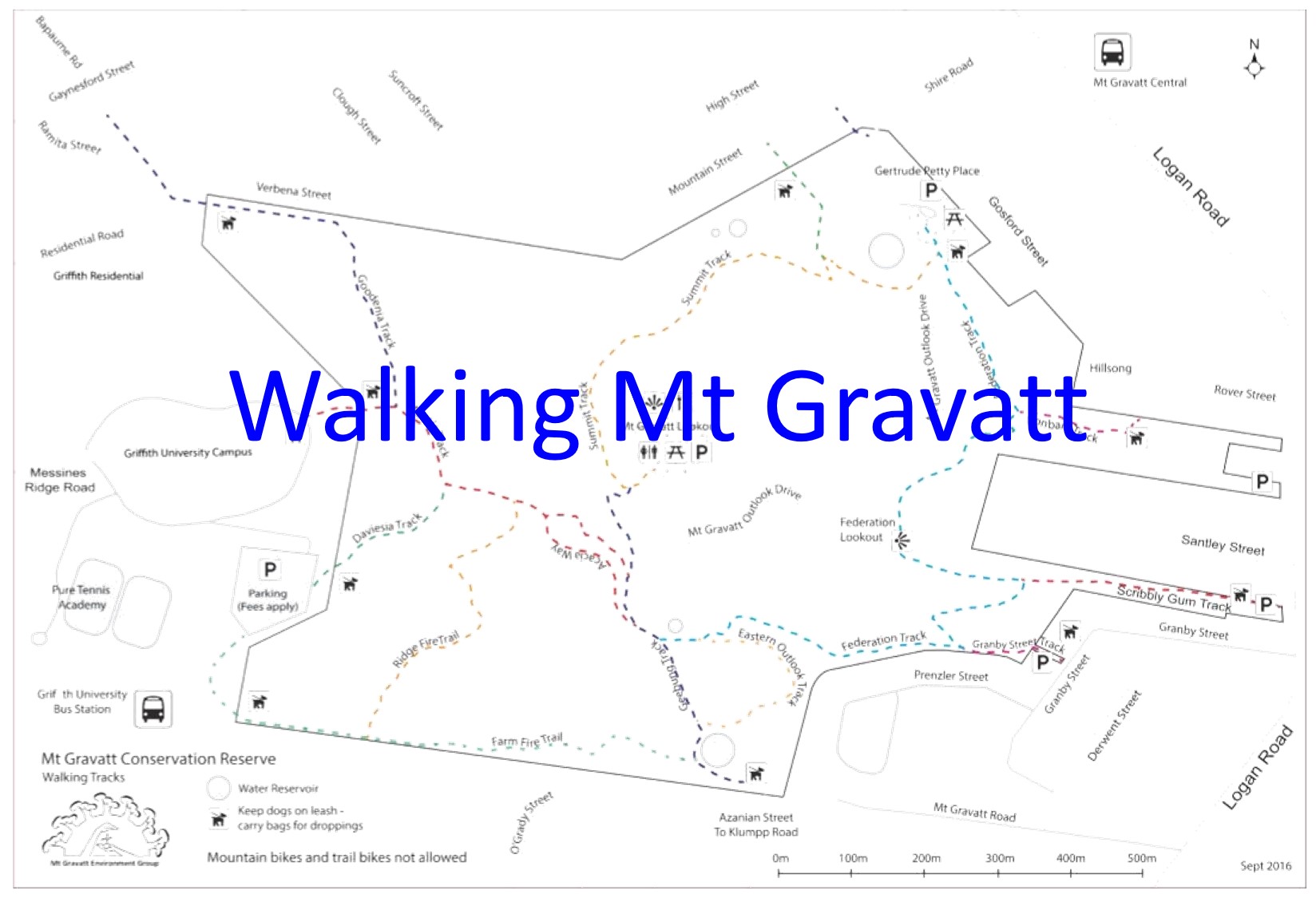
First stop on our tour is the butterfly speed dating site: look for the butterfly sign near the Summit Track entry. Some butterfly species practice “hilltopping behaviour” where males gather on in locations like the amphitheatre like space with the protection of trees along the edge for safety, all with the objective of attracting a female.
Our visitors were particularly interested in the Koala Phascolarctos cinereus population in the Reserve. One of our Koala Drinker team, Jake Slinger, spotted a Koala watching from the trees right where we were standing.
(l-r) Greg Wellard, Rob Janson, Greg Neill, Leeanne Enoch, Wayne Cameron, Corinne McMillan, Joe Kelly, Greg Neill, Laurie Deacon, Michael Fox
Our visitors were very impressed with restoration at the 2017 National Tree Day planting site.
I particularly complemented our political representatives on the impact of the Containers for Change initiative which has caused a very positive problem. When I look back at past CleanUp’s for comparison:
The reduction in rubbish meant our 2020 CleanUp not only had our largest team of volunteers but also our largest Weeding Team. A very positive problem!

















 Mount Gravatt Environment Group