By: Michael Fox

sophie-jocelyn-ryan-and-noel-24-sept-2016

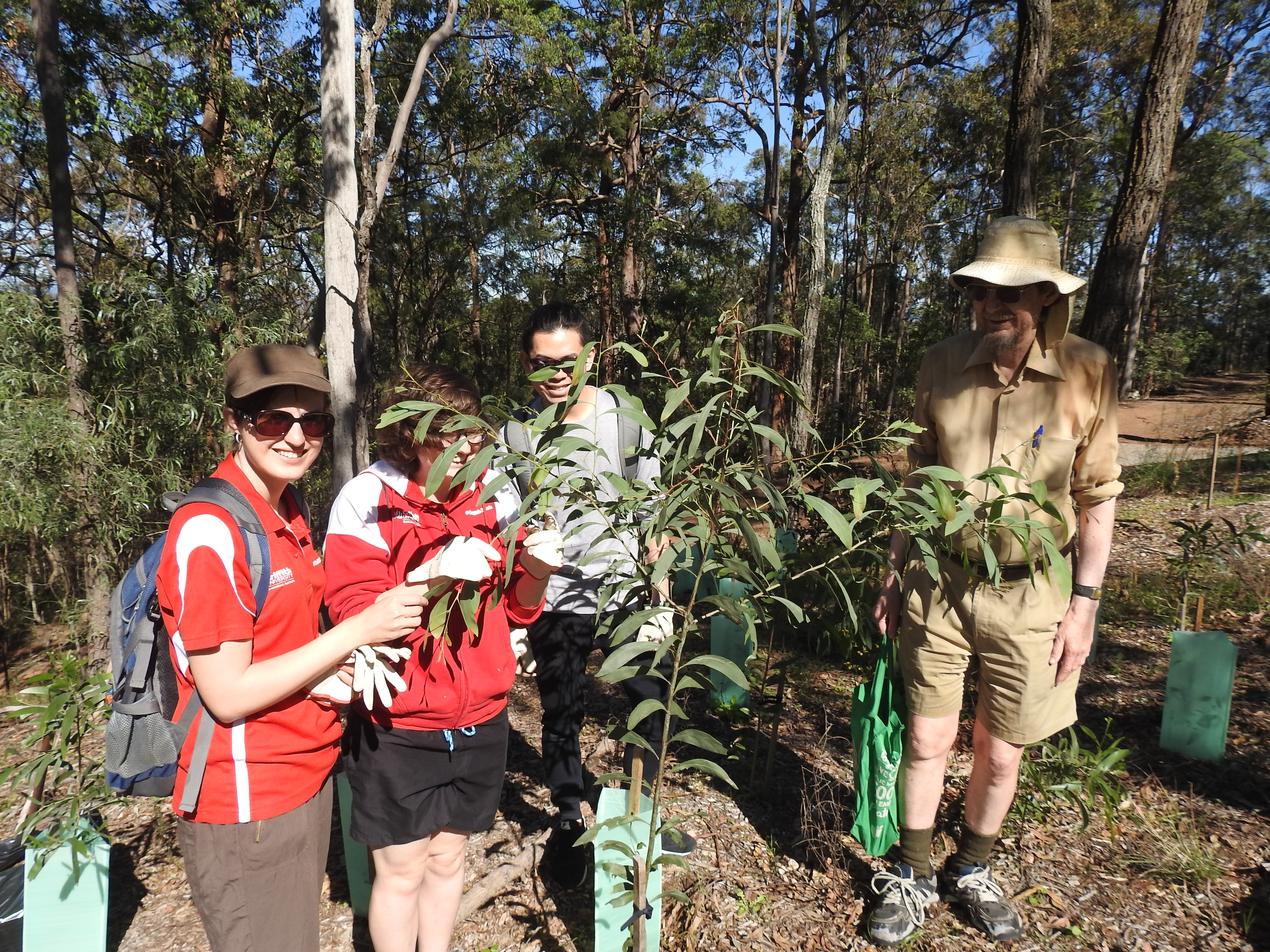
Griffith Mates Sophie, Jocelyn and Ryan with Noel


Our Griffith Mates partners have again provided valuable for restoration of our Fox Gully Bushcare site. At the last event for 2016 we first checked what species can now be found in the Small Bird Habitat.

Griffith Mates participated in the 2015 National Tree Day planting of the Small Bird Habitat so it was great to be able to show the increase in species diversity in just one year.
painted-pine-moth-orgyia-australis-25-sept-2016

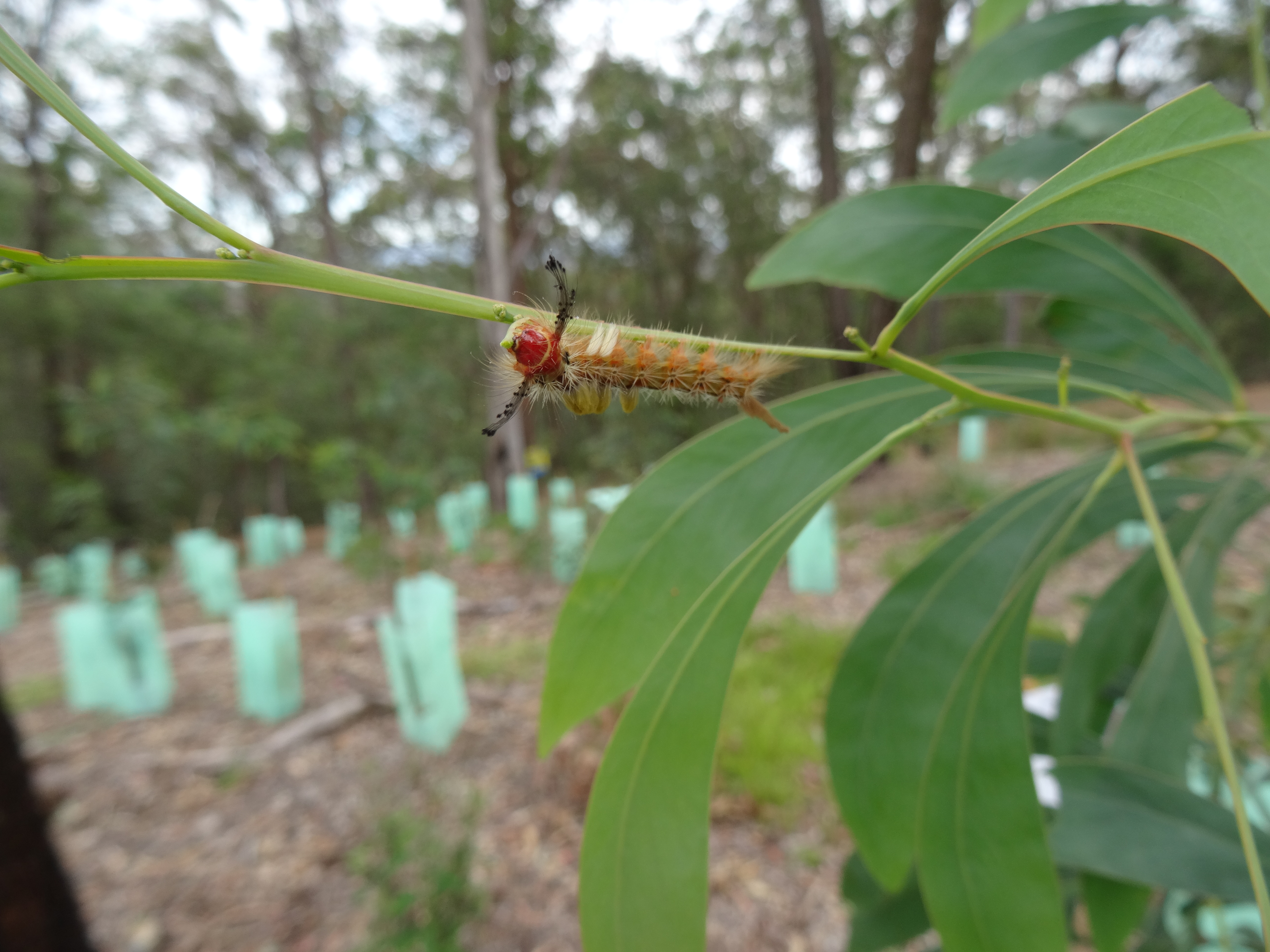
Painted Pine Moth Orgyia australis caterpillar

The Small Bird Habitat is an initiative to create the specialised habitat our small forest birds like Variegated Fair Wrens Malurus lamberti. These small insect eating birds are valuable partners in controlling pests in our backyards. Building an effective habitat requires attracting a diverse range of insect species to provide food.

Finding several Painted Pine Moth Orgyia australis caterpillars on site is a good excellent start.


lydia-lichen-moth-asura-lydia-sbh-close-24-sept-2016

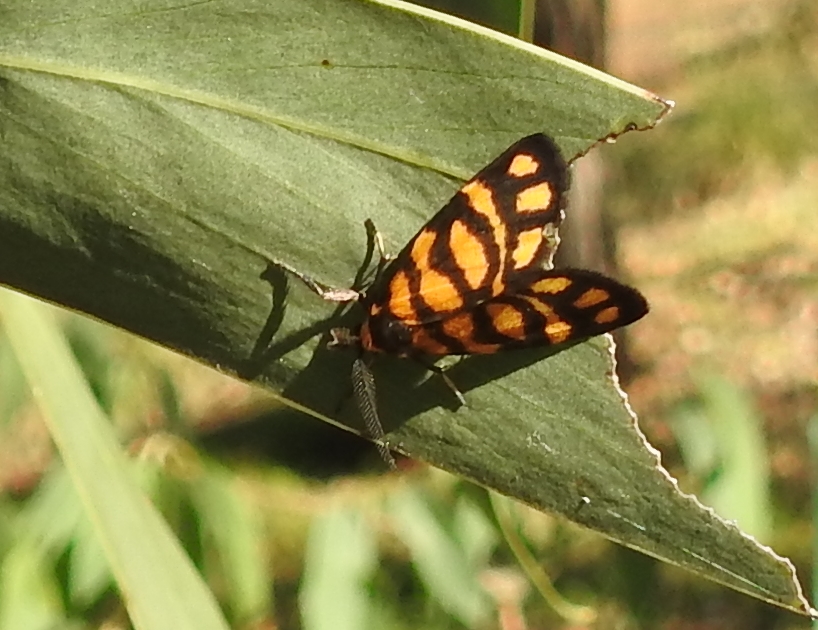
Lydia Lichen Moth Astura lydia

We inspected the Imperial Hairstreak Jalmenus evagoras butterfly caterpillars on Sickle Leaved Wattle Acacia falcata. I explained that the caterpillars are protected by “Kropotkin” ants – Small Meat Ant Iridomyrmex sp.

We also found a Lydia Lichen Moth Asura lydia with its curious eyelash like antlers.

.
sickle-leaved-wattle-acacia-falcata-seeds-24-sept-2016

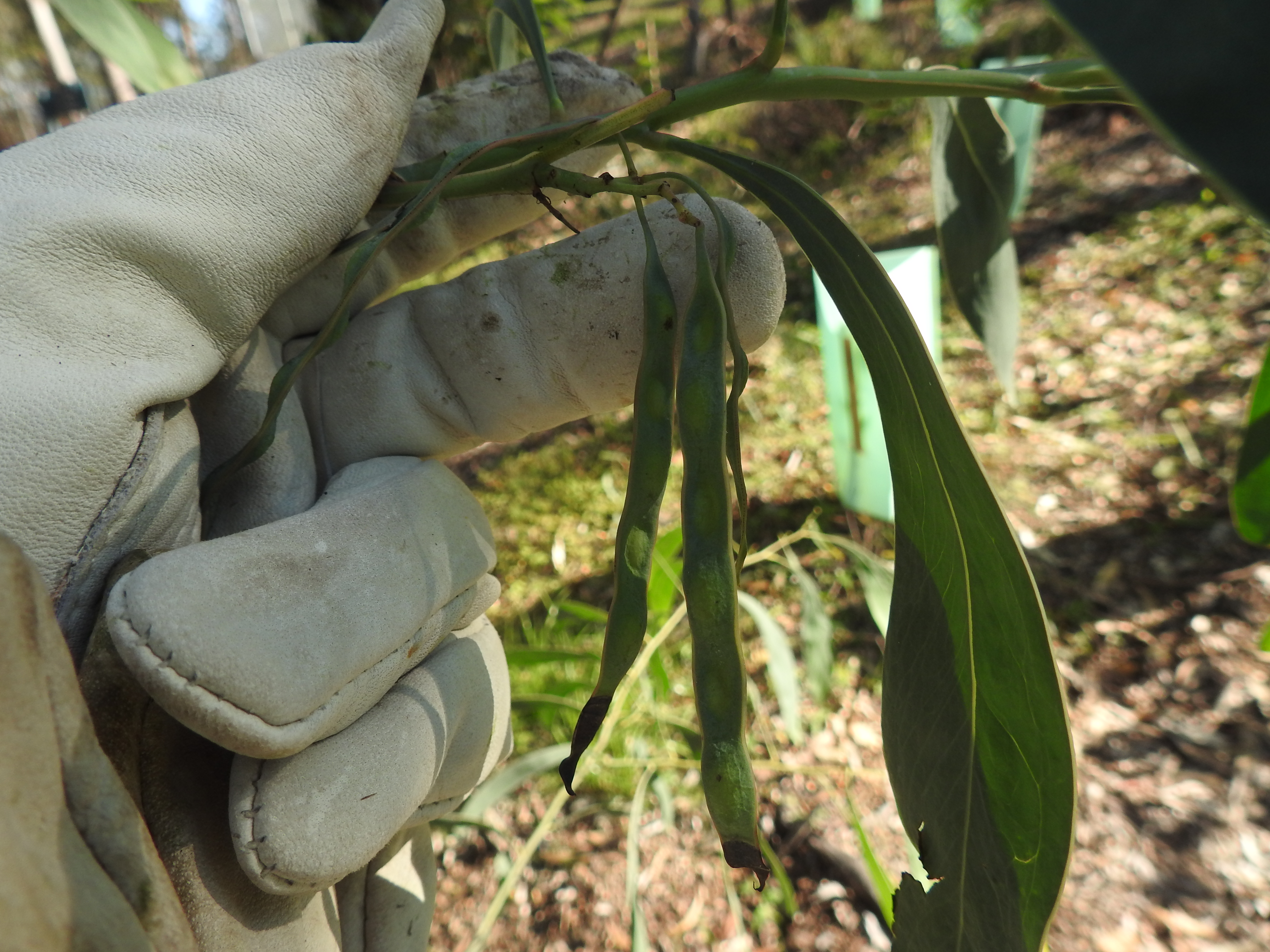
Sickle Leaved Wattle Acacia falcata

.

Other excellent signs of habitat building progress was finding seed on Sickle Leaved Wattle Acacia falcataNative Sarsaparilla Hardenbergia violacea and Kangaroo Grass Themeda triandra which will provide food for seed eating birds.
ochna-blitz-24-sept-2016

Ochna Blitz

.

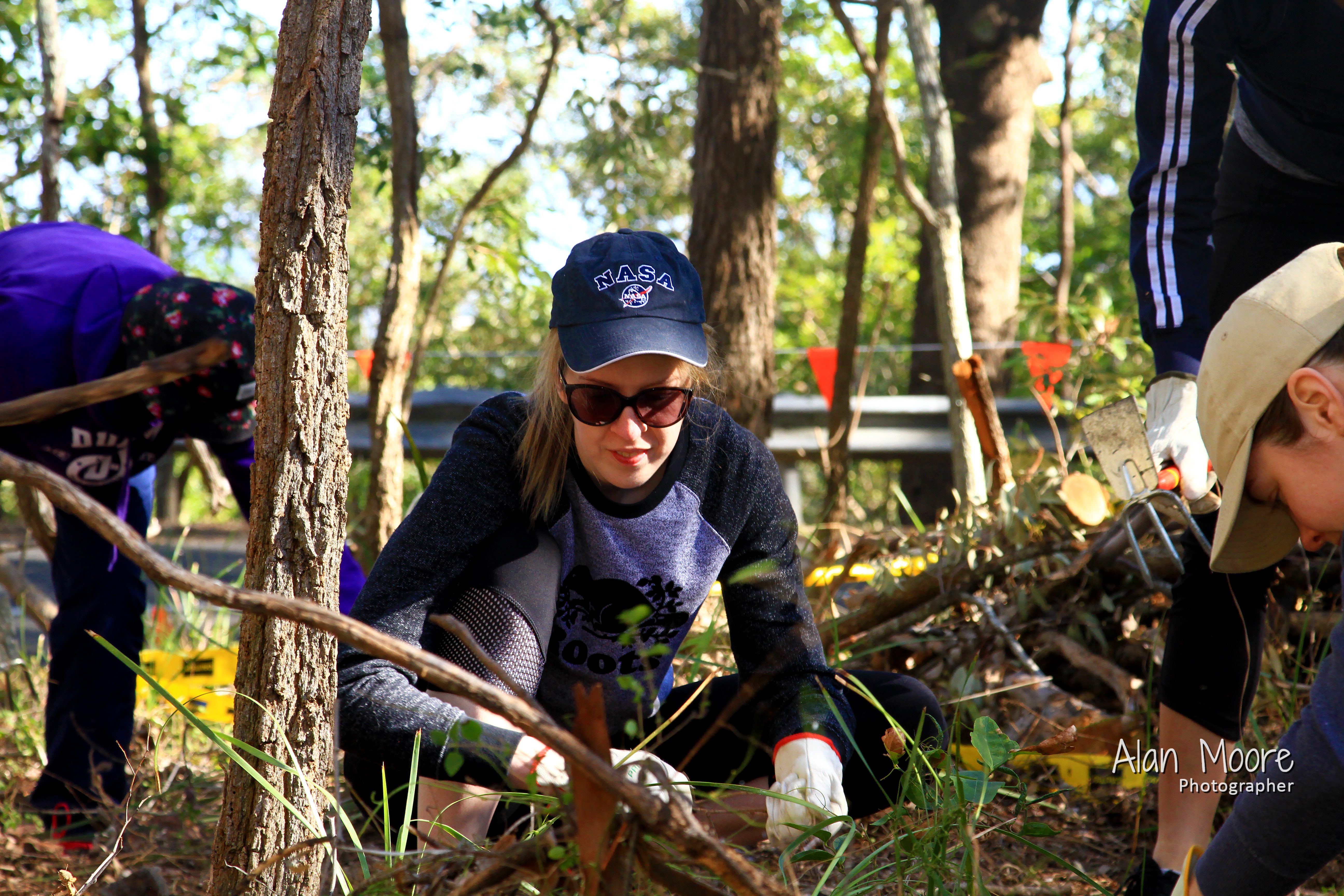
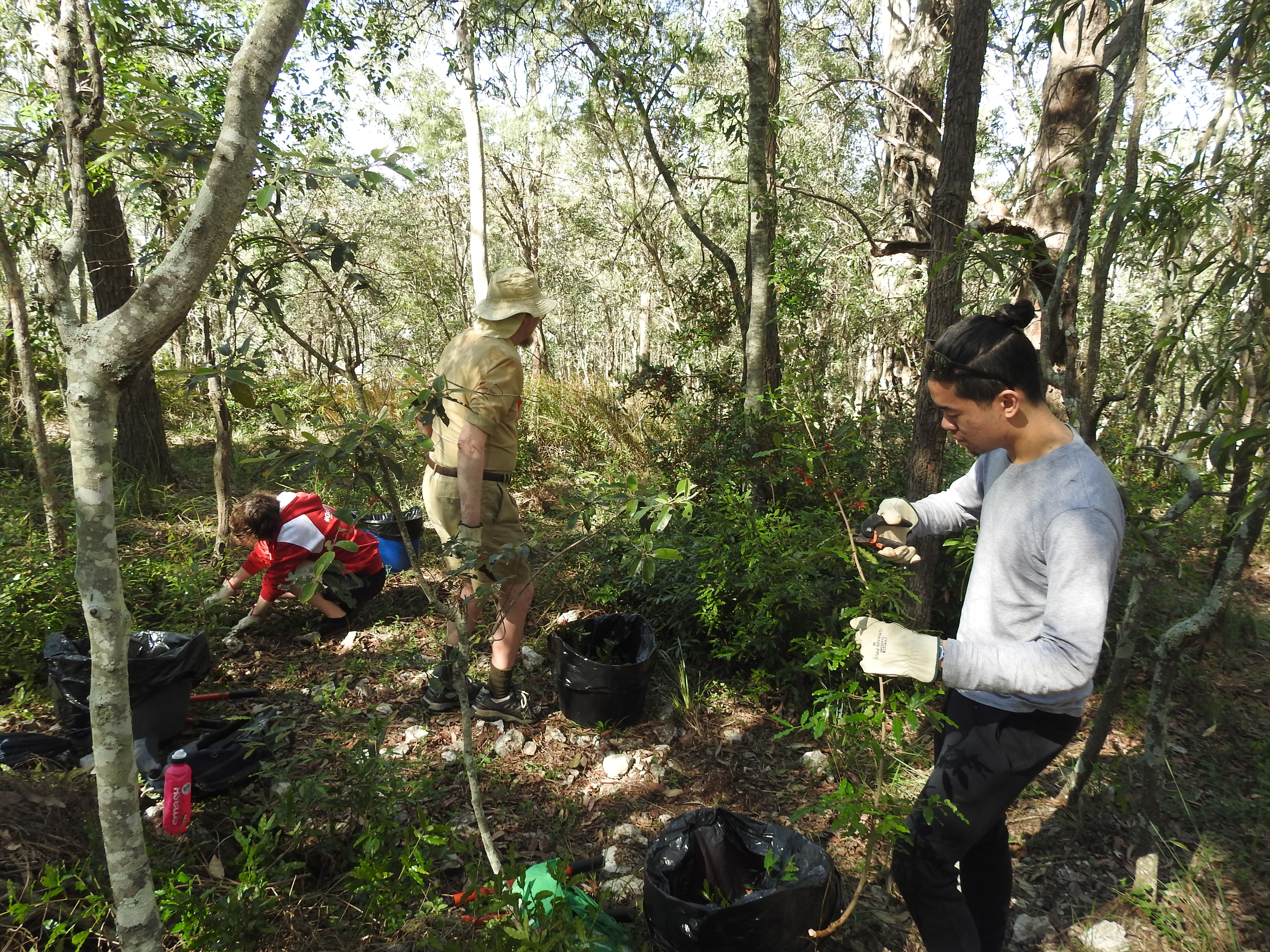
After inspecting the Small Bird Habitat progress we moved onto our Ochna Blitz. Mickey Mouse Plant Ochna serrulata is a deep rooted invasive garden plant with attractive red and green berries that are eaten by birds then spread into our bush habitat. The objective is to start breaking the weed cycle by collecting, bagging and dumping the seeds then poisoning the plant. Eradicating or at least reducing Ochna in the Reserve will take years but systematic clearing of smaller areas will progressively reduce the spread.

We look forward to partnering with Griffith Mates again in 2017.


Griffith Mates – Lantana Busters

Join Griffith Mates for the Ochna Blitz Challenge!

Saturday 24 September 8am to 11am

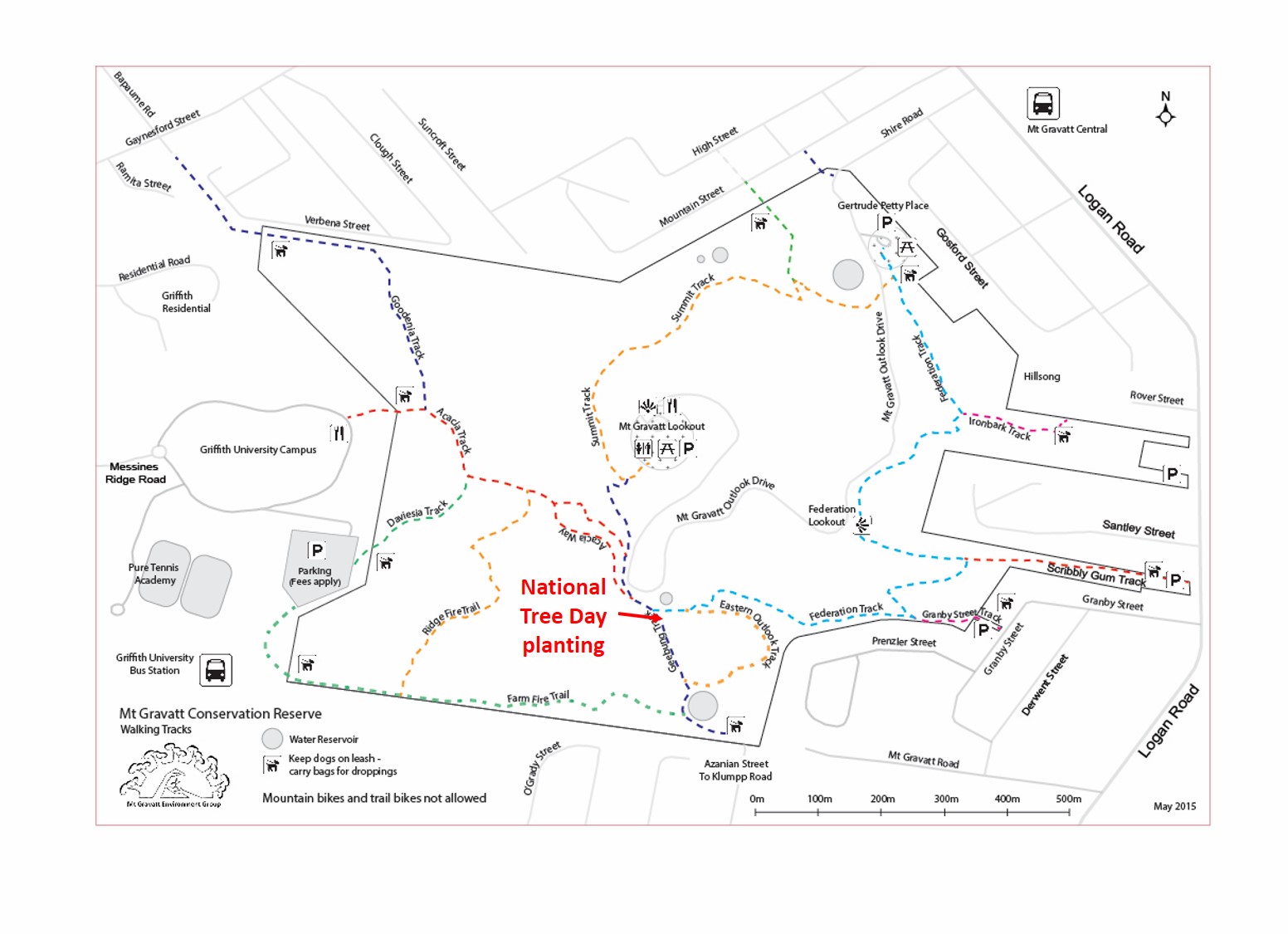
Map

2016 National Tree Day planting

.

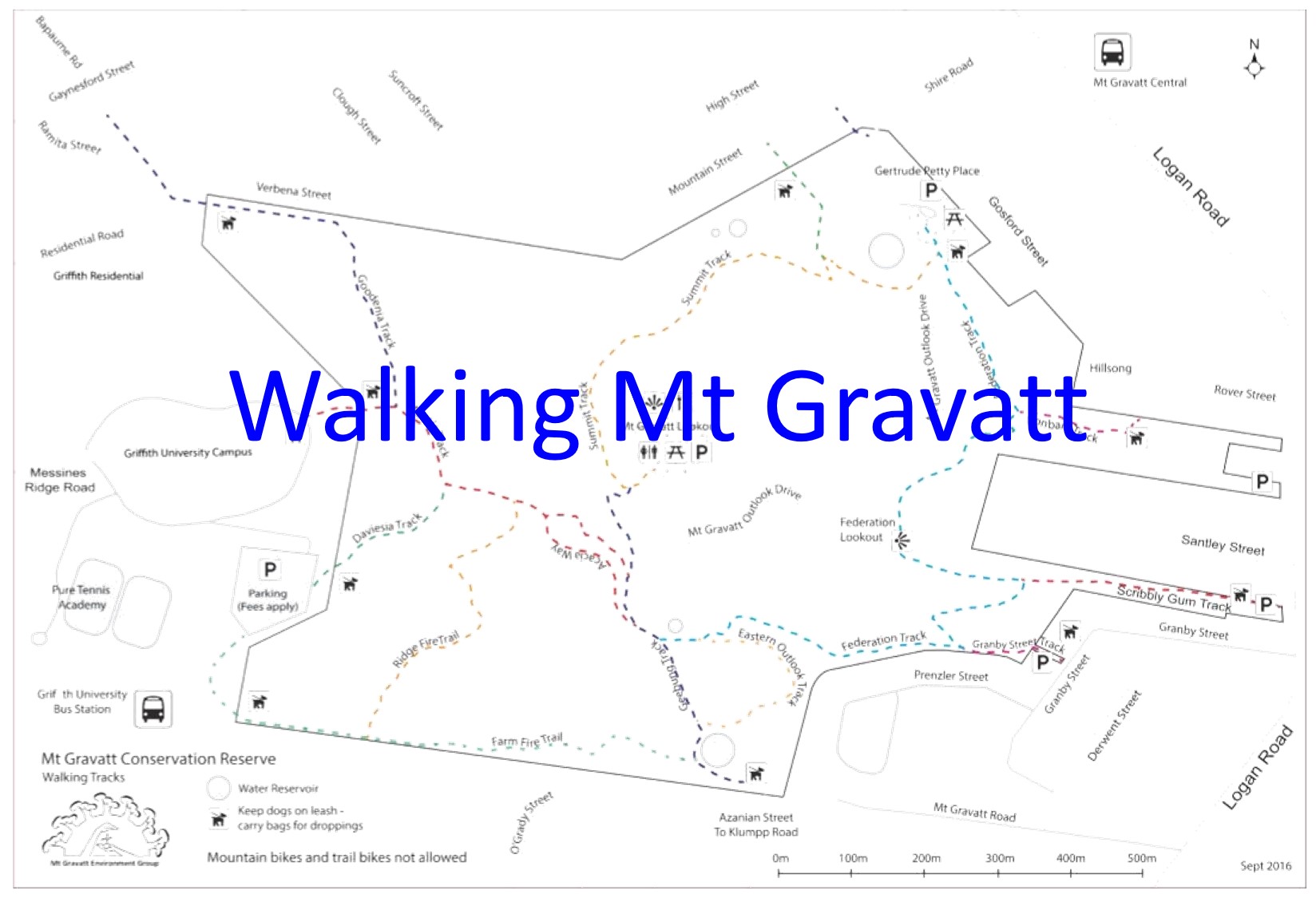
Location: Junction of Geebung and Federation Tracks (behind green water reservoir)

We will do a walk through the National Tree Day planting and some light weeding then move onto the Mickey Mouse Plant Ochna serrulata.

The planting site is looking great with trees and vines planted in 2015 now flowering and producing seed. A Sickle Leaved Wattle Acacia falcata is already hosting caterpillars of the Imperial Hairstreak Jalmenus evagoras butterfly.

.

The caterpillar is protected by “Kropotkin” ants – Small Meat Ant Iridomyrmex sp. The ants provide protection in return for sugary fluids secreted by caterpillar. Imperial Hairstreaks will only return to breed where both caterpillar food plants and the ants are present.
Kropotkin is a reference to Russian biologist Peter Kropotkin who proposed a concept of evolution based on “mutual aid” between species helping species from ants to higher mammals survive.

The combination of rain and clearing Creeping Lantana Lantana montevidensis means the Ochna is thriving and it is covered in flowers and seeds. However, the rain also means must easier to pull our either by hand or Treepopper.


Louis Cheng - 1 Sept 2015

Louis planting Creeping Beard Grass 

By: Michael Fox

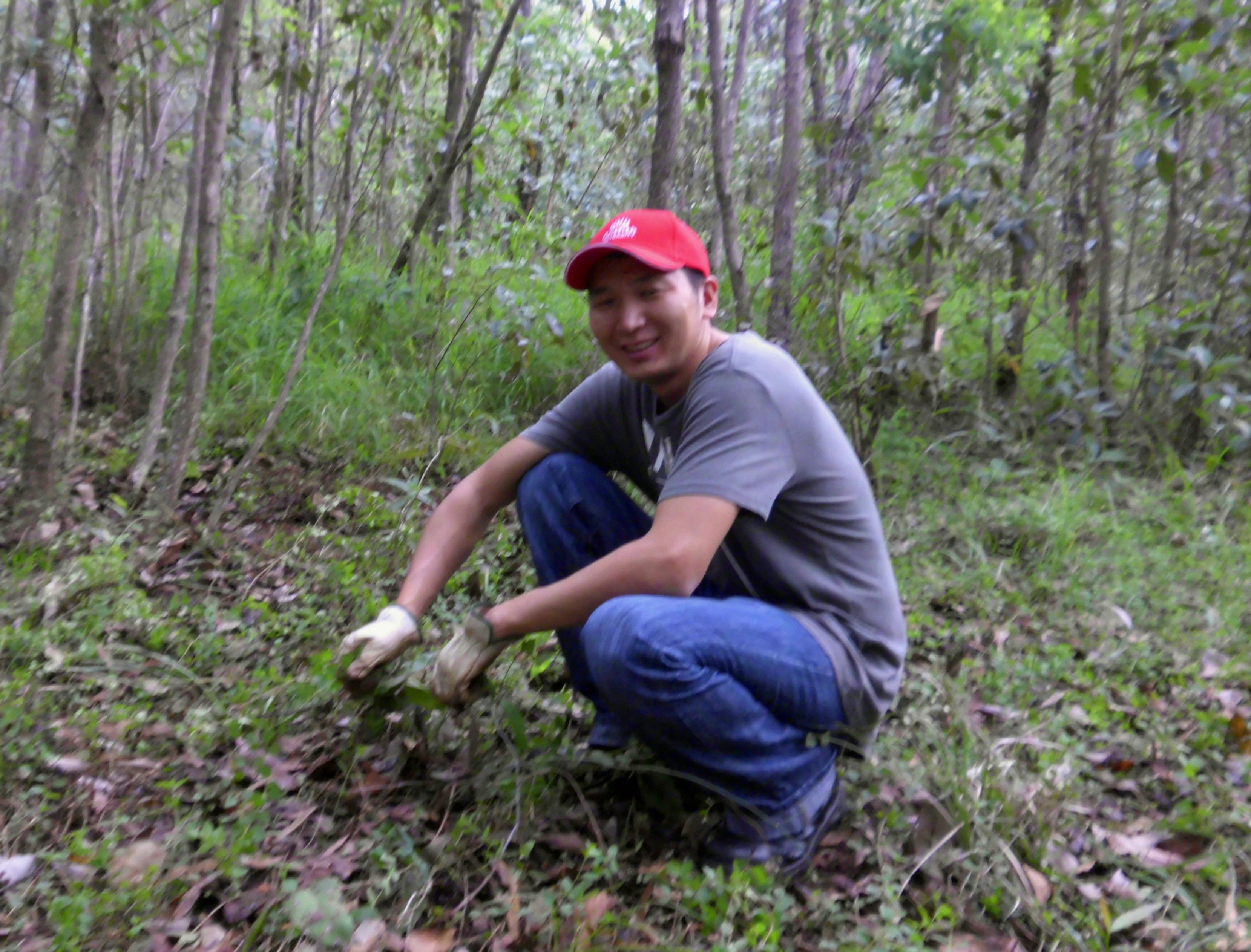
Louis Cheng, a Griffith Uni Environmental Science student, joined Marshal and myself at Fox Gully Bushcare today to finish spreading the mulch and plant native grasses at the small bird habitat planting site.

Planting Creeping Beard Grass Oplismenus aemulus creates a cover of Living Mulch that will retain water, stop erosion, control weeds and create a micro-climate that keeps the soil cool allowing the development of a healthy soil ecosystem with fungi, bacteria, earthworms, curl-grubs and bush cockroaches all working together to renew the very foundation of our forest.

The site, planted just a month ago on National Tree Day, is already showing fresh growth with Native Sarsaparilla Hardenbergia violacea, Star Goodenia Goodenia rotundifolia, Ivy-leaf Violet Viola banksii and new Acacias all producing fresh shoots and in some cases flowering. The natural regeneration of the site is also increasing with Tape Vine Stephania japonica spreading and the Tallowwoods Eucalyptus microcorys in full flower overhead.

Spring growth - 1 Sept 2015The local fauna is also moving back into the site with Purplewinged Mantid Tenodera australasiae exploring the bushes, Australian Magpies Gymnorhna tibicen feeding on insects in the mulch and a new Kookaburra Dacelo novaeguineae nest hollow being excavated in a termite nest.  Fauna - 1 Sept 2015

Small bird planting - sign - 13 July 2015

Planning a habitat haven

By: Michael Fox

Brisbane winters are just stunning … as long as you are in the sun and out of the westerly wind.

I spent time this morning laying out the site for our National Tree Day planting. Two sets of concentric circles will create both the protection for nesting and the food – insects, nectar and seeds, required by our small forest birds.

Our two habitat havens will each be 8 metres in diameter and based on the Habitat Network model – Creating a small bird habitat haven.

The Inner Sanctum planted with Coastal Banksia Banksia integrifolia, Prickly Pine Bursaria spinosa and Wonga Wonga Vine Pandorea pandorana to provide height and tangled habit that larger birds cannot get into making it safe for building nests.

How to plant tubestock

Planting guide for participants

The Protective Circle will be a thick planting of spiky plants like Creek Mat-rush Lomandra hystrix  and Saw Sedge Gahnia aspera. This habit will be attractive for lizards and butterflies while restricting access from feral cats and foxes.

The Shrub Circle will include a range of native herbs and vines with different flowering times and different colours to attract a range of insects. Love Flower Pseuderanthemum variable is a small herb with delicate flowers that Eastern Bearded Dragons Physignathus lesueurii like to eat and provides caterpillar food for a number of different butterflies.

The Eating Out planting of native grasses will provide year round food for seed eating birds like the Red-browed Finch Neochmia temporalis which will duck out of the safety of the Protective Circle to feed.

Thirty-three participants are registered for the National Tree Day planting so we may have a many as fifty at the event. To help us manage the work I have sourced an excellent “How to plant tubestock” guide from SOWN.

Turembold coming to grips with Lantana

By Susan Jones

As usual, Sheamus arrived first with his sleeves rolled up to work.  Next on the job were a team of Griffith University national and international students: Mardol, Mirandha, Tumenbold, Jonny, Emilia and Jaime.  An added bonus was the arrival of Peter a newcomer to Brisbane.

Today’s  volunteers took on the tedious task of removing Creeping Lantana Lantana montevidensis and everyone pulled their weight (and weeds) magnificently.

Huge compost pile of weeds - excellent work!

Emilia busied herself collecting and piling up the weeds as they were pulled. The end result was a  huge compost heap that will break down and eventually be spread as mulch.

Preparation of this area is now well underway for the second July ‘National Tree Day’ planting with volunteers from Mt Gravatt State High School.

Thanks to everyone who worked today – it was a great team effort!

Peter, Sophie, Kevan, Maddison, Dean, D’arcy, Dan, Sheamus, Manasha, Natalie, Caitlin, Breanna, Rosie, Tahlia, Emily, teachers Andrew and Penny

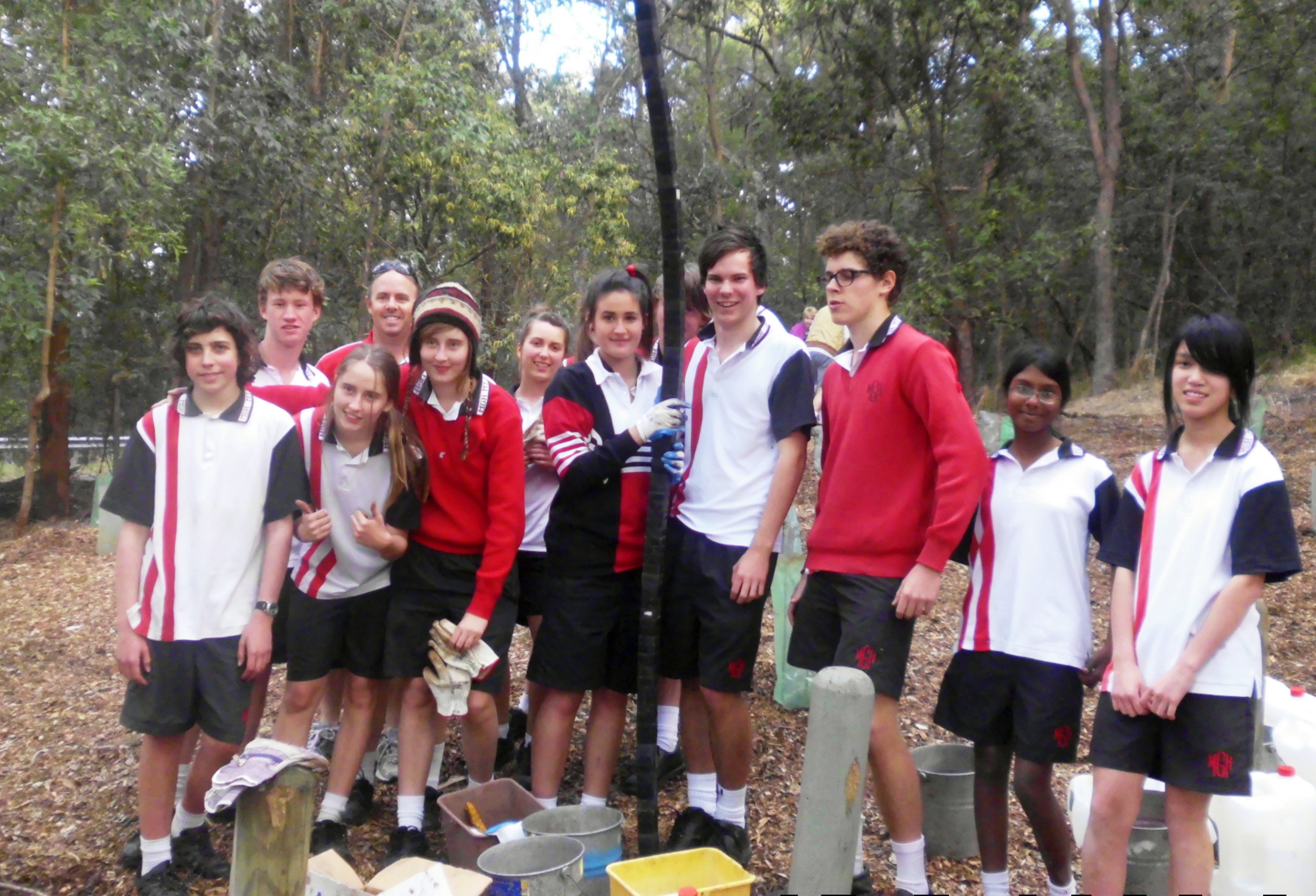
‘We’re so excited’, said Emily.  She was the first Mt Gravatt SHS student to arrive for a planting of 120 native seedlings that will eventually support koalas, gliders and butterflies on Mt Gravatt.  Year 11 student Sheamus O’Connor organised a band of 15 students, two science teachers, and three family members to recognise National Tree Day by rehabilitating a degraded area adjacent to the Summit Track.

Within an hour, the area had been transformed from a barren wasteland into the makings of a great little piece of wildlife habitat.  The students really enjoyed changing the landscape.   Look for it on your left, as you cross the road from Gertrude Petty Place to commence the Summit Track walk.

It gives us hope for the future when our local students don’t wait for others to solve all the problems, they partner with other community members to plant their own future.

You can collect a copy of the Mt Gravatt Summit Track self-guided walk brochure from Wishart Ward Office, Mt Gravatt Library and Garden City Library or print your own – Summit Track guide.