Wildlife Corridor


IMG_8873

November 2011

By: Michael Fox

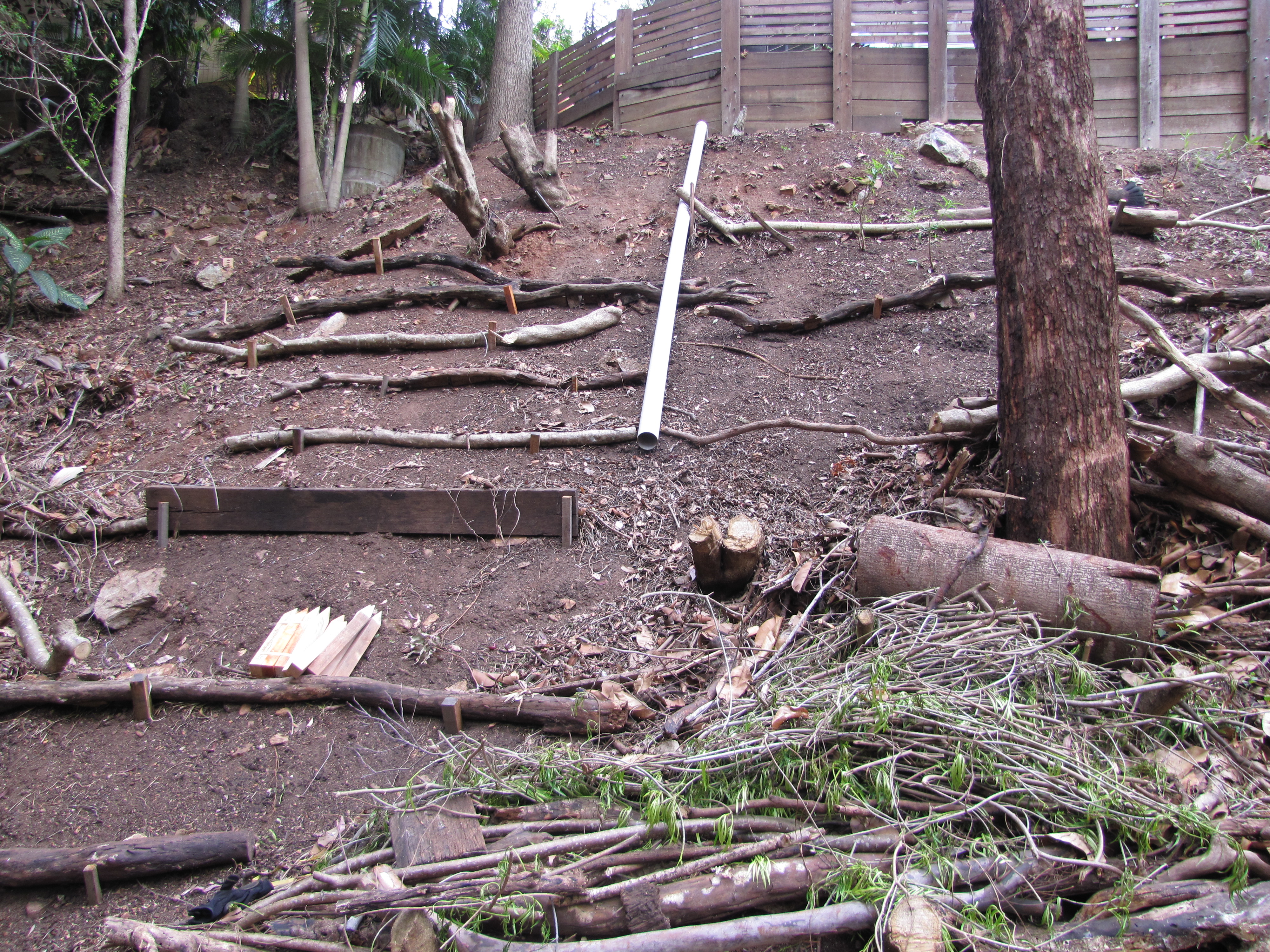
2011 Our first Community Gully Day, two years ago, saw the removal of six cubic metres of rubbish, poisonous Yellow Oleander Thevetia peruviana and Madeira Vine Anredera cordifolia, stabilised the banks with logs leaving the ground bare and storm water pipes a visual blight.

IMG_0872

November 2012

d

d

d

d

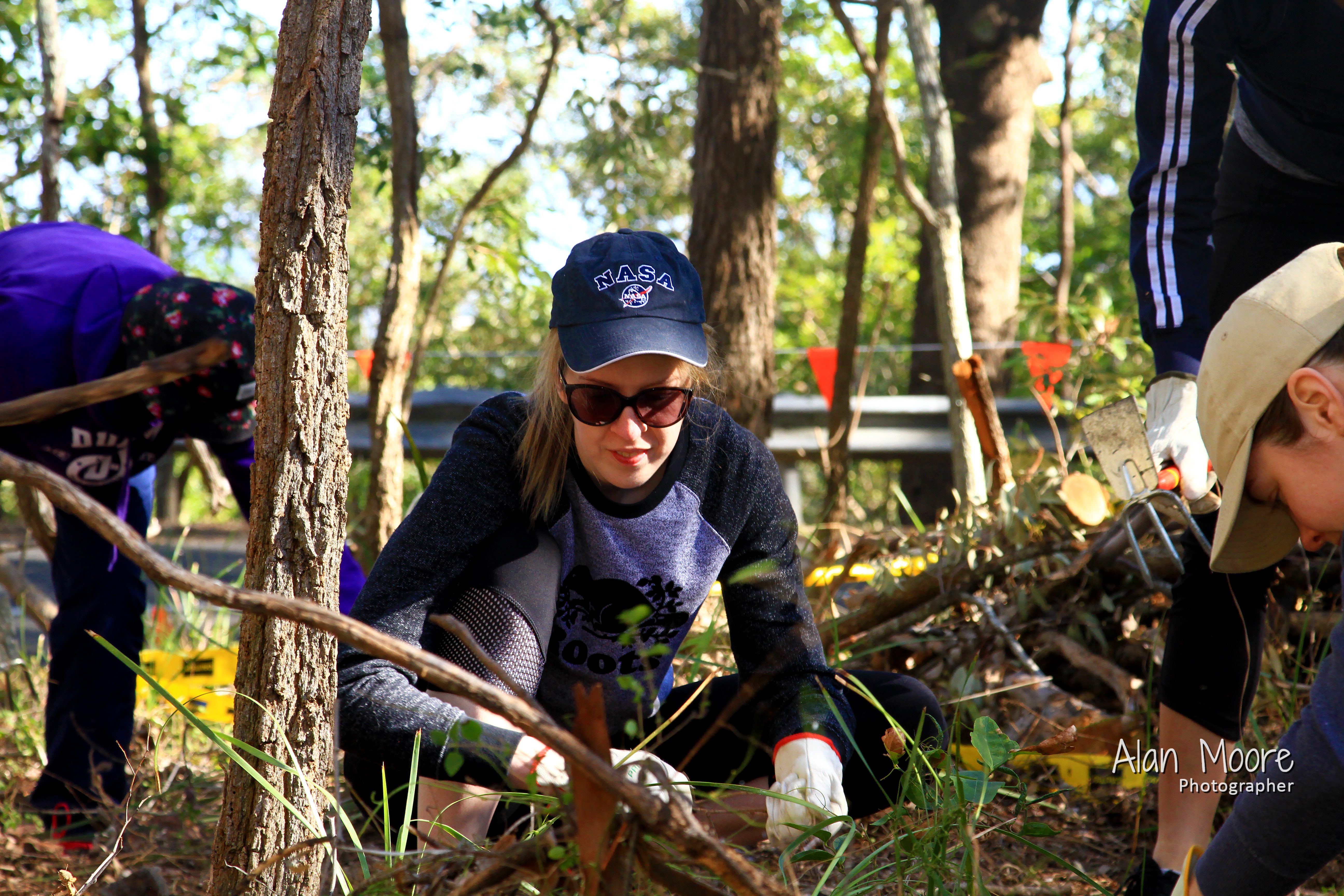
2012 Between Gully Days restoration work continues with regular Tuesday Bushcare events. Mirandha, Griffith University Bushcare Club, feeds Chinese Elm branches into out chipper.

IMG_4190

August 2013

d

d

d

d

Coin-spot Treeferns Cyathea cooperi are thriving, bush foods like Native Mulberry Pipturus argenteus will growing and the storm water pipes are disappearing under branches creating ideal habitat for lizards and improving visual amenity.

d

d

Living mulch - 11 Aug 2013

Living Mulch reducing erosion and creating mico-habitat

d

d

d

d

d

d

d

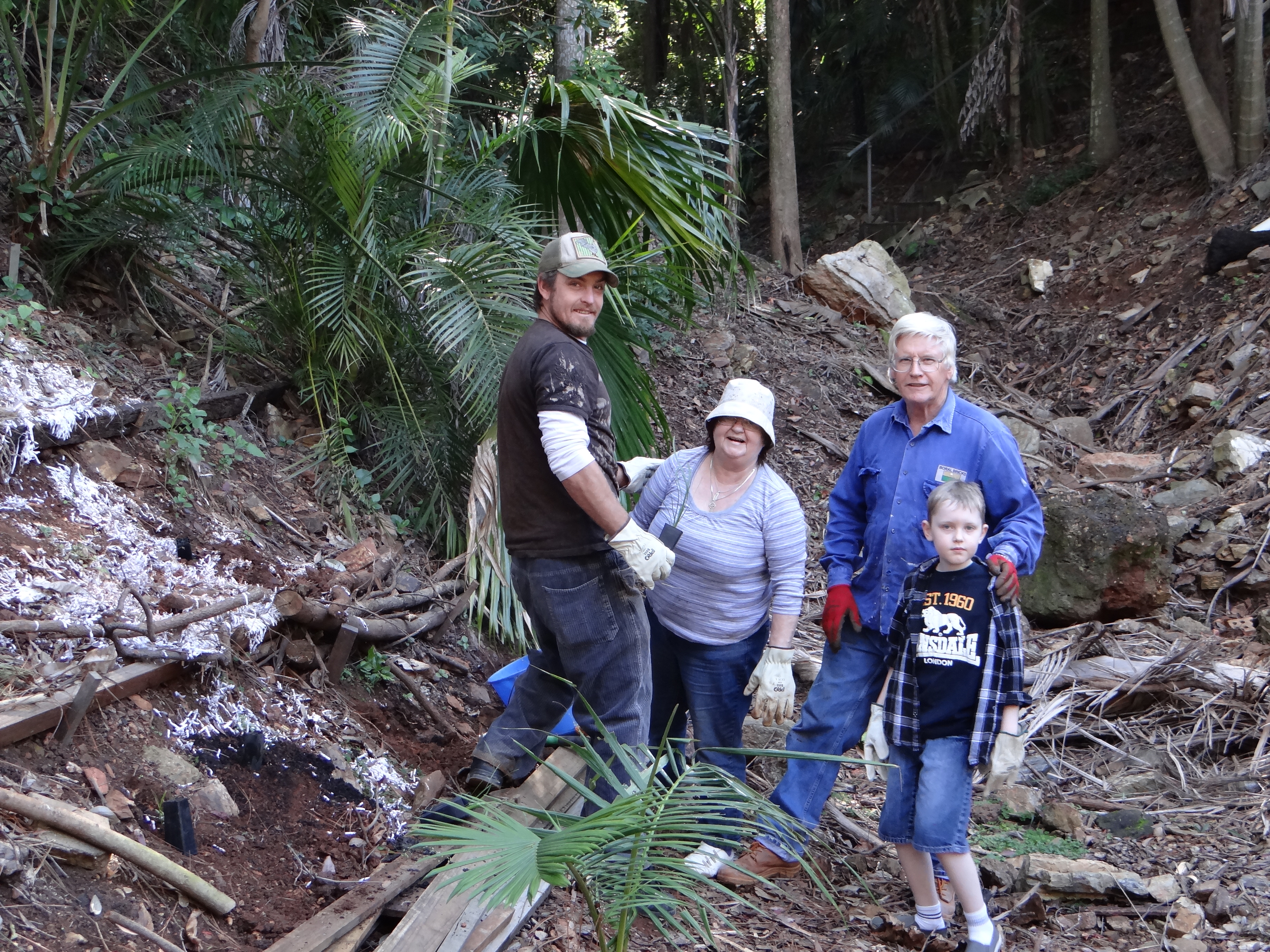
2013 8am The team getting to work, Scott, Barry, Carol, Don and Marshal in background, with Matt and myself delivering hollow logs for habitat.

IMG_1048

November 2012

Note the amazing mico-habitat created by the Living Mulch of native grasses – Rainforest Grass Oplismenus aemulus, Graceful Grass Ottochloa gracillima, and self-sown herbs like Native Hawksbeard Youngia japonica.

Even without the tree cover this area was several degrees cooler than the area just a little down the gully.

d

Marshal Carol Scott removing weeds - 11 Aug 2013

Clearing weed regrowth

d

d

d

d

A huge change from November 2012 when the gully was still bare.

d

d

Madeira Vine tuba - 5 Mar 13

Madeira Vine tuba removed from gully

d

d

d

d

8:30am Scott, Carol and Marshal have been busy clearing Mother-in-law’s Tongue Sansevieria trifasciata and Madeira Vine regrowth.

Matt Mike hollow log (low) - 11 Aug 2013

Matt and I install habitat log

Matt Russ Shawn placing logs 2 - 11 Aug 2013

Matt, Russ and Shawn positioning logs

d

d

d

Eradicating Madeira Vine in the gully is a long term project. The most effective removal approach for this fast growing invasive weed is simply digging out and immediately bagging the tubers. Madeira produced hundreds of tubers along the vine. Those tubers are viable for a long time and sprout like potatoes when they land in a suitable environment. The size of these tubers mean that using poison is often not an effective particularly in a vulnerable water course.

d

d

9am Matt and I install one of the hollow logs donated by Scott at Tree Bracers (eco-friendly) Tree Removal Specialists.  Scott contacted me asking if we could use the logs as he did not want to simply chip this valuable habitat resource. Roger Medland and I collected the logs in Rogers ute.

Marshal splitting logs - 16 Jul 2013

Marshal splitting logs for stablising banks

Hollow logs are valuable habitat for wildlife and installing these logs will provide Possums and Gliders safe escape from Foxes and cats.

d

d

d

d

d

d

9:30am Matt, Russ and Shawn are positioning logs on the bank further down the gully. Logs reduce erosion, allow mulch and leaves to collect retaining water and keeping weeds down. Restoration work is also much faster and safer as the logs create a working platform for removing weeds and planting grasses, vines and trees.

d

d

d

d

d

d

The logs were recycled from a tree removed after the January storms. Dale from Climb n Grind returned to safely remove the tree leaving the trunk cut to useful lengths. Marshal and I then used a chainsaw and steel wedges to split the logs into manageable quarters ready for the Gully Day.

IMG_3660

Len Kann with Stingless Bee hive

d

d

d

10:30am Time for a break. Genevieve has organised a sausage sizzle, coffee, tea, cake and fruit … mmmm.

IMG_0839 (1)

Teddy Bear and Blue Banded native bees

While we eat, native bee expert and Mt Gravatt Environment Group member, Len Kann shares his passion for this fascinating wildlife we can bring to our backyards to pollinate our Queensland Nut trees and vegetables.

d

d

Stingless bee hive (low) - 11 Aug 2013

Inside the hive – Stingless Bees

Len explained that there are over 2,000 native bee species in Australia with many providing farmers with unique pollination services not provided by European Honey bees.

IMG_0837 (1)

Rebecca planting

Len has put together a bee presentation box using one of his own empty hive boxes, specimen boxes with Blue Banded and Teddy Bear bees that we have collected in the Reserve, and excellent macro photos taken by member Alan Moore.

Len has generously provided one of his Stingless Bee hives on secondment in the gully and for his talk he bought along a hive he could open to let us see inside. For an ex-beekeeper like me it was fascinating to see the very different structure for storing honey and pollen, and, yes, it is nice not to collect the dozen of stings I received when robbing my European bee hives.

d

11am Rebecca is back to work planting the bank behind her property.

I am proud to live in a community that can come together on a long term project like this. Currently the owners of twenty properties are committed to restoration of their backyards as a wildlife corridor down Fox Gully and importantly work together to eradicate Madeira Vine.

We had twenty people participate in the 2013 Community Gully Day including people like Marshal and Carol who live beside Firefly Gully, Nancy who has propagated most of the Lomandras in the gully and Len who shared his passion for native bees.

Three hundred grasses, herbs, vines, shrubs and trees have been planted this year. Save Our Waterways Now (SOWN) generously gifted $400 worth of plants with other plants and resources purchased with over $200 in tax deductible donations from neighbours.

By: Michael Fox

Koala and Joey - Fox Gully wildlife corridor

Koala and Joey – Fox Gully wildlife corridor

Just this week the Southern Star reported that Koalas are fighting back and printed our map of sightings in Mt Gravatt Conservation Reserve.

Then on Friday night Matt Hill heard a scratching noise in the trees behind his deck. Thinking it was probably a possum he investigated with with torch picking up the glint of four eyes in the trees. He was delighted to find a Koala mum with her Joey comfortably nestled in her arms while she munched on leaves.

Koala sightings Fox Gully wildlife corridor

Koala sightings Fox Gully wildlife corridor

Matt and his family have been active supporters of our Fox Gully Bushcare restoration work and has been controlling weed trees, like Camphor Laurel, on his gully property. So, in December, he was proud to show me what looked like Koala scratches on a tree restored to the habitat only five years ago. This was an exciting find and now with this weeks photos we have confirmation that Koalas are not only active in the wildlife corridor but also breeding successfully. We also received another report this week of a Koala sighted high in a tree beside the footpath to the Griffith University Bus Station.

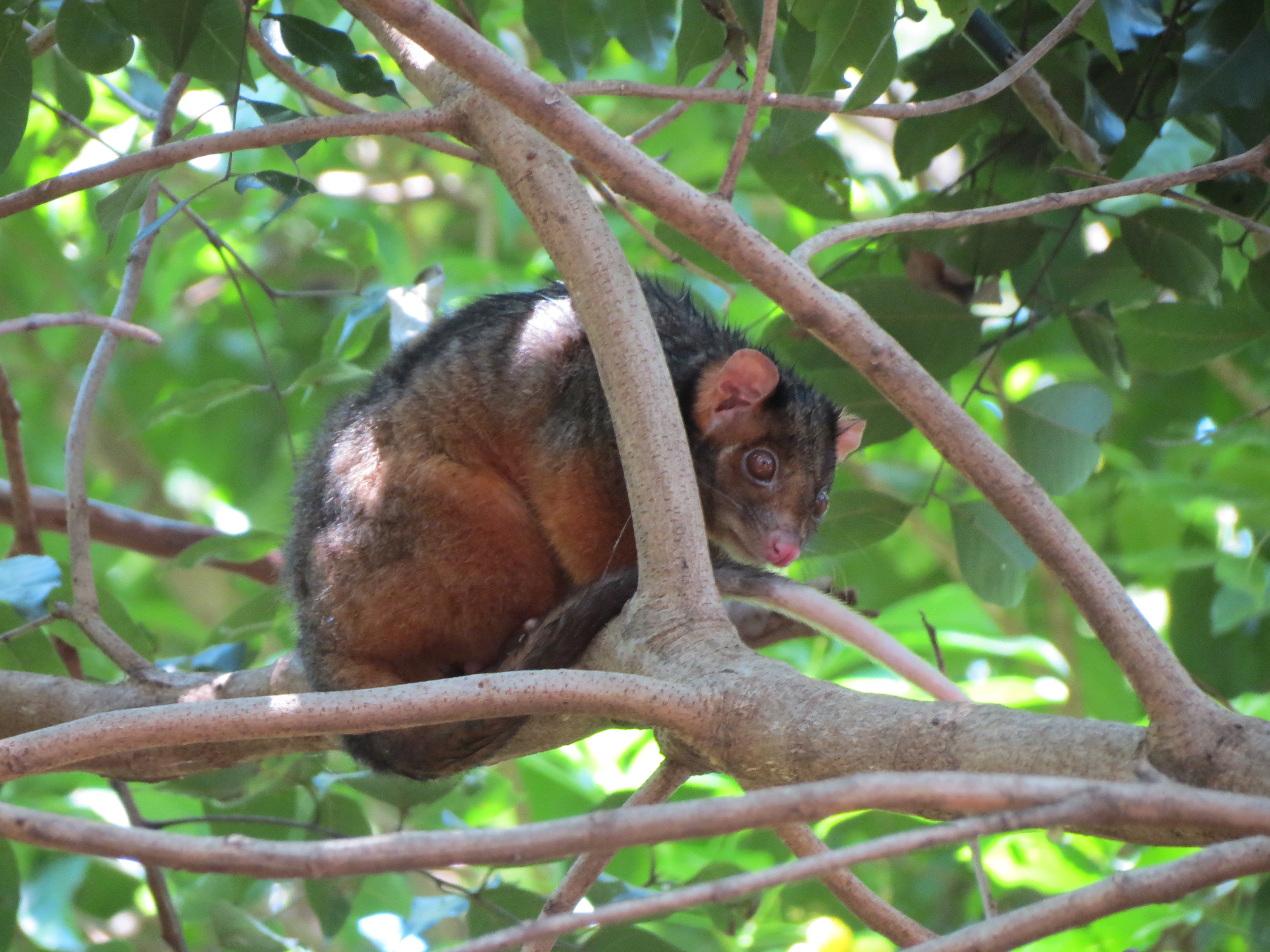
Ringtail Possum Pseudocheirus pereginus

Ringtail Possum Pseudocheirus pereginus

Restoration of this key wildlife corridor is now supported by seventeen property owners whose backyards include the gully and community members committed to restoring habitat for Koalas, birds, butterflies, frogs and native bees.

Restoration of the of the wildlife corridor is having a positive effect as shown by the number of Koala sighting as well as increasing other wildlife. At the top end of the gully, Roger and Margaret have a family of Ringtail Possums Pseudocheirus pereginus living in the top of staghorn ferns. Just before Christmas a mother with two babies on her back was sighted and Friday Margaret called to say the father had been disturbed from his staghorn nest when Roger was hosing.

Note his spiky hair and spiky attitude as he cleans water off his coat.

f

Common Ringtail Possum – not that common

Please be patient with these cute creatures if they eat some of your fruit. During the 1950’s Common Ringtail Possum populations severely declined in numbers. Currently populations seem to have recovered but they are at risk of attack by cats loose at night.

Unlike Brushtail Possums Trichosurus vulpecula, Ringtails tend to avoid house ceilings, preferring to nest in trees or the tops of staghorns, so they are not considered pests in suburban areas.
d

Reference: Animal Diversity Web (ADW) is an online database of animal natural history, distribution, classification, and conservation biology at the University of Michigan

By: Mike Fox

Neighbours pitch in to clear up

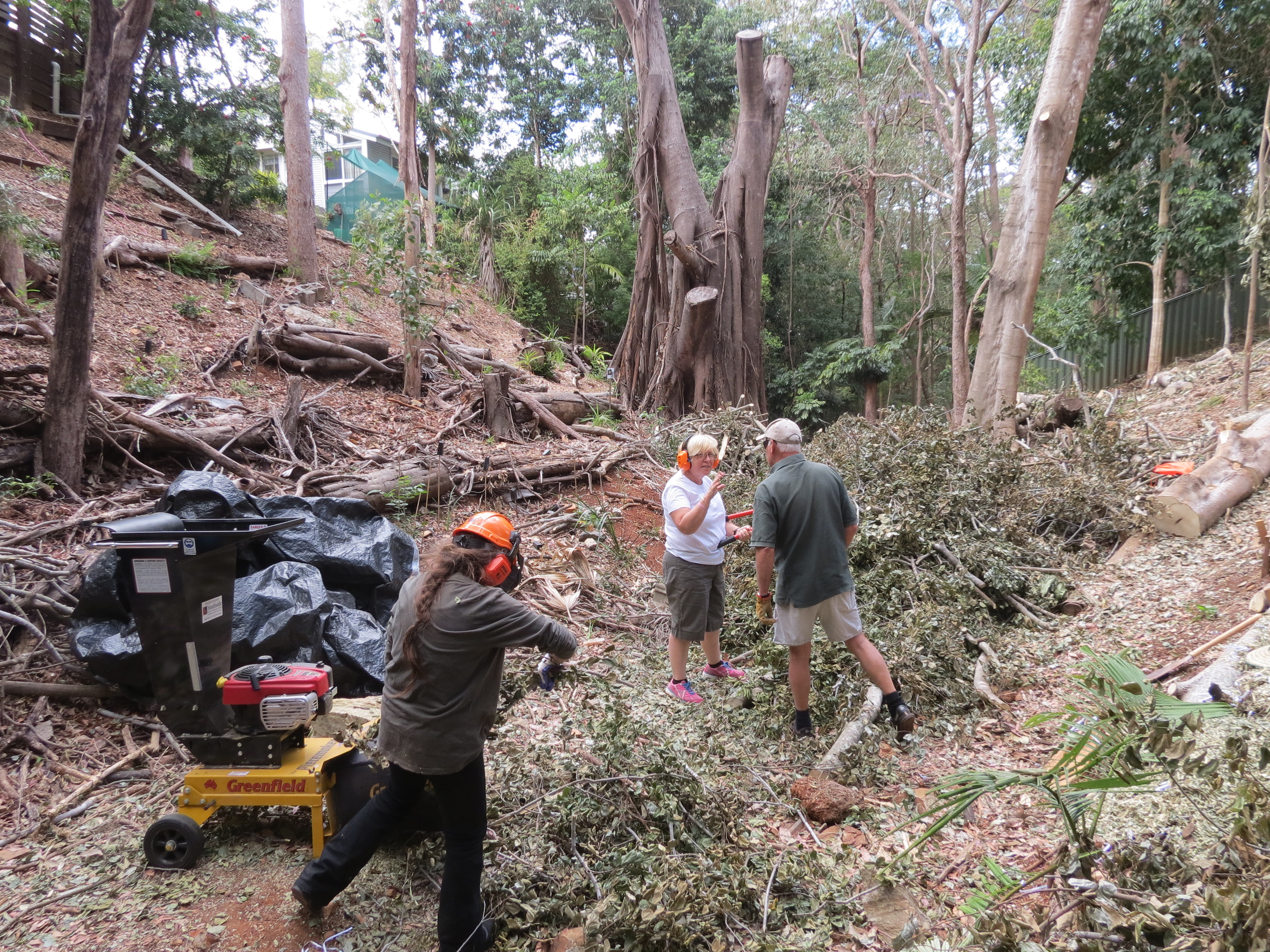
A 20 metre Chinese Elm Celtis sinensis creates a lot of green waste to be chipped and cleared from the gully. Neighbours Rebecca, Didier, Don and Clair pitched in to clear up the huge pile of branches.

a

Miranda, Griffith Uni Environment Law student

d
d

s

s

A big clean-up needs a big chipper. Miranda loved using our Greenfield’s 8.5hp Piecemaker that virtually sucks the branches into the blades for chipping. Thanks to Southside Sport & Recreation Club who provided the grant for purchasing the chipper.

The Piecemaker is proving its value saving over $2,000 on the cost of removing the Chinese Elm, a benefit for our whole community, in particular restoration of Mt Gravatt Environmental Reserve.

ss

Miranda, Annette and Marshal hard at work

s

s

s

The clean up is well on the way with Marshal and Annette (property owner) in background preparing branches for chipping and Miranda operating the machine.
dd
d
dds

s

Laughing Kookaburra Dacelo novaeguineae

d

d

d

Even the local wildlife is joining in the clean up. This Laughing Kookaburra Dacelo novaeguineae is hunting for worms and spiders among the leaf litter. The Kookaburras are really enjoying the restoration work as more worms, insects and spiders are thriving among the planting, mulching and logs.

sd

d

Northern Jumping Spider Mopsus mormon

It is inspiring to find the variety of wildlife returning to the gully. This beautiful Northern (Green) Jumping Spider Mopsus mormonwas hunting for flies, moths or grasshoppers for lunch. Creating habitat for wildlife means we have natural pest control and over time we will hopefully tempt some of the beautiful insectivorous birds out the forest. Birds like the Striated Pardalots Pardalotus striatus and the beautiful Black-faced Monarch Monarcha melanopsiss not only add sound and beauty to our backyards, they also hunt insects like mosquitos on our behalf.

Striped Marsh Frog eggs

Another amazing find was these eggs of the Striped Marshfrog Limnodyynastes peroni in one of semi-permanent rock pools created by the return of the permanent spring.

Striped Marsh Frogs are a native ground dwelling frog with a distinctive “toc …. toc …. toc” call. To listen scroll to Calling on the Frogs of Australia web page and click “Hear it now.”

s

s

Red Cedar

s

With the Chinese Elm down and the chipping finished we can now plant nine advanced Red Cedars donated by Dave and Liz, Roly Chapman Bushcare. Red Cedars (common name for a number of Toona species) are an attractive fast growing native that will help restore the gully habitat and privacy for the neighbours.

s

s

d

d

d

s

Arrowleaf Violet

d

The planting done on the Community Gully Day in August is now starting to create a presence in the gully.

d

d

d

d

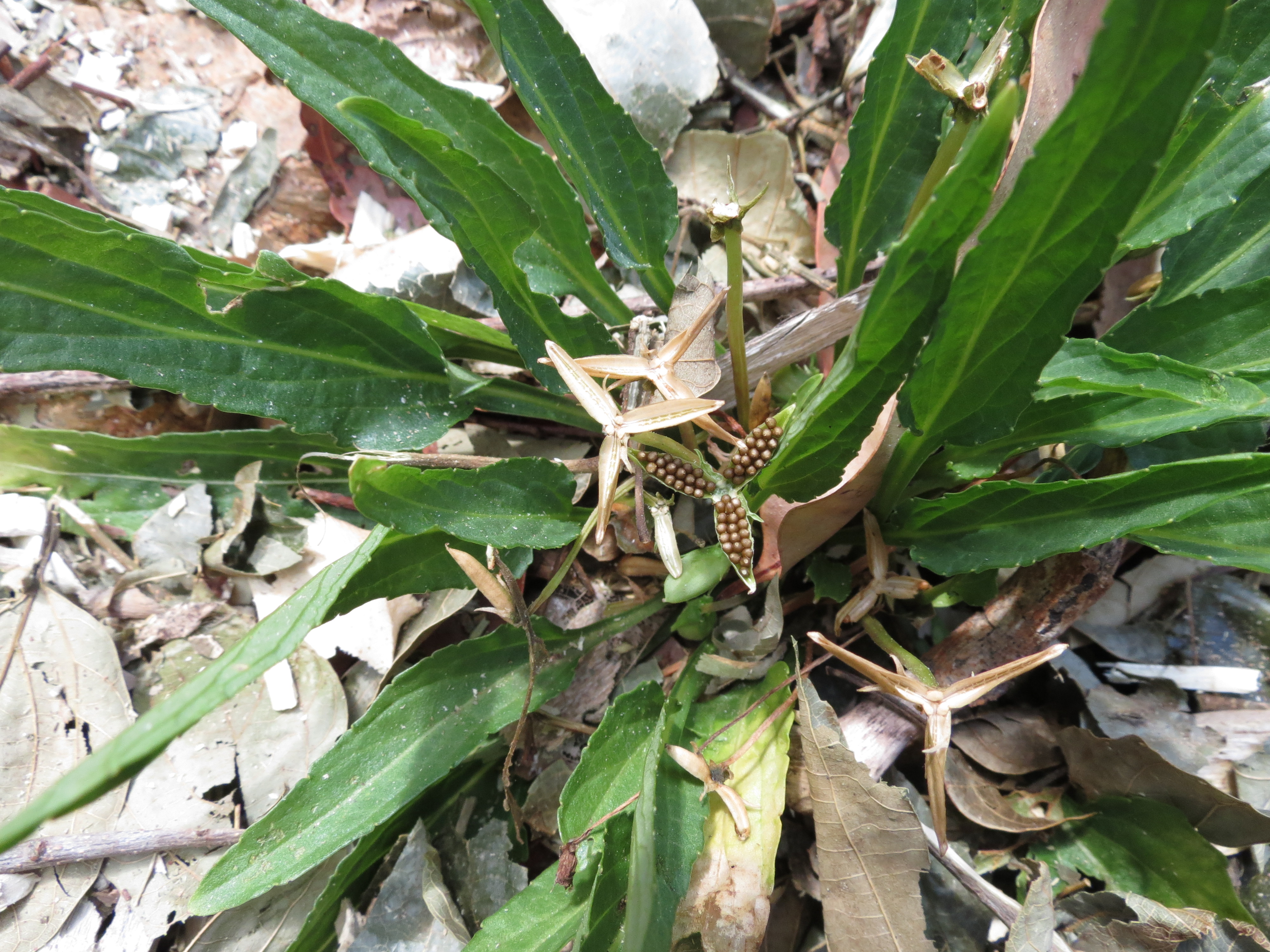
Arrowleaf Violet in seed

d

Particularly pleasing was finding that the Arrowleaf Violet Viola betonicifolia has set seed. This pretty violet is the only caterpillar food plant for the endangered Laced Fritillary butterfly Argyreus hyperbius inconstans. Now that this Violet has set seed it will spread quickly in the gully.

s

s

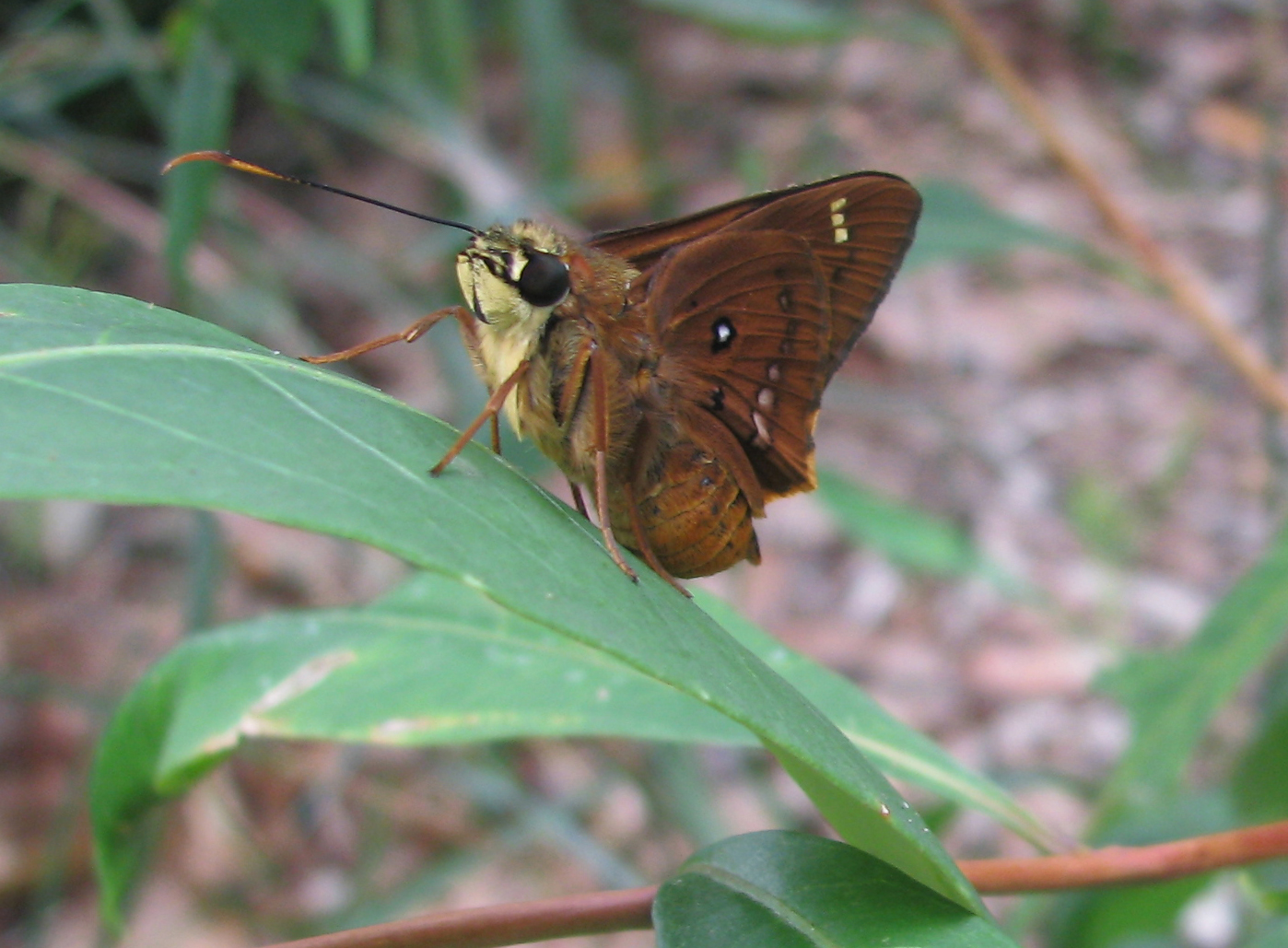
Splendid Ochre Trapezites simmomus

The Love Flower Pseuderanthemum variabile, caterpillar food for Australian Leafwing butterfly Doleschallia bisaltide, Waxflower Vine Hoya australis and Coinspot Treeferns Cyathea cooperi are all growing. The Creek Mat-rush Lomandra hystrix are thriving even with the dry weather. These Lomandara are caterpillar food for the Splendid Ochre Trapezites simmomus and Brown Ochre Trapezites iacchus butterflies as well as providing valuable erosion control in the gully.

Clean up complete in time for storms

d

c

Finally finished clearing the branches, raking the loose leaves and putting logs in place ready for the storms expected over the weekend.

d

d

d

d

d

s

d

Hollow log habitat for lizards and frogs

s

s

s

Final touches … hollow logs will create safe habitat for lizards and frogs.

By: Michael Fox

Ready to climb

Some weeds don’t come out easily so extreme measures are required.

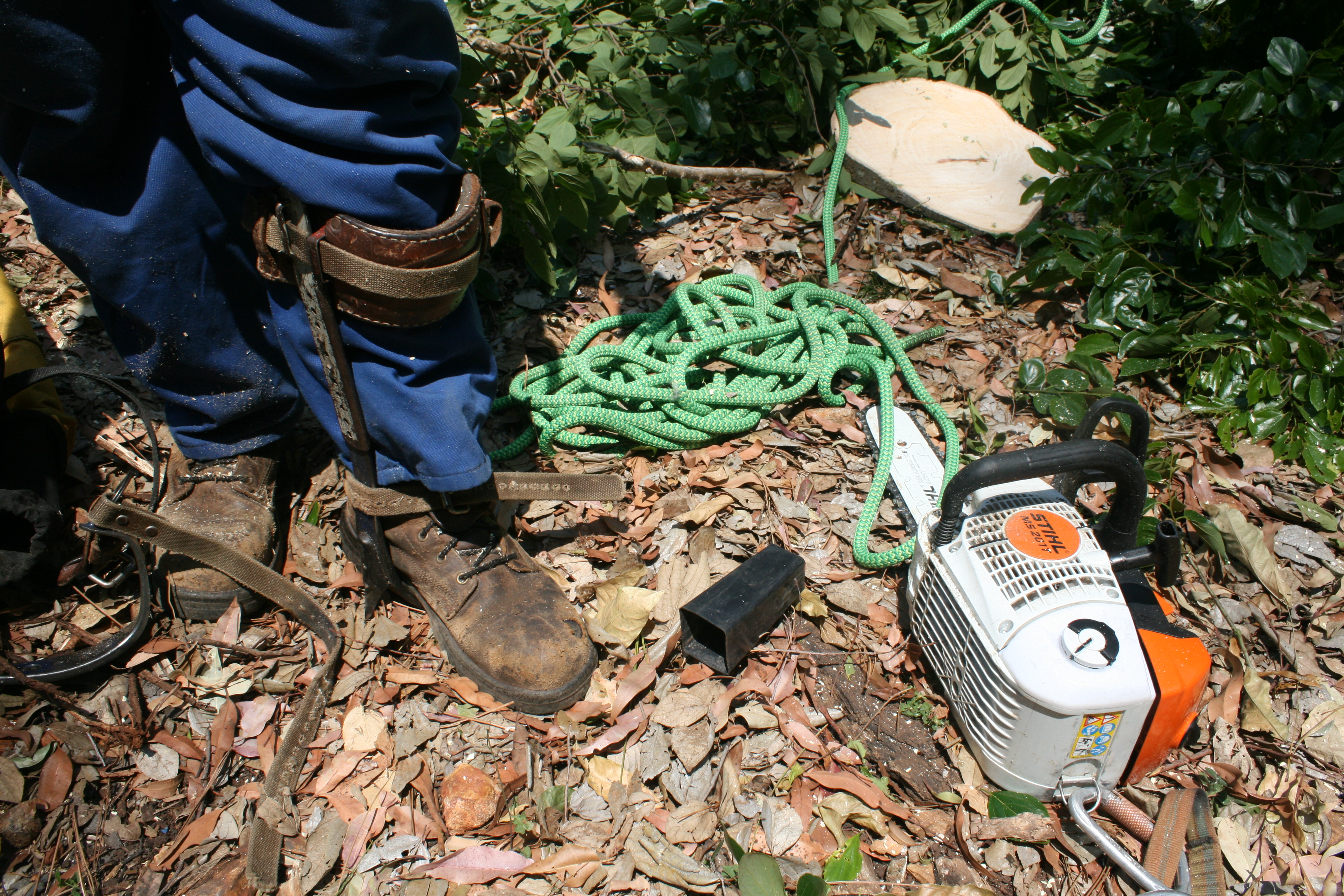
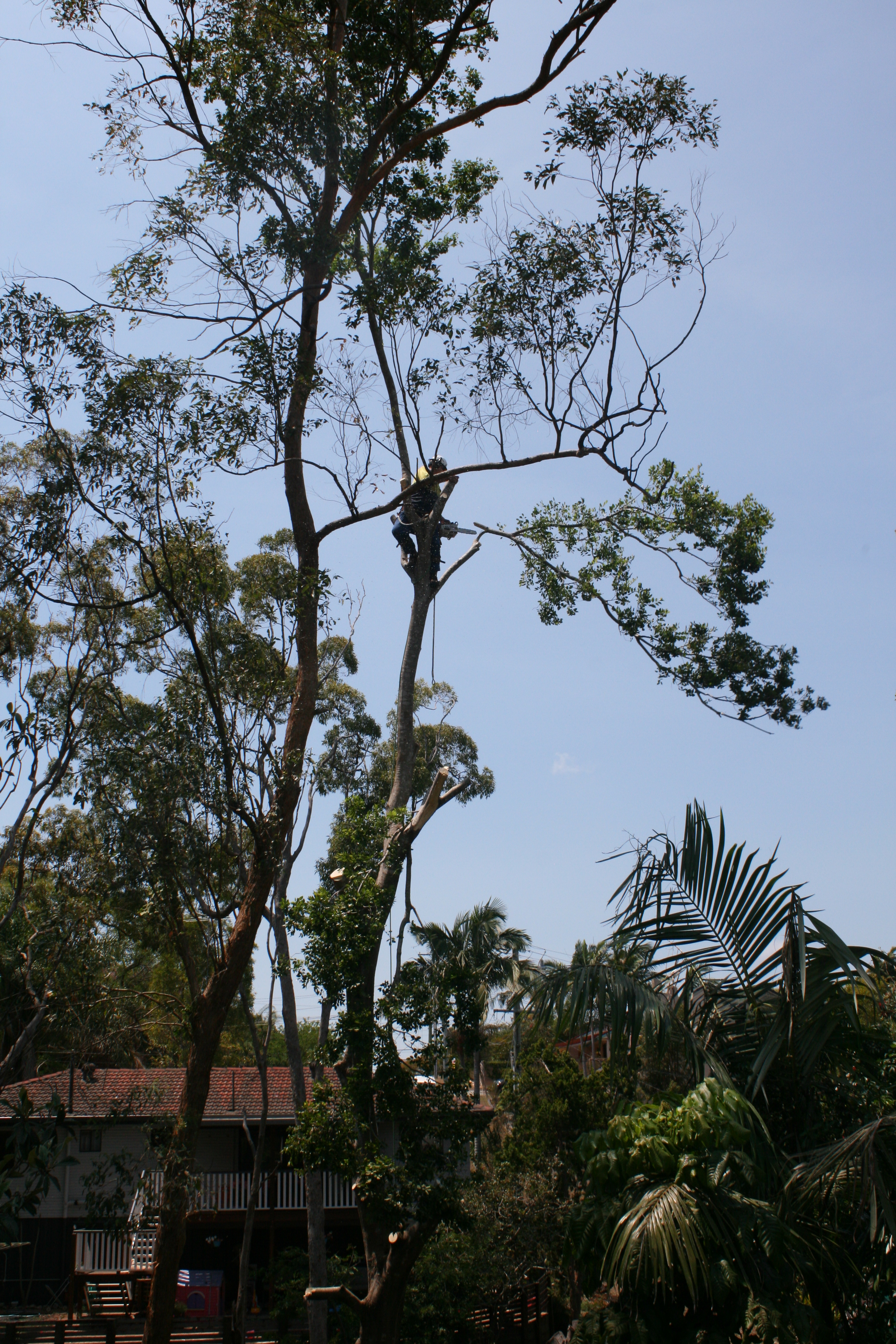
Dale, owner of Climb n Grind, straps on his spikes to scale this 20 metre high weed, an invasive Chinese Elm Celtis sinensis.

Chinese Elm or Chinese Celtis is a Class 3 Environmental Weed:

Starting the climb

“Thousands of small, orange berries are produced and are dispersed when eaten by birds. Celtis often grows in clay soils associated
with alluvial creek flats and gullies. It is an invader of riparian habitats …”

Sales of Chinese Elms have been prohibited for some years however this fast growing invasive weed is still growing in many backyards and spreading to neighbouring backyards as well as bushland areas like Mt Gravatt Conservation Reserve.

In 2012 Mt Gravatt Environment Group has been working closely with BCC Habitat Brisbane Officers to remove large Chinese Elms within the Conservation Reserve.

Time to relax?

Invasive weeds are one of the three key threats to the long term health of this unique Koala habitat. So it is inspiring to work with community members committed to restoration of the Fox Gully wildlife corridor and paying for removal of these weeds on their own properties.

In this case Annette has contracted professional tree climber Dale to scale the tree and to deconstruct it without damage to surrounding building or fences and with minimal damage to the restoration planting.

Walking up a vertical surface

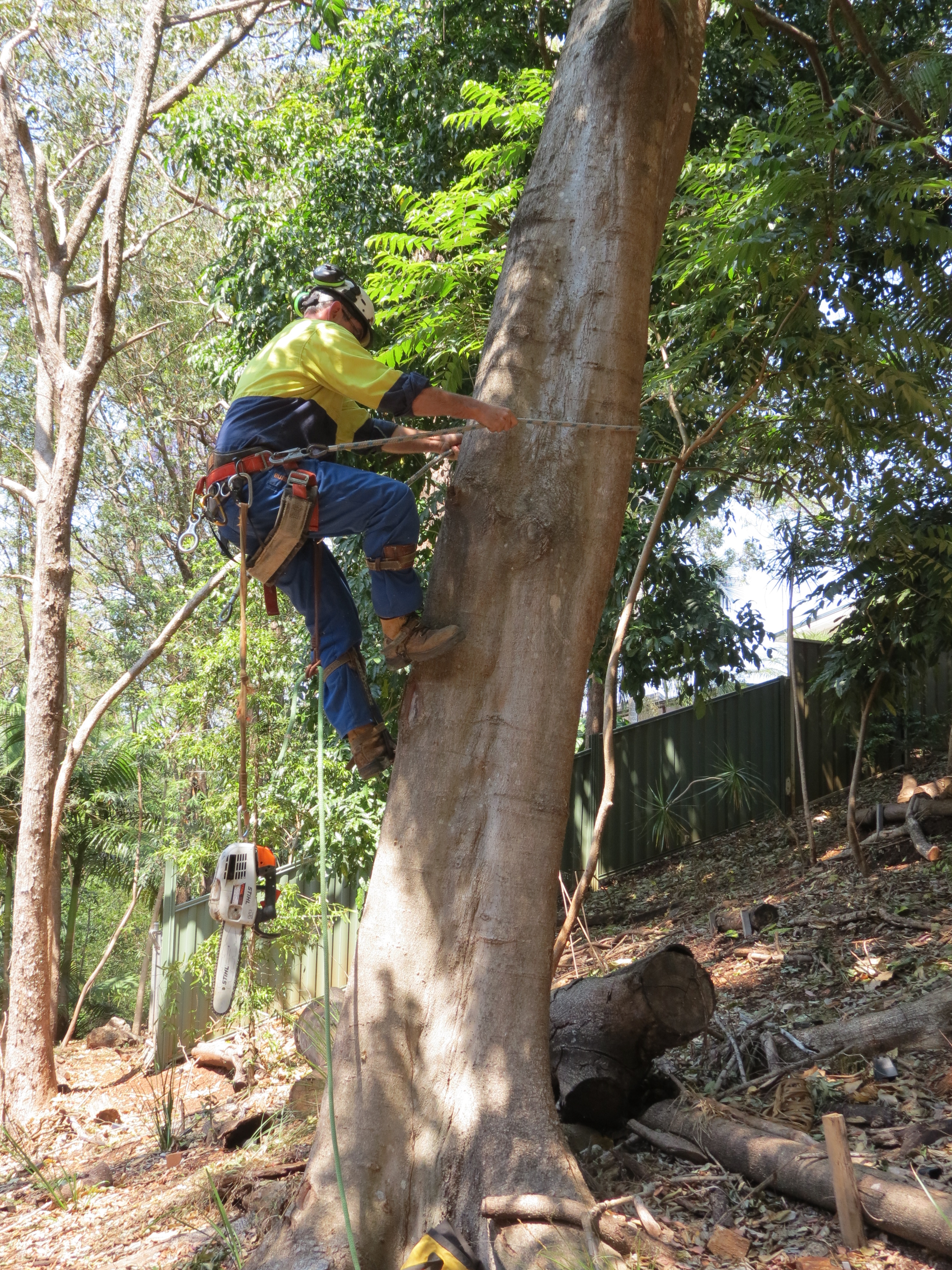
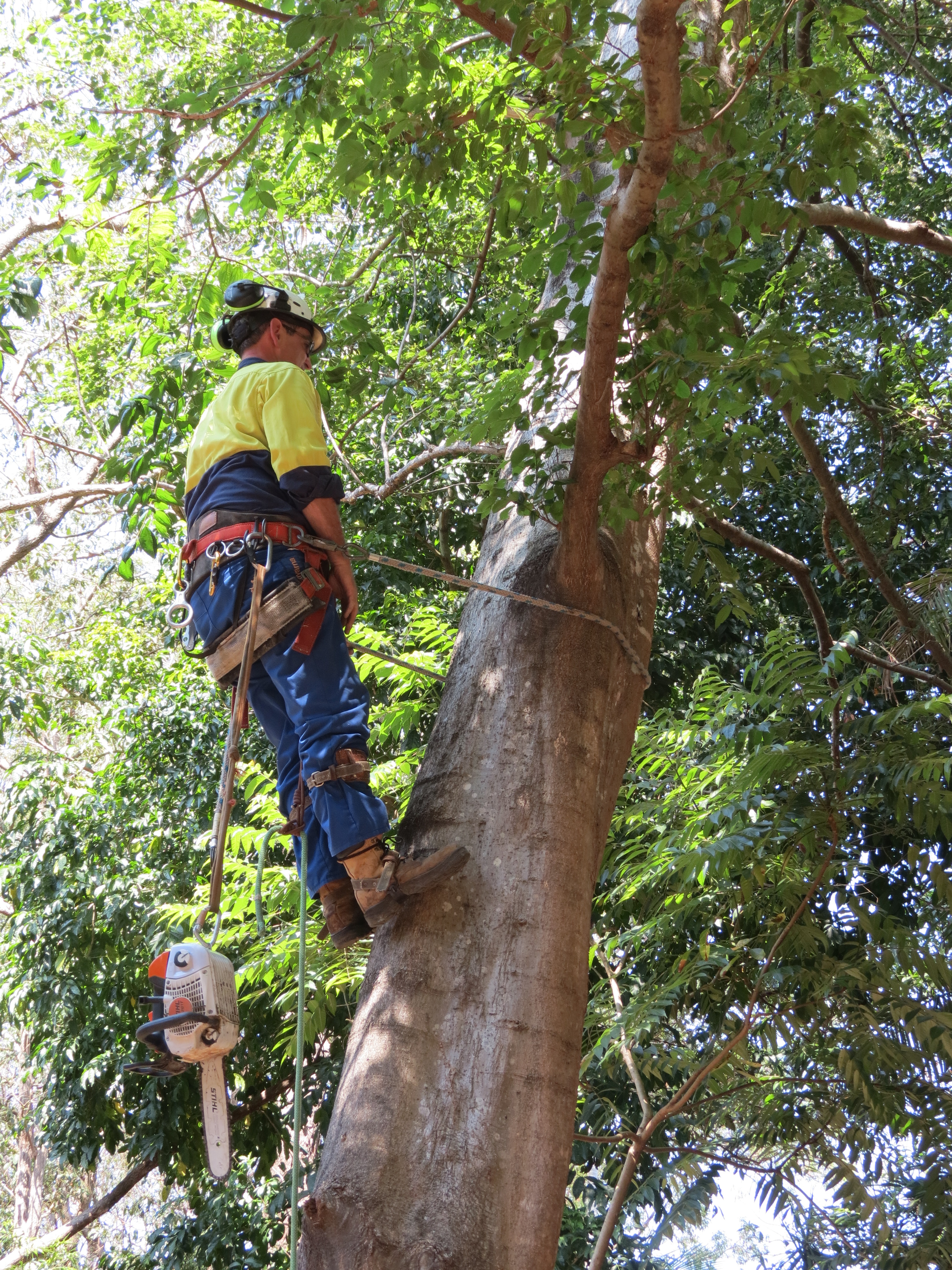
Watching Dale operate was amazing. Having strapped on spikes and hanging an extraordinary collection of ropes, tools, even a chainsaw, from his belt Dale simply started “walking” up the side of this tree, making it look as easy as stroll in the bush.

d

d

d

High above stump of Indian Rubber Tree

T

d

Climbing with full kit dangling

Towering above surrounding houses this Chinese Elm was significantly more than the 12 metre height mentioned in the DPI document.

d

d

d

d

d

d

d

d

d

d

The stump of the huge Indian Rubber Tree removed in 2011 can be seen in the background and way below the branch where Dale is so casually standing.

d

d

d

d

d

d

d

d

d

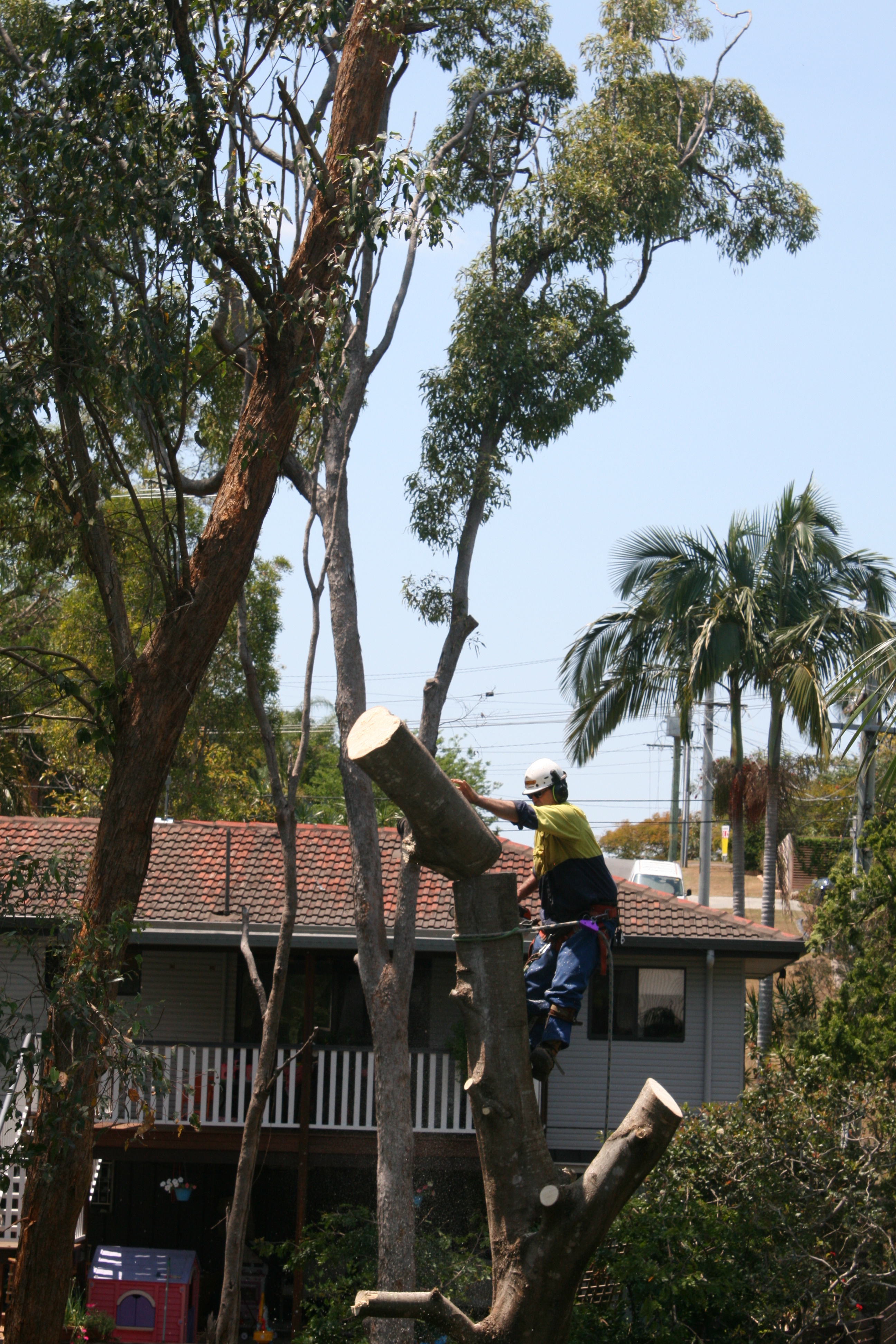
Ok we’ve cleared the low branches so it’s time to climb again. Note the fork that was above and to the left of Dale in the last picture is now below him!

Extreme pruning

d

d

d

d

d

d

d

d

d

d

d

d

Almost finished

That fork is now far below as Dale climbs higher to do a little light pruning.

d

d

d

d

d

d

d

d

d

s

ss

Hundreds or even thousands of berries

Working his way back down cutting logs almost as big as himself.s

s

s

s

s

s

c

c

c

c

c

d

d

The tree was covered in hundreds or perhaps thousands of immature berries that would have been spread by birds or washed down the gully to infect other properties or Roly Chapman Reserve and Mimosa Creek. Prior to targeting Chinese Elms for removal we would remove two or three hundred seedlings each year in each of our bushcare sites so removal of this tree is a significant boost to our restoration efforts.

By: Michael Fox

c

November 2007 we held our first Community Planting Day.

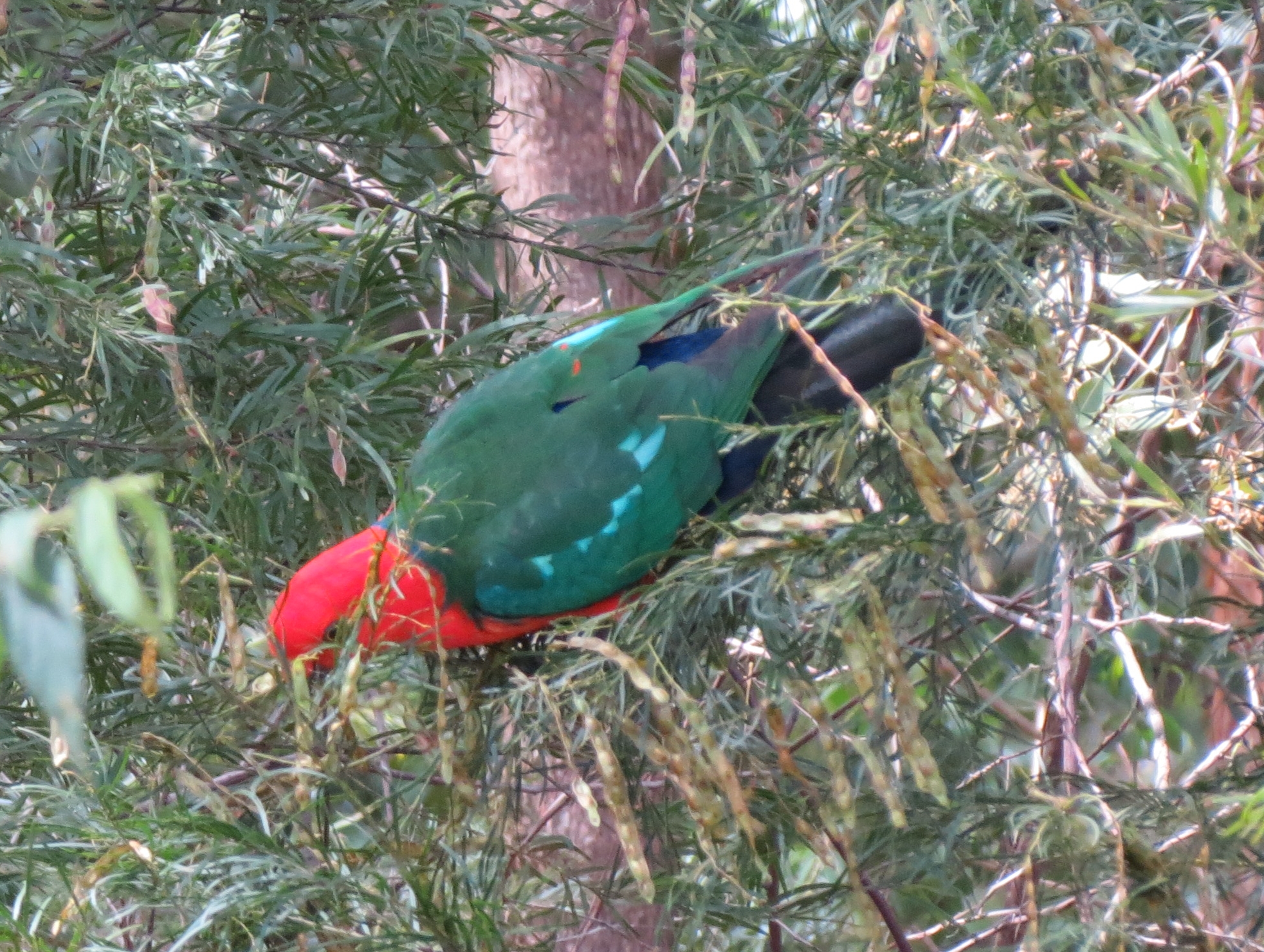
King Parrot feeding on Brisbane Fringed Wattle

Four hundred and ten native plants represented the first big step in restoring the Fox Gully habitat.

Aside from native herbs and grasses we also planted a number of Acacia falcata and Acacia fimbrata. Acacia fimbrata, also called Brisbane Fringed Wattle, is one of the most beautiful of our local wattles and a favourite with at least one of our neighbours – read the story.

Brisbane Fringed Wattle is also a favourite of our beautiful King Parrots Alisterus scapularis who visit each year to feast on the seed pods. Watch the video to see the amazing skill in getting each seed then moving the pod along to get the next seed … and no hands needed.

8:30am Briefing the team and taking their minds off the cold (Photo: Alan Moore)

By: Michael Fox

7:45am The first participants have arrived even before I have finished setting up … and it’s cold!

8:30am The team is assembled, time for briefing: we have over 200 plants ready. Plants selected included vines like beautiful butterfly plant Sarsparilla Vine Hardenbergia violacea, trees like Coast Banksia Banksia integrifolia
– food plant for Sugar Gliders, and trees like the Blueberry Ash Elaeocarpus reticulatus with its fascinating pretty pink downward facing flowers. Downward hanging flowers are a valuable food source in rainy periods when nectar is washed out of Banksia and Grevillea flowers.

9am Ross & Barry planting large Hickory Wattle (Photo: Alan Moore)

d

d

d

d

9am Planting is well underway with people scattered all over the slope. Ross Vasta MP Federal Member for Bonner and gully neighbour Barry work together planting a large Hickory Wattle Acacia disparrima.

9:50am Miranda and Scott

d

d

d

d

d

9:50am Must be time for morning-tea.

Looking around it is a real pleasure to see our neighbours engaged in a cooperative effort to restore this corridor for our wildlife.

9:50am (l-r) Alistair, Lyn, Ray & Trey

d

d

d

d

Three generations of the Fulton family have been strong supporters of our restoration work with members involved in every planting day since 2008 when they planted two trees in memory of Lyn’s mother. Ray has also propagated Lomandras and potted Acacias that are now thriving in bushcare site.

10:45am Community at work

f

f

d

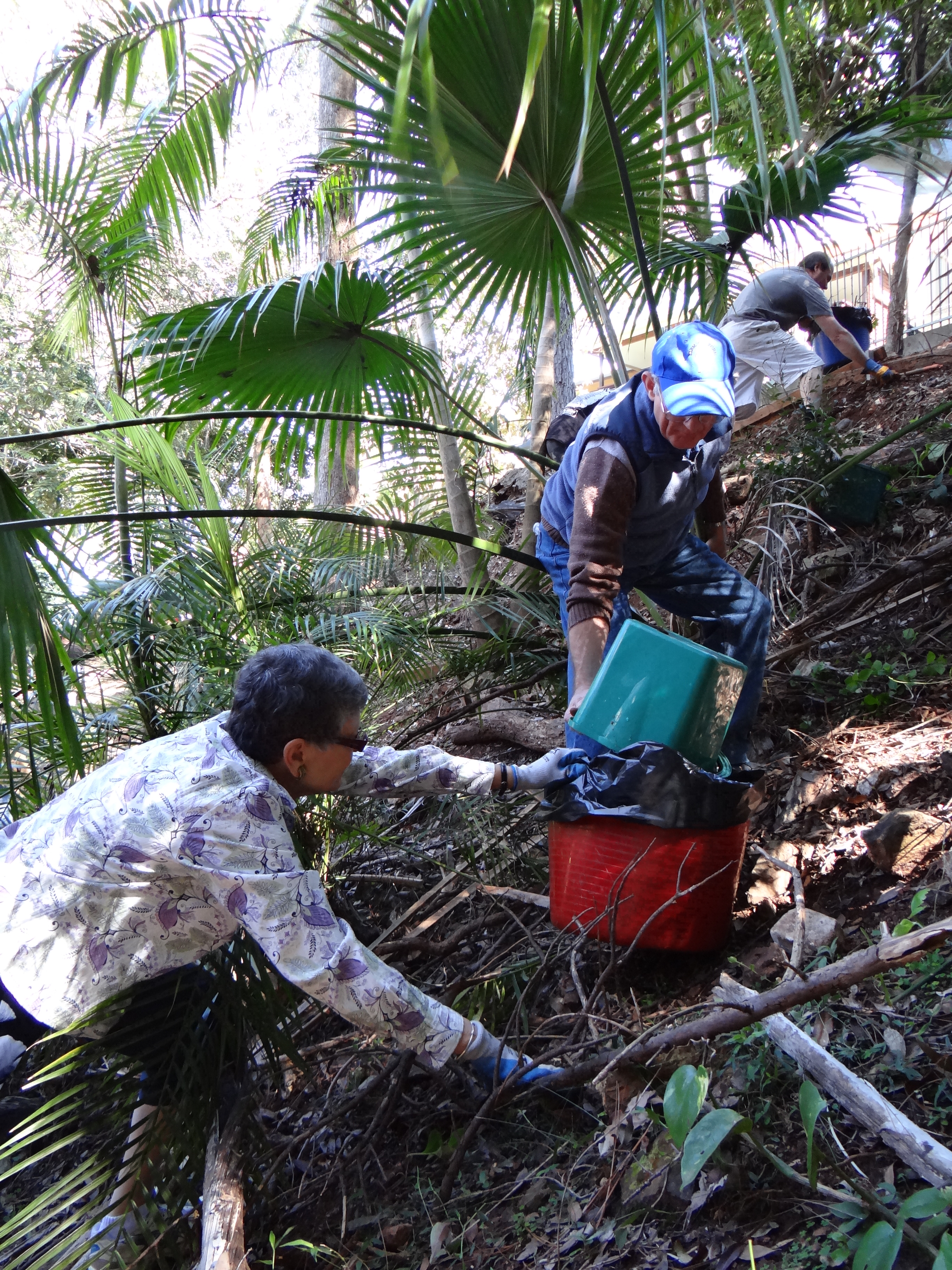
10:45am Planting is almost complete so the team starts moving up the gully clearing Madeira Vine anredera cordifolia and Devil’s Ivy Epipremnum aureum.

Madeira Vine is a major problem in the gully, smothering trees and spreading aggressively with hundreds of potato like tubers which can each shoot into two or three new vines.

Devil’s Ivy or Pothos
is another invasive weed in the gully, climbing and dragging down trees. Devil’s Ivy, a common house plant, is also toxic to dogs and cats.

10:50am Ann Moran – Field Botanist

d

11am Installing Men’s Shed nest box – a new home for Scaly-breasted Lorikeets

d

d

10:50am Further down the gully Ann Moran a Field Botanist with decades of experience, generously shared her amazing knowledge of our native plants. I didn’t realise what looks like multiple leaves on the Black Bean Castanospermum australe are actually one leaf and if you sniff the end of the stem it smells of cucumber.

d

d

d

d

d

dd

d

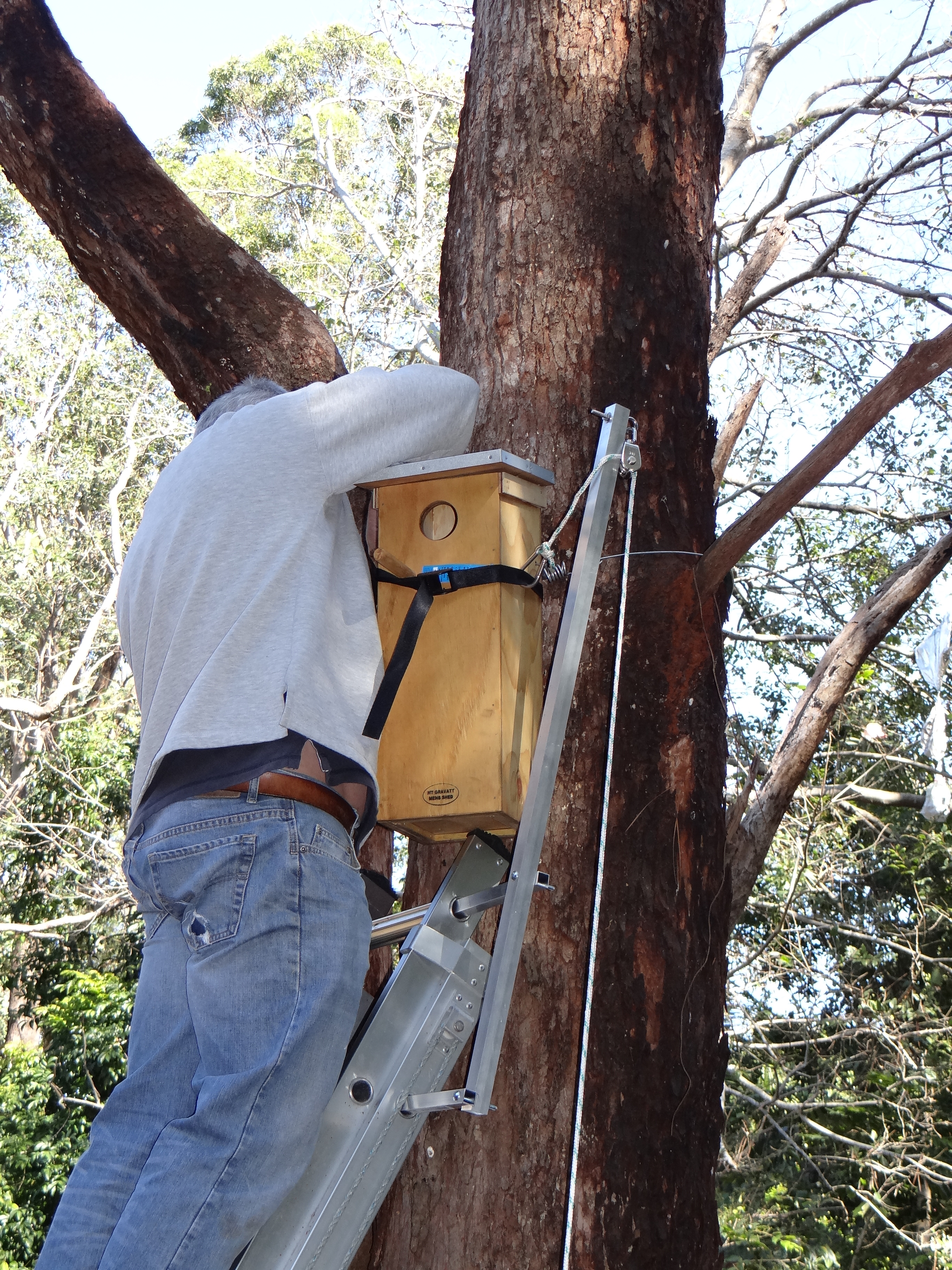
11am Installing our first nest box. Logging and farming of the mountain habitat means that the forest is less than one hundred years old. Nest hollows typically start to form once trees are over one years old and then can take another fifty years to create. Therefore there is a shortage of nest hollows available for birds and gliders. Mt Gravatt Men’s Shed have now partnered with Mt Gravatt Environment Group to produce high quality nest boxes designed to the needs of local species. Scaly-breasted Lorikeets – all green with flecks (scales) of yellow on the chest, are smaller than Rainbow Lorikeets and have lost out in the fight for available tree hollows. This box with its smaller entry hole which excludes the larger birds will remain available for our Scalies.

Mt Gravatt Environment Group sell Men’s Shed nest boxes for $50. Boxes are available for a number of bird and glider species. For details email: megoutlook@gmail.com

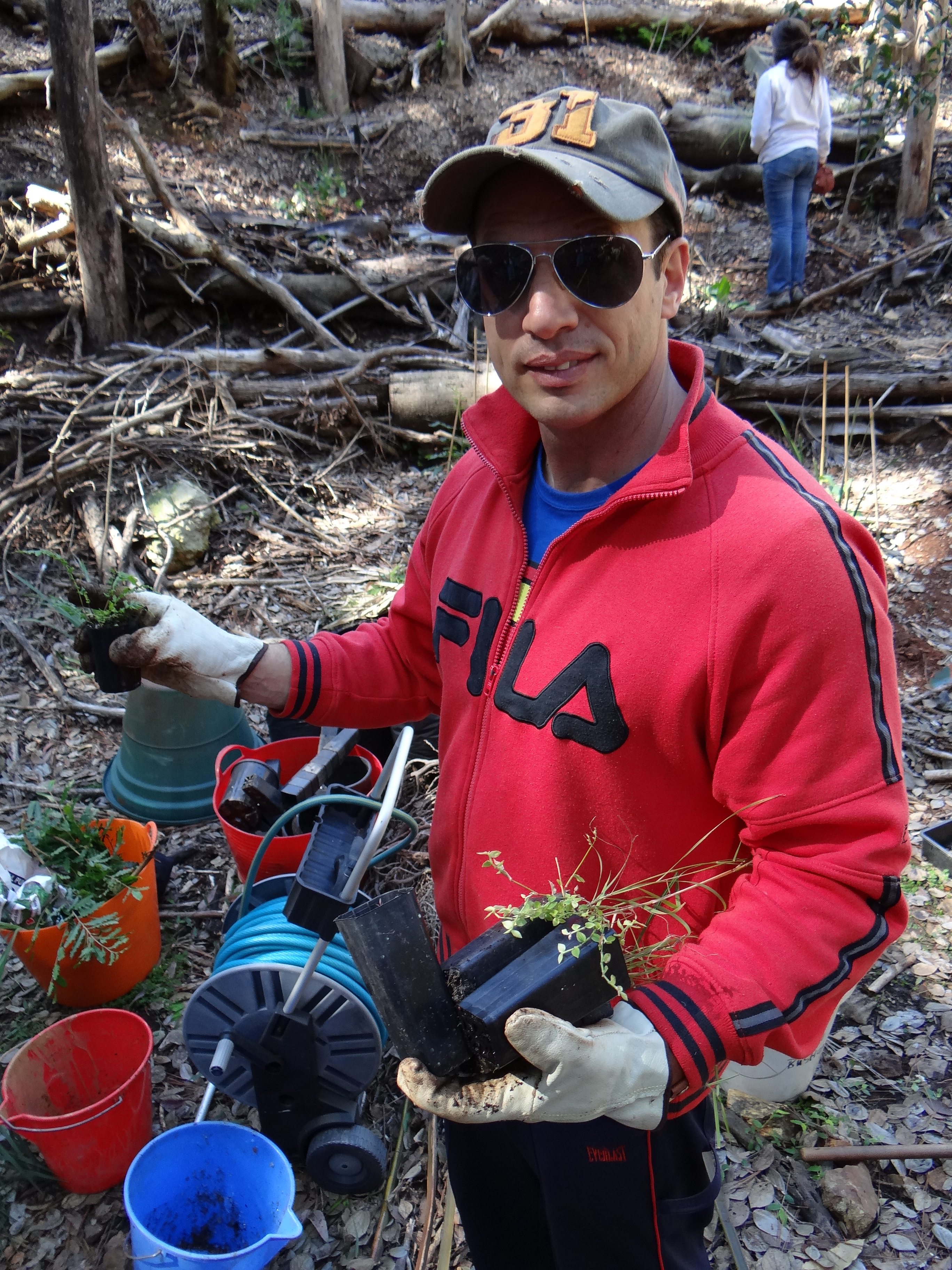
11:20am Andrew with native grasses

11:20am Native grasses like Rainforest Grass Oplismenus aemulus, Graceful Grass Ottochloa gracillima and Scented Top Grass Capillipedium spicigerum  operate as Green Mulch suppressing weeds, retaining moisture and reducing erosion. These grasses are also caterpillar food for butterflies like the Orange-streaked Ringlet.

Andrew get special attention from the photographer: his wife Kerry. A participant in our 2011 Photography Workshop has developed a real skill in capturing the moment and the wildlife.

11:30am Susan (left) and Don clearing weeds

d

d

d

d

11:30am Susan Jones, Mt Gravatt Environment Group Secretary, pitches in with gully neighbour Don to remove Madeira Vine.

12noon Planting done. Now nature takes over to complete the job

d

d

d

d

d

d

d

d

d

12noon Over 200 plants in place. Now we hand over the nature to complete the job. Come back for the 2013 Community Gully Day to see the results of our partnership with nature.

Thank you to all participants. It is inspiring to be part of such an amazing community event. Also thank you to Annette & Genevieve who hosted the event, Don & Clair, Ray & Lyn and SOWN who donated plants and Jason & Tash who donated timber for the slope.

Some neighbours who were unable to participate on the day made tax-deductible donations that paid for the tube stock.

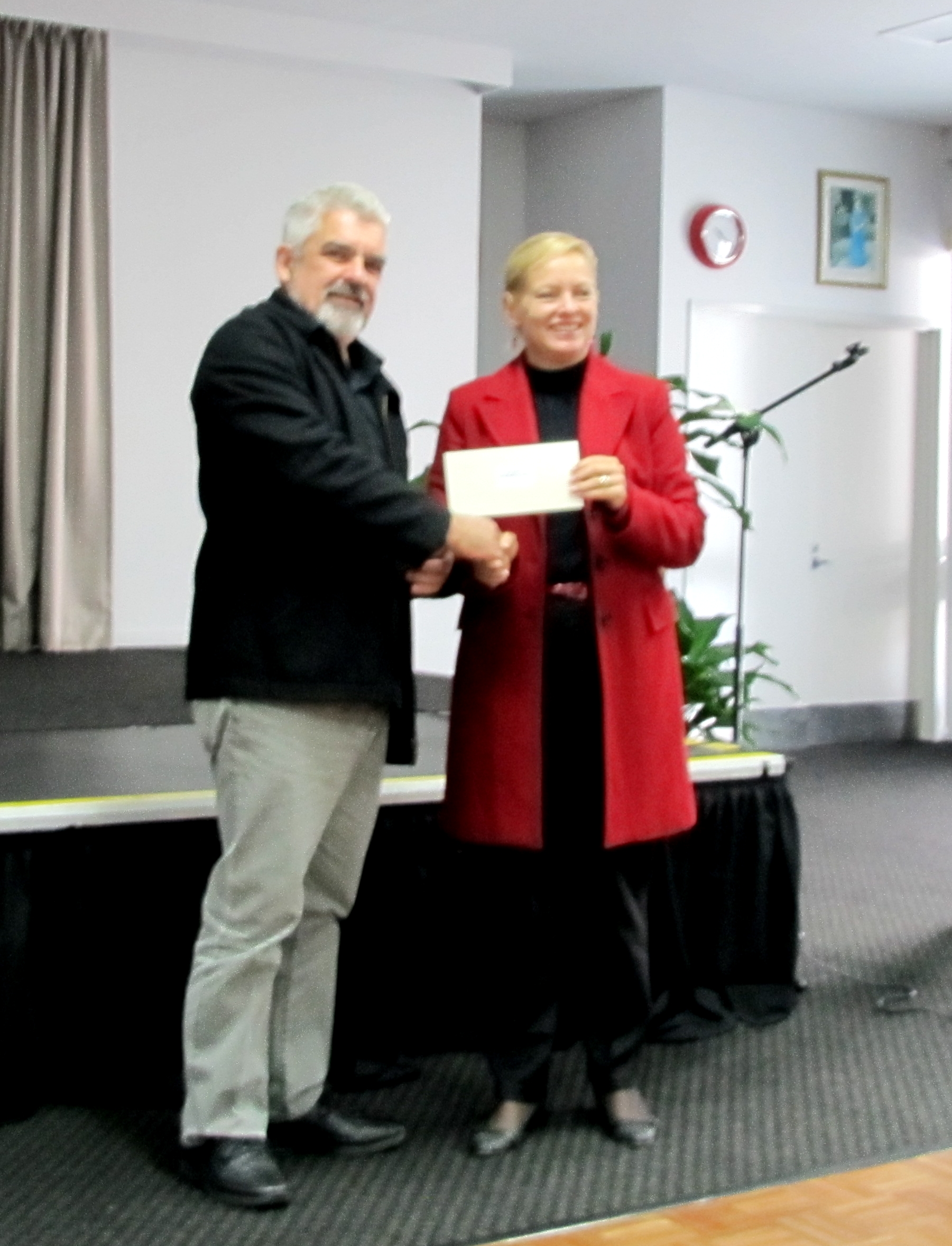
Cr Krista Adams presenting Grant cheque

By: Michael Fox

An outstanding morning tea served in the Carson Room, Mt Gravatt Bowls Club, and politicians handing out grant cheques, no wonder everyone had a smile on their face. I can definitely recommend the morning tea if you are looking for a venue.

As part of their community focus Southside Sport & Community Club gives about $500,000 in grants each year. On behalf of Mt Gravatt Environment Group I received a grant cheque from Cr Krista Adams. The grant will be used to purchase specialised digital camera, iPad and nine metre aluminum pole to allow us to monitor nest boxes installed in wildlife corridors.

Pale-headed Rosella inspecting new Men’s Shed nest box

The nest boxes are made to our specifications by Mt Gravatt Men’s Shed and installed 6 to 8 metres in trees so checking to see who is occupying a box is a challenge. Monitoring is important to ensure they have not been occupied by feral species such as Indian Myna Acridotheres tristis and also provide research data on species restoration and movement through wildlife corridors.

Sharing our table were other grant recipients Wayne & Jennifer on behalf of Bulimba Creek Catchment Coordinating Committee (B4C), Maree – Xavier Children’s Support Network and Hanna – Mt Gravatt West C&K Childcare Centre.

Landscape Plan

By Michael Fox

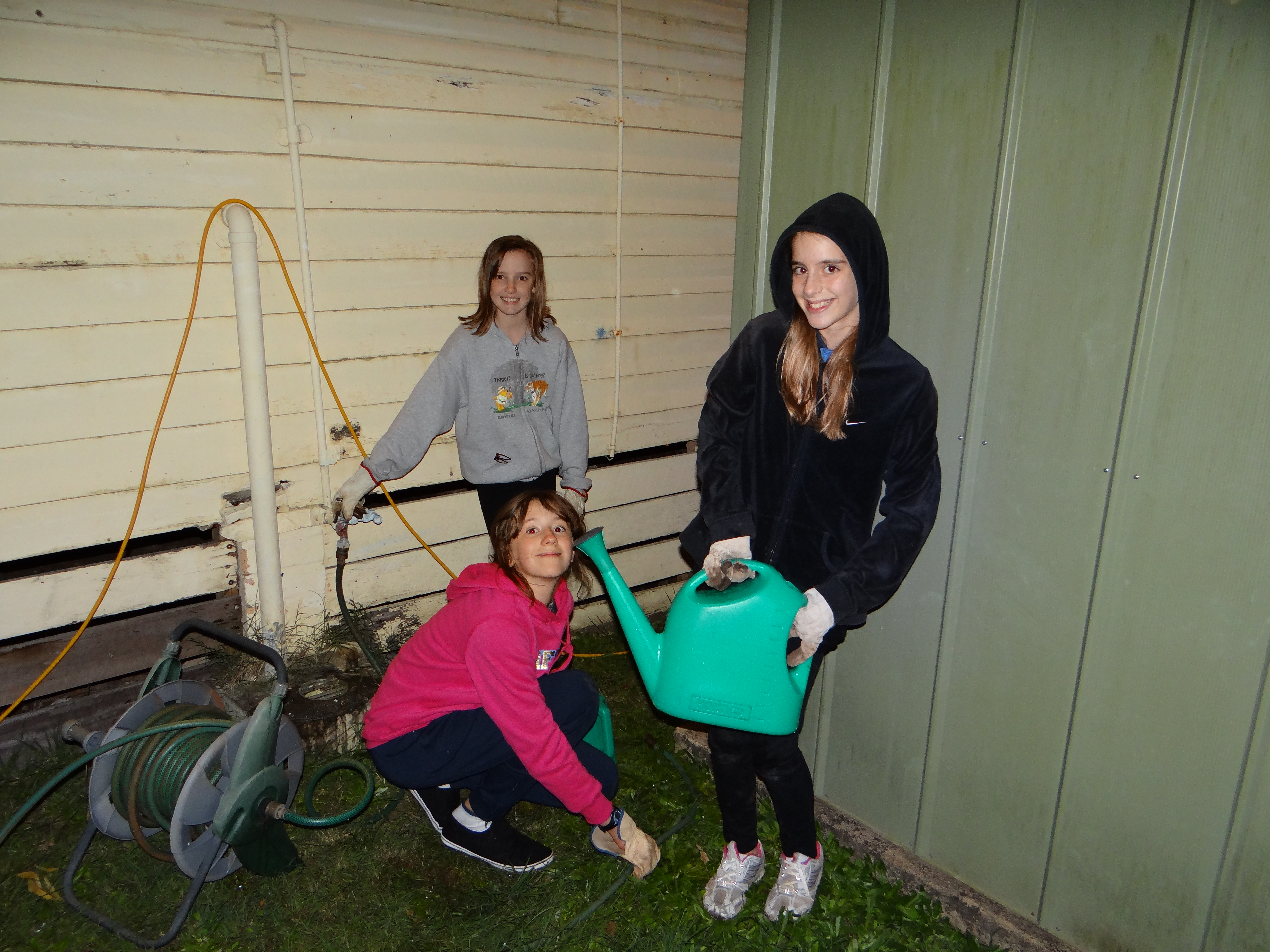
Sue Jones and I joined Mt Gravatt Girl Guides for World Environment Day last Tuesday night, to plant our first Pollinator Link garden. (Pollinator Link is a trademark of Mt Gravatt Environment Group)

Planting Team in action

Guide Leader, Lizi Dyrsdale, approached us at the 2 Millionth Tree planting in February with the idea of partnering in an environmental project. The project has become a real community effort with a grant from the Lord Mayor’s Suburban Initiative Fund supported by Cr

Watering Team

Krista Adams, raised gardens beds designed and constructed by Mt Gravatt Men’s Shed, Western Landscape Supplies providing a discount on garden soil and mature Grass Trees Xanthorrhoea johnsonii contributed by Bulimba Creek Catchment Coordinating Committee (B4C) (relocated from road development site with DERM approval).

c

c

Sue (left) and the team planting butterfly vines

On Tuesday night a team of Girl Guides, parents and friends planted, watered, dug out weeds and removed rubbish.

g

g

g

g

Sue Jones worked with one team planting butterfly vines – Running Postman Kennedia rubicunda – caterpillar food plant for Long-tailed Pea-blue, and Waxflower Vine Hoya australis – caterpillar food for Common Crow butterflies.

The Team … dirty gloves and all


lkj

lkjl

c

f

We finished the night with a proud and happy team.

k

k

d

Oval Woodland Cockroach

d

d

The local wildlife also appreciated our efforts. Our Australian bushland cockroaches are not the home invaders we commonly see. Species like this Oval  Woodland Cockroach live in leaf litter and do a valuable composting job.

b

Ringtail Possum

b

b

And a final inspection by this handsome Ringtail Possum.

c

Pollinator Link plants were sourced from B4C Native Plant Nursery at Carindale.

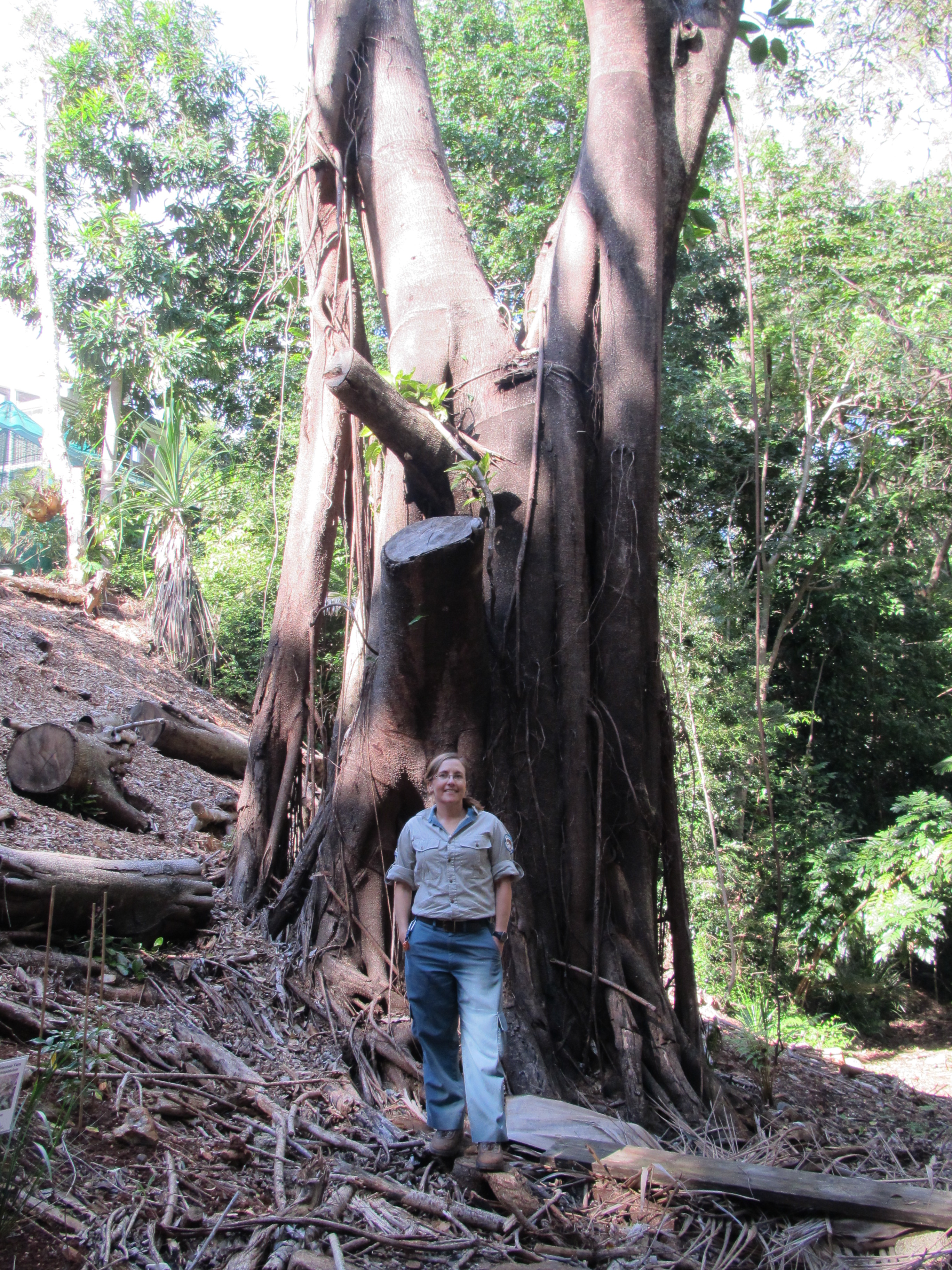
Kristen beside stump of Indian Rubber Tree

This week we were honoured with a visit to Fox Gully Bushcare by Kristen Collie, Ranger at Daisy Hill Koala Centre.

Mt Gravatt Environment Group is now sharing data on Koala sightings with the Koala Centre with intitial data suggesting that our furry friends a quite active in surrounding streets.

One fact that really stands out is the number of Koalas injured by dog attacks in backyards or hit by cars on the roads.

The Koala Centre, which comes under the new Department of Environment and Heritage Protection, operates the Koala Ambulance during business hours. Rangers take injured and dead Koalas to the Moggill Koala Hospital and record details locations.

Brisbane City Council also operates a 24 Hour Animal Ambulancecall 07 3403 8888 for any sick or injured wildlife – even Blue Tongue Lizards.

Kristen was also impress by our community’s commitment to habitat restoration and restoring wildlife corridors. We visited Zone 13 where our Tuesday Bushcare group have removed a huge area of Fishbone/Sword Fern Nephrolepis cordifolia.

We then moved onto inspect the restoration where the wildlife corridor cuts through private properties to Klumpp Road. Standing beside the stump of the huge Indian Rubber Tree and seeing water trickling down the gully from the restored spring, really demonstrated the community commitment to our wildlife.

Our 2012 Community Gully Day is planned for Sunday August 5th and will concentrate on replanting the area cleaned up in 2011.


By Michael Fox

I am always learning something new about our extraordinary local environment. Until recently I had never heard of Finger Lime Citrus australasica or any of the other native citrus.

Finger Lime surprise capsules

I discovered these fascinating plants when researching species for use in building Pollinator Links through our suburbs. Finger Limes are native to rainforests in south-east Queensland and northern New South Wales, where they typically grow as an understory plant.

White Chocolate Finger Lime Cheesecake

Finger Limes have come out of the rainforest and into commercial orchards growing in the full sun. Chris Bourke of Tamborine Native Citrus can supply Finger Limes grafted onto commercial citrus root stock which will promote rapid growth and produce smaller trees suited to backyards. Finger Limes can also be successfully grown in pots so even unit dwellers can join in the fun. What colour will you grow?

Orchard Swallowtail laying her eggs
Photographer – Jude Fox

The lime juice comes in tiny surprise packs that stay intact when cooked in a cheesecake, ready to explode in your mouth as you eat. If you would like to make your own bush tucker cheesecake you can find the recipe at Marvick Native Farms. Substitute Finger Lime for Desert Lime and of course use Queensland Nut Macadamia integrifolia instead of Hazelnuts. Don’t whiz all the limes. Fold some juice capsules into the mix before pouring into the cake tin.

Better still you can grow your own Finger Limes and bring beautiful Orchard Swallowtail butterflies to your backyard. Be patient with the butterfly caterpillars, they will do very little damage to your lime tree. Eating the citrus leaves allows the caterpillars store toxins that transfer through to the butterflies making them taste unpleasant to bird predators.


« Previous PageNext Page »