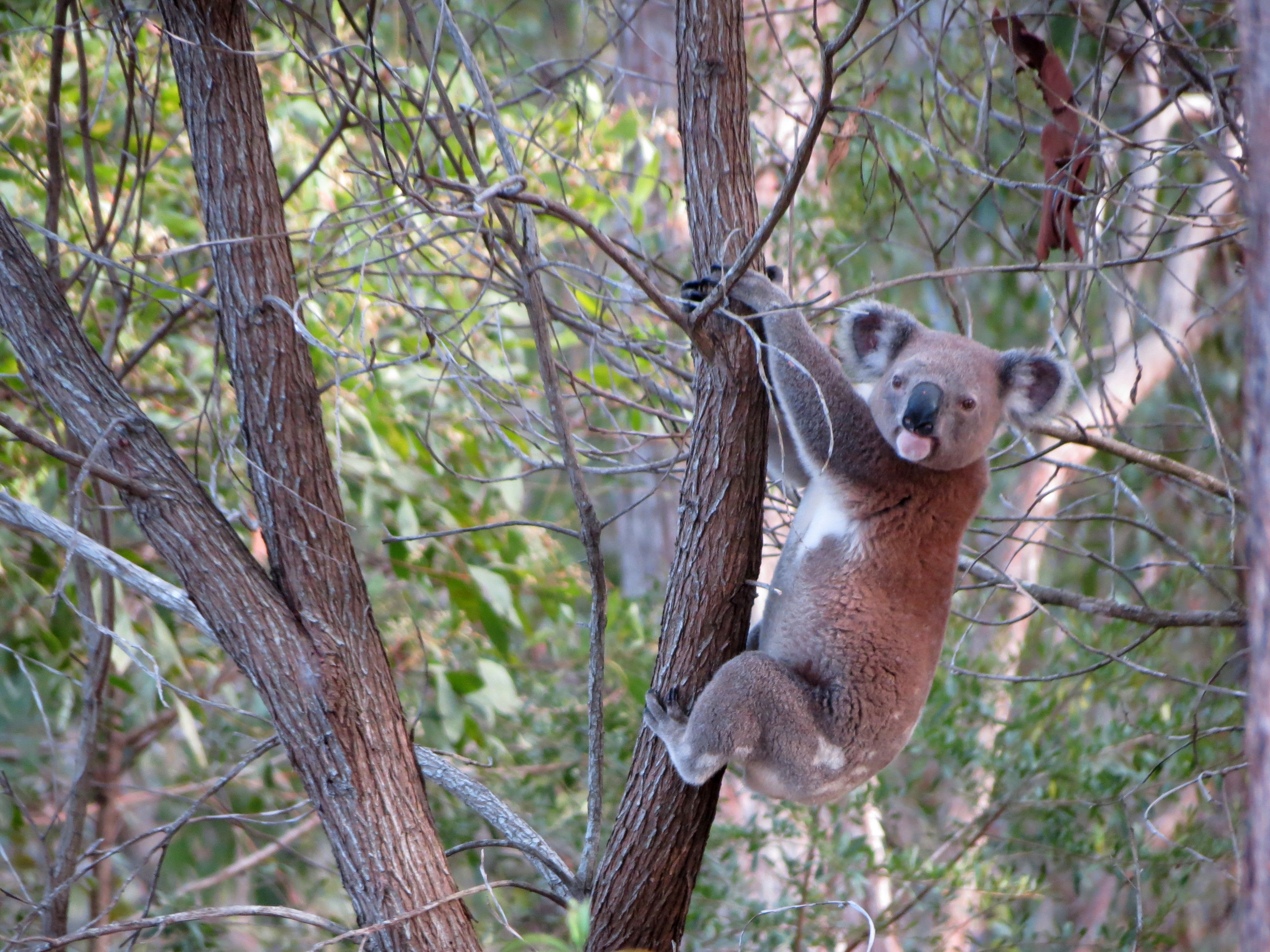
Koala Phascolarctos cinereus breeding season is roughly August to February.
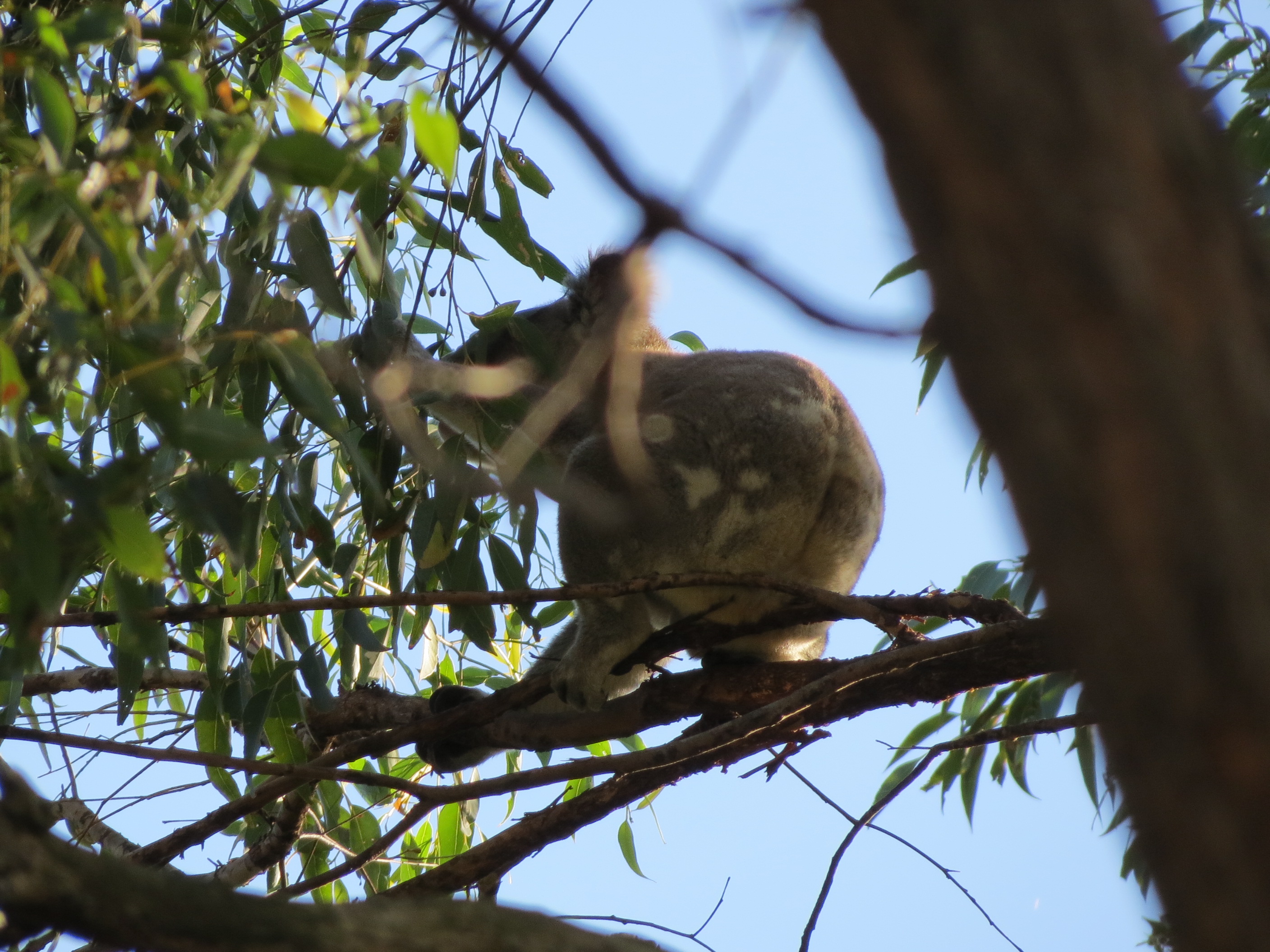
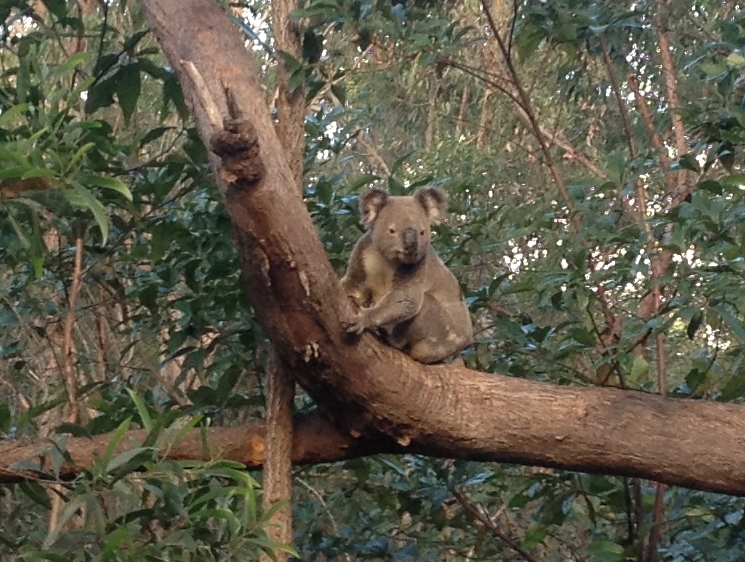
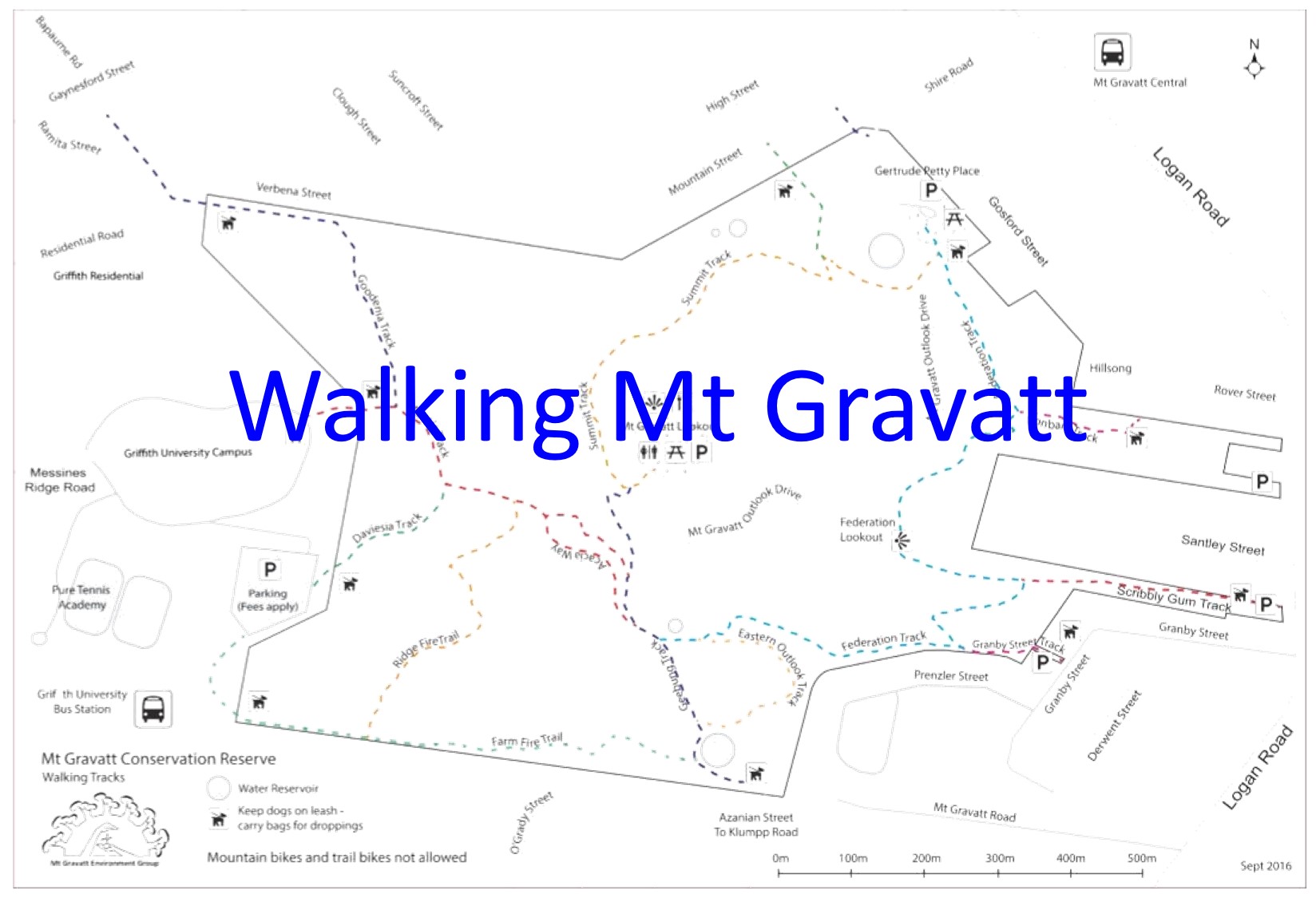
For some weeks we have been listening to the fighting, bellowing, screaming at night and this morning a Koala mum and baby was sitting in an Acacia just beside the Farm Fire Trail.
Koalas are returning to Mt Gravatt Conservation Reserve. An extraordinary example of the resilience of nature if we give it a chance. As recently as August 1927 over 500,000 Queensland Koalas were hunted for their pelts.
“From 1 to 31 August 1927, Queensland held what was to be the last open hunting season on koalas in Australia. David Stead, President of the Wild Life Preservation Society of Australia, warned that 300,000 would be killed. This figure was ridiculed in certain quarters, but as later events would show, even Stead underestimated the carnage. The Annual Report of the Department of Agriculture and Stock for the year1927-28 gives the number of koalas “secured” as being 584,738.”
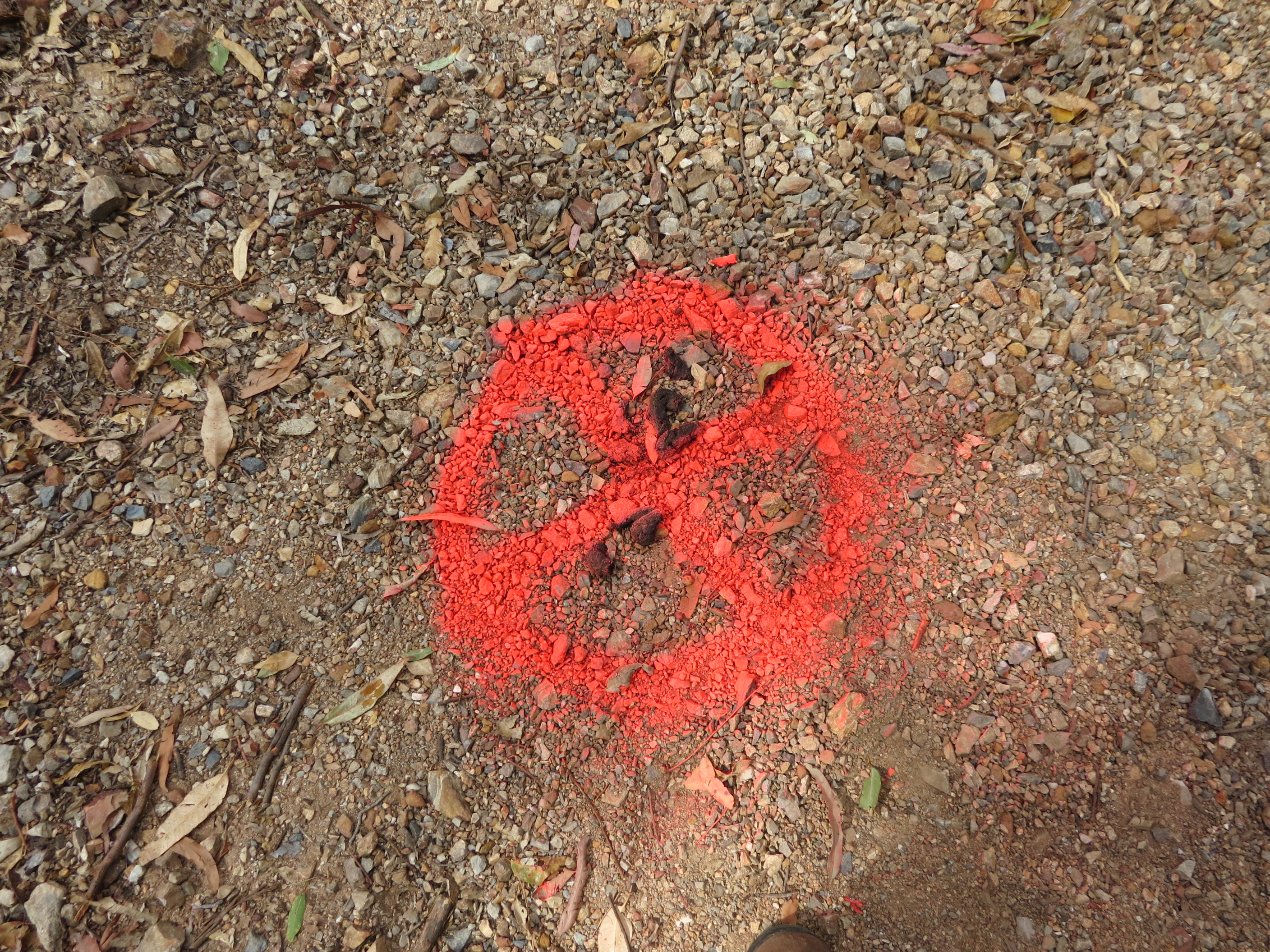
Hunting is no longer a threat however in our urban environment dogs are a threat to the returning Koalas. A quick bite, even from a small dog, can kill through infection or shock.
My dog would only play with it. Even a quick bite is enough to kill a Koala. A Koala’s skin is very pliable, with little fat for protection, and internal organs are easily punctured. Some Koalas may appear to have survived a dog attack with very few visible signs of external trauma but may be suffering from internal injuries and may die later from shock or infection. Stress alone might also be enough to trigger other problems such as disease.
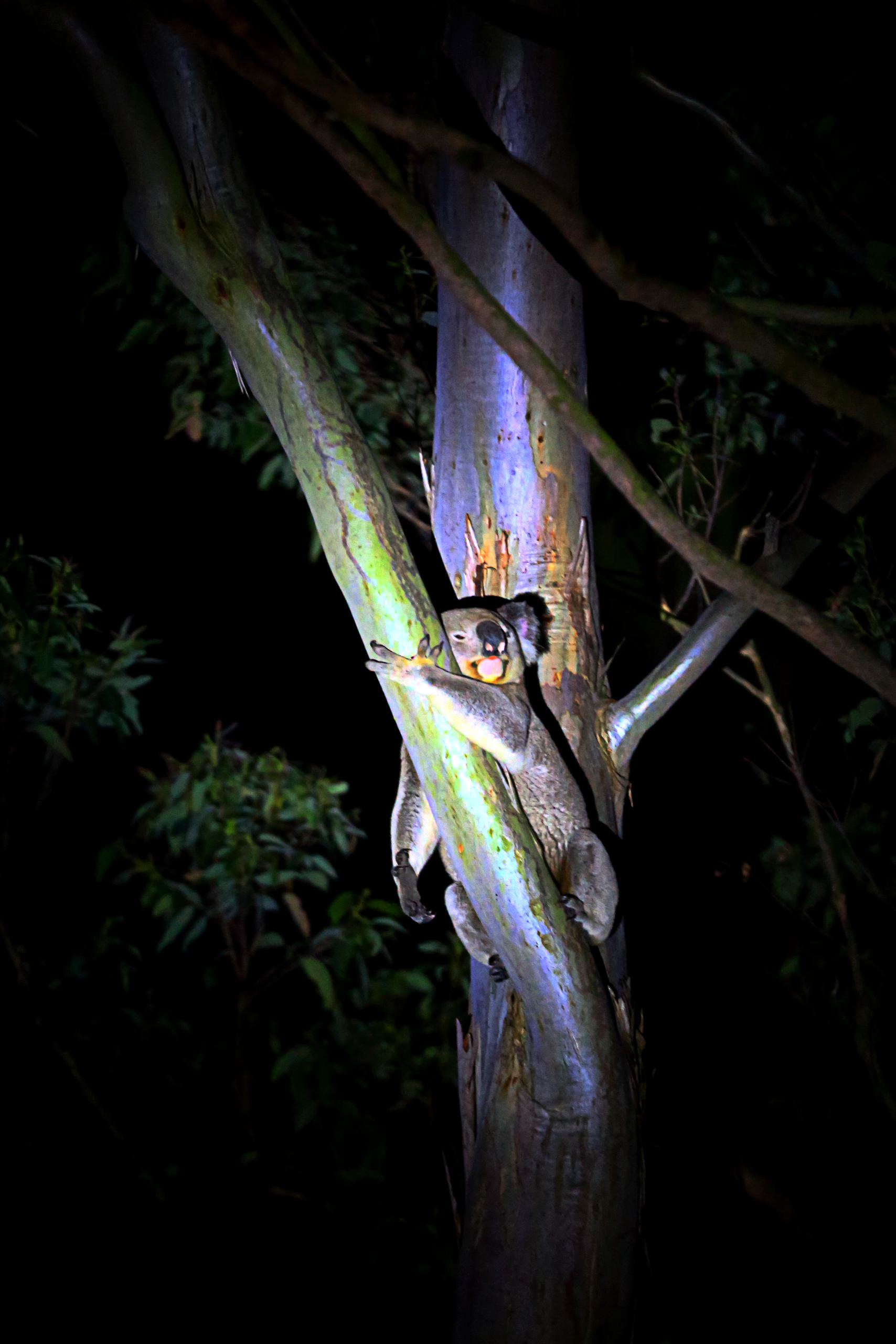
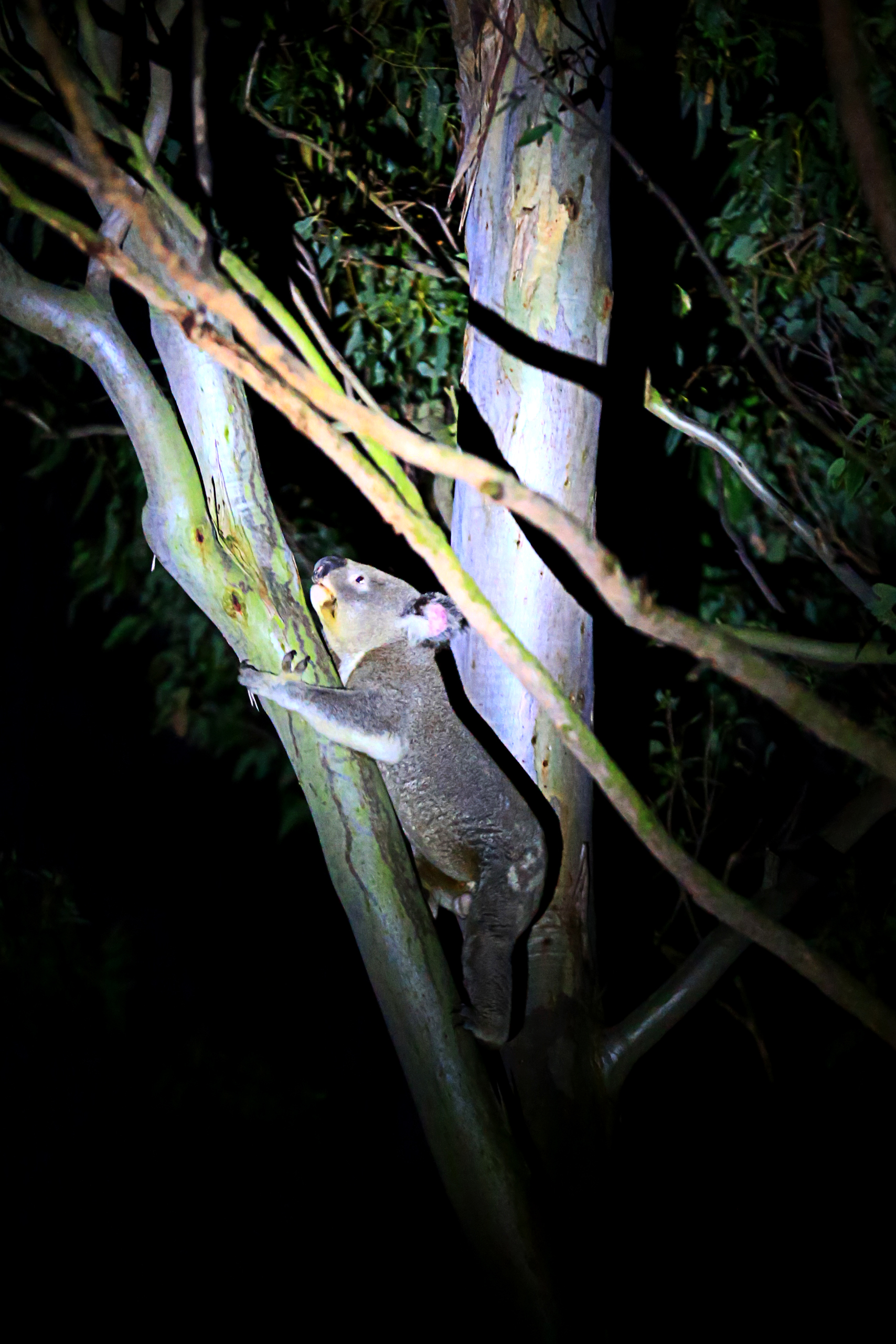
September to March is Koala mating season and Photographer, Alan Moore, reports that on Tuesday night there seemed to be a late night party in the trees behind his house.
Alan identified the sounds of three different Koalas … typically lots grunting, hissing and squealing/screaming.
.
.
.
.
.
.
,
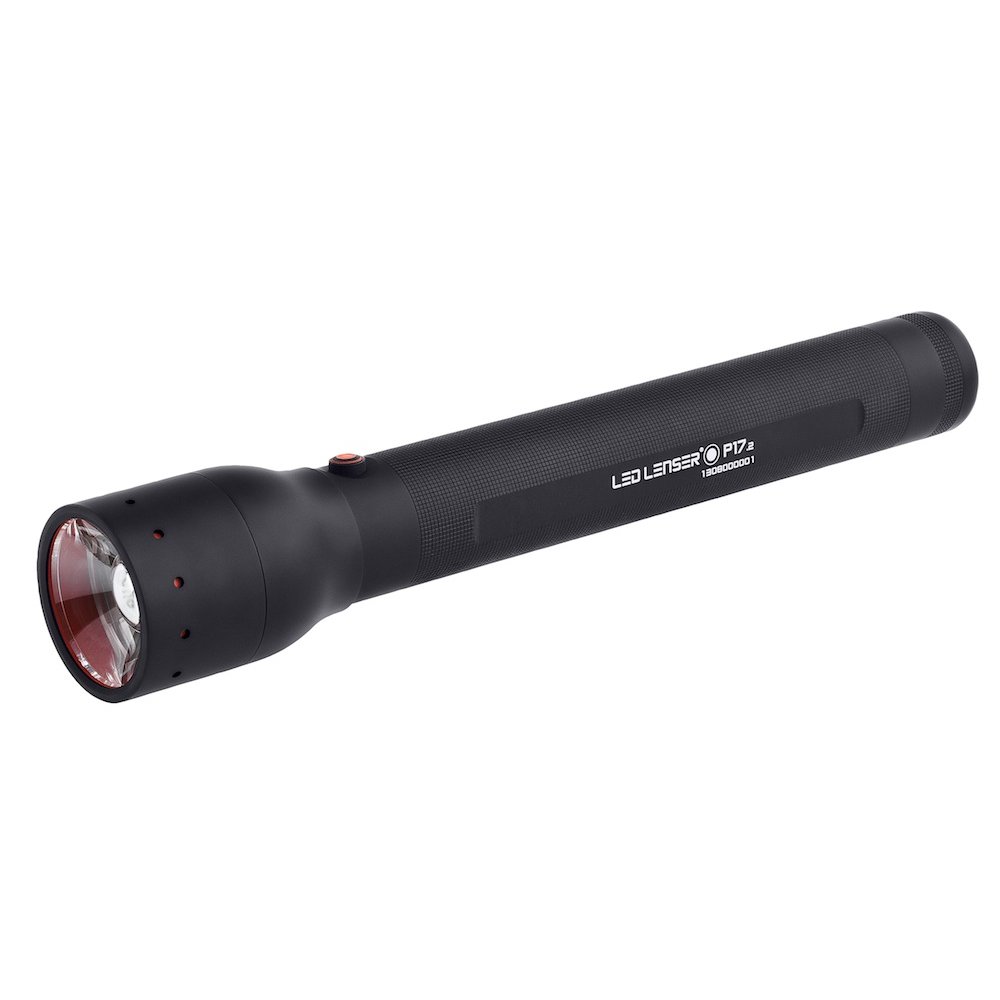
LED LENSER P17
.
Photographing Koalas high in the trees is difficult at the best of times. At 11:30pm it is a bit of an art.
Alan uses an LED LENSER P17 torch that can be focused into a power spot light beam. The bright white LED light is ideal for photography even for back-lighting in daytime.
.
Definitely a male Koala
.
.
.
.
.
“Ok, back to the party. The girls will be missing me.”
If you see a Koala:
please take a photo – even a phone camera photo is fine as it provides details of date/time
note the location – beside Summit Track or backyard of number/street
Saturday morning I was preparing to lead a guided walk for students from Griffith University and QIBT when my wife, Jude, calls to tell me there is a Koala in the tree behind our house. This is exciting because I can always find a tree with scratches to show people but if I can lead these students to a Koala in the wild right beside their university campus, that will be something special.
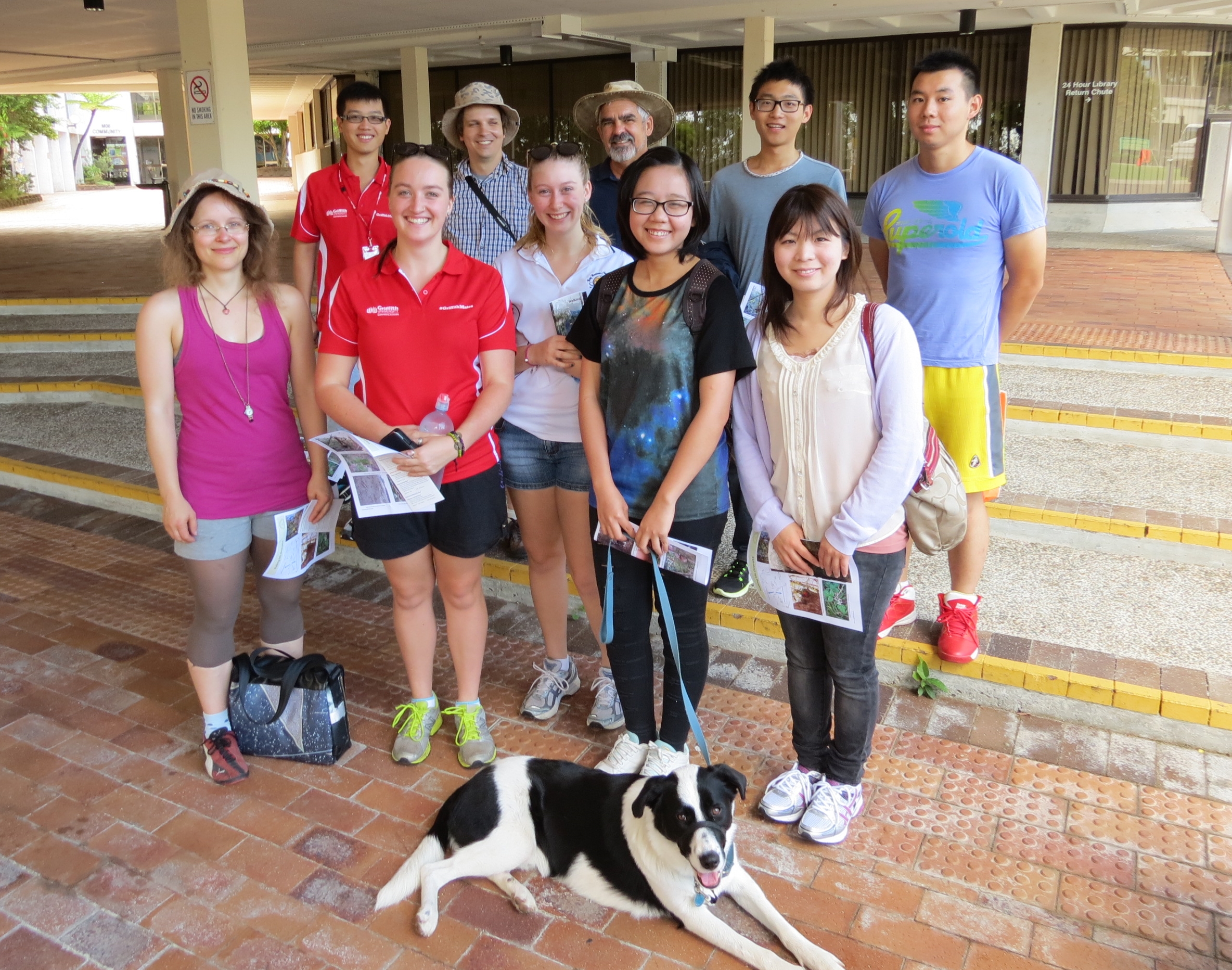
Griffith and QIBT student explorers
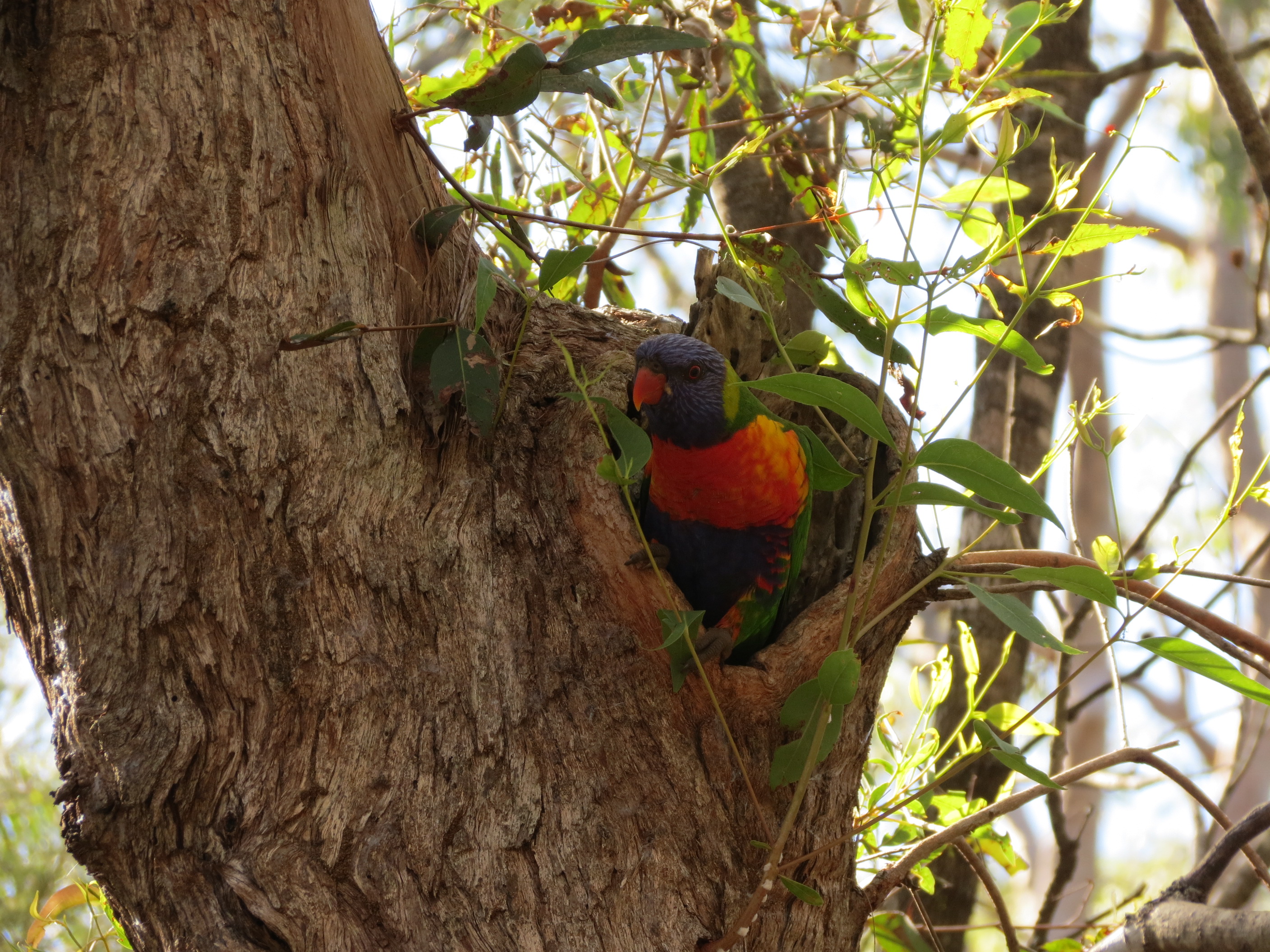
Rainbow Lorikeets
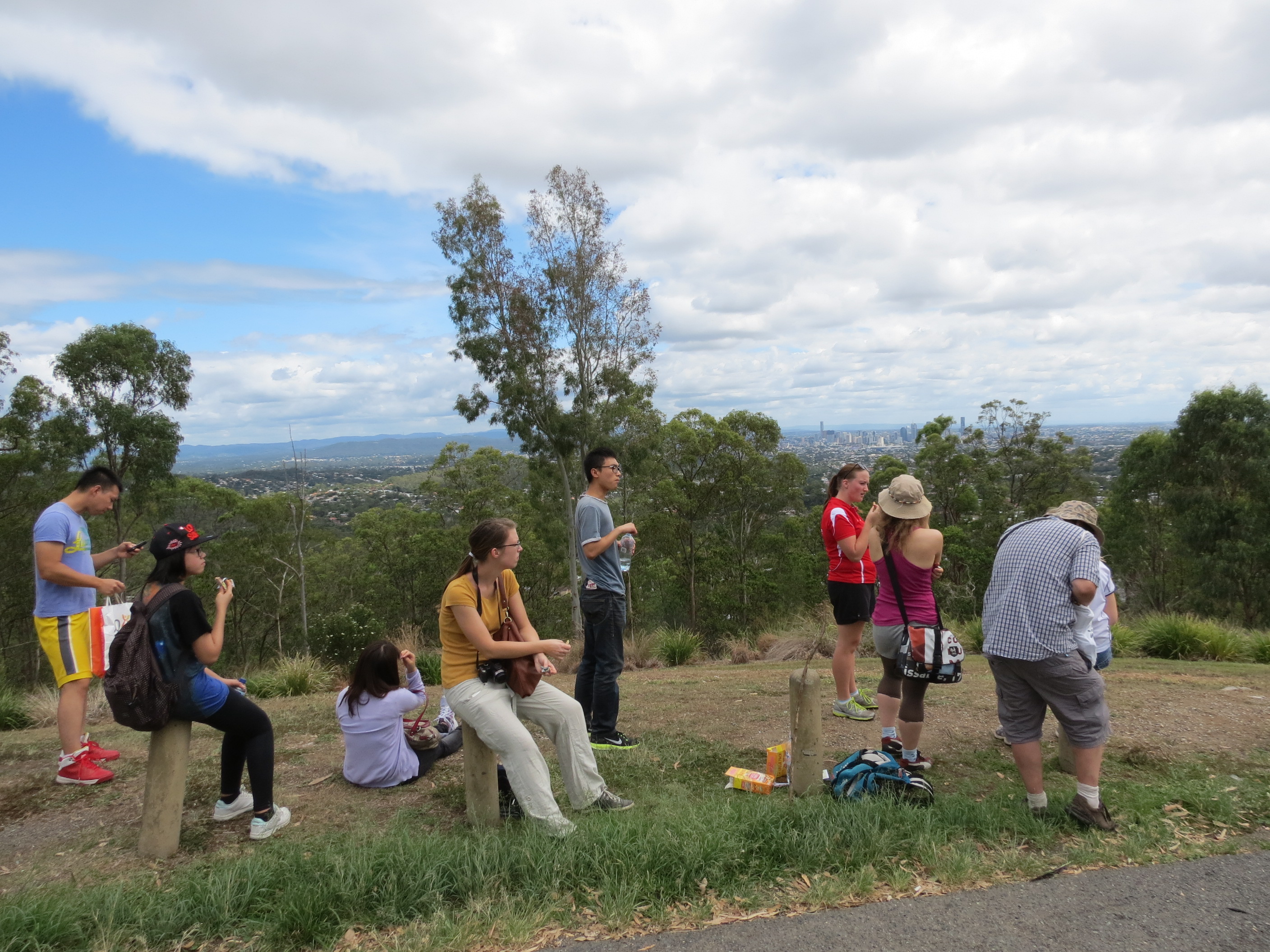
Laurie Deacon and I are joined by ten enthusiastic participants from all over the world – Europe, China, Japan, as well as country Victoria, all keen to explore Mt Gravatt walking tracks.
Acacia Way from Mt Gravatt Campus leads along the ridge that acts as the watershed between Ekibin/Norman Creek catchment and Mimosa/Bulimba Creek catchment passing a tree with a nest hollow being used by a pair of Rainbow Lorikeets Trichoglossus haematodus.
Koala Phascolarctos cinereus
I was able to introduce our visitors to bush food – Native Raspberry Rubus moluccanus, unfortunately not in fruit at the moment, and Settlers Flax Gymnostachys anceps with tough fibers used by aborigines to make fishing lines.
Joining the Geebung Track we continued onto the Fox Gully Bushcare site where I explained the nestbox project that is providing breeding habitat for Squirrel Gliders Petaurus norfolcensis and Kookaburras Dacelo novaeguineae.
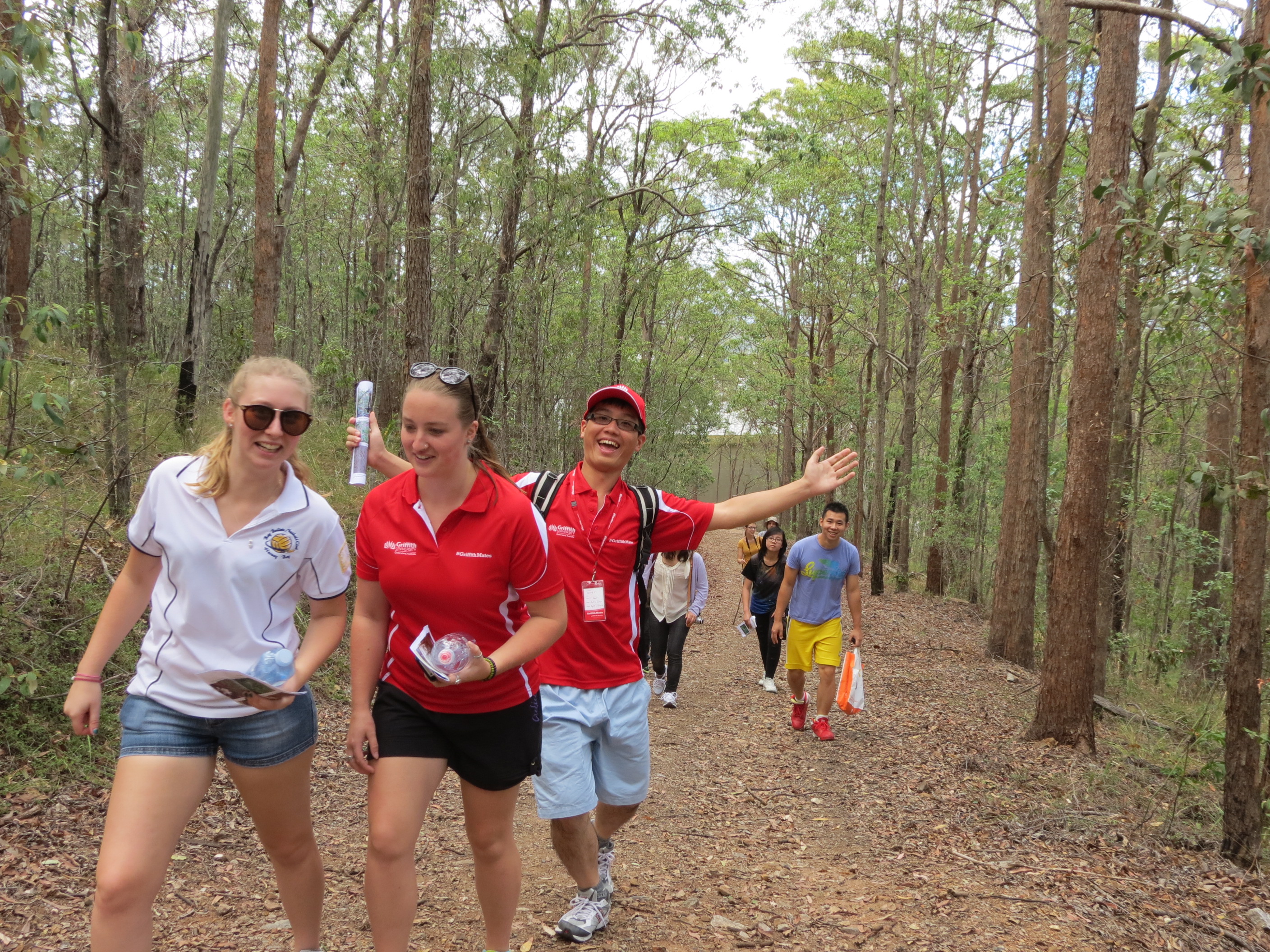
Mountain explorers powering up the hill
.
Our friendly Koala has moved high up into the branches, however, it was still a special opportunity to show visitors one of these amazing animals in the wild, not in a zoo, just 15 minutes from the city and right beside their campus.
.
.
.
Re-energised our team powered on to Mt Gravatt Lookout for a break before returning to campus.
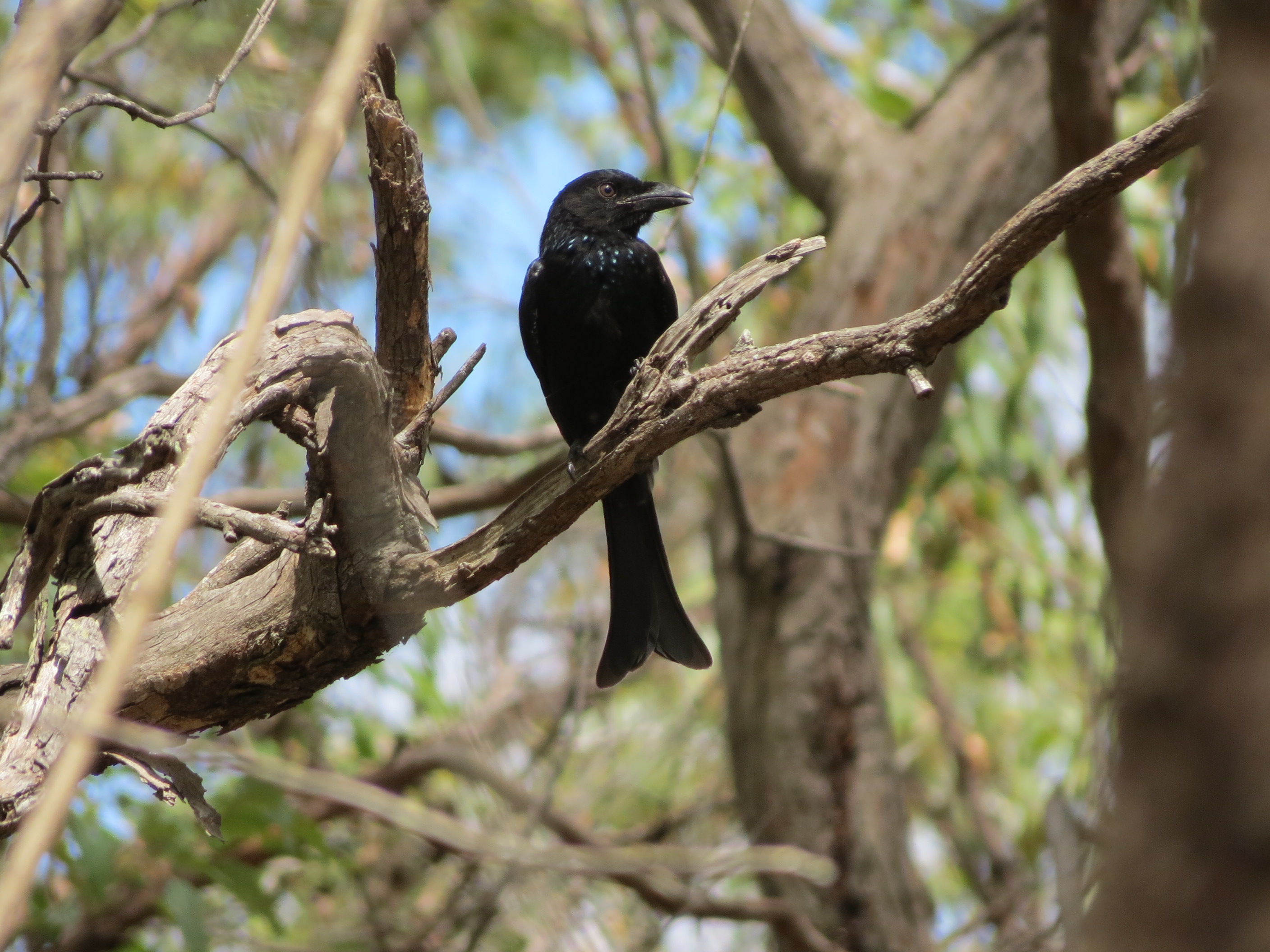
I was particularly pleased to photograph a Spangled Drongo on the way back. We had the Spangled Drongo on our species list but no photograph.
International students are an important group of potential volunteers for bush restoration work so Kristen and Elsa the Koala joined us at the QIBT (Queensland Institute of Business Technology) OWeek Market.
Elsa, who normally lives at the Daisy Hill Koala Centre, was a real hit with students from as far away as Japan, China and Sri Lanka. Kristan also amazed students with the body of a three day old joey Koala. Just 30mm long the joey would have made an extraordinary journey to its mother pouch after birth. Unfortunately the mother was hit by a car shortly after and the joey was found in the mother’s pouch.
Elsa – Koala Phascolarctos cinereus
In south-east Queensland we are lucky to still have some significant Koala habitat with protected areas like Daisy Hill Koala Centre however development pressure is impacting. In Mt Gravatt Conservation Reserve and surrounding urban areas we are seeing a return of Koalas that, as recently as 1927, were hunted for their pelts. Nature is giving us a second chance with Koalas so students engaged in restoration of Mt Gravatt Conservation Reserve will be making a valuable contribution to a unique Koala habitat just fifteen minutes from Brisbane CBD and right beside their university campus. Students are also invited to visit Daisy Hill Koala Centre – free entry.
Daisy Hill Koala Centre – Sunday 30 March. Dogs off-leash are one of the three key threats to Mt Gravatt Conservation Reserve. Take the opportunity to learn about making your dog wildlife friendly.
We are learning amazing new information about Koalas and other Australian wildlife every year, as demonstrated by the extraordinary new evidence that Koalas, in at least one location, eat the bark of trees as well as the leaves.
Locally Craig Byrne spotted this healthy specimen this week while walking in the bush near the Hillsong carpark. Sightings like this are an important part of our work in restoring Mt Gravatt Conservation Reserve. Detailed records of Koala sightings provided evidence to support the installation of Koala crossing signs in Klumpp Roadafter a Koala was killed in November last year.
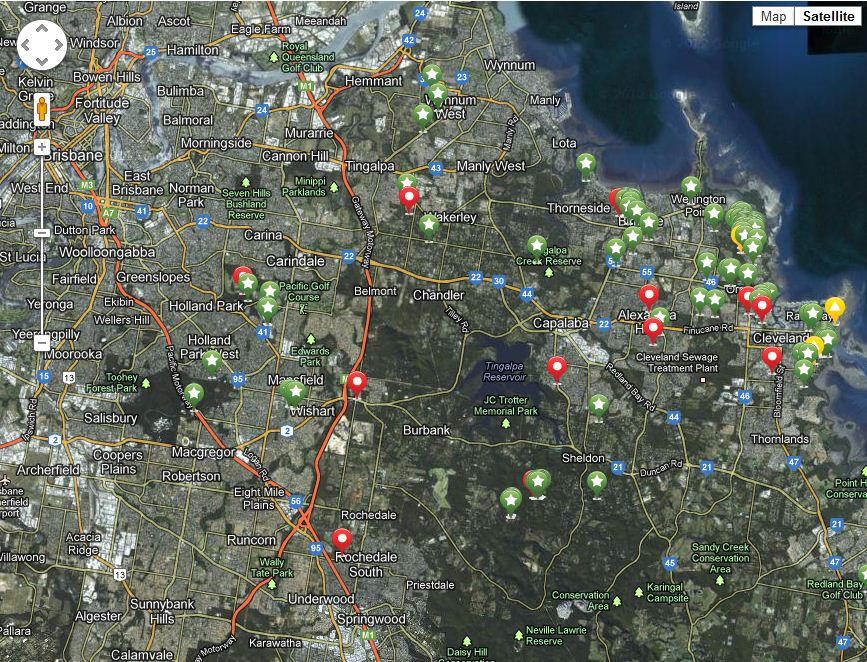
Email megoutlook@gmail.com with photos and location and will add the directly data to the innovative new Koala Tracker database. As Koala Tracker Member we can access maps, detailed data and photographs for our local area.
Please support this powerful community initiative to save our Koalas:
Become Koala Tracker (membership is free) and enter your own sightings;