By: Michael Fox

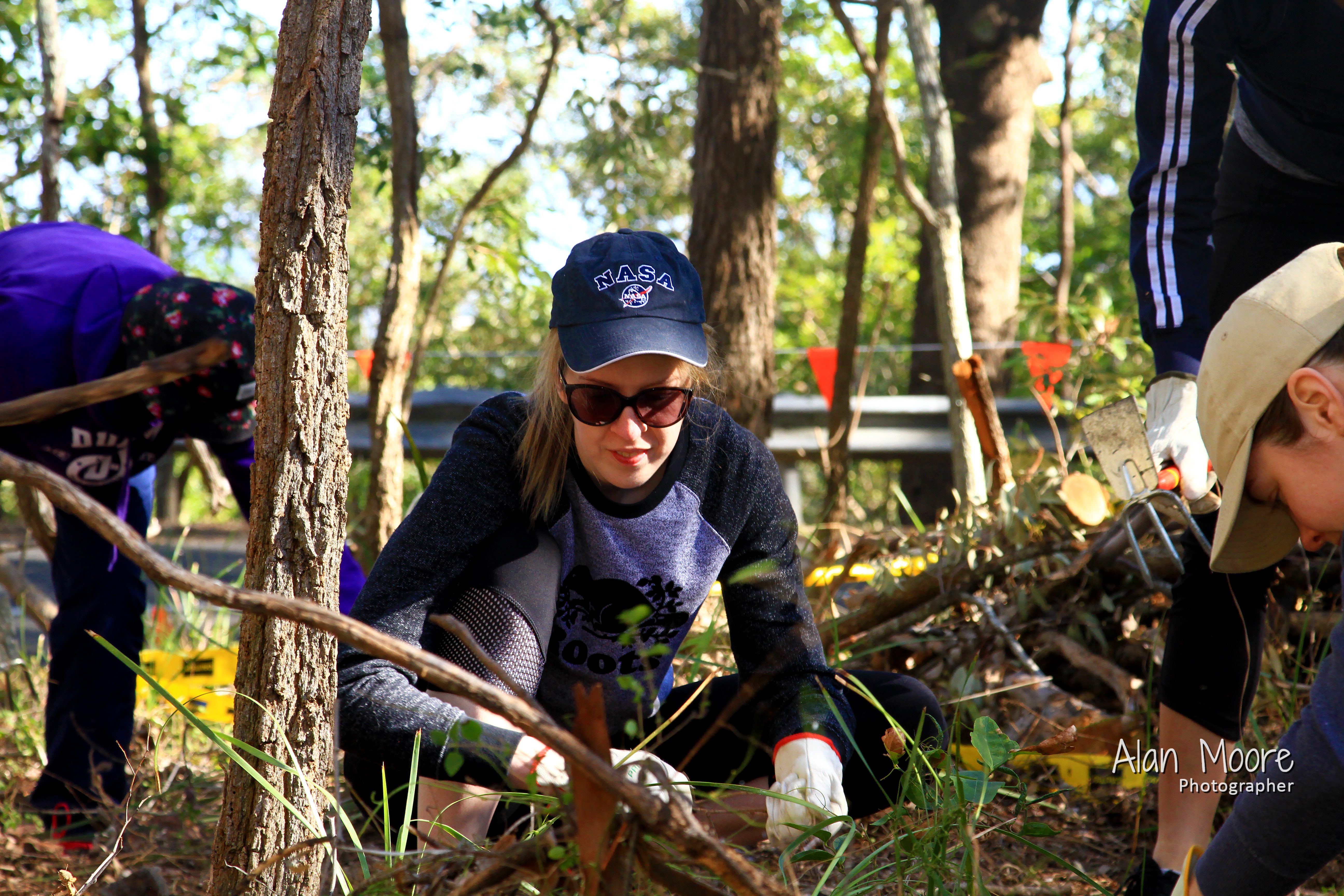
A nice cool morning in the forest and eleven volunteers came together to attack the invasion of Cobbler’s Pegs Bidens pilosa and Corky Passionvine Passiflora suberosa.

Weed Buster Team in action

Eloise and Bettina have been coming every week volunteering as part of their work towards their Bronze Duke of Edinburgh Awards.

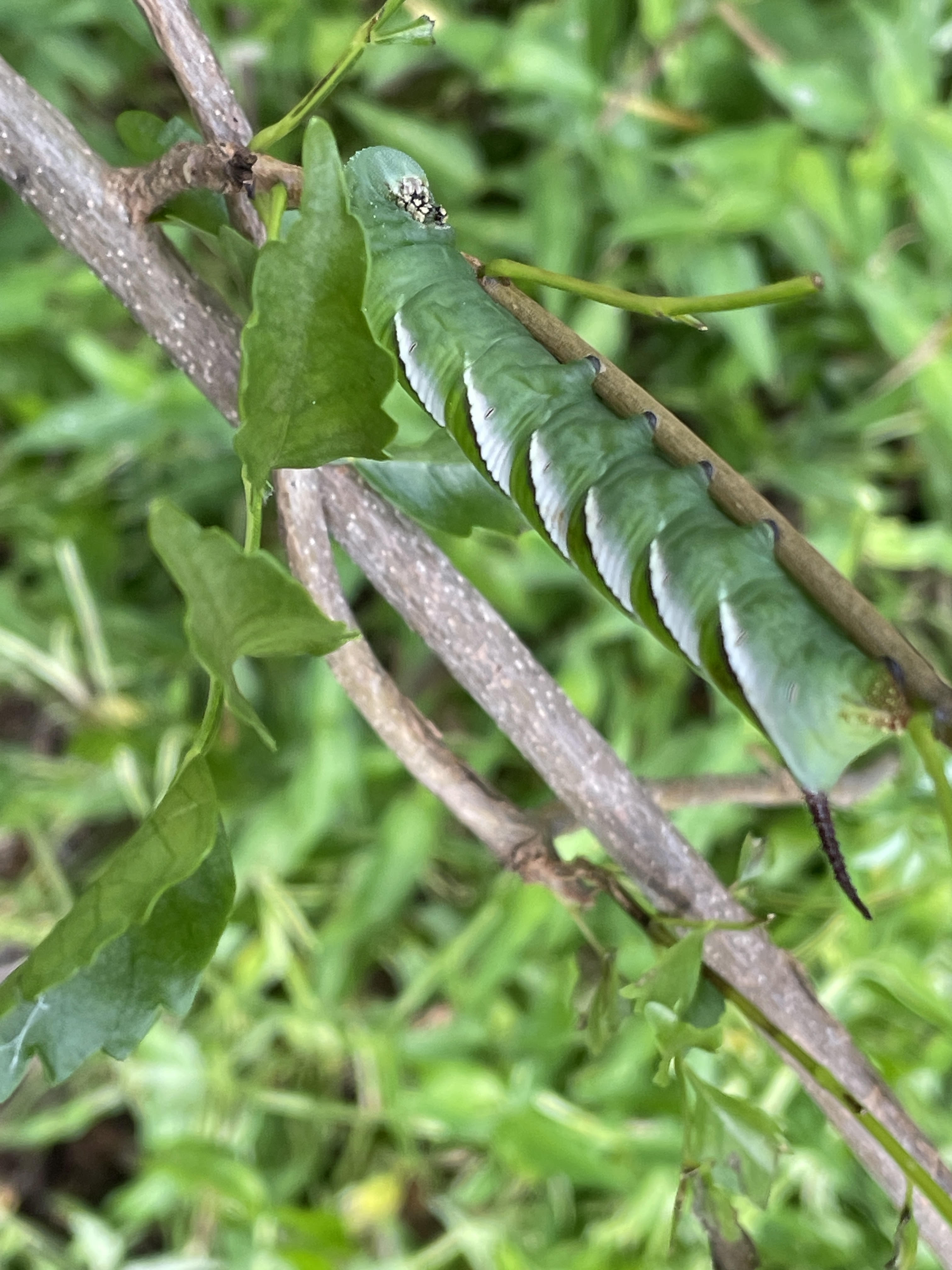
Eloise found a Yam Hawkmoth Theretra nessus caterpillar. Easily identified as a Hawkmoth by the horn on it’s tail.

.

Melanitis leda Evening Brown

.

.

.

.

.

We also have two volunteers who just finished their Masters of Conservation Biology at University of Queensland, Denise and Max.

.

Denise in particular wants to learn about everything from the curious Melanitis leda Evening Brown caterpillar with its two horns …

.

.

.

.

.

.

.

.

.

… to the way Ottochloa gracillima Graceful Grass: food plant for the Evening Brown, is forming Living Mulch reducing evaporation and keeping the ground cool supporting the soil microbiology.

.

.

.

.

.

.

.

.

.

.

.

Benno as usual found several insects for me to photograph.

Like the Oides dorsosignata Orange Oides Leaf Beetle

.

.

.

.

.

.

.

.

.

… and the curious looking Neola semiaurata Wattle Notodontid Moth. What looks like the head is actually the tail.

.

.

.

.

.

.

.

The Noliphus erythrocephalus Colourful Board-headed Bug is a new addition to Flora and Fauna of Mt Gravatt Reserve.

Volunteers are welcome join us on Tuesday mornings or at one of our other events.

Bushcare team in action

By: Michael Fox

Named for the beautiful Pheasant Coucal Centropus phasianinus that lived in scrubby weeds, this special site deserves restoration for these special birds.

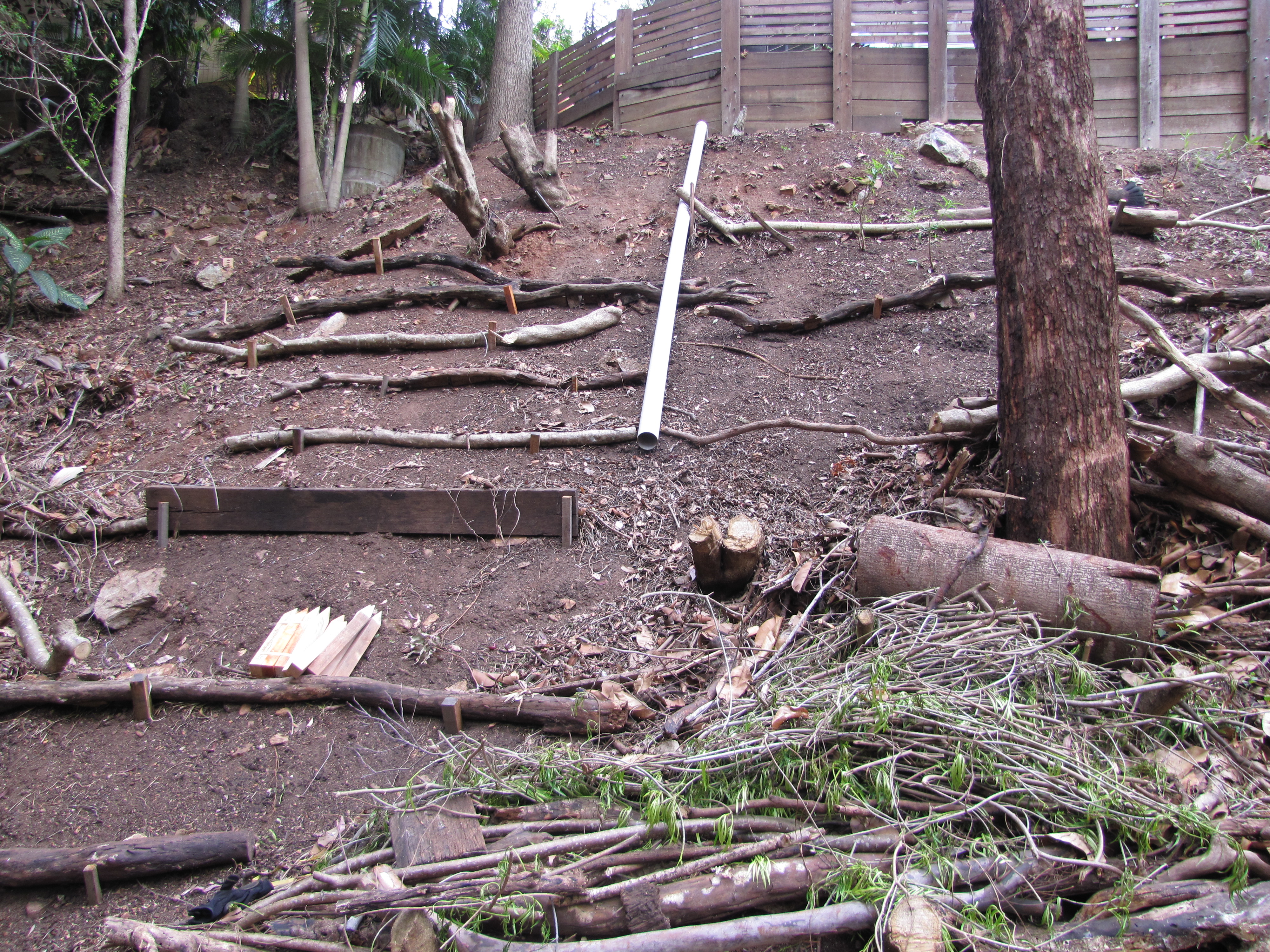
Weed grass cleared – swale created
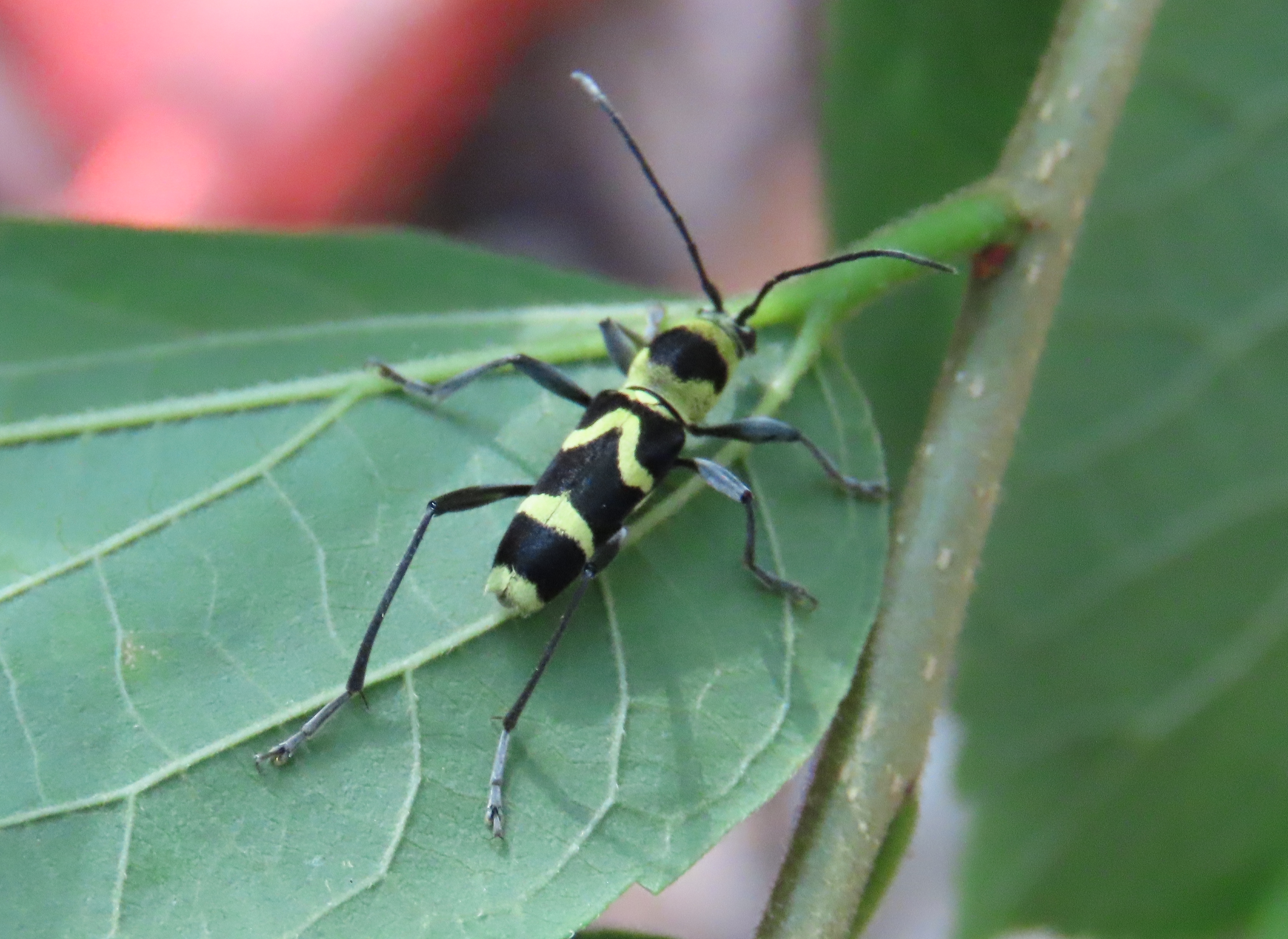
Round-necked Longhorn Beetle

Local resident Pieter has been working at the site with the support of Norman Creek Catchment Coordinating Committee (N4C) and BCC Natural Areas.

Spider Face Leaf-rolling Cricket

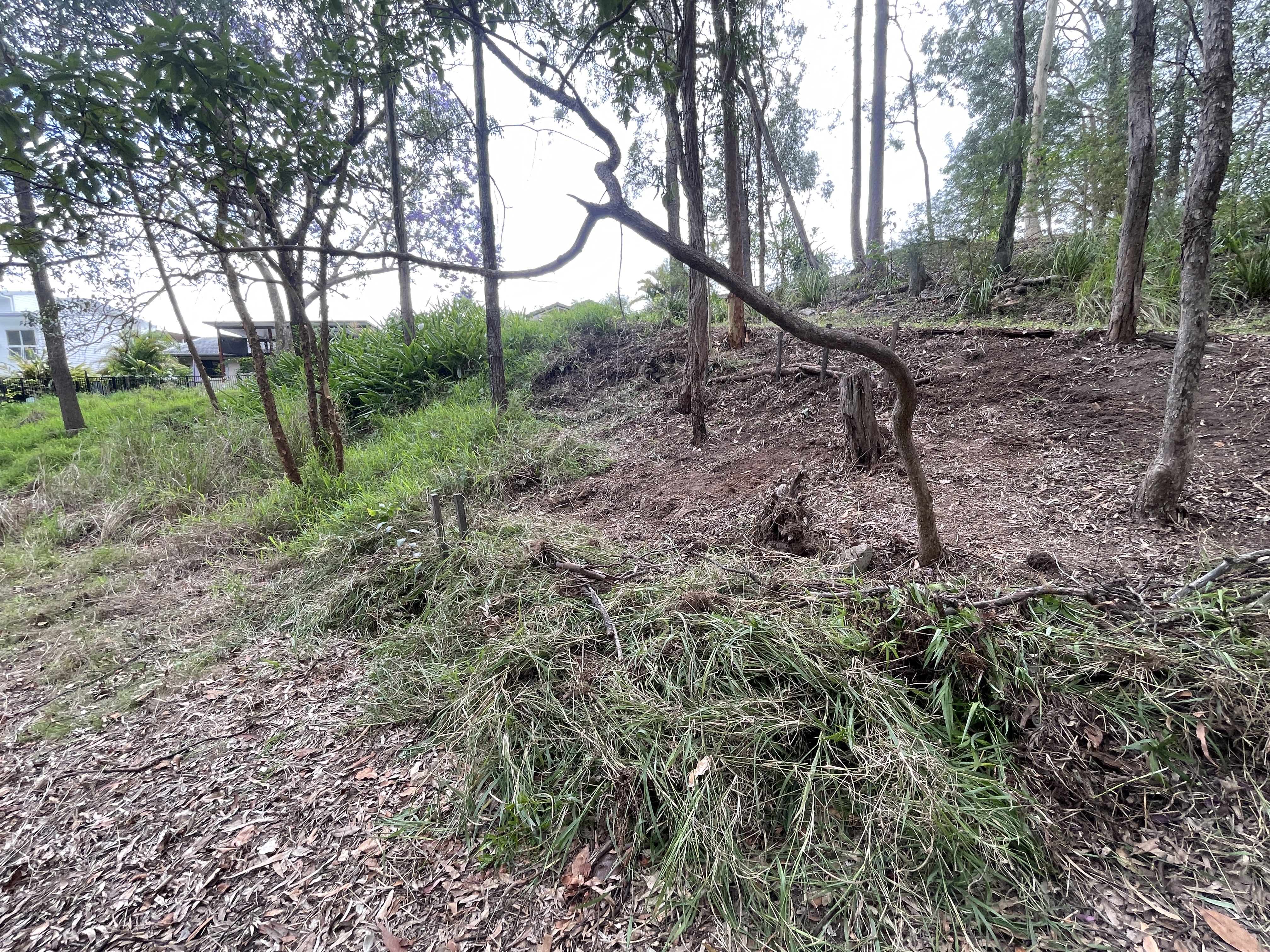
Today we started clearing the weed grass off the slope and creating a swale to manage water runoff. This keeps the nutrients on site and reduces the volume of greenwaste going to the dump.

At our first working bee onsite in 2022 we planted two hundred and fifty local grasses, vines, shrubs and trees.

.

.

.

.

.

We are already finding insects returning including a new species to add to Flora and Fauna of the Reserve.

The Round-necked Longicorn Chlorophorus curtisi with its attractive design brings our count of insect species found in the Reserve to one hundred and twenty five.

.

.

.

.

Finding a Spider Face Leaf-rolling Cricket Nunkeria brochis is more evidence that we are bringing back insects for Pheasant Coucals to feed on.

.

.

.

.

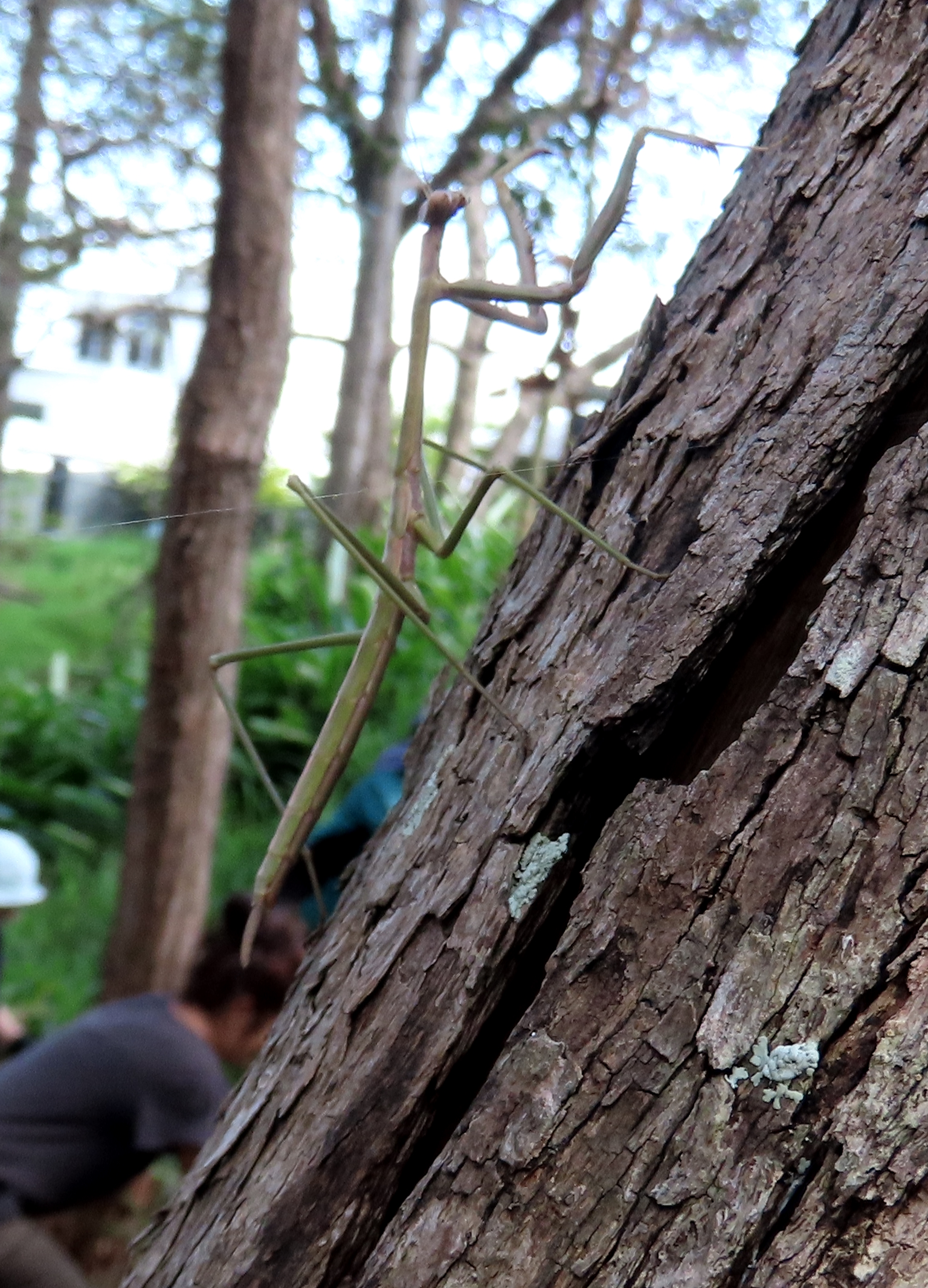
Australian Stick Mantis

.

.

.

.

.

The Australian Stick Mantis Archimantis latistyla is another addition to the insect species recorded in the Reserve.

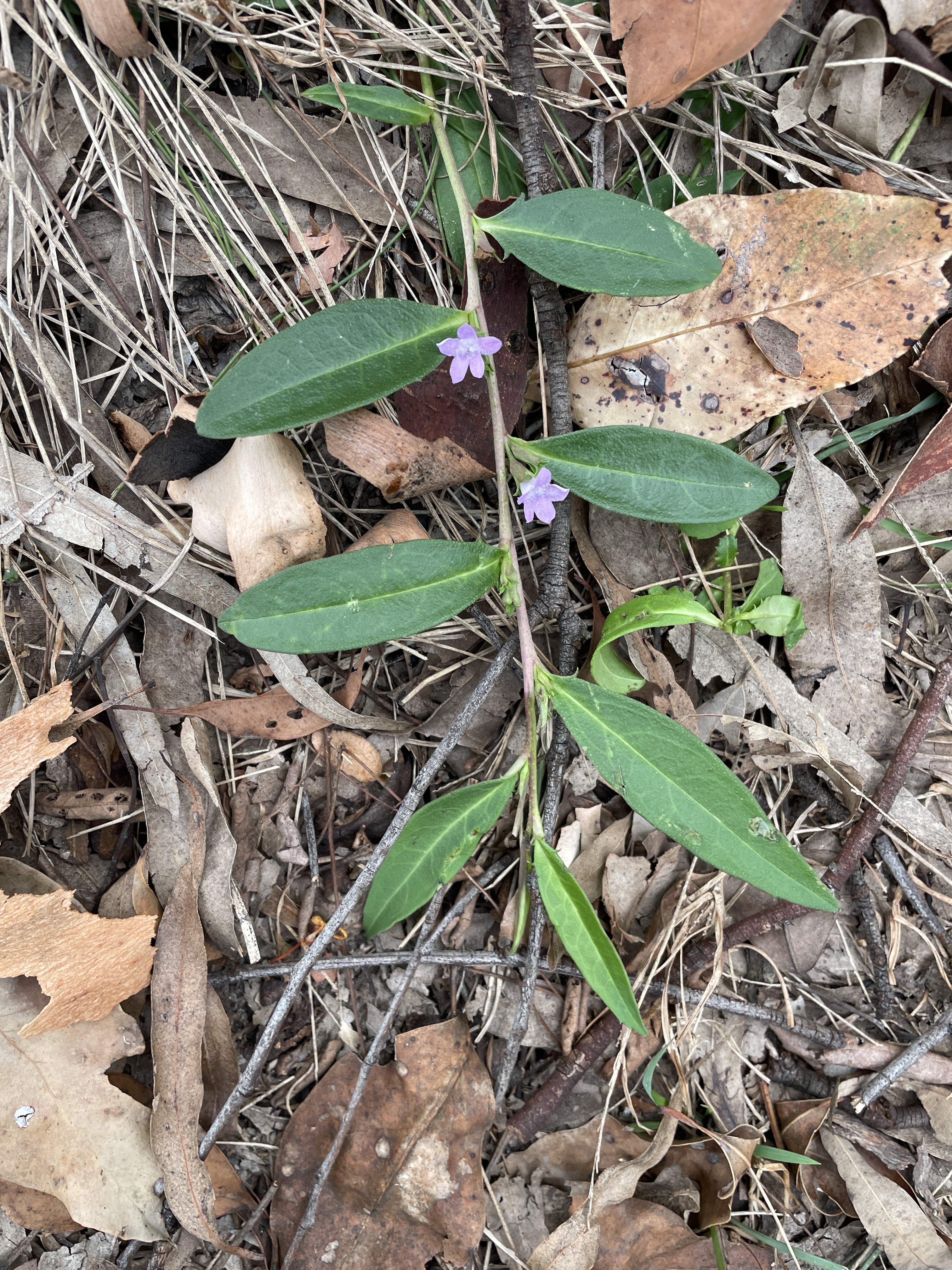
Winter Apple Eremophila debilis is a bush food with fruit white or pink when ripe.

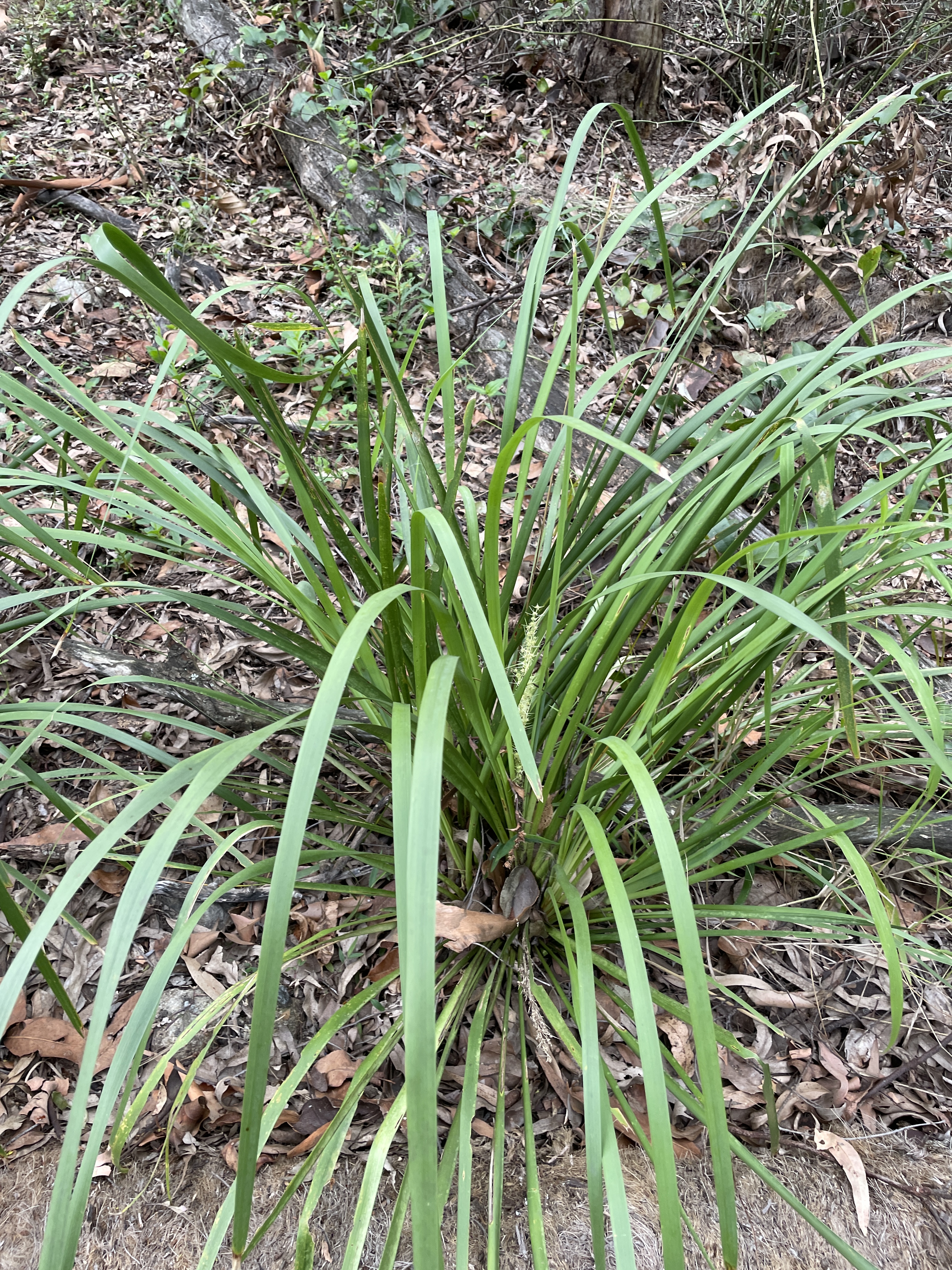
Spiny Headed Mat-rush Lomandra longifolia supports six butterfly species.

Native Hawksbeard Youngia japonica a pretty native herb self sown at the site.

Graceful Grass – Living Mulch that retains water, keeps ground cool and feeds butterflies

By: Michael Fox

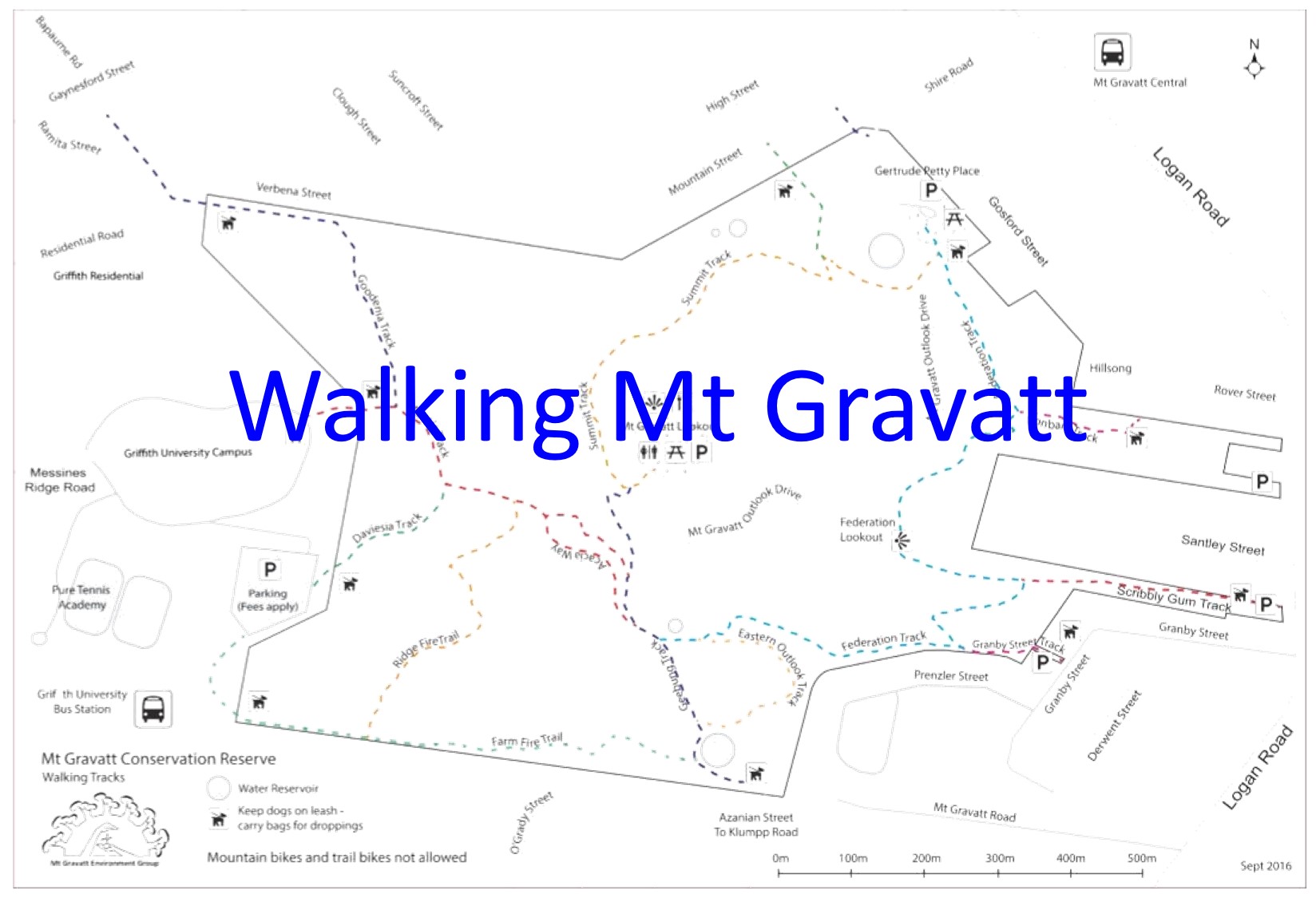
Tuesday Bushcare gave us more evidence of the value of Mt Gravatt Outlook Reserve as a key resource of species available to strengthen our urban habitat as our Pollinator Link project brings wildlife back to backyards.

Yellow Hairy Flower Wasp

We found three new insect species to add to our research: Flora and Fauna of Mt Gravatt Reserve.

The large Yellow Hairy Flower Wasp Radumeris tasmaniensis was a special find. Note that most Australian wasps do not sting humans rather the females use their ovipositor to lay eggs in beetles and caterpillars. Most of our wasps work 24/7 as natural pest controllers in our gardens.

Privit Hawkmoth Psilogramma casuarinae

.

.

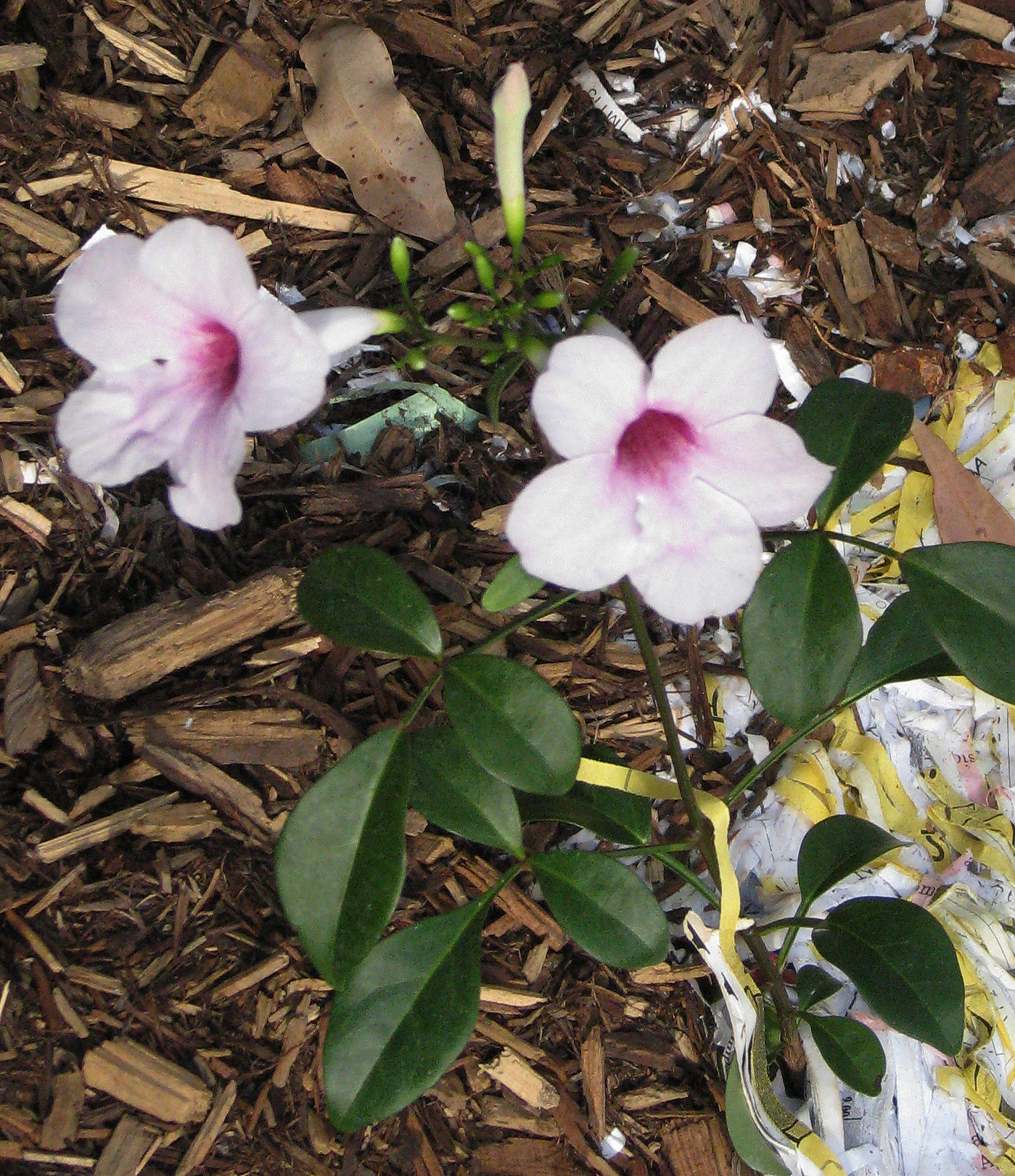
We found the Privit Hawkmoth Psilogramma casuarinae caterpillar feeding on the Bower Vine Pandorea jasminoides.

Hawkmoth caterpillars can be identified by their characteristic spike tail.

.

.

.

.

.

.

.

.

.

.

.

Leaf-footed Bug Pternistria bispina

.

.

.

.

.

.

.

Iridescent Semi-slug (Peloparion iridis)

.

.

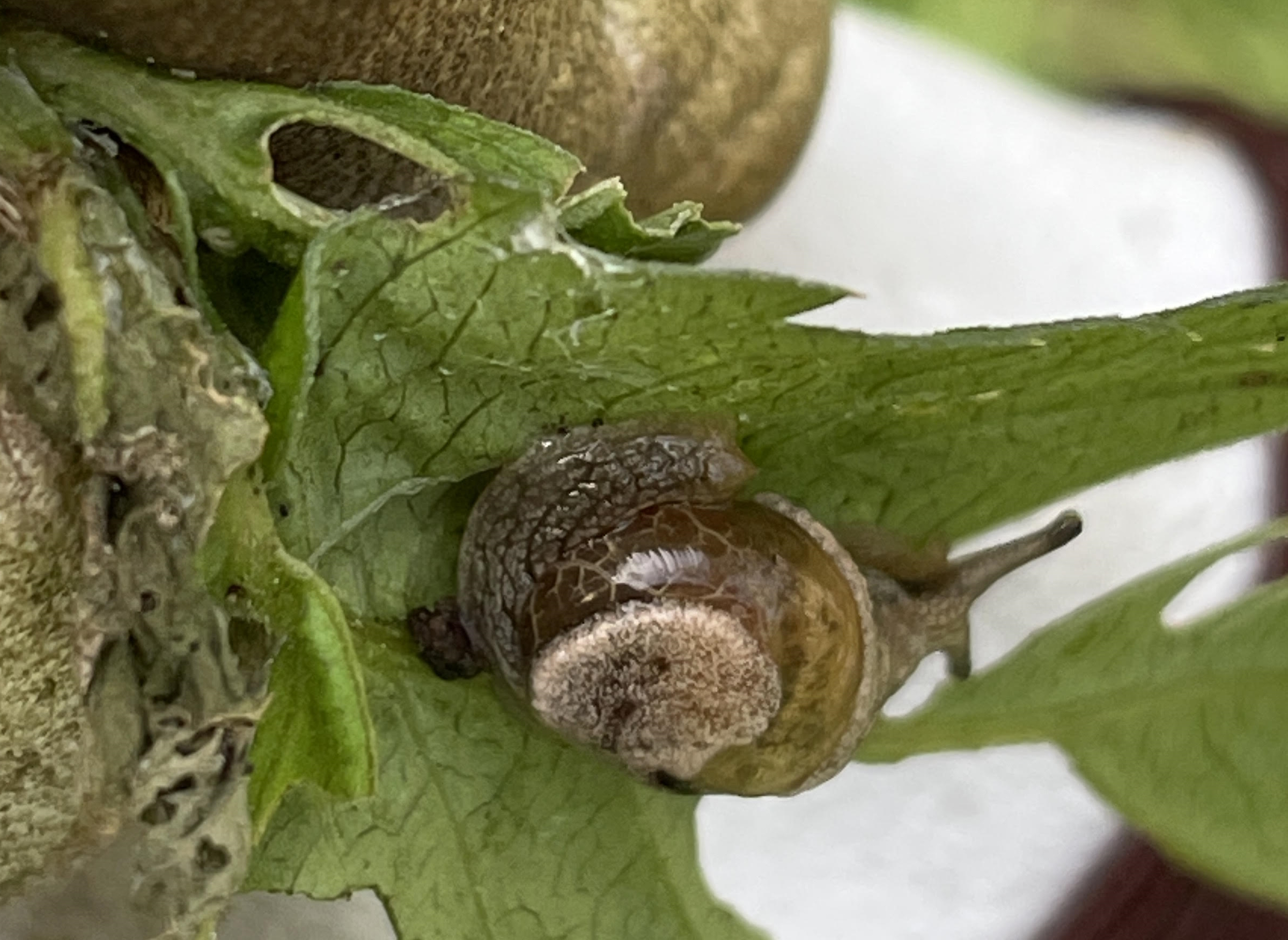
Iridescent Semi-slug Peloparion iridis native snail.

.

.

.

.

.

Blue Oides Leaf Beetle (Oides laetabilis)

.

.

.

.

A Blue Oides Leaf Beetle Oides laetabilis was photographed feeding on Creeping Beard Grass Oplismenus aemulus. An native grass that is very effective as Living Mulch suppressing weeds, keeping the soil cool and reducing erosion.

.

Small Dusky Blue (Candalides erinus)

.

.

.

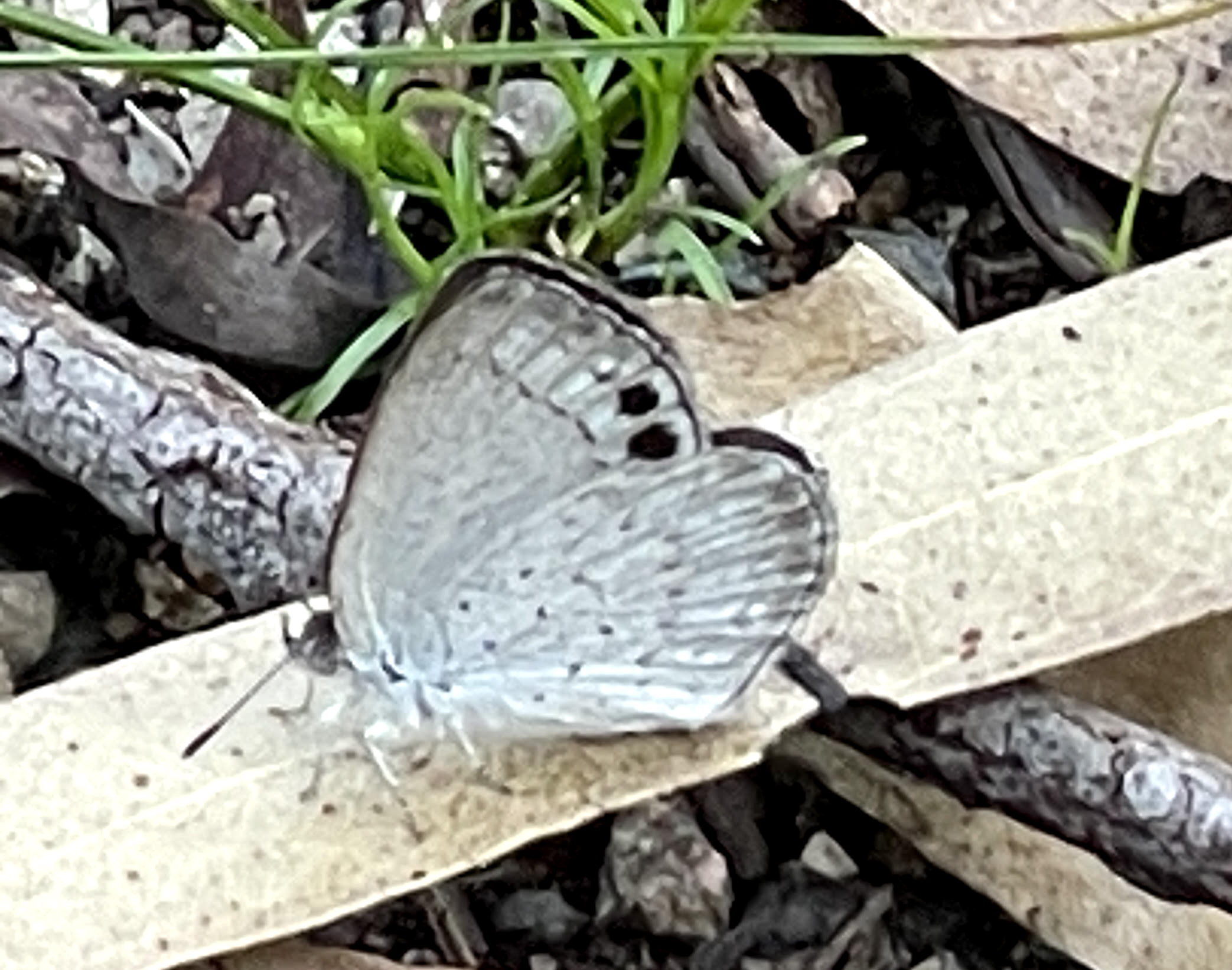
A Small Dusky Blue Candalides erinus butterfly visited the site.

.

.

.

The potential to bring wildlife to our backyards is powerfully demonstrated in the ABC article: How three housemates in COVID lockdown discovered their Brisbane home was a biodiversity hotspot

“The number grew to more than 1,150 unique species of plants, animals and fungi counted over 12 months.”

Sign the petition to expand this highly diverse habitat SIGN PETITION TO COUNCIL

By: Michael Fox

A team of energetic young students and a huge pile of mulch … a great combination!

We split the team with one group put to work spreading mulch and another working on weed busting clearing Corky Passion Vine Passiflora suberosa and Creeping Lantana Lantana montevidenses.

Mulching the ground is an important part of our restoration of the forest habitat. I explained that mulch have three functions:

  1. Retaining soil moisture.
  2. Reducing erosion.
  3. Most important is keeping soil cool. Soil is teeming with living organisms: microorganisms like bacteria, fungi, algae and macro-organisms like springtails, mites, nematodes, earthworms, ants that recycle organic material refreshing and boosting soil health. Average soil temperatures for bioactivity range from 10-24°C. Mulch keeps soil warm in cold weather and more important for Brisbane it keeps the soil cool in summer.

.

Long term our objective is to grow Living Mulch which performs all the same functions: vines like Wonga Vine Pandorea pandorana providing safe habitat for lizards and food for Common Crow butterfly caterpillars while grasses like Graceful Grass Ottochloa gracillima provide seed for Pale Headed Rosella Platycercus adscitus.

IMG_8179

Mimosa Creek in flood – Jan 2015

Edited By: Michael Fox

Saturday December 5th was the last working bee of the year at Roly Chapman Bushland Reserve.

2015 started out very wet with January storms flooding the new bikeway bridge over Mimosa Creek.

.

.

.

IMG_9412

Flood damage repair – straightening and staking

.

After the flood Lomandras have done there job holding the bank in place. However, the newly planted trees are a different story with most knocked flat by flood water.  Liz, Marshal and I moved in to straighten and stake before this beautiful new planting is lost.

Zone 2 - 22 May 2015

Zone 2 – weed infestation May 2015

.

.

.

.

Repairs done our Bushcare team returned to working in Zone 2 to tackle the infestation of Guinea Grass Panicum maximum, Small Leafed Privet Ligustrum sinense, Easter Cassia Senna pendula and Asparagus Fern Asparagus aethiopicus.

.

.

.

Zone 2 - 15 Dec 2015

Zone 2 – weeds gone – natives returning

.

.

Having cleared the larger weed species the area we are working on near the boundary with Upper Mount Gravatt School now resembles a primary forest. In the open spaces, native plants no longer smothered in weeds, are springing back to life. Many Cheese trees Glochidion ferdinandi, free from competition are racing for the sky. Ground covers such as Native Wandering Jew Commelina diffusa and Creeping Beard Grass Oplismenus aemulus are protecting the soil from erosion and keeping it cool, acting as Living Mulch.

Common Flatwing Austroargiolestes icteromelas - 15 Dec 2015

Common Flatwing Austroargiolestes icteromelas

.

As we were packing up and looking forward to morning tea, a delicate Common Flatwing Austroargiolestes icteromelas damselfly with bright metallic green stripes paid a visit, hovering over a small patch of vegetation.

.

.

Koala 13 Nov 2015

Koala Phascolarctos cinereus

.

We now have proof at last that it’s not just Mount Gravatt that is home to Koalas Phascolarctos cinereus. The one pictured here, almost invisible from the path was spotted last month by a dog walker. A mother and baby have also been sighted. This is another good reason to keep weeds at bay. Koalas need to come to the ground and move across the forest floor to look for suitable food trees. Their task is made much harder when there’s a lot of thick weedy vegetation in the way.

Louis Cheng - 1 Sept 2015

Louis planting Creeping Beard Grass 

By: Michael Fox

Louis Cheng, a Griffith Uni Environmental Science student, joined Marshal and myself at Fox Gully Bushcare today to finish spreading the mulch and plant native grasses at the small bird habitat planting site.

Planting Creeping Beard Grass Oplismenus aemulus creates a cover of Living Mulch that will retain water, stop erosion, control weeds and create a micro-climate that keeps the soil cool allowing the development of a healthy soil ecosystem with fungi, bacteria, earthworms, curl-grubs and bush cockroaches all working together to renew the very foundation of our forest.

The site, planted just a month ago on National Tree Day, is already showing fresh growth with Native Sarsaparilla Hardenbergia violacea, Star Goodenia Goodenia rotundifolia, Ivy-leaf Violet Viola banksii and new Acacias all producing fresh shoots and in some cases flowering. The natural regeneration of the site is also increasing with Tape Vine Stephania japonica spreading and the Tallowwoods Eucalyptus microcorys in full flower overhead.

Spring growth - 1 Sept 2015The local fauna is also moving back into the site with Purplewinged Mantid Tenodera australasiae exploring the bushes, Australian Magpies Gymnorhna tibicen feeding on insects in the mulch and a new Kookaburra Dacelo novaeguineae nest hollow being excavated in a termite nest.  Fauna - 1 Sept 2015

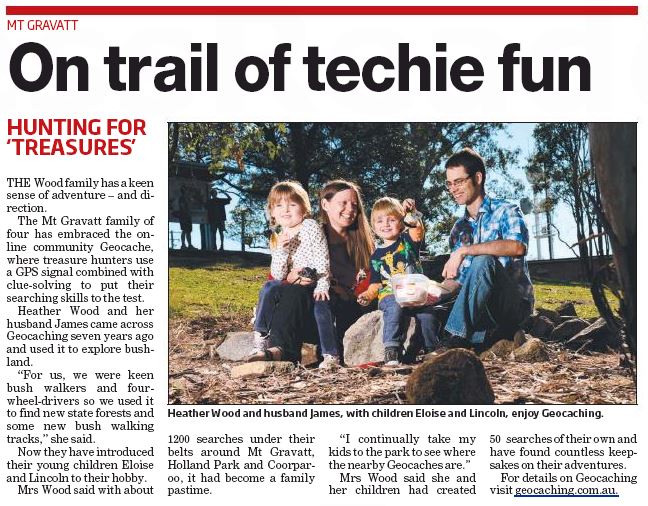
Geocaching family - Southern Star - Sept 2014

Southern Star – 24 September 2014

By: Michael Fox

Marshal Kloske and I met the Wood family at Mt Gravatt Summit the morning they were there to meet the Southern Star photographer and we were there to photograph butterfly mating displays as part of our research for the new interpretative track signs.

IMG_7474

Noisy Miner chicks calling for food

Marshal showed the family the large new sign with maps and information about local history and environment. Like most people the family were surprised to learn about the local “glow-in-the-dark” mushrooms and they were very interesting our research and restoration work.

Nest watching

Nest watching team in action

Heather, Eloise and Lincoln then joined Liz, Marshal and I on Wednesday afternoon for our regular Fox Gully Bushcare. Knowing we would be joined by young children, I planned a special afternoon of activities including checking the nest-boxes and making a portable plant nursery to propagate native seedlings for re-vegetation work. When the family arrived we found out that Marshal and I are now officially called “the Bush Men” … definitely an honour.

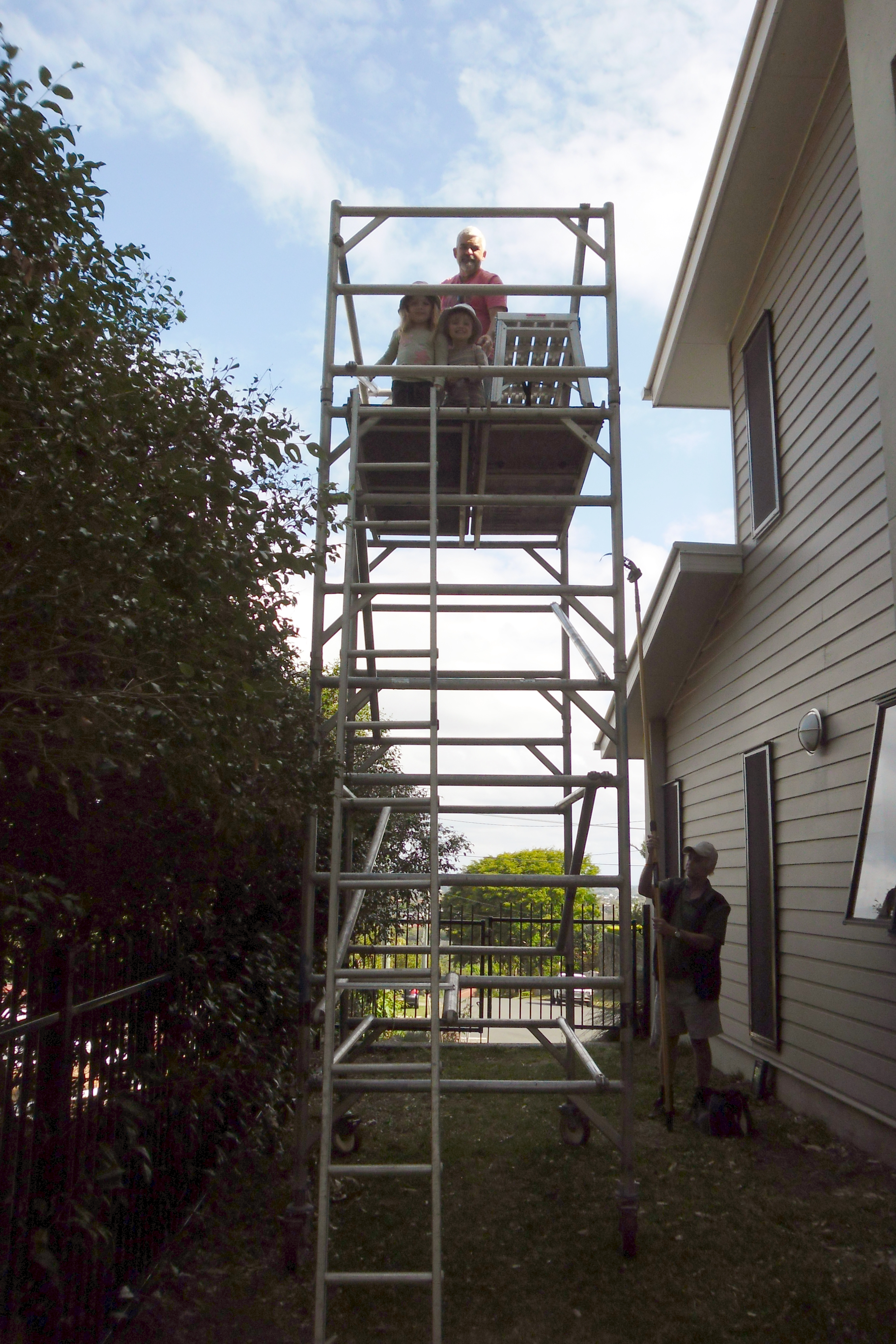
First stop was to check on the Noisy Miner family nesting in the Lillypilly hedge. A mobile scaffold makes an ideal place to look down into the nest. Checking the nest boxes we found two Squirrel Gliders at home in one nest box and three possibly four Gliders in another box.

IMG_7502

Kids and sand – always a success

IMG_7505

Watering in with Seasol

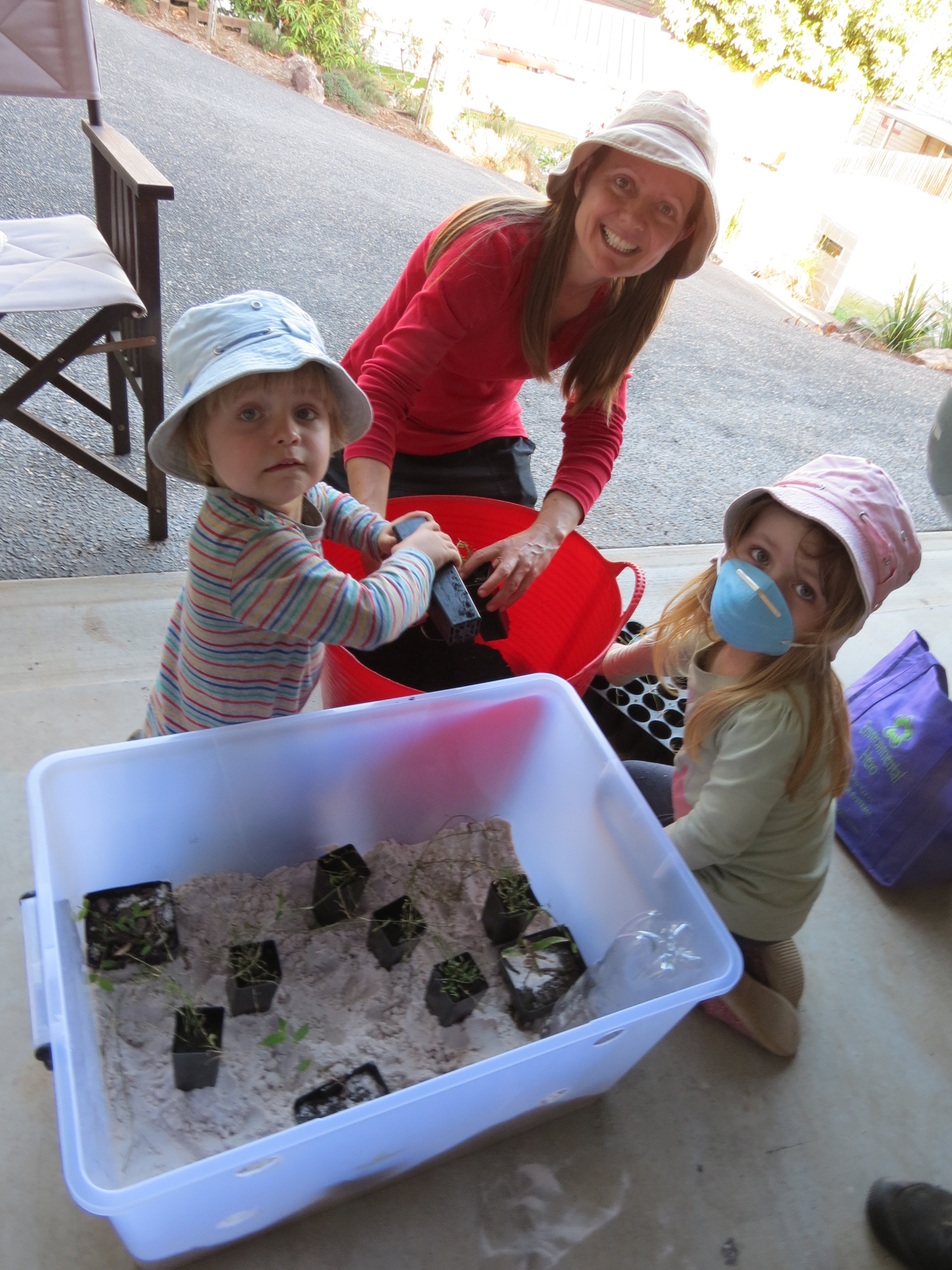
The next job is potting up Creeping Beard or Rainforest Grass Oplismenus aemulus and Love Flower Pseuderanthemum variable. Rainforest Grass is ideal for creating Living Mulch that keeps the weeds down, controls erosion, feeds butterflies and creates a natural fire break with its low fuel load. Love Flower spreads rapidly in the garden and is considered of nuisance by some gardeners. However, this pretty little native herb is host plant for the caterpillars of a number of butterflies including Australian Leafwing Doleschallia bisaltide and Varied Eggfly Hypolimnas bolina. Also Bearded Dragons Pogona barbata like to eat the flowers.

First Eloise and Lincoln helped build a self-watering seedling nursery … sand and water … a recipe forfun.

The idea for this neat seedling nursery came from a Gardening Australia segment on building a simple hothouse. It was a productive and fun afternoon. I will provide an update on the success of the seedling nursery which may become a valuable project for Pollinator Link gardeners.

IMG_8873

November 2011

By: Michael Fox

2011 Our first Community Gully Day, two years ago, saw the removal of six cubic metres of rubbish, poisonous Yellow Oleander Thevetia peruviana and Madeira Vine Anredera cordifolia, stabilised the banks with logs leaving the ground bare and storm water pipes a visual blight.

IMG_0872

November 2012

d

d

d

d

2012 Between Gully Days restoration work continues with regular Tuesday Bushcare events. Mirandha, Griffith University Bushcare Club, feeds Chinese Elm branches into out chipper.

IMG_4190

August 2013

d

d

d

d

Coin-spot Treeferns Cyathea cooperi are thriving, bush foods like Native Mulberry Pipturus argenteus will growing and the storm water pipes are disappearing under branches creating ideal habitat for lizards and improving visual amenity.

d

d

Living mulch - 11 Aug 2013

Living Mulch reducing erosion and creating mico-habitat

d

d

d

d

d

d

d

2013 8am The team getting to work, Scott, Barry, Carol, Don and Marshal in background, with Matt and myself delivering hollow logs for habitat.

IMG_1048

November 2012

Note the amazing mico-habitat created by the Living Mulch of native grasses – Rainforest Grass Oplismenus aemulus, Graceful Grass Ottochloa gracillima, and self-sown herbs like Native Hawksbeard Youngia japonica.

Even without the tree cover this area was several degrees cooler than the area just a little down the gully.

d

Marshal Carol Scott removing weeds - 11 Aug 2013

Clearing weed regrowth

d

d

d

d

A huge change from November 2012 when the gully was still bare.

d

d

Madeira Vine tuba - 5 Mar 13

Madeira Vine tuba removed from gully

d

d

d

d

8:30am Scott, Carol and Marshal have been busy clearing Mother-in-law’s Tongue Sansevieria trifasciata and Madeira Vine regrowth.

Matt Mike hollow log (low) - 11 Aug 2013

Matt and I install habitat log

Matt Russ Shawn placing logs 2 - 11 Aug 2013

Matt, Russ and Shawn positioning logs

d

d

d

Eradicating Madeira Vine in the gully is a long term project. The most effective removal approach for this fast growing invasive weed is simply digging out and immediately bagging the tubers. Madeira produced hundreds of tubers along the vine. Those tubers are viable for a long time and sprout like potatoes when they land in a suitable environment. The size of these tubers mean that using poison is often not an effective particularly in a vulnerable water course.

d

d

9am Matt and I install one of the hollow logs donated by Scott at Tree Bracers (eco-friendly) Tree Removal Specialists.  Scott contacted me asking if we could use the logs as he did not want to simply chip this valuable habitat resource. Roger Medland and I collected the logs in Rogers ute.

Marshal splitting logs - 16 Jul 2013

Marshal splitting logs for stablising banks

Hollow logs are valuable habitat for wildlife and installing these logs will provide Possums and Gliders safe escape from Foxes and cats.

d

d

d

d

d

d

9:30am Matt, Russ and Shawn are positioning logs on the bank further down the gully. Logs reduce erosion, allow mulch and leaves to collect retaining water and keeping weeds down. Restoration work is also much faster and safer as the logs create a working platform for removing weeds and planting grasses, vines and trees.

d

d

d

d

d

d

The logs were recycled from a tree removed after the January storms. Dale from Climb n Grind returned to safely remove the tree leaving the trunk cut to useful lengths. Marshal and I then used a chainsaw and steel wedges to split the logs into manageable quarters ready for the Gully Day.

IMG_3660

Len Kann with Stingless Bee hive

d

d

d

10:30am Time for a break. Genevieve has organised a sausage sizzle, coffee, tea, cake and fruit … mmmm.

IMG_0839 (1)

Teddy Bear and Blue Banded native bees

While we eat, native bee expert and Mt Gravatt Environment Group member, Len Kann shares his passion for this fascinating wildlife we can bring to our backyards to pollinate our Queensland Nut trees and vegetables.

d

d

Stingless bee hive (low) - 11 Aug 2013

Inside the hive – Stingless Bees

Len explained that there are over 2,000 native bee species in Australia with many providing farmers with unique pollination services not provided by European Honey bees.

IMG_0837 (1)

Rebecca planting

Len has put together a bee presentation box using one of his own empty hive boxes, specimen boxes with Blue Banded and Teddy Bear bees that we have collected in the Reserve, and excellent macro photos taken by member Alan Moore.

Len has generously provided one of his Stingless Bee hives on secondment in the gully and for his talk he bought along a hive he could open to let us see inside. For an ex-beekeeper like me it was fascinating to see the very different structure for storing honey and pollen, and, yes, it is nice not to collect the dozen of stings I received when robbing my European bee hives.
d

11am Rebecca is back to work planting the bank behind her property.

I am proud to live in a community that can come together on a long term project like this. Currently the owners of twenty properties are committed to restoration of their backyards as a wildlife corridor down Fox Gully and importantly work together to eradicate Madeira Vine.

We had twenty people participate in the 2013 Community Gully Day including people like Marshal and Carol who live beside Firefly Gully, Nancy who has propagated most of the Lomandras in the gully and Len who shared his passion for native bees.

Three hundred grasses, herbs, vines, shrubs and trees have been planted this year. Save Our Waterways Now (SOWN) generously gifted $400 worth of plants with other plants and resources purchased with over $200 in tax deductible donations from neighbours.