Seriously we were very pleased to welcome the Griffith Uni Bushcare Team to Fox Gully yesterday. Team leader Mirandha, Environmental Law, has been working with Susan Jones at our Gertrude Petty Place Bushcare site.
First order of the day was a sausage sizzle, a very new and Australian experience for Lin, Environmental Science, and Fred, Hotel Management. Marshal operated the BBQ while I show the team the Rainbow Lorikeets Trichoglossus haematodus setting-up home in the Men’s Shed nest-box high in a Tallowwood.
We are learning amazing new information about Koalas and other Australian wildlife every year, as demonstrated by the extraordinary new evidence that Koalas, in at least one location, eat the bark of trees as well as the leaves.
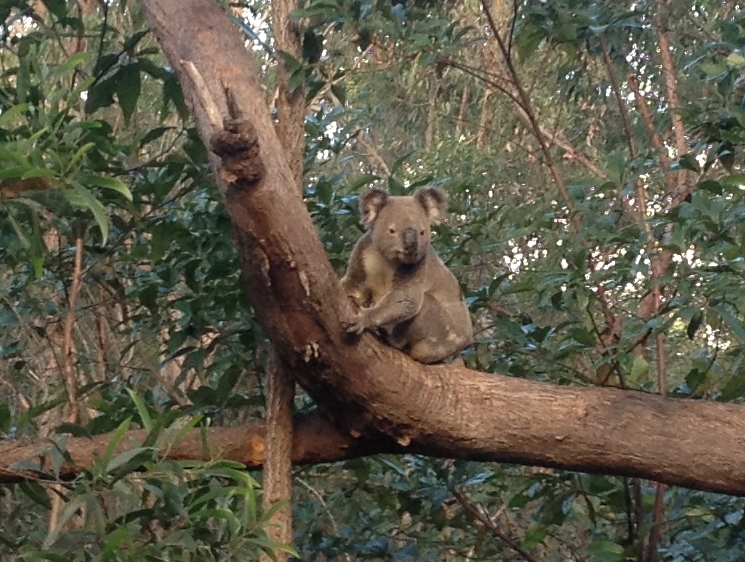
Locally Craig Byrne spotted this healthy specimen this week while walking in the bush near the Hillsong carpark. Sightings like this are an important part of our work in restoring Mt Gravatt Conservation Reserve. Detailed records of Koala sightings provided evidence to support the installation of Koala crossing signs in Klumpp Roadafter a Koala was killed in November last year.
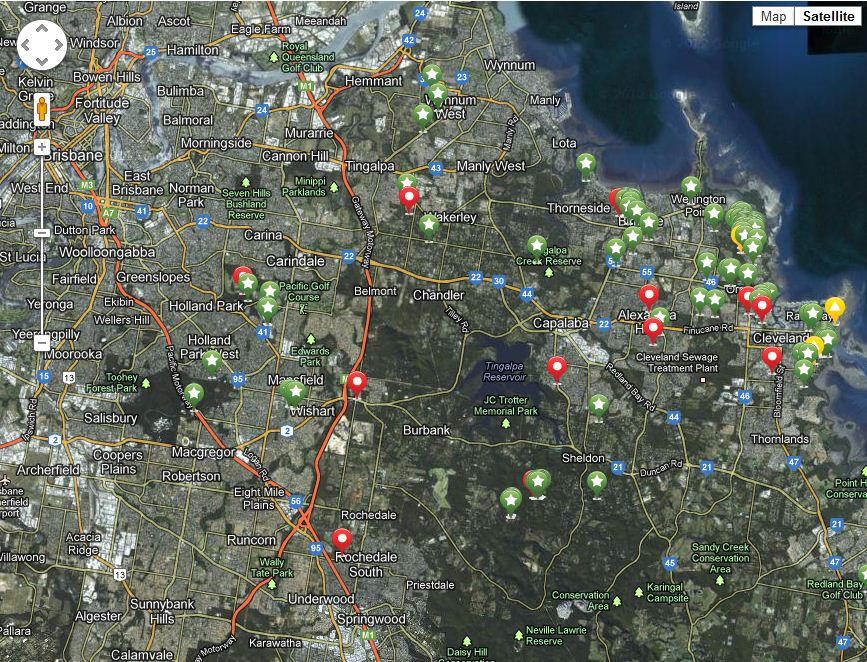
Email megoutlook@gmail.com with photos and location and will add the directly data to the innovative new Koala Tracker database. As Koala Tracker Member we can access maps, detailed data and photographs for our local area.
Please support this powerful community initiative to save our Koalas:
Become Koala Tracker (membership is free) and enter your own sightings;
Mt gravatt run – Uploaded by swaggydave on 17 Aug 2011
2011 Mt Gravatt SHS – National Tree Day Planting
“We felt gutted seeing the damage they had done. The irony is, that if we, CVA volunteers and Griffith Uni student volunteers hadn’t cleared out the area, they wouldn’t have been able to get through there!”
Susan Jones was talking about finding that mountain bikers have established a brand new trail right through the middle of the area restored by Mt Gravatt SHS students in 2011
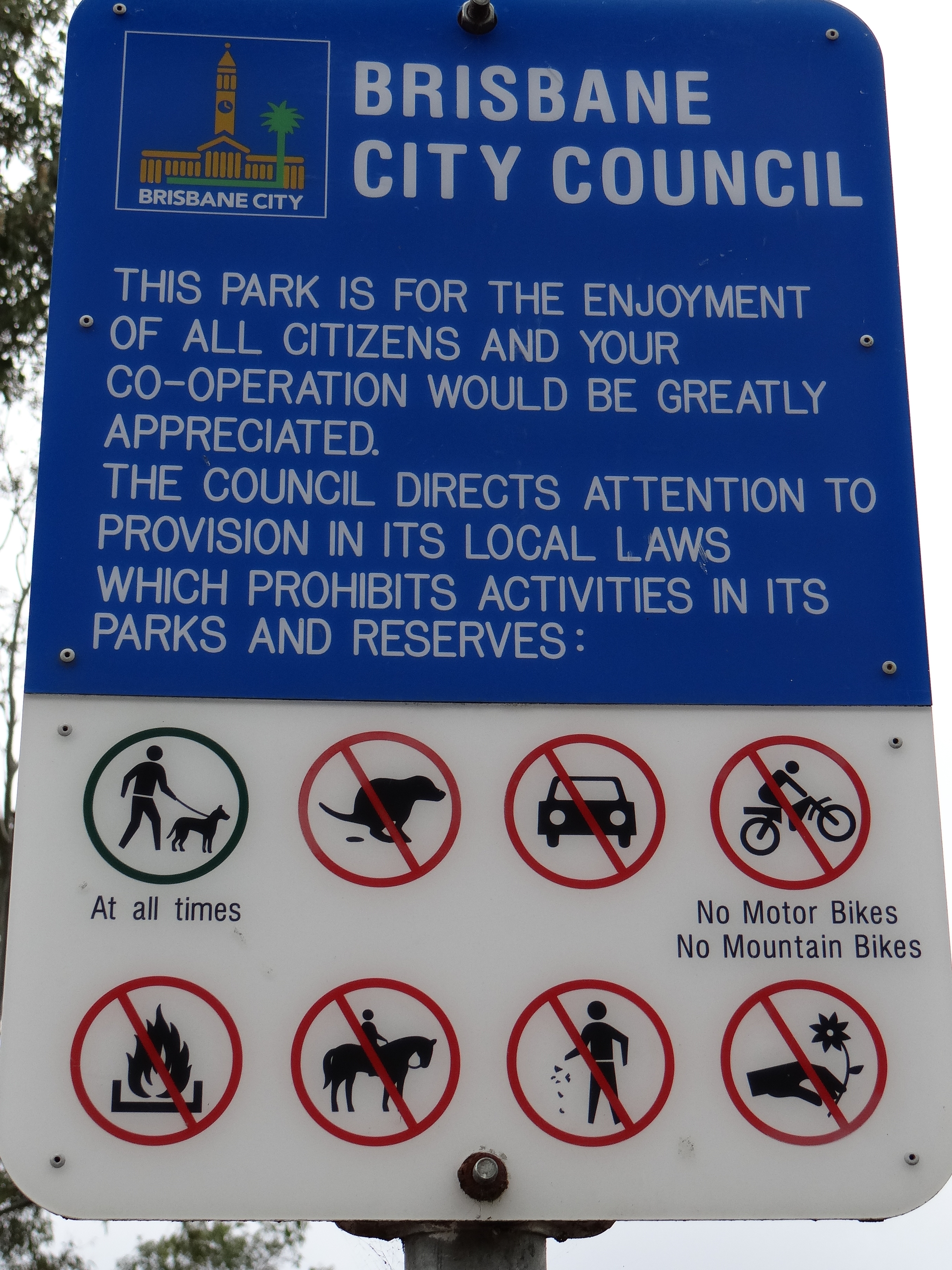
No Motor Bikes No Mountain Bikes
and being prepared for our July 25 National Tree Day planting. The action was quite deliberate and systematic as the sign was thrown away and sapling Brush Box, Soapy Ash and Wattles were sawn off as well as broken down.
x
Mountain
Biking is illegal in Mt Gravatt Conservation Reserve
x
Mountain biking is not allowed in the Reserve. Signs at the Summit and at Gertrude Petty Place clearly state “No Motor Bikes No Mountain Bikes”.
Rider ignores No Bike sign
The bike in the video above actually leaves the road and takes a track straight past a No Bikes sign. Click on photo to enlarge. v
The mountain biking is not only illegal it is also damaging a unique environment that our community has fought to protect for over one hundred years: Mt Gravatt Historical Society, tells us that up till July 1893 the mountain and surrounds were designated as a railway timber reserve. In response to community pressure the Queensland Government of the time protected this special habitat by declaring the Reserve.
Mountain bike riders are actively destroying mountain habitat
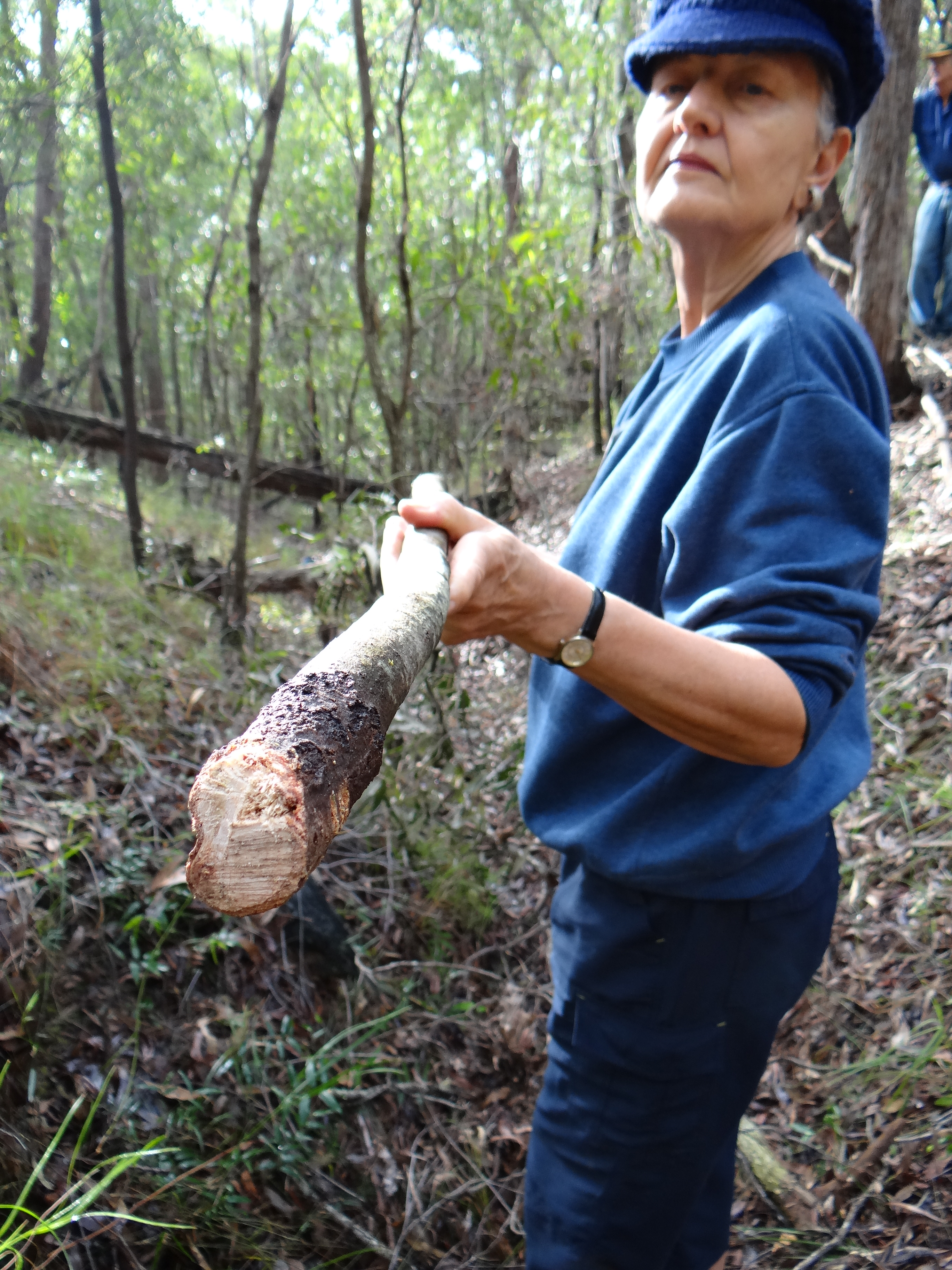
Susan showing cut sapling
a
I inspected the latest damage this week with Susan Jones. What really stunned us was the systematic habitat destruction with saplings sawed or broken off and used to make jumps for riders. Cut and broken trees included a four metre Early Black Wattle Acacia leiocalyx just about to flower. Early Black Wattle is the caterpillar food plant for Imperial Hairstreak Jalmenus evagoras, a beautiful butterfly which is returning to the mountain with the restoration of our bushcare sites. Other trees destroyed included Soapy Ash Alphitonia excelsa, caterpillar food plant for Small Green-banded Blue butterflies Psychonotiscaelius, Brush Box Lophostemon confertus, caterpillar food plant for the
Butterfly trees chopped up for bike jump
fascinating Four-Spotted Cup Moth Doratifera quadriguttata.
Many Lomandras have been destroyed by the action of bikes, including a flowering (male) Many Flowered Mat-rush Lomandra multiflora, caterpillar food plant for Brown Ochre Trapezites iacchus and Black-ringed Ochre Trapezites petalia butterflies: two of forty-five butterfly species found in the Reserve.
Young trees destroyed to make a bike track
It is hard to show the enormity of the damage. None of the trees were very large but the collage of cut stumps gives some idea of the number of trees destroyed to create track for entrainment of a small number of people.
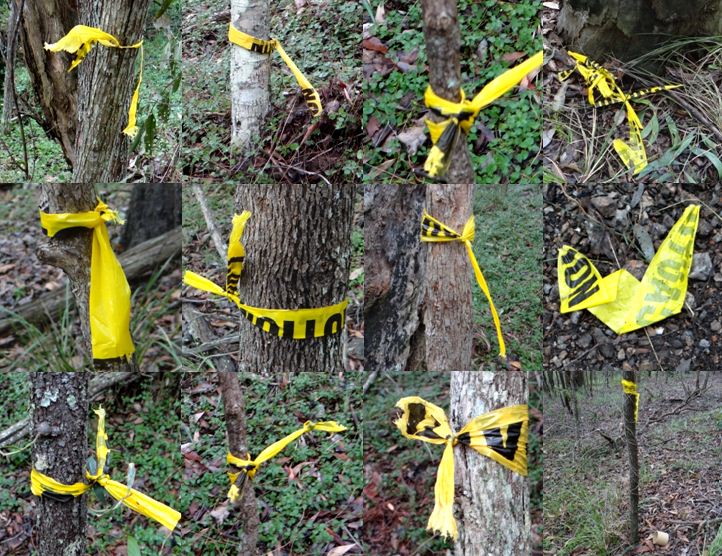
And by the looks of it this is only the start. Following the track down from the Summit we found yellow markers tied to trees, not only along the track but also what appears to be planned as a new track taking off to the south. Trees had been cut or broken and yellow tape tied to others. It seems that this new track planning was only stopped when the tape ran out … evidenced by the empty spool discarded in the bush.
Further evidence of expansion plans is the cache of tools we found locked to a tree just near the path.
Yellow tape marking out track expansion plans
Track clearing tools locked to a tree
Our community investment
c
Seeing the wanton destruction of our special habitat made me very angry, not just because of the personal impact on me, but also because this action ignores the huge ongoing contribution our community is making.
Conservatively calculated, Mt Gravatt Environment Group is responsible for over $30,000 in volunteer contribution during the 2011/12 financial year.
Over the same period our community has invested $19,905 in grants from Queensland Government, Brisbane City Council and Southside Sport & Community Club.
Donations and direct investments by community members exceeded $8,000.
Ongoing support and investment by BCC Habitat Brisbane program: plants for revegetation, equipment, training and public liability insurance.
Today we had the pleasure of welcoming Holland Park Kindergarten families to Gertrude Petty Place for a bush adventure. The children were excited about catching up with their friends after two weeks holiday and were brimming with energy.
We checked out a termite’s nest in an old ironbark gum where kookaburras nest each year and then headed off to search for native bee nests (Trigona carbonaria)in a nearby hollow tree trunk.
Bush tucker – food tastes better in the bush
The children have a native bee nest in a box at school, but they were fascinated seeing nests in the wild.
After a walk through the bushcare site everyone was feeling tired and ready to tuck into a picnic morning tea before heading off home.
Our young friends left with some local native ground cover plants that will be planted in the school grounds to attract butterflies, birds, bees and frogs.
Thanks Amanda for organising this outing and we hope to see Holland Park Kindergarten back in the bush soon.
We visited the David Fleay Wildlife Park today with Totsu, our Japanese homestay student. I used to read David Fleay’s nature articles in the Courier Mail in the early ’60s so it is always a pleasure to visit the wildlife park he established. This time was particularly special as we were able to see the platypus playing … feeding on worms, climbing to the top of their waterfall and diving off. Difficult to photography in the semi-dark.
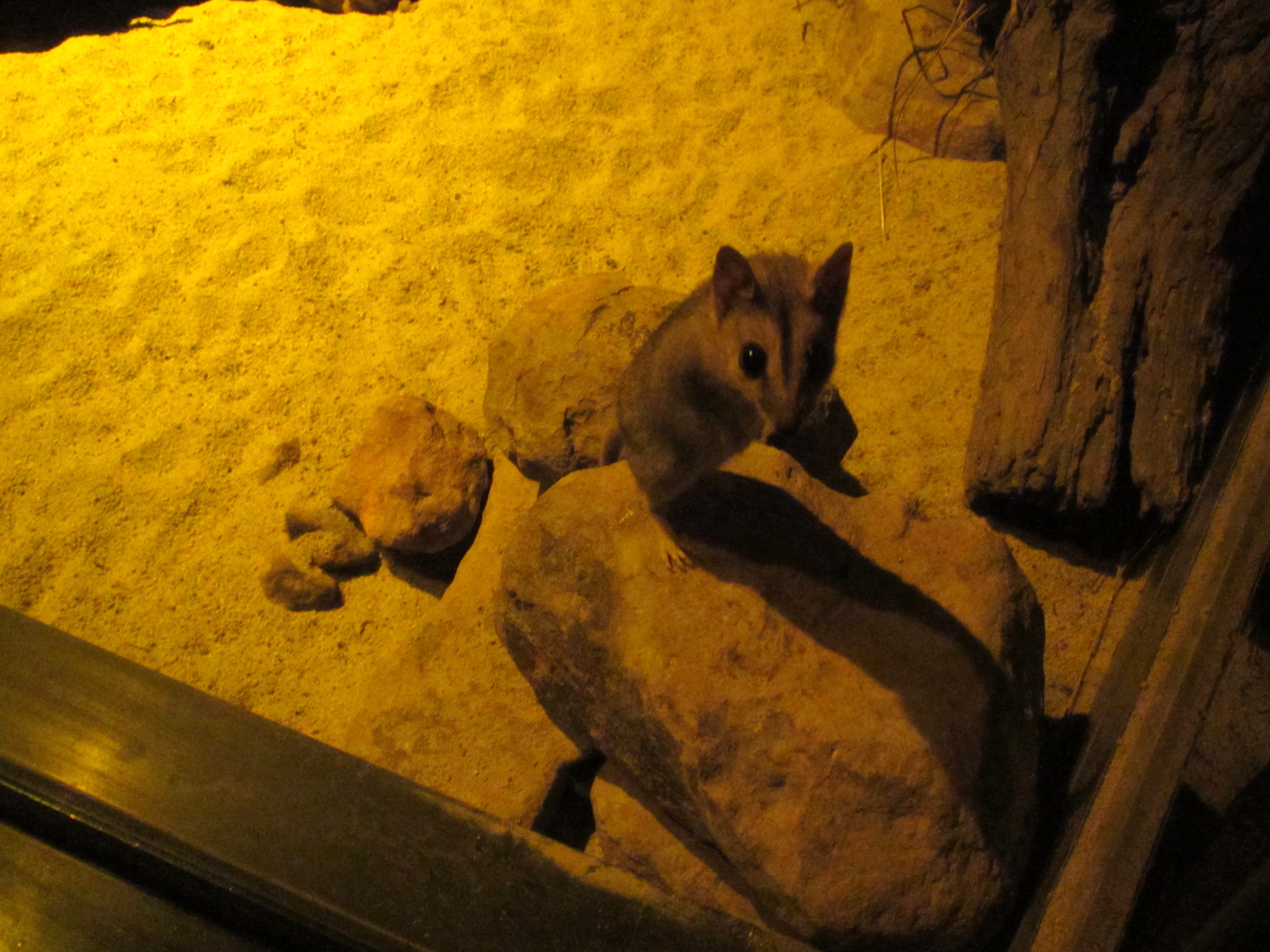
The Nocturnal House is also home to Greater and Mahogany Gliders, Bilbies and the cute Julia Creek Dunnart which was running around then standing on its hind legs to inspect the tourists.
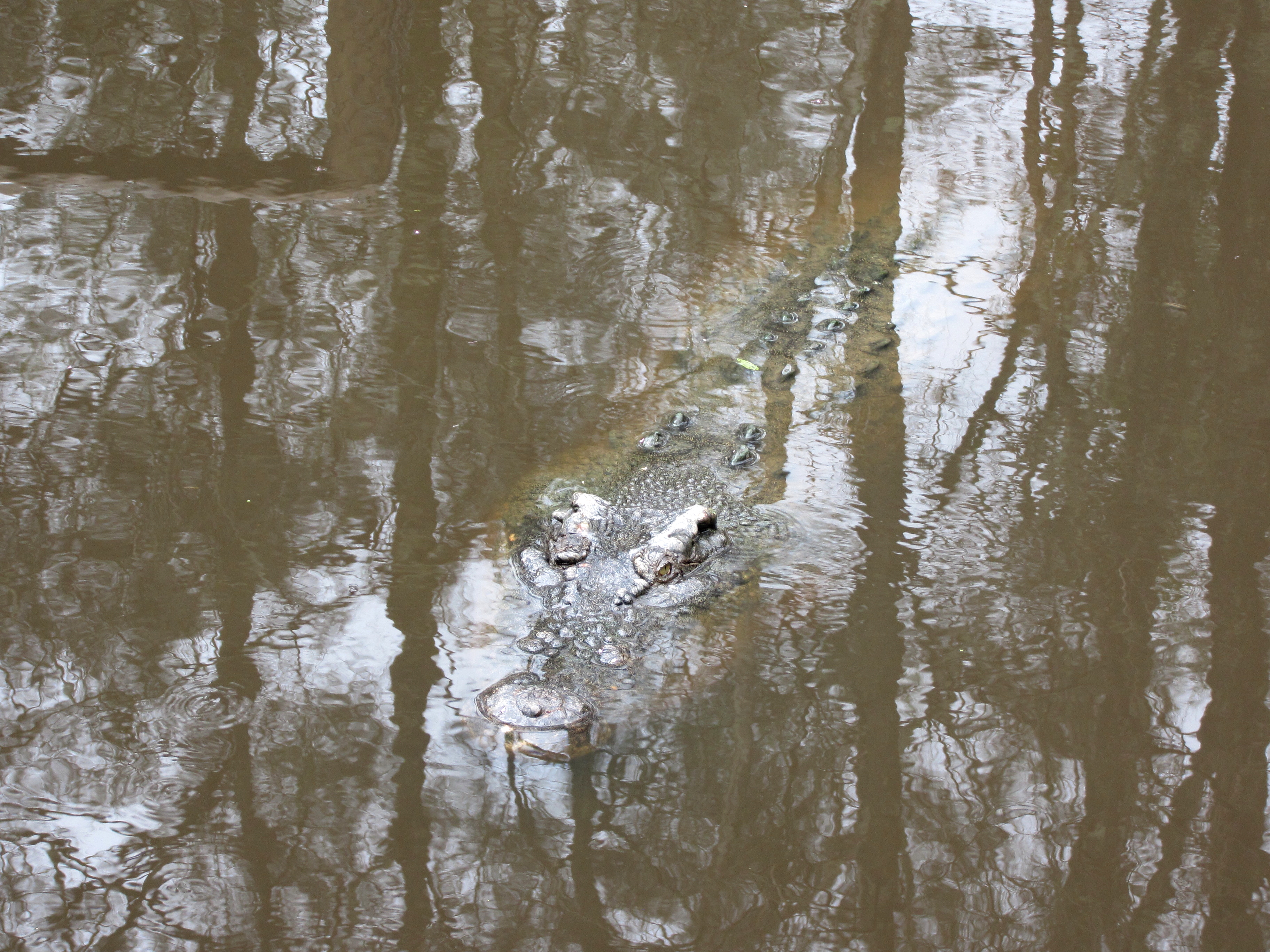
Saltwater Crocodile
In the Wetlands Habitat we found this male salty lurking. The staff told us that he had been fed yesterday and would not be hungry, however, he did seem to quietly drift closer as we stood on the bridge. “Tasty tourist snack … mmmm.” Click on the photo to enlarge and get the full effect.
kl
sdf
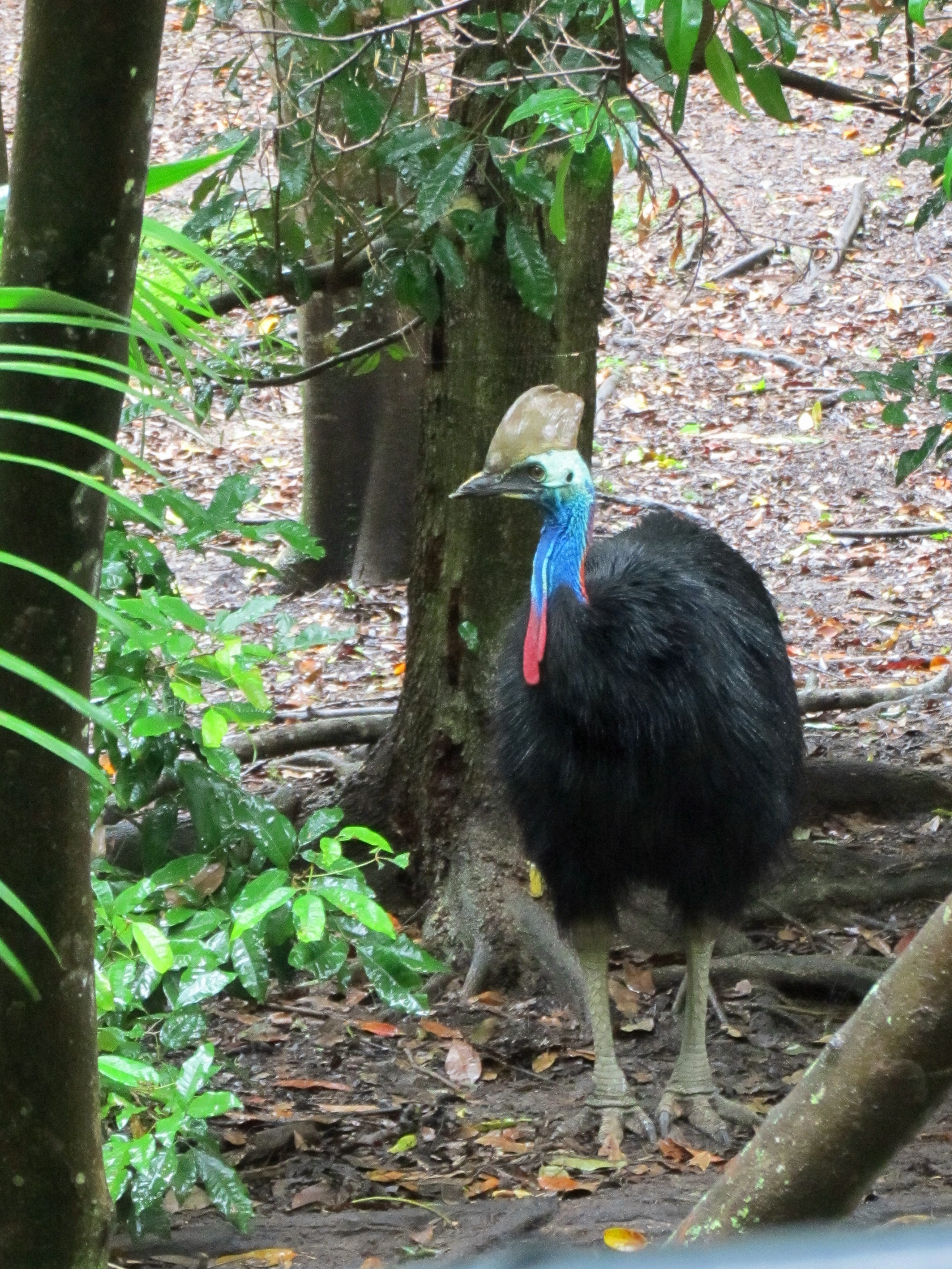
Cassowary
sdf
asdf
Next we introduced Totsu to Australia’s heaviest flightless bird, the Cassowary which are native to far north Queensland’s tropical rainforests.
lk
asd
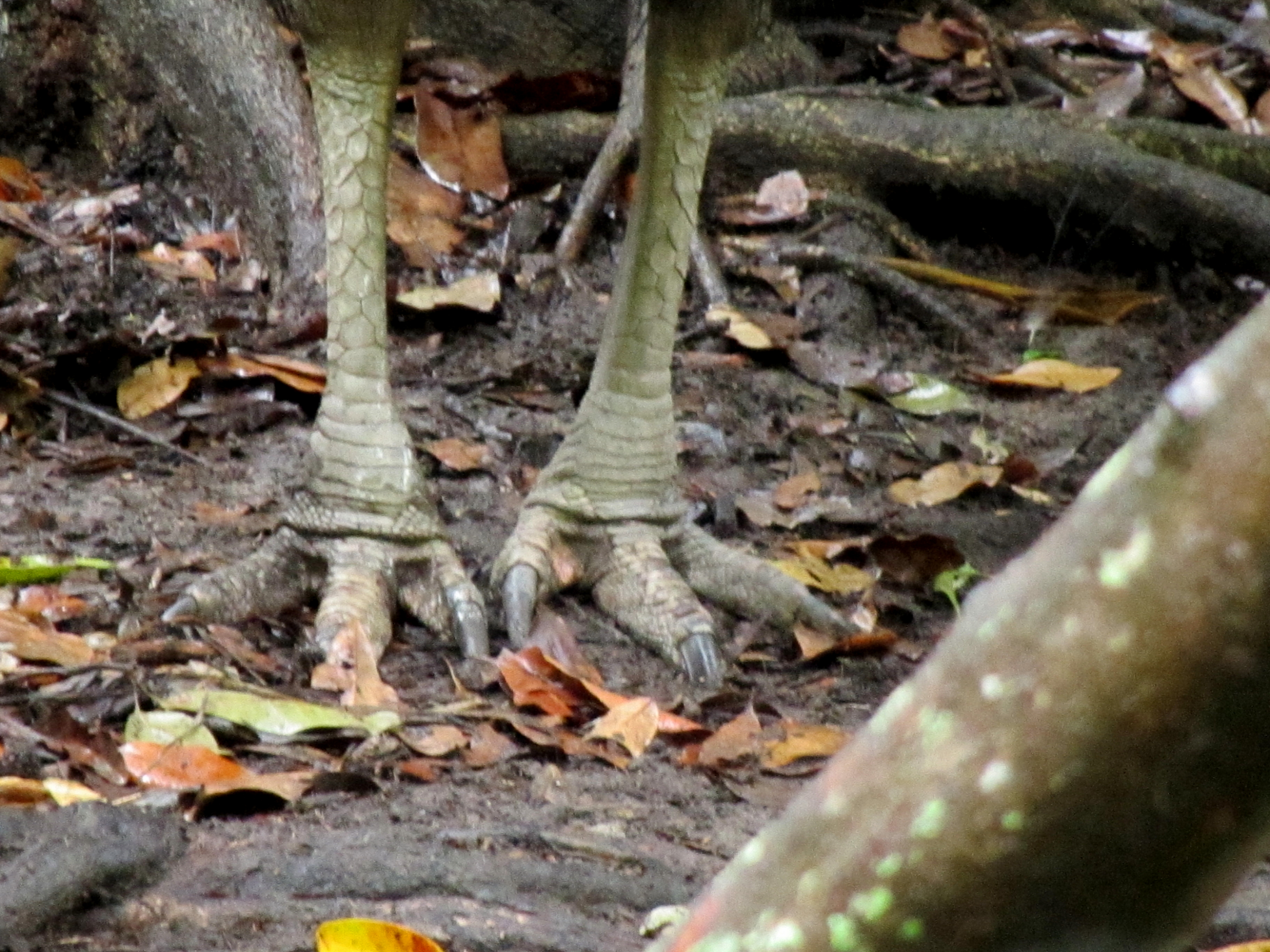
Don't mess with these claws!
kl
lak
lka
asd
asd
kl
asd
A beautifully coloured bird but one you would not want to mess with … check out the feet!
lakjdf
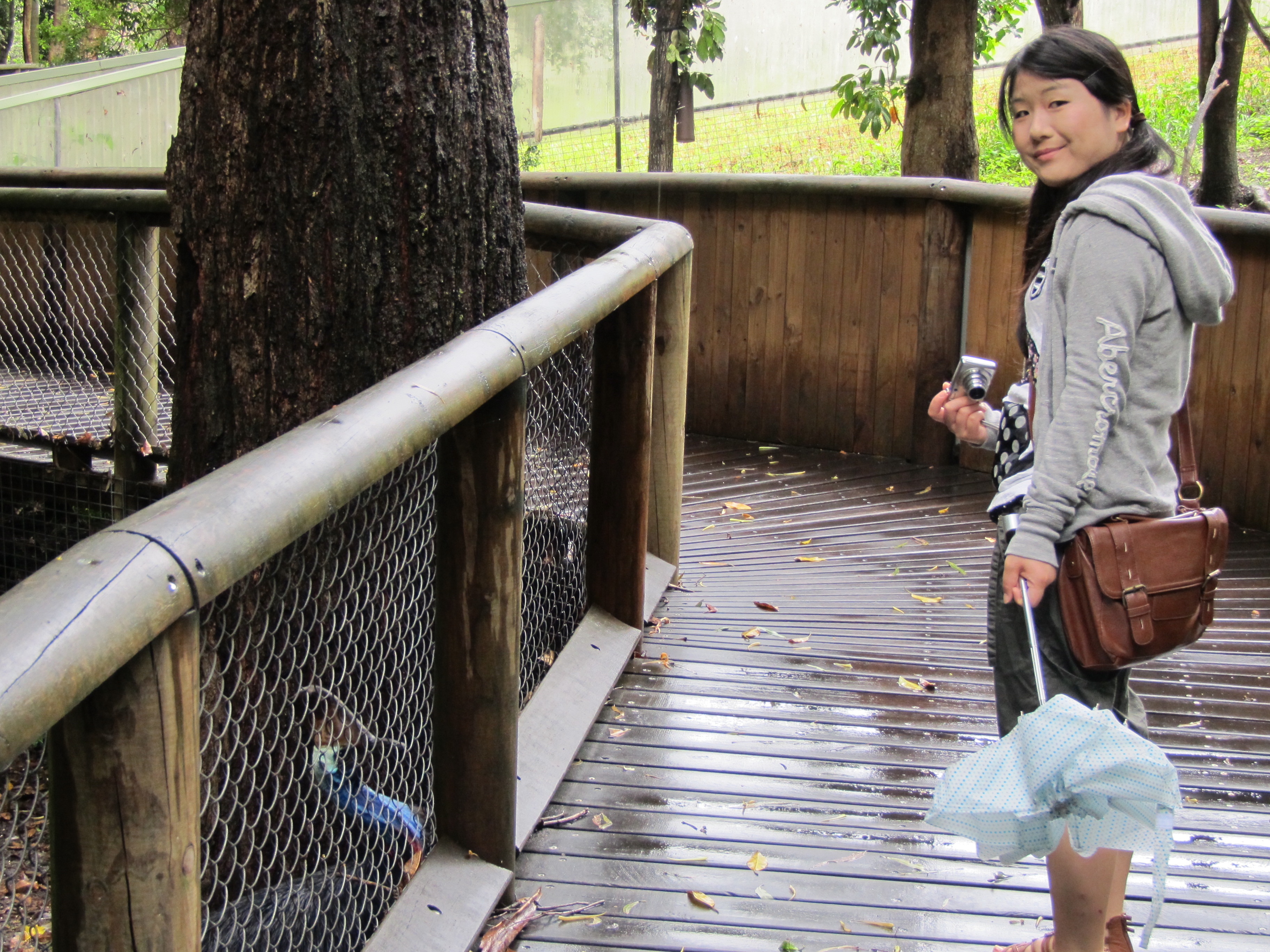
Totsu with her new friend
lakdf
lak
djf
lkd
Totsu was fascinated with the Cassowary ….
asdf
adf
sdf
ad
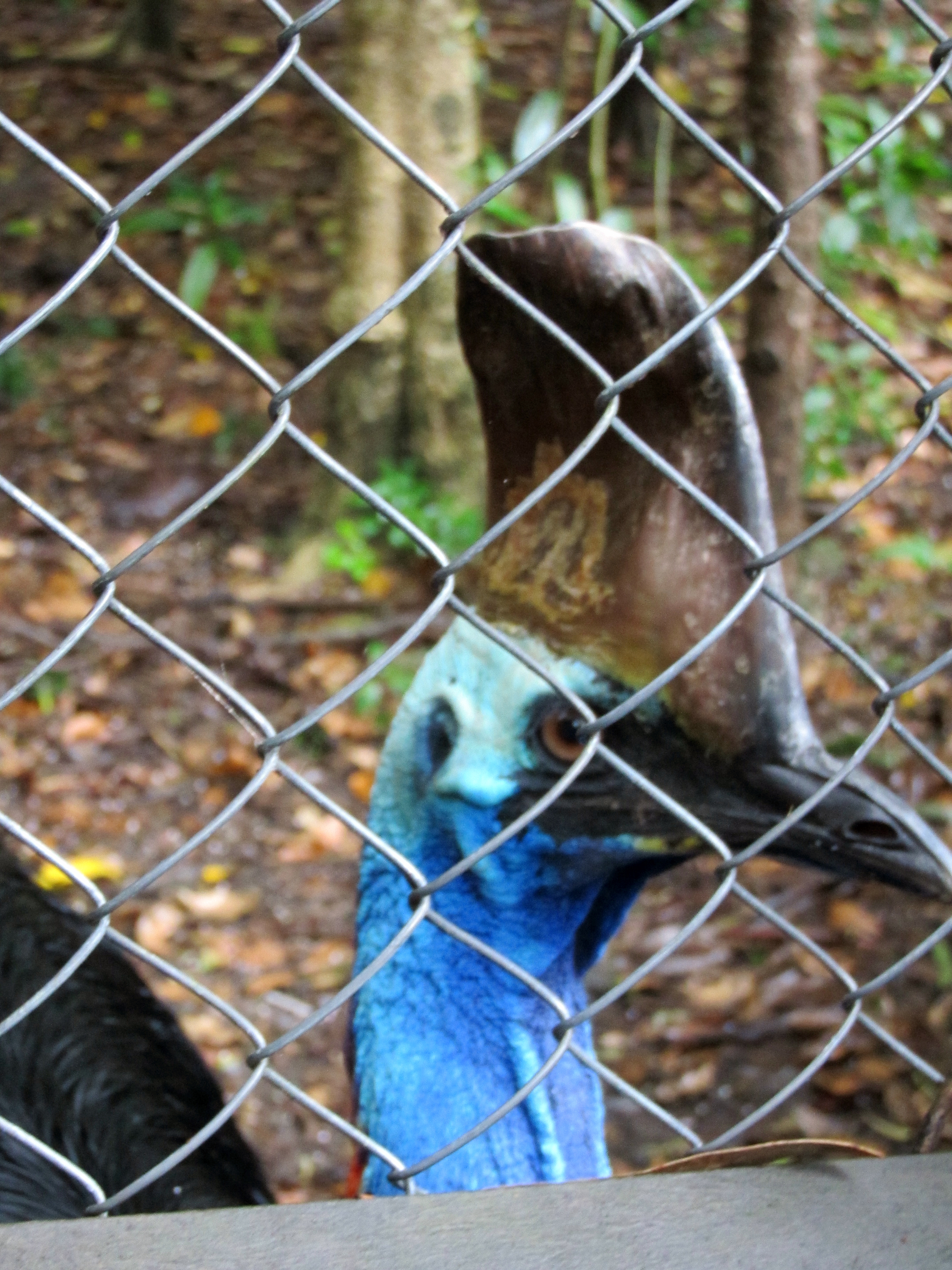
Cassowary
f
kla
ll
kj
and he seemed to like her. Following her and butting the fence.
lkj
lkj
sd
lk
jkkjahd
asd
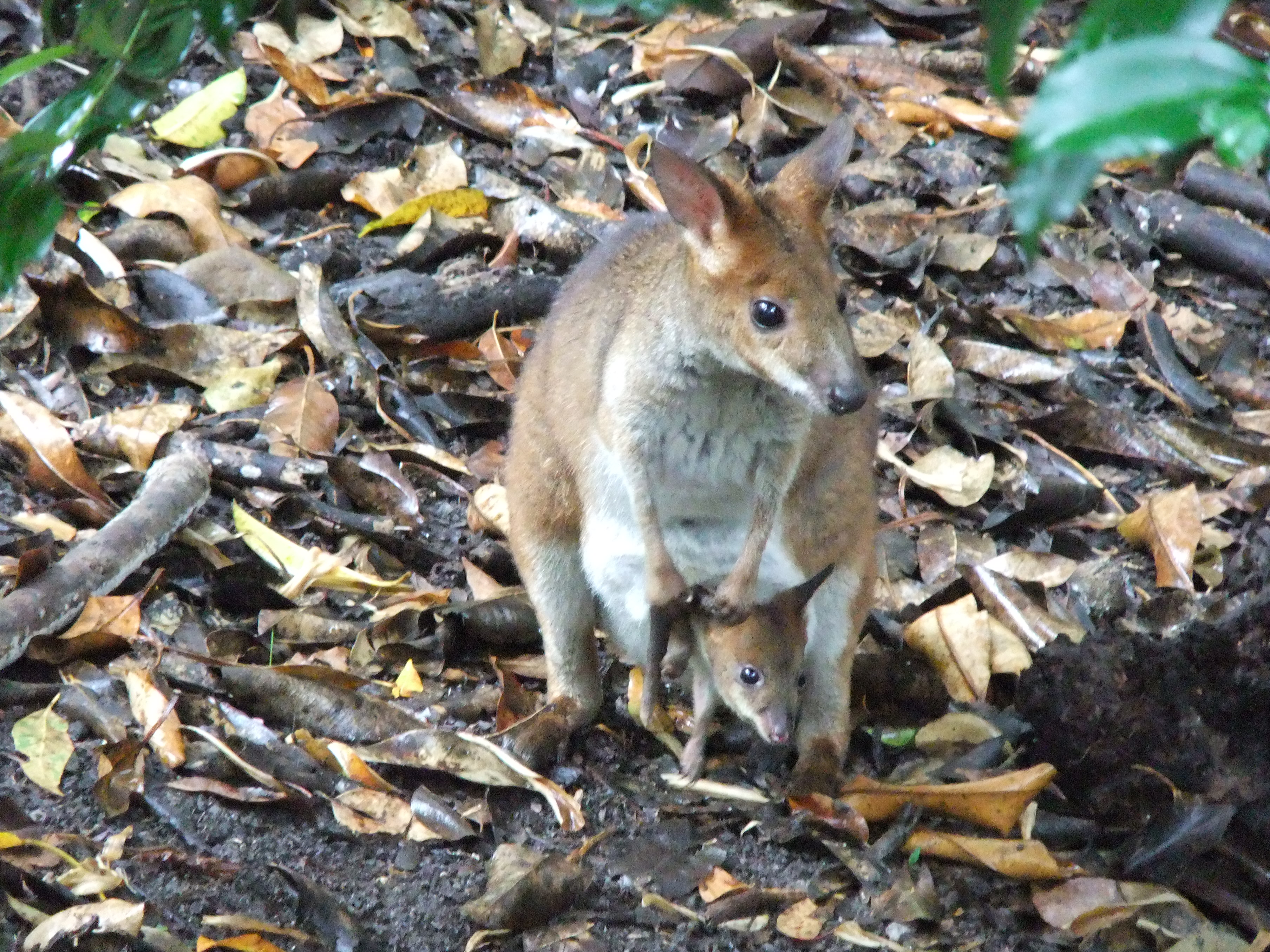
Paddymelon with joey
lkn
lk
lkn
I was videoing the Cassowary when Totsu squealed. She had spotted this Paddymelon with a joey poking its head from her pouch.
jlk
asd
ad
jk
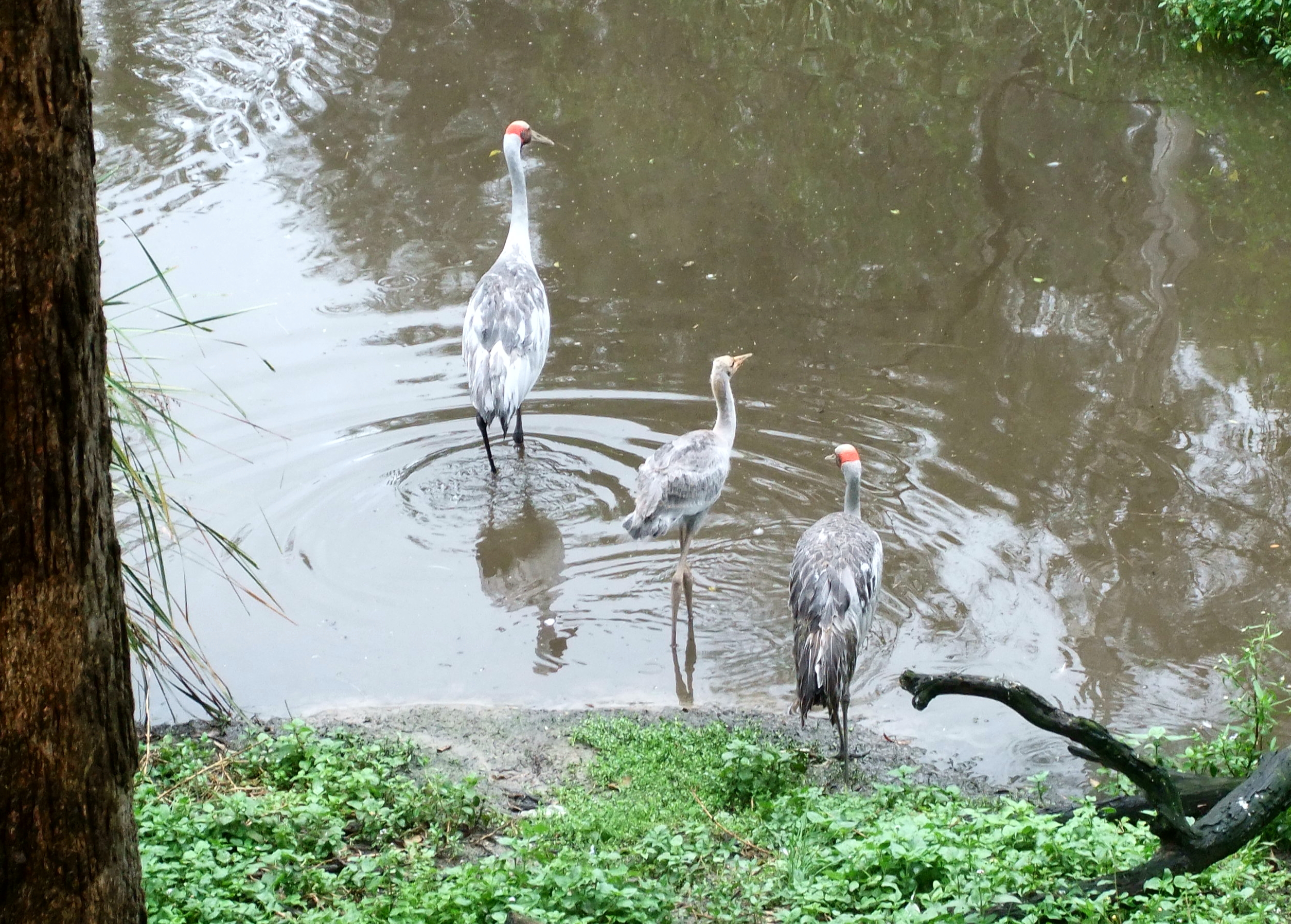
Brogla parents with 2 month old chick
a
Seeing the Brogla family was special. The chick was only born in January … just a white ball of fluff and now half the size of his parents.
jk
as
asd
ad
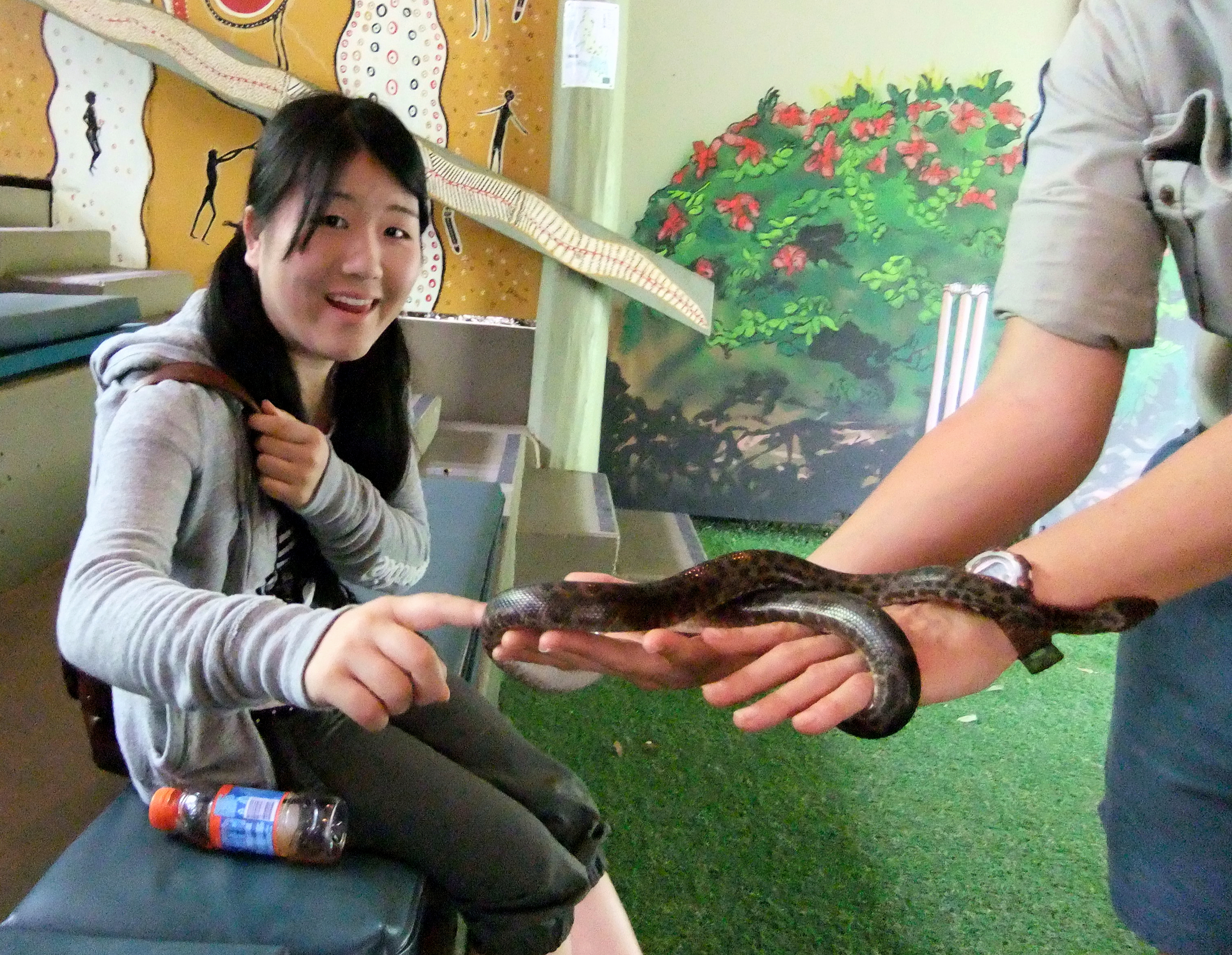
Totsu getting close to Australian wildlife
asd
After watching a Kangaroo sitting is a tree we went to the Snakes up Close presentation where Totsu showed real courage reaching out to touch the python being demonstrated.
David Fleay has left us a special legacy. A place I am always happy to return.
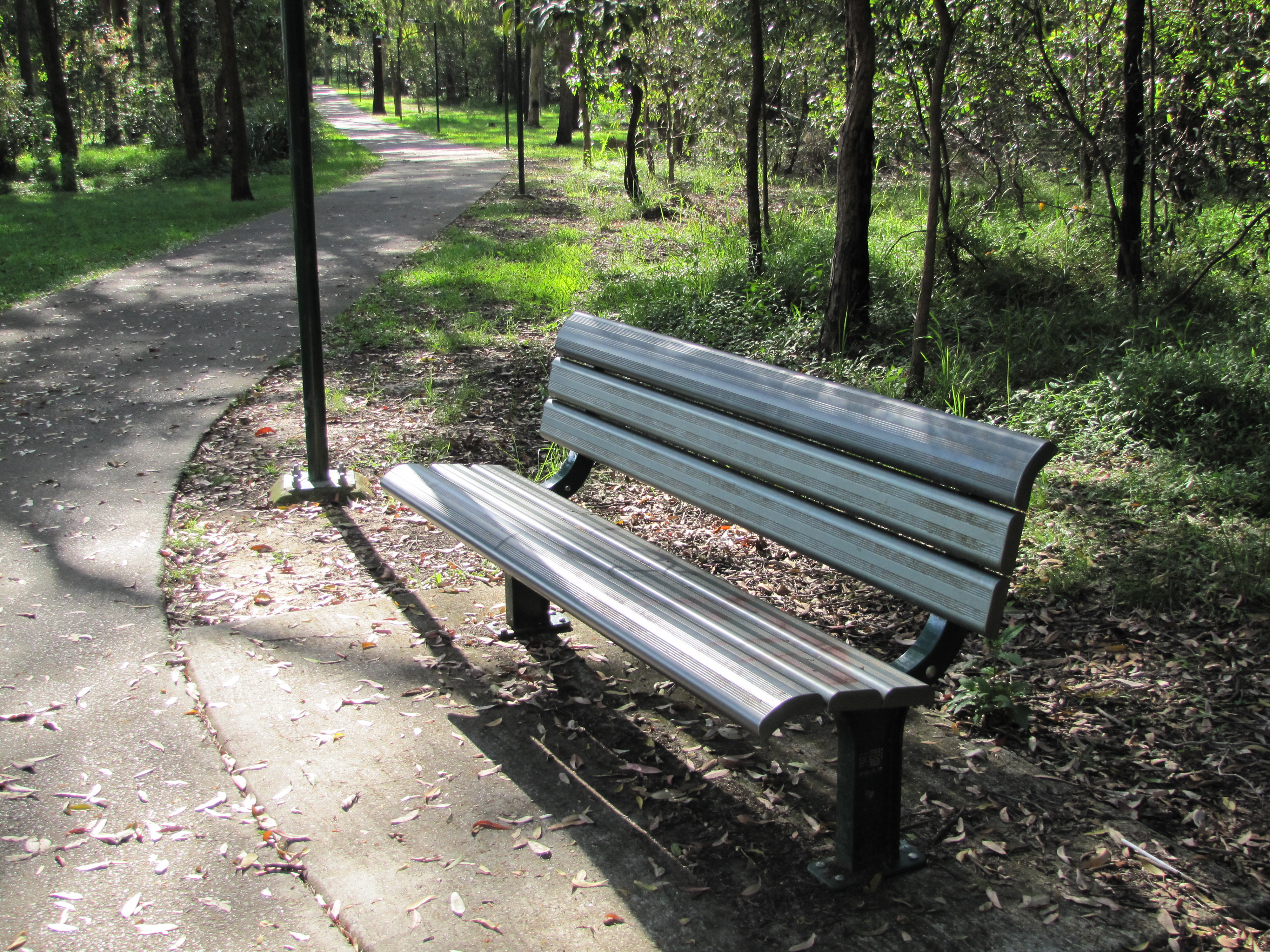
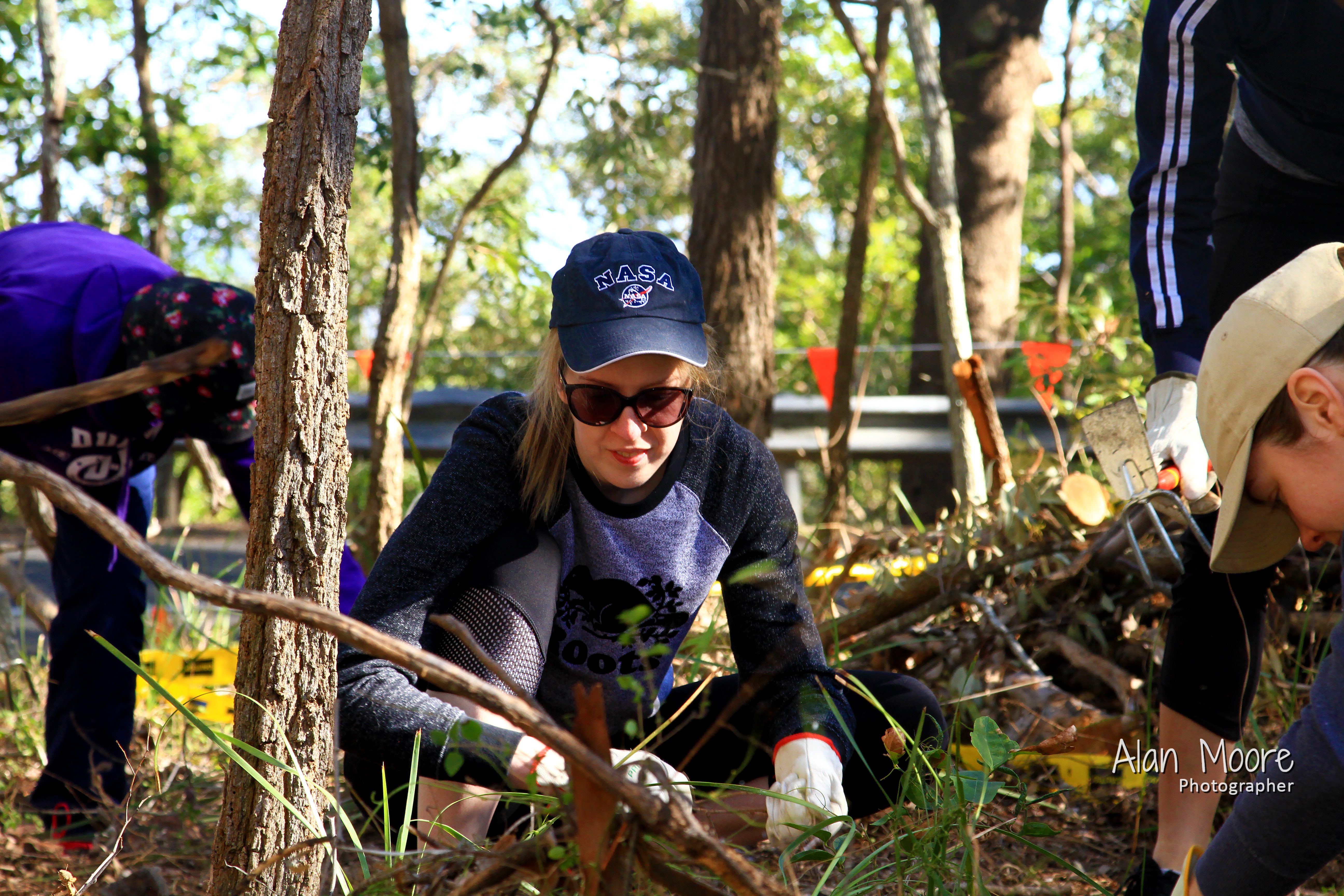
The MacGregor Lions Club team is partnering with Mt Gravatt Environment Group in restoration of the native gardens along this popular walk/cycle path Roly Chapman Reserve.
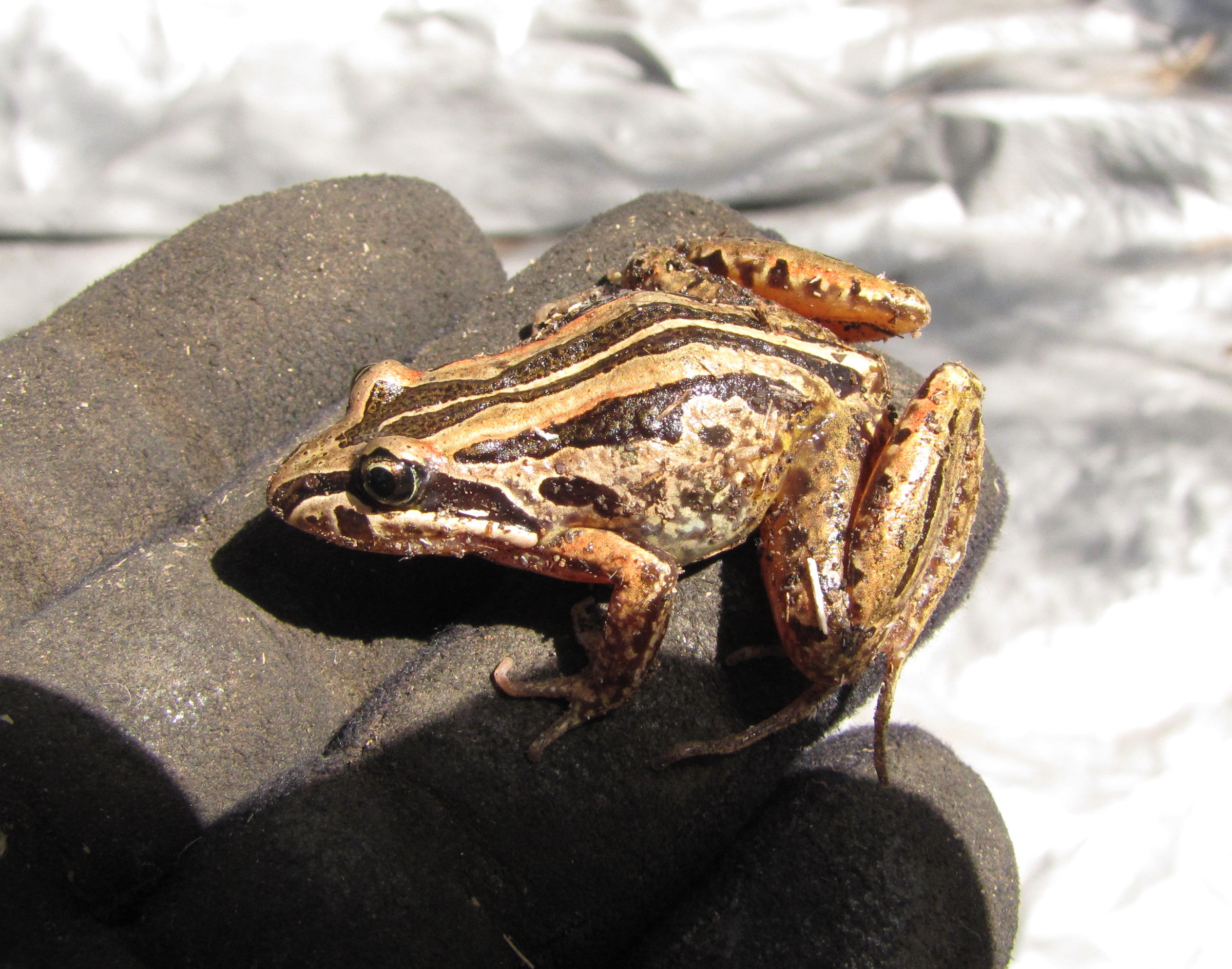
Roly Chapman Reserve is a special part of our local environment supporting a wide variety of native flora and fauna including the Striped Marshfrog Limnodyynastes peronii which we found at the Lions’ working-bee in December.
Frogs are a good indicator of the health of a habitat so finding a new species is very encouraging and a powerful acknowledgment of the value of the restoration work of the Lions team.
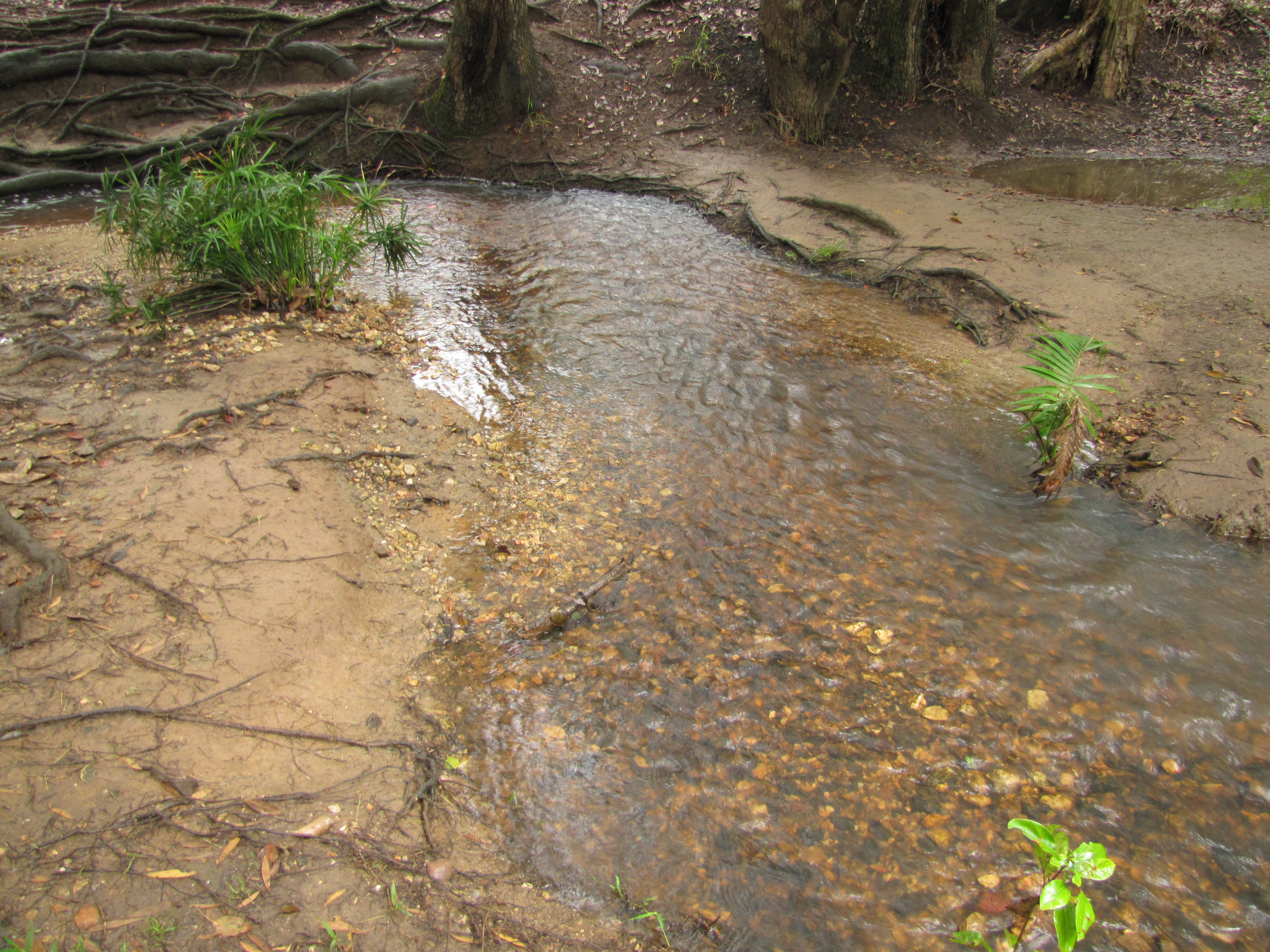
Roly Chapman with pretty Mimosa Creek meandering through bushland is also a key part in the wildlife corridor connecting Mt Gravatt Reserve and Bulimba Creek.
Join the team restoring this special place. For details email – Macgregor.Lions.Secretary@gmail.com or contact John Spriggs on 3849 6479.
The researchers have finshed and the report is now available to help us plan restoration of our wildlife corridors and provide scientific evidence to support funding applications to support implementation of our Mimosa Creek Precinct Landscape Plan.
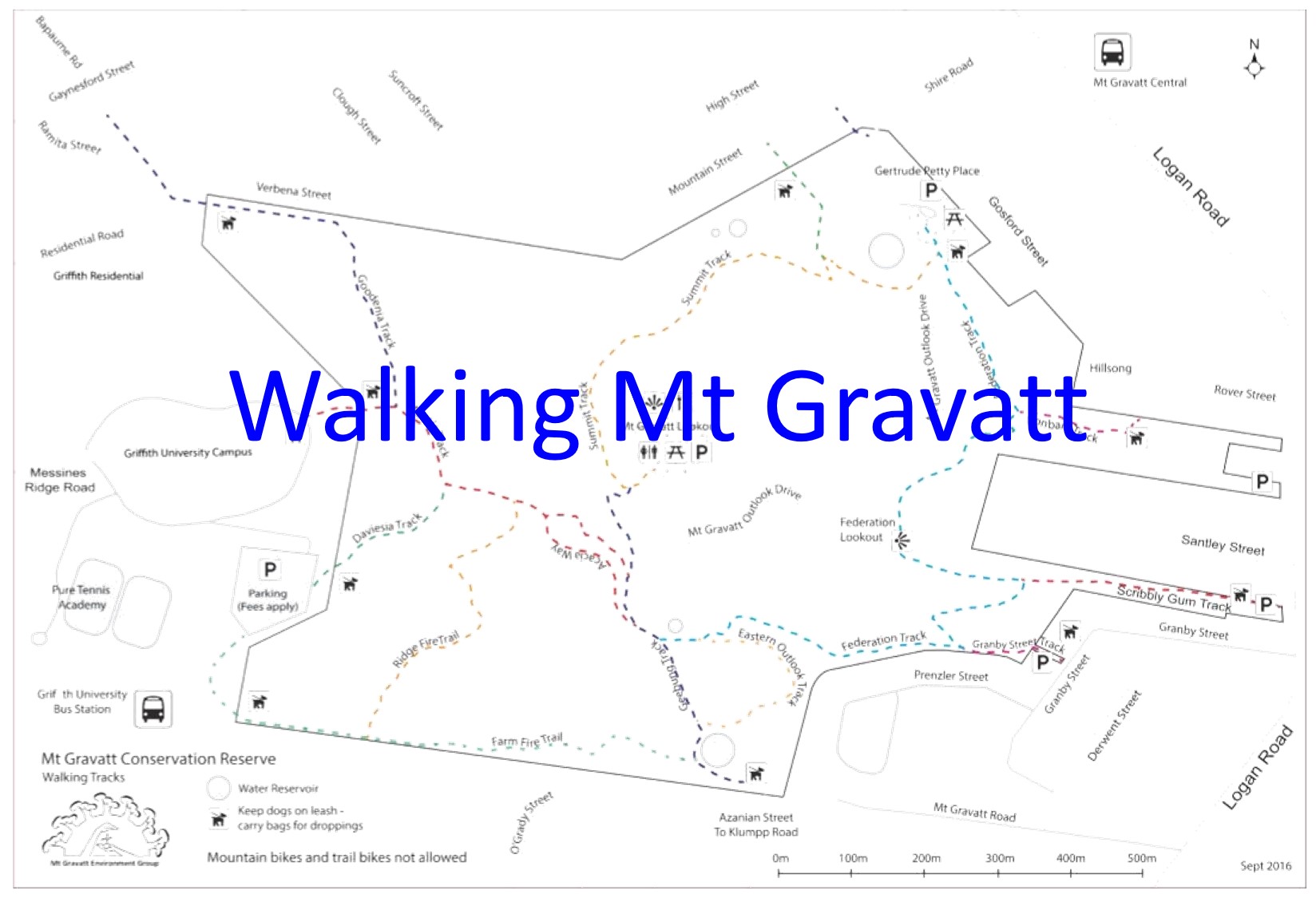
The report assessed the potential for the development of three potential wildlife corridors linking Mt Gravatt Reserve with Mimosa Creek. Koalas are breeding on Mt Gravatt and already starting to move into the Fox Gully corridor, see map, so our initiatives like our Community Gully Day are increasing important.




















 Mount Gravatt Environment Group
