By: Michael Fox


View in Google Maps

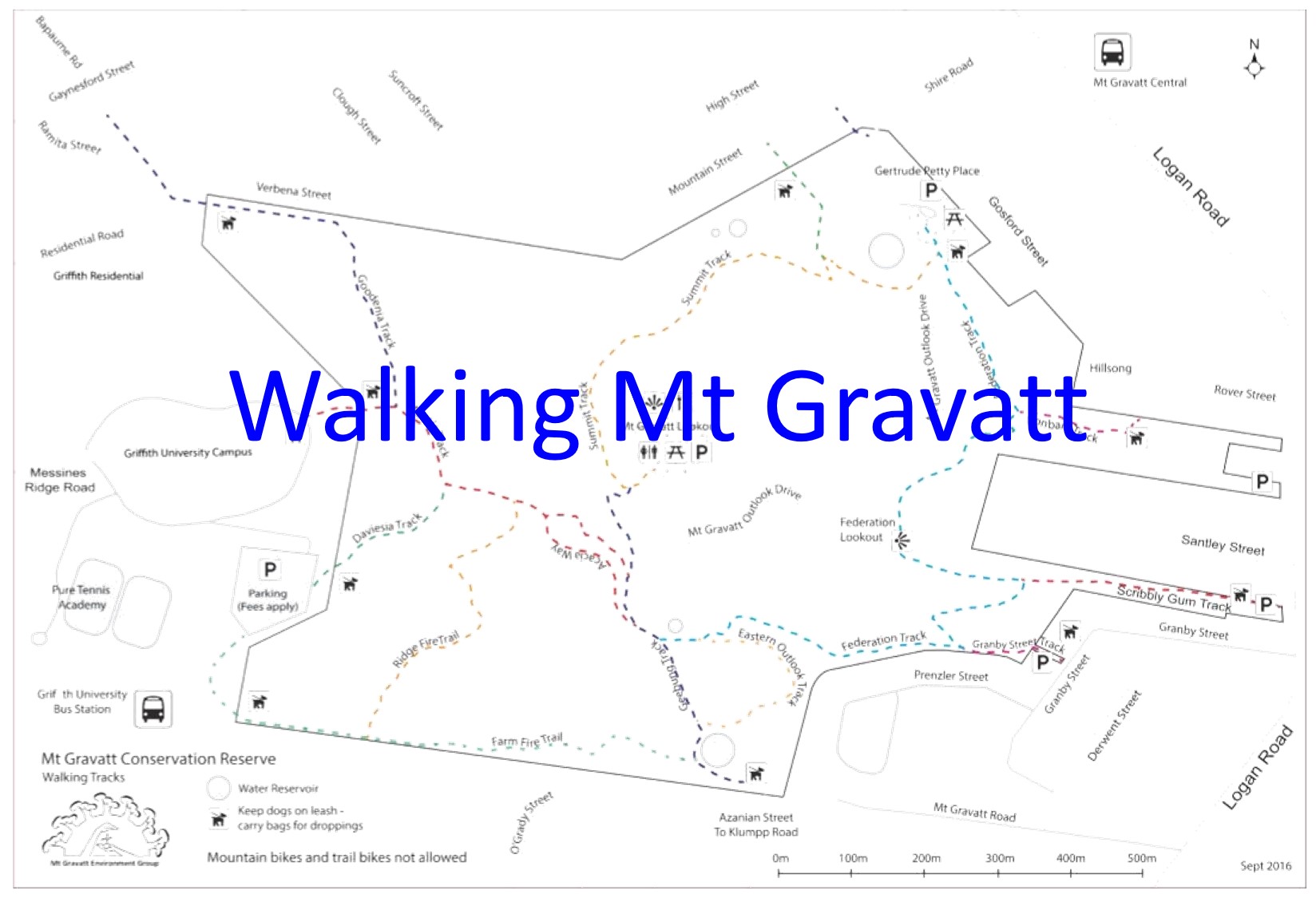
The first stage of the Self-guided Walks Project is now complete thanks to Jon and Karla Henry who have made GPS maps of the existing walking tracks.

We are now researching the information about the tracks – trees, birds, geology, local history – European and Indigenous, stories about the mountain.

What would you like to know about the Reserve or what would you like to share to others?

Do you have a story to share about a walk with your children or perhaps a memory of a visit with a grandparent?

Do you have some pictures to share?

Email your ideas, stories and links to pictures to megoutlook@gmail.com

Bris Orchid Society sign - 19 Apr 2013

By: Michael Fox

Brisbane Orchid Society has honoured us with a stand at their Charity Orchid Show at Mt Gravatt State School this weekend. Bris Orchid Society - 19 Apr 2013

An amazing range of flowers were already on display when I set our our display, and more blooms were walking in the door all the time.

Take the second gate off Logan Road just past the sign.

Brisbane Orchid Society meet regularly at the refurbished Progress Hall, Upper Mt Gravatt – 4th Monday month at 7:45Pm.

f

img043


By: Michael Fox

F&F CD cover

Click to view updates

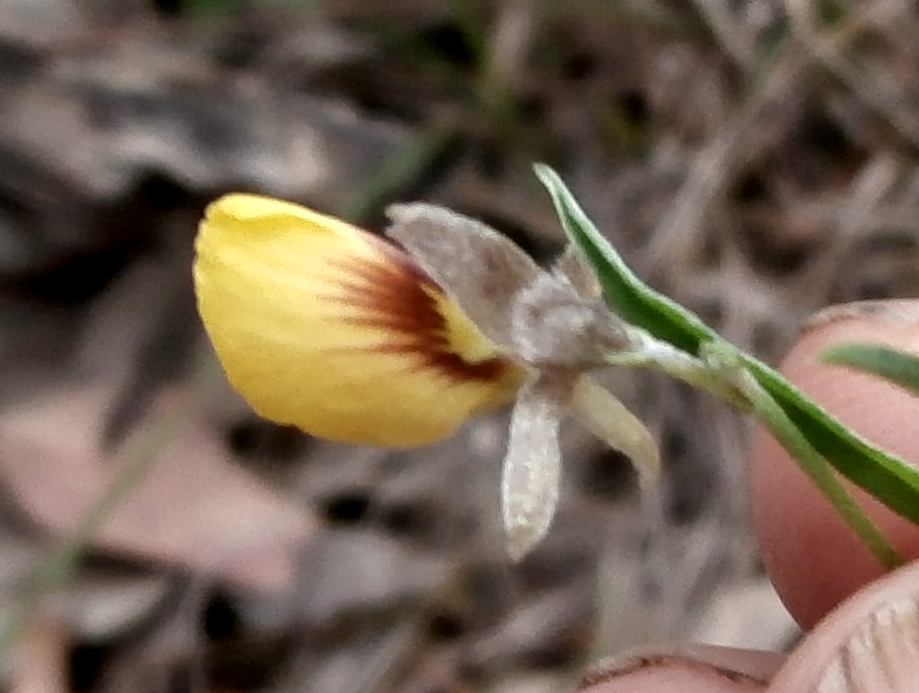
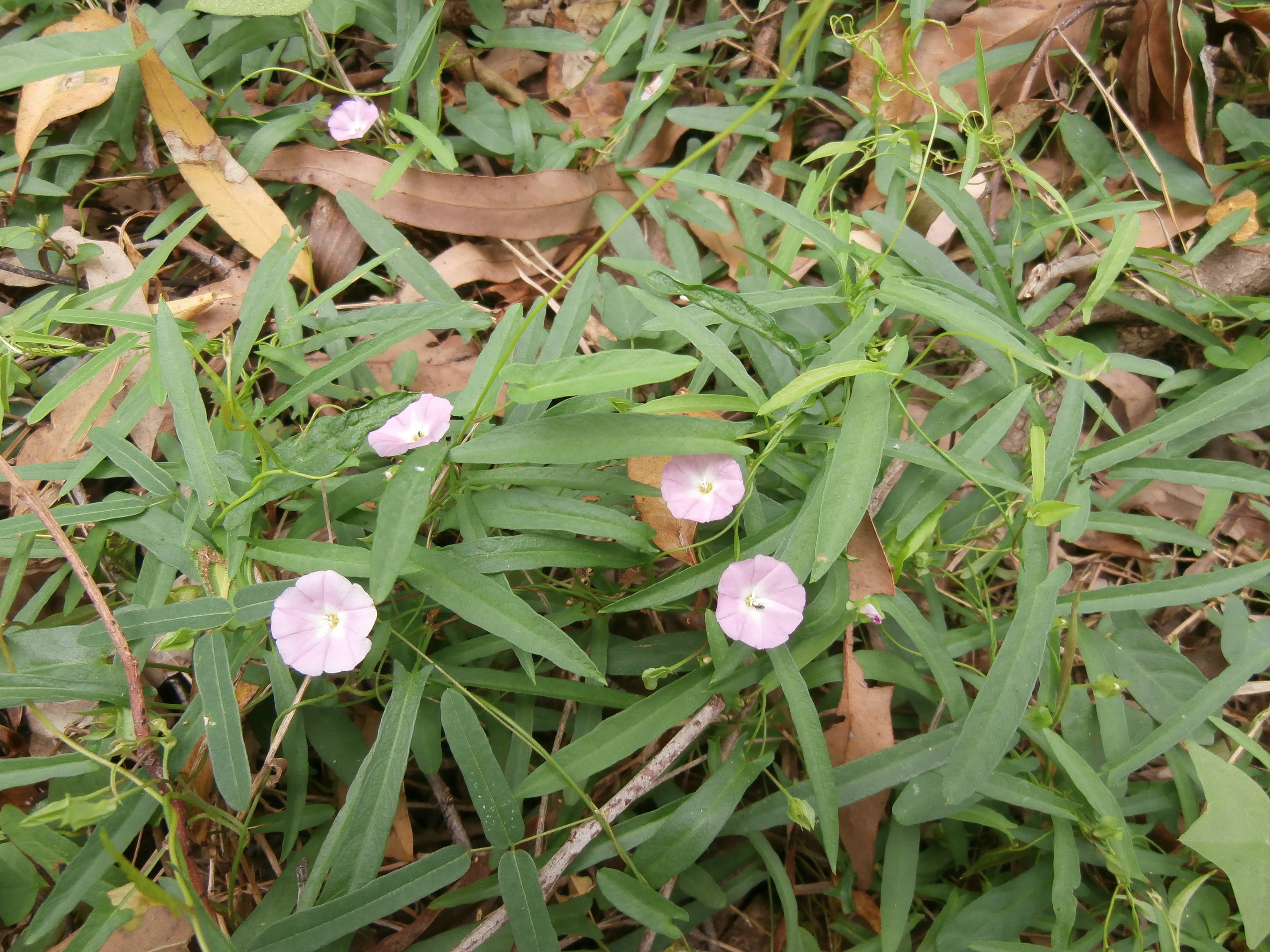
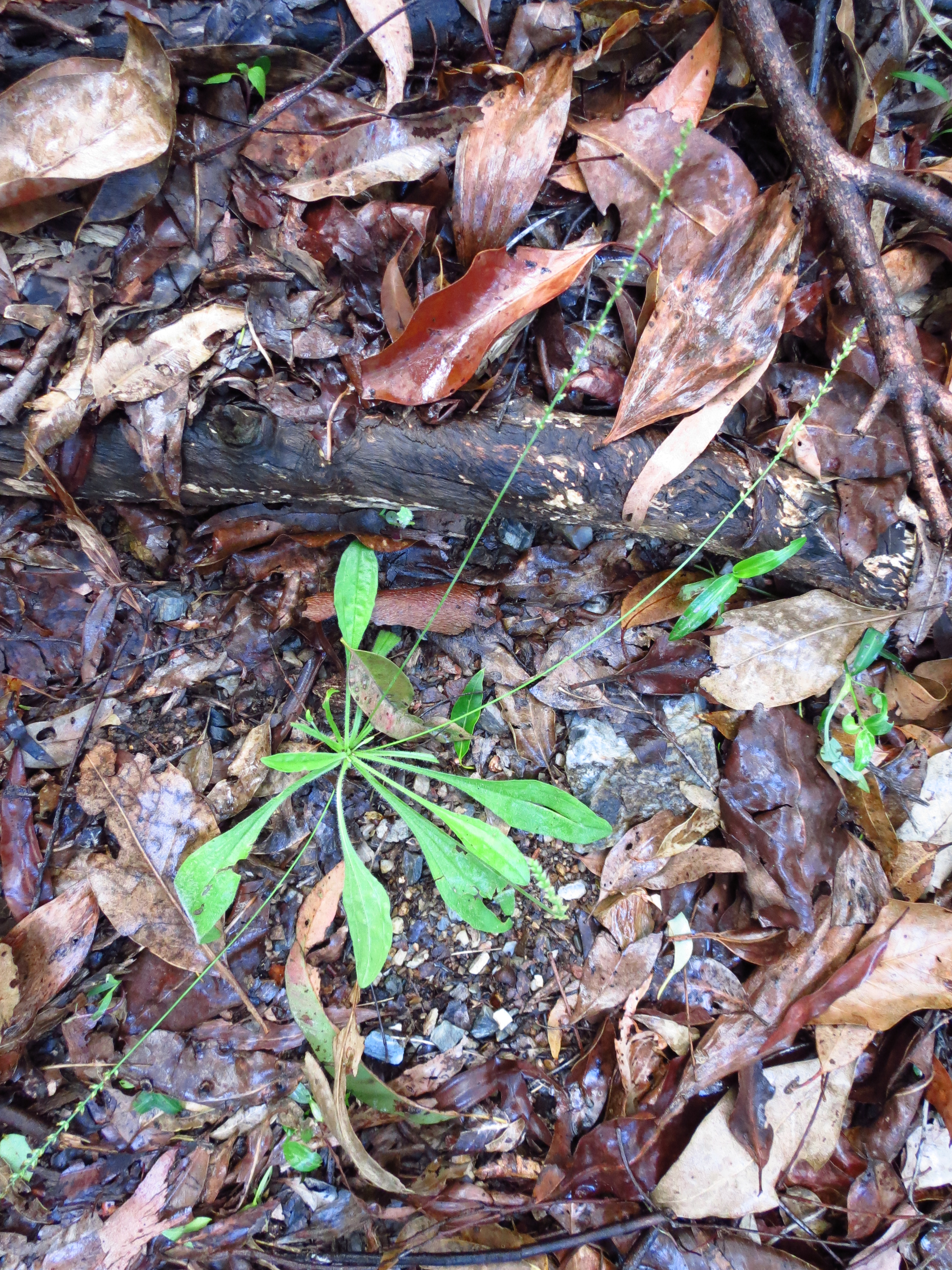
We have updated Flora & Fauna of Mt Gravatt Conservation Reserve with three new native plants – Isotropis filicaulis a rare/threatened shrub of the Fabaceae family, Swamp/Slender Bindweed Polymeria calycina a delicate vine with tiny pale pink flowers and Plantago debilis a native herb. This brings the count of indigenous plants species found in the Reserve to two hundred and sixty-eight.

A new native snail – Fraser’s Land Snail Sphaerospira fraseri has been added thanks to a young naturalist neighbour,  Ethan Morris.

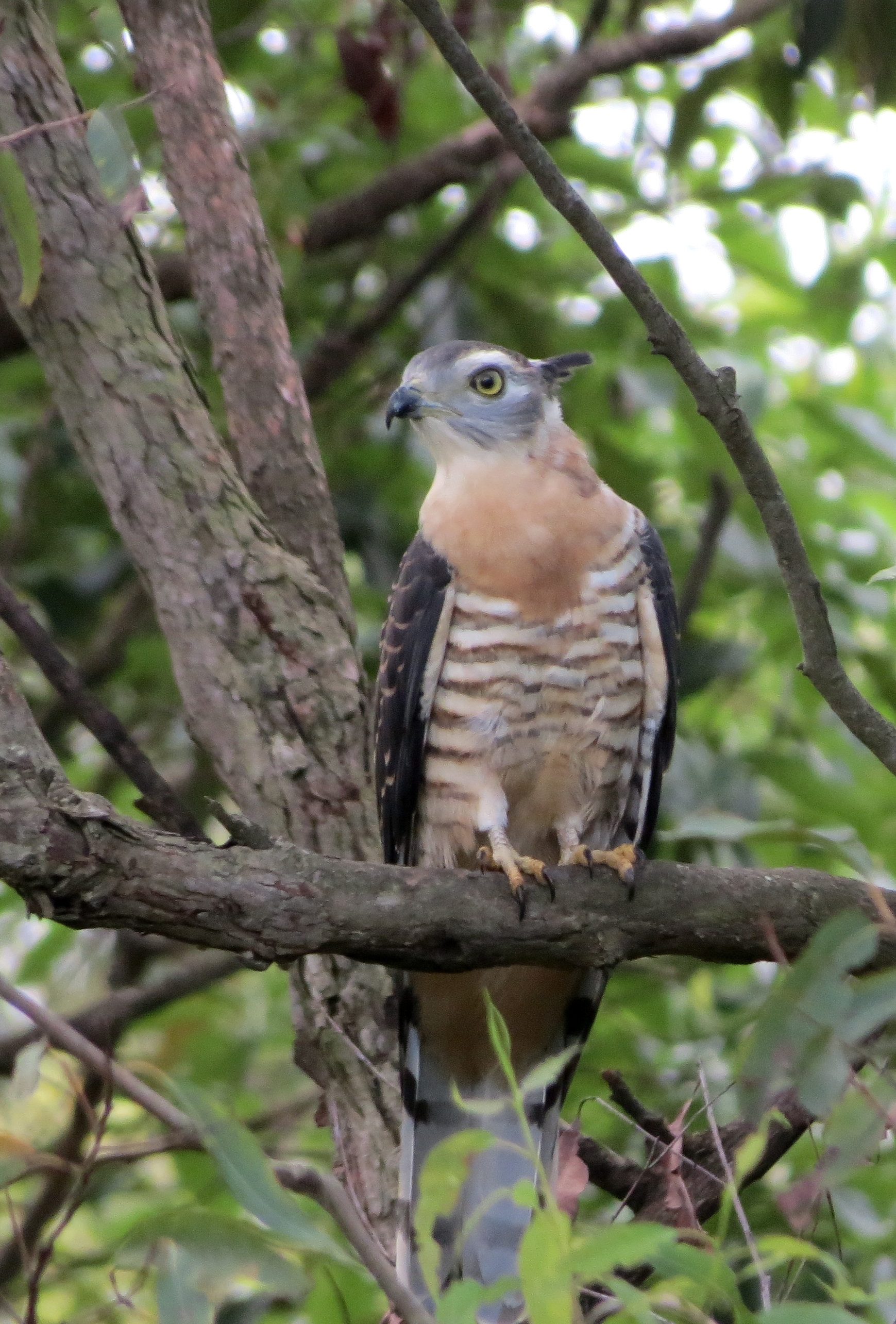
New photos and video of the Pacific Baza Aviceda subcristata has been added. In March we had a family of three Bazas in Fox Gully over a period of two weeks. I watched as one Baza hunted a large Stick Insect in a young Tallowwood planted in our 2008 Fox Gully Bushcare Community Planting and now supporting food for birds.

Flora species list and other research.

OLYMPUS DIGITAL CAMERA

Isotropis filicaulis

By: Michael Fox

The rain is frustrating when we have to cancel Bushcare events, however, it is also bringing the forest alive with three new plant species added in one week.

Susan Jones has found that removal of weeds and restoration at the Gertrude Petty Place Bushcare site has allowed natural regeneration of a number of plant species including this rare/threatened Fabaceae species Isotropis filicaulis.

OLYMPUS DIGITAL CAMERA

Polymeria calycina

d

Swamp Bindweed Polymeria calycina a delicate creeper with pink flowers.

d

d

d

d

d

Plantago debilis - 7 Apr 2013

Plantago debilis

d

d

Plantago debilis a small native herb that provides seeds for native birds. Addition of these three new species means we now have 268 native plant species in Mt Gravatt Conservation Reserve.

Thanks to Ann Moran, Jaeger-Moran Environmental, for help with identification.

a

a

On the other side of the mountain Alan Moore got this amazing close-up of an Eastern Bearded Dragon with its beard on display in Fox Gully Bushcare.

a

Bearded Dragon - Mar 2013 - Alan Moore

Bearded Dragon Pogona barbata – Photo: Alan Moore

IMG_2908

Garrett with Coppa in Wildlife Ambulance

By: Michael Fox

Last month I joined Wildlife Ambulance officers, Garrett Smits and Vicki Pender, to return Coppa the Lucky Koala back to bushland adjoining Bulimba Creek at Mansfield. This is the third time Coppa has been taken to the Moggill Koala Hospital after being hit by a car on Creek Road.

Injured Koalas taken to the Moggill Koala Hospital are all given a name and micro-chipped before being released to bushland as close as possible to where they are found.

Coppa back in the trees - 10 Apr 2013

Southern Star – 10 April 2013

Coppa is a 5.5 year old male in good health … and very lucky.

  • 18/12/2011 – hit by car on Creek Road – course of antibiotics and observation for 10 days released north of Creek Road
  • 16/8/2012 – hit by car on Creek Road – bruising – obs for 3 days – released north of Creek Road
  • 19/3/2013 – hit by car on Creek Road – released yesterday bushland at end of Dividend Street Mansfield (south of Creek Road)

Vicki and Garrett are obviously proud of their Wildlife Ambulance work and particularly fond of this lucky Koala they have now rescued three times.

It was a pleasure to see a Koala return from hospital back to the wild. Koalas are breeding successful again in Mt Gravatt Conservation Reserve and bushland along Bulimba Creek. However, city drivers are not used to having to slow down for a Koala crossing the road. Breeding season from September to March is the time when Koalas are most likely to be crossing roads.

Coppa was hit in the same area each time … just within the 70km zone as you come down the hill from Carindale towards the Bunnings corner. Please be careful and report injured Koalas to 1300 WILDLIFE.

Imperial Hairstreak - 23 Mar 2013

Imperial Hairstreak butterfly on Early Black Wattle

By: Michael Fox

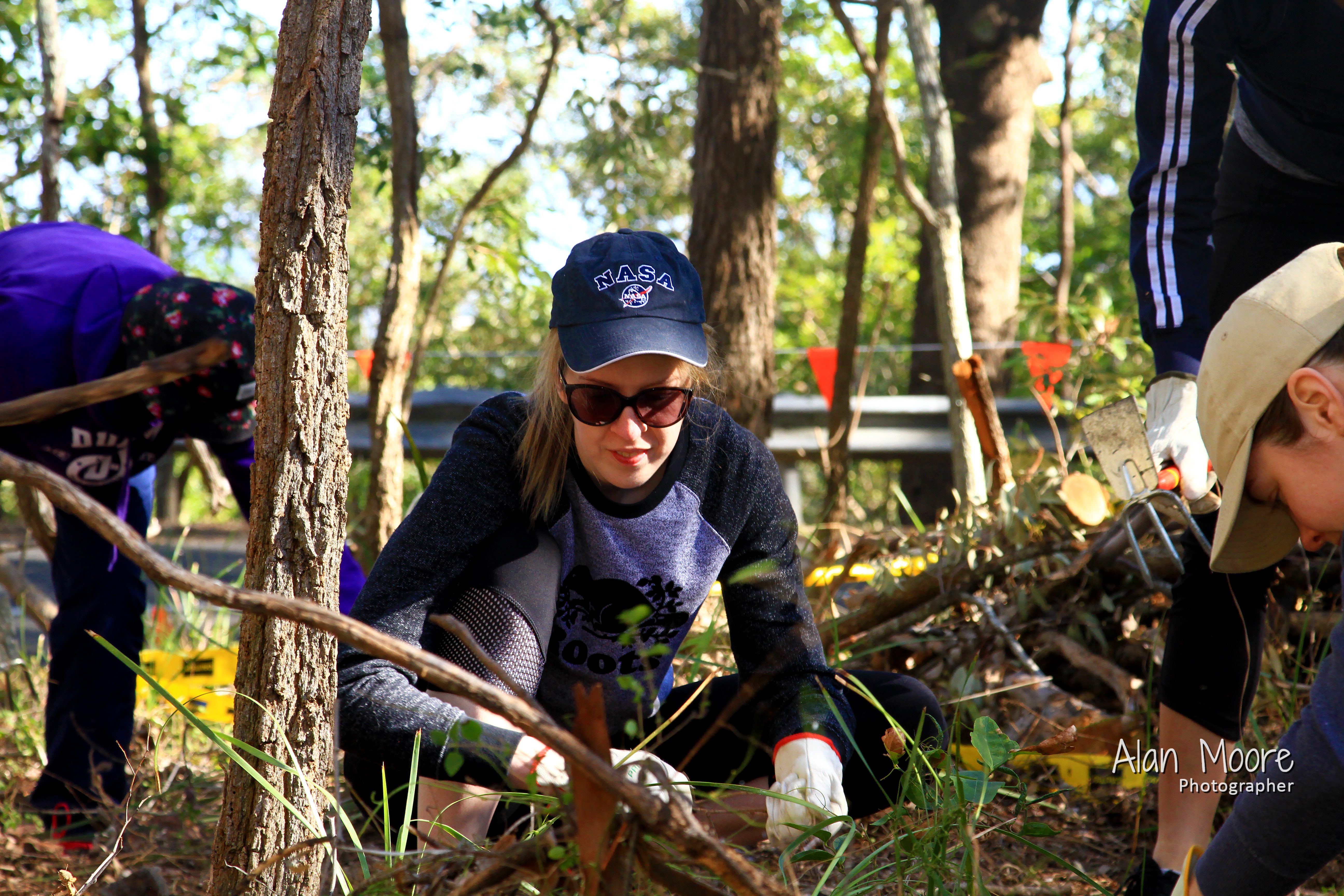
We welcomed the Griffith Uni Bushcare Team back to Fox Gully on the Saturday before Easter.

Mind you, it took a while to get them onsite as we found some Imperial Hairstreak butterflies, Jalmenus evagoras, beside the track. It is always a pleasure to find someone else who can be totally fascinated by a few of butterflies, caterpillars and ants.

IMG_2852

Imperial Hairstreak chrysalis protected by Small Meat Ants

IMG_2864

Silt 100mm deep behind mulch filter

Imperial Hairstreak butterfly caterpillars and chrysalis are protected by native Small Meat Ants Iridomyrmex sp. referred to as Kropotkin ants. Read my article in Southside Community News.

The Early Black Wattle Acacia leiocalyx are interesting with their distinctive triangular stems.

d

d

d

d

d

The main project for the day was restoration and improvement of the “mulch filters” that keep silt from the dirt maintenance road flowing into the gully. The filters have proved very effective in reducing erosion and keeping the water in the gully clean.

IMG_2861

Mirandha and Sheamus installing mulch filter

The mulch filter is designed to slow the water flow at key runoff points on the track, allowing the silt to settle out. Silt is already 100mm deep behind one filters and starting to support natural regeneration of native grass.

d

d

The original filters were made by simply mounding mulch at the runoff points as an experiment. Now that the effectiveness has been established logs are being installed to make the filters more permanent and allow mulch to be piled higher.

k

ka

k

Sheamus and Mirandha - 23 Mar 13

Bush food snack

kj

Of course after all the hard work a snack is in order. Mirandha try out the sweet roots of Blady Grass Imperata cylindrica.


Noisy Pitta - Tyto Tony blogspot

Noisy Pitta (Tyto Tony)

By: Michael Fox

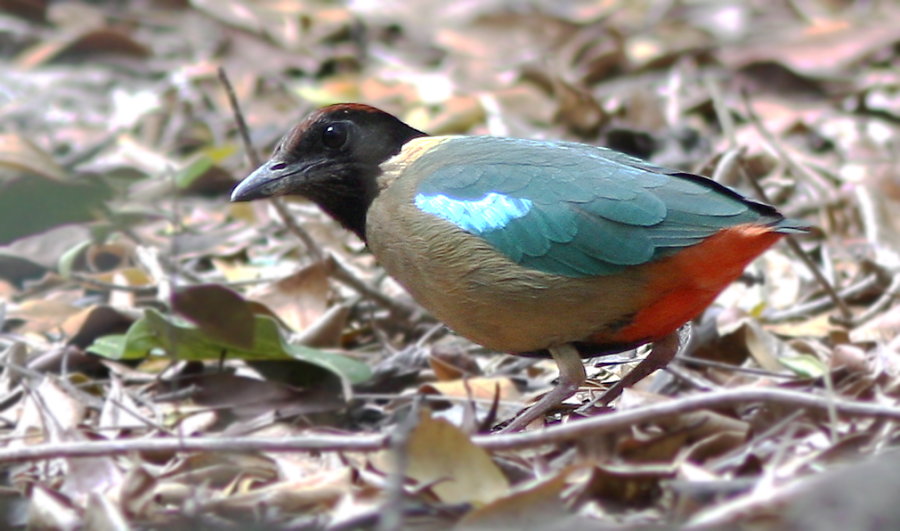
Mt Gravatt Conservation Reserve is full of surprises. Koalas, Echidnas, Gliders and now a Noisy Pitta Pitta versicolour has been sighted.

Noisy Pittas, one of my favorite birds, are normally found in rainforest areas like Lamington National Park so it is great to have a sighting right here in our backyard.

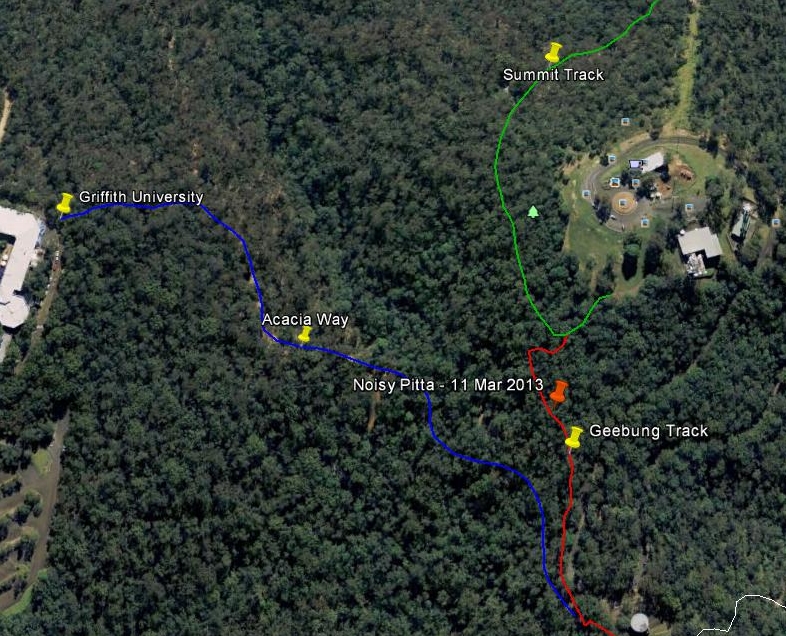
Pieter saw the Noisy Pitta on the Geebung Track just before the junction with the Summit Track (click to enlarge map). Pieter knew Pittas are a very shy so he approached very carefully and was able to observe the bird doing a “broken wing display“, used to distract you away from a nest.

Noisy Pitta - Google Earth - 11 Mar 2013

Noisy Pitta sighting – Google Earth

Local BCC Ranger, Craig, reports that he has only seen two Noisy Pittas in twenty years of being a Ranger in the area.

So please keep an eye out, and camera ready, when you are walking because it would be great to get more reports of these beautiful birds in the Reserve.

IMG_2712

Madeira Vine regrowth

By: Michael Fox

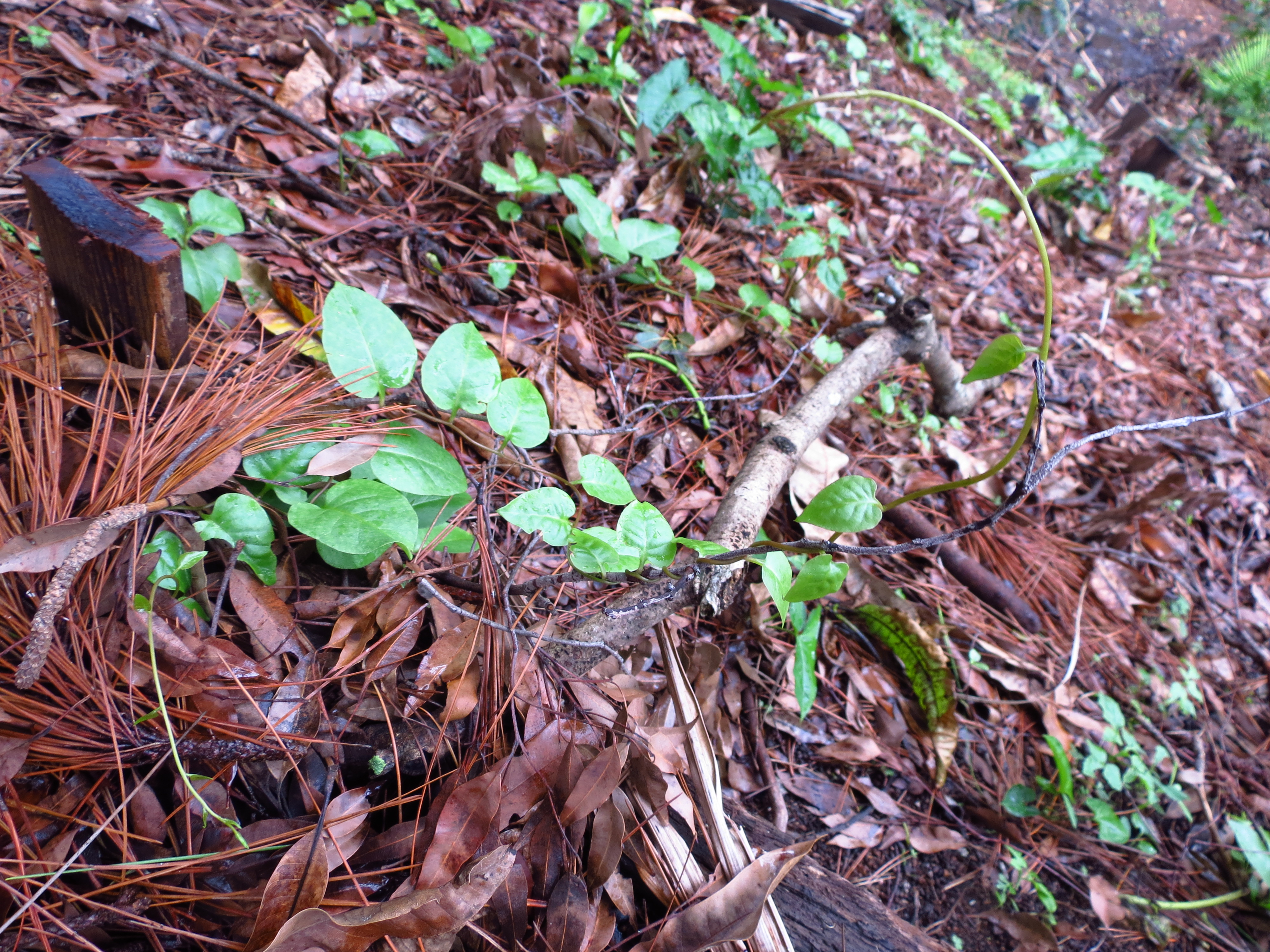
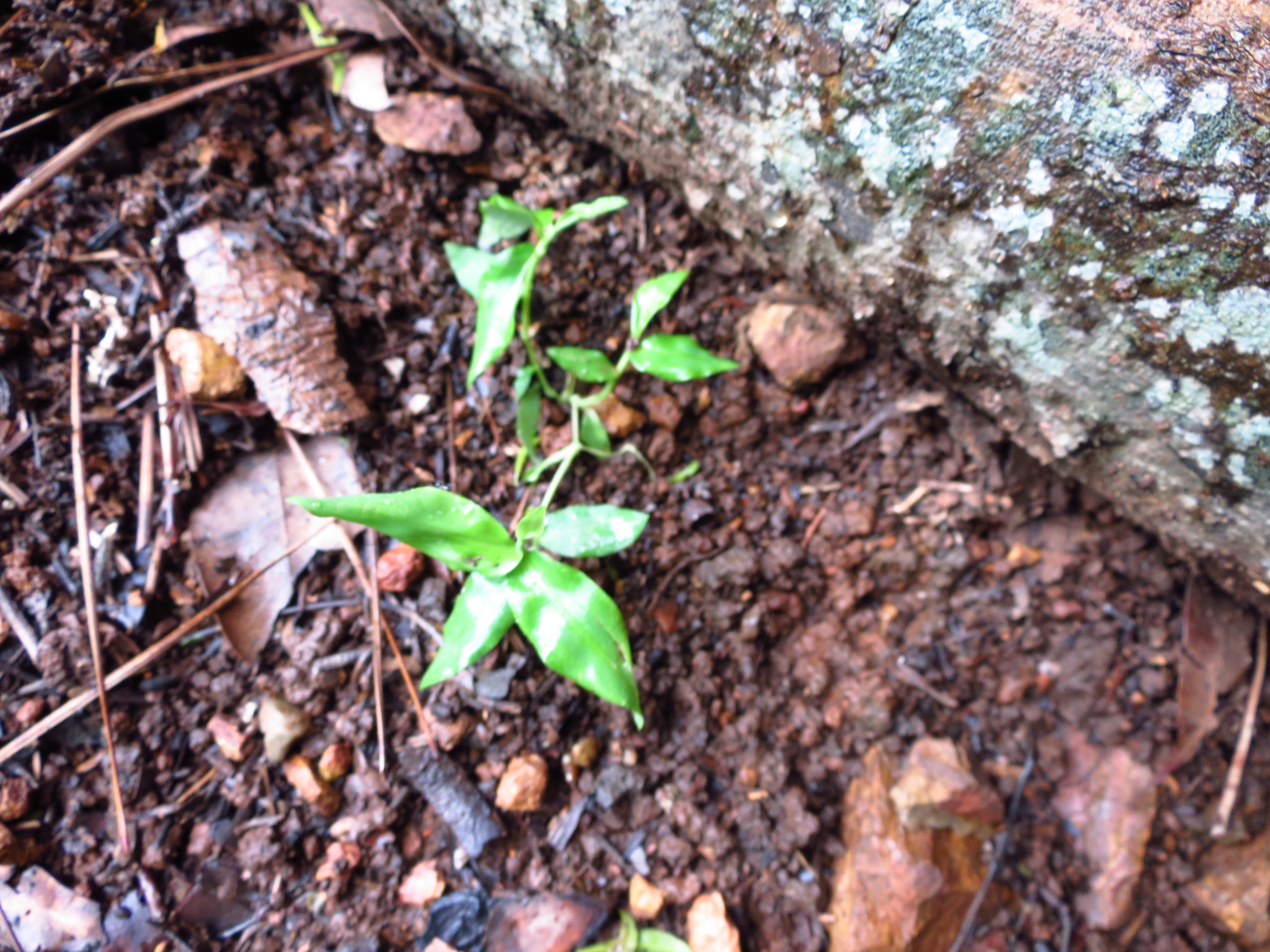
As we are still not allowed to work in our Fox Gully Bushcare site, Tuesday Bushcare moved to our Community Gully Day restoration site where Madeira Vine Anredera cordifolia regrowth has been prompted by the rain.

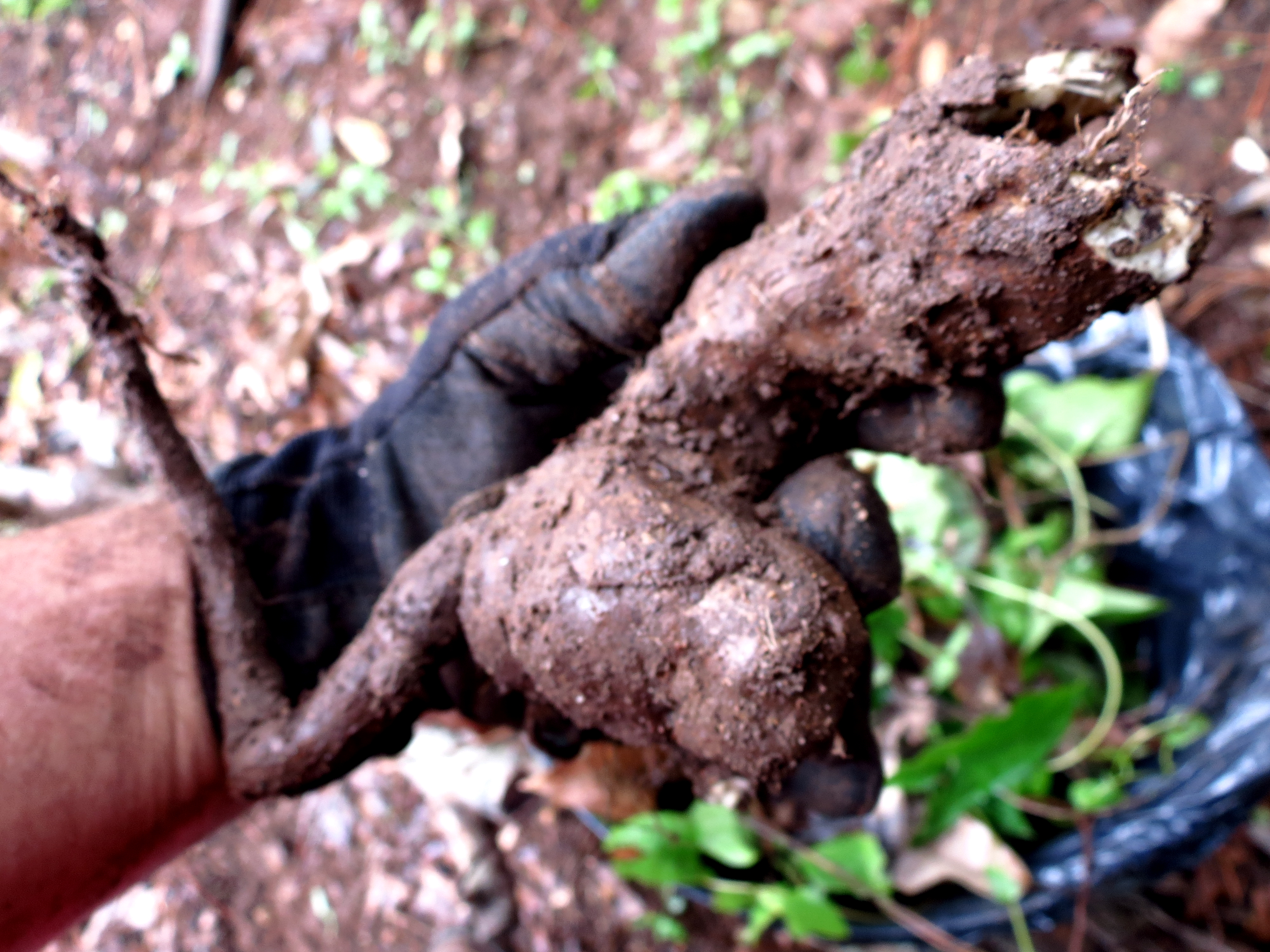
Madeira Vine is fast growing and extremely difficult to eradicate. When I was first researching Madeira Vine I was advised that digging out the tubers was the most effective technique. A special mix of herbicides and penetrant works however it has limited effectiveness and recommended practice is to: Target tubers as a priority, scrape, gouge and paint large ground tubers/roots.

Madeira Vine tuba - 5 Mar 13

Madeira Vine tuba

If we had to dig to uncover the tubers it seemed easier to simply avoid poison, dig the tubers out and remove from site. That is the practice we have been using successfully to eradicate Madeira Vine in the Fox Gully wild life corridor.  Clearing the vine, digging out tubers then targeting regrowth has resulted in large areas almost completely free of Madeira Vine.

Oplismenus aemulus - 5 Mar 13

Natural regeneration – Rainforest Grass

One of the tubers dug out today shows why this vine is so resistant to eradication with poison. The size of a large potato this tuber would not be greatly affected by poison simply applied to the vine leaves.

Eradicating this weed is frustrating, however there are also positive signs with natural regeneration restoring native species like Rainforest Grass Oplismenus aemulus and Scurvy Weed Commelina diffusa. Native grasses like Oplismenus aemulus are an invaluable restoration tool as they create Green Mulch which suppresses weeds, retains moisture and controls erosion.

Pacific Bazza - 4 Mar 13

Pacific Baza Aviceda subcristata

By: Michael Fox

You always know when a Pacific Baza Aviceda subcristata is around because all the other birds kick up a fuss although they don’t seem to be a direct threat, being more interested in stick insects.

The Pacific Baza’s favorite prey is large insects, particularly stick insects and mantids, and frogs. They sometimes eat fruit as well. Bazzas will move through the canopy, or perch and watch, then make short dives, with feet extended, to snatch prey from the foliage or from the air.  Birds in Backyards

Three of these magnificent birds have been visiting various parts of Fox Gully over the past week. While I was watching one of the Bazas flew into the trees planted in the Zone 8 restoration then landed back on the same branch to eat something long and green. I was too far away to photograph but I suspect it was a stick insect.

IMG_2668

Upper Mt Gravatt Scouts Clean Up Team

By: Michael Fox

My father was a Scout Leader in Nambour when I was growing up so I sure he would have loved to be there today with the cheerful group I joined for Clean Up Australia in Roly Chapman Reserve.

Robyn, left, is Group Leader of the dynamic Upper Mt Gravatt Scout Group. Robyn glowed with pride as she told me today that she has just signed up five new youth members!

IMG_2650

Rain don’t stop Scouts!

Scouts are not put off by a bit rain. Even water over the bridge did not slow them down. Event organiser Brett thought they may have to cancel yesterday when Mimosa Creek was over the rails but by 10pm last night the level had dropped so the Clean Up was on.

Patrolling Mimosa Creek

Patrolling Mimosa Creek

Ten parents and youth members signed on today braving rain, flooded tracks and lots of mud, to removed countless drink containers, an old car tyre swing and large pieces of metal and wood.

It was a real pleasure to work with a group who can laugh and have fun even on a rainy day.