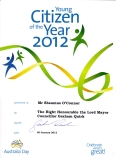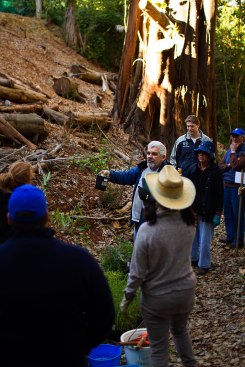
By: Michael Fox

I had lunch today with a room full of truly extraordinary people – Finalists and Winners of Pride of Australia Queensland.

As Finalists in each category were called up on stage their story was read out. Stories about individuals like Darrin Hatchman – Heroism Medal, who as a paramedic with

Environment Finalists

Careflight Rescue Helicopter, spends his time being winched down over seas or onto dangerous cliff ledges. One time he was lowered through the jungle canopy to treat a woman with life-threating injuries at a hinterland waterfall. He then gathered a team to carry her 11km through the night to a point where she could be rescued.

I had the honour to meet and talk with a number of Finalists in different categories.

Environment Finalists – (l-r) Chloe, Gill, myself

My wife and I particularly related to Harry Graepel, a teacher from Cairns, who with his wife, organises shipments of school equipment to remote PNG islands. Mostly used books, desks and even the simple pencil eraser, this stuff we throw away half used is highly valued at the remote schools in poor communities where it dramatically improves their education chances. Reducing waste and creating educational opportunities – initiatives close to both our

Pride of Australia Medal 2012 – Finalist Environment Category

hearts.

I also talked with Malwal Mywin, Fair Go Medal Winner, Janet Wright and Kelly McLaren, Winner and Finalist for the Outstanding Bravery Medal.

Meeting Gillian Brownhill, Environment Medal winner and environmental elder, and Chloe Tsangaris representing the future generation, was particularly special for me.

Gillian’s amazing compassion for both wildlife in her care and her late husband who died of motor neurone disease, is matched by her courage and clear focus on ensuring the future of Wildlife Rehabilitation Centre. Eyes sparkling as she talks about late night feeds for orphaned wildlife, flashing with anger she talks about the horror of motor neurone disease which took her life partner or misting with sadness as she recounts the statistics of died or euthanased wildlife, Gill is a person who carries you with her story.

Chloe combines a passion for wildlife with the Facebook generation’s confidence and ability to tell their story. Speaking with a confidence and quality well beyond her nine years Chloe also shows the humility to ask advice when unsure, a powerful combination. I will be watching and cheering this young person on as she takes the world by storm.

I could have spent a week listening to the stories of the thirty-three Finalists in the room today, however what is really inspiring is to learn that there were 630 nominations for Pride of Australia in Queensland. When I read to stories of the Finalists and reflect that there are another 597 individuals nominated by people who have observed their selfless contribution, I am filled with hope for the future of our state and country.

Awards like Pride of Australia Medal provide high value for individuals and organisations involved in community service. I can certainly tell you that it is a good feeling being up on stage as leader of an extraordinary group of community volunteers and partner organisations. However the real power of these awards is the awareness and credibility that helps build community support and, importantly, helps when we are seeking grant funding for projects.

I thank News Corporation and the Award team for this opportunity to represent our community. I also acknowledge Susan Jones who first introduced me to Mt Gravatt Environment Group and the excellent BCC Habitat Brisbane program, and Edd Cross, cartoonist, who not only designed out Pollinator Link logo, but also, nominated me for the Pride of Australia Medal.

Congratulations to all Medal Winners, Finalists and nominees. I am proud to be part our our Queensland community.

Click to view presentation

By: Michael Fox

The Pollinator Link concept was well received at the BCC Habitat Brisbane Citywide Meeting this week. This was an important test of feasibility as the audience included experienced BCC Habitat Offices with university qualifications in environmental science, Robert “Bob the Beeman” Luttrel and bushcare members who know the

on-ground reality of restoring our urban bushland habitats.

Backyards, parks and even unit block balconies represent habitat opportunities for our native flora and fauna. Examples include Garden for Wildlife Alice Springs, The Wildlife Trusts in UK and the National Wildlife Federation Garden for Wildlife in USA.

The Pollinator Link concept takes this a step further to focus on linking patches of bushland habitat in our urban environment.

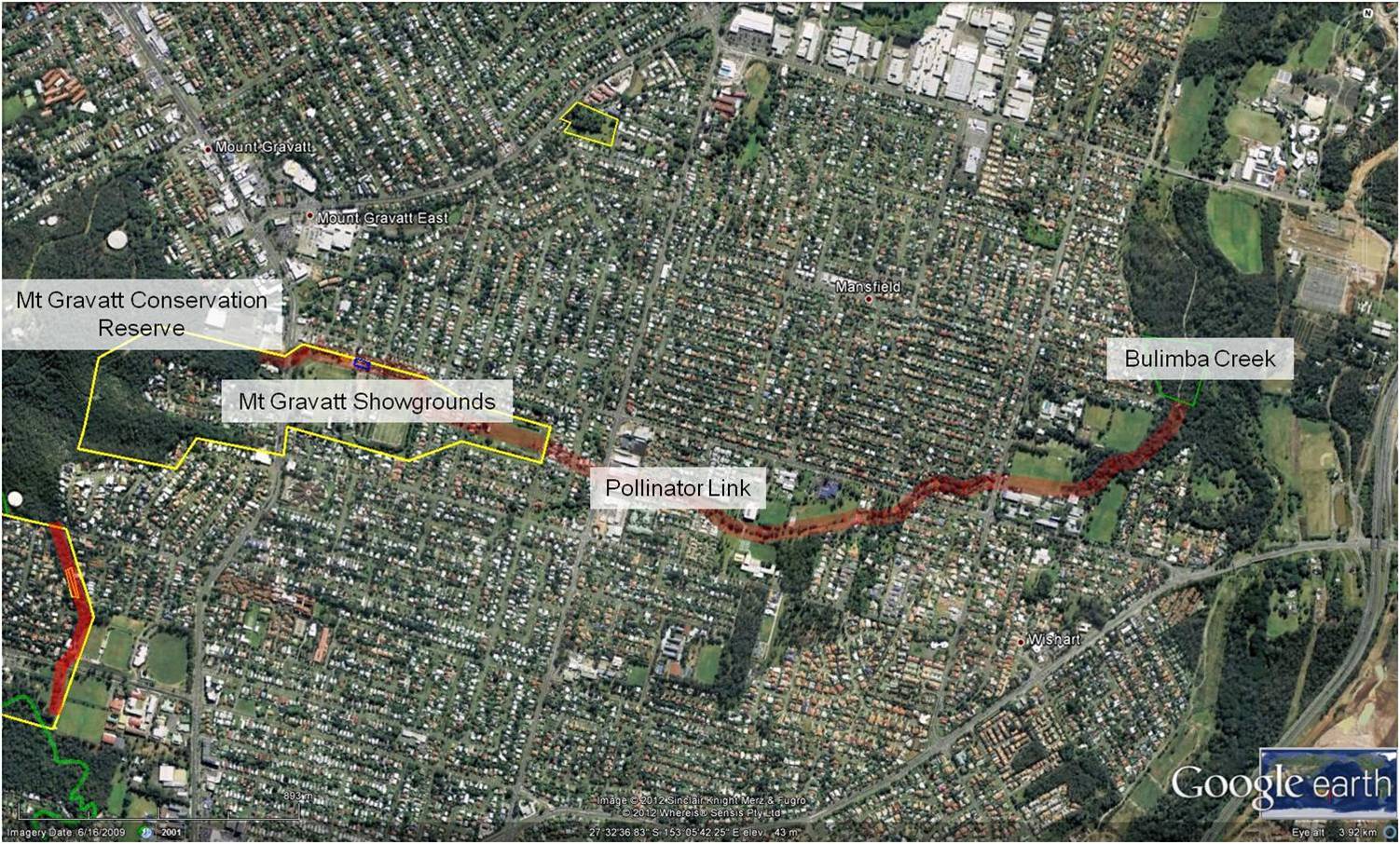
Pollinator Link – Mt Gravatt Conservation Reserve to Bulimba Creek

I developed the concept when I was struggling with the issue of creating a wildlife corridor linking Mt Gravatt Conservation Reserve with Bulimba Creek via Mt Gravatt Showgrounds. The on ground reality is that any effective link through the Showgrounds would hit a wall of houses and backyards. Being able to fly, our pollinators’ – birds, butterflies and bees plus moths, insects, flying foxes, micr0-bats, capacity to cross man-made barriers like roads and fences means they have potential to make an important contribution to ecological biodiversity. My inspiration for the Pollinator Link model came from the Pollinator Pathway in Seattle and the High Line in New York.

Patch-matrix-corridor mosaic – Wellers Hill

As I researched the concept and looked for examples of potential Pollinator Link locations I realised that in some areas like Wellers Hill where there are a number of isolated patches of bushland we could go beyond linking and actually consolidate habitat within urban spaces with a little a 10% of properties engaged. Pollinator Links have potential to create urban pollinator “patch-matrix-corridor mosaic”* habitat by interconnecting patches of bushland with wildlife friendly backyards. (* Habitat Fragmentation and Landscape Change Lindenmayer & Fischer (2006))

The Pollinator Link concept passed the feasibility test now we move to implementation stage:

How would you like to be involved?

  • Identify sites to be linked.
  • Join the 2013 Pollinator Link Week

By: Michael Fox

As reported in last week’s Southern Star, positive action by Brisbane City Council teams has reduced or stopped illegal downhill mountain biking in Mt Gravatt Conservation Reserve.

I inspected the tracks on over the last two Sundays and I could not see any

Southern Star – Letters – 22 August 12

evidence of bike activity.  Walking from the top with the Council Ranger we noted that the track is now covered with mulch and log barriers were in place.

When I checked the tracks from the bottom the biker bridge has been removed and I could not see any signs of recent bike activity.

d

d

d

d

d

d

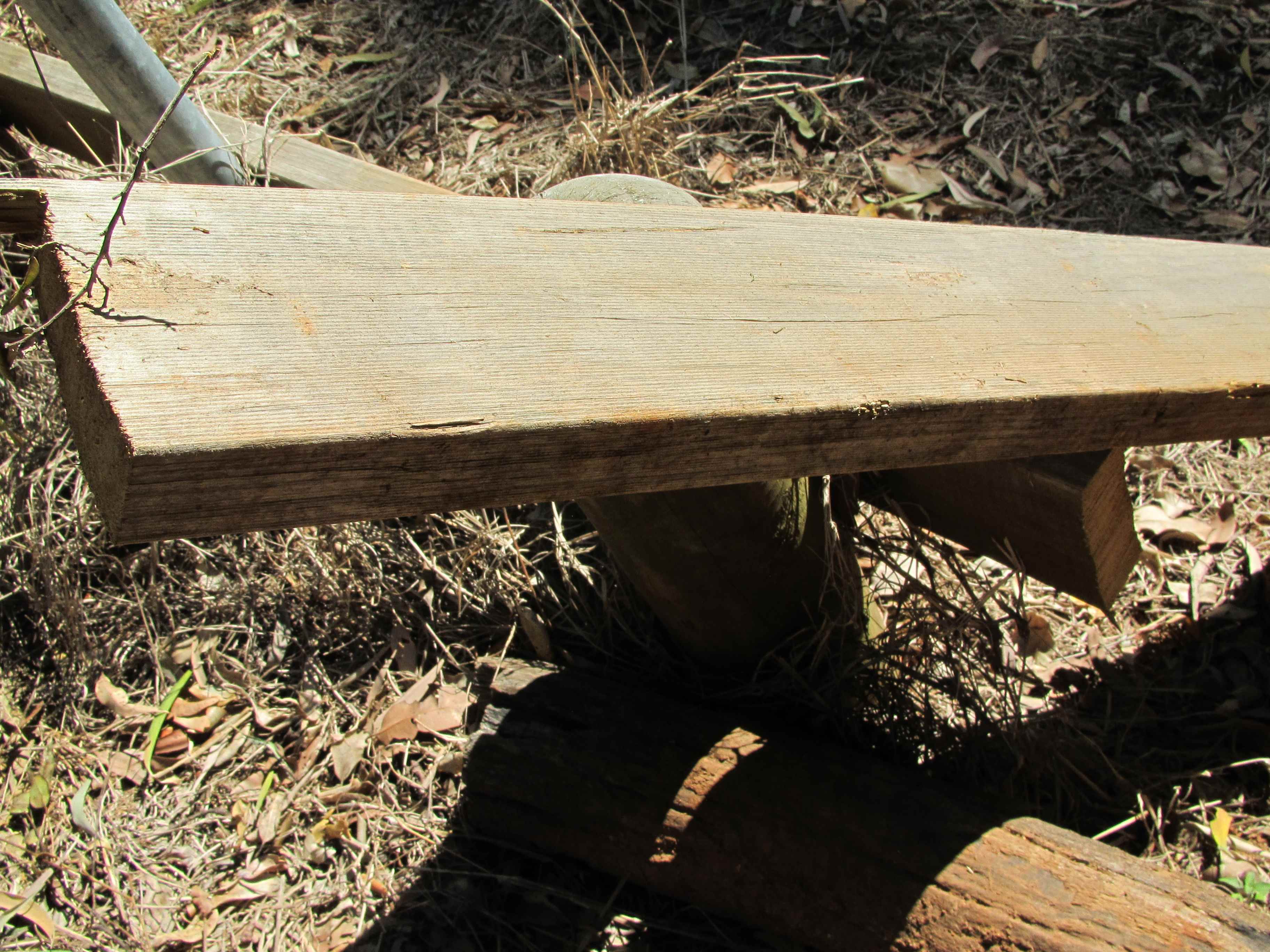
Barrier sawn-off beside No Bike sign

d

However, I did find further evidence of past vandalism. A barrier had been neatly sawn-off and torn away from the post to allow bikes to exit to the road right near Gertrude Petty Place. This had been done so neatly that I walked past this before without noticing. It was only when I found the sawn section thrown into the grass that I realised what had been done.

Sawn-off and torn away to allow bike access

The barrier has sawn-off some time ago and this has been a well used mountain bike track coming out right beside a Council sign showing that mounting biking is illegal.

Council officers will repair the barrier to help ongoing management of this vandalism.

Report illegal mountain biking to the BCC Call Centre – 07 3403 8888

By: Michael Fox

Wishart Ward habitat groups with Cr Krista Adams and Ian Walker MP

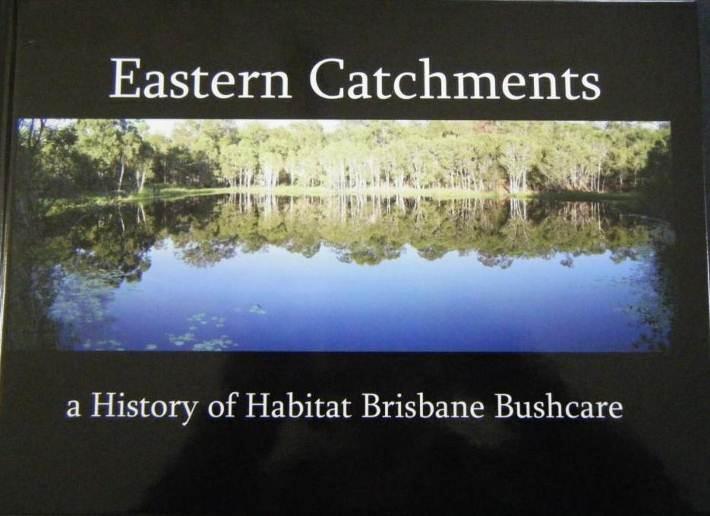
Yesterday I attended the launch of an amazing book which captures the history of  habitat groups within the eastern creek catchments of Brisbane. The true genus of this book is that it is a compilation of stories written by group members and illustrated by photos submitted by each group. Each story paints a personal picture of a habitat community with group activities, community events and flora and fauna as seen through the eyes of individuals who truly care about that patch of urban bushland.

Congratulations to the BCC Habitat Brisbane team members who bought this alive and thanks to the BCC Councilors who had the vision to provide the financial support.

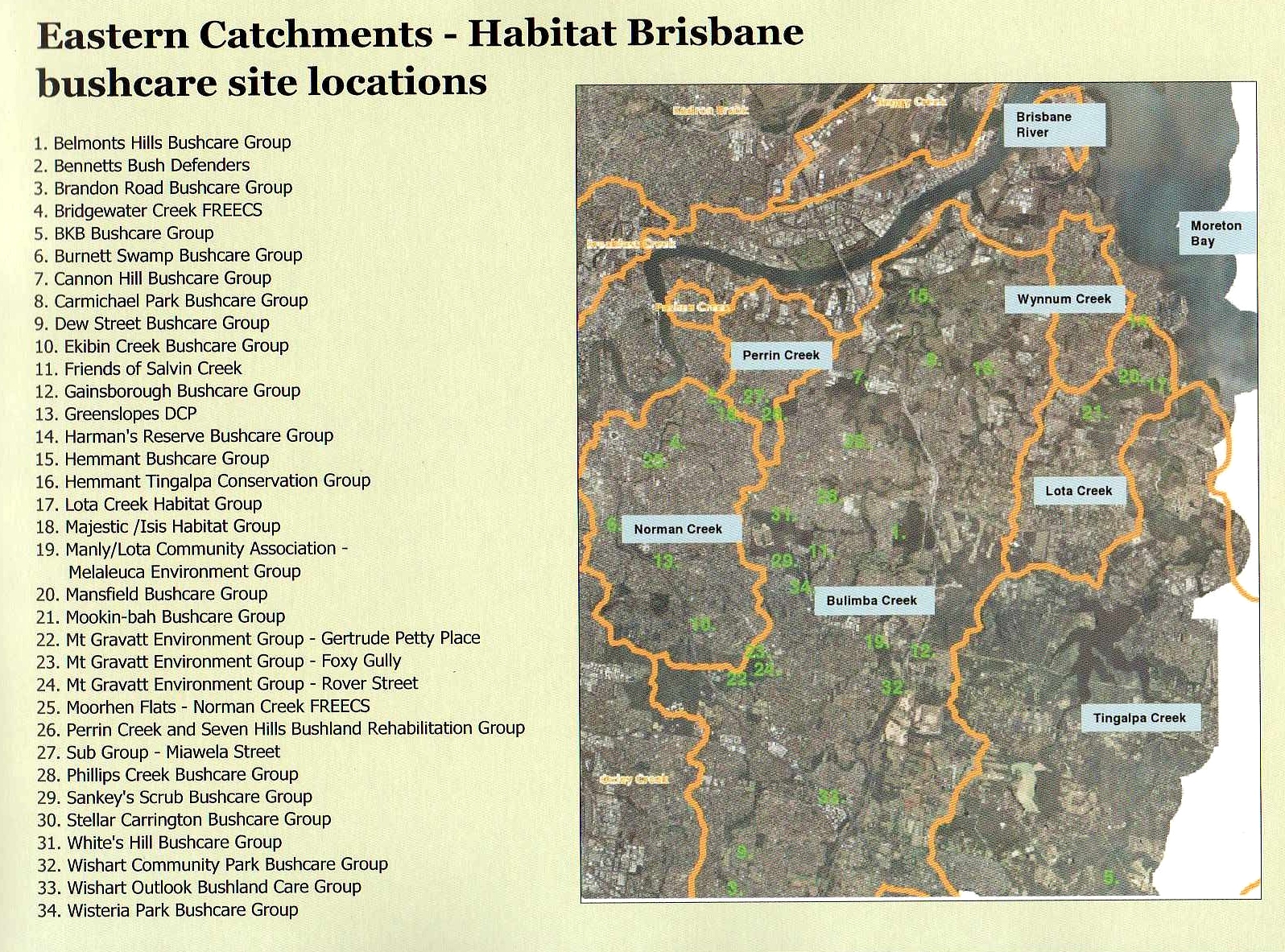
Bushcare groups represented

The launch was hosted by Bulimba Creek Catchment Coordinating Committee (B4C) at the Sustainability Centre and Native Plant Nursery.

Reading the stories and understanding the scope of the Habitat Brisbane programme, this is only the Eastern Catchments, fills me with pride in our Brisbane community and hope for the future.

Copies of this high quality small volume photo book can be ordered by emailing B4C. Cost is $120.

Three Mt Gravatt Environment Group Bushcare sites are represented:

Gertrude Petty Place Bushcare

Rover Street Bushcare

Fox Gully Bushcare

By: Michael Fox

(l-r) Marshal, Mirandha, Lin, Fred, John, Michael

How do you tempt university students into the bush to pull out weeds?

Answer: Put on food!

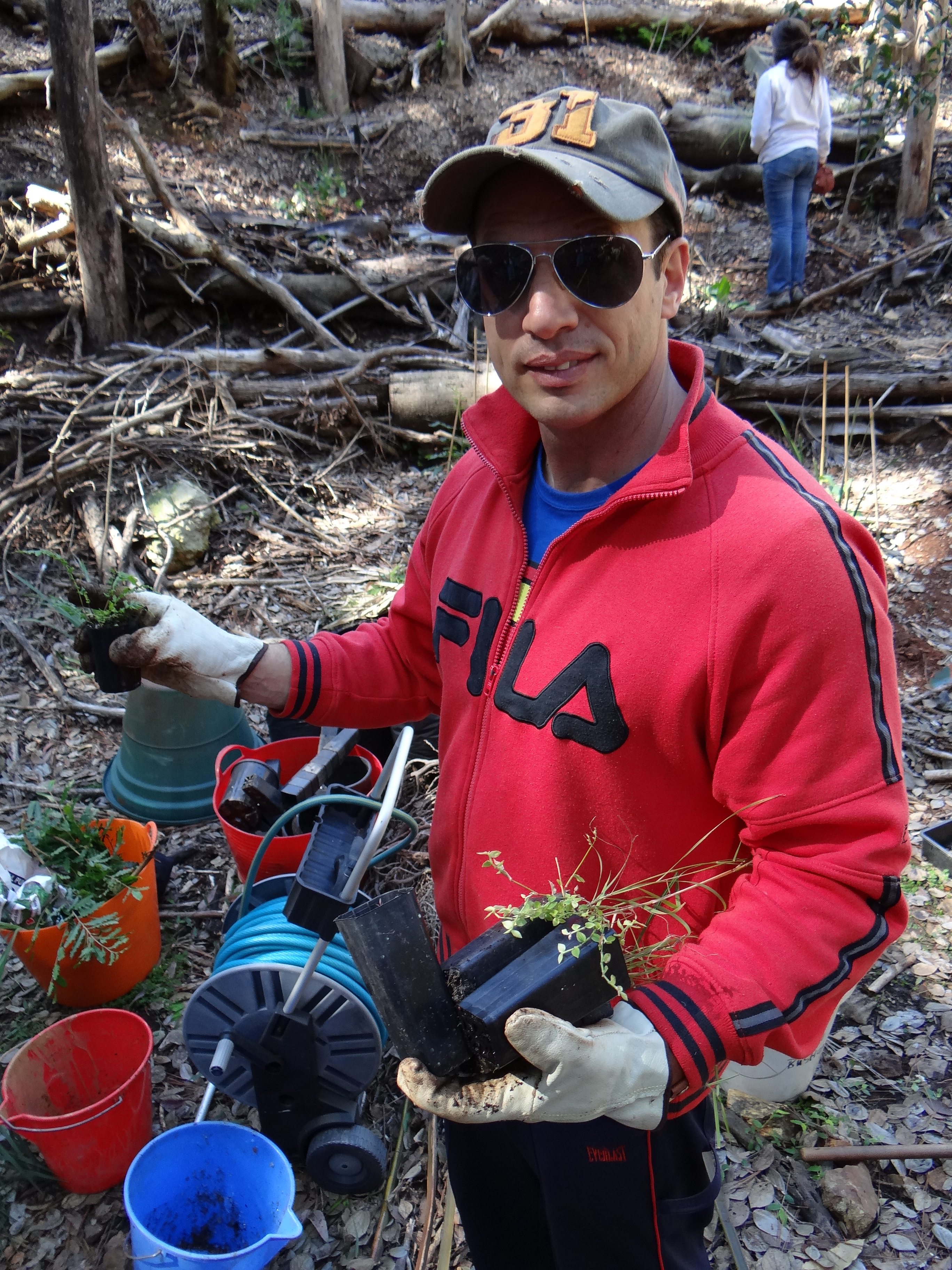
Seriously we were very pleased to welcome the Griffith Uni Bushcare Team to Fox Gully yesterday. Team leader Mirandha, Environmental Law, has been working with Susan Jones at our Gertrude Petty Place Bushcare site.

First order of the day was a sausage sizzle, a very new and Australian experience for Lin, Environmental Science, and Fred, Hotel Management. Marshal operated the BBQ while I show the team the Rainbow Lorikeets Trichoglossus haematodus setting-up home in the Men’s Shed nest-box high in a Tallowwood.

Clearing Fishbone Fern

Time to get down to work!

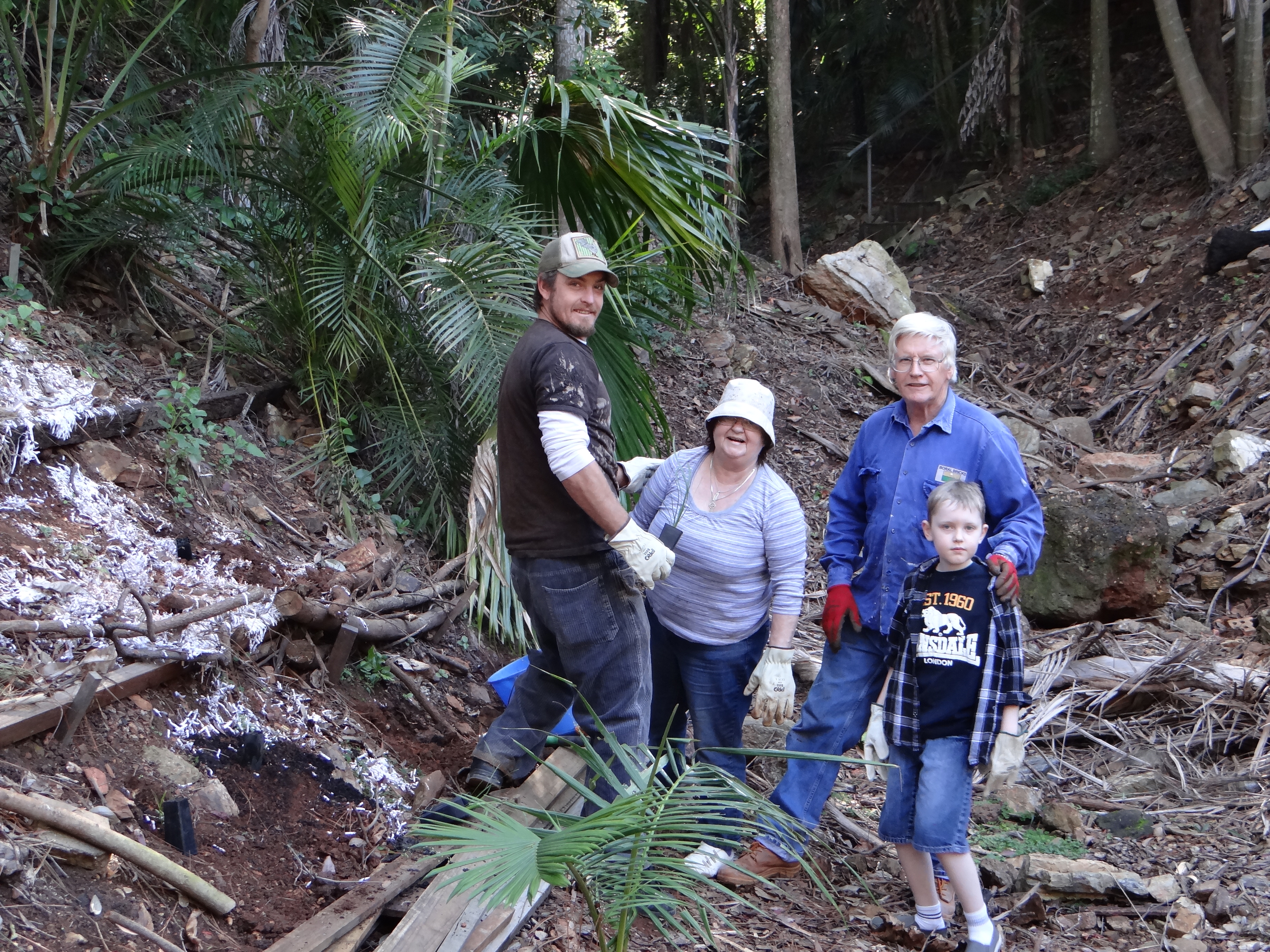
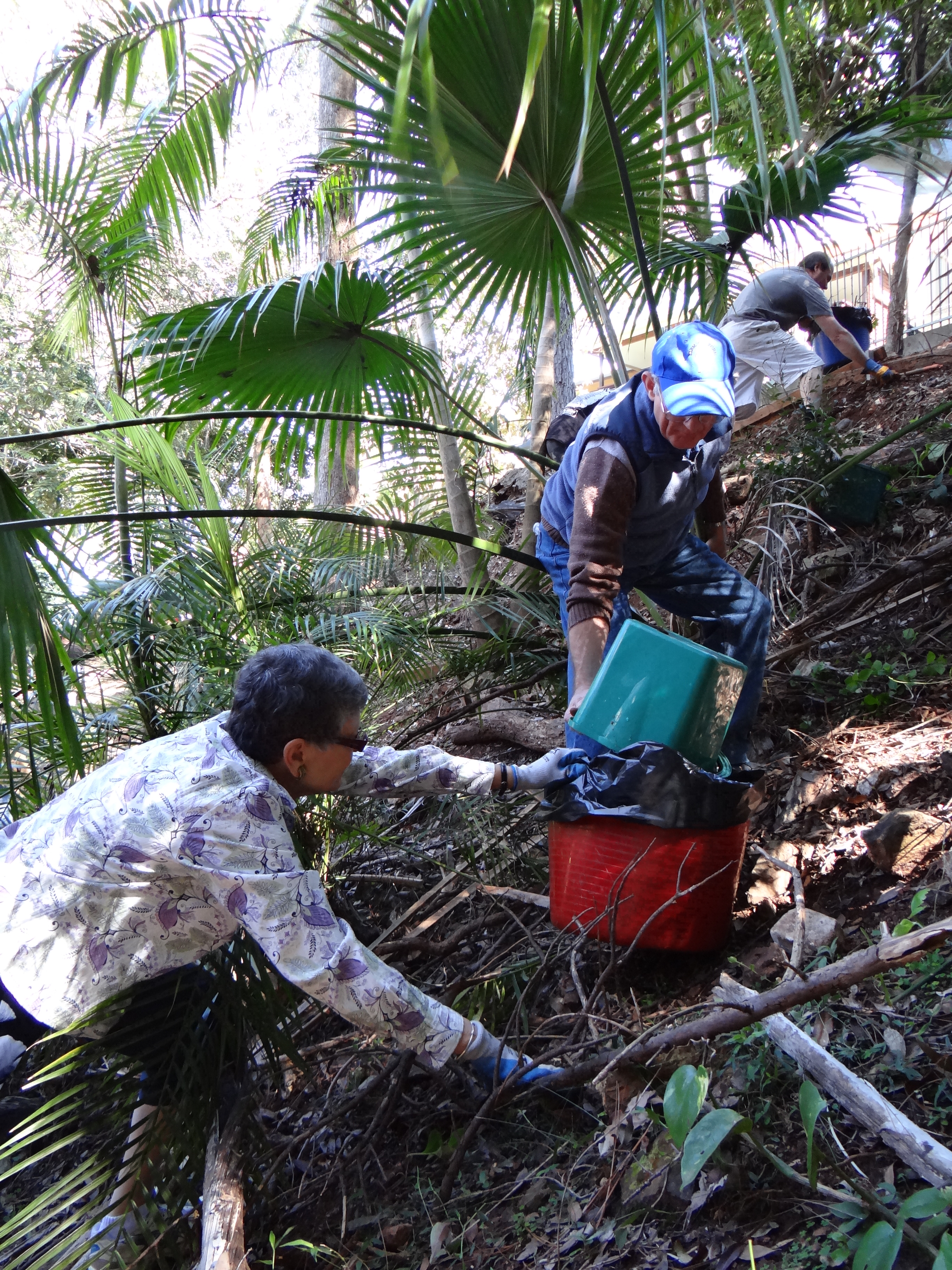
We are joined by Kate Flink (yellow tub at bottom), BCC Habitat Brisbane, and continue clearing the invasive Fishbone Fern Nephrolepis cordifolia in Zone 13. Clearing this garden escapee is a big job however as we clear the weed nature is coming behind us working 24/7 to restore native grasses like Graceful Grass Ottochloa gracillima and the seven native ferns that occur naturally in this gully.

By: Michael Fox

I been selected as one of three Queensland finalists for the Pride of Australia Medal – Environment category. My nomination was made by one of our extraordinary team of volunteers so I feel doubly honoured to be representing Mt Gravatt Environment Group.

It was inspiring to read about all the finalists the various categories in today’s Sunday Mail.

Pride of Australia Medal – Environment – Sunday Mail 19 Aug 12

By: Michael Fox

  • Drive with Tim Cox – 3:00pm-6:00pm

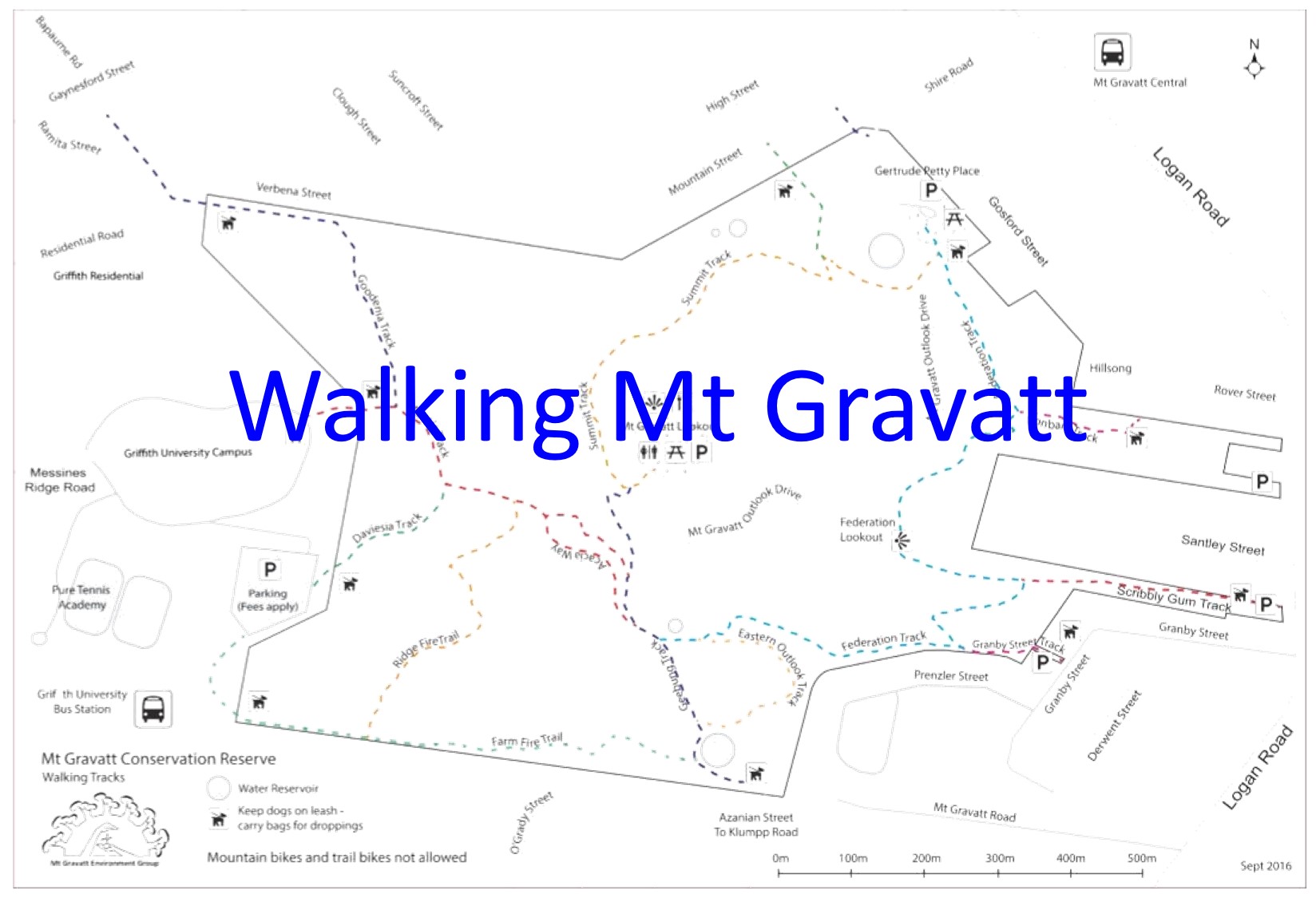
Mt Gravatt Conservation Reserve is high value habitat hosting 265 native plant species, forty-five butterfly species, Echidnas and breeding Koalas, all just ten minutes from Brisbane CBD. However, there are three key threats to the health of the conservation reserve:

Tim Cox, 612 ABC Drive, interviewed me yesterday about the damage caused by illegal downhill mountain biking.

Listen to the interview.

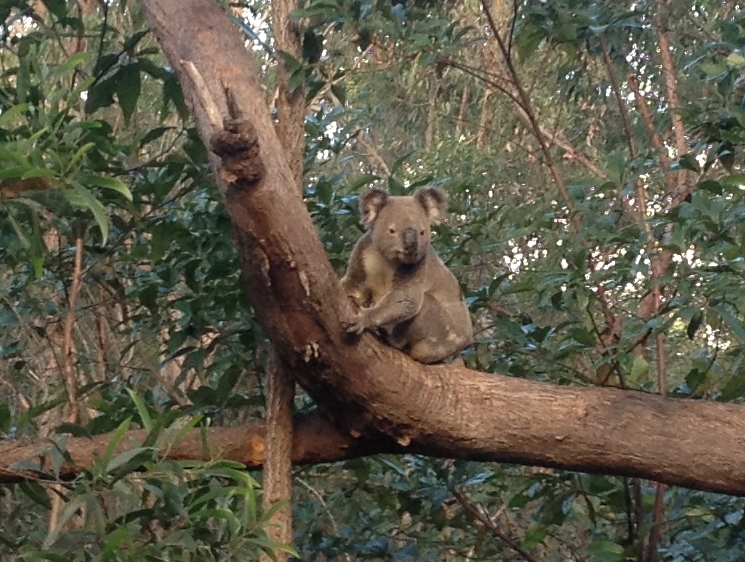
Koala near Hillsong carpark. Photo: Craig Byrne

We are learning amazing new information about Koalas and other Australian wildlife every year, as demonstrated by the extraordinary new evidence that Koalas, in at least one location, eat the bark of trees as well as the leaves.

Locally Craig Byrne spotted this healthy specimen this week while walking in the bush near the Hillsong carpark. Sightings like this are an important part of our work in restoring Mt Gravatt Conservation Reserve. Detailed records of Koala sightings provided evidence to support the installation of Koala crossing signs in Klumpp Roadafter a Koala was killed in November last year.

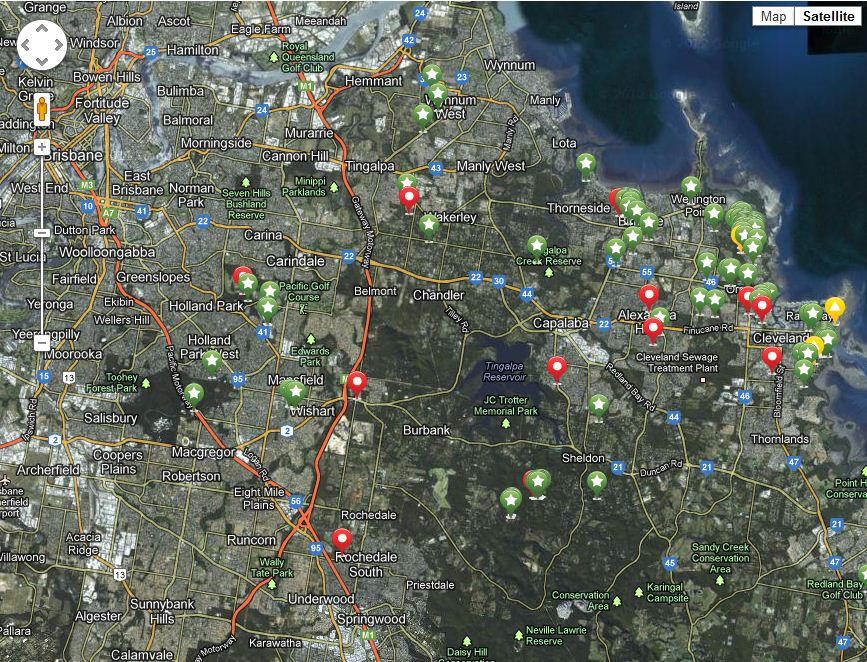
Koala Tracker map – 11/8/12 – Red = Dead, Yellow = Sick/Injured

Have you seen a Koala?

Email megoutlook@gmail.com with photos and location and will add the directly data to the innovative new Koala Tracker database. As Koala Tracker Member we can access maps, detailed data and photographs for our local area.

Please support this powerful community initiative to save our Koalas:

You are a part of the solution. Report every sighting, every death and injury. Tell your friends to do the same. 


8:30am Briefing the team and taking their minds off the cold (Photo: Alan Moore)

By: Michael Fox

7:45am The first participants have arrived even before I have finished setting up … and it’s cold!

8:30am The team is assembled, time for briefing: we have over 200 plants ready. Plants selected included vines like beautiful butterfly plant Sarsparilla Vine Hardenbergia violacea, trees like Coast Banksia Banksia integrifolia
– food plant for Sugar Gliders, and trees like the Blueberry Ash Elaeocarpus reticulatus with its fascinating pretty pink downward facing flowers. Downward hanging flowers are a valuable food source in rainy periods when nectar is washed out of Banksia and Grevillea flowers.

9am Ross & Barry planting large Hickory Wattle (Photo: Alan Moore)

d

d

d

d

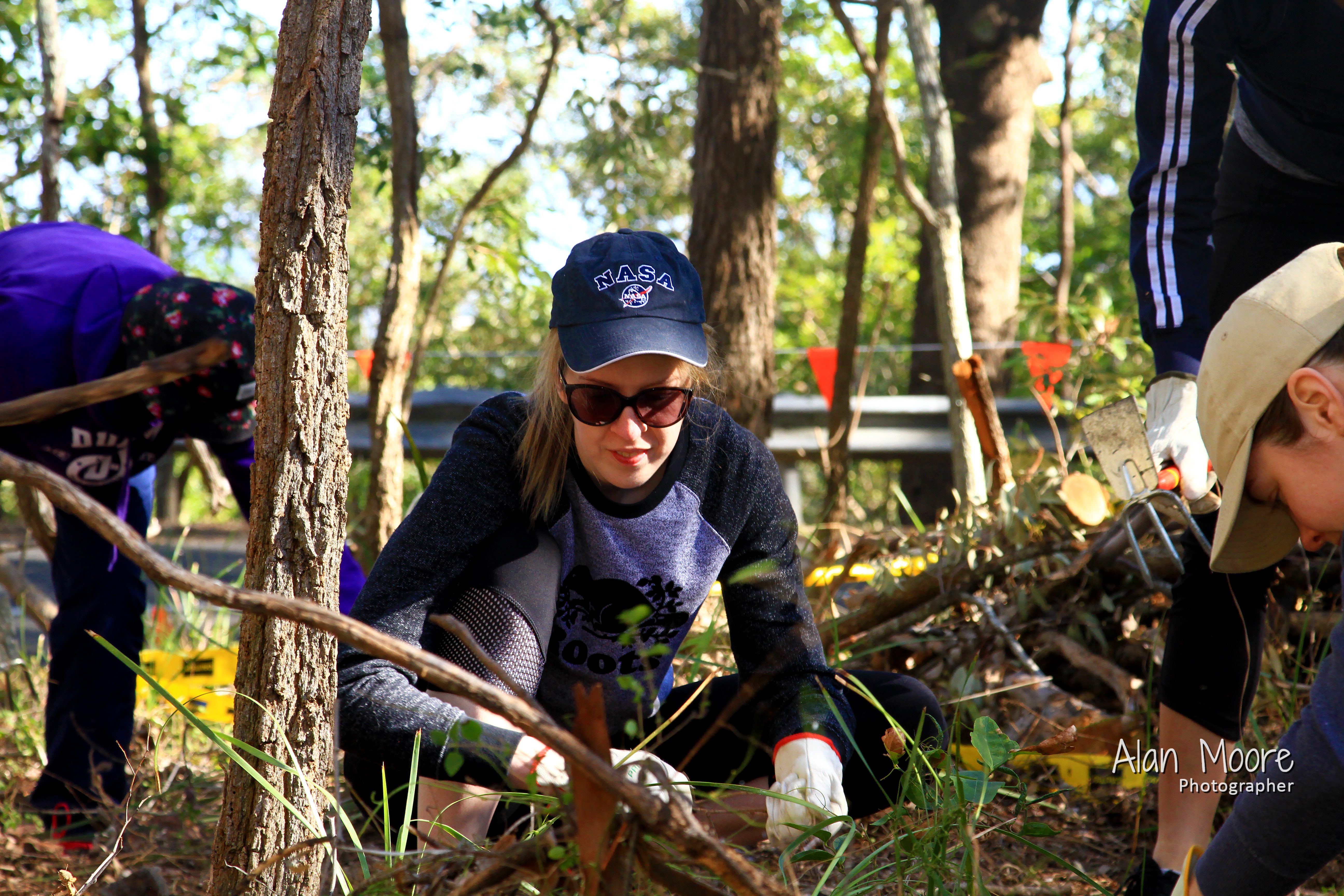
9am Planting is well underway with people scattered all over the slope. Ross Vasta MP Federal Member for Bonner and gully neighbour Barry work together planting a large Hickory Wattle Acacia disparrima.

9:50am Miranda and Scott

d

d

d

d

d

9:50am Must be time for morning-tea.

Looking around it is a real pleasure to see our neighbours engaged in a cooperative effort to restore this corridor for our wildlife.

9:50am (l-r) Alistair, Lyn, Ray & Trey

d

d

d

d

Three generations of the Fulton family have been strong supporters of our restoration work with members involved in every planting day since 2008 when they planted two trees in memory of Lyn’s mother. Ray has also propagated Lomandras and potted Acacias that are now thriving in bushcare site.
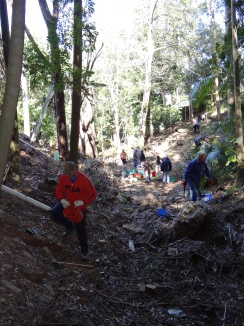
10:45am Community at work

f

f

d

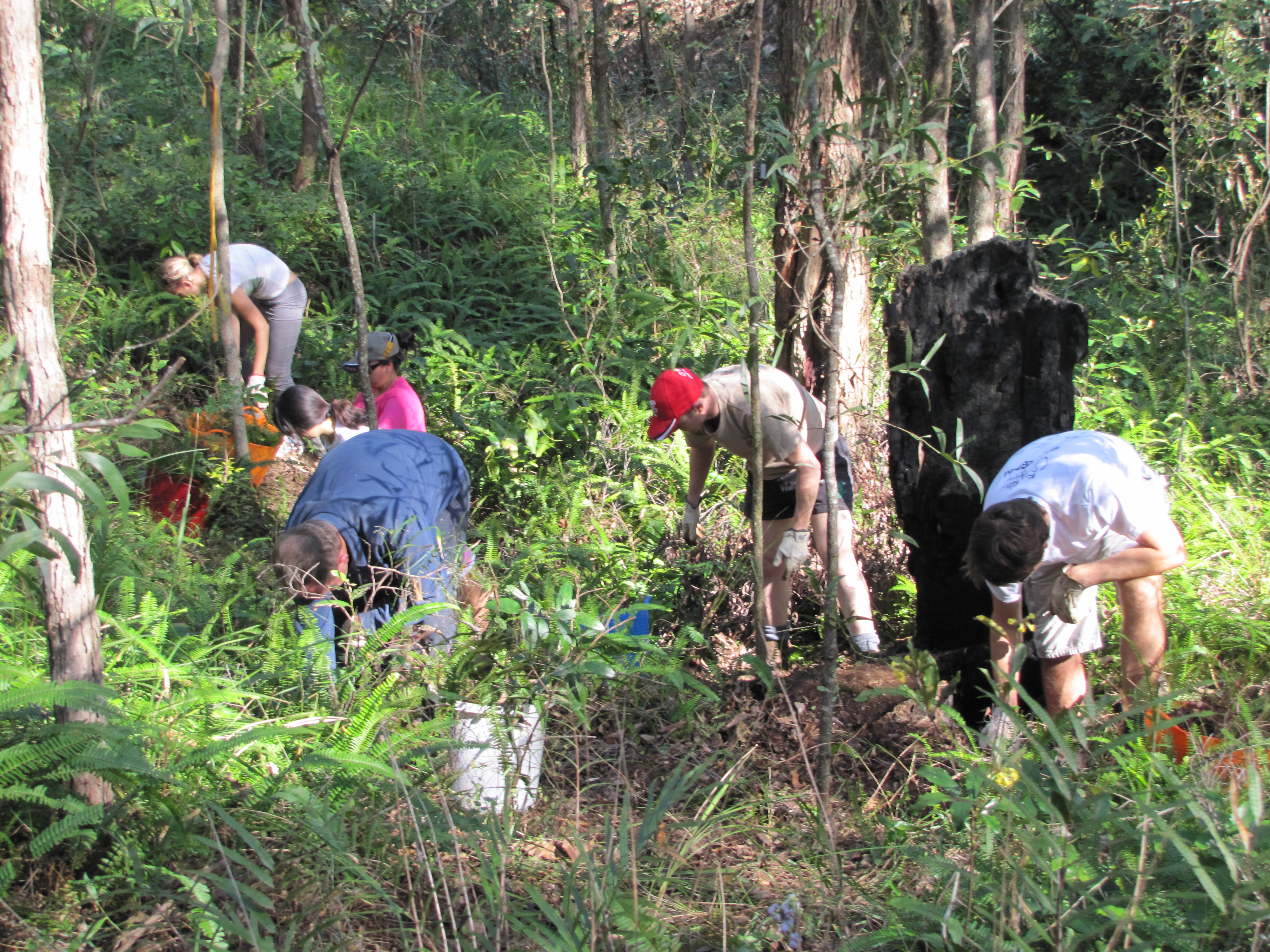
10:45am Planting is almost complete so the team starts moving up the gully clearing Madeira Vine anredera cordifolia and Devil’s Ivy Epipremnum aureum.

Madeira Vine is a major problem in the gully, smothering trees and spreading aggressively with hundreds of potato like tubers which can each shoot into two or three new vines.

Devil’s Ivy or Pothos
is another invasive weed in the gully, climbing and dragging down trees. Devil’s Ivy, a common house plant, is also toxic to dogs and cats.
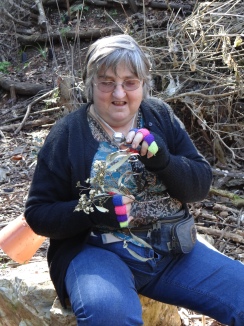
10:50am Ann Moran – Field Botanist

d
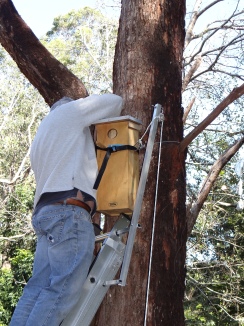
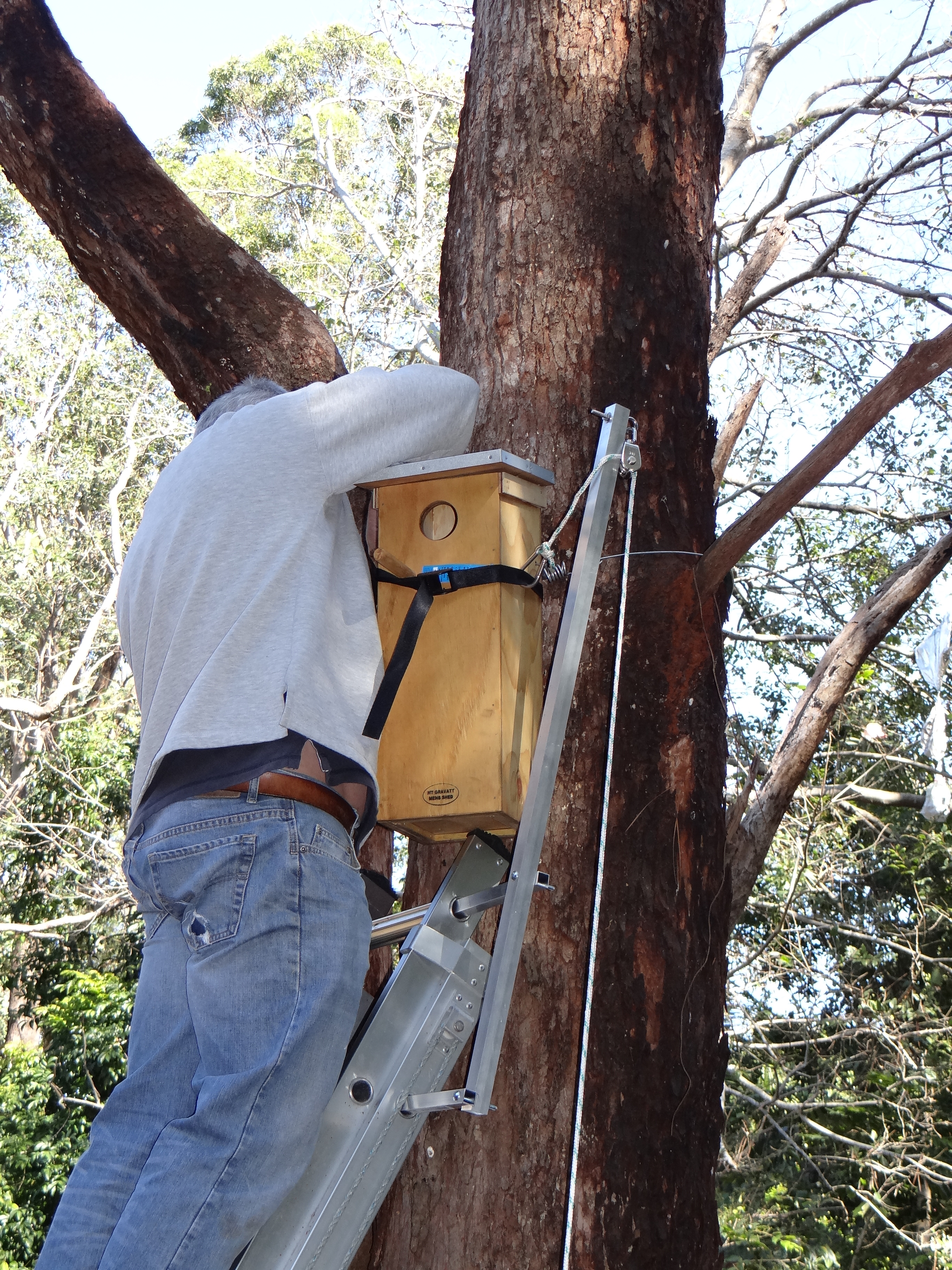
11am Installing Men’s Shed nest box – a new home for Scaly-breasted Lorikeets

d

d

10:50am Further down the gully Ann Moran a Field Botanist with decades of experience, generously shared her amazing knowledge of our native plants. I didn’t realise what looks like multiple leaves on the Black Bean Castanospermum australe are actually one leaf and if you sniff the end of the stem it smells of cucumber.

d

d

d

d

d

dd

d

11am Installing our first nest box. Logging and farming of the mountain habitat means that the forest is less than one hundred years old. Nest hollows typically start to form once trees are over one years old and then can take another fifty years to create. Therefore there is a shortage of nest hollows available for birds and gliders. Mt Gravatt Men’s Shed have now partnered with Mt Gravatt Environment Group to produce high quality nest boxes designed to the needs of local species. Scaly-breasted Lorikeets – all green with flecks (scales) of yellow on the chest, are smaller than Rainbow Lorikeets and have lost out in the fight for available tree hollows. This box with its smaller entry hole which excludes the larger birds will remain available for our Scalies.

Mt Gravatt Environment Group sell Men’s Shed nest boxes for $50. Boxes are available for a number of bird and glider species. For details email: megoutlook@gmail.com

11:20am Andrew with native grasses

11:20am Native grasses like Rainforest Grass Oplismenus aemulus, Graceful Grass Ottochloa gracillima and Scented Top Grass Capillipedium spicigerum  operate as Green Mulch suppressing weeds, retaining moisture and reducing erosion. These grasses are also caterpillar food for butterflies like the Orange-streaked Ringlet.

Andrew get special attention from the photographer: his wife Kerry. A participant in our 2011 Photography Workshop has developed a real skill in capturing the moment and the wildlife.

11:30am Susan (left) and Don clearing weeds

d

d

d

d

11:30am Susan Jones, Mt Gravatt Environment Group Secretary, pitches in with gully neighbour Don to remove Madeira Vine.

12noon Planting done. Now nature takes over to complete the job

d

d

d

d

d

d

d

d

d

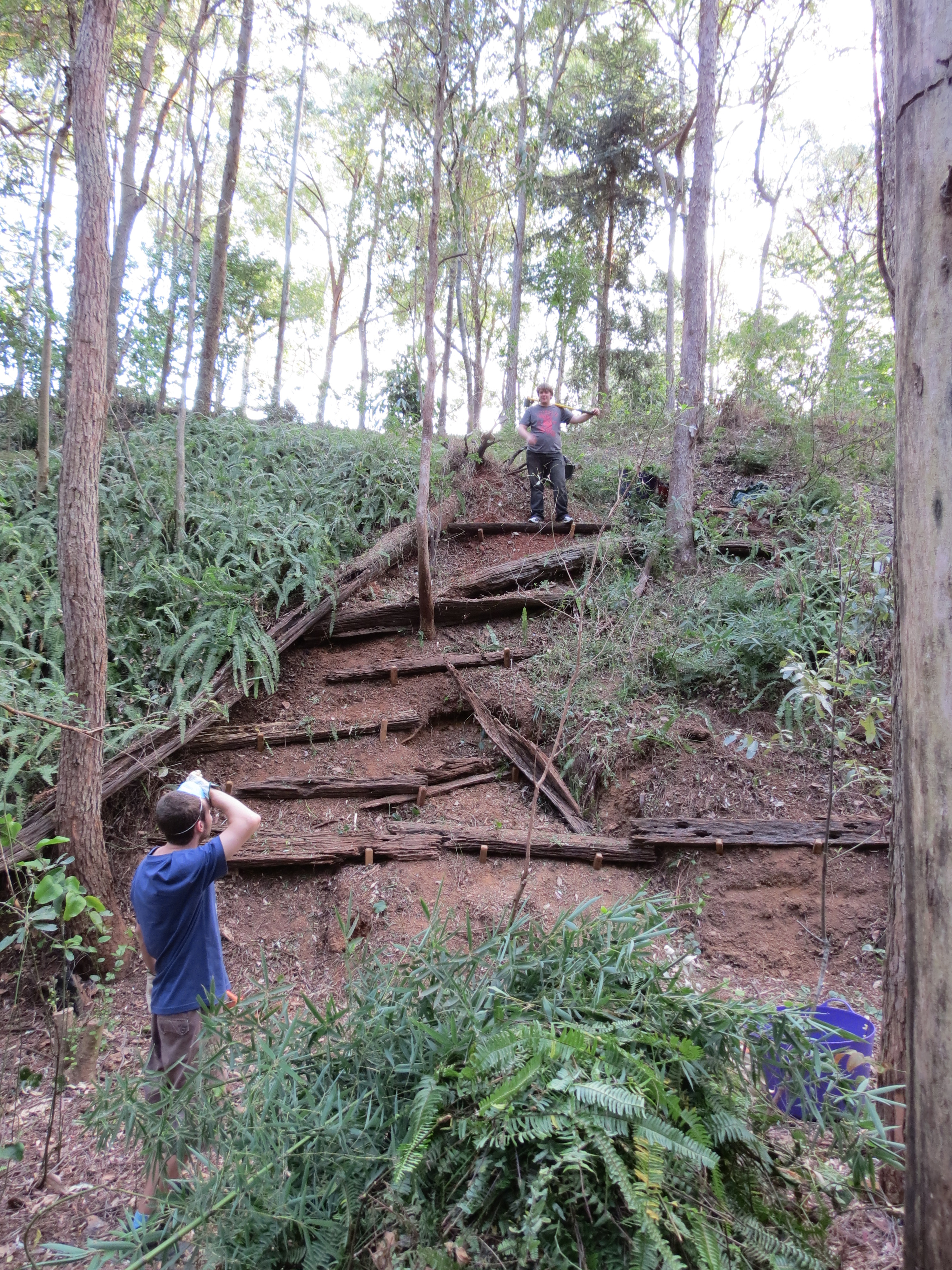
12noon Over 200 plants in place. Now we hand over the nature to complete the job. Come back for the 2013 Community Gully Day to see the results of our partnership with nature.

Thank you to all participants. It is inspiring to be part of such an amazing community event. Also thank you to Annette & Genevieve who hosted the event, Don & Clair, Ray & Lyn and SOWN who donated plants and Jason & Tash who donated timber for the slope.

Some neighbours who were unable to participate on the day made tax-deductible donations that paid for the tube stock.
By: Michael Fox

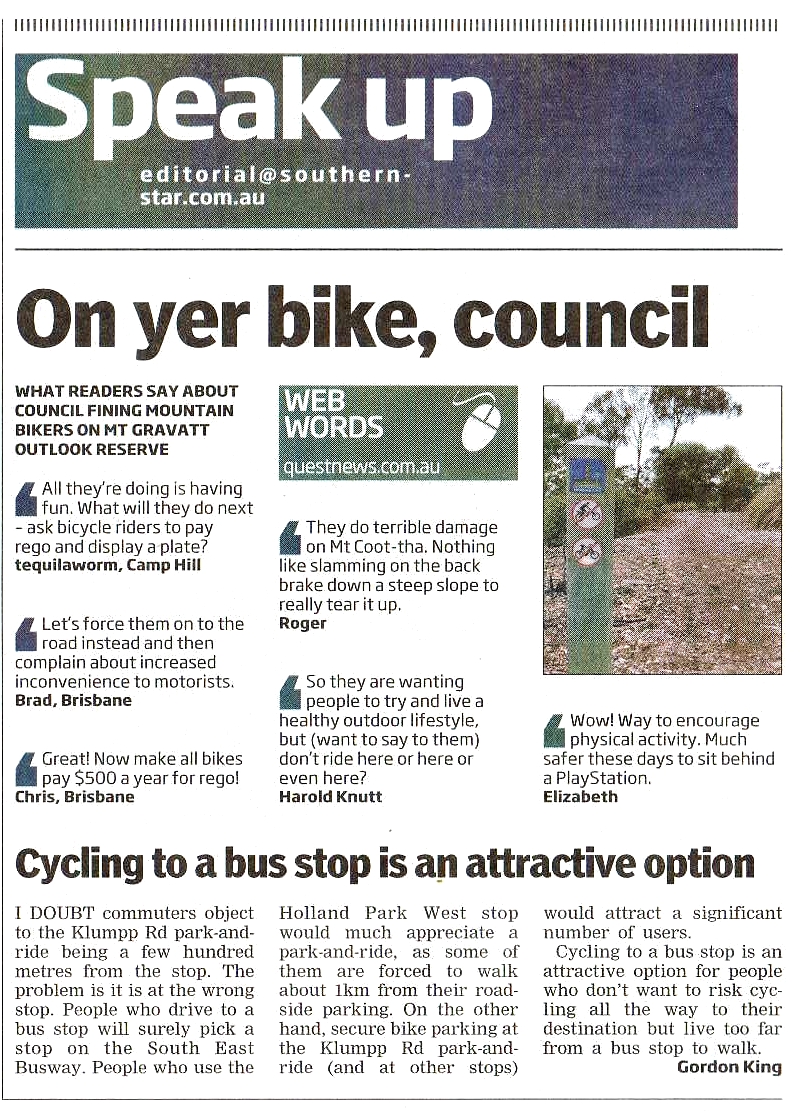
Our community speaks out against destructive mountain biking on Mt Gravatt:

Southern Star – 1 August 2012

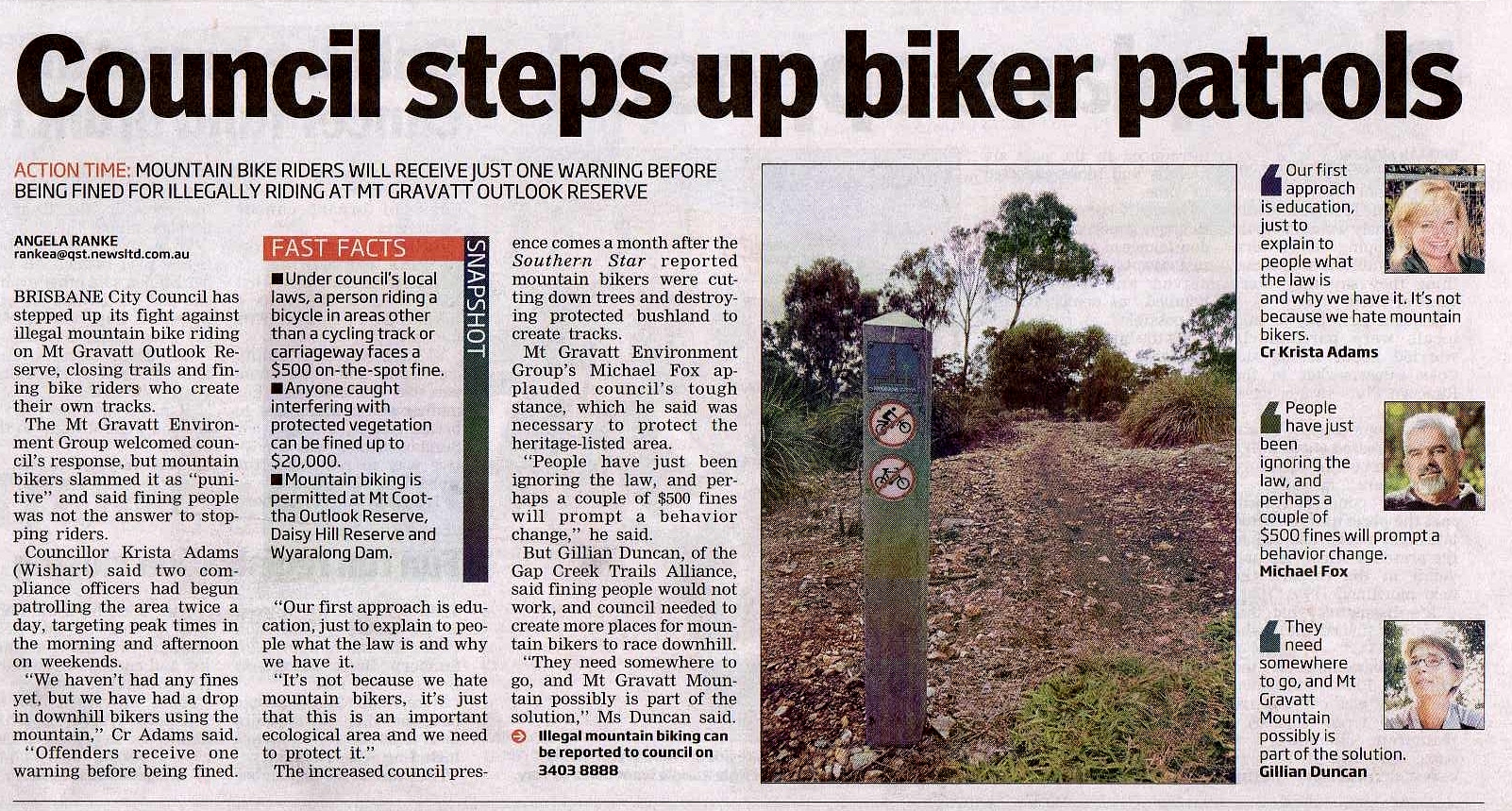
Local Councilor Krista Adams has reconfirmed the Council’s long standing commitment to keeping Mt Gravatt Conservation Reserve free of mountain bike riding.

Letter of support – Whites Hill-Pine Mountain Community Group Inc.

BCC Local Area Services are providing strong on ground action – closing illegal tracks, mulching damaged areas and increasing their presence in the Reserve to catch riders still ignoring our community’s laws. Riders, who apparently could not see multiple signs saying “No Motor Bikes No Mountain Bikes”, have now been told very clearly that off road riding is illegal and subject to $500 fines.

We have also received emails and letters of support by community members and groups heartened by our action and the support we have received from Council.

We are proud of our community

Track exit beside No Mountain Bikes sign

and appreciate the recognition of our work however we know from past experience that illegal mountain bikers will be back fast if we, as a community, don’t stay alert.

As recently as Wednesday last week, National Tree Day, I found fresh bike tracks on in the area just down hill of the water reservoir. I was walking those tracks to document the erosion and tree root damage caused by mountain bikes.

New mountain bike bridge

These were not just tracks cleared through the bush, I even found a what looked like a fairly new timber bridge.

Mountain bike activity in that area has caused erosion up to half a metre deep in places and extensive root damage to mature Koala food trees.

What action can you take?

Illegal mountain biking can be reported to the BCC Call Centre 24/7 on 07 3403 8888

Please be careful about approaching riders by yourself. These riders are already acting illegally and we have had a number of reports recently of community members being subjected to aggressive and violent verbal abuse.

Track erosion

v

g

g

g

g

Roots damaged and under mined by erosion

g