Fox Gully Bushcare


By: Michael Fox

F&F CD cover

Click to view updates

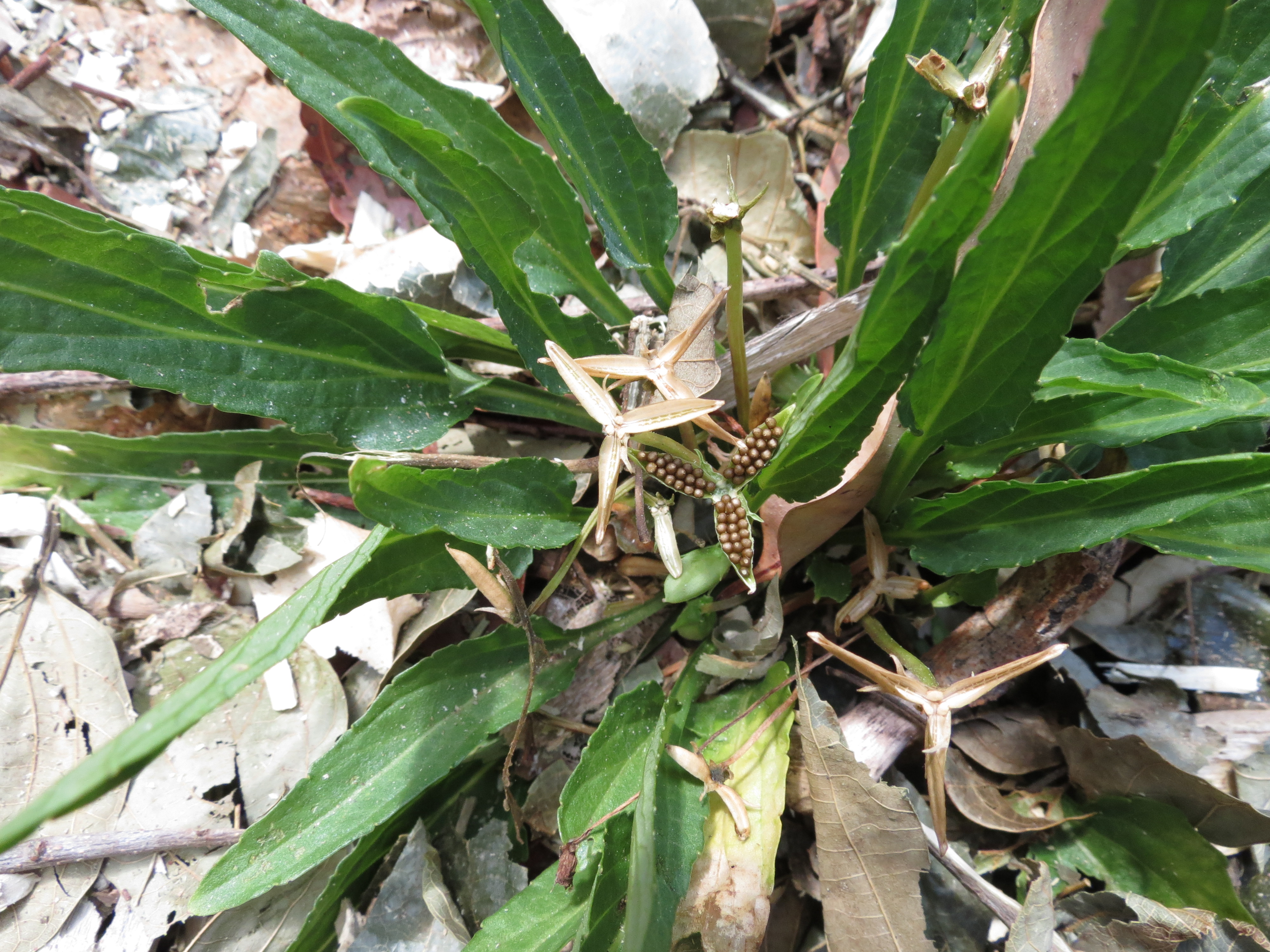
We have updated Flora & Fauna of Mt Gravatt Conservation Reserve with three new native plants – Isotropis filicaulis a rare/threatened shrub of the Fabaceae family, Swamp/Slender Bindweed Polymeria calycina a delicate vine with tiny pale pink flowers and Plantago debilis a native herb. This brings the count of indigenous plants species found in the Reserve to two hundred and sixty-eight.

A new native snail – Fraser’s Land Snail Sphaerospira fraseri has been added thanks to a young naturalist neighbour,  Ethan Morris.

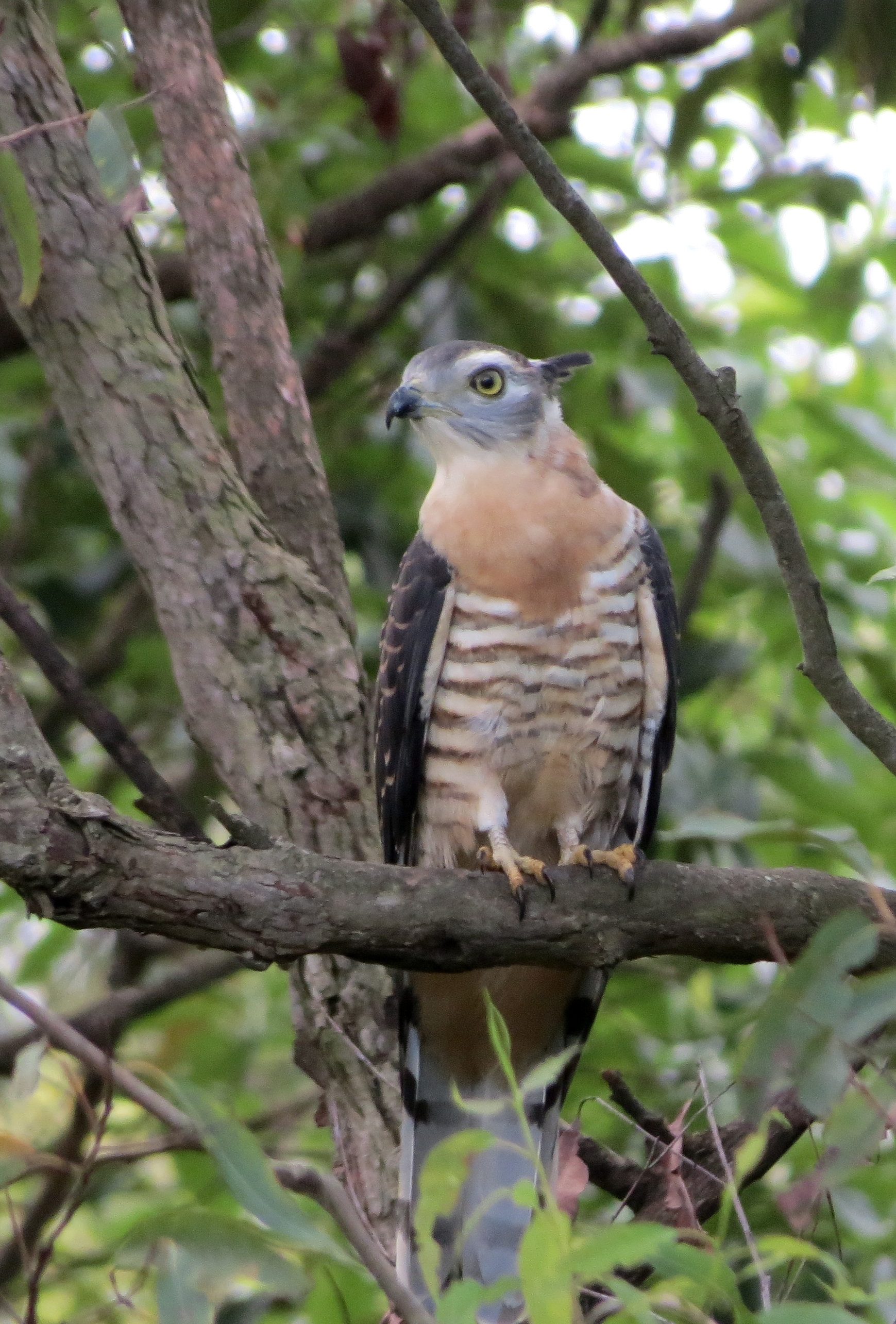
New photos and video of the Pacific Baza Aviceda subcristata has been added. In March we had a family of three Bazas in Fox Gully over a period of two weeks. I watched as one Baza hunted a large Stick Insect in a young Tallowwood planted in our 2008 Fox Gully Bushcare Community Planting and now supporting food for birds.

Flora species list and other research.

IMG_2712

Madeira Vine regrowth

By: Michael Fox

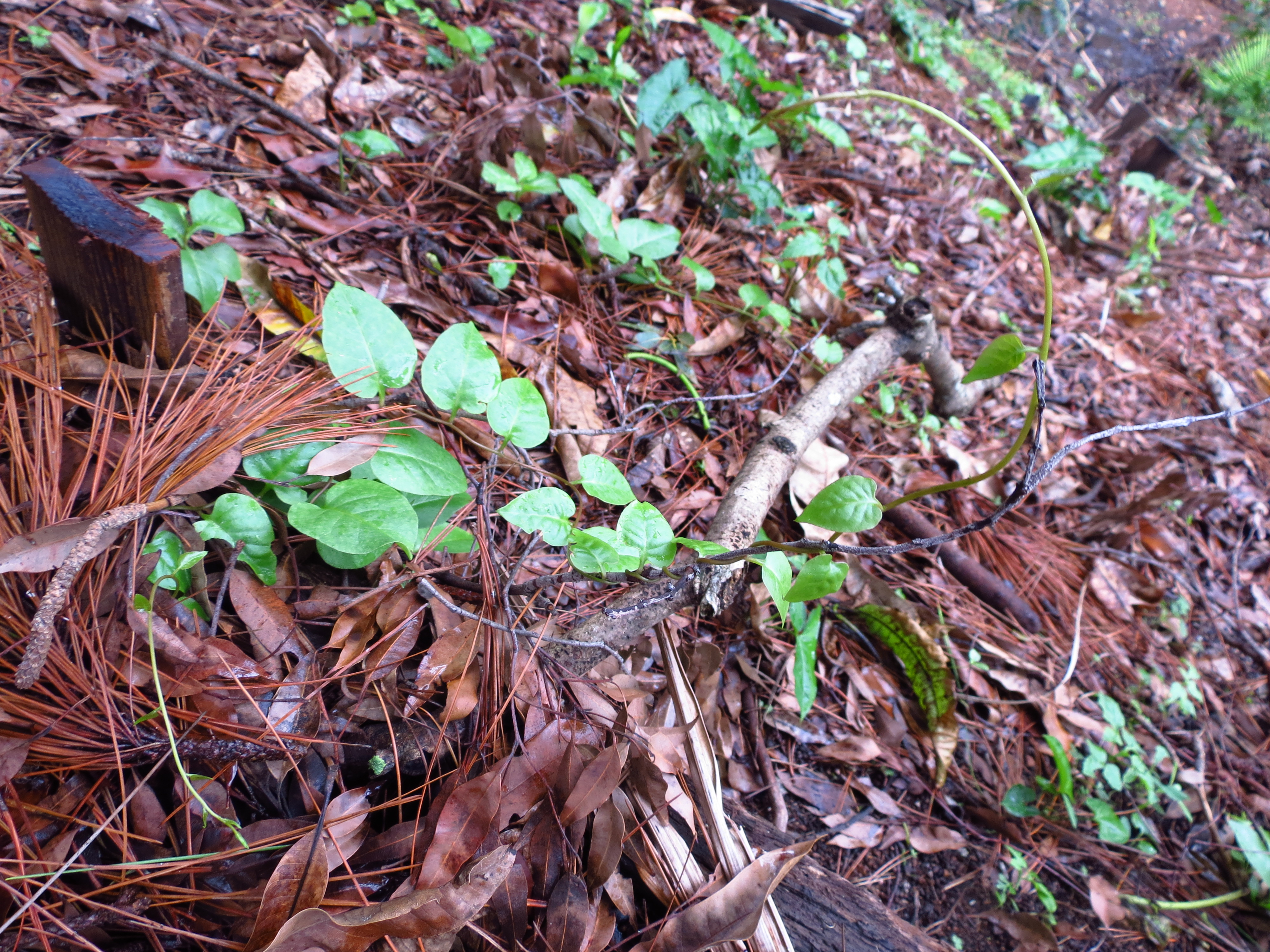
As we are still not allowed to work in our Fox Gully Bushcare site, Tuesday Bushcare moved to our Community Gully Day restoration site where Madeira Vine Anredera cordifolia regrowth has been prompted by the rain.

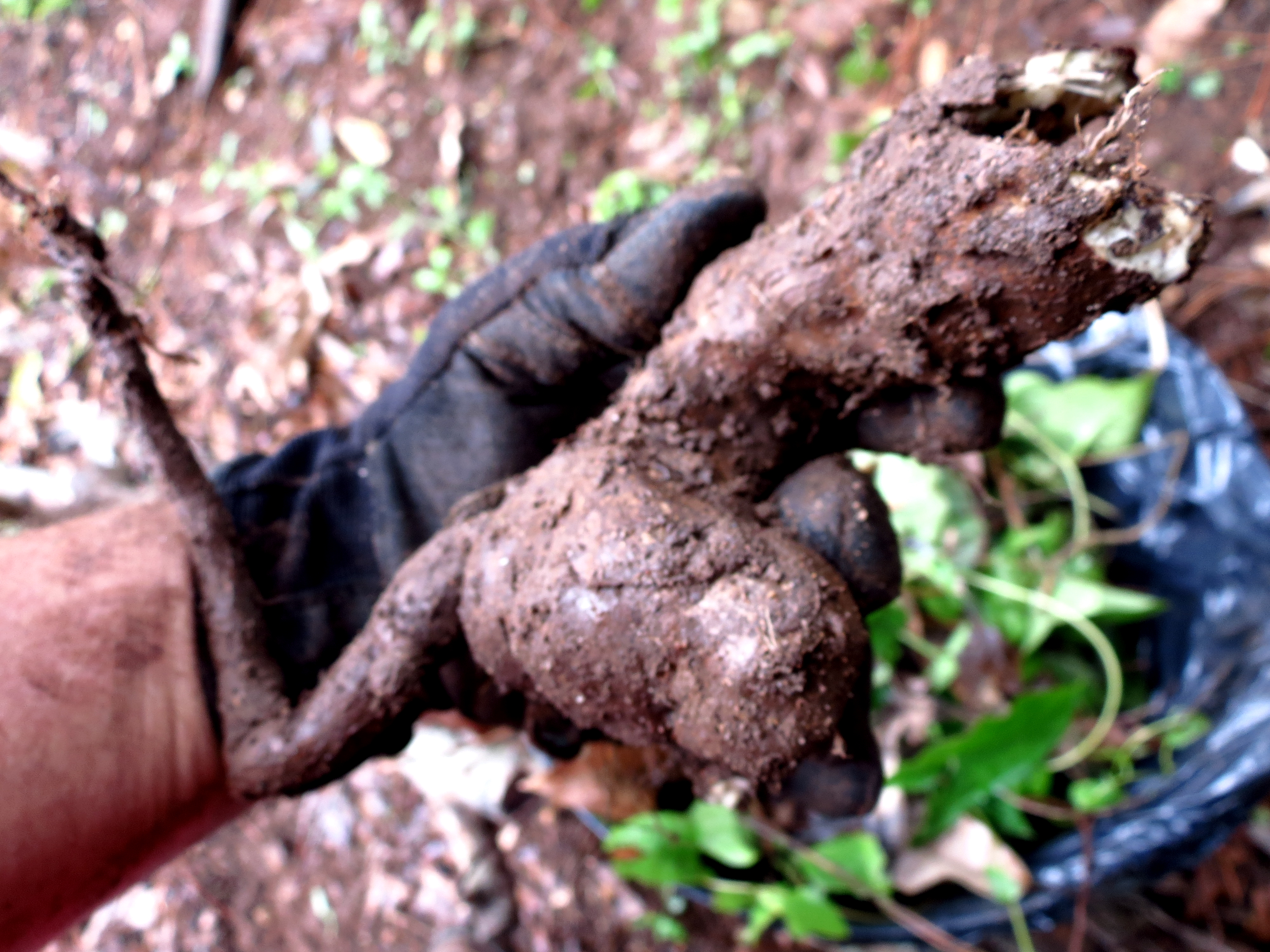
Madeira Vine is fast growing and extremely difficult to eradicate. When I was first researching Madeira Vine I was advised that digging out the tubers was the most effective technique. A special mix of herbicides and penetrant works however it has limited effectiveness and recommended practice is to: Target tubers as a priority, scrape, gouge and paint large ground tubers/roots.

Madeira Vine tuba - 5 Mar 13

Madeira Vine tuba

If we had to dig to uncover the tubers it seemed easier to simply avoid poison, dig the tubers out and remove from site. That is the practice we have been using successfully to eradicate Madeira Vine in the Fox Gully wild life corridor.  Clearing the vine, digging out tubers then targeting regrowth has resulted in large areas almost completely free of Madeira Vine.

Oplismenus aemulus - 5 Mar 13

Natural regeneration – Rainforest Grass

One of the tubers dug out today shows why this vine is so resistant to eradication with poison. The size of a large potato this tuber would not be greatly affected by poison simply applied to the vine leaves.

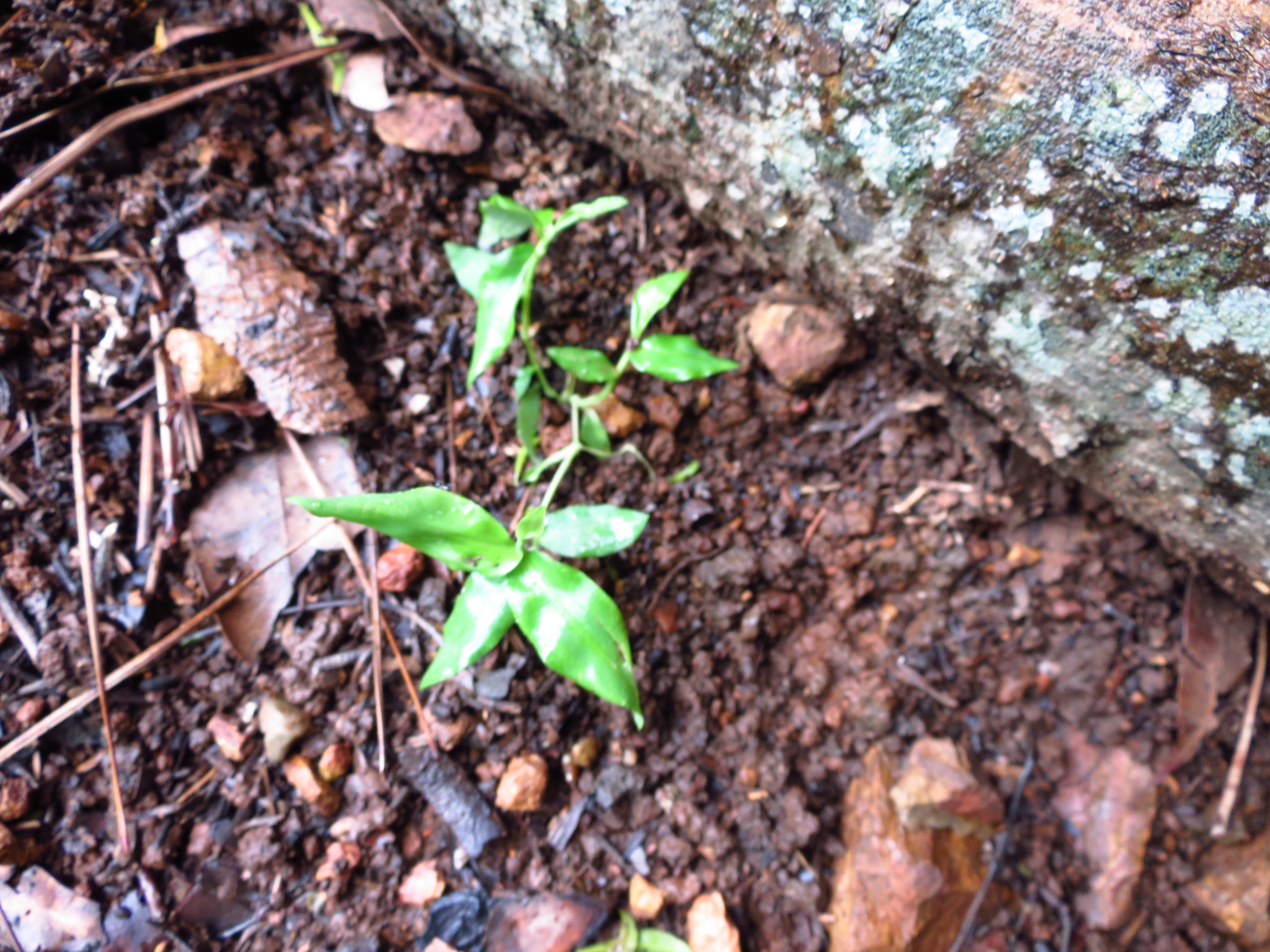
Eradicating this weed is frustrating, however there are also positive signs with natural regeneration restoring native species like Rainforest Grass Oplismenus aemulus and Scurvy Weed Commelina diffusa. Native grasses like Oplismenus aemulus are an invaluable restoration tool as they create Green Mulch which suppresses weeds, retains moisture and controls erosion.

Pacific Bazza - 4 Mar 13

Pacific Baza Aviceda subcristata

By: Michael Fox

You always know when a Pacific Baza Aviceda subcristata is around because all the other birds kick up a fuss although they don’t seem to be a direct threat, being more interested in stick insects.

The Pacific Baza’s favorite prey is large insects, particularly stick insects and mantids, and frogs. They sometimes eat fruit as well. Bazzas will move through the canopy, or perch and watch, then make short dives, with feet extended, to snatch prey from the foliage or from the air.  Birds in Backyards

Three of these magnificent birds have been visiting various parts of Fox Gully over the past week. While I was watching one of the Bazas flew into the trees planted in the Zone 8 restoration then landed back on the same branch to eat something long and green. I was too far away to photograph but I suspect it was a stick insect.

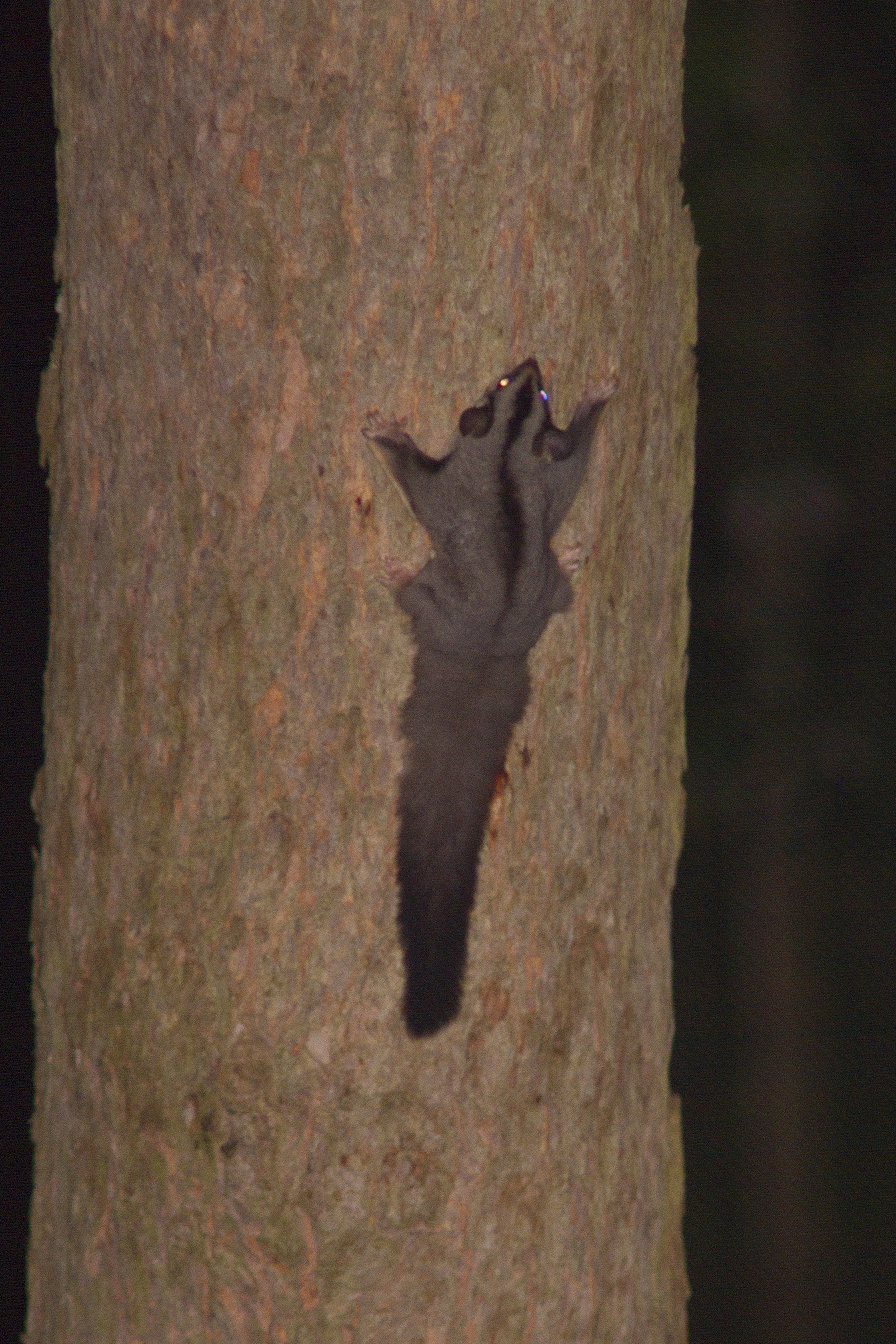
Squirrel Glider - A Moore - 21 March 11

Squirrel Glider Petaurus norfolcensis

By: Michael Fox

Key threats to Mt Gravatt Conservation Reserve:

Much of our work in restoring habitat in the Reserve is cleaning up damage done by easy to avoid action, like people dumping their garden waste in the bush when they could often simply put it into their wheelie bin.

Keeping our family cats inside at night takes a bit of effort. However it is still a relatively simple action that has huge benefits for our nocturnal wildlife like gliders and possums.

Gliders are one of the cutest of our Australian native animals. Sugar Gliders Petaurus breviceps and Squirrel Gliders Petaurus norfolcensis are found in Mt Gravatt Conservation Reserve. Restoration work at Fox Gully Bushcare site includes installation of nest-boxes to provide habitat for hollow dwelling animals like gliders, possums and birds.

Glider cat attack - Souther Star - 20 Feb 13

Southern Star – 20 Feb 2013 – page 8

So it was heart breaking to see the remains of a glider attacked by a domestic cat.

Sharing the story with the Southern Star is one way to help people think about doing things differently.

Another simple change we can make is to use wildlife friendly netting for our fruit trees. See article in Southern Star – go to page 8 and click to enlarge for reading. Information on wildlife friendly netting from Bat Conservation & Rescue Qld. Inc.

GPP storm damage - 5 Feb 13

Storm damage Gertrude Petty Place Bushcare

By: Michael Fox

Over the last two days I have walked the tracks in the Reserve to see what damage was done by last week’s storm. Being a mountain flooding is not a problem however we have lost a significant number of large eucalypts, a number of Casuarinas and a significant number of dead old trees (stags) which are often important habitat because of their nest hollows. A number tracks are blocked by fallen trees which will take time to clear as the Council teams prioritise clean up work.

Mountain Bike tracks

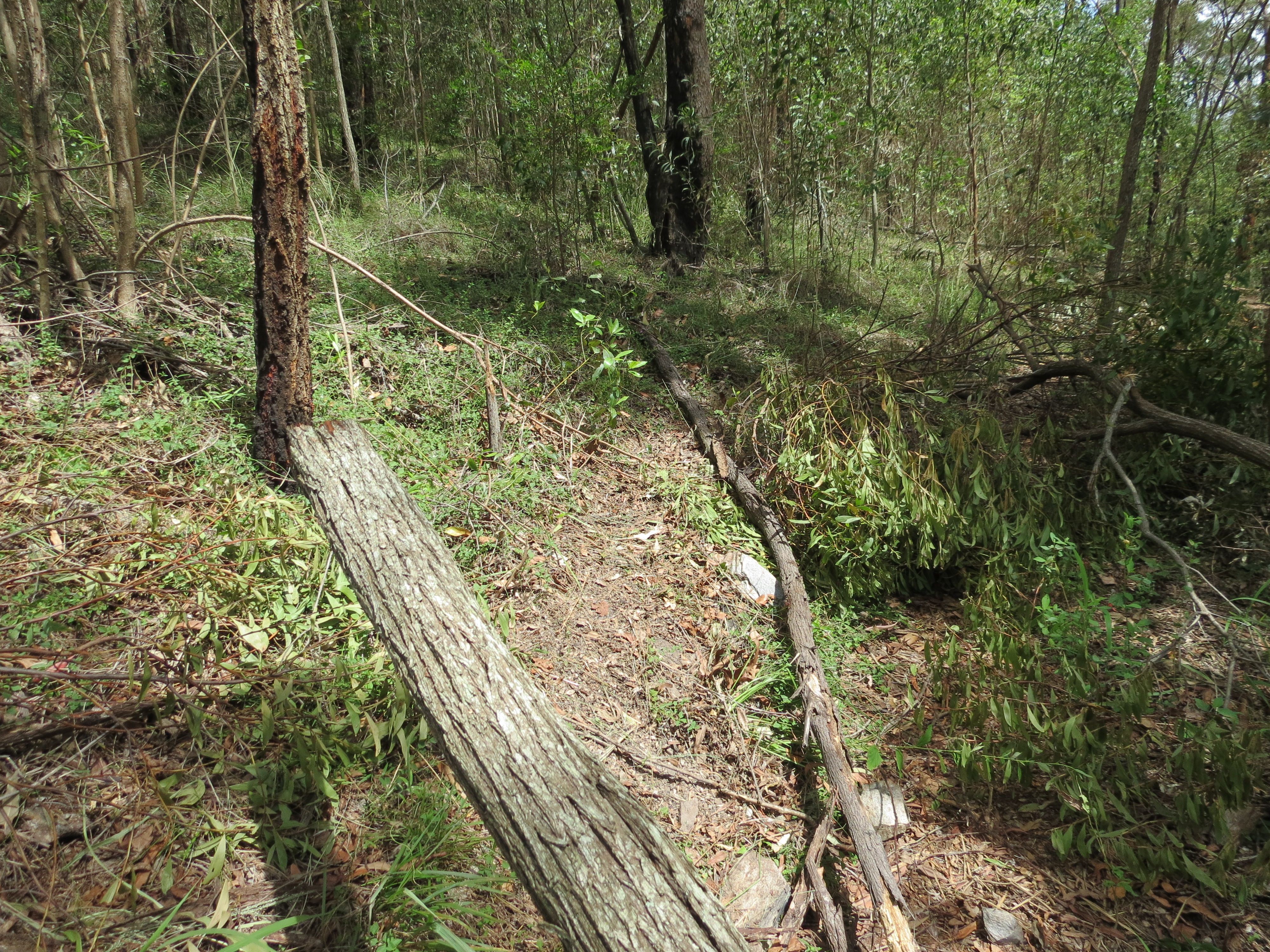
Storm block illegal mountain bike tracks

However, the storm has created some unexpected benefits for the habitat as fallen trees have blocked tracks used by illegal downhill mountain bike riders. We have had a number of reports that mountain bike riders have been seen in the Reserve so I also walked the areas that have been damaged illegal riding. I found some evidence of bike riding including clearing of logs placed by Council contractors to block tracks and minimise further erosion. So I was pleased to find a number of tracks blocked by large branches broken in the storm.

Red-browed Finch - 4 Feb 2013

Red-browed Finch – click to enlarge

I am also heartened by seeing wildlife thriving in the post storm environment.

I found Red-browed Finchs on Acacia Way …

ff

f

f

f

f

Dragonfly - 5 Jan 13

Dragonfly – Blue-spotted Hawker – beside Summit Track

… and a previously unrecorded dragonfly – Blue-spotted Hawker Adversaeschna brevistyla on the Summit Track. Thanks to Graham McDonald for the id. You can see more info on this and other dragonflies at Brisbane Insects.

g

d

d

d

gf

IMG_2377

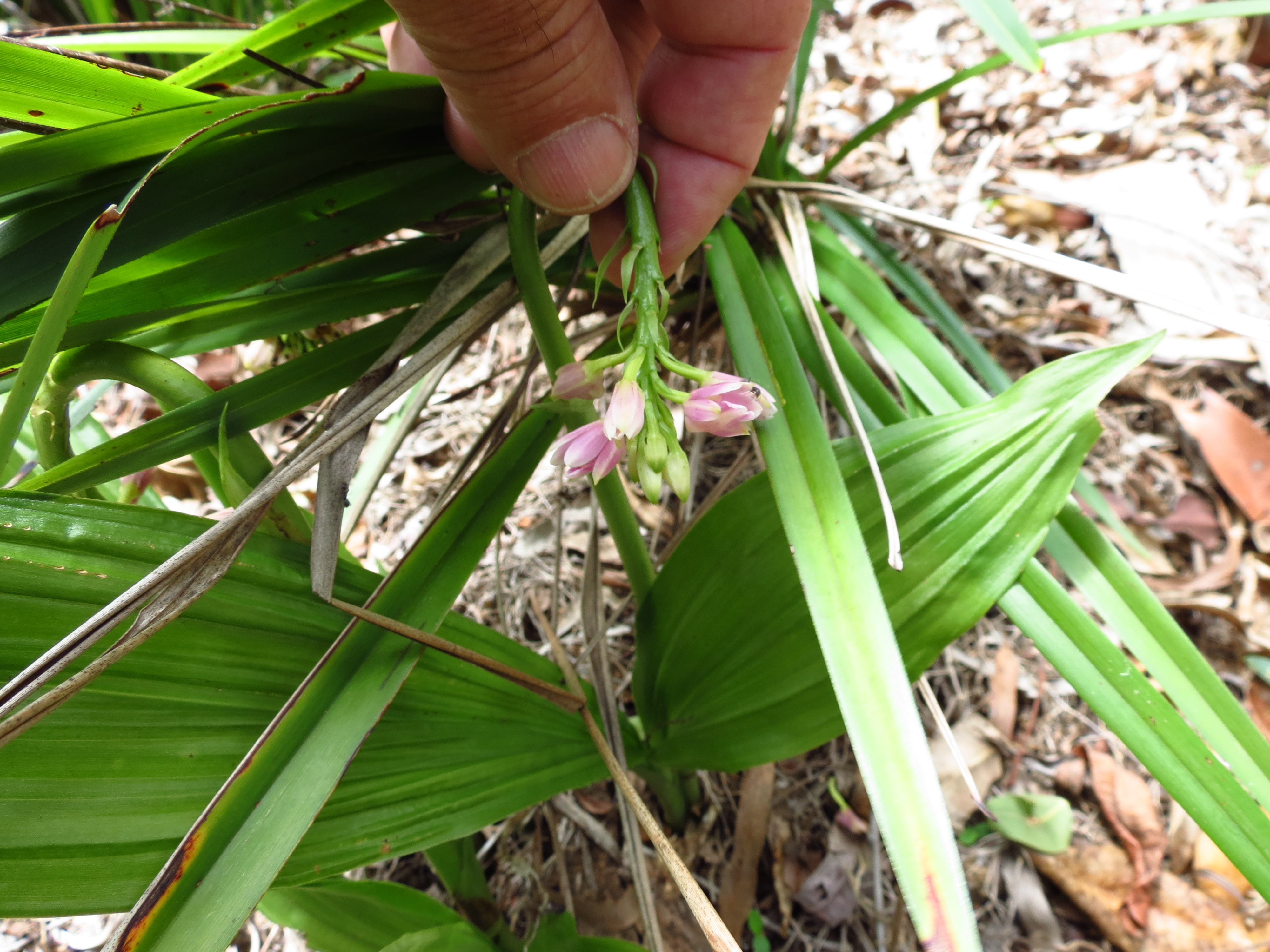
Shepherd’s Crook Orchid

I also found the Shepherd’s Crook Orchid flowering again at the Fox Gully Bushcare site. This is particularly important as this beautiful native orchid has been returned to the Reserve as a result of restoration work undertaken at the Fox Gully site.

By: Michael Fox

The outlook for Mt Gravatt Conservation Reserve is looking good with good rain forecast through to February which will greatly enhance the habitat restoration at our Bushcare sites.

Rainbow Lorikeet chicks in nest-box

Rainbow Lorikeet chicks – click on photo to see colour of new feathers

We are also seeing positive signs with our wildlife. Two Rainbow Lorikeet Trichoglossus haematodus chicks have been hatched out in one of the nest boxes installed at the Fox Gully Bushcare site.

When we first confirmed the chicks had hatched we were not sure that they were Rainbows but one week on there is now no doubt as their colours develop. Click on the photo to enlarge.

We have also had another Koala report this week from Ramita Street near Ekibin Creek.

Koala sightings

Koala sightings – Mt Gravatt Conservation Reserve

By: Michael Fox

IMG_1117

Rainbow Lorikeet at home in Fox Gully

A pair of Rainbow Lorikeets Trichoglossus haematodus are the first to successfully hatch a family in our Fox Gully nest-boxes. Two chicks have been hatched out and seem to be doing ok although the parents are rarely home.

At least we think they are Rainbow chicks. This particular nest box was originally occupied by a pair of Pale Headed Rosellas Platycercus eximius who laid three eggs before they were kicked out by the Rainbow couple.

Rainbow chicks - 7 Dec 12

Rainbow Lorikeets chicks or Pale-headed Rosella?

a

Given the increasingly blue colour of the chicks we are wondering if our Rainbows are raising a pair of Pale-headed Rosellas.

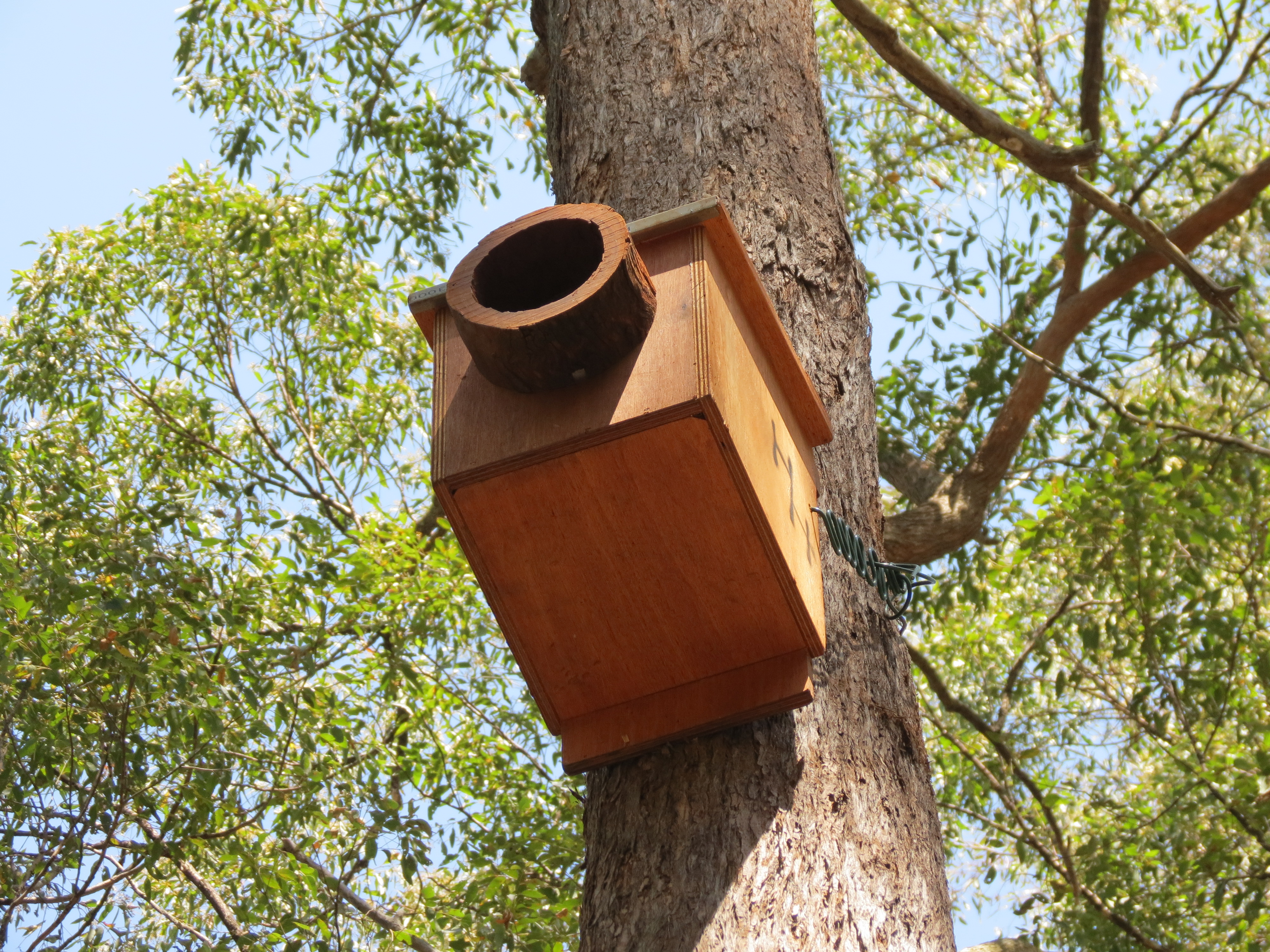
This nest box was made by Mt Gravatt Men’s Shed and our nest-box monitoring equipment is a GoPro camera on a 7 metre pole and connected by WiFi to an iPad on the ground. The equipment was purchased with a grant from Southside Sport and Community Club.

Laughing Kookaburra Dacelo novaeguineae

Laughing Kookaburra Dacelo novaeguineae

I also checked the new Hollow Log Home nest-boxes but no eggs or chicks in any yet. However, as I was walking back I saw this Kookaburra sitting in the entry to the owl box. Unfortunately I was carrying the monitoring equipment and was not quick enough to get a photo of him actually sitting in the owl box.

a

a

a

a

a

a

New tennents

New tenants – Photo: Alan Moore

a

a

Alan Moore also reported some hopeful news on the Pale-headed Rosellas. A pair seem to be very interested in one of the new Hollow Log nest-boxes.

By: Mike Fox

Neighbours pitch in to clear up

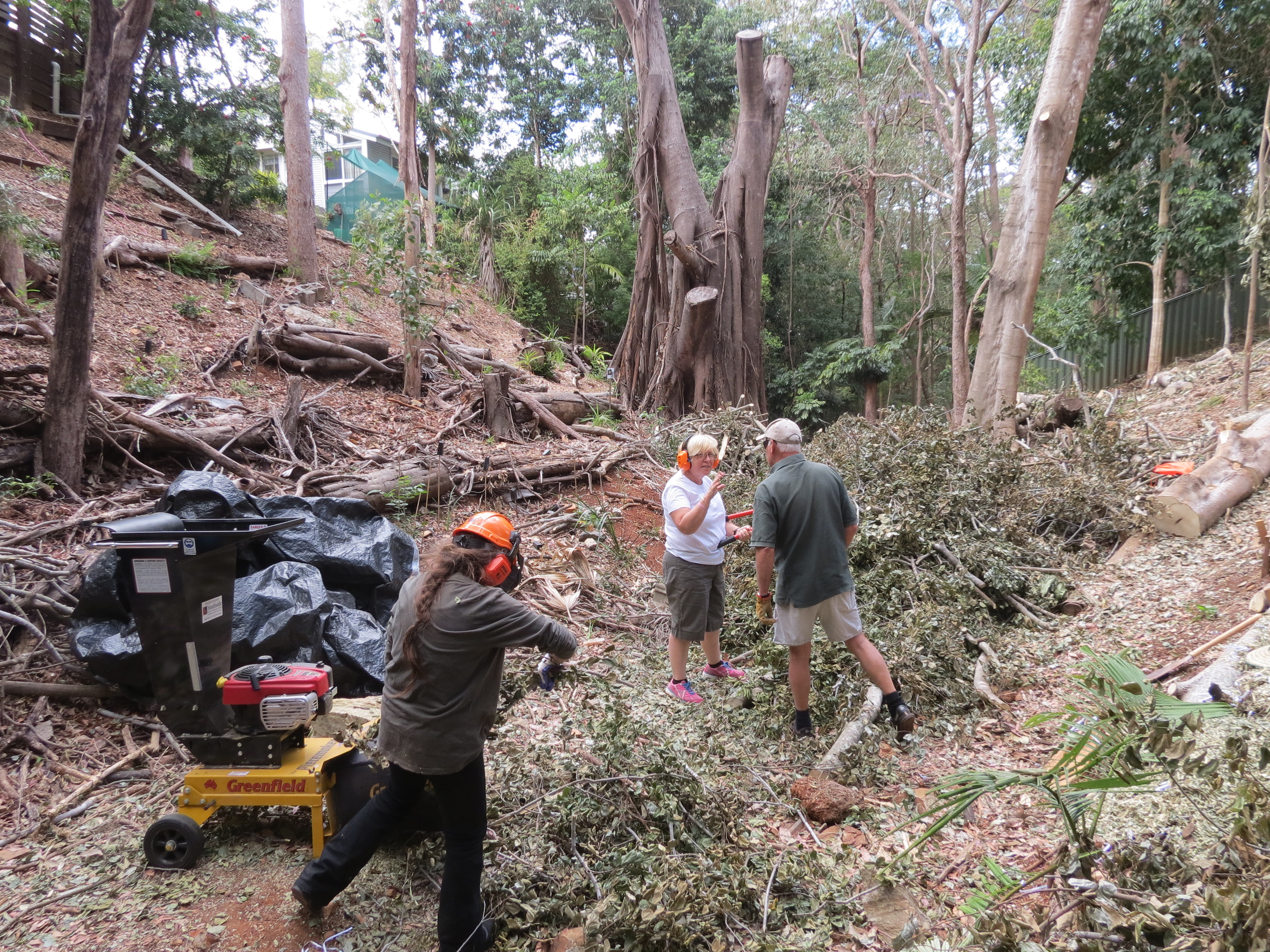
A 20 metre Chinese Elm Celtis sinensis creates a lot of green waste to be chipped and cleared from the gully. Neighbours Rebecca, Didier, Don and Clair pitched in to clear up the huge pile of branches.

a

Miranda, Griffith Uni Environment Law student

d
d

s

s

A big clean-up needs a big chipper. Miranda loved using our Greenfield’s 8.5hp Piecemaker that virtually sucks the branches into the blades for chipping. Thanks to Southside Sport & Recreation Club who provided the grant for purchasing the chipper.

The Piecemaker is proving its value saving over $2,000 on the cost of removing the Chinese Elm, a benefit for our whole community, in particular restoration of Mt Gravatt Environmental Reserve.

ss

Miranda, Annette and Marshal hard at work

s

s

s

The clean up is well on the way with Marshal and Annette (property owner) in background preparing branches for chipping and Miranda operating the machine.
dd
d
dds

s

Laughing Kookaburra Dacelo novaeguineae

d

d

d

Even the local wildlife is joining in the clean up. This Laughing Kookaburra Dacelo novaeguineae is hunting for worms and spiders among the leaf litter. The Kookaburras are really enjoying the restoration work as more worms, insects and spiders are thriving among the planting, mulching and logs.

sd

d
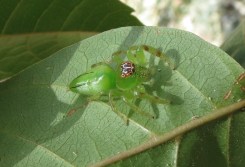
Northern Jumping Spider Mopsus mormon

It is inspiring to find the variety of wildlife returning to the gully. This beautiful Northern (Green) Jumping Spider Mopsus mormonwas hunting for flies, moths or grasshoppers for lunch. Creating habitat for wildlife means we have natural pest control and over time we will hopefully tempt some of the beautiful insectivorous birds out the forest. Birds like the Striated Pardalots Pardalotus striatus and the beautiful Black-faced Monarch Monarcha melanopsiss not only add sound and beauty to our backyards, they also hunt insects like mosquitos on our behalf.

Striped Marsh Frog eggs

Another amazing find was these eggs of the Striped Marshfrog Limnodyynastes peroni in one of semi-permanent rock pools created by the return of the permanent spring.

Striped Marsh Frogs are a native ground dwelling frog with a distinctive “toc …. toc …. toc” call. To listen scroll to Calling on the Frogs of Australia web page and click “Hear it now.”

s

s
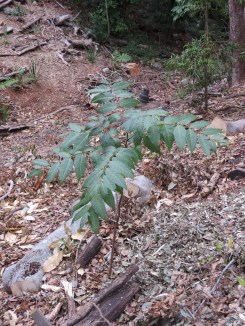
Red Cedar

s

With the Chinese Elm down and the chipping finished we can now plant nine advanced Red Cedars donated by Dave and Liz, Roly Chapman Bushcare. Red Cedars (common name for a number of Toona species) are an attractive fast growing native that will help restore the gully habitat and privacy for the neighbours.

s

s

d

d

d

s

Arrowleaf Violet

d

The planting done on the Community Gully Day in August is now starting to create a presence in the gully.

d

d

d

d

Arrowleaf Violet in seed

d

Particularly pleasing was finding that the Arrowleaf Violet Viola betonicifolia has set seed. This pretty violet is the only caterpillar food plant for the endangered Laced Fritillary butterfly Argyreus hyperbius inconstans. Now that this Violet has set seed it will spread quickly in the gully.

s

s

Splendid Ochre Trapezites simmomus

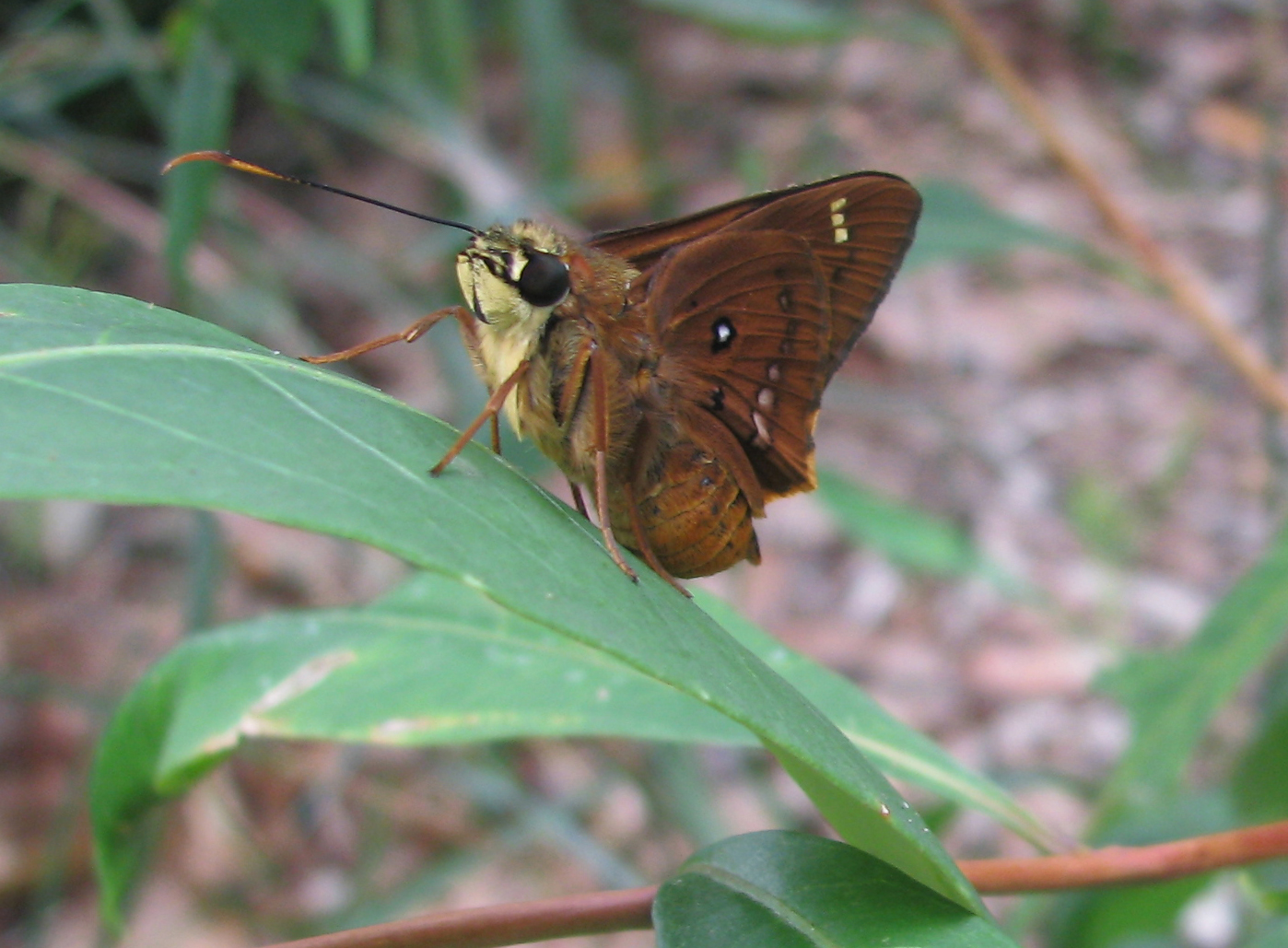
The Love Flower Pseuderanthemum variabile, caterpillar food for Australian Leafwing butterfly Doleschallia bisaltide, Waxflower Vine Hoya australis and Coinspot Treeferns Cyathea cooperi are all growing. The Creek Mat-rush Lomandra hystrix are thriving even with the dry weather. These Lomandara are caterpillar food for the Splendid Ochre Trapezites simmomus and Brown Ochre Trapezites iacchus butterflies as well as providing valuable erosion control in the gully.

Clean up complete in time for storms

d

c

Finally finished clearing the branches, raking the loose leaves and putting logs in place ready for the storms expected over the weekend.

d

d

d

d

d

s

d

Hollow log habitat for lizards and frogs

s

s

s

Final touches … hollow logs will create safe habitat for lizards and frogs.
By: Michael Fox

Ready to climb

Some weeds don’t come out easily so extreme measures are required.

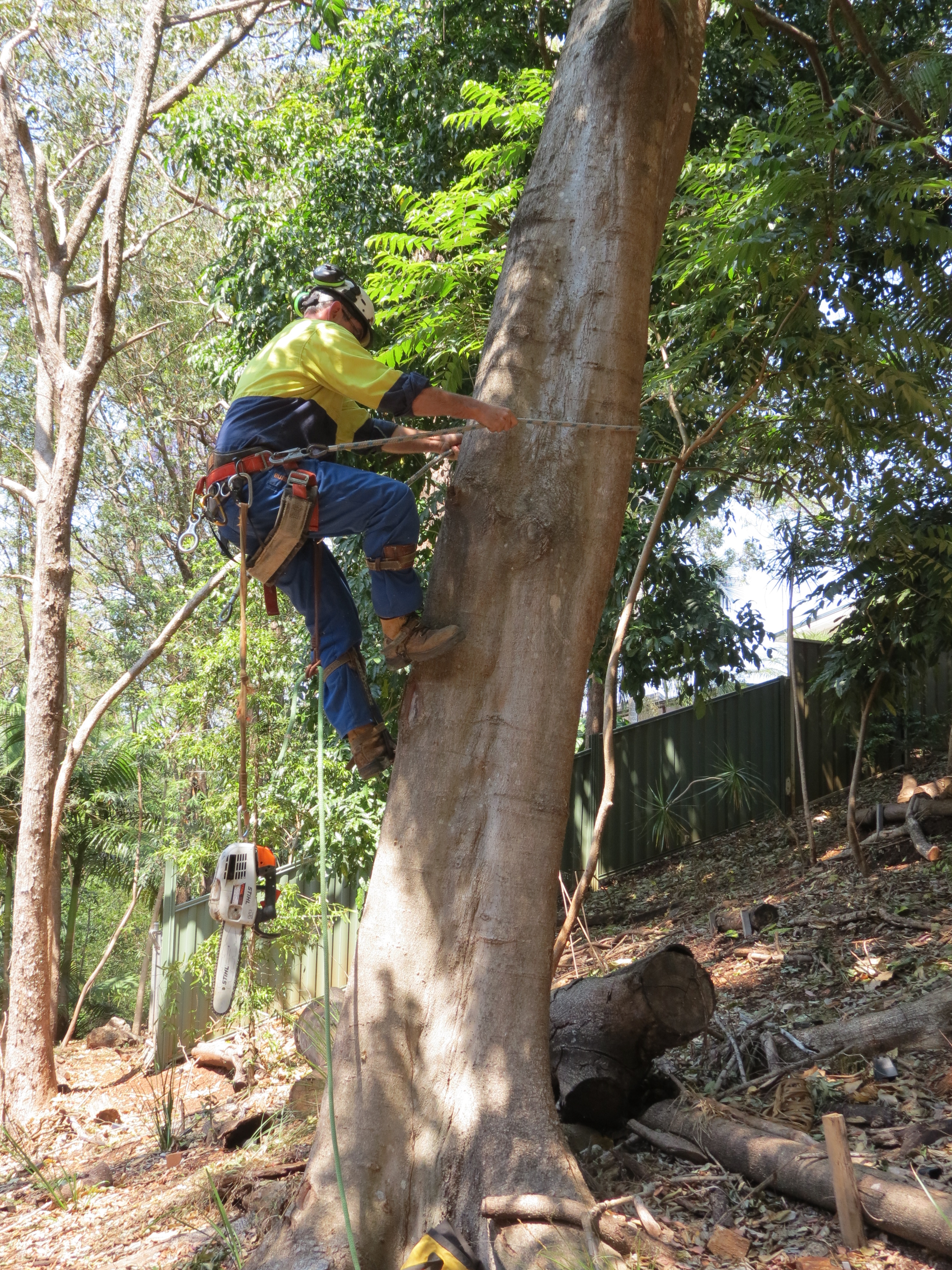
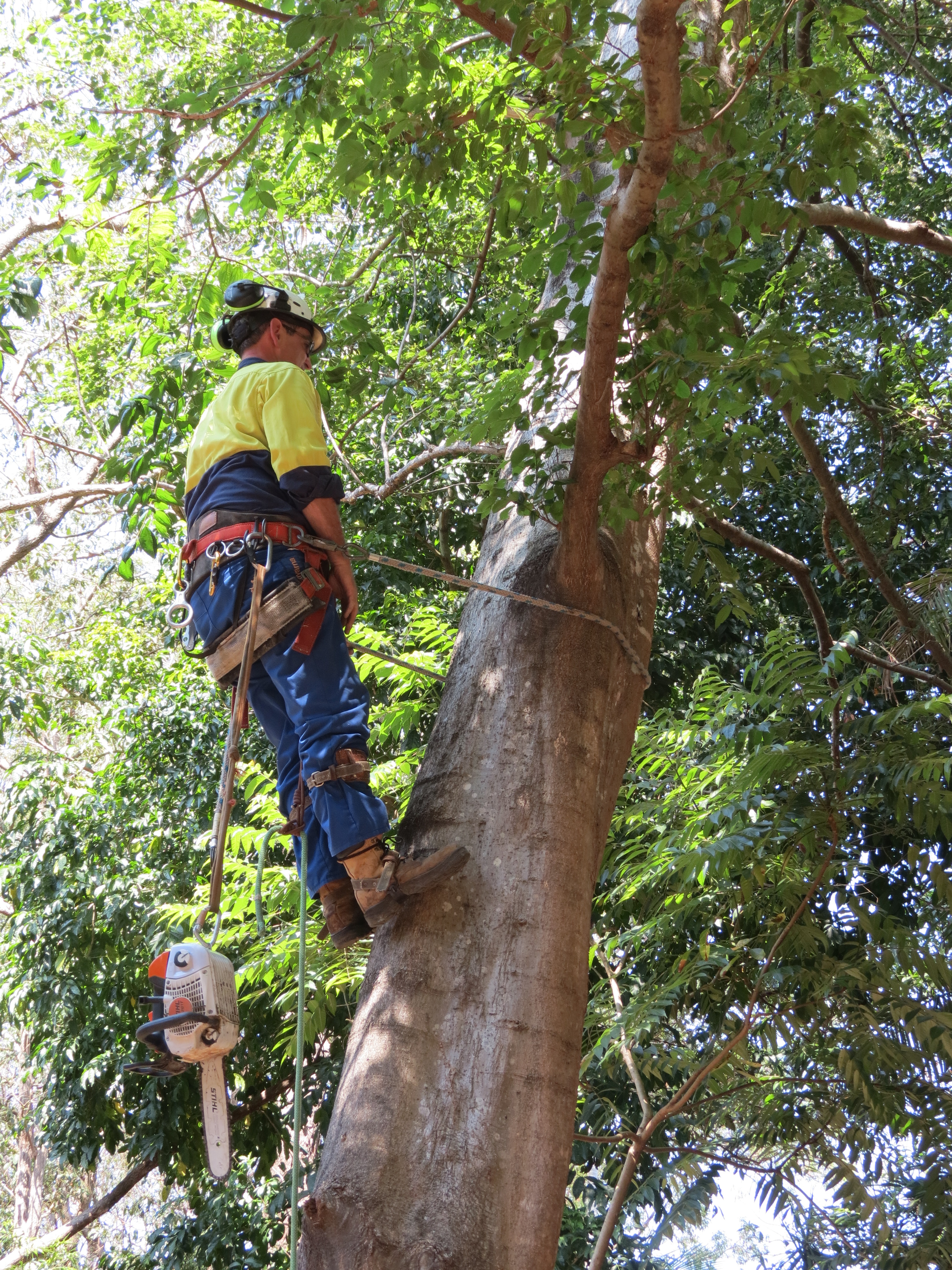
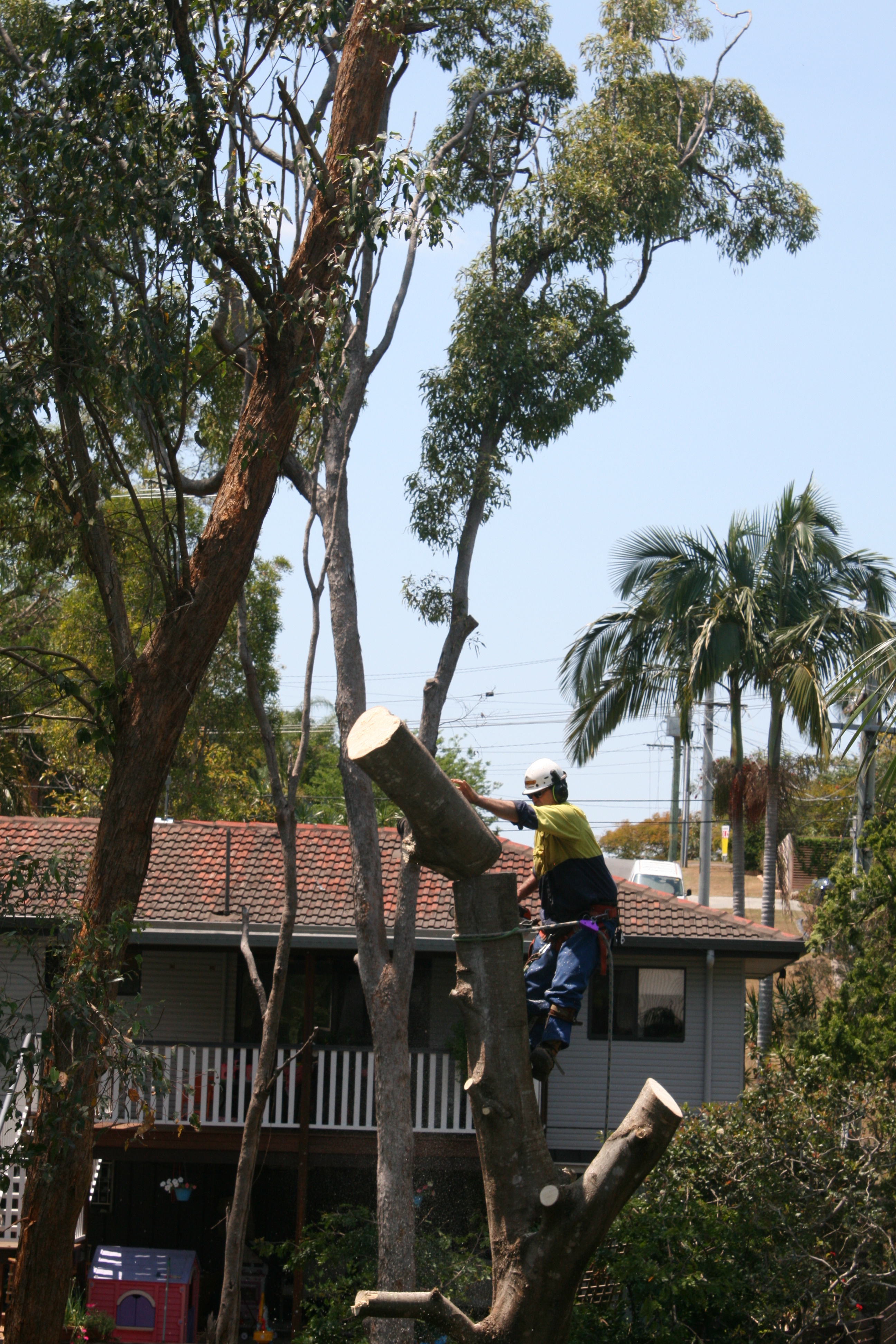
Dale, owner of Climb n Grind, straps on his spikes to scale this 20 metre high weed, an invasive Chinese Elm Celtis sinensis.
Chinese Elm or Chinese Celtis is a Class 3 Environmental Weed:

Starting the climb

“Thousands of small, orange berries are produced and are dispersed when eaten by birds. Celtis often grows in clay soils associated
with alluvial creek flats and gullies. It is an invader of riparian habitats …”

Sales of Chinese Elms have been prohibited for some years however this fast growing invasive weed is still growing in many backyards and spreading to neighbouring backyards as well as bushland areas like Mt Gravatt Conservation Reserve.

In 2012 Mt Gravatt Environment Group has been working closely with BCC Habitat Brisbane Officers to remove large Chinese Elms within the Conservation Reserve.

Time to relax?

Invasive weeds are one of the three key threats to the long term health of this unique Koala habitat. So it is inspiring to work with community members committed to restoration of the Fox Gully wildlife corridor and paying for removal of these weeds on their own properties.

In this case Annette has contracted professional tree climber Dale to scale the tree and to deconstruct it without damage to surrounding building or fences and with minimal damage to the restoration planting.

Walking up a vertical surface

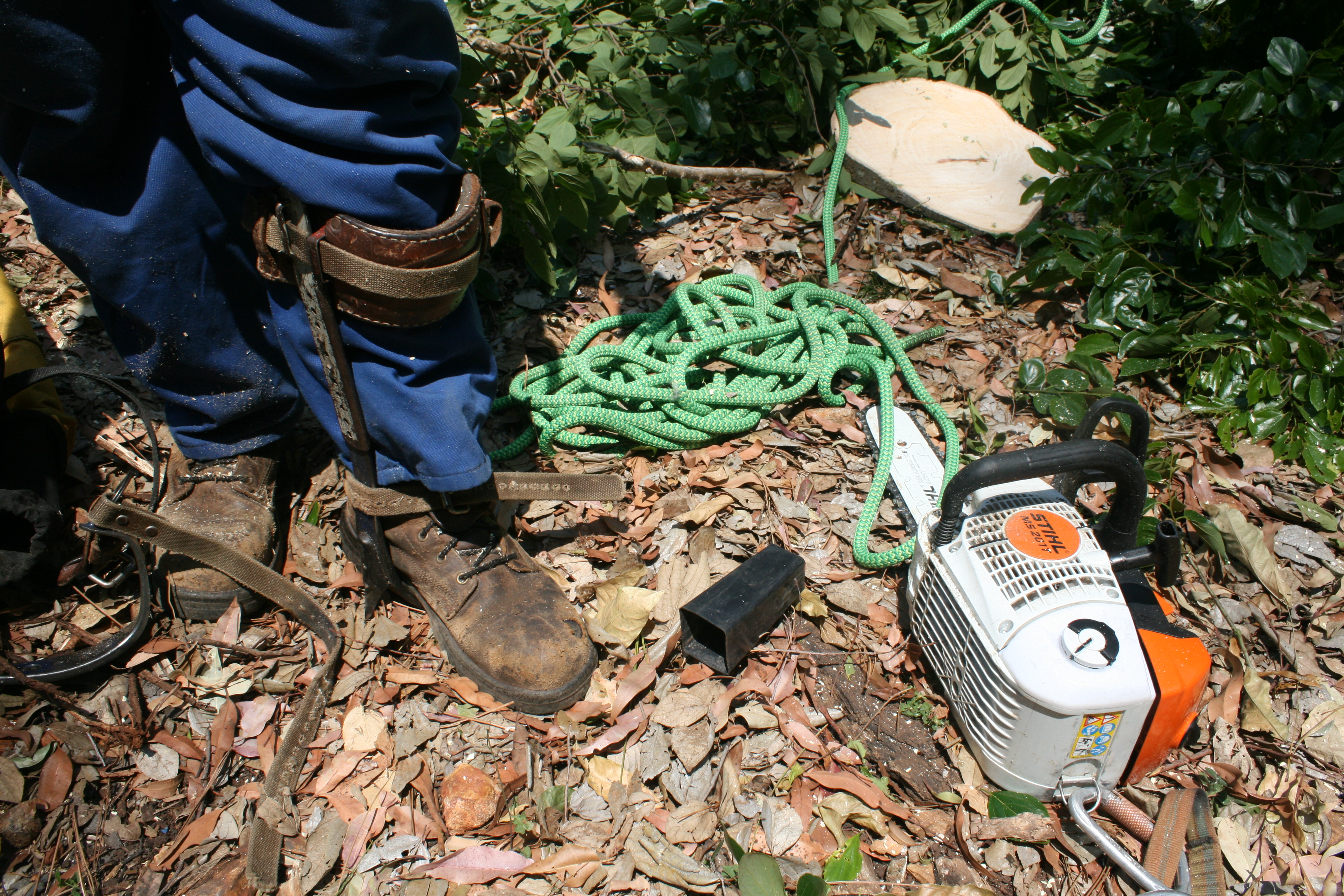
Watching Dale operate was amazing. Having strapped on spikes and hanging an extraordinary collection of ropes, tools, even a chainsaw, from his belt Dale simply started “walking” up the side of this tree, making it look as easy as stroll in the bush.

d

d

d

High above stump of Indian Rubber Tree

T

d

Climbing with full kit dangling

Towering above surrounding houses this Chinese Elm was significantly more than the 12 metre height mentioned in the DPI document.

d

d

d

d

d

d

d

d

d

d

The stump of the huge Indian Rubber Tree removed in 2011 can be seen in the background and way below the branch where Dale is so casually standing.

d

d

d

d

d

d

d

d

d

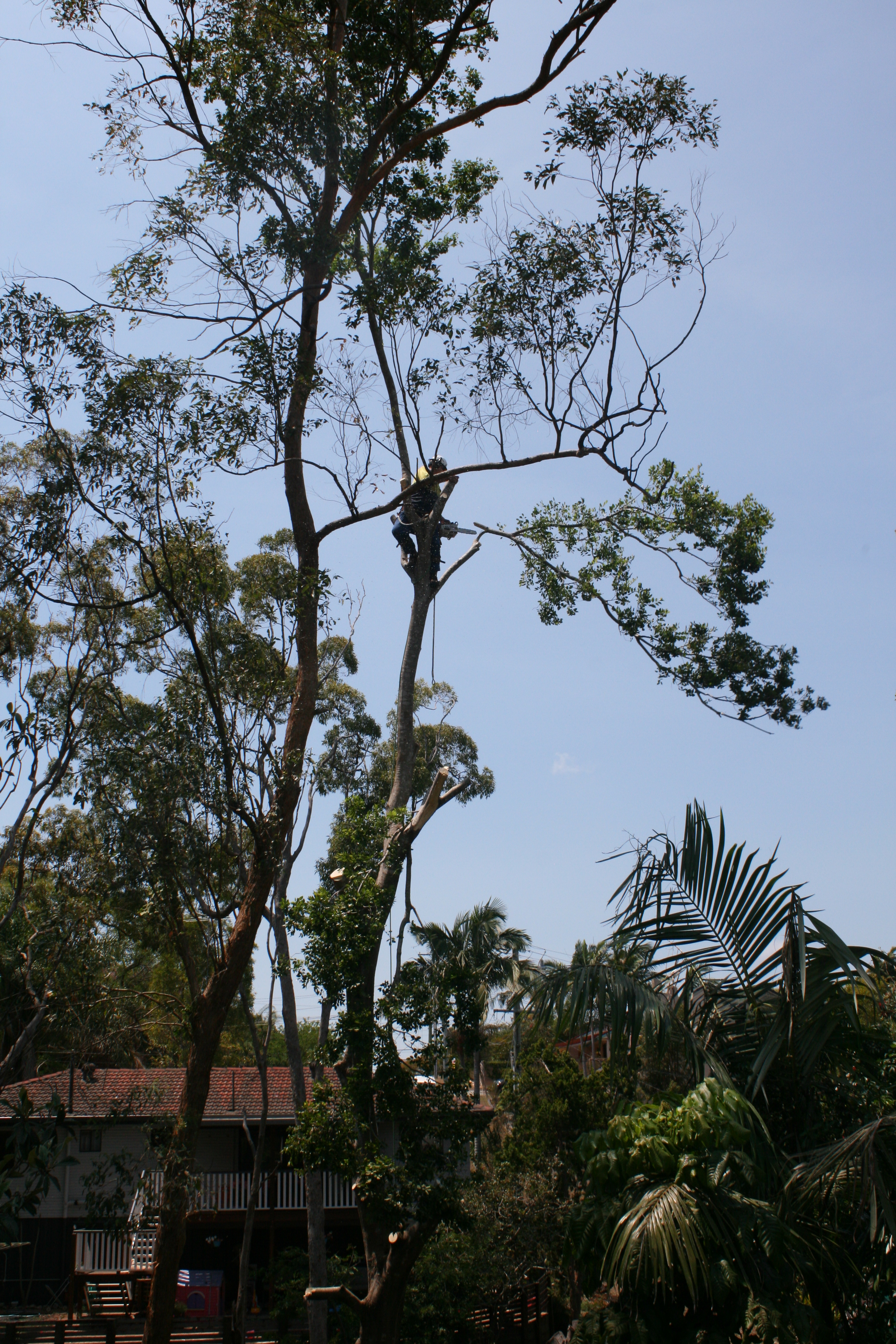
Ok we’ve cleared the low branches so it’s time to climb again. Note the fork that was above and to the left of Dale in the last picture is now below him!

Extreme pruning

d

d

d

d

d

d

d

d

d

d

d

d

Almost finished

That fork is now far below as Dale climbs higher to do a little light pruning.

d

d

d

d

d

d

d

d

d

s

ss

Hundreds or even thousands of berries

Working his way back down cutting logs almost as big as himself.s

s

s

s

s

s

c

c

c

c

c

d

d

The tree was covered in hundreds or perhaps thousands of immature berries that would have been spread by birds or washed down the gully to infect other properties or Roly Chapman Reserve and Mimosa Creek. Prior to targeting Chinese Elms for removal we would remove two or three hundred seedlings each year in each of our bushcare sites so removal of this tree is a significant boost to our restoration efforts.

By: Michael Fox

c

November 2007 we held our first Community Planting Day.

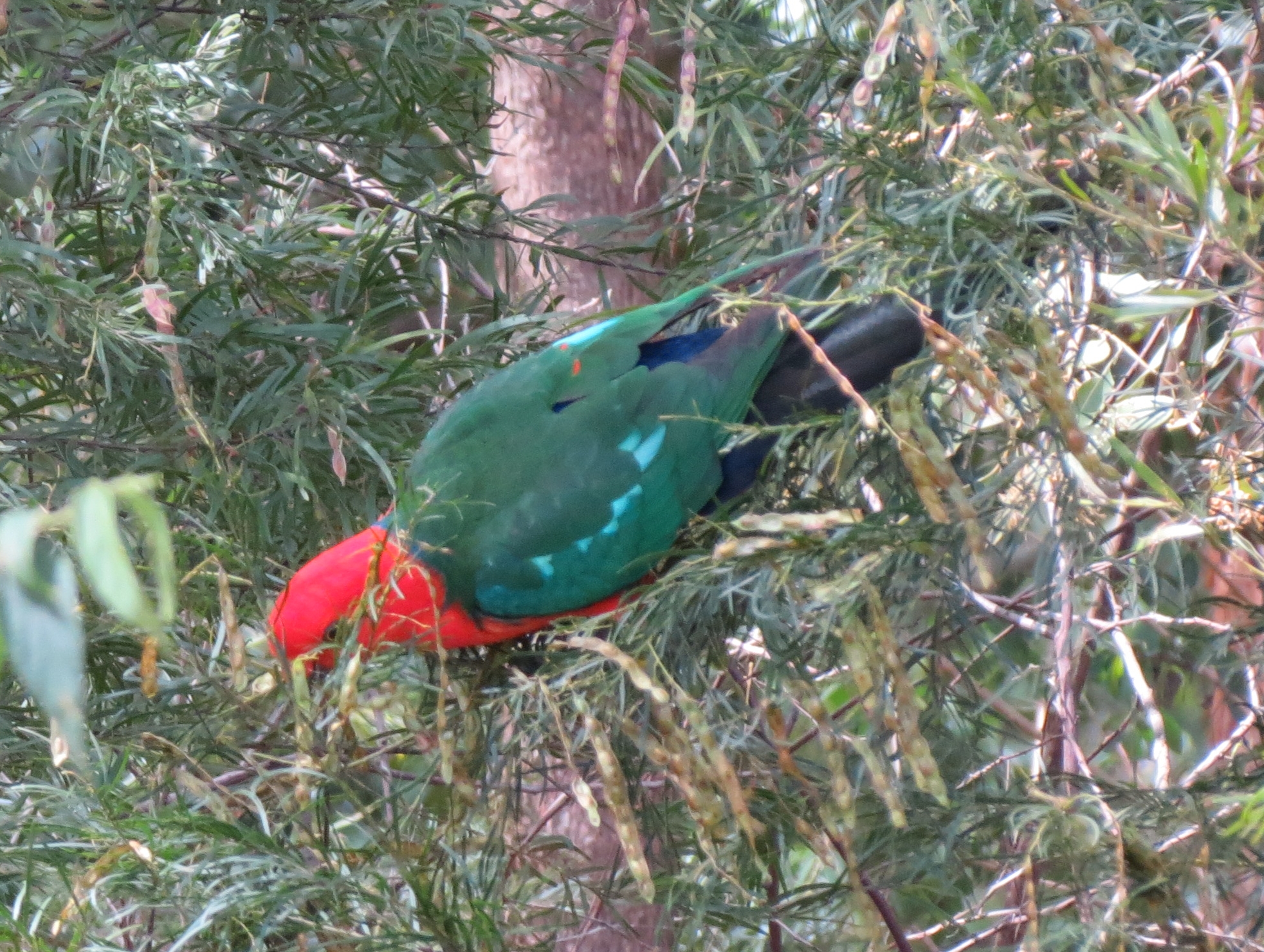
King Parrot feeding on Brisbane Fringed Wattle

Four hundred and ten native plants represented the first big step in restoring the Fox Gully habitat.

Aside from native herbs and grasses we also planted a number of Acacia falcata and Acacia fimbrata. Acacia fimbrata, also called Brisbane Fringed Wattle, is one of the most beautiful of our local wattles and a favourite with at least one of our neighbours – read the story.

Brisbane Fringed Wattle is also a favourite of our beautiful King Parrots Alisterus scapularis who visit each year to feast on the seed pods. Watch the video to see the amazing skill in getting each seed then moving the pod along to get the next seed … and no hands needed.

« Previous PageNext Page »